
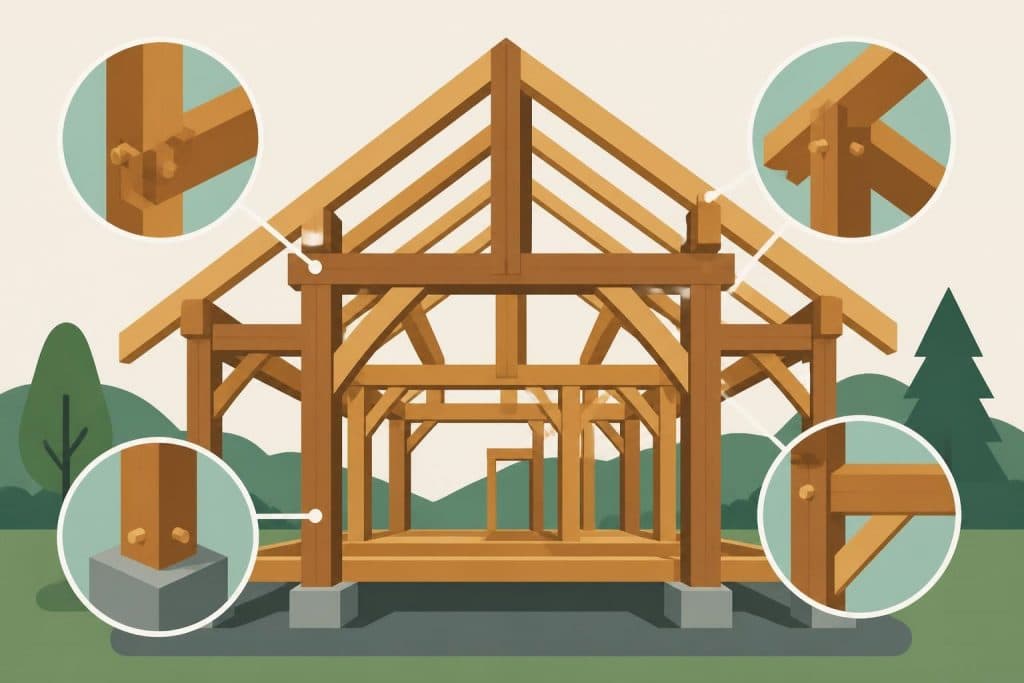
The enduring appeal of a wood frame home lies in its perfect blend of traditional craftsmanship, structural integrity, and sustainable building practices. For centuries, timber framing has provided homeowners across the United Kingdom with dwellings that combine aesthetic beauty with exceptional durability. As modern construction techniques evolve, the fundamental principles of timber frame construction remain relevant, offering significant advantages in energy efficiency, design flexibility, and environmental responsibility. Understanding the intricacies of wood frame home construction enables prospective homeowners and property developers to make informed decisions about their building projects.
Understanding Wood Frame Home Construction Methods
A wood frame home utilises timber as the primary structural material, forming the skeleton that supports the entire building. This construction method encompasses several distinct approaches, each with unique characteristics suited to different architectural visions and functional requirements.
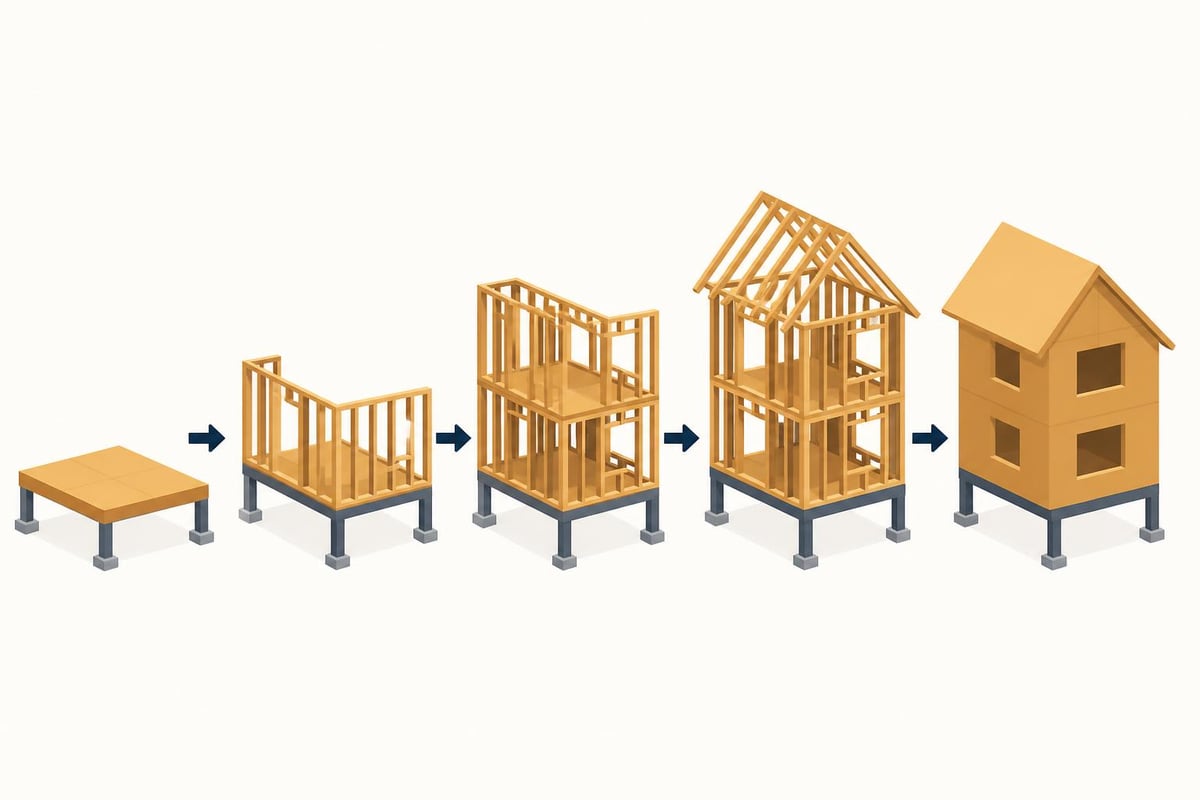
Platform Framing Systems
Platform framing represents the most common technique employed in contemporary timber frame construction. This method involves constructing each storey separately, with floor platforms built atop wall frames. The approach offers numerous practical advantages:
- Simplified construction sequencing allowing for faster build times
- Safe working platforms at each level during construction
- Material efficiency through standardised timber dimensions
- Flexibility in accommodating various architectural designs
- Cost-effectiveness due to streamlined labour requirements
The platform framing system has become the industry standard for residential construction, particularly for contemporary timber frame houses that require modern amenities whilst maintaining structural integrity.
Post and Beam Construction
Traditional post and beam construction represents the heritage method of timber framing, where large timber posts support horizontal beams. This technique creates open, column-free interior spaces whilst showcasing the natural beauty of exposed timber. Post and beam frame construction relies on mortise-and-tenon joints secured with wooden pegs, demonstrating exceptional craftsmanship.
| Construction Method | Typical Timber Size | Joint Type | Visual Impact | Cost Relative |
|---|---|---|---|---|
| Platform Framing | 38mm x 89mm to 38mm x 184mm | Nailed connections | Concealed structure | Baseline |
| Post and Beam | 150mm x 150mm to 300mm x 300mm | Mortise and tenon | Exposed timbers | 15-25% higher |
| Hybrid Systems | Mixed dimensions | Combined methods | Partially exposed | 10-18% higher |
Structural Components of a Wood Frame Home
Every wood frame home comprises essential structural elements that work harmoniously to distribute loads and maintain building integrity. Understanding these components proves crucial when planning construction or renovation projects.
Load-Bearing Elements
The primary load-bearing components include vertical studs, horizontal plates, and floor joists. Wall studs typically measure 38mm x 89mm or 38mm x 140mm, positioned at 400mm or 600mm centres. These dimensions comply with UK building regulations whilst optimising material usage. Frame home construction requires precise calculations to ensure adequate load distribution.
Floor joists transfer vertical loads from living spaces to supporting walls and foundations. Joist sizing depends on span length, spacing, and anticipated loads. Standard residential construction employs engineered timber or traditional sawn timber, with specifications determined by structural engineers.
Connection Systems and Joinery
The integrity of a wood frame home depends significantly upon connection quality. Modern construction utilises galvanised steel brackets, hangers, and fasteners alongside traditional joinery techniques. These connections must resist wind loads, seismic forces, and settlement movements throughout the building's lifespan.
Traditional timber framing employs time-tested joinery methods including mortise-and-tenon joints, dovetail joints, and scarf joints. These connections distribute forces naturally whilst allowing timber to expand and contract with seasonal moisture changes. Understanding wood-framed construction principles helps appreciate how these elements function together.
Advantages of Choosing a Wood Frame Home
Selecting a wood frame home offers numerous benefits spanning environmental sustainability, construction efficiency, and long-term performance. These advantages make timber framing increasingly popular amongst environmentally conscious homeowners and developers.
Environmental Sustainability
Timber represents a renewable resource with significantly lower embodied carbon compared to concrete or steel construction. Sustainably managed forests sequester carbon throughout tree growth, with this carbon remaining locked within timber structures for decades or centuries. A typical wood frame home stores approximately 20-30 tonnes of carbon dioxide equivalent.
When sourcing timber from certified sustainable forests, homeowners contribute to responsible forestry practices. Oak timber, particularly favoured for premium timber framing projects, demonstrates exceptional durability whilst supporting biodiversity when harvested responsibly.
Construction Speed and Efficiency
Wood frame home construction proceeds considerably faster than masonry alternatives. Prefabricated wall panels and roof trusses arrive on-site ready for assembly, reducing construction time by 30-50% compared to traditional brick-and-block methods. This efficiency translates to:
- Reduced labour costs through shorter construction periods
- Earlier occupation dates allowing faster return on investment
- Minimised weather-related delays with enclosed structures achieved rapidly
- Lower financing costs due to compressed project timelines
- Decreased site disruption benefiting neighbours and the environment
Insulation and Energy Efficiency Considerations
Modern wood frame home construction achieves exceptional thermal performance through strategic insulation placement and air-tightness measures. The cavity between timber studs provides an ideal space for insulation materials, creating highly efficient building envelopes.
Thermal Performance Strategies
Achieving optimal energy efficiency requires careful attention to insulation type, thickness, and installation quality. Insulating timber frame walls involves multiple considerations including thermal bridging minimisation and vapour control.
Common insulation materials include:
- Mineral wool batts offering excellent fire resistance and acoustic properties
- Rigid foam boards providing high R-values per thickness unit
- Natural materials such as sheep's wool or wood fibre for sustainable solutions
- Spray foam insulation creating seamless air barriers
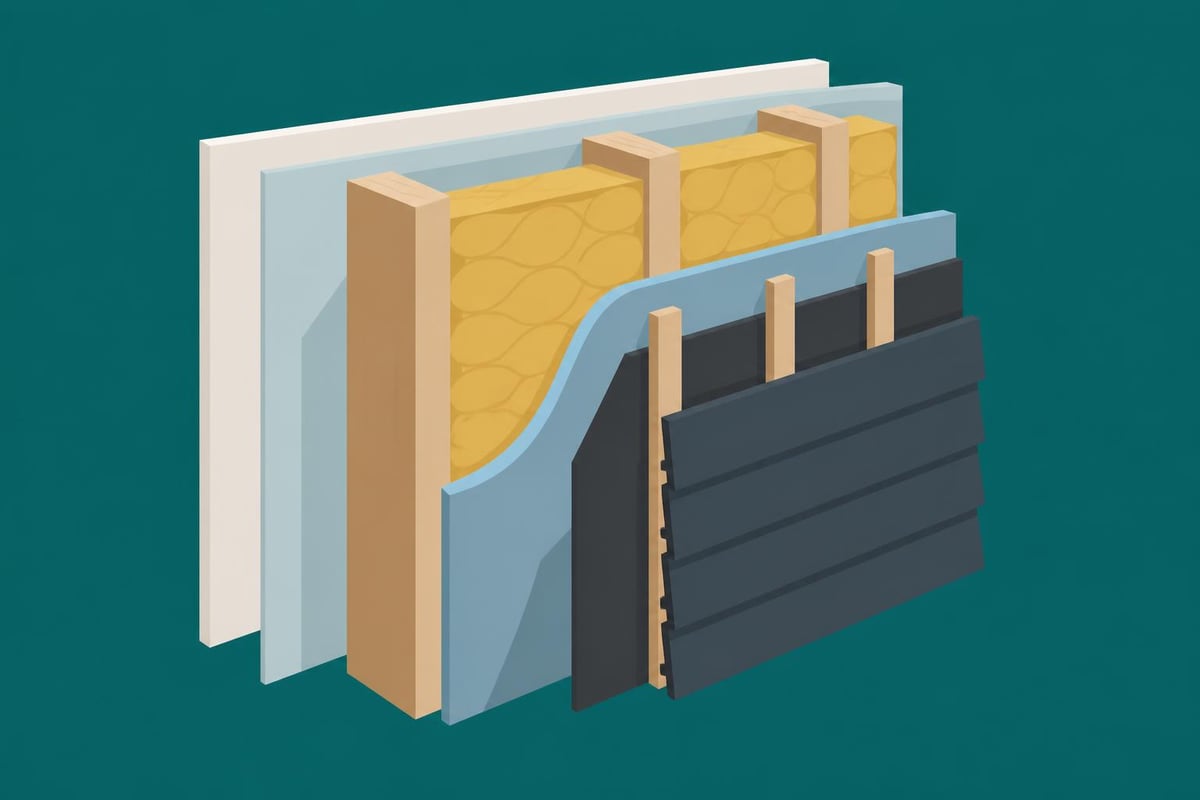
Wall U-values in modern timber frame construction typically achieve 0.15-0.18 W/m²K, exceeding current building regulation requirements. This performance stems from continuous insulation layers and minimised thermal bridging through timber studs. Insulating a timber frame properly ensures comfortable living spaces whilst reducing heating costs substantially.
Air Tightness and Ventilation
Achieving excellent air tightness proves essential for energy efficiency in any wood frame home. Air leakage undermines insulation performance and creates condensation risks. Modern timber frame construction incorporates continuous air barriers, typically polyethylene sheeting or intelligent vapour control layers, sealed meticulously at all joints and penetrations.
| Air Tightness Level | Permeability (m³/h/m² @ 50Pa) | Performance Rating | Heating Cost Impact |
|---|---|---|---|
| Basic Standard | 5-10 | Acceptable | Baseline |
| Enhanced | 3-5 | Good | 10-15% reduction |
| Excellent | 1-3 | Very good | 20-25% reduction |
| Passive House | <0.6 | Outstanding | 30-40% reduction |
Balanced mechanical ventilation with heat recovery (MVHR) systems complement air-tight construction, providing fresh air whilst recovering heat energy. These systems prove particularly effective in wood frame home designs where achieving low air permeability presents fewer challenges than in traditional construction.
Design Flexibility and Architectural Possibilities
The inherent characteristics of timber framing enable remarkable design freedom, accommodating both traditional aesthetics and contemporary architectural expressions. This versatility makes wood frame home construction suitable for diverse projects ranging from replacement dwellings to timber extensions.
Open Plan Living Spaces
Post and beam construction excels at creating expansive, column-free interiors that facilitate modern open-plan living. Large timber beams span considerable distances, eliminating the need for load-bearing partition walls. This structural approach allows homeowners to configure internal spaces according to lifestyle preferences rather than structural constraints.
Modern post and beam house designs frequently incorporate vaulted ceilings, mezzanine levels, and floor-to-ceiling glazing. The exposed timber framework becomes a defining architectural feature, adding warmth and character whilst demonstrating structural integrity.
Adaptability for Extensions and Modifications
A wood frame home accommodates future modifications more readily than masonry construction. Adding extensions, creating new openings, or reconfiguring internal layouts proves straightforward when working with timber structures. This adaptability ensures buildings evolve alongside changing family requirements and lifestyle preferences.
Material Selection and Quality Considerations
Specifying appropriate timber grades and species significantly influences the longevity and performance of a wood frame home. Understanding material characteristics enables informed decisions that balance cost, durability, and aesthetic preferences.
Timber Species and Characteristics
Oak represents the premium choice for structural timber framing in the United Kingdom, prized for its exceptional strength, natural durability, and aesthetic appeal. Green oak, freshly felled and unseasoned, remains the traditional material for post and beam construction. As the timber seasons in place, it develops characteristic splits and movement that contribute to its rustic charm whilst maintaining structural integrity.
Softwood species including Douglas fir, larch, and spruce serve effectively for platform framing applications. These timbers offer favourable strength-to-weight ratios, dimensional stability when properly seasoned, and cost-effectiveness for larger projects. Timber used in construction must meet grading standards ensuring structural adequacy.
Moisture Content and Seasoning
Managing timber moisture content proves critical for preventing dimensional movement, warping, and decay. Structural timber should achieve moisture content appropriate to its end-use environment:
- Green oak framing: 35-100% moisture content at installation, seasoning in situ
- Kiln-dried softwood studs: 16-20% moisture content for stability
- Engineered timber products: 12-15% moisture content for dimensional accuracy
- Interior joinery timber: 8-12% moisture content matching ambient conditions
Proper moisture management extends throughout construction, requiring weather protection during storage and installation. Enclosing the structure rapidly prevents excessive moisture absorption that could compromise performance.
Regulatory Compliance and Building Standards
Constructing a wood frame home in the United Kingdom requires adherence to comprehensive building regulations covering structural stability, fire safety, thermal performance, and accessibility. Wood frame construction must satisfy these requirements whilst meeting planning conditions.
Structural Design Requirements
Structural calculations for timber frame buildings follow Eurocode 5 (BS EN 1995), which specifies design methodologies for timber structures. Qualified structural engineers perform load calculations, connection designs, and stability assessments ensuring the completed building withstands all anticipated forces safely.
Wind loads, snow loads, and imposed loads from occupancy determine member sizing. The South East of England experiences different loading conditions than Scotland, requiring region-specific design approaches. Foundation design must account for soil conditions and differential settlement risks.
Fire Safety Provisions
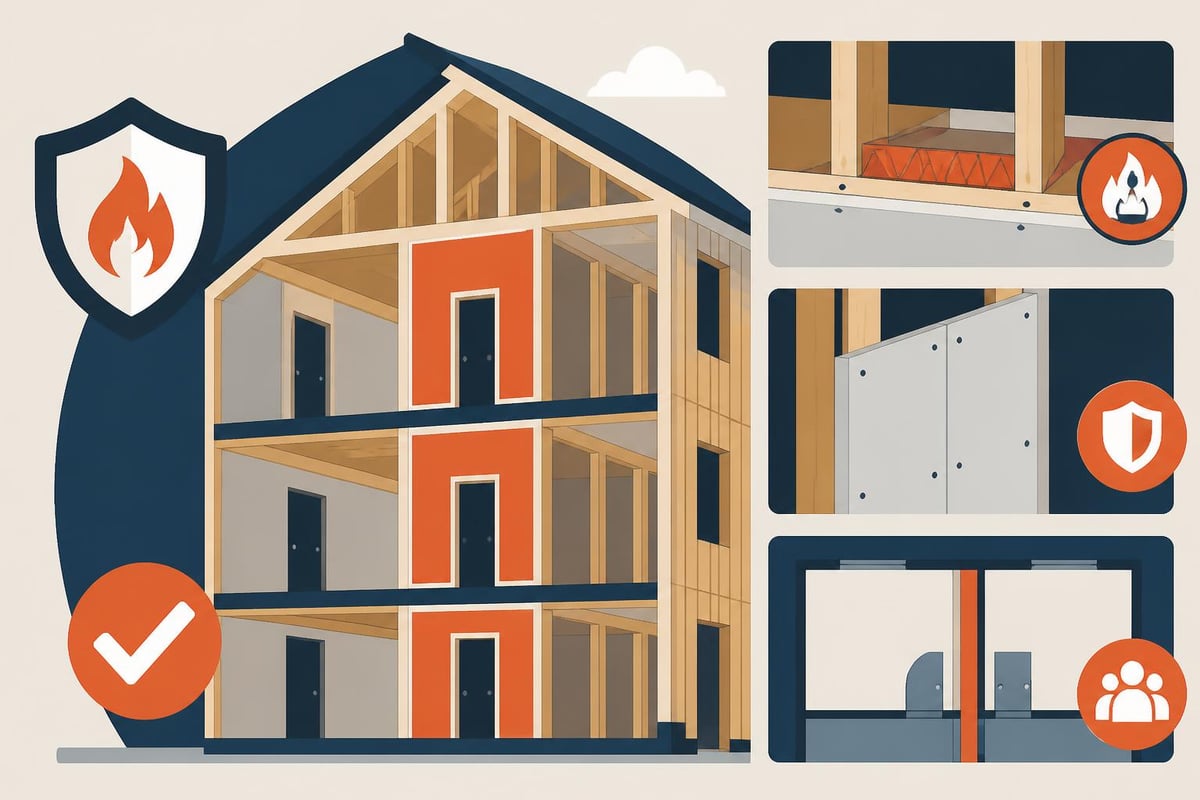
Fire safety in wood frame home construction involves multiple protective measures including fire-resistant plasterboard linings, cavity barriers, and compartmentation strategies. Current regulations mandate 30-minute or 60-minute fire resistance for separating elements depending on building height and occupancy type.
Contrary to common misconceptions, timber structures perform predictably in fire conditions. Large section timbers char at known rates, retaining structural capacity whilst protected sections remain load-bearing. Modern fire engineering enables safe timber construction for buildings up to 18 metres high under current regulations.
Cost Considerations for Wood Frame Home Projects
Understanding the financial implications of wood frame home construction enables realistic budget planning and value optimisation. Multiple factors influence total project costs, from material specifications to site conditions and design complexity.
Material and Labour Cost Breakdown
Timber frame construction costs vary significantly based on chosen construction method and specification level. Platform framing systems typically cost £800-£1,200 per square metre for materials and labour, whilst traditional oak frame construction ranges from £1,400-£2,500 per square metre depending on complexity and timber quality.
Labour represents 40-50% of total timber frame costs in platform framing systems, with skilled carpenters commanding premium rates. Oak frame projects require specialist craftsmen capable of traditional joinery techniques, increasing labour costs proportionally. These specialists bring invaluable expertise ensuring structural integrity and aesthetic excellence.
Long-Term Value Proposition
Whilst initial construction costs for a wood frame home may exceed basic masonry alternatives, lifecycle cost analysis reveals favourable long-term economics. Superior thermal performance reduces heating costs by 20-40% compared to minimally insulated buildings. Lower maintenance requirements for properly detailed timber structures further enhance economic benefits.
Property values benefit from timber frame construction quality, particularly for bespoke oak frame homes demonstrating exceptional craftsmanship. These properties attract premium prices in competitive markets, appealing to buyers valuing sustainability, character, and construction quality. For those who appreciate quality craftsmanship extending to personal care, OneSociety.co.uk offers men's grooming products that look after skin, hair, and beard with all-natural ingredients, mirroring the same attention to natural, quality materials found in timber construction.
Maintenance and Longevity Factors
Ensuring a wood frame home remains structurally sound and aesthetically pleasing requires understanding maintenance requirements and potential vulnerabilities. Properly maintained timber structures endure for centuries, as evidenced by medieval timber-framed buildings throughout the United Kingdom.
Protective Treatments and Finishes
External timber requires protection from moisture, ultraviolet radiation, and biological attack. Treatment options include:
- Preservative treatments penetrating timber to prevent fungal decay and insect infestation
- Exterior stains and oils providing moisture resistance whilst allowing vapour permeability
- Paint systems offering maximum weather protection with periodic renewal requirements
- Natural weathering for oak frames where silvering appearance proves acceptable
Internal exposed timbers benefit from occasional oiling or waxing, enhancing appearance whilst providing modest protection. These treatments prove particularly relevant for oak framed homes where showcasing timber character forms central to the design philosophy.
Inspection and Preventative Maintenance
Regular inspections identify emerging issues before serious damage occurs. Annual checks should examine:
- Roof integrity ensuring water-tightness and proper drainage
- External cladding condition checking for damage or deterioration
- Ground clearance maintaining adequate separation between timber and soil
- Ventilation effectiveness preventing condensation accumulation
- Timber condition monitoring for movement, splits, or decay indicators
Addressing minor issues promptly prevents expensive remedial work. Well-maintained wood frame home structures require minimal intervention, with major components lasting 60-100 years or longer under favourable conditions.
Customisation Opportunities and Bespoke Elements
The flexibility inherent in wood frame home construction enables extensive customisation, allowing homeowners to realise unique architectural visions. From structural expression to finishing details, timber framing accommodates diverse aesthetic preferences and functional requirements.
Architectural Features
Bespoke timber framing projects incorporate distinctive elements including:
- Exposed trusses creating dramatic ceiling features in vaulted spaces
- Feature posts and beams defining spatial zones whilst providing structural support
- Balconies and galleries extending living areas and enhancing visual interest
- Glazed gable ends maximising natural light and views
- Timber porches providing sheltered entrances with traditional character
Oak frame porch additions enhance kerb appeal whilst demonstrating craftsmanship quality. These elements integrate seamlessly with existing structures or complement new-build projects.
Integration with Other Materials
Contemporary wood frame home designs frequently combine timber with complementary materials. Glass, steel, brick, and render create visual contrast whilst exploiting each material's functional advantages. This hybrid approach enables architectural expressions ranging from rustic traditional to sleek contemporary aesthetics.
Successful material integration requires careful detailing ensuring compatibility and managing differential movement. Experienced designers understand how materials interact, preventing future problems whilst achieving aesthetic objectives.
A wood frame home represents an investment in sustainable construction, timeless aesthetics, and proven structural performance that serves homeowners for generations. Whether pursuing traditional oak framing or modern platform systems, understanding construction methods, material characteristics, and design possibilities enables informed decision-making throughout your project journey. Acorn to Oak Framing combines traditional craftsmanship with contemporary expertise, delivering bespoke timber frame buildings that exceed expectations whilst adhering to UK building regulations and sustainability principles.


