
Imagine stepping into a serene retreat each morning, where the gentle embrace of timber surrounds you and nature’s calm sets the tone for your day. The dream of living in harmony with the outdoors is closer than ever.
This guide is your essential companion for exploring every aspect of an all wooden house. From inspiration to realisation, you will discover practical advice, expert insights, and everything needed to make natural living a reality in 2026.
We will reveal the environmental benefits, diverse design options, step-by-step building processes, straightforward maintenance tips, and future trends. Ready to unlock the charm and potential of a wooden home? Let’s begin your journey to natural living.
Why Choose an All Wooden House?
Choosing an all wooden house is a decision that goes beyond simple aesthetics. It is about making a conscious choice for the environment, your wellbeing, and your lifestyle. Let us explore why this natural approach to living is capturing the imagination of homeowners across the UK.
Environmental Sustainability and Eco-Friendliness
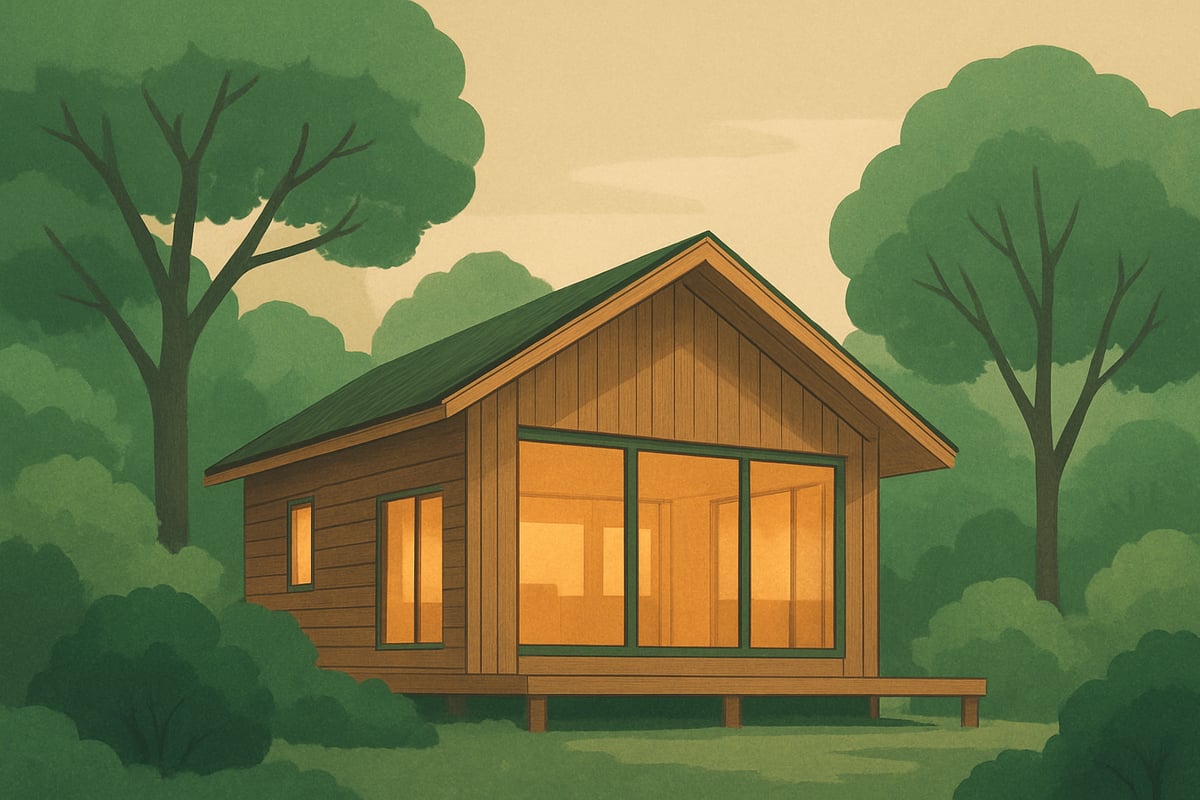
One of the strongest arguments for an all wooden house is its positive impact on the planet. Timber is a renewable resource that, when managed responsibly, can help reduce reliance on concrete or steel. These traditional materials are associated with higher emissions and resource depletion.
Wooden homes have a much lower carbon footprint. They actually store carbon, helping to offset greenhouse gases. The UK Green Building Council notes that timber construction can cut CO₂ emissions by up to 75% compared to conventional methods. For those interested in broader policy and sustainability impacts, the UK Timber in Construction Roadmap 2025 outlines national goals for increasing sustainable timber use.
Wood’s natural insulation also means reduced energy use. Prefabrication techniques further minimise waste on site. Choosing an all wooden house is an investment in a greener future.
Health and Wellbeing Benefits
Living in an all wooden house can contribute to a healthier lifestyle. Timber’s natural properties help regulate humidity, creating a comfortable indoor environment. Unlike synthetic materials, wood does not emit harmful chemicals, supporting better indoor air quality.
Research from Scandinavia shows that wooden homes can lead to lower rates of respiratory issues. The calming effect of wood on stress and mood is well documented. Many homeowners report feeling more relaxed and grounded in their all wooden house.
Natural materials encourage a sense of wellbeing that is difficult to replicate with other construction methods. The home becomes a sanctuary, supporting both body and mind.
Aesthetic and Lifestyle Appeal
An all wooden house stands out for its warmth and visual appeal. The unique grain and texture of timber add character that evolves over time. Whether you prefer a rustic log cabin or a sleek modern design, wood offers versatility.
Open-plan layouts, exposed beams, and large windows connect you visually and emotionally to nature. Living in an all wooden house fosters a lifestyle rooted in simplicity and comfort.
There is also a growing trend for custom timber homes that blend into their surroundings, reflecting local heritage and landscape. Each home tells its own story.
Cost and Value Considerations
Financially, an all wooden house can be a smart investment. The superior insulation properties of wood often translate into lower energy bills. With the right treatments and regular care, timber homes are remarkably durable.
There is a rising demand for eco-friendly properties, which can boost resale value. The cost of building an all wooden house varies, but prefabrication and efficient construction methods can help manage budgets.
Government incentives and green home grants may further reduce costs for those embracing sustainable building. Long-term savings and value make the case even stronger.
Challenges and Solutions
Despite the clear benefits, some people worry about fire safety, pests, or maintenance in an all wooden house. Modern building codes in the UK address these concerns with strict regulations and advanced treatments.
Fire-resistant finishes, proper ventilation, and pest-resistant timber species are now standard. Regular inspection and care ensure longevity. The reality is that with today’s technology and expertise, living in an all wooden house is both safe and practical.
By understanding and addressing these challenges, homeowners can enjoy all the rewards timber construction has to offer.
Planning and Designing Your Wooden House
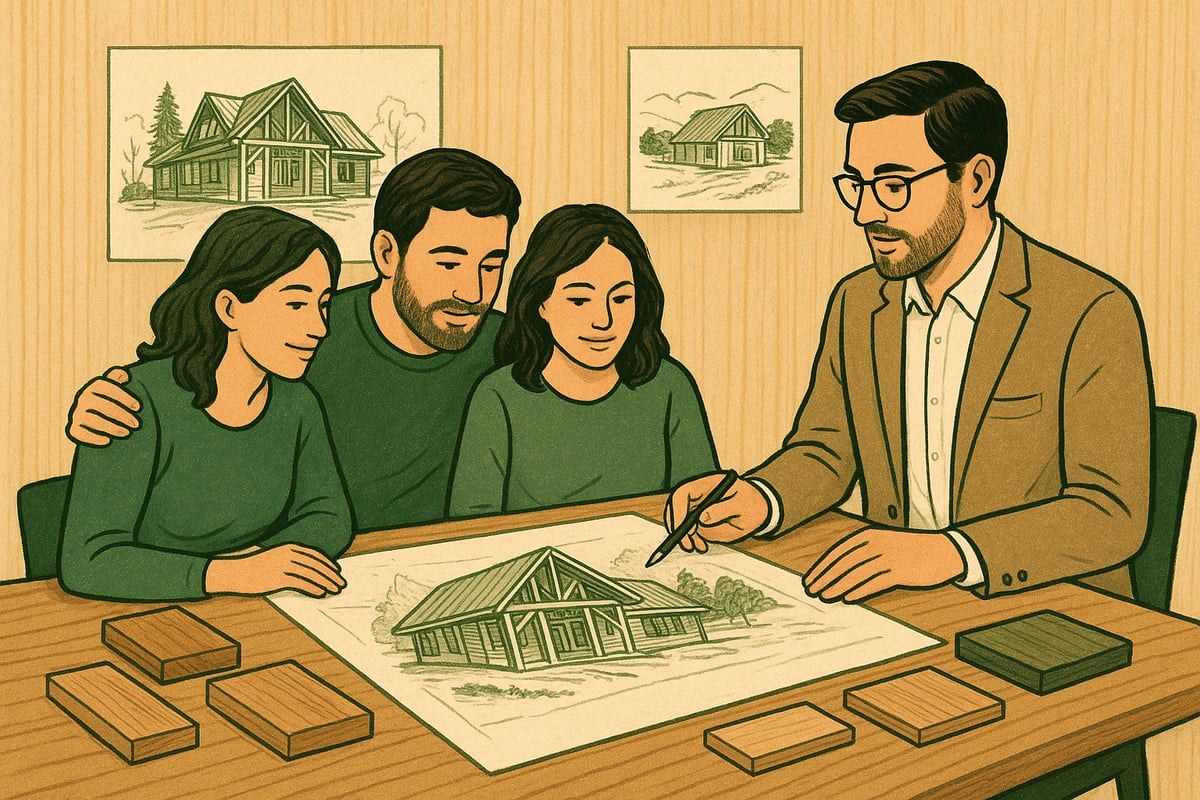
Planning an all wooden house is an exciting journey that blends creativity, practicality, and a deep respect for natural materials. Each decision, from the timber you select to the design of your living space, shapes your future lifestyle. Taking a thoughtful approach at this stage lays the foundation for a beautiful, comfortable, and sustainable home.
Choosing the Right Timber and Materials
Selecting the best timber is the cornerstone of any all wooden house project. Each wood species offers unique qualities. Oak is prized for its strength and longevity, making it ideal for structural frames. Pine is more affordable and widely available, though it requires protective treatments. Cedar and larch naturally resist decay, providing durability with less maintenance.
When choosing materials, consider not only the look and feel but also local availability and environmental impact. Opt for timber certified by FSC or PEFC schemes to ensure responsible sourcing. A well-chosen timber will enhance the comfort and sustainability of your all wooden house.
| Timber Type | Durability | Cost | Sustainability | Local Availability |
|---|---|---|---|---|
| Oak | High | Premium | Excellent | Good |
| Pine | Moderate | Affordable | Good | Excellent |
| Cedar | High | Moderate | Excellent | Fair |
| Larch | High | Moderate | Excellent | Good |
Architectural Styles and Inspirations
The design of your all wooden house is a chance to express your personality and values. Whether you are drawn to the rustic charm of a traditional log cabin or the clean lines of a modern oak frame, timber construction offers remarkable versatility.
Explore a variety of styles, from Japanese minka to Scandinavian log homes and classic UK oak frame cottages. Each approach reflects a connection to place and climate. For inspiration and practical ideas, browse real-world examples of timber frame home designs to see how others have brought their visions to life.
Blending your home into the surrounding landscape can enhance its sense of belonging and harmony with nature.
Layout and Space Optimisation
A well-planned layout is essential for a comfortable all wooden house. Open-plan living areas encourage natural light and airflow, making interiors feel spacious and inviting. Multi-functional spaces, such as combined kitchen-diners or adaptable home offices, help maximise every square metre.
Consider clever storage solutions built into walls or under stairs to keep your living areas clutter-free. Large windows and sliding doors can seamlessly connect indoor and outdoor spaces, fostering a constant relationship with nature. By optimising your layout, you make your all wooden house both practical and enjoyable for daily living.
Integrating Modern Technology
Modern technology can easily be integrated into an all wooden house without compromising its natural character. Smart home systems, such as automated lighting, heating, and security, offer convenience and energy savings. Timber homes are excellent candidates for energy-efficient heating solutions, including air source heat pumps and underfloor heating.
Solar panels and battery storage can provide renewable energy, further reducing your environmental impact. Mechanical ventilation with heat recovery (MVHR) systems ensure a healthy indoor climate by maintaining fresh air and balanced humidity. Embracing technology enables your all wooden house to be both traditional and cutting edge.
Navigating Planning Permission and Regulations
Securing planning permission for an all wooden house in the UK involves several steps. Begin by consulting your local planning authority to understand site-specific requirements. Your plans must comply with Building Regulations, covering fire safety, insulation standards, and structural integrity.
Work closely with architects and surveyors experienced in timber construction. They can help you prepare accurate drawings and documentation for approval. Address any environmental considerations, such as tree preservation or flood risk assessments, early in the process. Careful navigation ensures your all wooden house project starts on solid legal ground.
Budgeting and Financing
Budgeting is a crucial step in planning your all wooden house. Costs typically include materials, labour, site preparation, and permits. Timber frames may have higher upfront costs but can lead to savings through faster construction and reduced waste.
In the UK, average costs per square metre for wooden houses in 2025 range from £1,800 to £2,500, depending on specifications and finishes. Explore funding options like green mortgages, self-build loans, or government incentives for eco-friendly homes. Transparent budgeting and flexible financing will help turn your all wooden house dream into reality.
Building Process: Step-by-Step Guide to Your All Wooden House
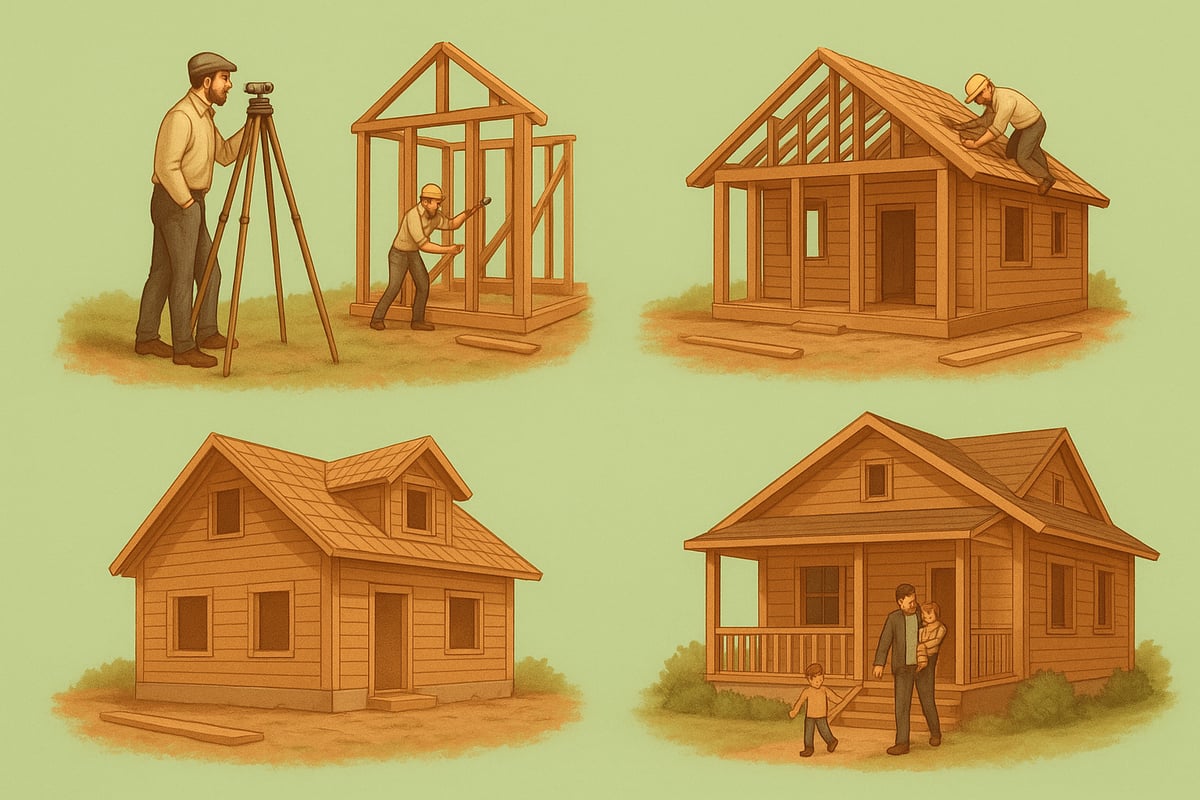
Embarking on the journey to create your all wooden house is both exciting and rewarding. Each stage, from selecting your plot to final inspection, requires careful planning and expertise. This guide breaks down the building process into clear, manageable steps so you can confidently turn your vision of an all wooden house into reality.
Step 1: Site Selection and Preparation
Every all wooden house starts with choosing the perfect site. Assess the land for soil quality, drainage, and ease of access. Consider the plot’s orientation to maximise sunlight and views.
Prepare the ground by clearing vegetation and levelling the surface. Lay out foundations with minimal disturbance to the environment. Conduct environmental impact assessments, especially if mature trees or protected habitats are nearby.
- Check soil type and drainage.
- Ensure convenient access for materials.
- Plan for future landscaping and outdoor spaces.
Proper site preparation sets a solid foundation for your all wooden house and helps avoid costly issues down the line.
Step 2: Design Finalisation and Planning Approval
Once your site is ready, work with architects and structural engineers to finalise the design for your all wooden house. Focus on creating a space that reflects your lifestyle and takes advantage of natural light and ventilation.
Submit detailed plans to your local planning authority. Be prepared for a review period, as officials assess compliance with building regulations, fire safety, and local development guidelines.
- Collaborate with professionals to refine your vision.
- Prepare documentation for planning permission.
- Address any feedback from authorities promptly.
This stage is crucial for ensuring your all wooden house meets legal and safety standards before construction begins.
Step 3: Timber Frame Manufacturing and Delivery
With approvals secured, the next step is manufacturing the timber frame, the heart of your all wooden house. Prefabrication in a controlled environment ensures precision, durability, and efficiency.
Timber is cut, treated, and assembled into panels or beams. Quality checks maintain structural integrity and moisture resistance. Delivery is scheduled to synchronise with site readiness, minimising on-site storage time.
- Select high-quality, sustainably sourced timber.
- Monitor moisture content and protective treatments.
- Coordinate delivery for seamless installation.
A well-crafted frame is essential for the longevity and performance of your all wooden house.
Step 4: On-Site Construction
Construction on site begins with erecting the timber frame, swiftly transforming your plot into the skeleton of an all wooden house. Using either post-and-beam, log, or panel systems, builders assemble the structure with remarkable speed.
Insulation, vapour barriers, and weatherproof cladding are integrated at this stage. Roofing is installed to protect the frame from the elements. For a deeper dive into specific wooden construction methods, explore different techniques and their advantages.
- Rapid assembly reduces build time.
- Install insulation and external finishes.
- Ensure weather protection throughout.
Efficient on-site construction is key to a high-quality all wooden house and helps maintain the integrity of natural materials.
Step 5: Interior Fit-Out and Finishing
With the structure secure, focus shifts to the interior of your all wooden house. Plumbing, electrics, and heating systems are installed with care to preserve the timber’s natural beauty.
Walls, floors, and ceilings are finished using sustainable materials such as lime plaster or reclaimed wood. Choose fixtures and finishes that complement the warm character of timber.
- Fit kitchens, bathrooms, and storage solutions.
- Opt for eco-friendly paints and stains.
- Personalise spaces to suit your taste.
Thoughtful finishing touches ensure your all wooden house feels welcoming and tailored to your lifestyle.
Step 6: Final Inspection and Handover
Before moving in, your all wooden house undergoes a thorough inspection. Building control officers check for compliance with safety, structural, and energy efficiency standards.
Any minor issues, known as snags, are addressed. You receive certification, warranties, and helpful aftercare advice. Landscaping and outdoor areas are completed to integrate your home with its surroundings.
- Arrange final inspections and certification.
- Resolve outstanding snagging items.
- Prepare for a smooth move-in day.
A successful handover marks the beginning of life in your all wooden house.
Key Considerations and Best Practices
Throughout the building journey, attention to detail is vital. Moisture control, ventilation, and pest prevention are essential for the longevity of your all wooden house. Work with experienced contractors who understand the unique requirements of timber construction.
Avoid common pitfalls by scheduling regular site visits and maintaining open communication with your build team. Learning from UK self-builders shows that with careful planning, an all wooden house can provide lasting comfort and value.
By following these best practices, your all wooden house will stand as a testament to natural living and sustainable design for generations to come.
Living in an All Wooden House: Everyday Experience
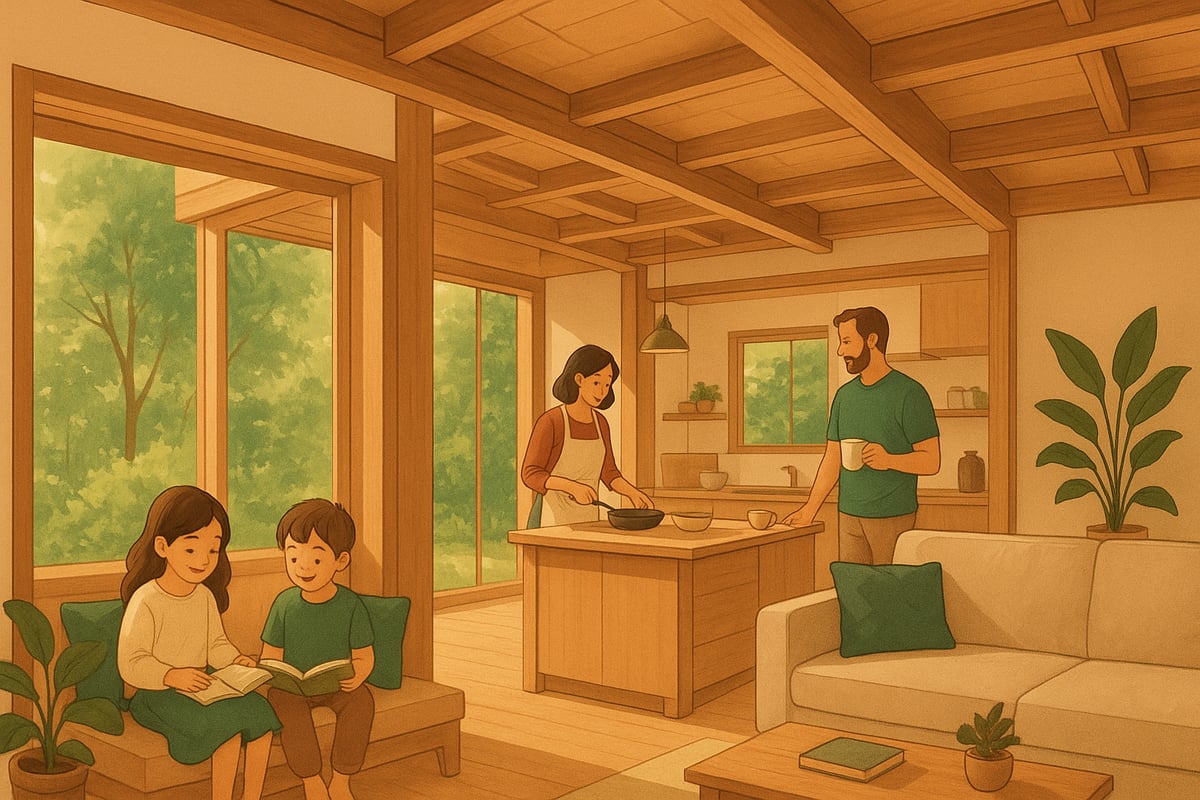
Waking up in an all wooden house, you quickly notice the tangible comfort that natural materials bring to daily life. The warmth of timber underfoot and the gentle scent of wood create an inviting atmosphere from the moment you step inside.
Comfort and Energy Efficiency
One of the most praised features of an all wooden house is its natural ability to regulate temperature throughout the seasons. Wood acts as an effective insulator, keeping interiors warm in winter and pleasantly cool in summer.
This efficiency contributes to lower energy usage, which is reflected in reduced heating bills year-round. In fact, wooden homes can achieve up to 40 percent lower heating costs compared to masonry structures, according to the Energy Saving Trust.
Homeowners often find that the air inside remains fresh and comfortable, offering a consistent living environment regardless of the weather outside.
Health and Indoor Environment
The all wooden house supports a healthier indoor climate, thanks to the breathable nature of timber. Wood naturally helps balance humidity, reducing the likelihood of mould and allergens.
Many residents report improved air quality and fewer respiratory issues. The gentle acoustics in wooden homes absorb noise, making for a quieter and more peaceful environment.
Scandinavian studies have shown that occupants of timber homes experience reduced stress and better overall wellbeing, highlighting the holistic health benefits of all wooden house living.
Maintenance and Longevity
Proper care ensures that an all wooden house stands the test of time. Routine cleaning, annual inspections, and timely treatment of timber surfaces keep the structure in prime condition.
Modern finishes and preservatives provide robust protection against moisture and insects. Addressing minor issues, such as settling or small cracks, is straightforward with regular upkeep.
With these simple practices, wooden homes can remain durable and beautiful for generations, offering lasting value and peace of mind to their owners.
Personalisation and Adaptability
One of the joys of owning an all wooden house is the ability to tailor every detail to your personal style. Timber interiors can be customised with stains, paints, and finishes to create unique textures and colour palettes.
Adaptability is another key benefit. As your needs change, it is easy to add extensions, outbuildings, or creative spaces like home offices and studios. For inspiration on how homeowners bring their visions to life, explore oak framed homes inspiration to see real examples of bespoke timber living.
This flexibility ensures your home evolves with you, reflecting your personality and lifestyle at every stage.
Community and Lifestyle
Choosing an all wooden house often means joining a community of like-minded, eco-conscious neighbours. These developments foster a sense of belonging and shared responsibility for the environment.
Residents frequently host gatherings, enjoy outdoor activities, and take pride in their connection to nature. There is a growing trend in the UK towards wooden home communities, offering both privacy and opportunities for social engagement.
Living in an all wooden house is more than a housing choice—it is a commitment to a sustainable, healthy, and fulfilling way of life.
Future Trends: Wooden Houses in 2026 and Beyond
The future of the all wooden house is shaped by innovation, sustainability, and changing lifestyles. As we look ahead to 2026 and beyond, the evolution of timber construction is set to transform the way we design, build, and live in wooden homes.
Innovations in Timber Construction
Timber engineering is advancing rapidly, opening new possibilities for the all wooden house. Cross-laminated timber (CLT) and mass timber technologies now allow for taller, stronger, and more resilient structures. Modular and prefabricated systems are making wooden homes faster to build and more precise in quality.
These advancements enable architects to design all wooden house projects from cosy bungalows to multi-storey urban buildings. Not only do these methods improve efficiency, but they also help reduce waste and streamline construction timelines.
Sustainability and Climate Goals
As the UK pushes towards net-zero emissions, the all wooden house is at the forefront of environmentally responsible construction. Timber's ability to store carbon makes it a vital component in reducing the built environment's impact. Government grants and policy incentives are encouraging the adoption of timber for new builds.
For a deeper understanding of how timber construction supports these goals, see the Embodied Carbon Briefing by UKGBC, which details the importance of regulating embodied carbon in the construction sector.
Design and Lifestyle Evolution
Modern all wooden house designs are embracing biophilic principles, blending nature with technology. Smart systems for lighting, heating, and ventilation are seamlessly integrated into timber homes, enhancing comfort and efficiency.
Flexible layouts support multi-generational living and evolving family needs. Urban environments are seeing a rise in high-rise wooden buildings, demonstrating the adaptability of timber in contemporary settings.
Market Growth and Accessibility
The all wooden house is becoming more accessible as developers and homeowners recognise its value. New financing models, increased affordability, and rising demand are driving rapid market growth. In fact, the UK timber house market is projected to expand by 30% by 2026, reflecting a shift towards sustainable living.
| Factor | 2023 | 2026 (Projected) |
|---|---|---|
| Market Share (%) | 18 | 30 |
| Average Build Time (weeks) | 26 | 18 |
| Uptake in Urban Areas (%) | 10 | 22 |
This growth is matched by a broader range of design options, making the all wooden house a realistic choice for many.
Challenges and Opportunities
Despite progress, misconceptions about fire safety, durability, and regulation remain challenges for the all wooden house sector. Continuous education for builders and homeowners is essential to address these concerns.
Ongoing improvements in building codes and material treatments are overcoming barriers, paving the way for a future where natural living is both practical and desirable. By embracing wood, we create healthier homes and contribute to a more sustainable built environment.
Having explored the environmental benefits, unique design possibilities, and the step by step process of creating your own all wooden house, you now have a clear path toward a more natural, sustainable lifestyle. If you are ready to take your inspiration further and wish to experience the warmth and craftsmanship of a bespoke timber frame home, we are here to guide you every step of the way. Let us help you transform your vision into reality with a structure that enriches your life and adds lasting value to your property. Start your journey today—BUILD NOW


