
Imagine stepping into your garden and finding a beautiful retreat, perfectly crafted for both relaxation and entertaining. Timber frame gazebos are quickly becoming the centrepiece of UK outdoor living, offering timeless style and exceptional versatility.
This essential guide covers everything you need to know about timber frame gazebos for 2026. We will explore the benefits, latest design trends, practical planning advice, cost insights, and expert maintenance tips to help you create a space that truly lasts.
Ready to transform your garden? Discover how timber frame gazebos can add value, comfort, and elegance to your home—start your journey with our comprehensive guide.
What is a Timber Frame Gazebo?
Timber frame gazebos are becoming a signature feature in UK gardens, offering both style and substance. These freestanding outdoor structures are crafted using robust timber framing techniques, making them stand out from lighter or mass-produced alternatives. Unlike metal, vinyl, or softwood gazebos, timber frame gazebos use heavier posts and beams, resulting in a solid and enduring presence in any landscape.
Defining Timber Frame Gazebos
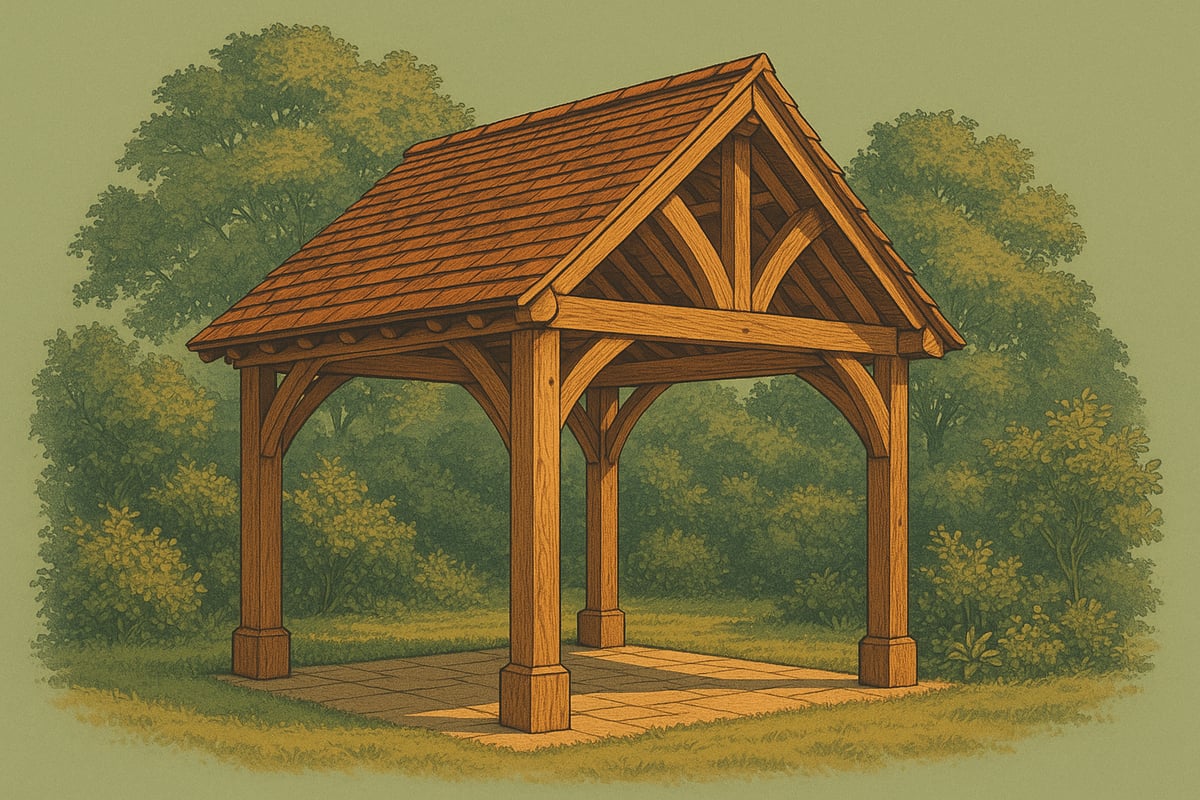
A timber frame gazebo is a self-supporting outdoor structure built with substantial wooden posts, beams, and rafters. The construction relies on time-honoured joinery methods, such as mortise and tenon joints, which provide exceptional strength without visible metal fixings. This approach distinguishes timber frame gazebos from lighter wooden or metal models, which often use simple screws or brackets.
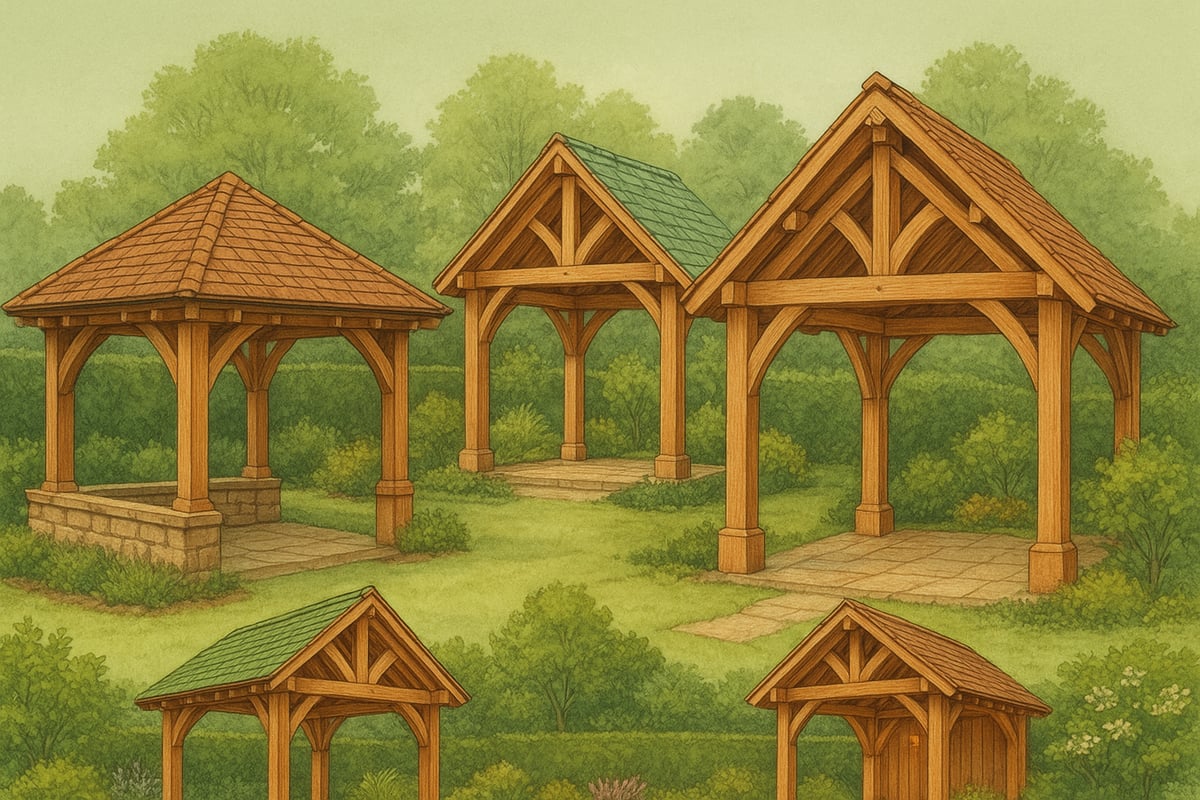
Traditional timber framing, seen in heritage oak-framed gazebos, highlights exposed beams and hand-crafted details. Modern techniques may incorporate precision-engineered joints or sleek profiles for a more contemporary look. Roof styles range from hipped and gable to pyramid and flat, each lending a unique architectural character.
Typical shapes include square, rectangular, octagonal, and fully custom designs, allowing timber frame gazebos to fit seamlessly into gardens of any size. Oak-framed gazebos, in particular, are celebrated as a hallmark of British craftsmanship, combining natural wood grain with enduring quality. For more details on the variety and construction of these structures, visit the Timber Frame Gazebos Overview.
Key Benefits of Timber Frame Gazebos
The primary advantage of timber frame gazebos lies in their durability. When constructed from hardwoods like oak or larch, these gazebos can last over 50 years with regular maintenance. Their visually striking appearance, featuring exposed timber and natural finishes, enhances the aesthetic appeal of any garden.
Timber frame gazebos are remarkably versatile. They provide elegant spaces for dining, entertaining, relaxing, or even housing hot tubs and outdoor kitchens. Sustainability is another key benefit, as many are built from FSC-certified or locally sourced timber, supporting eco-friendly choices.
In terms of value, timber frame gazebos not only boost property kerb appeal but also add measurable worth. Their adaptability means they can be tailored to suit traditional or modern gardens, with options to customise roof style, size, and joinery details. For example, a UK homeowner recently increased their property value by 10 percent after installing a bespoke timber frame gazebo, demonstrating the investment potential of these timeless structures.
Timber Choices and Design Trends for 2026
Choosing the right materials and design for timber frame gazebos can transform your garden into a sanctuary that reflects both style and substance. As we move into 2026, selecting the perfect timber species and embracing the latest design trends will ensure your outdoor space remains both timeless and functional.
Popular Timber Species for Gazebos
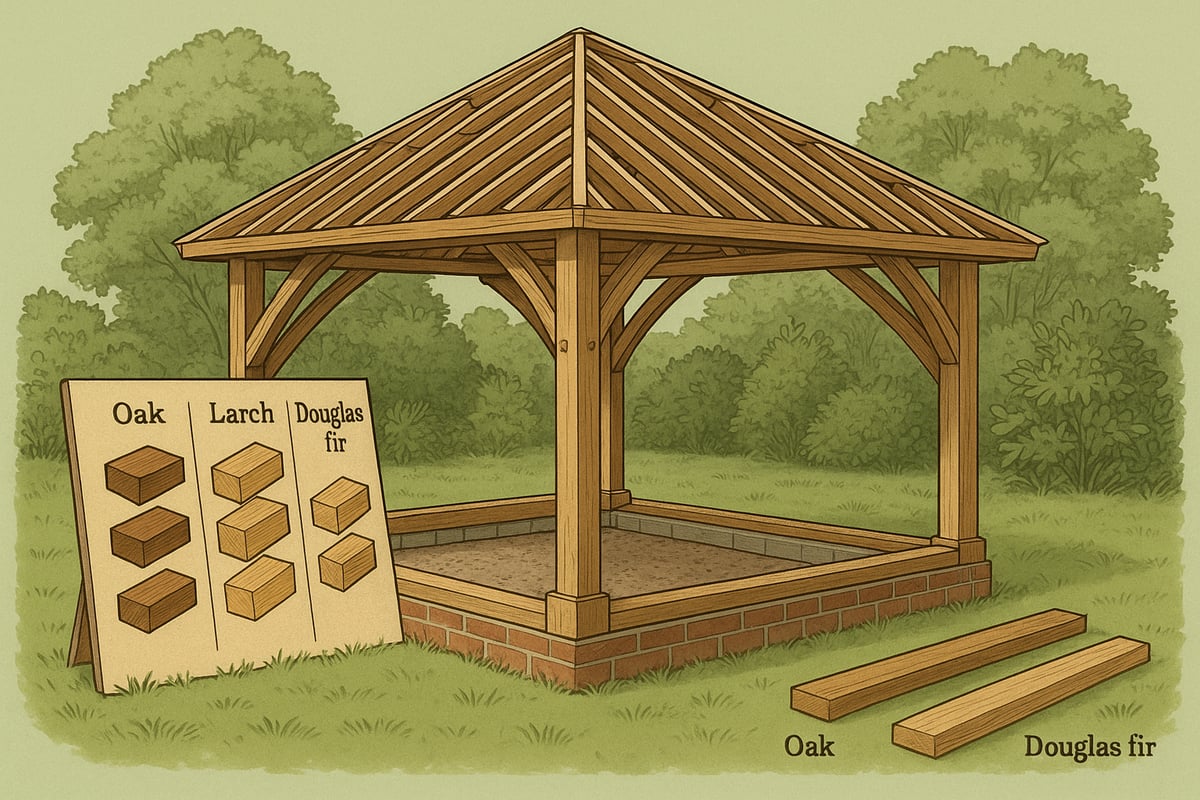
The foundation of long lasting timber frame gazebos lies in the choice of wood. Oak remains the premier choice for many UK homeowners, prized for its incredible strength, natural character, and impressive weather resistance. Oak’s dense grain and classic appeal make it a favourite for those seeking both longevity and a traditional look.
Douglas fir offers a cost effective yet robust alternative. Its straight grain and high natural durability make it suitable for a range of timber frame gazebos, particularly when budget is a key consideration. Larch stands out for its high resin content, providing superior resistance to decay and insect attack. This makes it ideal for exposed locations or gardens with damp conditions.
When considering timber frame gazebos, it is important to understand timber grades. Fresh sawn timber is best for rustic designs, while air dried and kiln dried options provide increased stability for more refined finishes. Sourcing timber from managed UK and European forests ensures sustainability, with FSC certification guaranteeing responsible forestry practices.
Here is a comparison of popular species for timber frame gazebos:
| Timber Species | Strength | Durability | Cost | Sustainability |
|---|---|---|---|---|
| Oak | Excellent | 50+ years | High | FSC, UK/European |
| Douglas fir | Very good | 30-40 years | Moderate | FSC, UK/European |
| Larch | Very good | 40+ years | Moderate-High | FSC, UK/European |
Data from 2025 shows oak is still the leading choice for timber frame gazebos, with larch and Douglas fir gaining popularity for their unique properties and sustainable sourcing.
Emerging Design Trends and Features
The appeal of timber frame gazebos in 2026 is not just in their materials but also in their evolving design features. Seamlessly integrating gazebos with patios and decks is now a top priority, allowing for fluid transitions between indoor and outdoor living. Homeowners are increasingly drawn to both contemporary lines with minimalist profiles and traditional styles featuring decorative braces and curved beams.
Eco-friendly finishes are more accessible than ever, with water based stains and natural oils that highlight wood grain while protecting against weathering. Smart technology is also making its way into timber frame gazebos. Built in LED lighting, discreet heating solutions, and retractable side panels enhance comfort and usability throughout the seasons.
Custom joinery is a mark of true craftsmanship, with mortise and tenon joints, oak dowels, and exposed beamwork adding architectural interest. Sustainability is further supported by features such as green roofs and living walls, which promote biodiversity and reduce the structure’s environmental footprint.
Recent projects have incorporated solar powered lighting and rainwater collection, demonstrating how timber frame gazebos can be both innovative and environmentally conscious. For a wide range of design options and inspiration, explore the Gazebos and Pergolas Range to see how these trends are being realised in UK gardens.
Sizing and Layout Considerations
Determining the right proportions for timber frame gazebos is crucial for maximising their functionality and aesthetic appeal. Begin by assessing your garden size and intended use, whether for dining, relaxing, or hosting gatherings. Standard layouts such as 3m x 3m and 4m x 4m are popular in the UK, fitting comfortably into most garden spaces while providing ample room for furniture and activities.
Decide between an open sided design for maximum airflow and connection with nature, or a partially enclosed gazebo for added privacy and shelter. Placement is also essential, taking into account sunlight, shade, and views to create an inviting retreat. Ensuring level, well drained ground will support the longevity and usability of your gazebo for years to come.
Careful planning of the size, shape, and orientation of timber frame gazebos ensures you achieve a harmonious balance between garden aesthetics and practical enjoyment.
Planning and Building Your Timber Frame Gazebo
Transforming your outdoor area with timber frame gazebos starts with a clear, well-organised plan. A successful project involves thoughtful site assessment, understanding UK regulations, choosing the right construction approach, and following best practices for installation. This section guides you through every critical step, ensuring your timber frame gazebos project is smooth from concept to completion.
Step 1: Assessing Your Needs and Site
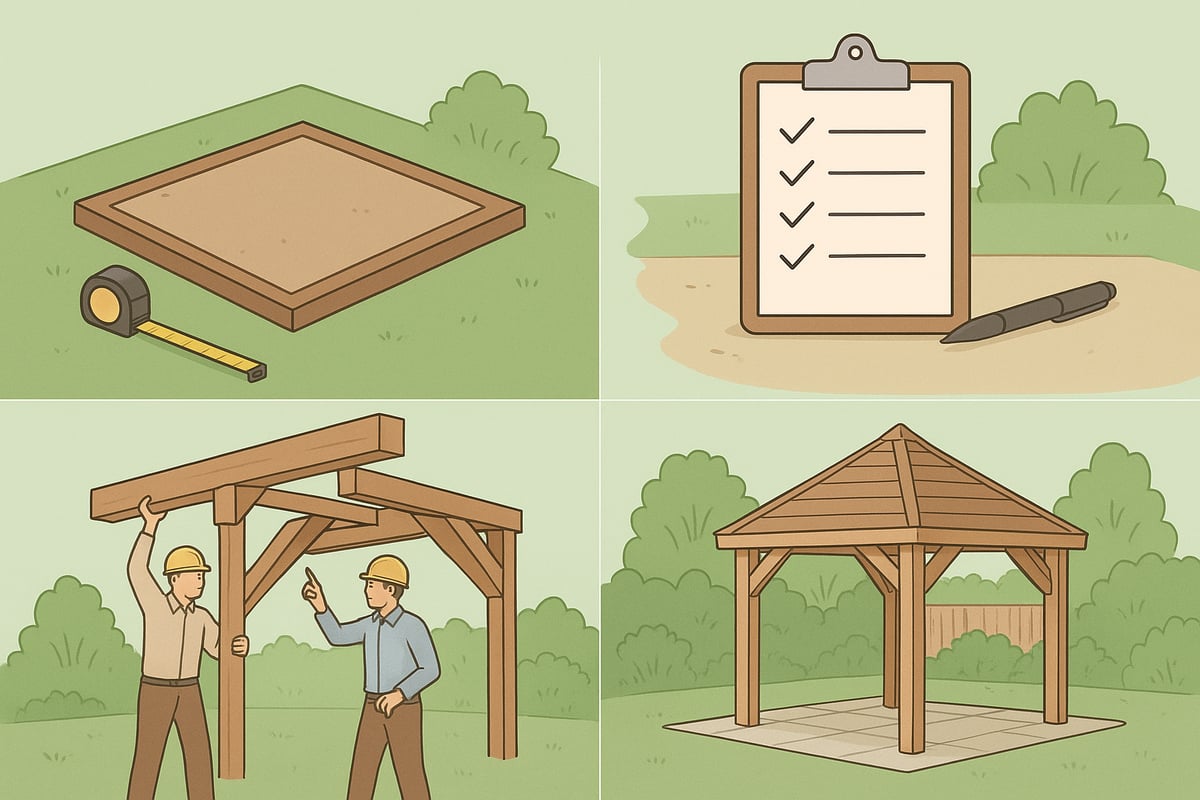
The foundation of every successful timber frame gazebos project is a thorough site assessment. Begin by clarifying how you want to use your gazebo. Will it be for outdoor dining, a quiet reading nook, entertaining guests, or perhaps a hot tub shelter? Knowing your primary use will shape every decision.
Next, measure the available space in your garden. Consider how close the gazebo will be to your house, boundaries, and existing trees or shrubs. Pay special attention to the sun’s path, prevailing wind direction, and the best views from your planned location. These factors influence comfort and usability throughout the year.
Be diligent in checking for underground services like water pipes or electrical cables, as well as overhead obstructions such as power lines or tree branches. Accessibility is just as important, so make sure there is a clear path to and from your timber frame gazebos.
Here is a quick checklist for your site assessment:
- Define your main use for the gazebo
- Measure available space and proximity to boundaries
- Check for underground and overhead utilities
- Assess sunlight, wind, and privacy
- Plan for accessibility and garden flow
A well-chosen site lays the groundwork for the longevity and enjoyment of your timber frame gazebos.
Step 2: Navigating UK Planning Permission and Building Regulations
Understanding the legal aspects is crucial before breaking ground on timber frame gazebos. In most cases, gazebos fall under permitted development rights in England, Scotland, and Wales, provided you follow certain restrictions. For instance, if the structure is within two metres of a boundary, the maximum height allowed is 2.5 metres. Otherwise, you may build up to 4 metres with a pitched roof.
If your property is a listed building or in a conservation area, stricter rules may apply. Structures over 30 square metres, or those incorporating electrical or plumbing installations, may require building regulations approval.
For a comprehensive, up-to-date overview of requirements and recent changes, consult the UK Planning Permission for Garden Buildings guide. It details the latest regulations and fees as of 2025, ensuring your timber frame gazebos project remains compliant from the start.
A summary table for quick reference:
| Requirement | Standard Property | Conservation/Listed Building |
|---|---|---|
| Max height (near boundary) | 2.5m | May be lower |
| Max area | 30m² (without consent) | Often requires permission |
| Electrical/plumbing | May need building regs | Always check with authority |
Starting with the right permissions prevents costly delays and legal issues for your timber frame gazebos.
Step 3: Choosing Between DIY Kits and Bespoke Builds
Selecting the right construction approach for timber frame gazebos depends on your needs, budget, and vision. DIY kits offer convenience, with pre-cut timbers and straightforward assembly, making them ideal for those seeking a quicker solution. Most kits can be installed in two to three days, provided you have basic carpentry skills.
Bespoke builds, on the other hand, allow for full customisation. You can choose your preferred timber species, roof style, finishes, and unique features such as curved braces or integrated lighting. Bespoke projects typically take one to two weeks for installation, reflecting the tailored craftsmanship involved.
Consider these pros and cons:
-
DIY Kits:
- Faster installation
- Lower upfront cost
- Limited customisation
-
Bespoke Builds:
- Fully tailored design
- Premium materials and joinery
- Longer lead time and higher investment
When deciding, weigh your priorities for time, aesthetics, and long-term value. Timber frame gazebos built to your specifications can transform a garden, reflecting your style and meeting your practical needs.
Step 4: Foundation and Construction Best Practices
A robust foundation is essential for the stability and longevity of timber frame gazebos. The most common options are concrete pads, ground screws, or timber posts set in gravel. Ensure your chosen site is level and well-drained to avoid future issues with settling or water damage.
The construction process typically involves assembling the frame, fitting the roof, and adding finishing touches such as trims or weatherproofing treatments. Pay special attention to accurate joinery and alignment, as mistakes at this stage can affect the structure’s durability.
Common mistakes to avoid include:
- Skipping proper ground levelling
- Using substandard or untreated timber
- Rushing the assembly, leading to misaligned joints
Take your time and consult professional advice if needed. By following these best practices, your timber frame gazebos will stand strong for decades, offering a beautiful and functional space for outdoor living.
Cost Breakdown and Budgeting for 2026
Budgeting for timber frame gazebos in 2026 requires a clear understanding of current market prices, influencing factors, and long-term value. Planning carefully ensures your investment delivers both beauty and practicality for decades to come.
Typical Price Ranges and What Affects Cost
The cost of timber frame gazebos varies widely depending on size, timber species, and design complexity. In 2026, standard 3m x 3m models typically range from £3,500 to £6,000, while larger 4m x 4m options can cost between £5,000 and £10,000. Bespoke designs, with tailored joinery, premium finishes, or unique layouts, sit at the top end of this range or higher.
Several factors influence the final price:
- Timber species: Oak is a premium choice, while Douglas fir and larch offer more budget-friendly alternatives.
- Size and shape: Larger or custom-shaped timber frame gazebos require more materials and labour.
- Roof style: Hipped or pyramid roofs are more complex than flat or gable designs.
- Level of customisation: Bespoke features, such as decorative braces or integrated lighting, add to the cost.
For homeowners seeking a unique structure, Bespoke Gazebo Design Services offer expert guidance and tailored solutions to match any vision or garden style.
| Timber Species | Typical Price (4m x 4m) | Durability |
|---|---|---|
| Oak | £8,000 – £10,000 | 50+ years |
| Larch | £6,000 – £8,500 | 30-40 years |
| Douglas Fir | £5,000 – £7,500 | 25-35 years |
Choosing the right timber frame gazebos option means balancing aesthetics, durability, and budget.
Additional Expenses to Consider
Beyond core construction costs, several additional expenses can impact the total investment in timber frame gazebos. Delivery and installation charges vary by region and project complexity, especially if access is limited or crane hire is required. Foundations, whether concrete pads, ground screws, or timber posts, are a must for stability and weather resistance.
Common additional expenses include:
- Delivery and installation fees (averaging £500 – £1,500)
- Foundation and groundwork costs (£800 – £2,000)
- Optional extras: integrated lighting, heating, side panels, or custom furniture
- Ongoing maintenance: oils, stains, and minor repairs
Consider this typical budget breakdown for a 4m x 4m oak gazebo:
- Structure and materials: £8,500
- Foundation: £1,200
- Installation: £1,000
- Lighting and extras: £800
- Yearly maintenance: £100
Careful planning for these expenses ensures your timber frame gazebos project stays on track and delivers lasting value.
Financing and Value for Money
Investing in timber frame gazebos is a long-term decision. Many suppliers offer staged payment options for larger projects, allowing homeowners to manage cash flow throughout the build. While the upfront cost may seem significant, the durability and low maintenance of well-built timber frame gazebos mean lower lifetime expenses compared to cheaper, less robust alternatives.
Timber frame gazebos are proven to boost property value and kerb appeal. A well-designed structure can increase a home's value by up to 10 percent, offering a strong return on investment for UK home improvement projects. With their longevity and timeless appeal, timber frame gazebos deliver not only outdoor enjoyment but also financial peace of mind.
Maintenance and Care for Timber Frame Gazebos
Keeping timber frame gazebos in prime condition is essential for ensuring they remain beautiful and functional for decades. Regular care not only preserves the structure but also protects your investment and outdoor enjoyment.
Routine Maintenance Tasks
Establishing a routine maintenance schedule for timber frame gazebos is crucial. Start by performing an annual inspection each spring. Look for signs of rot, insect activity, or timber movement. Early detection helps prevent expensive repairs.
- Clean the structure by removing moss, algae, and dirt with a gentle brush and soapy water.
- Check all joints, bolts, and fixings for security and tighten as needed.
- Inspect the roof covering for damage or missing tiles.
Treat the timber with recommended oils or preservatives every few years. This helps maintain colour and shields the wood from moisture. For best results, choose products designed for outdoor timber frame gazebos. Always follow manufacturer instructions for application and drying times.
Weatherproofing and Longevity Tips
Proper weatherproofing extends the life of timber frame gazebos and keeps them looking their best. Pay special attention to exposed surfaces and joints, as these areas are most vulnerable to rain and sun. Apply a UV-resistant finish to all external timber, focusing on horizontal surfaces where water can collect.
Regularly check the roof for loose or missing shingles and replace them promptly. Ensure the gutters and drainage paths around the gazebo are clear, preventing water from pooling at the base.
For more on construction techniques and durability, refer to Oak Timber Frame Construction. Adopting these proven methods ensures timber frame gazebos withstand the UK's variable weather, reducing the risk of decay and costly repairs.
Repair and Restoration
Over time, timber frame gazebos may develop issues such as splits in the wood, loose joints, or surface wear. Minor splits can often be filled with an exterior wood filler, while loose joints may require tightening or the addition of new fixings.
- Address surface wear by sanding and reapplying oil or stain.
- Call a professional for structural concerns or extensive rot.
- Replace any damaged roof components to prevent water ingress.
A recent case study showcased a 15-year-old oak gazebo restored to its original grandeur with professional intervention. Timely repairs and proper care can help timber frame gazebos last for generations, preserving their charm and value.
Maximising Use and Enhancing Your Gazebo Experience
Transforming how you use timber frame gazebos can elevate your garden into a truly inviting outdoor haven. A thoughtfully designed gazebo can adapt to every season, event, and lifestyle change, giving you year-round value and enjoyment.
Functional Upgrades and Accessories
Enhancing timber frame gazebos with smart functional upgrades can turn a simple shelter into a multi-purpose living area. Popular heating options include electric patio heaters, sleek infrared panels, and even compact wood-burning stoves for a cosy atmosphere.
Lighting is essential for extending use into the evenings. Choose from solar-powered lanterns, integrated LED strips, or pendant lights suspended from exposed beams. For weather protection, consider retractable screens, glass panels, or heavy-duty curtains that shield against wind and rain.
Furnishing your timber frame gazebos with modular seating, weatherproof dining sets, or even a built-in outdoor kitchen can transform the space for relaxing, dining, or entertaining. According to Timber Frame Gazebo Design Trends 2025, current trends favour minimalist lines, eco-friendly materials, and adaptable layouts tailored to modern outdoor living.
- Electric or wood-burning heating
- Solar, LED, or pendant lighting
- Retractable screens, curtains, or glass panels
- Modular seating and flexible furniture
Adding these features to timber frame gazebos maximises comfort and utility for every occasion.
Seasonal Use and Events
Timber frame gazebos offer flexibility for year-round enjoyment. In spring and summer, they provide a shaded retreat for garden parties, barbecues, and family gatherings. Many UK homeowners use their gazebos as focal points for celebrations, hosting events from birthdays to outdoor yoga sessions.
When temperatures drop, enclosing your gazebo with clear panels or heavy curtains helps retain heat, allowing you to enjoy the space well into autumn and winter. With the right accessories, such as portable heaters and plush throws, timber frame gazebos become perfect venues for festive dinners or cosy winter evenings.
Planting climbing roses, fragrant wisteria, or even installing a green roof can bring seasonal beauty and extra shade. Real-life stories highlight how UK families make the most of their timber frame gazebos, hosting summer brunches or winter gatherings in all weather.
- Summer: barbecues, alfresco dining, garden parties
- Winter: enclosed spaces for festive events
- Year-round: yoga, reading, relaxing with friends
Timber frame gazebos can be the heart of your outdoor lifestyle, adapting to your needs throughout the seasons.
Sustainability and Eco-Friendly Enhancements
Sustainability is a leading trend for timber frame gazebos in 2026. Many homeowners are choosing to integrate rainwater harvesting systems, solar panels for lighting, and recycled or upcycled furnishings. These features reduce environmental impact and can lower running costs.
Wildlife-friendly enhancements, such as bee hotels, bird boxes, and pollinator planting, help support local ecosystems. Installing a green roof or living wall boosts insulation and biodiversity, making timber frame gazebos both beautiful and eco-conscious.
Demand for sustainable garden structures continues to rise, with recent Global Timber Frame Trends 2025 showing increased interest in organic shapes, natural materials, and energy-efficient features.
- Rainwater collection barrels
- Solar lighting and power
- Recycled materials for furniture
- Wildlife habitats and planting
Incorporating these elements into timber frame gazebos ensures your outdoor space is both future-proof and environmentally responsible.
Whether you are picturing your garden as a peaceful escape or the perfect space for entertaining, a bespoke timber frame gazebo can truly elevate your outdoor living for years to come. With so many design options, sustainable timber choices, and the assurance of quality craftsmanship from Acorn to Oak Framing, you can feel confident your project will be both beautiful and built to last. If you are ready to take the next step towards your dream gazebo and want expert guidance throughout the process, explore your options and BUILD NOW.


