
Imagine stepping into a living space where soaring timber beams, open layouts, and light-filled rooms create a sense of harmony with nature. This is the essence of a modern post and beam house, where striking design meets sustainable living.
In this 2026 guide, you will discover how to bring your vision of a modern post and beam house to life. We will explore the craftsmanship behind these homes, the latest design trends, and practical steps for planning your project.
Uncover the unique benefits of post and beam construction, from flexible layouts to eco-friendly materials. Learn how to blend timeless techniques with cutting-edge solutions for a home that is both beautiful and future-ready.
Whether you are dreaming, designing, or building, this guide offers expert advice to help you achieve the lifestyle you desire. Let’s embark on the journey to your ideal modern post and beam house.
What Is a Modern Post and Beam House?
Imagine stepping into a space where architectural beauty and structural honesty blend seamlessly. The modern post and beam house is a prime example of how tradition and innovation can co-exist, creating homes that are both striking and highly liveable. Let’s explore what defines this unique approach to building, what sets it apart, and why it’s capturing the imagination of homeowners and architects across the UK and beyond.
Defining Post and Beam Construction
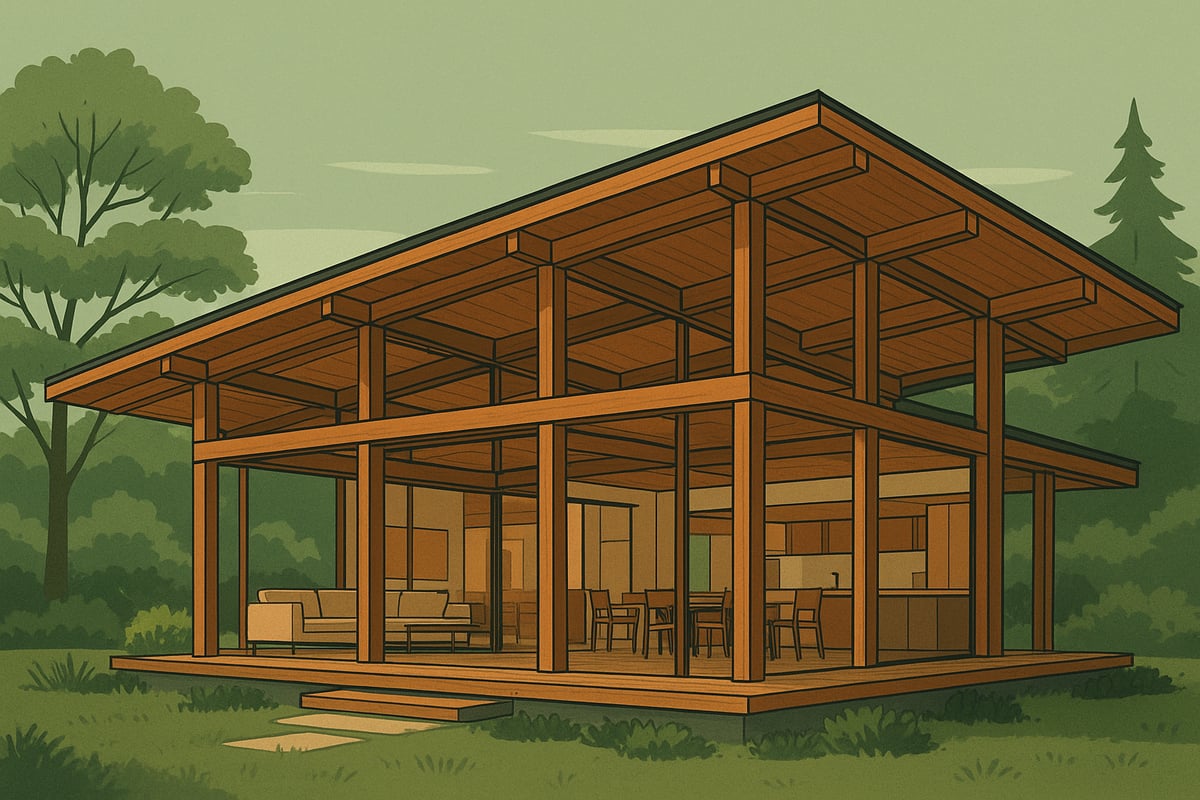
At its core, a modern post and beam house is built around a visible framework of upright posts and horizontal beams, which support the structure. This method differs from other timber frame approaches by allowing much of the structural skeleton to remain exposed, creating a sense of openness and strength. The origins of post and beam construction trace back to ancient civilisations, but today’s designs have evolved, blending age-old joinery techniques with contemporary aesthetics. The main components include robust timber posts, beams, intricate joinery, and infill panels that can be adapted to a wide range of styles. For those interested in a deeper dive into the design process, Post and beam home design offers further insight into planning and customisation.
Key Features and Architectural Appeal
The hallmark of a modern post and beam house is its open-plan layout, high ceilings, and extensive use of glass. These features invite natural light deep into the living areas and foster a strong connection to the outdoors. The design is inherently flexible, making it easy to tailor layouts to personal preferences or site conditions. Natural materials, especially sustainably sourced timber, are celebrated throughout, while minimalist aesthetics keep interiors uncluttered and timeless. This approach allows homeowners to enjoy both visual drama and functional comfort in equal measure.
Benefits Over Traditional Construction
A modern post and beam house offers several advantages compared to conventional building methods. First, the assembly is typically faster, as prefabricated frames reduce construction time and minimise waste. The exposed timber structure delivers exceptional strength and durability, ensuring longevity even in challenging climates. Additionally, post and beam methods adapt well to sloping sites or unique locations, offering more design freedom.
| Benefit | Modern Post and Beam House | Traditional Construction |
|---|---|---|
| Speed of Assembly | Fast | Moderate |
| Structural Integrity | High | Variable |
| Waste Reduction | Low | Higher |
| Design Flexibility | Excellent | Limited |
Modern Innovations in Post and Beam Design
Today’s modern post and beam house incorporates advanced materials and technology to enhance performance and sustainability. Engineered timber, such as glulam and cross-laminated timber, provides greater strength and allows for larger spans and creative forms. Precision manufacturing and modular components enable more accurate builds and quicker on-site assembly. Homeowners can also integrate smart home systems for lighting, security, and climate control, as well as energy-efficient solutions like high-performance insulation and renewable energy sources. These innovations are shaping the future of timber architecture, making each modern post and beam house a showcase of both tradition and progress.
Examples and Case Studies
Across the UK and worldwide, the modern post and beam house is making its mark through award-winning projects and innovative designs. Notable examples include rural retreats in the Cotswolds, sleek urban homes in London, and eco-friendly lodges in Scotland. Globally, architects are embracing this approach for its versatility and environmental credentials. According to the Timber Trade Federation, timber frame homes accounted for 28% of new UK housing starts in 2023, underscoring the growing popularity of this construction method. Each modern post and beam house stands as a testament to the enduring appeal of timber, cutting-edge design, and sustainable living.
Key Design Considerations for 2026
Designing your modern post and beam house in 2026 is an exciting opportunity to blend tradition with innovation. Understanding current trends, material options, and regulatory requirements is crucial for a successful project. Each decision, from layout to finishes, shapes the final result and ensures your home stands the test of time.
Embracing Architectural Trends
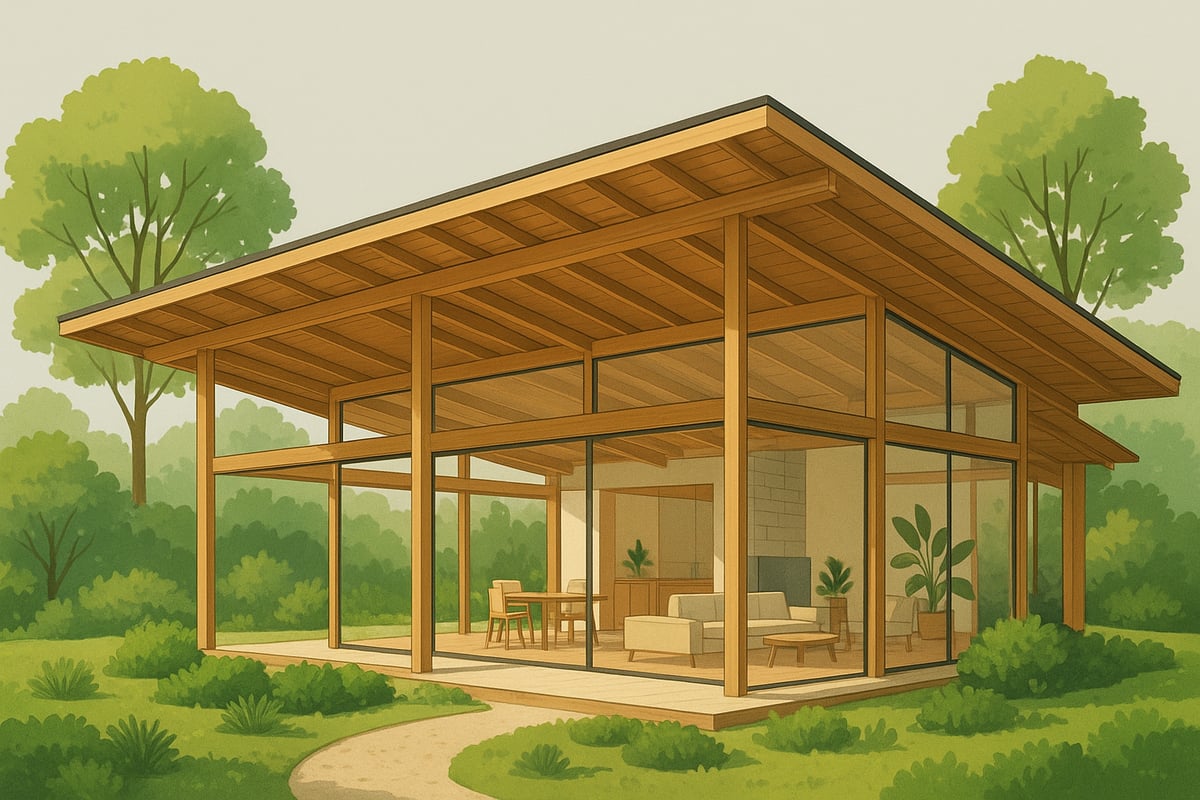
The modern post and beam house is defined by its versatility in reflecting popular architectural styles. Scandinavian and Japanese-inspired designs remain in high demand, favouring clean lines and a calming palette. Industrial and eco-modern styles, with exposed steel and sustainable timber, are increasingly popular.
Large glazed openings blur the boundary between indoors and outdoors, filling living spaces with natural light. Biophilic design principles, such as maximising views and ventilation, enhance well-being. For more inspiration on emerging styles, the guide on Contemporary timber frame houses provides valuable insights into current architectural movements.
Material Choices and Finishes
Choosing the right materials is vital for both aesthetics and sustainability. Oak, larch, and Douglas fir offer distinct character, while engineered timber options deliver strength and consistency. Always look for FSC or PEFC certification to ensure responsible sourcing.
Finishing choices impact the longevity and health of your modern post and beam house. Opt for natural oils or stains to highlight timber’s grain, and low-VOC treatments for improved indoor air quality. These decisions contribute to a beautiful and environmentally responsible home.
Layout Planning for Modern Lifestyles
A modern post and beam house offers exceptional flexibility in layout. Open-plan kitchens and living areas are ideal for socialising and family life. Home offices and adaptable rooms support changing work patterns.
Multi-generational living is on the rise, so designs often include accessible ground-floor bedrooms and step-free routes. Integrated storage solutions, such as built-in cabinets and under-stair cupboards, ensure the space remains uncluttered and functional for years to come.
Incorporating Smart and Sustainable Features
Sustainability is at the heart of every modern post and beam house. Triple glazing, high-performance insulation, and airtight building envelopes improve energy efficiency. Renewable technologies, like solar panels and heat pumps, reduce running costs and environmental impact.
Smart home systems enhance comfort and security, allowing you to control lighting, heating, and ventilation with ease. Mechanical ventilation with heat recovery (MVHR) helps maintain fresh air and optimal humidity, creating a healthy indoor environment.
Navigating UK Planning and Building Regulations
Building a modern post and beam house in the UK requires careful navigation of planning and building regulations. Securing planning permission involves assessing site orientation, access, and local policies.
Current regulations address structural safety, fire resistance, and energy performance. England’s Part L 2025 standards will further raise efficiency requirements, impacting insulation and heating choices. Engaging with local authorities early helps avoid delays and ensures compliance throughout your project.
Budgeting and Cost Factors
Budget planning is essential for any modern post and beam house. Key cost drivers include material choices, design complexity, and site conditions. Timber frame builds in the UK typically range from £1,800 to £2,800 per square metre.
A clear budget should account for professional fees, planning, and contingencies. Investing in quality materials and skilled labour yields long-term savings through durability and reduced maintenance. Comparing quotes and understanding the breakdown of costs empowers you to make informed decisions.
| Cost Factor | Typical Range | Notes |
|---|---|---|
| Materials | £1,800–£2,800/m² | Varies by timber and finishes |
| Design Complexity | +10–20% | More unique features increase cost |
| Site Conditions | Variable | Access, groundworks, services |
Acorn to Oak Framing: Bespoke Timber Frame Solutions
For those seeking a truly bespoke modern post and beam house, Acorn to Oak Framing stands out as a leading UK specialist. Their approach combines traditional craftsmanship with cutting-edge design, creating homes with enduring beauty and strength.
Sustainability is central to their ethos, demonstrated by their commitment to responsibly sourced oak and eco-friendly construction. Acorn to Oak Framing offers tailored services, from initial concept to completion, ensuring every detail reflects your vision. Their portfolio features award-winning homes, garages, and outbuildings, all designed to meet UK regulations and exceed client expectations.
Client testimonials highlight their dedication to quality and personalised service, making them a trusted partner for anyone embarking on a modern post and beam house project.
Step-by-Step Guide: Planning and Building Your Modern Post and Beam House
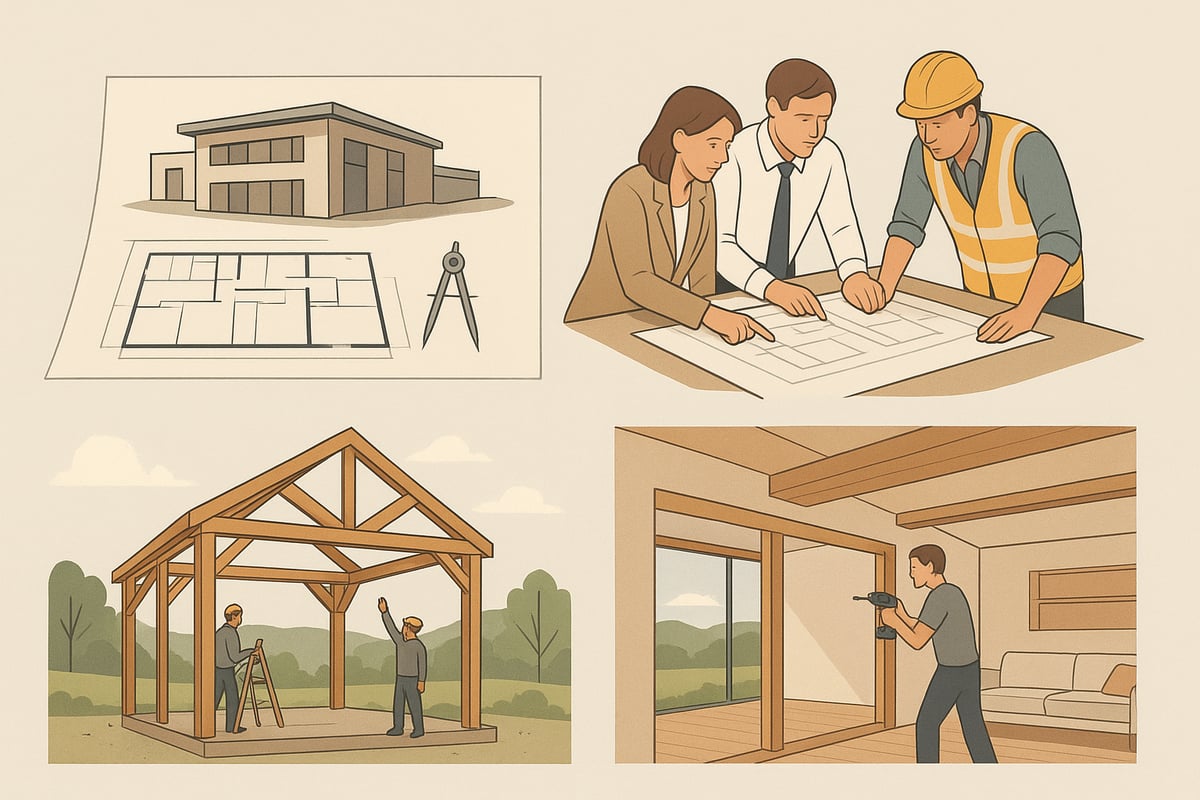
Embarking on the journey to create your modern post and beam house is both exhilarating and rewarding. Each stage, from initial vision to final handover, is crucial for ensuring your home reflects your aspirations and stands the test of time. Below, we break down each phase to guide you towards a seamless, successful build.
Step 1: Defining Your Vision and Requirements
Before laying a single beam, clarify what you want from your modern post and beam house. Consider your lifestyle, desired size, preferred architectural style, and sustainability objectives. Gather inspiration from magazines, online galleries, or completed projects.
Create a checklist of must-haves and nice-to-haves. Think about the number of bedrooms, open-plan living, and future flexibility. Early clarity streamlines later decisions and keeps your project aligned with your goals.
Step 2: Assembling Your Project Team
Success starts with the right team. Seek an architect or designer experienced in modern post and beam house projects. Their expertise ensures your ideas translate into practical, beautiful plans.
Choose a builder with a proven track record in timber frame construction. Include structural engineers and consultants as needed. A collaborative approach fosters creativity and helps solve challenges efficiently.
Step 3: Securing Land and Planning Permission
Select land with favourable orientation, access, and environmental qualities. Assess the site for sun exposure, prevailing winds, and views. Engage local planning authorities early to understand requirements for a modern post and beam house.
Prepare a robust planning application, including environmental impact assessments if necessary. For example, a successful Sussex project overcame planning hurdles by prioritising landscape integration and sustainable features.
Step 4: Design Development and Engineering
Work with your architect to turn concepts into detailed plans and 3D models. This stage defines the structure, layout, and integration of services for your modern post and beam house. Collaborate with structural engineers to ensure stability and code compliance.
Value engineering can help balance ambitions with budget. Detailed planning at this stage prevents costly changes later and ensures your home is future-ready.
Step 5: Procurement and Offsite Fabrication
Source high-quality, sustainably certified timber for your modern post and beam house. Many components are now prefabricated offsite, enabling precise manufacturing and reducing construction waste.
Coordinate with suppliers to manage lead times and delivery logistics. Offsite fabrication offers significant quality control, making the on-site assembly process smoother and more predictable.
Step 6: Onsite Construction and Assembly
Begin with suitable foundations for your site conditions. The frame is erected first, followed by infill panels and roofing. Trades coordinate to install glazing, insulation, and essential services.
For a detailed look at this stage, see the Frame home construction process. Careful sequencing and professional oversight are key to maintaining structural integrity and achieving a high-quality finish.
Step 7: Fit-Out and Finishing Touches
With the structure in place, focus shifts to interiors. Choose flooring, joinery, lighting, and décor that complement your modern post and beam house’s natural materials. Incorporate landscaped outdoor areas to extend living space.
Conduct thorough inspections and address any snagging issues before handover. This attention to detail ensures your home meets expectations and is ready for comfortable living.
Timeline and Project Management
Efficient project management is essential for timely delivery. Most modern post and beam house builds take 12–18 months from design to completion, depending on complexity and site conditions.
Consider using a simple project tracking table:
| Phase | Typical Duration |
|---|---|
| Design & Planning | 3–6 months |
| Approvals | 2–4 months |
| Offsite Fabrication | 2–3 months |
| Onsite Construction | 4–8 months |
| Fit-Out | 1–2 months |
Regular communication, schedule tracking, and proactive risk management reduce delays. Digital tools and clear milestones help keep everyone on track throughout your modern post and beam house journey.
Sustainability and Environmental Impact
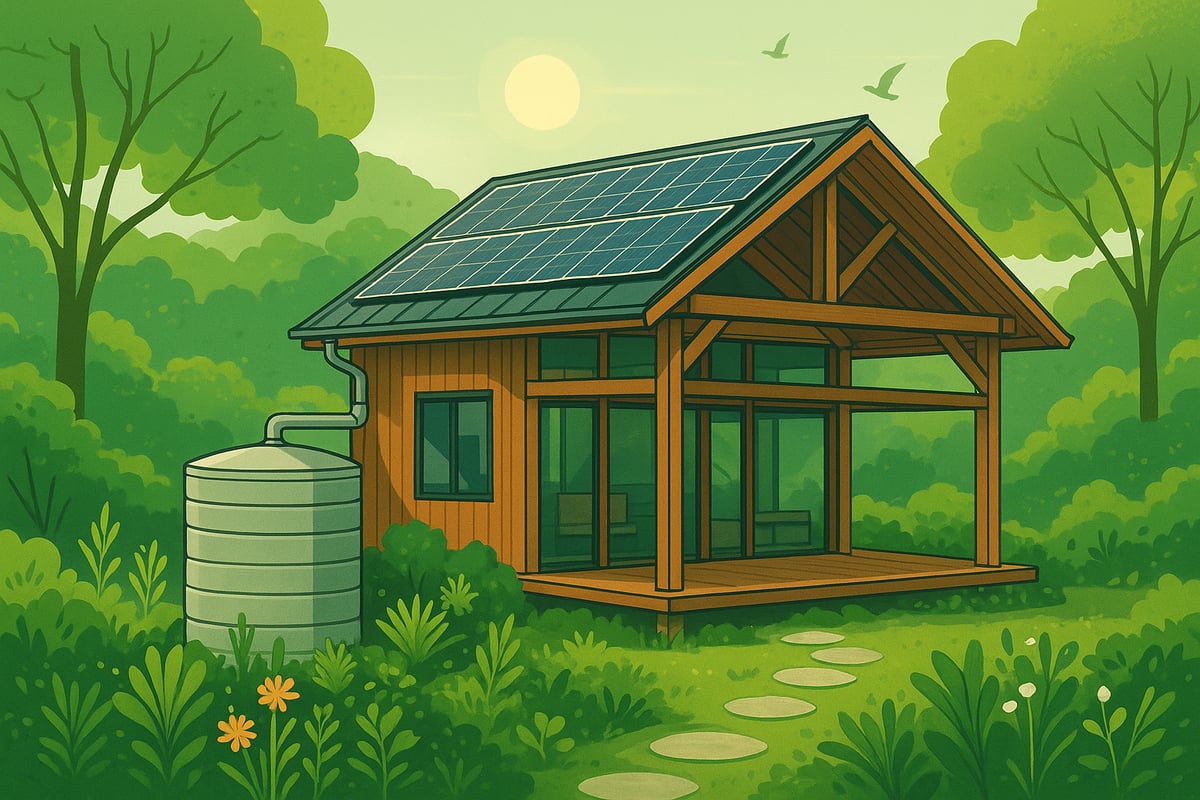
Sustainability is at the heart of every modern post and beam house, making it a leading choice for eco-conscious homeowners. Timber, used as the primary structural element, offers a unique blend of renewable sourcing and architectural beauty. By choosing responsibly harvested wood, each build supports forest regeneration and helps reduce dependence on high-carbon building materials.
Eco-Friendly Materials and Construction Practices
A modern post and beam house stands out for its use of eco-friendly materials. Timber, as a renewable resource, plays a vital role in carbon sequestration. Each cubic metre locks away nearly a tonne of CO2, contributing to a significantly lower carbon footprint than concrete or steel.
Responsible forestry, guided by UK and EU regulations, ensures forests are replanted and biodiversity is protected. Many projects now use timber certified by FSC or PEFC, guaranteeing ethical sourcing. Reclaimed or recycled wood is also gaining popularity, adding character while reducing waste.
Builders minimise site disturbance by prefabricating major components offsite. This approach reduces construction waste and shortens build times, aligning with the sustainability goals of any modern post and beam house.
Energy Efficiency and Low-Carbon Living
Energy efficiency is a defining feature of a modern post and beam house. Superior insulation, airtight construction, and triple-glazed windows work together to create a highly efficient building envelope. These homes are designed to achieve low U-values, limiting heat loss and reducing energy demand.
Passive design strategies are integral, with careful orientation to capture natural light and warmth. Features like deep roof overhangs provide shading, while thermal mass helps stabilise indoor temperatures. Renewable technologies such as solar panels and heat pumps further lower operational emissions.
For a deeper look at how timber frame construction supports energy efficiency and the transition to zero-carbon homes, see Timber Frame Construction: A Sustainable Solution for Low Carbon Design.
Certifications and Standards
Modern post and beam house projects often pursue recognised certifications to demonstrate their environmental credentials. Passivhaus, BREEAM, and AECB are among the leading schemes in the UK, each setting rigorous benchmarks for energy use, comfort, and sustainability.
Government incentives encourage the adoption of low-carbon technologies and materials. Compliance with these standards ensures not only reduced operational emissions but also enhanced long-term value. According to Wood for Good, timber buildings can cut embodied carbon by up to 75 percent compared to traditional structures.
Certification also reassures buyers and lenders that a modern post and beam house meets strict quality and sustainability criteria, supporting the transition to a greener built environment.
Environmental Case Studies
Real-world examples highlight the environmental impact of a modern post and beam house. Recent projects in the UK showcase homes that combine low-carbon materials, renewable energy systems, and innovative passive design.
Case studies reveal measurable benefits, such as reduced heating bills, improved air quality, and enhanced occupant wellbeing. Homeowners frequently report a strong connection to nature, thanks to the expansive glazing and exposed timber.
Lessons from these builds underscore the importance of early planning and collaboration with sustainability experts. The modern post and beam house continues to set new benchmarks for eco-friendly living, inspiring future generations to build responsibly.
Interior Design and Lifestyle Benefits
Step inside a modern post and beam house and you will find a world where elegant structure meets everyday comfort. These homes are designed to enhance both lifestyle and aesthetics, offering a unique blend of openness, natural materials, and bespoke craftsmanship. Every aspect, from light-filled rooms to tailored finishes, reflects a dedication to quality living.
Creating Light-Filled, Flexible Spaces
A hallmark of the modern post and beam house is its ability to create bright, adaptable living areas. Expansive windows, double-height ceilings, and open-plan layouts maximise light and provide a seamless flow between spaces.
Large glazed doors connect interiors to gardens, terraces, or patios, blurring the boundaries between inside and out. Mezzanines and lofts introduce vertical interest, while flexible partitions allow spaces to evolve with your needs. Whether you are working from home, entertaining, or relaxing, every corner of a modern post and beam house can be adjusted to suit your lifestyle.
Showcasing Timber and Natural Materials
The signature beauty of a modern post and beam house lies in its honest use of timber and natural finishes. Exposed beams become sculptural features, adding warmth and character to each room.
Timber is often paired with stone, glass, or metal for a contemporary look, while natural oils and low-VOC finishes preserve the material's texture. For those seeking an innovative approach, timber frame hybrid house benefits can offer even greater versatility, combining different structural solutions and design aesthetics. The result is an interior that feels grounded, healthy, and connected to nature.
Personalisation and Bespoke Detailing
A modern post and beam house offers endless opportunities for personalisation. Custom joinery, built-in storage, and unique finishes can be tailored to your tastes and practical needs.
Handcrafted elements, such as staircases, doors, or feature walls, add individuality and elevate the sense of craftsmanship. Homeowners often share stories of how bespoke details turn their house into a true reflection of their personality. Whether you favour minimalist elegance or rustic charm, every detail in a modern post and beam house can be made to measure.
Enhancing Property Value and Longevity
Investing in a modern post and beam house can yield long-term rewards. The demand for timber homes is rising, with some properties achieving a 5 to 10 percent premium in sought-after areas. According to Timber Construction Gains Momentum in the UK, more UK homebuilders are adopting timber frame methods due to their durability and appeal.
| Benefit | Impact |
|---|---|
| Market Value | 5–10% premium |
| Structural Longevity | Decades of use |
| Low Maintenance | Minimal upkeep |
A modern post and beam house is designed for resilience and easy maintenance, ensuring it remains a valuable asset for generations.
Future-Proofing Your Post and Beam House
Building a modern post and beam house is not just about today’s needs, but also about tomorrow’s possibilities. Future-proofing means creating a home that adapts, endures, and adds value for generations. By focusing on adaptability, resilience, and legacy, you ensure your investment remains robust and relevant.
Designing for Adaptability and Changing Needs
A modern post and beam house is inherently flexible. Open-plan layouts and modular spaces allow you to reconfigure rooms as your lifestyle evolves. Whether you need to add a home office, expand for a growing family, or create accessible living areas, the structural simplicity of post and beam makes adjustments straightforward.
Consider designing with future technology in mind. Reserve space for smart home upgrades or additional energy systems. Plan for easy extensions, such as connecting a garden room or a guest annexe, so your modern post and beam house can grow with you.
Resilience to Climate Change and Regulations
Resilience is crucial for any modern post and beam house. Timber structures can be engineered for flood, wind, and fire resistance, making them suitable for diverse UK environments. Incorporate features like raised foundations and robust roofing to protect against extreme weather.
Stay ahead of evolving regulations by designing to exceed current standards. For guidance, review the Timber in Construction Roadmap 2025, which outlines the UK’s vision for sustainable timber construction. Adding systems such as rainwater harvesting and green roofs further strengthens your home’s resilience and environmental performance.
Investment and Legacy
A well-planned modern post and beam house is a lasting investment. High-quality timber, thoughtful detailing, and sustainable features contribute to long-term value and reduced maintenance. Over time, these homes often command a premium due to their durability, energy efficiency, and unique character.
Consider creating a maintenance plan and budgeting for periodic upgrades. By prioritising adaptability, resilience, and sustainability, you ensure your modern post and beam house remains desirable and valuable for decades, leaving a positive legacy for future generations.
As you’ve explored the world of modern post and beam homes—discovering their timeless appeal, sustainable benefits, and the craftsmanship that sets them apart—you might be picturing your own dream space already. Whether you’re drawn to open layouts, bespoke finishes, or future-ready design, the next step is turning those ideas into reality. At Acorn to Oak Framing, we specialise in helping you create a home that truly reflects your vision, combining expert guidance with a commitment to quality and sustainability. If you’re ready to start planning your modern post and beam house, let’s take the first step together: BUILD NOW


