
The appeal of post and beam house designs continues to soar in 2026, drawing homeowners and self-builders seeking both elegance and enduring value. These timeless structures seamlessly blend traditional craftsmanship with the demands of modern living, offering unmatched versatility and bespoke possibilities.
This essential guide will demystify post and beam house designs, explaining the fundamentals, revealing the latest design trends, and outlining every step needed to plan your perfect home. Discover the core benefits, explore sustainable innovations, understand cost considerations, and gain expert tips for a successful build.
Ready to create your dream home? Let us guide you through every stage of your journey with confidence.
Understanding Post and Beam House Designs
Post and beam house designs have captivated homeowners for centuries, blending impressive structure with striking visual appeal. As modern living evolves, this construction method continues to offer flexibility and character that few alternatives can match.
What is Post and Beam Construction?
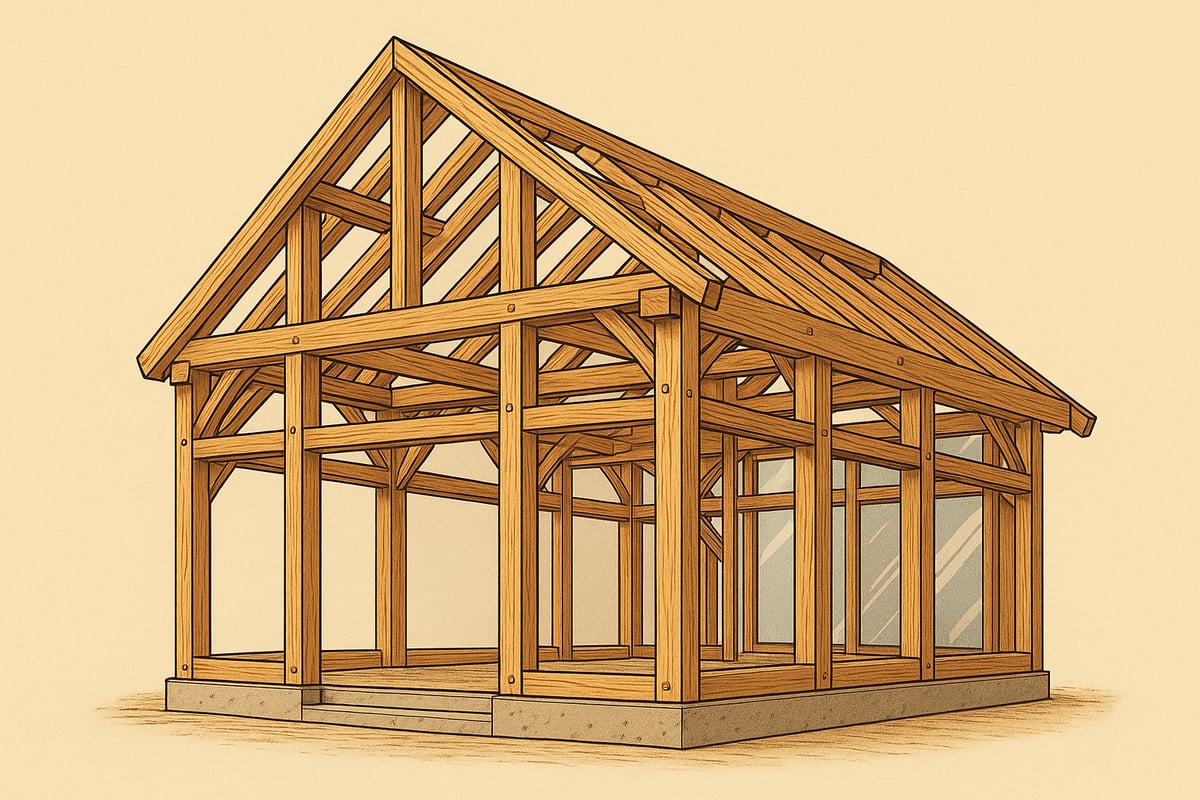
Post and beam construction is a building method that uses large vertical posts and horizontal beams to create the primary framework. Unlike platform framing, which relies on closely spaced studs, post and beam house designs use fewer but much larger timbers, resulting in open interiors and visible structural elements.
Historically, this technique dates back to medieval timber frame houses, evolving with advances in joinery and material sourcing. Key components include upright posts, horizontal beams, and traditional mortise and tenon joints, sometimes supplemented by modern steel connectors for added strength.
Classic examples can be found in Tudor cottages, while contemporary post and beam house designs often feature dramatic glazed gables or open-plan living spaces. This method remains distinct for its exposed timber, robust structure, and enduring visual charm.
Core Benefits of Post and Beam Designs
There are many advantages to choosing post and beam house designs for your next project. One of the most notable is the ability to create open-plan layouts, allowing for flexible room arrangements and seamless flow between living spaces.
The inherent strength of the frame delivers exceptional durability, often outlasting conventional builds. Aesthetically, exposed beams and vaulted ceilings bring warmth and character, making each home unique.
This construction style adapts well to extensions or renovations, enabling homeowners to modify their space as needs change. Improved insulation and energy efficiency are also achievable, especially when combining traditional methods with modern building technologies.
Common Materials Used
The choice of materials greatly influences the performance and appearance of post and beam house designs. Oak and Douglas fir are among the most popular timbers, prized for their strength, longevity, and distinctive grain patterns.
Builders may select between reclaimed timber, offering sustainability and character, or new wood sourced from responsibly managed forests. Modern post and beam house designs sometimes incorporate steel or hybrid materials to enhance structural performance and support larger spans.
Sustainability is a growing priority, with certifications such as FSC and PEFC ensuring ethical sourcing. The right material selection impacts not only the environmental footprint but also the long-term maintenance and lifespan of your home.
Post and Beam vs. Other Timber Systems
Understanding how post and beam house designs compare to other systems helps inform your build choices. Platform framing uses smaller, closely spaced timbers, resulting in less visible structure and typically lower upfront costs. Log homes, on the other hand, rely on stacked logs for both structure and insulation, creating a very different aesthetic.
Post and beam house designs offer greater design flexibility, especially for open-plan layouts and incorporating large windows. However, costs can be higher due to premium materials and skilled craftsmanship required.
For a deeper dive, see this Timber frame vs. log homes comparison, which explores the pros, cons, and case studies of each approach for UK homeowners.
Design Versatility and Customisation
One of the standout qualities of post and beam house designs is their versatility. This method supports a broad range of architectural styles, from rustic barn conversions to sleek, modern homes. Bespoke builds allow for complete personalisation, while modular options provide cost-effective solutions without sacrificing character.
Timber frames integrate beautifully with glass, stone, and other modern materials, making them suitable for rural retreats, suburban family homes, or even urban infill sites. Real-life examples include compact two-bedroom cottages and expansive multi-generational homes, each tailored for individual needs.
Popular layouts cater to UK families, offering adaptability for accessibility and future-proofing. With thoughtful planning, post and beam house designs can evolve alongside your lifestyle.
Key Trends in Post and Beam House Designs for 2026
The world of post and beam house designs is evolving rapidly, with 2026 set to showcase a fusion of tradition and innovation. Homeowners are seeking spaces that blend classic charm with the latest in sustainability and technology. Let’s explore the most influential trends shaping the future of post and beam living.
Embracing Modern and Traditional Fusion
Balancing heritage with contemporary flair defines the latest post and beam house designs. In 2026, UK homeowners are increasingly drawn to spaces where exposed oak beams and vaulted ceilings meet minimalist interiors and innovative materials. This blend allows for homes that feel both timeless and fresh.
Key features include:
- Clean lines paired with traditional joinery
- Open spaces that highlight structural timber
- Contrasts between natural wood and sleek glass or metal
This fusion is especially popular among self-builders who want their homes to reflect personality and history. For more on how these styles are merging, see this contemporary timber frame house trends guide. The result is a home that feels rooted in tradition yet perfectly suited to modern life.
Sustainable and Eco-Friendly Innovations
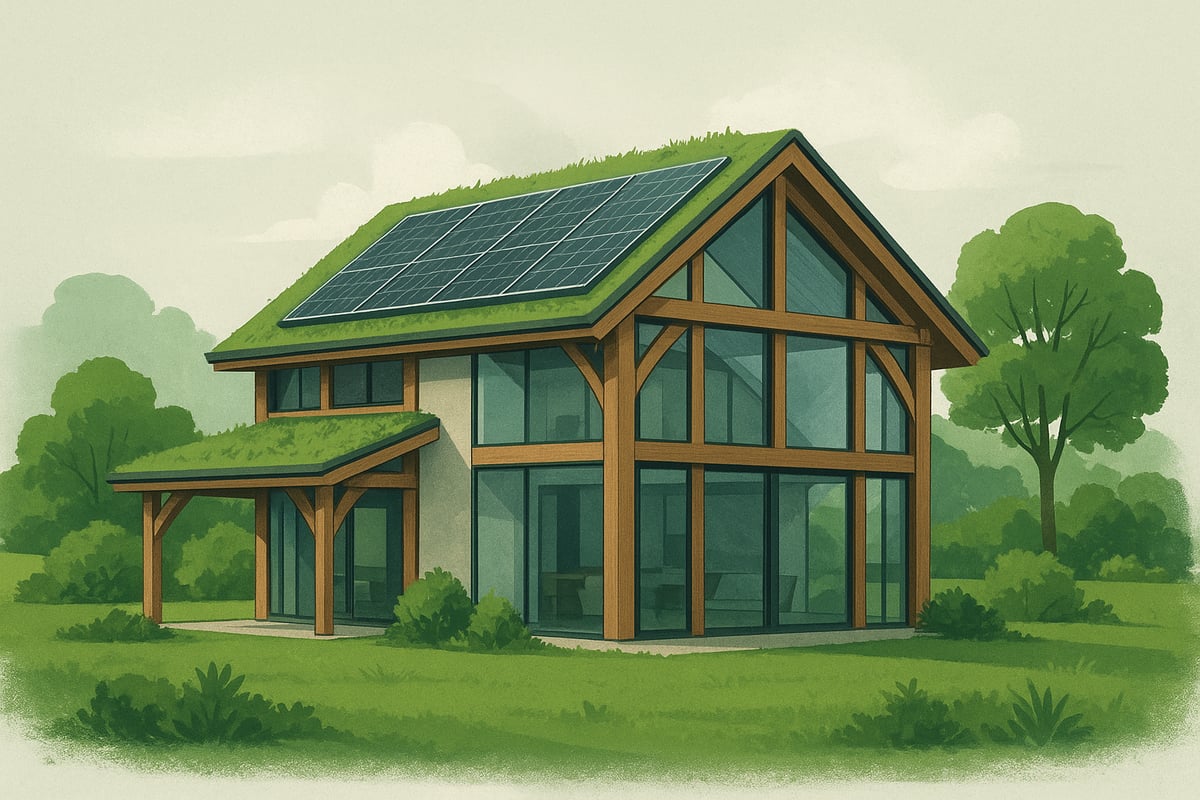
Sustainability is at the core of new post and beam house designs. Builders now favour FSC-certified and reclaimed timbers, ensuring every beam contributes to a greener future. Passive house standards are becoming mainstream, with thick insulation and airtight construction reducing energy use.
Innovative features include:
- Green roofs supporting local biodiversity
- Solar panels integrated into rooflines
- Smart ventilation and heat recovery systems
According to the UK Timber Frame Association, 65% of new timber homes now use sustainable materials. Homeowners are increasingly conscious of their environmental footprint, making eco credentials a key factor in every design.
Open-Concept Living and Natural Light
Open-plan layouts remain a hallmark of post and beam house designs. Expansive floor plans, large windows, and bifold doors dissolve the boundaries between inside and outside. Skylights and glazed gables flood spaces with daylight, promoting wellbeing and connection to nature.
Benefits for homeowners include:
- Flexible living areas for entertaining or relaxing
- Seamless indoor-outdoor transitions
- Spaces that feel larger and more inviting
A recent award-winning project featured a dramatic double-height living room with panoramic views, showcasing the potential for light-filled, healthy environments in post and beam homes.
Modular and Prefabricated Options
Prefabrication is revolutionising post and beam house designs in 2026. Ready-to-assemble kits are growing in popularity, allowing for faster, more efficient construction. Modular elements mean homes can be expanded or adapted over time, offering ultimate flexibility.
Advantages of modular builds:
- Up to 40% reduction in build time
- Less on-site waste and disruption
- Consistent quality and precision manufacturing
Families value the ability to customise layouts and add extensions as needs change. This approach makes post and beam homes accessible to a wider audience, without compromising on design or sustainability.
Smart Home Integration and Technology
Technology is seamlessly woven into the fabric of modern post and beam house designs. From automated lighting and heating to advanced security systems, smart features are no longer an afterthought. These homes are designed to adapt to changing lifestyles and evolving tech.
Popular integrations include:
- Centralised energy monitoring for efficiency
- Voice-controlled lighting and climate systems
- Remote security and access management
Compatibility with timber frames ensures that innovation does not come at the expense of aesthetics or structure. Future-proofing is a top priority, ensuring each home remains comfortable and connected for years to come.
Step-by-Step Guide to Planning Your Post and Beam House
Planning post and beam house designs is a journey filled with creativity, practical decisions, and exciting milestones. Whether you're dreaming of a countryside retreat or a modern family home, this comprehensive guide walks you through each essential step. By following these stages, you can confidently shape your vision into a sustainable, beautiful reality.
Step 1: Defining Your Needs and Budget
Begin your journey with a clear understanding of your household's requirements. Evaluate your family size, lifestyle habits, and any anticipated changes, such as future children or ageing-in-place considerations. For post and beam house designs, flexibility is a key advantage, allowing you to plan for both present needs and future growth.
Establish a realistic budget early. In the UK, average costs for post and beam house designs range from £1,800 to £2,500 per square metre. Break down your budget into land acquisition, design fees, materials, construction, and contingency funds. Prioritise must-have features like open-plan living, energy efficiency, or accessibility.
Sample Budget Breakdown Table:
| Category | Estimated Cost (£) |
|---|---|
| Land | 120,000 |
| Design & Fees | 25,000 |
| Materials | 110,000 |
| Labour | 80,000 |
| Contingency | 20,000 |
This clarity ensures your post and beam house designs remain achievable and tailored to your aspirations.
Step 2: Choosing a Site and Orientation
Selecting the right plot is fundamental for successful post and beam house designs. Consider access to amenities, transport links, and the potential for scenic views. Check the site's planning permission status and any local restrictions that may affect your build.
Orientation is equally crucial. Position your home to harness natural light, especially in living areas, to improve comfort and reduce energy consumption. South-facing windows are ideal in the UK climate. Assess the site's topography and drainage, as these factors can impact design options and construction costs.
Real-life stories highlight how a well-chosen site enhances both lifestyle and property value. Prioritise locations that align with your vision for post and beam house designs.
Step 3: Designing Your Home
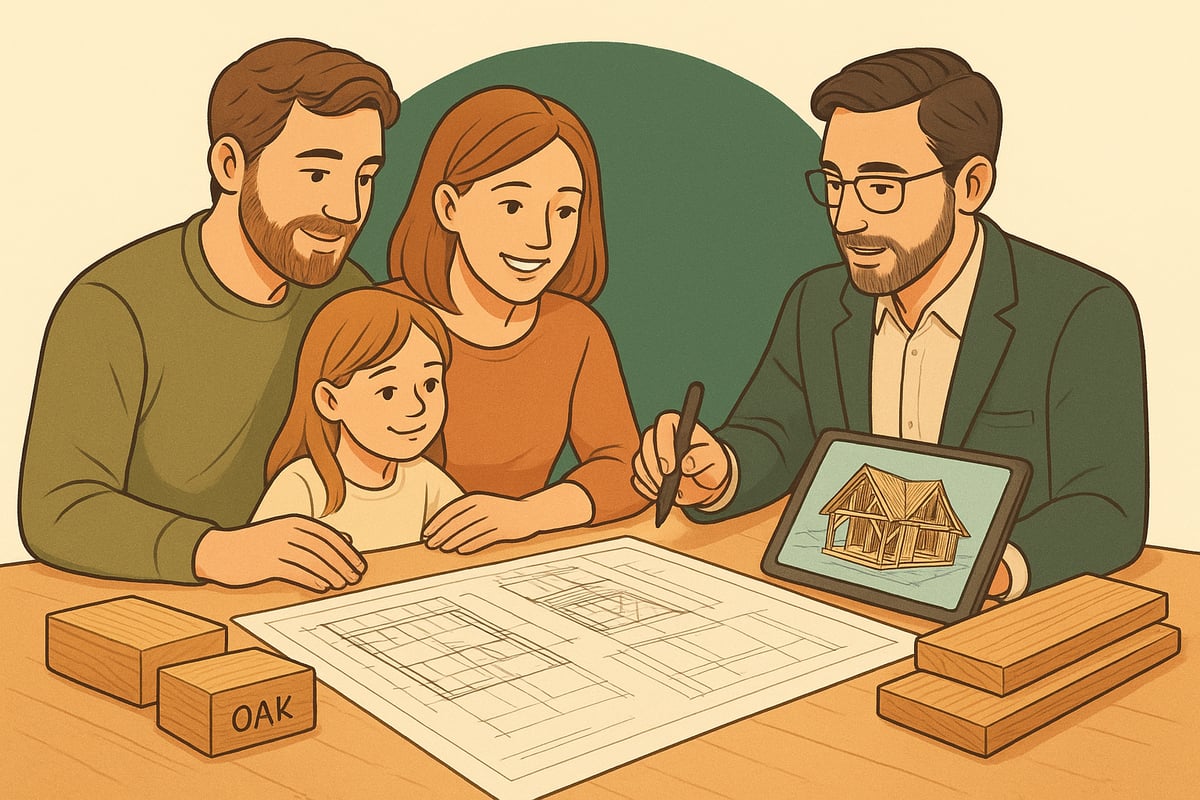
Collaboration is key when crafting post and beam house designs. Work closely with architects and timber frame specialists who understand the structural and aesthetic possibilities of this method. Balance your wish list with practical considerations, ensuring spaces flow logically and make the most of exposed timber features.
Choose between bespoke plans, tailored to your lifestyle, and pre-designed layouts that offer efficiency and cost savings. Incorporate sustainable features, such as high-performance insulation or passive solar gain. Modern 3D modelling tools help visualise your post and beam house designs before construction begins.
For an in-depth look at this process, visit the Post and beam home design guide. A well-planned design phase sets the foundation for a home that is both functional and visually striking.
Step 4: Securing Planning Permission and Regulations
Navigating UK planning laws is a vital step in realising your post and beam house designs. Research local authority requirements, including permitted development rights and conservation area restrictions. Submit detailed plans that demonstrate compliance with building regulations, focusing on structural safety, fire resistance, and energy efficiency.
Common challenges include resolving neighbour objections or meeting ecological standards. Address these early by consulting with planning specialists and engaging with your local community. Successful planning applications include thorough documentation and clear communication with authorities.
This step ensures your post and beam house designs meet all legal and technical standards, preventing costly delays.
Step 5: Selecting Materials and Suppliers
Choosing quality materials is critical for the longevity and sustainability of post and beam house designs. Evaluate timber species such as oak, Douglas fir, or larch, considering both performance and appearance. Prioritise suppliers who offer FSC or PEFC-certified timber, ensuring responsible sourcing.
Vet potential suppliers and builders by checking references, previous projects, and industry accreditations. Obtain multiple quotes, comparing cost, lead times, and aftercare services. This diligence guarantees your post and beam house designs are built with trusted materials and expertise.
Step 6: Construction Process and Timeline
Understanding the construction sequence helps keep your post and beam house designs on track. The process typically moves from groundwork and foundations to frame erection, enclosure, and internal finishes. Off-site prefabrication of timber frames can accelerate timelines and improve quality control.
A typical post and beam build in the UK takes six to twelve months, depending on weather, complexity, and contractor availability. Monitor progress regularly, addressing any delays or issues promptly. Quality assurance at each stage safeguards the integrity of your post and beam house designs.
Step 7: Interior Finishing and Customisation
The finishing phase brings your post and beam house designs to life. Select flooring, insulation, and wall finishes that complement exposed beams and natural timber elements. Consider underfloor heating, energy-efficient lighting, and bespoke joinery for added comfort.
Personalise each space to reflect your style, from open-plan kitchens to cosy lofts. The adaptability of post and beam house designs makes it easy to evolve your interiors over time, ensuring your home remains inviting and functional for years to come.
Sustainability and Environmental Impact
Sustainability sits at the heart of modern post and beam house designs. As homeowners and builders in the UK seek eco-friendly solutions, timber construction stands out for its environmental benefits and long-term value. This section explores how post and beam house designs contribute to a greener future, focusing on renewable resources, energy performance, sourcing standards, and waste reduction.
Timber as a Renewable Resource
Timber is one of the world's most renewable building materials, making it a core component of sustainable post and beam house designs. When forests are managed responsibly, trees absorb carbon dioxide as they grow, effectively storing carbon for decades within a home’s structure.
Compared to brick or block construction, timber has a lower embodied carbon footprint. Lifecycle studies show that a well-designed post and beam house can help reduce overall emissions. The UK government now offers incentives for green building, encouraging the use of renewable materials in new homes.
For families planning post and beam house designs, choosing timber from certified, sustainably managed forests ensures both environmental responsibility and the preservation of natural resources for future generations.
Energy Efficiency and Performance
Post and beam house designs excel in energy performance due to the insulating properties of timber and the flexibility to incorporate advanced insulation systems. A well-built timber frame reduces thermal bridging, which helps maintain even indoor temperatures year-round.
Innovative insulation strategies, such as using natural wool or cellulose, further boost energy efficiency. Airtight construction and triple-glazed windows can reduce heating costs by 20 to 30 percent compared to traditional builds.
The open-plan layouts typical in post and beam house designs also support passive solar design, maximising natural light and reducing reliance on artificial lighting. These features make timber-framed homes not only comfortable, but also highly cost-effective to run.
Responsible Sourcing and Certifications
Responsible sourcing is essential for the sustainability of post and beam house designs. Homeowners should look for timber certified by schemes like FSC (Forest Stewardship Council) or PEFC (Programme for the Endorsement of Forest Certification). These certifications guarantee that the wood comes from well-managed forests with strict environmental and social standards.
Supplier transparency is another important consideration. Traceability from forest to frame enables buyers to make informed choices. To understand the full environmental impact of timber, guidance such as the Timber and Sustainability Guidance offers valuable insights into lifecycle analysis and best practices for sourcing.
Prioritising certified timber ensures your post and beam house designs are both ethical and environmentally sound.
Minimising Construction Waste
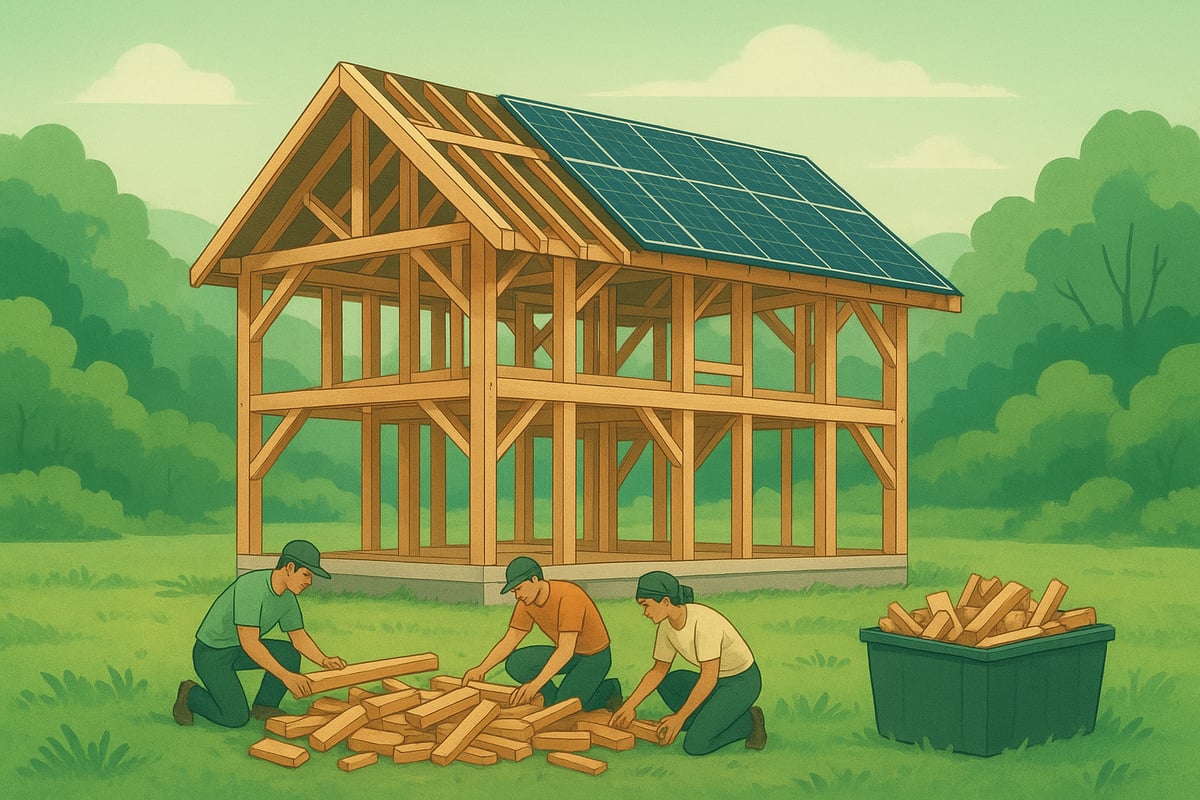
Minimising waste is a key benefit of post and beam house designs. Prefabrication allows precise cutting of timber components, reducing offcuts and errors on site. Any leftover wood can often be recycled or upcycled into furniture, landscaping features, or even biomass fuel.
Modular design approaches help further reduce waste by standardising components and simplifying assembly. Some UK projects have achieved near zero-waste builds by integrating recycling from the outset and carefully planning material use.
By choosing post and beam house designs, you are supporting methods that respect both your budget and the planet, making sustainable living an attainable goal for your next home.
Cost Considerations and Value
Making informed financial decisions is crucial when exploring post and beam house designs. Understanding the breakdown of costs, future value, and available support options will help you plan with confidence. Let us examine the key financial aspects every homeowner should consider.
Upfront and Ongoing Costs
The initial investment for post and beam house designs depends on size, materials, and finishes. On average, UK builds range from £1,800 to £2,500 per square metre. This includes the frame, foundation, enclosure, and basic interior works. Labour costs are often lower than traditional builds due to efficient assembly.
Here is a quick comparison:
| Build Type | Avg. Cost per m² | Maintenance |
|---|---|---|
| Post and beam | £1,800–£2,500 | Low–Medium |
| Brick/block | £2,000–£2,700 | Medium |
| Structural Insulated Panels (SIPs) | £1,900–£2,600 | Low |
Ongoing costs are manageable, as well-built post and beam house designs require minimal repairs. Timber care and periodic inspection are key for lasting value.
Long-Term Value and Resale
Post and beam house designs are renowned for their appreciation potential. Bespoke timber homes often attract buyers seeking unique aesthetics and quality craftsmanship. Superior insulation and airtightness can cut energy bills by 20–30 percent, boosting long-term savings.
Eco-friendly features further increase market value, making these homes especially appealing to environmentally conscious buyers. With careful planning, your investment in post and beam house designs can deliver enduring returns and strong resale prospects.
Financing and Grants
Financing options for post and beam house designs have grown in recent years. Many UK lenders now offer mortgages for timber homes, provided plans meet structural and regulatory standards. Government incentives, such as the Green Homes Grant, can offset costs for sustainable upgrades.
The Timber in Construction Roadmap 2025 outlines further support for eco-friendly building, including grants and policy initiatives. Investigating all available funding streams can significantly reduce your upfront spend.
Avoiding Common Budget Pitfalls
When planning post and beam house designs, beware of hidden costs like site preparation, planning fees, and unexpected delays. Secure detailed contracts with clear payment schedules. Always set aside a contingency fund to manage unforeseen expenses and keep your project on track.
Expert Tips and Real-Life Case Studies
Building your dream home with post and beam house designs requires both inspiration and practical know-how. In this section, we share expert advice, highlight real case studies, and offer insights to help you avoid common pitfalls and future-proof your investment.
Essential Design and Build Tips
Successful post and beam house designs start with the right team. Choose architects and builders with specific experience in timber construction. This ensures your vision is structurally sound and aesthetically pleasing.
Pay attention to how spaces flow. Open-plan layouts are a hallmark of post and beam house designs, but balance openness with zones for privacy. Exposed beams can be both a structural necessity and a dramatic design feature.
Prioritise high-quality joinery and sustainable materials. For a deeper understanding of structural considerations, see this guide on post and beam frame construction. It details the unique joinery methods and structural choices that set post and beam house designs apart.
Finally, communicate clearly with your team. Regular site visits and transparent budgeting keep your project on track.
Common Mistakes to Avoid
Even with the best intentions, some homeowners encounter issues with post and beam house designs. One frequent mistake is underestimating costs or the time required for completion. Build in a contingency fund to avoid financial surprises.
Ignoring local planning rules and building regulations can delay your project. Always check requirements early, especially as post and beam house designs may be subject to special scrutiny in conservation areas.
Material choice matters. Selecting the wrong timber or supplier can compromise durability and aesthetics. Insist on certified, responsibly sourced wood and vet your suppliers thoroughly.
Lastly, avoid overcomplicating your design. Simplicity often leads to greater longevity and easier maintenance.
Inspiring UK Case Studies
Across the UK, post and beam house designs have enabled families to create standout homes. In rural Oxfordshire, one couple combined traditional oak frames with modern glass walls, achieving a light-filled, energy-efficient retreat.
In Scotland, a family used reclaimed Douglas fir to build a home that blends seamlessly with its surroundings. Despite challenging weather and tight planning deadlines, their project finished on budget and won a regional design award.
On a global scale, inspiration can be drawn from Sweden’s Stockholm Wood City Project, the world’s largest timber urban development. This innovative project demonstrates how post and beam house designs can shape sustainable communities and influence trends in the UK.
Future-Proofing Your Home
Future-proofing is essential for anyone investing in post and beam house designs. Design for adaptability by including flexible rooms, level access, and wide doorways for potential mobility needs.
Integrate smart home technology from the outset. Automated lighting, security, and energy monitoring systems are easily accommodated within the open structure of post and beam house designs.
Plan for sustainability. Use renewable materials, add extra insulation, and consider solar panels or green roofs. These choices not only reduce your environmental footprint but also increase long-term value.
Finally, anticipate evolving family needs. Modular extensions or outbuildings can be added later without compromising the integrity of your original post and beam house designs.
As you’ve discovered, post and beam house design offers an inspiring blend of tradition, sustainability, and modern living—perfect for creating a truly unique home that reflects your lifestyle and values. If you’re ready to take the next step and turn these ideas into reality, let’s bring your vision to life with the guidance and craftsmanship of Acorn to Oak Framing. Together, we can design a bespoke oak-framed home tailored to your needs, built to the highest standards for comfort, durability, and elegance. Ready to start planning your dream home for 2026? BUILD NOW


