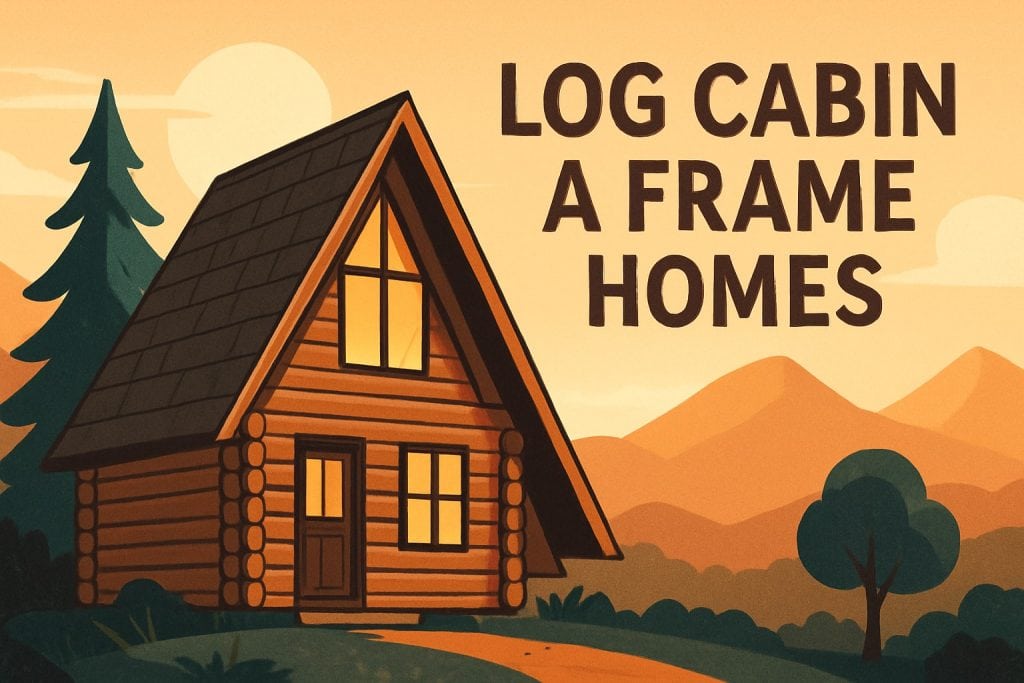
Imagine opening your eyes to the warm glow of morning light in a log cabin A frame home, nestled amidst tranquil woodlands. The blend of striking architecture and natural surroundings creates a sense of peace and timeless style.
This essential 2026 handbook is your trusted guide to log cabin A frame homes. Whether you dream of a personal retreat or a unique investment, you will find expert advice on design, planning, and maintenance.
Explore the fascinating origins, discover modern trends, and unlock practical steps for building your dream. Begin your journey to inspired, comfortable living with confidence.
Understanding Log Cabin A Frame Homes: Origins, Features & Appeal
Imagine stepping into a world where traditional craftsmanship meets modern design—the world of log cabin a frame homes. These iconic structures are capturing the imagination of homeowners and holidaymakers across the UK, combining striking architecture with practical living. But what exactly sets them apart, and why are they rising in popularity right now?
Defining Log Cabin A Frame Homes
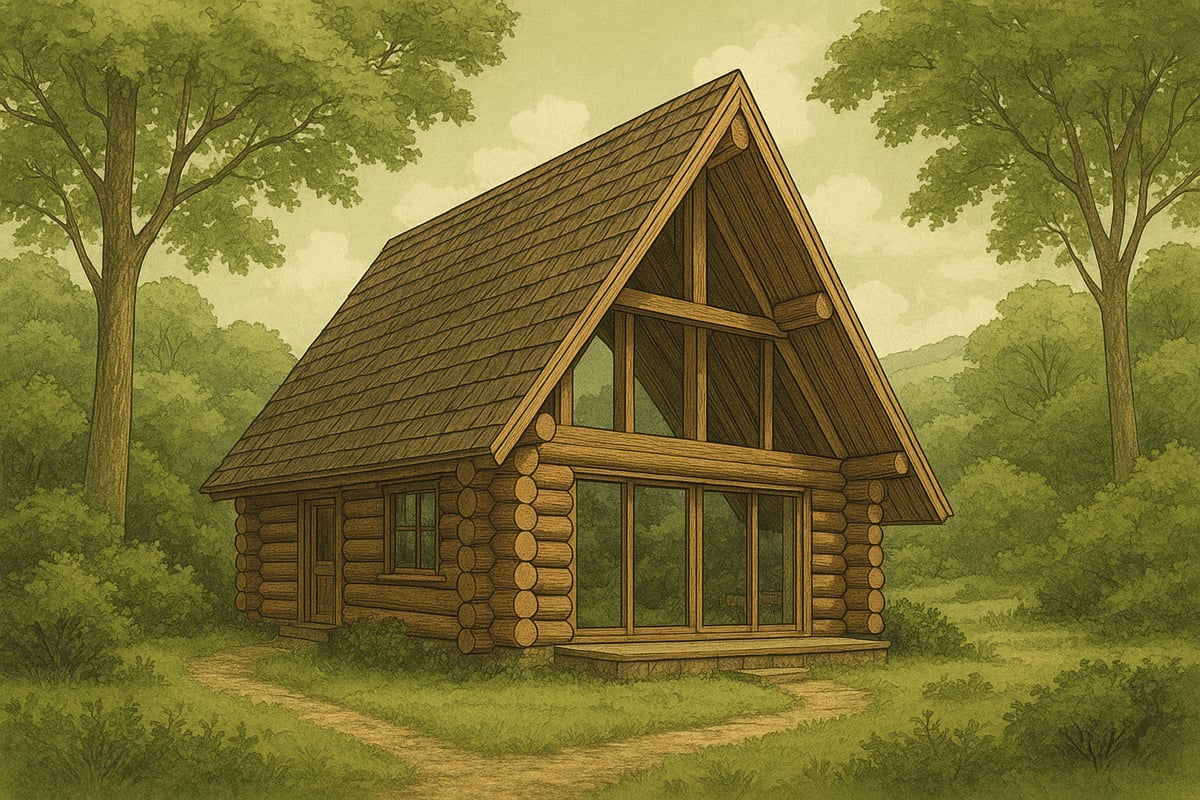
Log cabin a frame homes are instantly recognisable thanks to their dramatic triangular silhouette. Unlike conventional cabins, their steeply pitched roofs extend almost to the ground, forming the signature "A" shape. This design not only sheds rain and snow efficiently but also creates open-plan interiors filled with light.
Key architectural features include exposed timber beams, vaulted ceilings, and expansive window walls. These elements allow for panoramic views and a seamless connection with the outdoors. Since 2020, the UK and Europe have seen a surge in interest, with more buyers seeking alternatives to standard home styles. The blend of rustic charm and contemporary flair makes log cabin a frame homes uniquely appealing in a crowded property market.
Historical Evolution and Cultural Significance
The origins of log cabin a frame homes trace back to the forests of Scandinavia and the Alpine regions of Europe. Early settlers valued the A frame for its simplicity, ease of construction, and ability to withstand harsh climates. Over time, British architects adapted the design to suit local weather and landscape, integrating native timber and insulation techniques.
Today, log cabin a frame homes are often seen as symbols of eco-friendly, minimalist living. Their clean lines and natural materials resonate with those seeking a retreat from urban life. The cultural shift towards sustainability has only strengthened their appeal, bridging centuries-old traditions with modern priorities.
Core Benefits and Drawbacks
Log cabin a frame homes offer a compelling mix of advantages. Their natural insulation properties, due to both timber and the A frame structure, help regulate temperature and reduce energy costs. The vertical design maximises usable space on a compact footprint, making them ideal for small plots.
Weather resistance is another key benefit, with the roof angle shedding water and snow effectively. However, there are some drawbacks. Loft spaces can be tricky to access, and the sloping walls may limit headroom and customisation. For a deeper dive into the unique advantages of these homes, see this Log and timber frame home benefits resource.
Who Chooses A Frame Log Cabins?
Log cabin a frame homes attract a diverse range of owners. Eco-conscious families appreciate their sustainability, while holiday home investors value their market appeal and rental potential. Self-build enthusiasts are drawn to the manageable construction process and the satisfaction of crafting a bespoke retreat.
In recent years, glamping sites and rural retreat businesses have also embraced the A frame model. The combination of visual impact and efficient use of land makes these cabins a smart choice for hospitality ventures. Whether for personal use or business, the versatility of log cabin a frame homes continues to win new fans.
Real-World Examples
Across the UK countryside, successful log cabin a frame homes stand as testament to this trend. Projects range from cosy woodland escapes in the Lake District to contemporary holiday lets on the Cornish coast. Case studies reveal creative solutions for maximising small footprints while ensuring comfort and style.
Recent planning data shows a 30% increase in applications for A frame log cabins between 2022 and 2025. This surge highlights growing demand for sustainable, attractive, and flexible housing options, positioning log cabin a frame homes at the forefront of rural living innovation.
Planning Your Log Cabin A Frame Home: Step-by-Step Guide
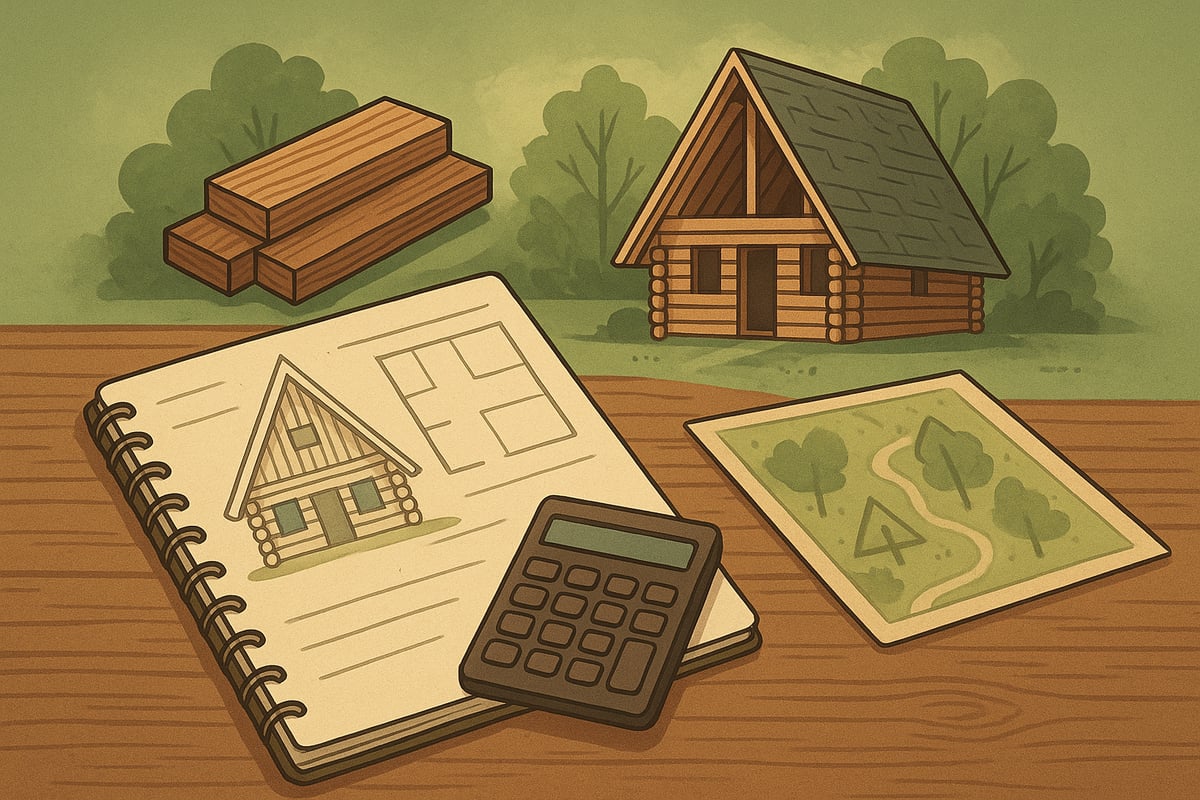
Embarking on your log cabin a frame homes journey begins with thoughtful planning. Each decision, from your initial vision to the final handover, shapes the comfort, style, and value of your future retreat. Follow this step-by-step guide to ensure a smooth and successful project.
Step 1: Setting Your Goals and Budget
The first step in planning log cabin a frame homes is defining your needs. Are you seeking a primary residence, a holiday escape, or a flexible workspace? Clarifying your goals will influence every decision, from size to features.
Budgeting is crucial. Self-builds typically range from £40,000 for basic models to £150,000 or more for bespoke designs. Key costs include:
| Component | Estimated Cost Range |
|---|---|
| Materials | £20,000–£70,000 |
| Labour | £10,000–£40,000 |
| Land | £8,000–£50,000 |
| Planning | £2,000–£10,000 |
Factor in contingencies for unexpected expenses. By establishing a realistic budget, you lay a solid foundation for your log cabin a frame homes project.
Step 2: Choosing the Perfect Location
Location determines the character and practicality of your log cabin a frame homes. Look for land with good access, drainage, and orientation to maximise sunlight and views. Consider proximity to amenities, utilities, and local infrastructure.
Navigating planning permission is essential. In the UK, requirements vary based on location, size, and intended use. For detailed guidance, refer to the UK Planning Permission for Log Cabins resource. Assess environmental factors, such as flood risks and protected habitats, before committing to a site. A well-chosen location enhances both lifestyle and long-term value.
Step 3: Designing Your A Frame Log Cabin
Designing log cabin a frame homes is where your vision comes to life. Decide between single or multi-storey layouts and consider whether you want an open loft or modular extensions. Customise with features like balconies, decks, and expansive window walls to connect indoor and outdoor spaces.
Embrace contemporary trends, including minimalist interiors and smart home integration. Prioritise natural light with floor-to-ceiling glazing or skylights. Thoughtful design ensures your log cabin a frame homes will feel spacious, functional, and inviting, regardless of its footprint.
Step 4: Selecting Materials and Suppliers
Choosing quality materials is vital for the longevity of log cabin a frame homes. Popular timber options include oak, pine, and spruce. Each offers distinct aesthetics and performance:
- Oak: Durable, high-end look.
- Pine: Cost-effective, easy to work with.
- Spruce: Lightweight, good insulation.
Source timber responsibly, looking for FSC certification and favouring local suppliers where possible. Decide between prefab kits for speed and cost savings or bespoke builds for maximum customisation. Engage reputable suppliers to ensure your log cabin a frame homes meets sustainability and quality standards.
Step 5: Project Management and Timeline
Effective project management is the backbone of successful log cabin a frame homes construction. Hire experienced architects, builders, and specialists familiar with timber structures. A typical build timeline ranges from 4 to 12 months, depending on complexity and weather.
Stay proactive by:
- Setting clear milestones
- Communicating regularly with your team
- Allowing flexibility for delays
Common pitfalls include underestimating timelines, overlooking regulations, or cutting corners on materials. Careful oversight helps deliver your log cabin a frame homes vision on time and within budget.
Building Process: From Foundations to Finishing Touches
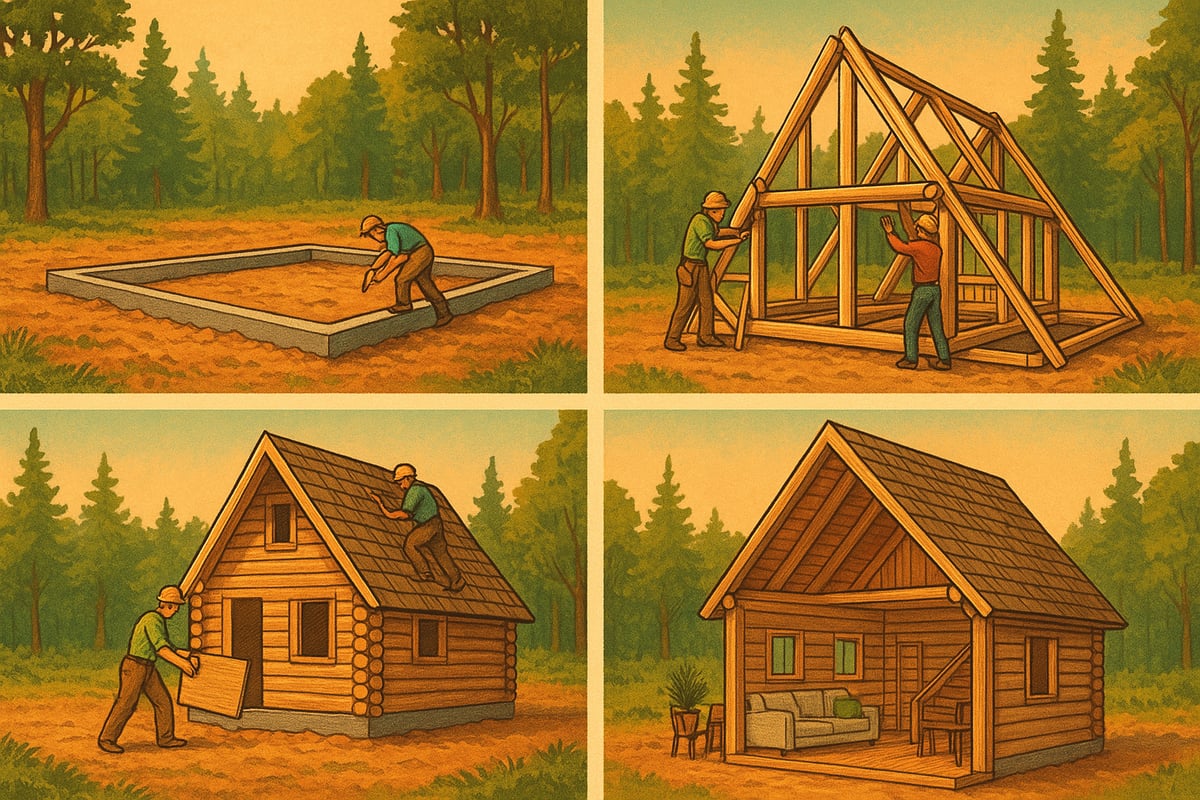
Embarking on the journey to construct log cabin a frame homes requires careful planning and a methodical approach. Each phase, from preparing your site to the final inspection, is vital in achieving a durable and beautiful structure. Let us walk through each step, highlighting the essentials and offering practical advice for a successful build.
Site Preparation and Foundations
The first stage for log cabin a frame homes is site preparation. Begin by clearing vegetation, debris, and levelling the land. Soil testing is crucial to determine the best foundation for your site and to prevent future settling issues.
Foundation options commonly used include:
| Foundation Type | Suitability | Pros | Cons |
|---|---|---|---|
| Concrete slab | Most soil types | Strong, stable | High carbon input |
| Pile foundations | Uneven or soft ground | Minimal impact | Specialist needed |
| Eco-friendly pads | Lightweight structures | Low impact | Not for all soils |
In the UK, building regulations for timber structures like log cabin a frame homes demand proper drainage and stability. Always consult local guidelines before breaking ground. Preparing the site thoroughly ensures long-term durability and protects your investment.
Timber Framing and Assembly
With the foundations complete, the next step is raising the frame. Log cabin a frame homes use robust timber trusses, joined at a steep angle to form the iconic A shape. Traditional mortise and tenon joinery provides strength and longevity, while modern fasteners can speed up the process for some builds.
The assembly process typically follows these steps:
- Erect base plate and anchor points
- Assemble and position A frame trusses
- Secure ridge beam at the apex
- Add bracing and floor joists
Weatherproofing is essential at every stage. Apply breathable membranes and insulation as you build, ensuring the structure can withstand the UK’s variable climate. For a detailed guide, explore the Building an A frame home steps for deeper insights into this critical phase.
Roofing, Windows, and Exterior Finishes
Once the frame is up, attention turns to roofing and external finishes. Log cabin a frame homes often feature steep, metal roofs for efficient rain runoff, though shingles and green roofs are also popular.
Key choices include:
- Roofing: lightweight metal, traditional shingles, or eco-friendly green options
- Windows: double or triple-glazed for insulation and energy savings
- Cladding: natural log, timber panels, or composite for low maintenance
Install windows and doors carefully to prevent drafts and water ingress. The right exterior finish not only defines the look of your log cabin a frame homes but also enhances weather resistance and energy efficiency.
Interior Fit-Out and Utilities
The interior phase brings your vision to life. Focus on open-plan layouts to maximise the sense of space, a signature of log cabin a frame homes. Plumbing and electrics should be planned early, with routes concealed within walls or floors.
Heating options include underfloor systems, wood-burning stoves, or energy-efficient electric radiators. Consider sustainable features such as solar panels or rainwater harvesting to reduce running costs. Smart lighting and home automation can be integrated for comfort and control, making your log cabin a frame homes functional and future-ready.
Quality Control and Final Inspections
As construction nears completion, thorough quality control is essential. Log cabin a frame homes benefit from a comprehensive snagging list, checking for issues such as gaps, leaks, or incomplete finishes.
Before handover, ensure compliance with UK building codes, particularly regarding insulation and fire safety. Final inspections should cover:
- Structural integrity
- Electrical and plumbing safety
- Energy performance standards
Address any outstanding issues promptly. A well-executed inspection process guarantees your log cabin a frame homes meet the highest standards, ensuring peace of mind for years to come.
Design Inspiration: Styles, Interiors & Modern Trends
The design potential of log cabin a frame homes is both timeless and innovative. Whether you seek rustic warmth or sleek modernity, the A frame style adapts beautifully to your vision. Let us explore the latest styles, interior ideas, and cutting-edge comforts that define the most desirable log cabin a frame homes today.
Popular A Frame Log Cabin Styles
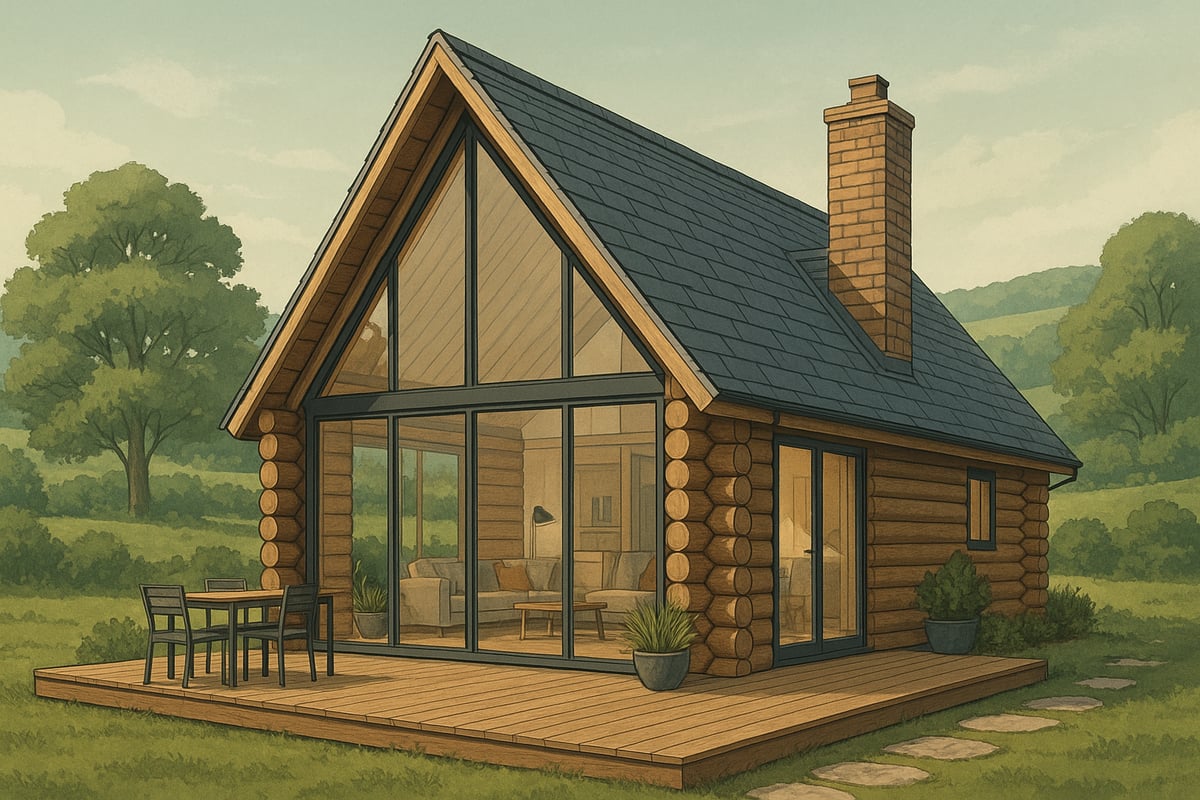
Log cabin a frame homes offer remarkable flexibility in style. Many homeowners embrace the rustic tradition, with exposed beams, natural log walls, and classic pitched roofs that evoke Alpine and Scandinavian roots. Others prefer a contemporary look, featuring clean lines, expansive glazing, and minimalist detailing.
British-inspired A frame cabins often blend these elements, adding local stone bases or slate roofs for regional character. Scandinavian styles focus on light, airy interiors, while Alpine designs highlight cosy nooks and robust timber. For a comprehensive overview of these styles and their construction, the Timber frame A frame house guide is an excellent resource.
Interior Design Ideas
Inside log cabin a frame homes, clever design maximises every inch. Open-plan layouts create a sense of space, while multi-functional furniture—such as fold-down tables and built-in benches—keeps living areas flexible. Built-in storage beneath stairs or within lofts is essential for keeping clutter at bay.
Natural materials are central to the aesthetic. Exposed timber frames, wide-plank floors, and stone hearths bring warmth and texture. Colour palettes often feature earthy tones, crisp whites, and striking contrasts like black window frames or bold accent walls, helping each log cabin a frame homes interior feel both modern and inviting.
Maximising Light and Space
The iconic A frame structure of log cabin a frame homes is perfect for maximising natural light and creating a spacious atmosphere. Floor-to-ceiling windows and dramatic glazing open interiors to the outdoors, making even compact cabins feel expansive.
Adding skylights or open mezzanines enhances vertical space and brightness. Outdoor living is also key, with decks, balconies, and terraces extending the usable area. These features help log cabin a frame homes connect seamlessly with their natural surroundings, blurring the lines between indoor comfort and outdoor beauty.
Modern Comforts and Smart Tech Integration
Today’s log cabin a frame homes are as comfortable as they are beautiful. Underfloor heating provides gentle warmth, while efficient wood-burning stoves add cosiness and charm. Many owners opt for energy-efficient appliances and smart home technology, allowing for effortless control of lighting, heating, and security.
Home automation systems can be discreetly integrated into the design, preserving the cabin’s aesthetic while offering convenience. From programmable thermostats to remote-controlled blinds, these features ensure log cabin a frame homes meet the needs of modern living without compromising style.
Real-World Showcase
Across the UK, log cabin a frame homes are setting new standards for rural retreats and eco-luxury escapes. Award-winning interiors often combine minimalist Scandinavian design with British craftsmanship, showcasing timber, stone, and innovative layouts.
Recent trends reveal an 18% rise in eco-luxury A frame holiday lets since 2023, highlighting the growing appeal of these unique homes. Whether serving as a family retreat or a high-end rental, log cabin a frame homes continue to inspire with their blend of classic forms and contemporary comforts.
Maintenance, Sustainability & Long-Term Value
Caring for log cabin a frame homes is essential for longevity, comfort, and lasting value. With the right approach, you can ensure your retreat stands strong against the elements and remains a wise investment for years to come.
Maintenance Essentials for Log Cabin A Frames
Regular upkeep is vital for log cabin a frame homes. Start with biannual inspections of the roof, timber walls, and all seals. Look for signs of wear, such as cracked caulking or loose shingles, especially after storms.
A basic maintenance checklist includes:
- Cleaning gutters and downpipes to prevent water damage.
- Staining or oiling timber exteriors every 2–5 years to shield against moisture.
- Checking for pests, including woodworm or carpenter ants, and addressing immediately.
- Inspecting windows and doors for drafts or leaks.
Insulation is crucial for both comfort and protection. Well-insulated timber retains heat in winter and stays cool in summer. For detailed guidance on best practices, see insulating timber frame walls.
Condensation can be an issue in log cabin a frame homes, especially in UK climates. Ensure proper ventilation and consider dehumidifiers in damp months. Promptly address any settling, as this can impact structural integrity over time.
Sustainability and Eco-Friendly Practices
Sustainability is at the heart of modern log cabin a frame homes. Select timber from certified sources, such as FSC-accredited suppliers, to reduce environmental impact. This supports forest regeneration and responsible forestry.
Energy efficiency is another key advantage. The unique shape of log cabin a frame homes, combined with thick timber walls, naturally boosts insulation. Incorporate double or triple-glazed windows, and optimise passive solar design by orienting living areas towards the sun.
During construction and ongoing use, minimise waste by recycling materials and reusing offcuts. Install renewable energy systems like solar panels and use rainwater harvesting for gardens and cleaning. For an in-depth look at energy performance, consult energy efficiency in timber frame construction.
Good ventilation and high-quality insulation will also enhance air quality, making log cabin a frame homes healthier for you and the environment.
Enhancing and Protecting Property Value
Maintaining and improving log cabin a frame homes increases both comfort and resale value. Regularly update exterior finishes and landscaping to keep the property attractive.
Insurance is an important consideration. Timber homes may require specialist policies, so check with providers experienced in this sector. Keep records of all maintenance and upgrades to support any future claims or valuations.
Add value by considering:
- Extensions or outbuildings for additional space.
- Energy-efficient upgrades, like new glazing or heating systems.
- Thoughtful landscaping for curb appeal and wildlife support.
Market trends show that well-maintained log cabin a frame homes in the UK have seen steady resale value growth between 2022 and 2025. By focusing on quality materials, eco-friendly features, and regular care, you can ensure your home remains a desirable asset.
Log Cabin A Frame Homes in the UK: Regulations, Costs & Resources
Navigating the world of log cabin a frame homes in the UK requires a strong understanding of regulations, costs, and selecting the right partners. Whether you are planning a self-build or seeking a turnkey solution, being well-informed is crucial for a smooth journey.
UK Building Regulations and Planning Permission
Log cabin a frame homes must comply with specific UK building regulations and planning rules. These standards ensure your home is structurally sound, energy efficient, and safe for year-round living.
Securing planning permission is often the first step. Local authorities assess factors like site access, drainage, and the impact on the landscape. For most log cabin a frame homes, you will need to demonstrate compliance with fire safety, insulation, and structural requirements. To understand the scope of legal obligations, review the Building Regulations for Log Cabins, which details compliance steps and potential exceptions.
Structural safety is a top priority. Refer to Approved Document A: Structural Safety for guidance on best practices and standards for timber construction. Early engagement with your planning office and a qualified architect can help prevent costly setbacks.
Cost Overview and Financing Options
Understanding the costs involved with log cabin a frame homes is essential for budgeting and long-term planning. Build costs typically range from £40,000 for a small self-build kit to £150,000 or more for a custom, turnkey property.
Key expenses include:
- Materials (timber, insulation, roofing)
- Labour and professional fees
- Land purchase and preparation
- Utilities and landscaping
Running costs are generally lower than traditional homes due to natural insulation and efficient layouts. Financing options include self-build mortgages, which release funds in stages as the build progresses. Some buyers may qualify for government grants or incentives, especially when using sustainable materials.
Prefab kits often offer cost savings and predictable timelines, while custom builds allow for greater design flexibility but may increase expenses.
Finding Trusted Suppliers and Builders
Choosing the right partners for your log cabin a frame homes project can make all the difference. Start by researching timber suppliers and construction companies with proven expertise in a frame design.
When vetting suppliers, consider:
- Certification (such as FSC for sustainable timber)
- Local experience with UK regulations
- Strong aftercare and warranty policies
Seek recommendations from previous clients or specialist associations. Local builders often understand the nuances of UK planning and weather, helping to ensure a smooth build process. Online forums and government resources can also provide valuable insights and contacts.
Investing time in due diligence helps protect your investment and ensures your log cabin a frame homes project stands the test of time.
Now that you have a clear understanding of what makes A frame log cabin homes truly unique, from their energy efficiency and striking architectural features to the benefits of expert craftsmanship and sustainable materials, the next step is making your vision a reality. If you’re ready to start planning your own bespoke retreat, let Acorn to Oak Framing guide you every step of the way. Their skilled team blends traditional techniques with modern design to create homes tailored to your lifestyle and built to last. Take the first step towards your dream A frame home—BUILD NOW.


