

Timber architecture is experiencing a renaissance as more people seek sustainable and visually striking spaces. Oak a frames are poised to lead this trend in 2026, blending timeless elegance with eco-friendly construction.
In this expert handbook, you will find everything needed to understand, design, and create with oak a frames. This includes insights for homeowners, self-builders, and professionals alike.
Discover the fundamentals, latest design trends, planning and regulations, step-by-step construction, and expert maintenance advice. Whether you are inspired by natural materials or seeking lasting value, this guide will help you achieve beautiful, durable results.
Ready to explore the world of oak a frames? Read on for your comprehensive 2026 guide.
Understanding Oak A Frames: Fundamentals and Benefits
Oak a frames are gaining momentum as the preferred choice for sustainable and stylish construction. Their unique blend of strength, beauty, and eco-friendly credentials is setting new standards for homeowners and professionals alike.
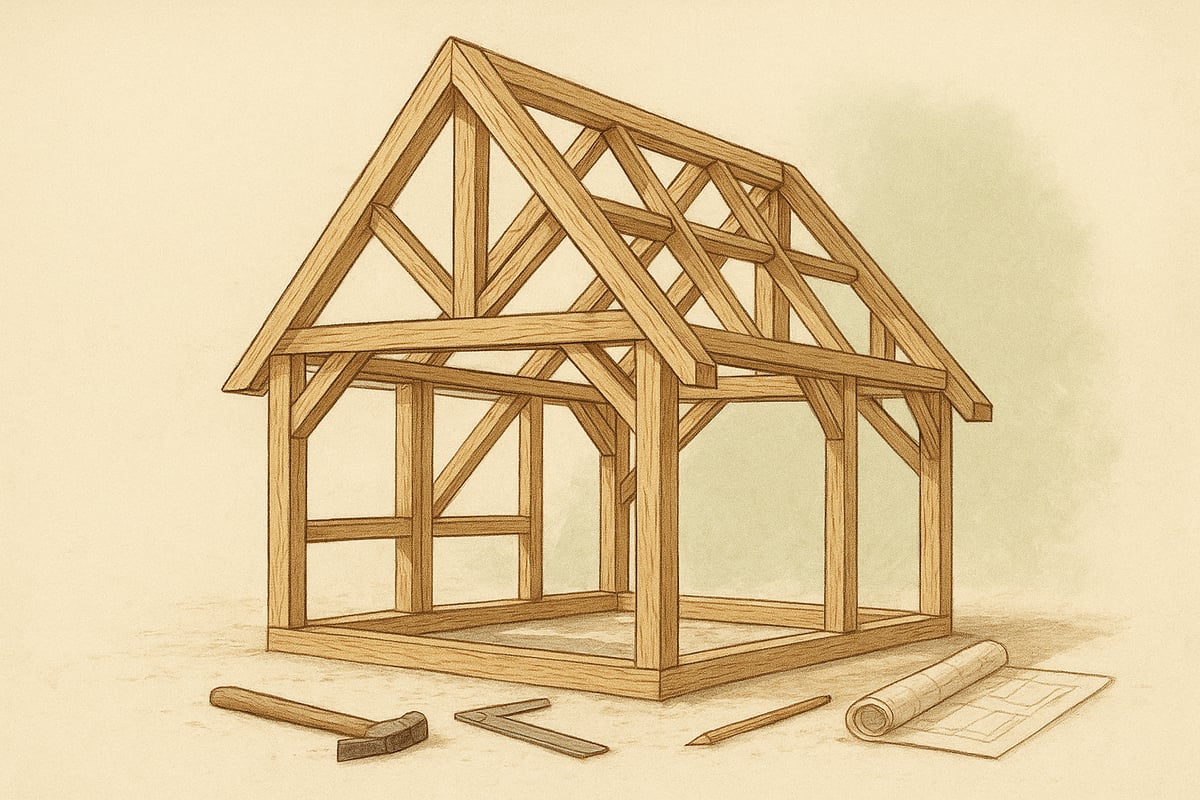
What Is an Oak A Frame?
An oak A frame is a structural system where two main oak beams form a triangle, joined at the top and spread at the base. This distinctive geometry provides excellent load distribution and stability, making it a popular architectural solution for centuries.
The origins of A frames can be traced back to traditional timber framing in northern Europe. Unlike box frames or post-and-beam systems, oak a frames create open, soaring interiors with minimal vertical supports. The result is a spacious feel that maximises natural light and flexibility.
| Feature | Oak A Frame | Standard Timber Frame |
|---|---|---|
| Geometry | Triangular | Rectangular |
| Load Distribution | Even, strong | Linear, moderate |
| Interior Space | Open, vaulted | Compartmentalised |
Oak a frames are easily identified by their exposed beams and dramatic roof pitches, lending character and strength to any building.
Why Choose Oak?
Oak is renowned for its durability and longevity, making it the first choice for structural frames that need to stand the test of time. Unlike many softwoods, oak a frames resist weathering, pests, and decay naturally, without the need for excessive chemical treatments.
Sustainable forestry practices ensure that oak is harvested responsibly, with many UK suppliers certified under strict environmental standards. This commitment to the environment means oak a frames offer a lower carbon footprint than many modern building alternatives.
Key advantages of oak include:
- High density and strength
- Excellent natural resistance to rot and insects
- Minimal maintenance compared to other timbers
Choosing oak a frames is not just about tradition, but about investing in a material that supports both performance and planet.
Core Benefits of Oak A Frames
Oak a frames offer a wealth of benefits for both residential and commercial projects. The visual appeal of exposed oak beams and natural grain brings a timeless elegance that suits both classic and contemporary designs.
These structures are incredibly versatile, suitable for homes, outbuildings, garages, and even commercial spaces. Their geometry allows for wide, open interiors, perfect for modern lifestyles.
Energy efficiency is another key benefit. Oak a frames provide excellent insulation, helping to regulate indoor temperatures and reduce energy consumption. The eco-friendly nature of oak, combined with its durability, also means lower long-term maintenance costs and a positive impact on property resale value.
In summary:
- Aesthetic: Warm, inviting, and distinctive
- Versatile: Adaptable to various building types
- Energy Efficient: Natural insulation properties
- Value: Enhances desirability and longevity
Choosing oak a frames is a strategic decision for those seeking both beauty and enduring value.
Real-World Examples and Statistics
Across the UK, oak a frames are being chosen for an array of innovative projects. Recent market data shows a 15% increase in timber frame home construction between 2023 and 2025, highlighting growing demand for sustainable solutions.
Case studies reveal that oak a frames regularly outperform softwood alternatives in terms of lifespan and maintenance costs. Owners report fewer repairs, and buildings often retain their structural integrity for over a century.
For inspiration, the Oak Framed Homes Inspiration resource showcases real UK projects, demonstrating the versatility and lasting appeal of oak a frames. Whether for a stunning country home or a contemporary garden studio, these examples provide proof of oak’s enduring popularity.
When compared side by side, oak a frames deliver a unique combination of tradition, innovation, and long-term value that few alternatives can match.
Oak A Frame Design Trends for 2026
The world of oak a frames is experiencing a renaissance, blending heritage with the boldness of contemporary design. As we look to 2026, both homeowners and professionals are embracing innovative approaches that elevate these iconic timber structures. From modern reinterpretations to sustainable solutions, oak a frames remain at the forefront of stylish, eco-conscious building.
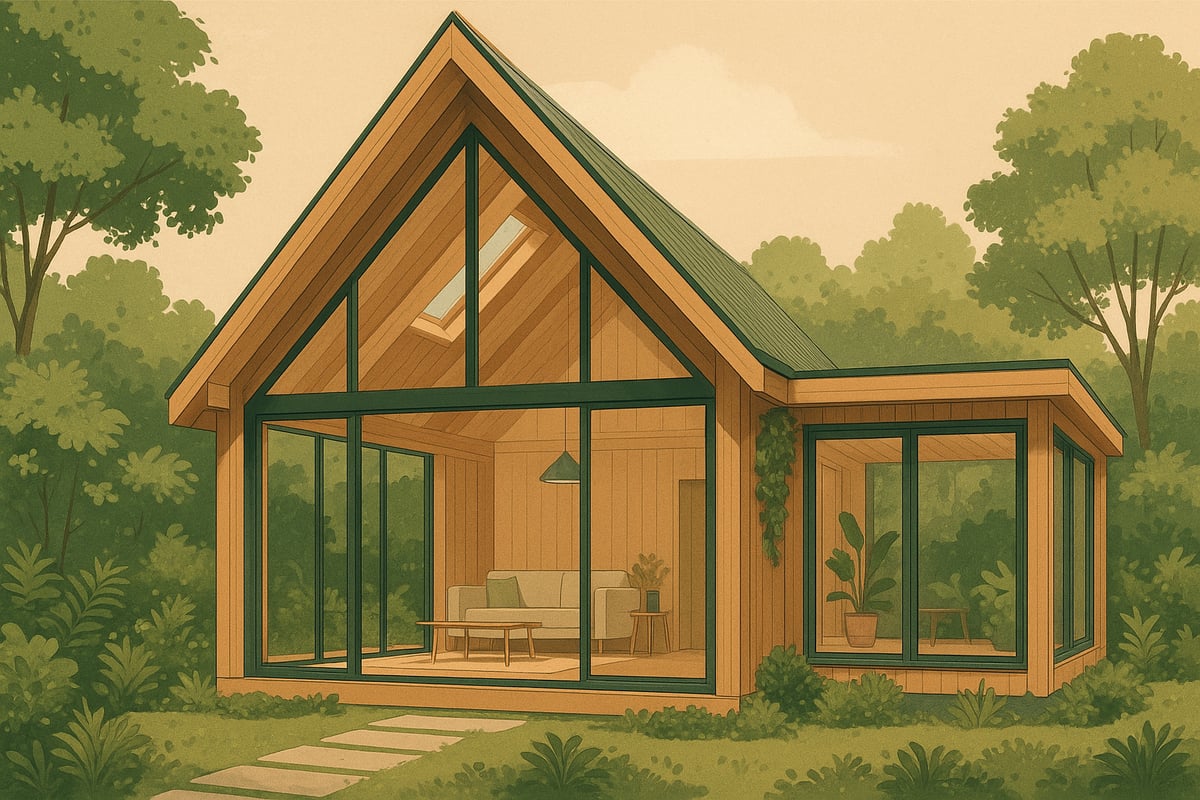
Modern vs. Traditional Oak A Frame Styles
Oak a frames are renowned for their distinctive triangular silhouette, but recent years have seen a surge in both classic and contemporary interpretations. Traditional oak a frames often showcase hand-crafted joinery, exposed beams, and steeply pitched roofs, evoking a sense of warmth and timelessness. In contrast, modern styles embrace minimalist detailing, expansive glazing, and open-plan layouts that maximise natural light and space.
Many designers are now merging these influences, resulting in homes that honour traditional craftsmanship while incorporating modern amenities. Vaulted ceilings, floor-to-ceiling windows, and seamless indoor-outdoor transitions are defining features. For those seeking inspiration, the Oak Framing Design Trends for 2025 article showcases the evolution of oak a frames, highlighting glazed structures and streamlined forms set to influence 2026 builds.
Customisation and Personalisation
The flexibility of oak a frames makes them ideal for bespoke projects. Whether designing a compact retreat or a grand country home, clients can tailor every aspect, from the footprint and roof pitch to the finish of each beam. Custom joinery allows for intricate detailing, such as curved braces or decorative trusses, while a wide range of stains and oils let the natural grain shine through.
Integration with existing structures is becoming more common. Homeowners are extending period properties with oak a frames to create harmonious, light-filled spaces. This level of personalisation ensures that each oak a frames project is as unique as its owner, meeting specific lifestyle needs and aesthetic preferences.
Sustainability and Eco-Friendly Innovations
Sustainability remains at the core of oak a frames design in 2026. Advances in low-carbon construction methods are reducing the environmental footprint, while many builders now prioritise locally sourced or reclaimed oak. Passive design principles, such as optimal orientation and natural ventilation, help minimise energy use and boost efficiency.
Smart home features are increasingly integrated into oak a frames, offering energy monitoring and automated lighting without compromising the integrity of the timber structure. These innovations make oak a frames an excellent choice for eco-conscious clients, supporting both comfort and long-term stewardship of natural resources.
Outdoor Living: Oak A Frame Extensions and Outbuildings
Outdoor living is a major trend, with oak a frames extending beyond the main residence to create versatile garden rooms, garages, and entertaining spaces. These structures blend seamlessly with the landscape, providing year-round enjoyment and flexible use.
Multi-functional oak a frames outbuildings can serve as home offices, studios, or guest suites, adapting quickly to changing family needs. The popularity of outdoor kitchens and covered terraces is also rising, as people seek to connect indoor and outdoor environments. Oak a frames excel in these roles, offering durability and visual harmony with nature.
Interior Trends: Maximising Space and Light
Inside, oak a frames are all about openness and light. Open mezzanine levels and loft spaces create dynamic interiors, while clever layout planning maximises every square metre. The integration of large glass panels, skylights, and biophilic design elements brings the outdoors in, enhancing well-being and visual appeal.
Flexible layouts are key, allowing homeowners to adapt rooms as needs evolve. Oak a frames naturally support these trends, as their structural strength enables wide spans without intrusive supports, resulting in uncluttered, airy living spaces.
Data and Inspiration
The shift towards natural materials is clearly reflected in recent surveys, with 68% of UK homeowners expressing a preference for timber in new builds for 2025. This momentum is only expected to grow, positioning oak a frames as the structure of choice for those valuing beauty, sustainability, and performance.
Award-winning oak a frames projects provide a wealth of inspiration for 2026. From compact garden studios to expansive family homes, each demonstrates the versatility and enduring appeal of this construction method. As design trends evolve, oak a frames continue to set the benchmark for both form and function.
Oak A Frames and UK Planning: Regulations, Permissions, and Compliance
Understanding planning and compliance is crucial for anyone investing in oak a frames. Navigating UK building requirements ensures your project is safe, legal, and future-proof. Let’s break down the key steps and considerations for a smooth, successful build.
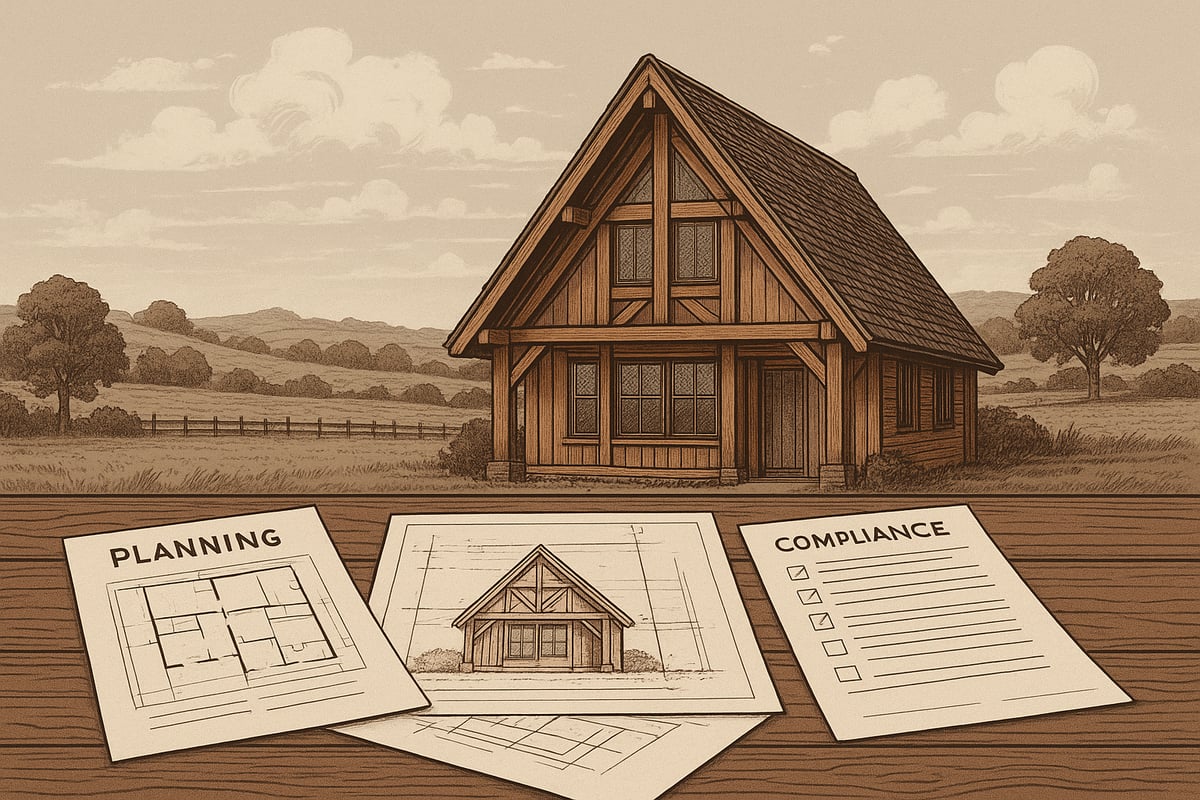
Navigating UK Building Regulations
Building regulations set the minimum standards for oak a frames in the UK. These rules cover structural safety, fire resistance, thermal insulation, and accessibility. For oak a frames, compliance with British Standards for timber structures is a must.
Fire safety is particularly important. Oak naturally offers good fire performance, but all frames must meet current fire rating requirements. Insulation is another focus. Oak a frames must achieve prescribed U-values for energy efficiency.
Structural integrity is verified through engineering calculations. Open-plan spaces and large spans, typical of oak a frames, require careful load distribution. Consulting a structural engineer early ensures your design meets all necessary regulations.
Planning Permission Essentials
Not all oak a frames need full planning permission. Small outbuildings or extensions might fall under permitted development rights. However, most new homes and larger structures will require formal approval.
When considering oak a frames, check with your local planning authority about site-specific requirements. Factors like building height, proximity to boundaries, and intended use influence permission status. For detailed, up-to-date advice on regulations and application processes, see Planning Permission for Oak Frame Buildings.
Submitting thorough plans and documentation speeds up approval. Clear drawings, structural details, and sustainability statements are often required. Preparing in advance helps avoid costly delays.
Working with Conservation Areas and Listed Buildings
If your site is within a conservation area or involves a listed building, additional controls apply to oak a frames. Any alterations must preserve the character and historic value of the setting.
This often means using traditional materials and construction techniques. Oak a frames are favoured for their heritage appeal. However, designs may need to be adapted to comply with local authority guidance.
Case studies show that early consultation with conservation officers leads to better outcomes. Collaboration ensures that oak a frames enhance, rather than detract from, sensitive environments. Always check for Article 4 Directions, which may restrict permitted development rights.
Sustainability and Legal Compliance
Sustainability is a legal and ethical priority for oak a frames. Only use timber from responsibly managed sources, certified by schemes such as FSC or PEFC. Many councils require evidence of sustainable procurement as part of planning submissions.
Meeting Energy Performance Certificate (EPC) standards is essential. Oak a frames can achieve high ratings with proper insulation and airtightness. Environmental impact assessments may also be needed for larger projects.
Incorporating renewable energy systems, like solar panels or heat pumps, is increasingly common. These upgrades support both compliance and long-term energy savings for oak a frames.
Common Pitfalls and How to Avoid Them
Many planning applications for oak a frames are rejected due to incomplete documentation or non-compliance with local policies. Common issues include overlooking height restrictions, boundary setbacks, or heritage impacts.
To avoid setbacks:
- Engage with your planning authority early.
- Provide comprehensive plans and supporting documents.
- Address sustainability and local character in your design.
Working with experienced professionals familiar with oak a frames and UK regulations greatly improves your chances of approval. Regularly reviewing guidance and seeking expert advice ensures your project progresses smoothly.
Step-by-Step: Oak A Frame Construction Process
Building with oak a frames is a detailed journey, blending age-old craft with modern precision. Each phase, from initial dreaming to final finishing, is crucial for a beautiful, enduring structure. Here’s a breakdown of every step to help you plan, execute, and enjoy the process.
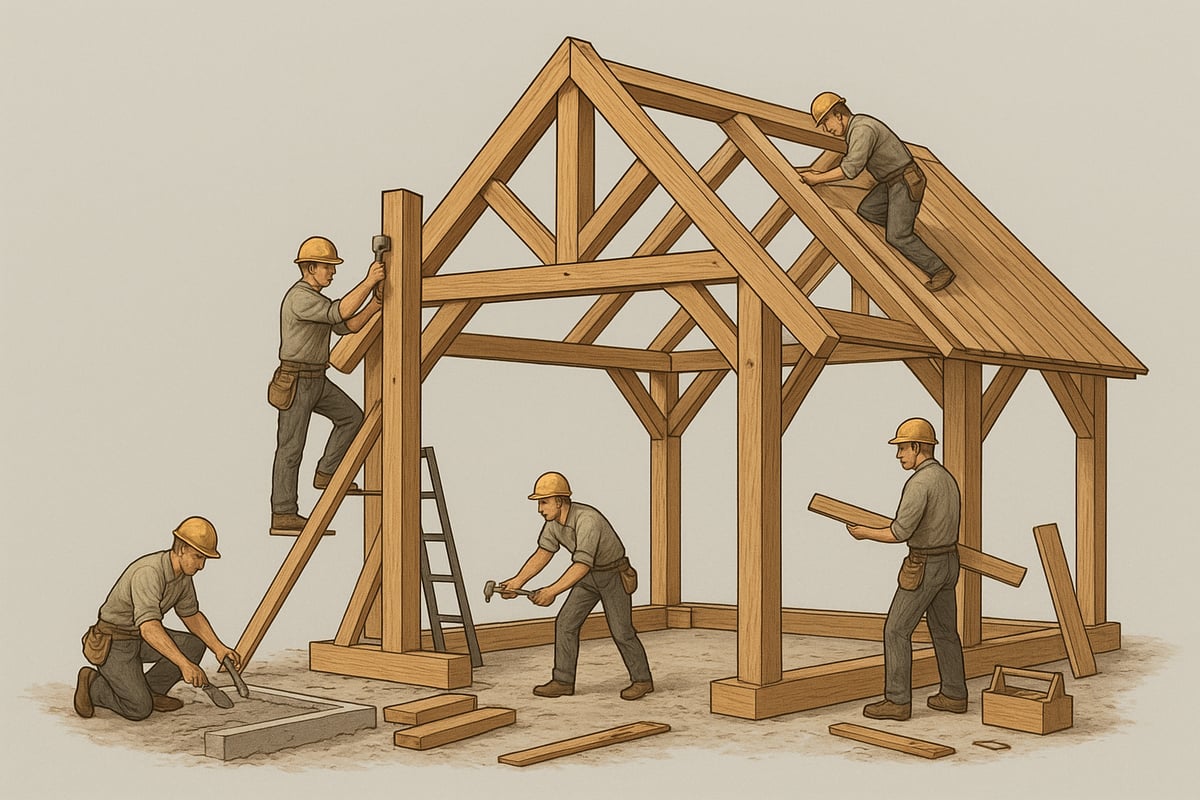
1. Initial Consultation and Design
The journey with oak a frames begins by defining your vision, requirements, and budget. Collaborate with architects and timber frame specialists to translate ideas into practical plans.
- Discuss intended use: home, garage, outbuilding, or commercial.
- Set clear budget expectations.
- Review design inspirations and site constraints.
A well-structured brief ensures your oak a frames project aligns with lifestyle and regulatory needs. For further inspiration and expert advice, see the Building an A Frame Home guide, which offers a comprehensive overview of the design and build process.
2. Sourcing Quality Oak Timber
Selecting the right oak is vital for longevity and performance. Prioritise sustainable sourcing, focusing on timber certified by FSC or PEFC schemes.
- Choose slow-grown European oak for strength.
- Inspect for straightness, minimal knots, and uniform grain.
- Verify certification for responsible forestry.
High-quality timber ensures oak a frames offer superior durability, weather resistance, and aesthetic appeal. Partnering with reputable suppliers safeguards the structure’s future.
3. Precision Manufacturing and Pre-Assembly
Oak a frames are crafted using a blend of traditional joinery and modern technology. Specialist workshops use mortise and tenon joints, sometimes enhanced by CNC machinery for accuracy.
- Hand-finished details maintain authenticity.
- CNC pre-cutting increases speed and precision.
- Factory pre-assembly allows for quality control.
Efficient manufacturing minimises waste and errors, ensuring oak a frames arrive on site ready for swift assembly. This step balances craftsmanship with the benefits of innovation.
4. Site Preparation and Foundations
Preparation of the building site is crucial for the stability of oak a frames. Start with soil testing to determine the appropriate foundation system.
- Conduct ground surveys to assess load-bearing capacity.
- Excavate and level the site according to design specs.
- Choose foundations: concrete pads, strip footings or piles.
Proper groundwork supports the longevity and safety of oak a frames, preventing future settlement or structural issues.
5. Frame Erection and Installation
With foundations in place, the oak a frames are delivered and assembled. Large timbers require careful handling and skilled teams for safe installation.
- Timbers are lifted and positioned using cranes or manual hoists.
- Each joint is checked for fit and alignment.
- Small structures can be erected in just 2–5 days.
Efficient assembly reduces weather risk and allows faster progress to weatherproofing. This phase brings the unique geometry and beauty of oak a frames to life.
6. Weatherproofing and External Finishes
Protecting oak a frames from the elements starts with quality roofing and cladding choices. Options range from classic clay tiles to modern metal systems.
- Install breathable membranes for moisture control.
- Fit insulation to meet energy standards.
- Choose cladding: oak, larch, or composite materials.
Thoughtful finishes safeguard oak a frames from decay while enhancing their timeless aesthetic. Proper detailing at this stage is key to long-term performance.
7. Internal Fit-Out and Final Touches
Inside, oak a frames are transformed into warm, functional spaces. Tradespeople fit electrical, plumbing, and HVAC systems before adding interior finishes.
- Exposed beams are cleaned and treated.
- Custom joinery such as stairs or balustrades is installed.
- Final decorations reflect personal style and comfort.
Attention to detail ensures oak a frames are as practical as they are beautiful, ready for everyday living or work.
Acorn to Oak Framing: The Oak A Frame Experts
Choosing the right partner is essential for oak a frames success. Acorn to Oak Framing stands out for their commitment to sustainable timber, traditional craftsmanship, and tailored service.
- End-to-end project management, from design to completion.
- Deep understanding of UK planning and building regulations.
- Portfolio of bespoke and modular oak a frames, with glowing client testimonials.
Their expertise ensures your structure is built to last, compliant, and uniquely yours.
Maintaining and Protecting Your Oak A Frame Investment
Preserving the beauty and structural strength of oak a frames requires regular attention and smart care. With the right maintenance strategy, your investment can deliver decades of comfort, character, and value. Let us explore practical steps and expert advice for safeguarding your oak a frames for generations to come.
Routine Maintenance Best Practices
A proactive approach is key to keeping oak a frames in optimum condition. Each year, inspect all visible joints, beams, and finishes for signs of wear or movement.
- Check for splits, shakes, or loose pegs
- Examine finishes for weathering or fading
- Look for water ingress around windows and doors
Regular cleaning, using a soft brush and mild soap, helps to remove dirt and prevent mould. Avoid high-pressure washers, as they can damage the oak surface. Keeping gutters and drainage clear will also protect your oak a frames from moisture-related issues.
Protecting Against Weather and Pests
Oak a frames are naturally resilient, but additional protection ensures longevity. Apply breathable, eco-friendly oils or stains to exposed timber every few years to help repel water and prevent UV damage.
To deter insects and fungal decay, use specialist treatments designed for oak, focusing on vulnerable end grains and joints. Consider installing mesh screens over vents to keep pests out, and regularly check for early signs of infestation.
Repair and Restoration
Even the best-maintained oak a frames may need occasional repairs. Common issues include minor cracks, movement at joints, or surface weathering. Most repairs are straightforward, such as tightening pegs or reapplying protective finishes.
For more significant concerns, like structural shifts or rot, consult an experienced oak frame specialist. For a deeper dive into technical repair guidance and structural considerations, see Using Oak in Construction.
Long-Term Value and Insurance
Consistent care not only preserves the look of oak a frames but can also boost property value and reduce insurance premiums. Insurers often offer discounts for well-maintained oak structures, recognising their durability and low risk of major issues.
Maintaining detailed records of all inspections and repairs supports claims and resale. For more on what to expect in terms of long-term value and essential maintenance, consult 10 Things to Know Before Building an Oak Frame Home.
Latest Products and Innovations
The market for oak a frames now includes advanced, eco-conscious products. Modern protective oils and stains offer improved UV and moisture resistance with minimal environmental impact.
Smart home sensors can monitor humidity and movement, alerting owners to issues before they escalate. These innovations make caring for oak a frames easier and more sustainable than ever before.
Expert Tips and FAQs for Oak A Frame Success
Building with oak a frames is a rewarding venture, but expert insight and reliable answers make the journey smoother. Whether you are planning your first project or refining your expertise, these tips, FAQs, troubleshooting suggestions, and resources will help you achieve lasting success.
Top Tips from Industry Professionals
Professionals recommend starting every oak a frames project with careful planning and a clear budget. Engage an architect and a specialist early to maximise light, space, and structural efficiency.
- Prioritise site orientation for natural light and energy efficiency.
- Consider open-plan layouts and vaulted ceilings to showcase oak a frames.
- Plan for future adaptability, such as adding mezzanine levels or extensions.
- Choose high-quality, sustainably sourced oak for durability and value.
Attention to detail at the design stage ensures your oak a frames will stand the test of time and provide a flexible, beautiful living space.
Frequently Asked Questions
What is the lifespan of oak a frames?
Properly maintained oak a frames can last for centuries, thanks to oak’s natural strength and resistance.
Can I customise my oak a frames?
Yes, you can tailor size, finishes, layout, and detailing to suit your vision and site requirements.
How long does it take to build oak a frames?
Typical lead times range from 12 to 24 weeks, depending on design complexity and supplier workload.
What are the main cost factors?
Design, oak quality, frame size, and site conditions influence the total cost. Financing options may be available for larger projects.
Troubleshooting Common Issues
Even with robust oak a frames, some common challenges can arise. Being proactive keeps your investment secure.
| Issue | Solution |
|---|---|
| Timber movement or settling | Allow for natural movement in the design and monitor joints annually. |
| Moisture or condensation | Ensure proper ventilation, vapour barriers, and insulation. |
| Surface cracks (shakes) | These are normal in oak a frames and rarely affect structural integrity. |
| Insect or fungal attack | Use appropriate wood treatments and inspect regularly. |
Addressing issues early ensures your oak a frames remain structurally sound and visually appealing for years to come.
Resources and Further Reading
Expand your oak a frames knowledge with trusted guides and organisations:
- Timber Frame Construction Guide for step-by-step advice on planning and building.
- Books on traditional timber framing and oak construction.
- Membership in UK timber frame associations for networking and technical updates.
- Local planning authority websites for regulatory guidance.
Investing in learning and expert support will help your oak a frames project achieve its full potential.
Whether you’re inspired by the timeless beauty of oak A frames or ready to take the next step towards a bespoke project, it all comes down to making your vision a reality. Throughout this guide, we’ve explored how quality craftsmanship, sustainable materials, and careful planning can elevate your home and enhance its long term value. If you’re feeling ready to turn your ideas into a striking, durable oak framed space tailored to your needs, let’s take that first step together. Discover what’s possible and start your journey by visiting BUILD NOW.


