
Step into the world of timber carpentry in 2026, where skilled hands and cutting-edge tools come together to create truly breathtaking results. The craft continues to evolve, blending time-honoured methods with the latest innovations.
This guide is designed to equip both professionals and enthusiasts with expert timber carpentry techniques, modern equipment insights, and sustainable practices. Whether you are refining your skills or starting fresh, you will find clear guidance for every stage.
Discover how to select the right timber, master essential tools, achieve flawless joinery, and explore the finishing touches that bring projects to life. Ready to raise your expertise and stay ahead in a changing industry? Let’s begin your journey to mastery.
The Evolution of Timber Carpentry: 2026 Trends and Innovations
Timber carpentry stands at the crossroads of heritage and innovation in 2026, captivating professionals and enthusiasts alike. This craft, rooted in centuries-old techniques, continues to inspire with its tactile, enduring beauty. Today, the landscape is rapidly evolving, blending traditional skills with advanced technology to deliver remarkable results across the UK.
The historical roots of timber carpentry stretch deep into British culture. From medieval timber-framed cottages to grand Victorian halls, wood has shaped the identity of homes and landmarks. Its enduring appeal lies in the warmth, strength, and versatility that only timber carpentry can provide. Generations of craftsmen have passed down their knowledge, ensuring these methods remain relevant even as new materials and approaches emerge.
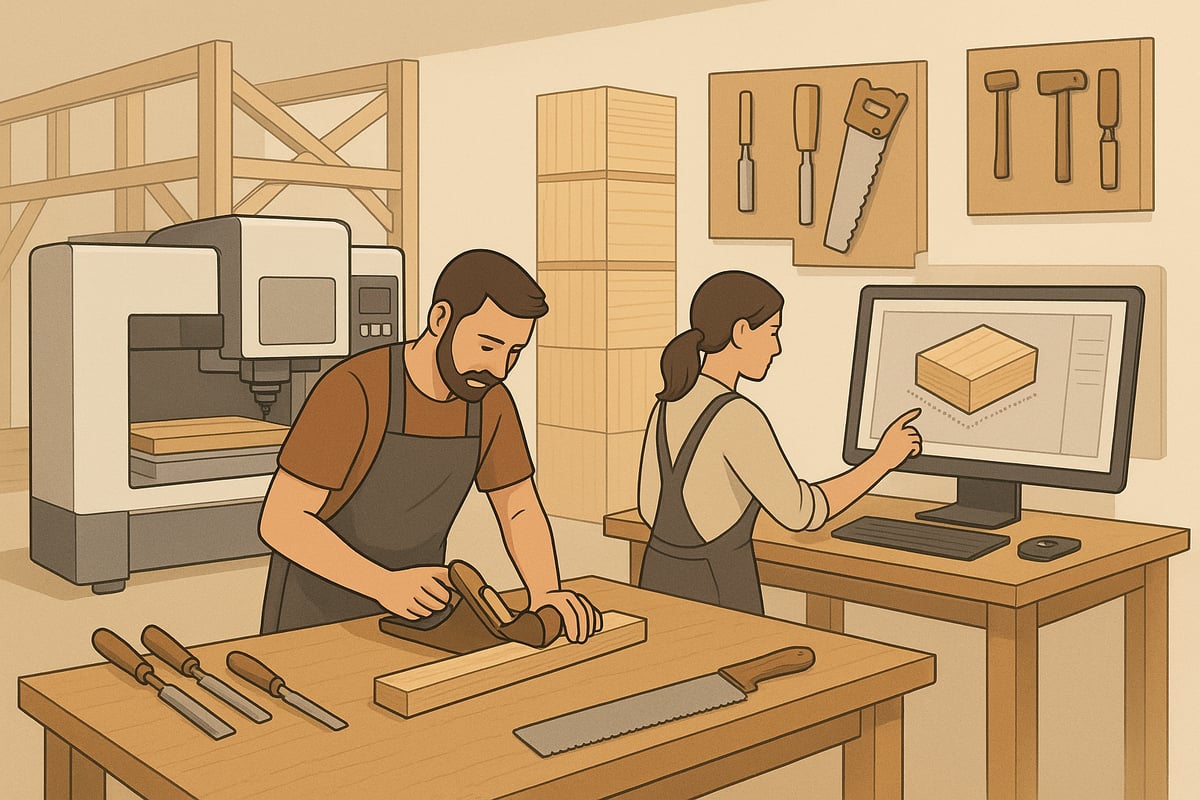
In 2026, several key innovations are transforming timber carpentry. Digital design tools, such as CAD and BIM, allow for precise planning and visualisation before a single cut is made. CNC machinery automates complex joinery tasks, boosting efficiency and consistency. Sustainable timber sourcing is now the industry standard, reflecting both environmental responsibility and client demand. The rise of eco-friendly materials and advanced treatments ensures that timber remains durable and attractive for modern projects.
Recent data underscores this shift. In 2025, industry reports noted a 15% increase in demand for sustainable timber structures. This growth is closely linked to evolving UK building regulations, which now prioritise low-carbon materials and traceable supply chains. Carpenters must navigate new standards when selecting timber, considering factors like certification, moisture content, and lifecycle impact. These changes are driving a more thoughtful, informed approach to timber carpentry, with long-term sustainability at its core.
Modern architectural applications showcase the versatility of timber carpentry. From bespoke interiors to expansive commercial buildings, timber is being used in innovative ways. Cross-laminated timber (CLT) has become a popular choice for residential and commercial construction, offering strength and design flexibility. For a deeper look at how these innovations are shaping contemporary homes, see modern timber frame house designs.
| Traditional Methods | Modern Innovations |
|---|---|
| Hand-cut joinery | CNC-machined joints |
| Oak pegged frames | Cross-laminated timber (CLT) |
| Manual design sketches | Digital CAD/BIM modelling |
| Local timber sourcing | Global sustainable supply |
Blending traditional craftsmanship with modern efficiency is now essential. Master carpenters are not only preserving time-honoured skills but also embracing technology to meet contemporary demands. The most successful professionals are those who can adapt, using both heritage techniques and cutting-edge tools to deliver quality, efficiency, and sustainability.
In summary, the evolution of timber carpentry in 2026 is defined by dynamic innovation and deep respect for tradition. Mastery today means understanding the value of both, ensuring that every project benefits from the best of old and new.
Choosing the Right Timber: Selection, Grading, and Sustainability
Selecting the ideal timber is a cornerstone of excellence in timber carpentry. The choice influences structural integrity, aesthetics, cost, and environmental impact. In 2026, understanding species, grading, and sustainability is crucial for both professionals and enthusiasts aiming to deliver outstanding results.
Understanding Timber Species and Their Applications
Timber carpentry in the UK relies on a diverse palette of timber species, each with distinct strengths. Oak is often chosen for framing due to its durability and classic appearance. Ash brings flexibility and an attractive grain, making it ideal for furniture and curved elements. Pine, being lightweight and economical, is popular for interior joinery and panelling, while Douglas fir offers excellent strength-to-weight ratio for structural applications.
Matching the right species to the job is vital in timber carpentry. For example, oak is preferred for visible beams in period properties, whereas pine suits painted finishes or hidden structures. The debate between native and imported timbers continues, with native species offering local character and lower transport emissions, while imported woods sometimes provide unique features or cost advantages.
By carefully assessing the requirements of each project, timber carpentry professionals can achieve a harmonious balance of performance, beauty, and budget.
Timber Grading, Quality, and Sourcing
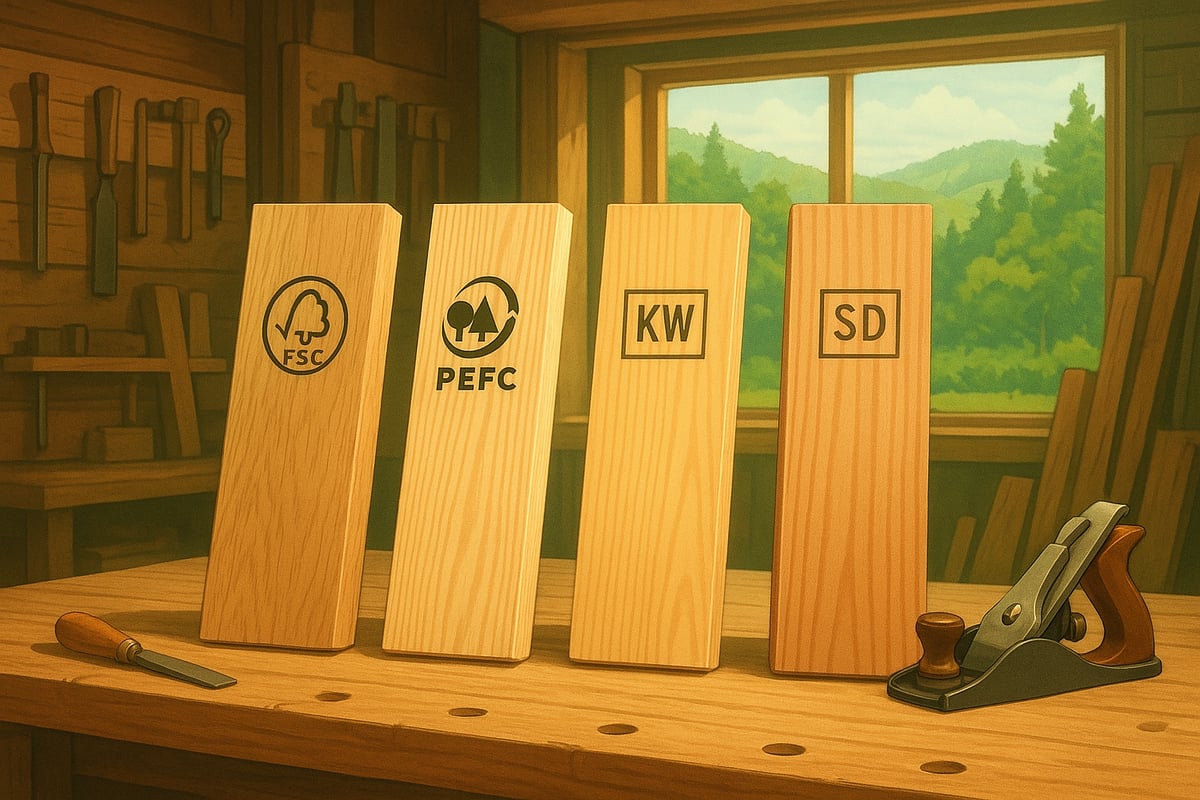
Grading ensures that timber used in timber carpentry meets the demands of strength, appearance, and longevity. UK standards classify timber according to visual and machine grading, indicating its suitability for structural or decorative use. Moisture content is another key factor, with kiln-dried timber reducing warping and improving stability.
Quality timber carpentry depends on sourcing from reputable suppliers. According to recent data, 70% of UK carpentry projects now specify kiln-dried, sustainably sourced timber, reflecting the industry’s shift towards higher standards. When choosing suppliers, look for clear grading marks, consistent colour, and supplier transparency. Red flags include inconsistent moisture levels, unclear provenance, or lack of certification.
For a deeper dive into timber selection and its applications, see Choosing timber for construction, which outlines the key considerations for carpentry projects.
Sustainability and Certification in Timber Carpentry
Sustainability has become a defining element of timber carpentry in 2026. Responsible sourcing is demonstrated by certifications such as FSC and PEFC, which guarantee timber comes from well-managed forests. Certified timber carpentry not only supports environmental goals, but also reassures clients about the ethical standards of their build.
Sustainable practices in timber carpentry extend beyond sourcing. Responsible forestry aids carbon sequestration, reducing the overall environmental footprint of construction. Modern UK projects increasingly showcase the use of certified timber, from energy-efficient homes to public spaces. These choices can increase project value and foster client trust.
To verify credentials, always request certification documents and traceability information from suppliers. Sustainability in timber carpentry is not just about compliance, but about future-proofing your work and contributing to a greener built environment. By prioritising certified materials and transparent supply chains, professionals lead the way in responsible construction.
Essential Tools and Equipment for Timber Carpentry in 2026
The right tools and equipment are the backbone of exceptional timber carpentry. In 2026, the blend of traditional craftsmanship and advanced technology is more important than ever. Carpenters, whether professional or hobbyist, must adapt to new innovations while retaining core skills. Let us explore the essential tools shaping the industry today.
Hand Tools vs. Power Tools: What Every Carpenter Needs
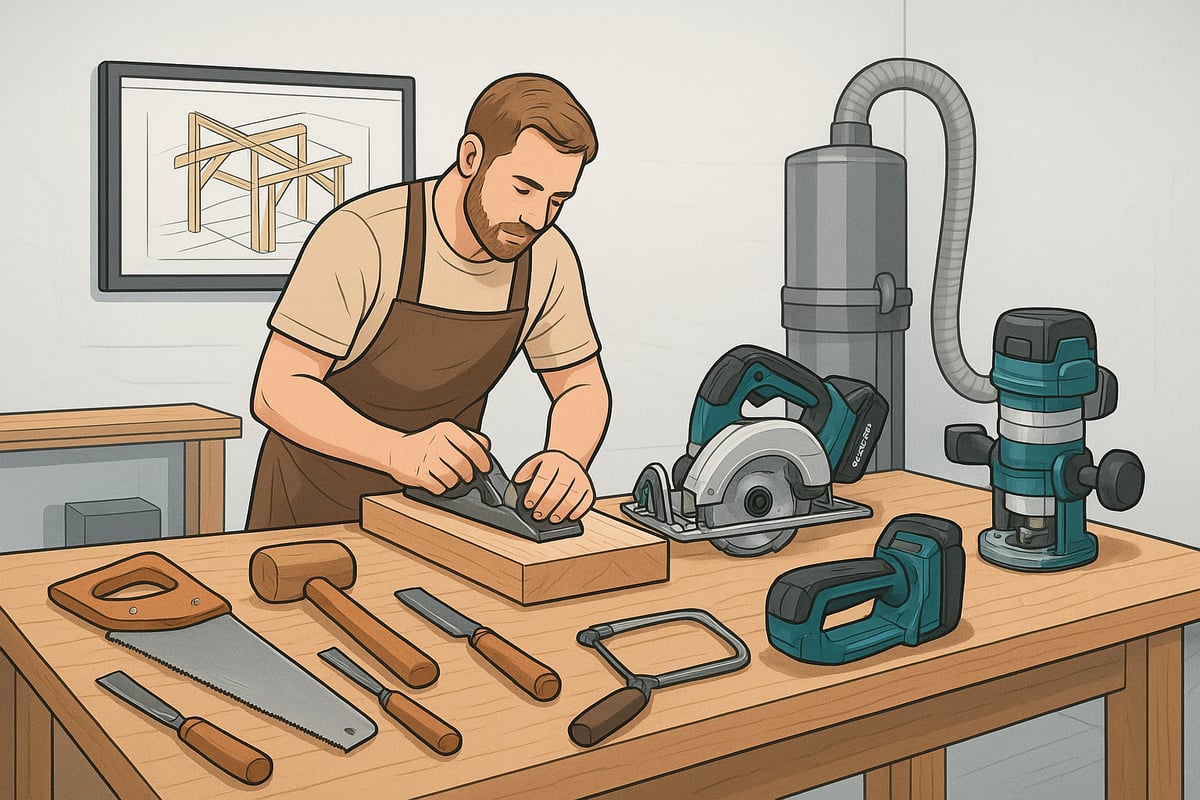
Every timber carpentry project starts with a reliable set of hand tools. Chisels, saws, planes, and mallets remain indispensable for fine detailing and precision work. These tools allow carpenters to shape, smooth, and finish timber with control and finesse. For tasks demanding a personal touch, hand tools are unrivalled.
However, power tools have seen remarkable advancements by 2026. Cordless technology now delivers longer runtimes and greater power. Smart saws with digital guides ensure accurate cuts, while advanced dust extraction keeps the workspace clean. Battery-powered routers, for example, have revolutionised precision joinery, making intricate cuts faster and more efficient.
Maintaining a balance between hand and power tools is vital. Mastery of both allows carpenters to tackle any challenge, from bespoke joinery to large-scale builds. For a real-world perspective on combining traditional and modern methods, see this guide on Timber frame home construction.
Workshop Setup and Safety Protocols
A well-organised workshop is crucial for safe and efficient timber carpentry. The layout should prioritise clear pathways, accessible tool storage, and logical work zones. This boosts productivity and minimises risks. Safety equipment is non-negotiable. Essential items include protective eyewear, ear defenders, dust masks, and gloves. Machine guards and dust extraction systems further reduce hazards.
According to 2025 HSE statistics, most carpentry injuries stem from improper tool use and inadequate protection. Implementing robust safety protocols—regular equipment checks, clear signage, and hands-on training—dramatically lowers accident rates. Both apprentices and experienced carpenters benefit from a culture of safety. Making safety a daily habit ensures the longevity of your timber carpentry practice.
Digital Tools and Smart Technology Integration
The digital revolution is transforming timber carpentry across the UK. CAD and CAM software now enable detailed design and precision planning. CNC routers and laser cutters bring custom joinery to life with unmatched accuracy. These tools allow for rapid prototyping and intricate detailing, expanding creative possibilities for carpenters.
Smart measuring devices, such as digital callipers and laser distance meters, streamline layout and verification. Augmented reality (AR) is gaining traction, letting clients preview custom staircases or cabinetry in their own homes before work begins. This technology bridges the gap between design and execution, ensuring client satisfaction.
Investing in digital tools enhances efficiency but should never replace traditional expertise. The most successful timber carpentry professionals blend new technology with time-honoured skills. By embracing both, you future-proof your craft and deliver exceptional results in an ever-evolving industry.
Step-by-Step Expert Techniques: From Framing to Finishing
Mastering timber carpentry requires a blend of precision, patience, and an understanding of both traditional and modern methods. Below, explore how to approach each phase, from framing to the final touches, ensuring structural integrity and a flawless finish.
Precision Timber Framing Methods
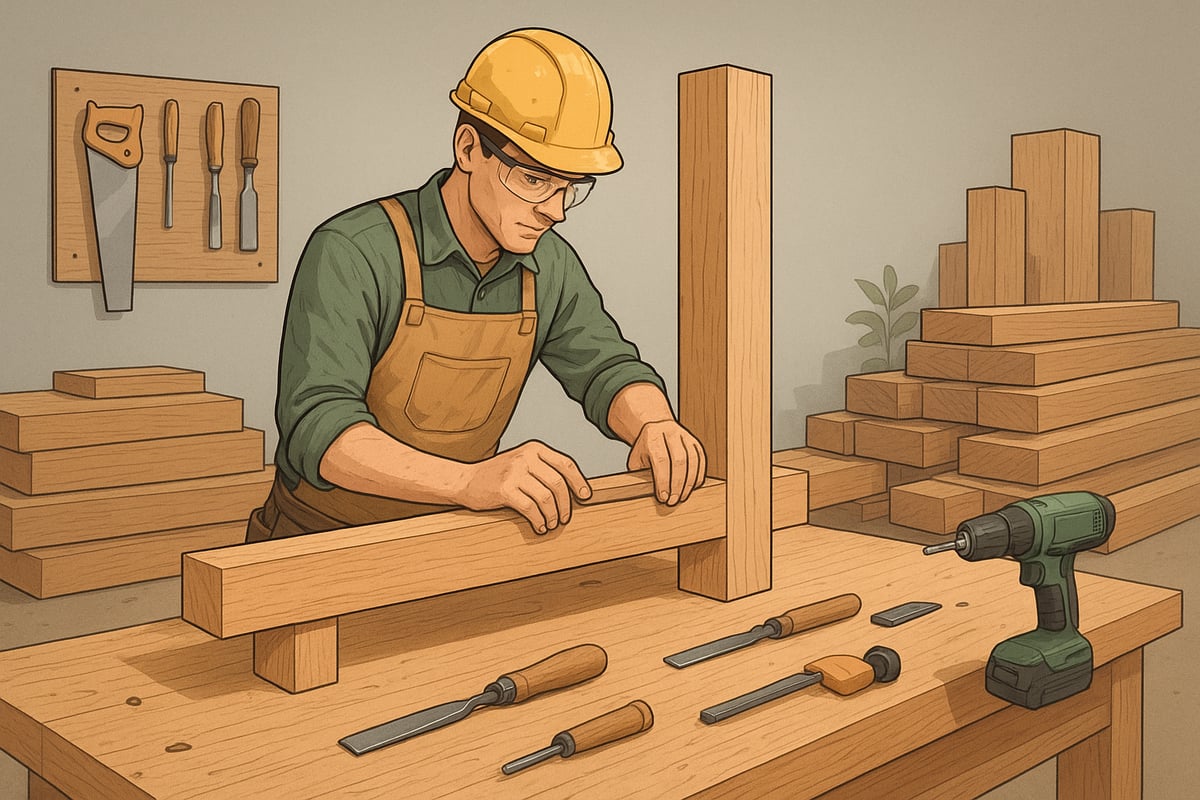
Accurate timber framing is the foundation of exceptional timber carpentry. Begin by preparing a level foundation, ensuring it can support the intended load. Mark out your layout using a chalk line or marking gauge, double-checking all measurements before any cuts.
When cutting timber, use a sharp saw and steady hand for clean lines. Mortise and tenon joinery remains the gold standard for strength, whether using hand tools or advanced machinery. In 2026, many professionals combine traditional mortise and tenon with CNC-cut joints for speed and accuracy.
Bracing is vital for stability. Use diagonal supports and check squareness at each stage. For oak frames, pre-drill peg holes to avoid splits and assemble on-site with mallets for a tight fit. Remember, UK weather demands attention to moisture content, so always use seasoned, kiln-dried timber.
Common mistakes in timber carpentry framing include over-tightening joints or neglecting expansion gaps, which can lead to warping. A checklist before assembly ensures every component is correct.
Advanced Joinery Techniques for Strength and Beauty
Joinery is where timber carpentry truly shines, blending artistry with engineering. Dovetail joints are ideal for drawers and cabinetry, offering strength and visual appeal. Lap joints suit frames and partitions, while finger joints excel in long, continuous runs.
Invisible joinery, such as biscuit joints and concealed dowels, creates seamless finishes prized in high-end projects. For heritage homes, fitted wardrobes with hidden fixings respect period aesthetics while delivering modern durability.
The value of skilled joinery is evident in client satisfaction. Bespoke timber carpentry solutions not only boost structural integrity but also elevate design. According to industry data, satisfaction rates rise by 20% when clients choose custom joinery.
To maintain high standards, always test-fit joints before final assembly. Prioritise sharp tools, accurate marking, and patience. Blending hand and power techniques ensures efficiency without sacrificing craftsmanship.
Surface Preparation, Sanding, and Finishing
Surface preparation is key to long-lasting results in timber carpentry. Begin by sanding all surfaces with progressively finer grits, always moving with the grain. Fill any imperfections using a high-quality wood filler, then sand again for a smooth base.
Selecting the right finish depends on the desired look and function. Oils and waxes bring out natural grain and are easy to maintain, while stains offer a range of tones for custom projects. Lacquers and varnishes provide robust protection, ideal for high-traffic areas.
For a modern matte effect, use oil or wax, applying several thin coats. Traditional gloss finishes require careful application of lacquer, sanding lightly between coats. Always allow adequate drying time and ventilate the workspace.
The finish you choose impacts both the appearance and durability of your timber carpentry. Proper preparation ensures finishes adhere well and protect against daily wear.
Installation and Aftercare Essentials
Precise installation is the final step in professional timber carpentry. Accurate measurement and dry fitting ensure doors, windows, and built-ins align perfectly. Use concealed screws, strong adhesives, or dowels for a clean look and reliable hold.
After installation, develop a maintenance schedule. Regular cleaning, prompt repairs, and periodic re-oiling or waxing will extend the life of your timber features. In high-moisture areas, such as kitchens or bathrooms, select finishes that resist water and maintain ventilation to prevent swelling.
For those working on sustainable timber buildings, following best practices in installation and aftercare can maximise both lifespan and environmental benefits. For more in-depth guidance on eco-friendly approaches, explore Sustainable timber buildings.
By mastering each stage, from framing to aftercare, you ensure your timber carpentry projects stand the test of time and meet the highest standards of craftsmanship.
Bespoke Timber Carpentry for Modern Living Spaces
Step into homes across the UK and you will find timber carpentry at the heart of modern interiors. Whether it is a striking staircase, a clever storage solution, or a seamless extension to the outdoors, bespoke timber carpentry elevates living spaces with both beauty and practicality.
Designing for Functionality and Aesthetics
Bespoke timber carpentry begins with understanding how people live. Carpenters collaborate closely with clients to transform ideas into functional, stylish realities. Every project is unique, shaped by individual needs and the characteristics of each home.
Effective design maximises space and utility. Built-in wardrobes, custom shelving, and under-stair storage not only save space but also add visual appeal. Multi-functional garden rooms are increasingly popular for home offices or leisure, blending indoor comfort with outdoor views.
When sourcing timber for bespoke projects, it is vital to ensure both quality and sustainability. Following the Timber Procurement Policy Guidance helps professionals verify that materials are responsibly sourced, supporting both environmental goals and long-lasting results. In modern homes, timber carpentry is as much about ethical choices as it is about craftsmanship.
Timber Carpentry in Kitchens, Bedrooms, and Living Areas
Kitchens and bedrooms benefit greatly from tailored timber carpentry. Custom cabinetry provides storage that fits perfectly, while feature walls and bespoke joinery create focal points in open-plan spaces. Carpenters often integrate technology by designing cable management, lighting channels, and spaces for smart devices within timber elements.
A recent trend shows that 60 percent of new UK kitchens featured bespoke timber details in 2025. This reflects a growing appreciation for the warmth and durability that timber brings to daily life. In bedrooms, fitted wardrobes and headboards crafted from selected timbers blend comfort with style, making the most of every inch.
In living areas, timber carpentry adds character, whether through floating shelves, media walls, or window seats. Each solution is designed to enhance the way people use their homes, ensuring both elegance and practicality.
Outdoor Timber Projects: Decking, Garden Rooms, and Structures
The appeal of timber carpentry extends seamlessly to the outdoors. Durable decking, oak-framed pergolas, and contemporary garden rooms expand living spaces into the garden. Selecting the right timber species and finishes is crucial for weather resistance and longevity.
Examples include raised eaves buildings and garden studios that serve as workspaces or retreats. Quality outdoor timber carpentry not only enhances lifestyle but also adds value to the property, making it a smart investment for homeowners.
Mastering Sustainable and Regulatory Practices in Timber Carpentry
Succeeding in timber carpentry today means balancing technical excellence with sustainability and strict regulatory compliance. As the industry evolves, professionals must understand the standards shaping their work and the steps needed to future-proof their skills and business.
Meeting UK Building Regulations and Standards
UK building regulations for timber carpentry have become increasingly rigorous, especially for structural projects. Part L focuses on energy efficiency, requiring high levels of insulation in timber structures. Part Q sets standards for security in new dwellings, influencing door and window joinery. Fire resistance is a top priority, so carpenters must select appropriate materials and integrate fire-retardant treatments.
Early compliance checks are essential. In 2025, 85 percent of new timber builds passed inspection on their first attempt thanks to thorough preparation. This means understanding the specific requirements for each project type, whether adapting joinery for listed buildings or ensuring modern extensions meet current standards.
For those looking to keep pace with change, government strategies such as the Timber in Construction Roadmap 2025 are vital resources. These guides support timber carpentry professionals in navigating new rules, boosting sustainability and efficiency across the sector.
Environmental Impact and Carbon Footprint Reduction
Timber carpentry plays a crucial role in reducing the environmental impact of construction. Compared to steel or concrete, timber offers a lower carbon footprint due to its ability to sequester carbon dioxide throughout its lifespan. Life cycle assessments consistently show that responsibly sourced timber outperforms most alternatives in sustainability.
Minimising waste is equally important. Offcuts can be repurposed for smaller projects, while sawdust and shavings may be recycled or used as biomass. Many community builds now prioritise reclaimed timber, further lowering emissions and promoting circular practices.
Sustainable timber carpentry supports the drive towards net-zero construction. By following best practices and staying informed on certification standards, carpenters can deliver value to clients and contribute to a greener built environment.
| Material | Carbon Footprint | Recyclability | Typical Waste |
|---|---|---|---|
| Timber | Low | High | Low |
| Steel | High | Medium | Medium |
| Concrete | High | Low | High |
Future-Proofing Carpentry Skills and Business
To stay competitive in timber carpentry, professionals must commit to lifelong learning. Continuous professional development (CPD) is essential, especially as digital tools and construction standards evolve rapidly. Online courses, industry certifications, and trade events all support ongoing growth.
Networking with peers and engaging with industry bodies helps carpenters anticipate emerging trends. Embracing innovation, while preserving the traditions that define timber carpentry, ensures a resilient and adaptable business for years to come.
After exploring the latest techniques, sustainable practices, and design inspirations in timber carpentry, you might feel inspired to turn your knowledge into a lasting, beautiful project. Whether you are dreaming of a bespoke oak frame, a unique garden room, or a modern timber structure, we are here to help bring your vision to life. With our commitment to craftsmanship, sustainability, and compliance with UK regulations, you can trust us to deliver results that truly enhance your space and lifestyle. Ready to take the next step? Let’s create something exceptional together—BUILD NOW


