
Timber framed stairs are experiencing a remarkable resurgence across both modern and traditional homes. Their unique combination of durability, timeless style, and eco-friendly credentials makes them a standout choice for those who value craftsmanship and long-term value.
Homeowners, designers, and builders now see these stairs as a premium investment, offering bespoke design possibilities that suit a variety of interiors. If you are seeking a guide to navigating the world of timber framed stairs, this 2026 handbook covers everything you need.
In this article, you will find expert insights on design fundamentals, material selection, construction steps, regulations, maintenance, and the latest trends shaping the future of stair design.
Understanding Timber Framed Stairs: Fundamentals and Benefits
Timber framed stairs have become a defining feature in both contemporary and classic architecture. These staircases blend time-honoured craftsmanship with modern engineering, offering a unique solution for homeowners and designers seeking both durability and style. Whether installed in a period property or a bold new build, timber framed stairs can transform the look and feel of any space.
What Are Timber Framed Stairs?
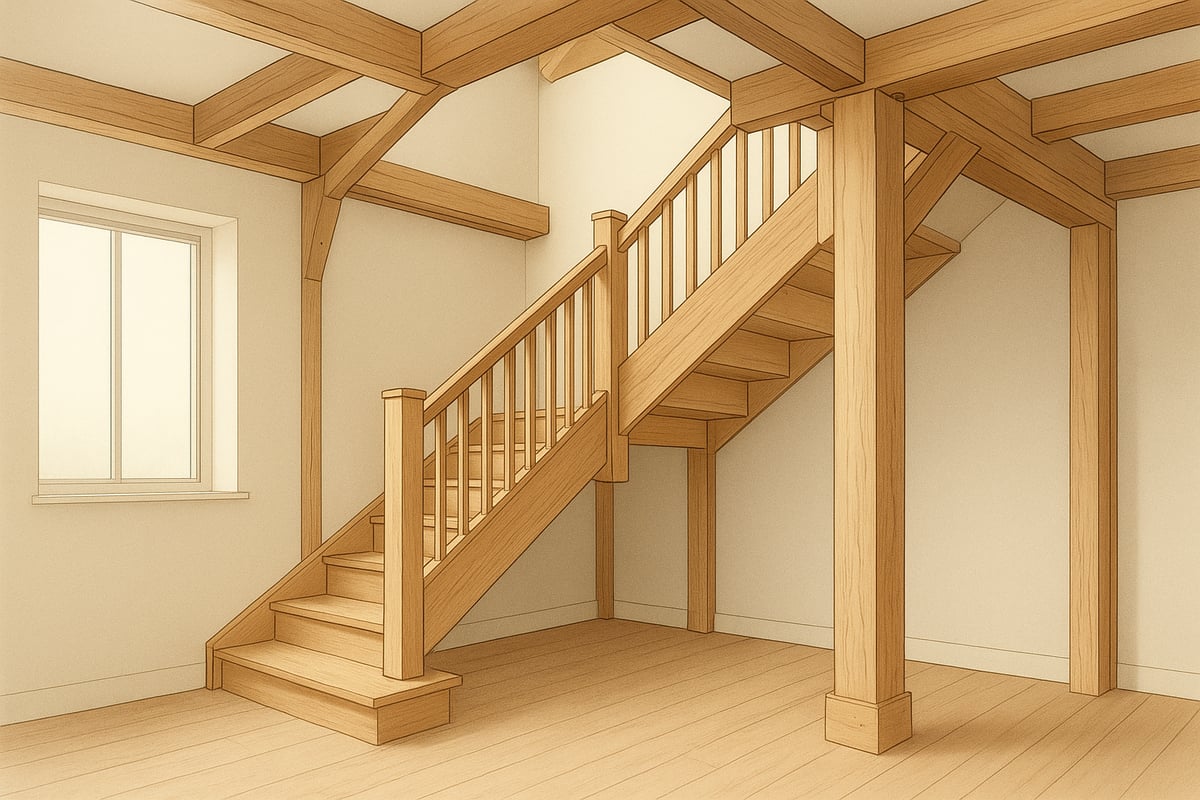
Timber framed stairs are staircases constructed using a structural framework of solid timber components. This method relies on precise joinery and robust timber beams to form the main load-bearing structure. Unlike stairs built with steel or concrete, timber framed stairs showcase the natural beauty of wood, often featuring exposed posts, stringers, and treads.
These stairs differ from standard carpentered stairs, which may use timber only for treads and risers but rely on other materials for structural support. In contrast, timber framed stairs use timber as the primary load-bearing element throughout the entire stair assembly. This approach allows for greater design flexibility and visual impact.
Timber framed stairs can be found in both residential and commercial buildings. From rustic barn conversions to modern office spaces, their adaptability makes them a popular choice across a range of settings. For those interested in understanding the broader principles of timber frame structures, the Timber Frame Home Construction Guide offers an excellent foundation.
Key Benefits of Timber Framed Stairs
Choosing timber framed stairs brings several long-term advantages. Their natural strength ensures exceptional durability and minimal maintenance over decades of use. Many high-quality installations remain structurally sound for 50 years or more, with only basic care required.
Timber framed stairs also offer significant aesthetic versatility. Homeowners can select from a wide range of finishes, stains, and surface treatments to match any interior style. The ability to customise the design, from balustrades to handrails, makes these stairs suitable for both traditional and contemporary spaces.
Sustainability is another key benefit. When built from responsibly sourced timber, these stairs have a lower environmental impact compared to steel or concrete alternatives. Timber framed stairs are also highly adaptable, supporting complex layouts and custom designs thanks to their inherent structural performance.
| Benefit | Description |
|---|---|
| Durability | Lifespan of 50+ years with low maintenance |
| Aesthetic Versatility | Wide range of finishes and custom options |
| Sustainability | Responsibly sourced timber, low carbon footprint |
| Structural Performance | Supports complex and bespoke layouts |
Historical and Modern Context
Timber framing has deep roots in the UK and across Europe, dating back to medieval times. Early builders relied on local timber and skilled joinery to create homes and staircases that have stood for centuries. Over time, timber framed stairs evolved, incorporating new techniques while retaining their core structural principles.
In recent years, there has been renewed interest in timber framed stairs, driven by a shift towards sustainable construction and appreciation for natural materials. Market data from 2026 shows a steady increase in demand for timber staircases, especially in eco-friendly residential projects and commercial refurbishments.
Modern advances in timber treatment and precision engineering have further enhanced the popularity of timber framed stairs. These innovations allow for greater design freedom without compromising safety or performance.
Common Types and Configurations
Timber framed stairs are available in a variety of types and configurations, each suited to specific layouts and architectural needs. Straight stairs are the most common, offering a simple and space-efficient solution. Quarter-turn and half-turn stairs introduce landings and changes in direction, ideal for multi-level homes or where space is at a premium.
Spiral timber framed stairs create a striking focal point and are often used in compact spaces or as secondary staircases. For those seeking truly unique solutions, bespoke designs can incorporate curves, cantilevers, or integrated storage.
These configurations work well in both new builds and renovations. For example, straight timber framed stairs are often chosen for open-plan living areas, while quarter-turn designs fit neatly into period properties with limited space. Regardless of type, timber framed stairs provide a timeless, adaptable solution for a wide range of projects.
Choosing Materials: Types of Timber and Design Considerations
Selecting the right materials is fundamental when planning timber framed stairs. The choice of timber influences durability, appearance, regulatory compliance, and long-term value. Understanding species options, design integration, safety, and cost is essential for a successful stair project.
Popular Timber Species for Stairs
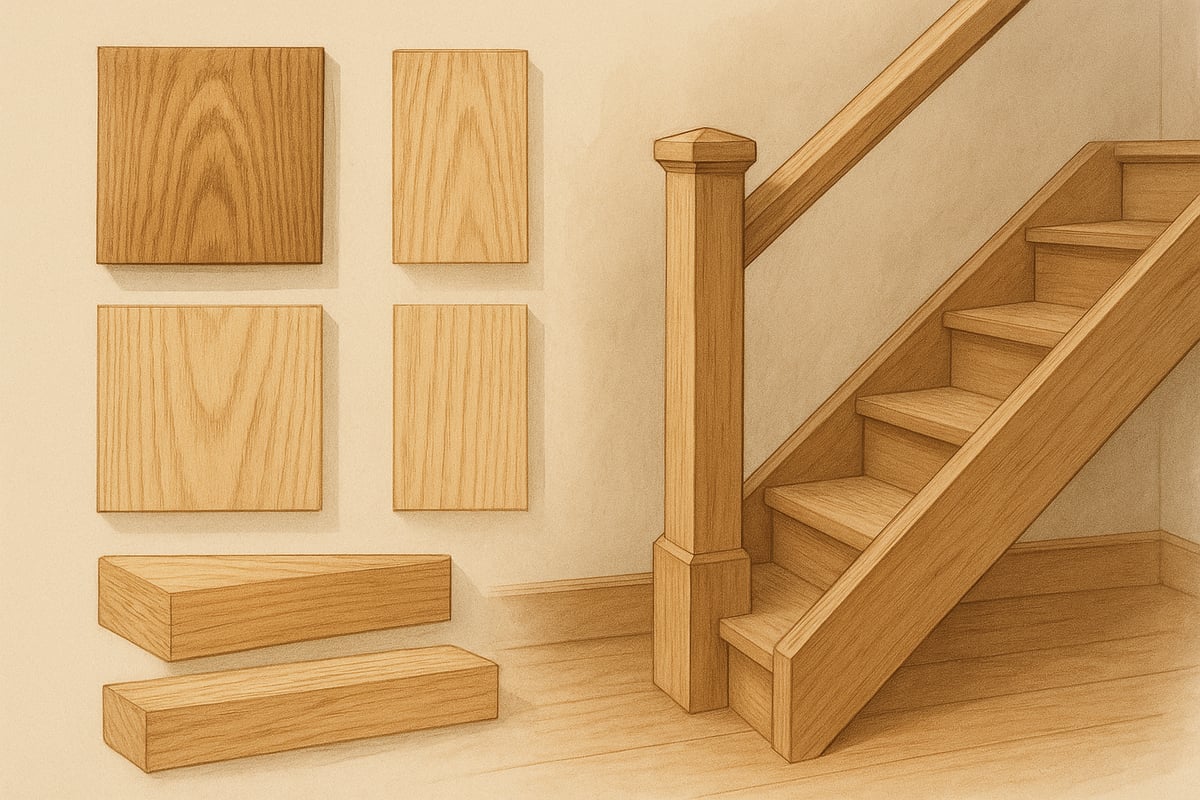
When designing timber framed stairs, the timber species selected impacts both structural integrity and visual appeal. Common choices include oak, ash, and pine. Oak is renowned for its strength and rich grain, making it ideal for high-traffic areas. Ash offers a lighter tone and similar resilience, while pine provides affordability and a classic look.
Here is a comparison of popular species:
| Timber Species | Strength | Appearance | Cost | Sustainability |
|---|---|---|---|---|
| Oak | High | Warm, varied grain | High | Widely available FSC |
| Ash | Medium-High | Light, straight grain | Medium | Often locally sourced |
| Pine | Medium | Pale, knotty | Low | Readily available |
Sourcing timber for timber framed stairs should prioritise FSC certification and local supply, ensuring ethical harvesting and lower environmental impact. The right species balances performance and design goals.
Design Styles and Architectural Integration
Timber framed stairs can be tailored to a wide array of architectural styles. Contemporary designs often feature clean lines and minimalist details, using pale timbers or engineered finishes. Traditional or period homes benefit from classic profiles and darker stains, highlighting the natural character of the wood.
Popular design styles include:
- Contemporary: Sleek, open risers, glass balustrades
- Traditional: Turned spindles, carved newels, rich stains
- Rustic: Exposed beams, hand-finished textures, reclaimed timber
- Hybrid: Blending modern and classic elements for unique appeal
Matching timber framed stairs to interior themes requires careful consideration of proportions, finish, and joinery. Successful design integration elevates both the staircase and surrounding space, whether in new builds or renovations.
Structural and Safety Considerations
Ensuring the structural performance of timber framed stairs starts with correct timber grading and specification. Only timbers graded for structural use should be chosen, as they provide the necessary load-bearing capability. Fire resistance is also a critical factor, with certain treatments enhancing the timber's safety profile.
Slip resistance and acoustic performance require attention, particularly in busy households or commercial environments. Treads can be grooved, textured, or fitted with anti-slip inserts. Compliance with UK building regulations is non-negotiable. For comprehensive guidance, consult the BWF Stair Design Guide 1: Domestic Timber Stairs, which details safe and compliant material choices.
Selecting the right combination of timber species and safety features ensures timber framed stairs meet both aesthetic and regulatory demands.
Cost Factors and Budgeting
Budgeting for timber framed stairs involves more than just material costs. Oak remains the premium choice, with prices reflecting its durability and visual appeal. Pine offers a more cost-effective solution, suitable for secondary staircases or where budget is limited. Finish, hardware, and complexity of design all influence final costs.
Typical 2026 price ranges (excluding installation):
- Oak: £150–£250 per linear metre
- Ash: £120–£180 per linear metre
- Pine: £80–£120 per linear metre
To control costs, consider simplified designs, local timber, and standard finishes. Investing in quality materials at the outset reduces long-term maintenance and replacement expenses. Timber framed stairs provide lasting value when planned and budgeted with care.
Planning and Building Timber Framed Stairs: Step-by-Step Process
Embarking on a timber framed stairs project requires meticulous planning and a clear understanding of each stage. From the initial assessment to the final inspection, following a structured process ensures your stairs are safe, beautiful, and built to last. This step-by-step guide breaks down each phase, so you can confidently navigate your next installation.
Step 1: Initial Planning and Site Assessment
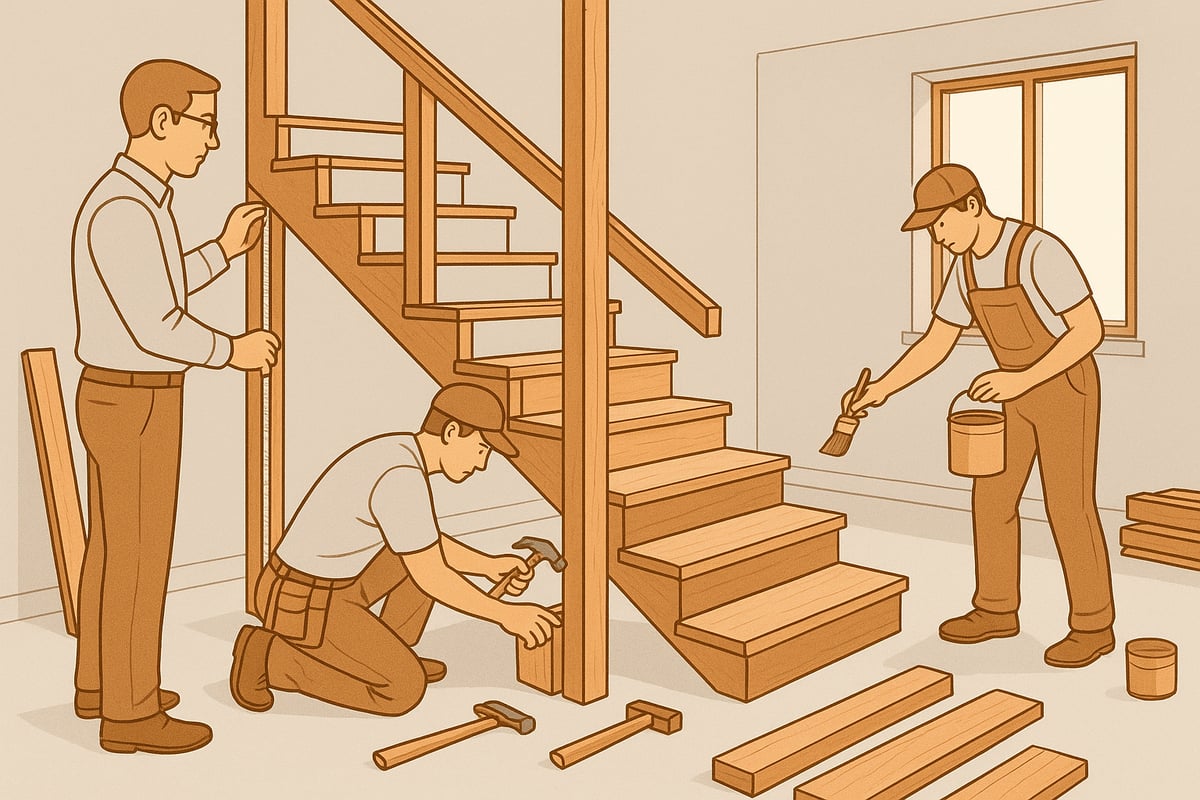
Every successful timber framed stairs project begins with a thorough site assessment. Start by carefully measuring the available space. Accurate measurements of floor-to-floor height, stairwell width, and landing locations are crucial.
Consider the intended users of the stairs. Will the stairs need to accommodate young children, elderly residents, or those with mobility challenges? Factoring in accessibility and frequency of use at this stage can influence the design and safety features required.
It is wise to consult with an architect or structural engineer early in the process. Their expertise ensures the stairs will integrate safely with the existing structure, meet regulatory requirements, and support anticipated loads.
- Measure all dimensions precisely.
- Identify any site constraints or obstructions.
- Discuss requirements with relevant professionals.
A detailed assessment at this stage sets the foundation for durable, compliant timber framed stairs.
Step 2: Design Development and Drawings
Once the site assessment is complete, move on to design development. Create detailed plans and, where possible, 3D models to visualise the finished stairs. This phase allows you to experiment with layouts, materials, and finishes before any timber is cut.
Select suitable timber species based on strength, appearance, and budget. Choose finishes that complement the wider interior. Ensure the design complies with UK building regulations, particularly regarding headroom, tread dimensions, and handrail placement.
Work closely with your architect or designer to finalise every detail. Comprehensive drawings will guide the fabrication process and help avoid costly mistakes later.
- Produce technical drawings with all key dimensions.
- Confirm material and finish selections.
- Review plans for regulatory compliance.
A robust design process ensures your timber framed stairs will be both safe and visually striking.
Step 3: Material Procurement and Preparation
With designs in hand, the next step involves sourcing and preparing materials. Order high-quality, graded timber that is suitable for stair construction. Where possible, select timber from FSC-certified or local sources to enhance sustainability.
Before fabrication begins, all timber should be pre-treated for durability and pest resistance. Conduct quality control checks to ensure each piece is free from defects such as warping, knots, or splits.
Prepare all necessary hardware, including fixings, brackets, and adhesives. Organising materials and tools in advance helps streamline the build and reduces the risk of delays.
- Order timber and hardware from reputable suppliers.
- Apply treatments for moisture and insect protection.
- Inspect materials for quality and suitability.
Proper preparation is key to achieving a flawless finish on your timber framed stairs.
Step 4: Fabrication and Assembly
The fabrication and assembly stage brings your project to life. Depending on your chosen design, you may use traditional joinery techniques such as mortise and tenon joints, or opt for modern mechanical fixings. Each method offers distinct advantages in terms of appearance, strength, and installation time.
Carefully follow the plans, assembling the stringers, treads, risers, and balustrades in sequence. Pay special attention to alignment and stability at every step. For a deeper understanding of joinery and assembly, Wooden Construction Techniques Explained offers valuable insights into the methods used for timber structures.
Common challenges in this phase include ensuring precise cuts, achieving tight joints, and accommodating site irregularities. Regularly check your work for accuracy and make adjustments as needed.
- Assemble components in a logical order.
- Use appropriate fixings for your chosen timber species.
- Inspect each joint and connection for strength.
A methodical approach guarantees your timber framed stairs are structurally sound and visually appealing.
Step 5: Finishing and Installation
With assembly complete, the focus shifts to finishing and installation. Begin by sanding all surfaces to a smooth finish, removing any rough edges or splinters. Apply your chosen sealant, varnish, or oil to protect the timber and enhance its natural grain.
Fit handrails, balustrades, and any additional safety features. Ensure all fixtures are securely fastened and meet regulatory standards. Carry out a thorough inspection to identify and rectify any snags before the stairs are put into use.
- Sand and seal all visible timber surfaces.
- Install safety features with care.
- Perform a final quality check.
Quality finishing protects your investment and ensures your timber framed stairs will stand the test of time.
Example Project Timeline and Cost Breakdown
A typical timber framed stairs project unfolds over several weeks. Below is an illustrative timeline and budget allocation for a medium-sized residential staircase:
| Project Stage | Duration (Days) | % of Total Budget |
|---|---|---|
| Initial Planning & Design | 5 | 15% |
| Material Procurement | 3 | 20% |
| Fabrication & Assembly | 7 | 35% |
| Finishing & Installation | 4 | 20% |
| Inspection & Snagging | 1 | 10% |
Budget allocations will vary based on the complexity of your timber framed stairs, selected materials, and bespoke features. Allocating sufficient time and resources to each stage helps ensure a smooth, successful build.
Navigating Building Regulations and Safety Standards in the UK
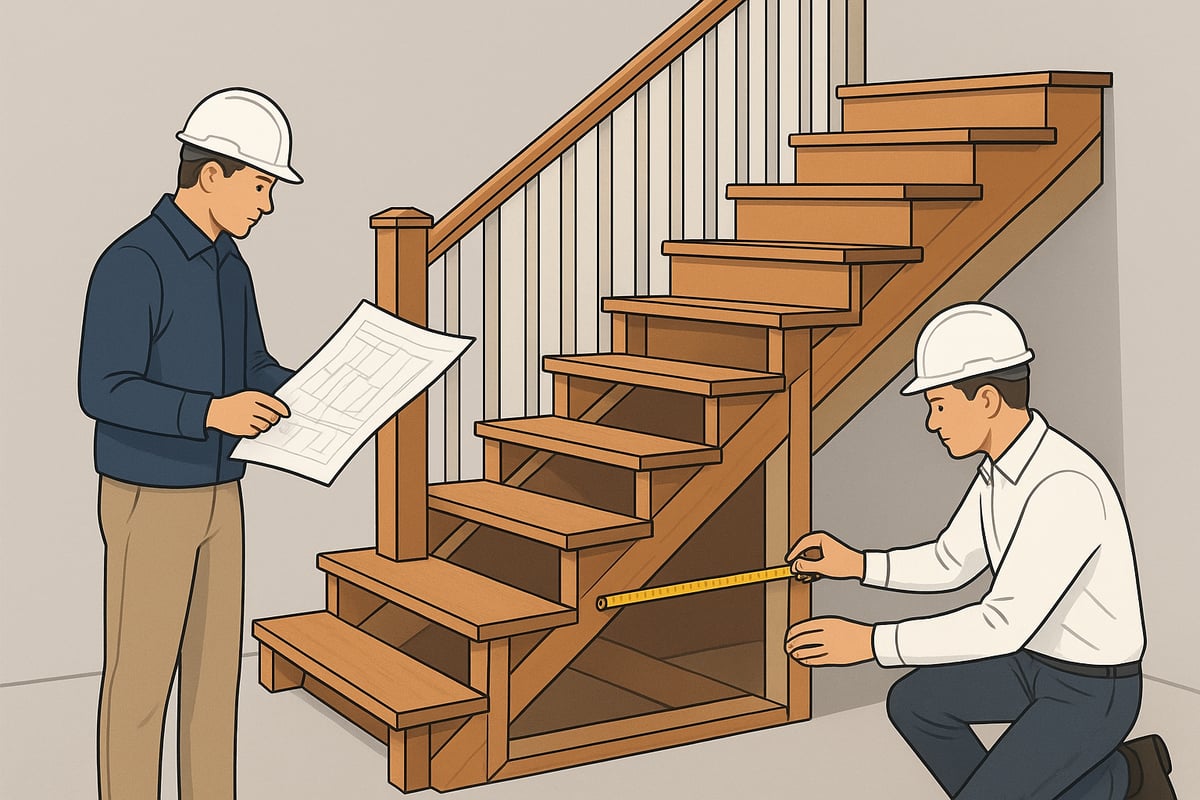
The construction and installation of timber framed stairs in the UK require careful attention to building regulations and safety standards. Navigating these requirements is essential for achieving compliance, ensuring user safety, and maximising the value of your investment. Whether you are planning a new build or renovating an existing property, understanding the legal framework is critical.
Key UK Building Regulations for Timber Stairs
Timber framed stairs are subject to strict criteria under UK building regulations, with Approved Document K being the primary reference. This document outlines minimum and maximum dimensions for treads, risers, and handrails, ensuring that all stairs are safe and accessible. For instance, residential stairs typically require risers between 150mm and 220mm, while treads must be at least 220mm deep.
Handrails are compulsory on at least one side for staircases under one metre wide, and both sides for wider designs. The regulations also specify maximum gaps between balusters to prevent accidents, particularly for children.
Fire safety is another crucial aspect for timber framed stairs. All materials must meet fire resistance standards, and enclosed staircases may require additional fire protection measures. For a comprehensive overview of technical requirements and finishing details, refer to the NHBC Standards Chapter 6.6 – Staircases.
These standards apply not only to new homes but also to extensions and refurbishments, making them relevant for every project involving timber framed stairs.
Accessibility and Inclusive Design
Ensuring accessibility is a core requirement for timber framed stairs in both private and public buildings. The regulations set out clear guidelines to make staircases usable for everyone, including those with limited mobility.
Staircases must offer consistent tread depths and riser heights, reducing the risk of trips and falls. Where possible, landings should be provided at intervals to allow for rest. In public settings, tactile indicators and visual contrast can further enhance the safety of timber framed stairs.
To accommodate wheelchair users or those with walking aids, alternative solutions such as stairlifts or adjacent ramps are often integrated. Examples include wide, gently sloped timber framed stairs in commercial spaces, designed with handrails at dual heights for added support.
By considering these features in the design phase, you can create a staircase that is both stylish and fully compliant with inclusive design principles.
Inspection, Certification, and Legal Considerations
Before timber framed stairs can be used, they must undergo a thorough inspection and certification process. Building inspectors will assess the structure for compliance with all relevant regulations, from dimensional accuracy to fire safety and accessibility.
Common pitfalls include incorrect riser heights, inadequate headroom, or insufficient fire protection. These issues can result in costly delays or even legal penalties. To avoid such problems, always work with qualified professionals and ensure that all documentation is in order before the final inspection.
Non-compliance can lead to mandatory alterations, fines, or restrictions on property use. By following official guidance and maintaining clear communication with inspectors, you can secure approval for your timber framed stairs and enjoy peace of mind throughout your project.
Maintenance, Repair, and Longevity of Timber Framed Stairs
Timber framed stairs remain a centrepiece in many homes, but their enduring appeal relies on proper care. With the right maintenance routine, these stairs can last for generations, retaining both their strength and beauty. This section explores how to keep timber framed stairs in top condition, how to address common issues, and ways to extend their lifespan even further.
Routine Maintenance Best Practices
Regular maintenance is crucial for preserving the look and structural integrity of timber framed stairs. Begin by dusting the treads and risers weekly using a soft brush or microfibre cloth. For a deeper clean, use a damp cloth with a mild wood-safe cleaner, ensuring surfaces are dried thoroughly to prevent moisture damage.
Apply protective finishes such as oil, wax, or varnish every few years, depending on the type of timber and level of foot traffic. These finishes shield timber framed stairs from daily wear, moisture, and UV rays. Inspect joints and fixings seasonally for signs of movement or loosening, tightening any that show wear.
To further enhance safety and durability, ensure the stairs meet fire performance requirements by following guidance such as the Fire Performance of Timber Stairs article. Schedule seasonal checks in spring and autumn to identify early signs of damage, such as cracks, discolouration, or creaks. Address minor issues promptly to avoid more extensive repairs later.
Repairing Common Issues
Despite the resilience of timber framed stairs, occasional repairs may be necessary. The most common problems include squeaky steps, loose treads, and minor surface damage. For squeaks, apply talcum powder between boards or tighten loose screws and fixings. If treads become loose, secure them with appropriate wood glue or fasteners, ensuring compatibility with the stair's construction.
Surface scratches or dents can often be remedied with light sanding and refinishing. Larger cracks or structural concerns should be assessed by a professional joiner, especially if the stairs are a primary access point. Knowing when to attempt a repair yourself and when to seek expert help is vital for maintaining the safety and appearance of timber framed stairs.
Case studies show that prompt repairs can restore performance and aesthetics without the need for full replacement. Consider keeping a log of maintenance and repairs to track recurring issues and plan future upkeep.
Enhancing Longevity
Investing in the longevity of timber framed stairs pays dividends in both safety and style. Upgrading finishes or hardware over time can refresh the look and improve resistance to wear. Retrofitting features such as slip-resistant strips, LED lighting, or updated balustrades can add both value and safety, especially in busy households.
For those considering renovations, integrating timber stairs seamlessly with the rest of the home is key. Drawing inspiration from resources like Framed Homes Design Inspiration can help homeowners match stair styles with evolving interior trends. Data suggests that regular maintenance and timely upgrades can extend the lifespan of timber framed stairs well beyond 50 years.
By following a proactive approach to care, repair, and enhancement, timber framed stairs remain a reliable and attractive feature for decades, adapting to changing needs and tastes.
Timber Framed Stair Trends and Innovations for 2026
The world of timber framed stairs is evolving rapidly as sustainability, technology, and personalisation reshape expectations in 2026. Homeowners and professionals alike are seeking solutions that combine timeless beauty with modern convenience and eco-friendly credentials.
Sustainable and Eco-Friendly Developments
Sustainability is at the heart of innovation for timber framed stairs. Advances in timber treatment now offer greater resistance to moisture and pests, extending stair lifespan and reducing maintenance. Reclaimed and engineered timber are increasingly popular, providing a stylish, eco-conscious alternative to newly harvested wood.
Consumers are more aware of environmental impact, with demand for responsibly sourced materials and low-VOC finishes growing steadily. Many stair manufacturers now prioritise Forest Stewardship Council (FSC) certification, ensuring timber framed stairs contribute positively to green building standards.
Recent market data shows a notable shift, with up to 60% of new stair installations in 2026 using either reclaimed or certified sustainable timber. This trend is expected to continue as environmental regulations tighten and climate-conscious design becomes the norm.
Design and Technology Innovations
Design and technology are transforming timber framed stairs into focal points of the modern home. Smart lighting systems, such as motion-activated LED strips, are seamlessly integrated into treads and handrails, boosting both safety and visual appeal. Modular and prefabricated stair systems are on the rise, offering precision manufacturing and faster installation times.
UK projects increasingly combine traditional craftsmanship with digital fabrication, resulting in bespoke staircases that are both efficient and unique. For inspiration, explore how Timber Frame Hybrid House Innovations are blending classic and contemporary approaches in staircase design.
These advancements mean timber framed stairs can now be tailored to suit any architectural style, from minimalist lofts to period renovations, with innovative features that set them apart.
Customisation and Bespoke Solutions
Personalisation is a defining trend for timber framed stairs in 2026. Homeowners are collaborating with designers and artisans to create staircases that reflect their lifestyle and aesthetic preferences. Bespoke joinery, custom balustrades, and unique finishes allow for one-of-a-kind results.
The demand for custom solutions is rising, driven by the desire for homes that stand out and offer long-term value. Recent case studies highlight projects where timber framed stairs serve as sculptural centrepieces, incorporating materials like glass, metal, or stone for added impact.
This focus on customisation ensures timber framed stairs remain a premium choice for those seeking to make a design statement while benefiting from structural integrity and durability.
Future Outlook for Timber Framed Stairs
Looking ahead, timber framed stairs are set to benefit from continued innovation and changing consumer tastes. New materials and hybrid construction methods promise even greater adaptability and performance. Regulatory shifts, such as updates to European standards like Eurocode 5: Design of Timber Structures, will further influence design choices and construction practices.
The market is expected to see increased demand for eco-friendly, technologically advanced, and highly customised stair solutions. Builders and homeowners who embrace these trends will be well positioned to add value and distinction to their properties in 2026 and beyond.
Whether you’re inspired by the timeless elegance and sustainability of timber framed stairs or you’re looking to increase your property’s value with a bespoke feature, making the right choices from the start is essential. With all the practical guidance and design inspiration covered in this handbook, you’re now well equipped to take the next step. If you’re ready to discuss your ideas or want expert advice tailored to your project, we’re here to help you bring your vision to life. Feel free to CONTACT US for a friendly, no obligation conversation about your timber stair ambitions.


