

Wooden frame construction is setting a new standard for modern building in 2025, offering unmatched speed, efficiency, and sustainability. This essential handbook is designed to guide you through every aspect of wooden frame construction, whether for homes, outbuildings, or bespoke architectural projects.
Inside, you will discover practical advice on planning, choosing the right materials, understanding each construction step, navigating regulations, and maximising long-term performance. As demand grows for greener, more adaptable building methods, now is the perfect time to explore how wooden frame construction can transform your next project. Read on for expert insights and actionable guidance.
Understanding Wooden Frame Construction: Fundamentals and Benefits
Wooden frame construction is transforming how we build in the UK, blending heritage techniques with modern performance. This section explores what sets wooden frame construction apart, its core benefits, where it is used, the science behind its strength, and the challenges you should be aware of.
Defining Wooden Frame Construction
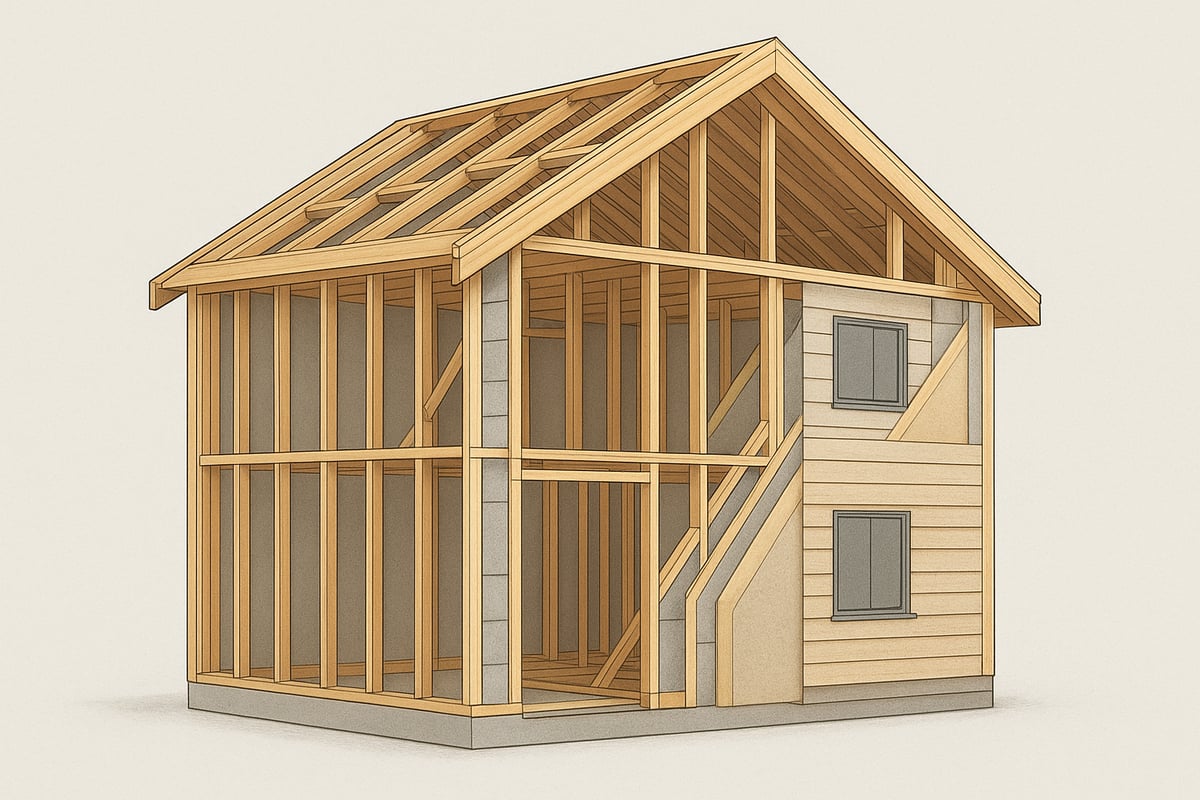
Wooden frame construction refers to a building method where a structural framework of timber forms the skeleton of the building. Unlike masonry or steel systems, wooden frame construction relies on interlocking wooden elements such as studs, plates, beams, and joists to create a robust, flexible structure.
The method has evolved over centuries in the UK, from historic timber-framed cottages to today’s precision-engineered homes. The main components include vertical studs, horizontal plates, beams for load transfer, and joists that support floors and ceilings. For example, timber frame homes use pre-manufactured panels, while stick-built homes are assembled piece by piece on site.
For a comprehensive step-by-step overview, the Timber frame home construction guide offers valuable insight into the fundamentals and best practices of wooden frame construction.
Advantages of Wooden Frame Construction
The popularity of wooden frame construction is driven by several compelling benefits. First, it enables much faster build times compared to brick or block construction, as many components can be prefabricated off site.
Flexibility in design is another advantage, allowing for bespoke layouts and easy modifications. Wooden frame construction also delivers excellent energy efficiency, thanks to superior insulation within the walls. Environmentally, it is a low-carbon choice, using renewable materials and reducing overall emissions. Finally, it is often more cost-effective, both in terms of materials and labour, making it an attractive option for a wide range of projects.
Common Applications in the UK
Wooden frame construction is widely used across the UK in various settings. It is the preferred method for new residential homes, extensions, and increasingly popular garden rooms. Commercial buildings and community centres are also making use of this flexible system.
Outbuildings such as garages, barns, and workshops benefit from the speed and adaptability of wooden frame construction. Notably, recent UK projects highlight a trend toward sustainable, high-performance timber buildings, reflecting growing demand for eco-friendly design.
Structural Principles and Load Distribution
A key strength of wooden frame construction lies in its ability to distribute loads efficiently. Vertical and horizontal loads are channelled through the interconnected framework, from the roof down to the foundations.
Bracing and secure connections are essential to maintain stability, especially in high-wind zones. Modern wooden frame construction is engineered to meet fire resistance and acoustic standards, often outperforming traditional methods. For instance, comparative studies show that engineered timber beams can match or exceed the load-bearing capacity of steel in certain applications, supporting multi-storey designs.
Key Challenges and Considerations
While wooden frame construction offers many benefits, there are important challenges to address. Moisture management is critical, as untreated timber can be susceptible to decay. Selecting durable species and applying treatments helps prevent pest damage.
Compliance with UK building regulations is essential, covering aspects like structural integrity and fire safety. Some misconceptions persist about the longevity and strength of wooden frame construction, but modern techniques and materials have proven their reliability, with many timber buildings lasting well over a century.
Planning and Designing Your Wooden Frame Project
Careful planning is the foundation of any successful wooden frame construction project. From initial site assessment to selecting the right team, every stage shapes the efficiency, sustainability, and quality of your build.

Site Assessment and Preparation
A thorough site survey is the first step for wooden frame construction. This process identifies ground conditions, boundaries, and potential constraints. Soil testing is crucial, as it influences foundation choice and long-term stability.
Drainage must be assessed to prevent water ingress, which can threaten timber durability. Consider site access for delivery of large pre-fabricated frames and machinery. A sloped site may require stepped or reinforced foundations, impacting both cost and build time.
Preparing a clear, level working area minimises delays and ensures safety. Early identification of obstacles, such as trees or utilities, lets you plan effective solutions. This groundwork supports everything that follows in your wooden frame construction journey.
Selecting the Right Timber and Materials
Choosing suitable timber is essential for the integrity and lifespan of wooden frame construction. Popular species in the UK include oak for its strength and visual appeal, and softwoods like spruce or pine for cost efficiency. Engineered wood products, such as laminated veneer lumber, offer consistency and high performance.
Sustainability is a top priority. Opt for timber from certified sources, such as the Forest Stewardship Council (FSC), which guarantees responsible harvesting. Always check moisture content and grading, as these affect structural quality and resistance to warping.
For more insight into timber selection for various applications, see this timber extensions and outbuildings guide. Investing in quality, well-sourced materials is key to a resilient and eco-friendly wooden frame construction.
Architectural Design and Layout
Collaboration with experienced architects ensures your wooden frame construction project maximises available space and natural light. Modern design tools allow precise planning, enabling integration of open-plan living, vaulted ceilings, or bespoke features.
Blend traditional and contemporary aesthetics by exposing structural beams or incorporating large glazed openings. Thoughtful layout enhances energy efficiency and comfort. For instance, positioning living areas to capture sunlight reduces heating demand.
Case studies of open-plan timber frame homes demonstrate how flexible layouts can accommodate evolving family needs. Early design decisions influence build complexity, cost, and future adaptability.
Navigating UK Building Regulations and Planning Permission
Compliance is essential for any wooden frame construction project in the UK. Building Regulations, especially Parts A (structure), B (fire safety), and L (energy efficiency), set minimum standards for safety and performance.
Begin by consulting your local planning authority. Submit detailed plans, including structural calculations and sustainability statements. Common pitfalls include incomplete documentation or underestimating lead times for approvals.
Ensure all required certificates and inspections are scheduled in advance. Familiarise yourself with the specific requirements for timber frame builds, as these may differ from masonry projects. Meticulous preparation streamlines the process and avoids costly delays.
Budgeting and Project Management
Accurate budgeting underpins the success of wooden frame construction. Break down costs for materials, skilled labour, permits, and contingencies. Remember to include VAT, insurance, and allowances for unexpected changes.
Create a realistic timeline, mapping out key milestones from groundwork to final fit-out. Use project management tools to track progress and ensure accountability. Well-drafted contracts protect all parties and clarify deliverables.
On average, timber frame builds in the UK cost between £1,200 and £1,800 per square metre, depending on specification and location. Transparent financial planning supports informed decision-making and project stability.
Working with Specialists and Contractors
Selecting the right professionals is critical for wooden frame construction. Look for builders with proven experience in timber frame methods, supported by references and portfolio examples. Structural engineers and surveyors play a vital role in design validation and quality assurance.
Establish clear lines of communication from the outset. Regular site meetings and updates help resolve issues quickly. Use a checklist to vet contractors, confirming qualifications, insurance, and health and safety standards.
Effective collaboration ensures your project meets expectations for quality, safety, and sustainability. Investing time in assembling the right team pays dividends throughout the build.
Step-by-Step Wooden Frame Construction Process
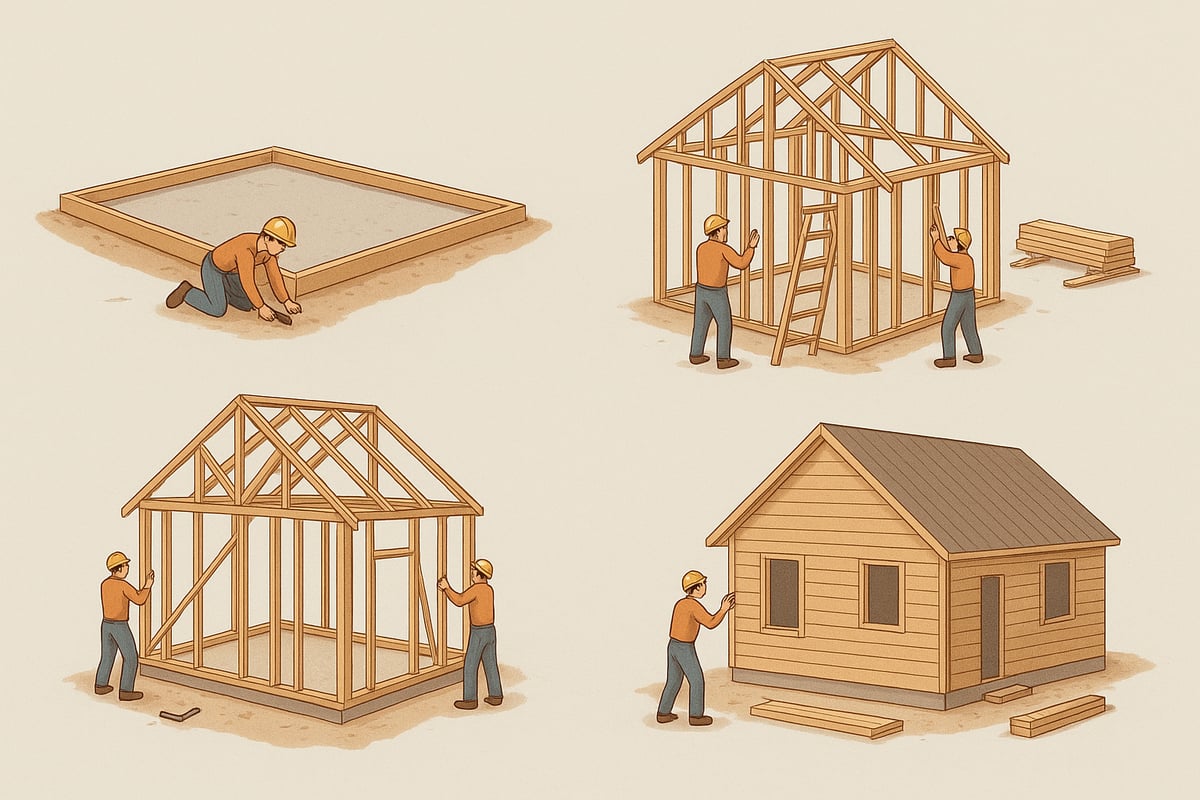
Embarking on a wooden frame construction project involves a series of precise stages, each critical to the structural integrity and long-term performance of the building. Careful attention to detail at every step ensures your home or outbuilding is robust, efficient, and built to last. Let us guide you through the essential phases, from the ground up to the final handover.
Foundation and Groundworks
The foundation is the cornerstone of any wooden frame construction. Begin with a thorough site assessment to determine whether a slab, strip, or pad foundation best suits your soil conditions and building design.
Site levelling and drainage are crucial for stability. Install damp proof membranes to prevent moisture ingress, and lay insulation at the base to boost energy performance. For example, on sloping sites, stepped strip foundations often provide the best support and minimise ground movement risks.
- Conduct soil tests before excavation.
- Level the site and establish drainage routes.
- Choose the correct foundation type for your structure.
Proper preparation here sets the stage for a successful wooden frame construction and minimises future settlement issues.
Erecting the Timber Frame Structure
With groundworks complete, the next phase in wooden frame construction is assembling the timber skeleton. Many UK builders now opt for off-site prefabrication, where wall panels and structural elements arrive ready to install, saving time and reducing waste.
Begin with sill plates fixed to the foundation, then erect posts, beams, and joists in a logical sequence. Temporary bracing maintains alignment as the frame rises. Regular checks with a spirit level and laser tools help ensure accuracy.
- Off-site assembly can cut build times dramatically.
- Sequence: fix sill plates, then posts, beams, joists, rafters.
- Keep the structure square and true with bracing.
A recent time-lapse study showed that a typical UK home’s frame can be erected in just a few days, demonstrating the efficiency of wooden frame construction.
Wall, Floor, and Roof Systems
Next, focus on the building envelope. Wooden frame construction offers two main approaches: panelisation, where large sections are pre-made, and stick framing, where components are assembled on-site.
Install insulation between studs and joists. Options include mineral wool, PIR boards, or natural fibres, each delivering impressive U-values. Roof trusses and floor joists follow, locking the structure together.
When considering insulation and environmental performance, Timber Frame Construction and Low Carbon Design offers valuable insights into how timber systems contribute to energy efficiency.
- Fit insulation tightly to avoid cold bridges.
- Secure roof trusses before installing decking.
- Ensure floor assemblies are level and well anchored.
Modern timber walls regularly achieve U-values below 0.18 W/m²K, setting new standards for comfort and sustainability in wooden frame construction.
Installing Windows, Doors, and Openings
Openings are a defining feature of wooden frame construction, enabling custom layouts and ample natural light. Structural calculations are needed for large spans, with lintels or engineered headers distributing loads safely.
Install windows and doors with care, ensuring airtightness and weatherproofing. Use expanding tapes or membranes around frames for a robust seal.
Triple-glazed units are increasingly popular, boosting energy performance and acoustic comfort in timber homes.
- Double-check opening dimensions before fitting.
- Protect timber edges from moisture during installation.
- Test for air leaks around frames.
Well-fitted openings contribute to the overall durability and efficiency of your wooden frame construction.
Services Integration: Plumbing, Electrical, and HVAC
Integrating services within a wooden frame construction requires precision. Plan routes for plumbing, electrical, and HVAC systems to avoid weakening structural members.
Follow guidelines for notching and drilling: holes should be centred in joists and kept away from high-stress areas. Acoustic and fire protection measures, such as intumescent collars and insulation wraps, are essential around penetrations.
- Map out service runs before closing up walls.
- Use pre-formed holes where possible for pipes and cables.
- Ensure all work meets building regulations.
Smart home technology can also be integrated seamlessly at this stage, enhancing comfort and control in timber frame buildings.
External Cladding and Weatherproofing
The exterior finish of your wooden frame construction protects against the elements and defines its appearance. Choose from timber cladding, brick slips, render, or composite panels to suit your design.
Install breather membranes and vapour barriers behind cladding to manage moisture. Pay close attention to detailing around windows, doors, and junctions for long-term durability.
- Select cladding materials appropriate for UK weather.
- Overlap boards or panels for effective rain-shedding.
- Ventilate cavities behind cladding to prevent rot.
Rain-screen systems are especially effective for the UK’s damp climate, providing an extra layer of defence for your wooden frame construction.
Internal Finishes and Fit-Out
Once weatherproofed, shift focus to interiors. Fix plasterboard to wall and ceiling frames, install flooring over joists, and complete joinery such as skirting and architraves.
Consider exposing feature timbers for architectural character, or opt for clean-lined finishes. Choose sustainable, low-VOC paints and finishes to promote healthy indoor air.
- Stagger plasterboard joints for strength.
- Lay floors with expansion gaps at edges.
- Highlight exposed beams for visual impact.
Popular interior styles for timber frames include Scandinavian minimalism and rustic farmhouse, both of which showcase the natural beauty of wooden frame construction.
Snagging, Quality Checks, and Handover
The final stage in wooden frame construction is thorough inspection and handover. Use a detailed checklist to identify any defects, such as gaps, uneven surfaces, or sticky doors.
Arrange for certification by an independent inspector. Address any issues before final sign-off. Provide the homeowner with warranties, manuals, and maintenance schedules.
- Inspect all finishes and fittings.
- Confirm compliance with NHBC or similar UK schemes.
- Supply complete documentation for future reference.
A careful handover ensures the long-term quality and performance of your wooden frame construction, giving peace of mind to all involved.
Sustainability and Performance in Wooden Frame Buildings
Sustainability is a core advantage of wooden frame construction, making it a preferred choice for modern UK building projects. Performance factors such as energy efficiency, durability, responsible sourcing, and circularity further strengthen its appeal. Let us explore how wooden frame construction meets the most pressing environmental and performance standards.

Environmental Impact and Carbon Footprint
Wooden frame construction delivers a significantly lower carbon footprint compared to traditional concrete and steel systems. Timber acts as a carbon sink, storing CO₂ absorbed during tree growth. Additionally, manufacturing timber components requires less energy, resulting in reduced greenhouse gas emissions. For example, a typical timber frame home in the UK can save up to two tonnes of CO₂ per 100m² compared to masonry.
The UK government recognises these benefits. The recent Timber in Construction Policy Roadmap 2025 outlines ambitious targets to increase timber use and further reduce emissions. Lifecycle analysis confirms that wooden frame construction supports national sustainability goals.
Energy Efficiency and Insulation
Thermal performance is a hallmark of wooden frame construction. Timber’s natural insulation properties, combined with advanced wall and roof systems, enable excellent airtightness and minimal heat loss. Modern builds often achieve U-values well below UK Building Regulations requirements, supporting Passivhaus standards.
Multiple insulation options, such as mineral wool or natural fibres, can be used within timber frames. This flexibility allows designers to create highly energy-efficient homes that remain comfortable year-round. As a result, homeowners benefit from lower energy bills and a reduced environmental impact.
Durability and Maintenance
Advancements in timber treatment have dramatically improved the durability of wooden frame construction. Pressure treatments and modern preservatives protect against rot and insect attack, ensuring a long service life. Well-built timber structures, such as those found in the UK for over a century, demonstrate exceptional longevity.
To maintain performance:
- Inspect for moisture ingress annually
- Reapply protective coatings as recommended
- Ensure good ventilation around timber elements
These simple steps help preserve both the structural integrity and appearance of wooden frame construction for generations.
Responsible Sourcing and Certifications
Responsible sourcing is fundamental in wooden frame construction. Choosing FSC or PEFC-certified timber ensures materials are harvested from sustainably managed forests. Certification provides traceability, guaranteeing the timber supply chain meets rigorous environmental and ethical standards.
UK government procurement policies increasingly require certified timber. Builders and homeowners should always request documentation verifying chain of custody. This approach supports forest conservation and reduces the risk of illegal logging, reinforcing wooden frame construction’s sustainability credentials.
Recycling, Reuse, and End-of-Life Considerations
Circular economy principles are integral to wooden frame construction. Design for disassembly enables components to be reused or recycled at the end of a building’s life. Timber recycling rates in the UK are among the highest in construction, with many elements repurposed for new projects or as biomass fuel.
Innovative approaches, such as modular construction, further enhance material recovery. By planning for reuse from the outset, wooden frame construction contributes to a more sustainable built environment and minimises landfill waste.
Expert Tips, Innovations, and Future Trends for 2025
As the construction landscape evolves, wooden frame construction is set to play a leading role in shaping the built environment of 2025. Staying informed about upcoming technologies, regulatory changes, and design trends will help you make the most of this sustainable building approach. Below, we explore the key factors influencing the future of wooden frame construction and provide actionable insights for builders, designers, and homeowners.
Emerging Technologies in Timber Frame Construction
Technological innovation is transforming wooden frame construction. Digital design tools, such as Building Information Modelling (BIM), offer detailed visualisation and coordination across disciplines. Off-site modular construction is gaining traction, enabling faster assembly, improved quality control, and reduced site disruption.
Robotics are increasingly used for precision cutting and assembly of timber components, reducing waste and human error. Industry events like the Timber Expo at UKCW 2025 showcase these advancements, highlighting how wooden frame construction continues to push boundaries in efficiency and sustainability.
Regulatory Changes and Industry Standards
The regulatory landscape for wooden frame construction is evolving in response to safety, performance, and environmental demands. Updates to UK Building Regulations, especially Parts A (structure), B (fire safety), and L (energy efficiency), are shaping how timber buildings are designed and built.
Following recent high-profile incidents, fire safety standards have become more stringent, with enhanced requirements for compartmentation and material performance. Insurance and mortgage providers are also updating their criteria, so staying informed about the latest standards is essential for anyone involved in wooden frame construction.
Design Innovations and Architectural Trends
Architectural creativity is flourishing within wooden frame construction. Hybrid structures that combine timber with steel or glass are unlocking new possibilities for open-plan spaces, dramatic façades, and light-filled interiors. The biophilic design movement, which integrates nature into built environments, aligns perfectly with timber’s organic qualities.
Award-winning projects across the UK demonstrate the versatility and appeal of this method. For inspiration and practical insights, explore hybrid timber frame house designs that blend traditional craftsmanship with cutting-edge technology.
Common Mistakes and How to Avoid Them
Even experienced professionals can encounter pitfalls in wooden frame construction. One common error is insufficient moisture control, leading to long-term timber degradation. Neglecting adequate ventilation or underestimating structural requirements can also compromise building integrity.
Lessons from recent UK projects highlight the importance of detailed planning, regular site inspections, and adherence to best practices. Engaging qualified specialists from the outset helps avoid costly mistakes and ensures your wooden frame construction project stands the test of time.
Resources, Training, and Professional Support
Success in wooden frame construction relies on access to the right knowledge and networks. Industry organisations, such as RIBA and TRADA, offer courses, publications, and technical guidance tailored to timber building.
When seeking professionals, look for those with proven experience in timber structures. Participating in conferences, such as WoodBUILD or the Timber Expo, keeps you up to date with innovations and connects you with experts who can support your project from conception to completion.
Now that you have a clear understanding of the essentials of wooden frame construction—from selecting the right timber and planning your project, to mastering step by step techniques and embracing sustainability—you might be ready to bring your vision to life. At Acorn to Oak Framing, we combine traditional craftsmanship with innovative design to create bespoke timber structures that truly enhance your property. If you are inspired to start your own timber frame journey and want a team that values quality, detail, and sustainability, take the next step with us. BUILD NOW


