
Wooden outbuildings are taking centre stage in the UK’s property landscape as we enter 2025. Homeowners and developers are embracing timber structures for their unique blend of beauty, versatility, and sustainable credentials.
These buildings are transforming lifestyles, offering everything from stylish home offices to practical workshops and elegant garden rooms. If you are considering wooden outbuildings for your next project, this expert guide will walk you through every essential detail.
We will demystify planning rules, design choices, construction methods, and the latest trends. Ready to discover how wooden outbuildings can enhance your property and support a greener future? Let’s explore the possibilities together.
Understanding Wooden Outbuildings: Types and Uses
Wooden outbuildings are rapidly gaining traction across the UK, offering versatile solutions for modern lifestyles. Whether for storage, work, or leisure, these structures blend functionality with visual appeal, making them a top choice for homeowners and developers alike.
Defining Wooden Outbuildings
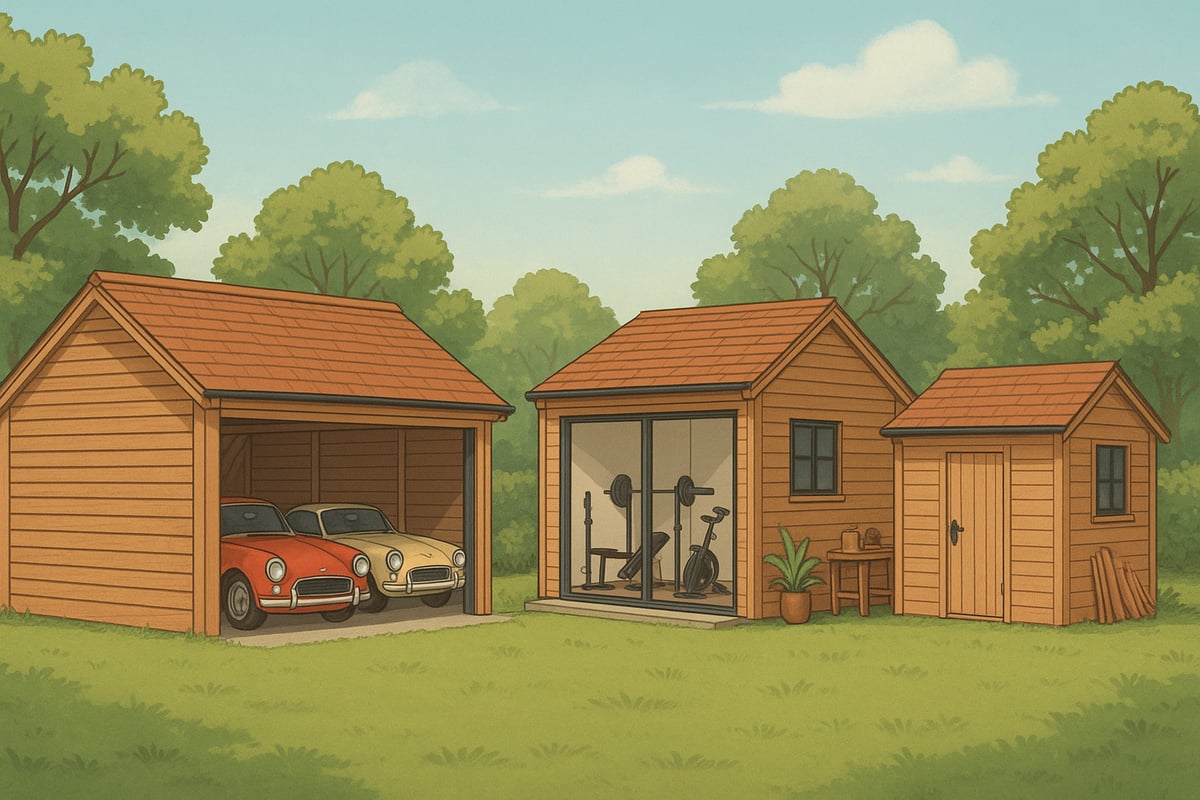
A wooden outbuilding is a free-standing structure built primarily from timber, designed to serve a purpose separate from the main house. These buildings can be either primary, such as a detached garage, or ancillary, like a garden shed.
Typical types include:
- Garages
- Carriage houses
- Barns
- Workshops
- Garden rooms
- Pavilions
- Equestrian buildings
Compared to brick or steel, wooden outbuildings offer a unique blend of warmth, natural insulation, and adaptability. For a comprehensive overview of available options, visit the products and outbuilding types overview.
| Material | Aesthetics | Functionality |
|---|---|---|
| Timber | Natural, blends well | Insulation, versatile |
| Brick | Solid, traditional | Durable, heavy |
| Steel | Modern, industrial | Strong, low-maintenance |
Wooden outbuildings are valued for both their beauty and their performance.
Common Uses in 2025
In 2025, wooden outbuildings are being used in more ways than ever before. Vehicle storage remains popular, with timber garages and carports shielding cars from the elements. Homeowners are transforming these spaces into home offices, studios, and remote work hubs, reflecting the shift towards flexible working.
Other common uses include:
- Garden rooms for relaxation or hobbies
- Sheds and workshops for DIY or small businesses
- Equestrian structures, such as stables
- Agricultural storage for tools and feed
- Multi-purpose spaces, easily adapted as needs change
Wooden outbuildings are especially favoured for their adaptability, making them suitable for a range of domestic and commercial applications.
Key Trends and Data
Recent years have seen a surge in demand for wooden outbuildings, particularly as home-based workspaces become the norm. Timber structures are rated highly for energy efficiency, offering condensation-free environments that are comfortable year-round.
Modular and prefabricated kits are also on the rise, allowing for quick assembly and minimal disruption on site. Many buyers appreciate the flexibility to expand or reconfigure their wooden outbuildings as their needs evolve.
Data from industry reports highlights that timber outbuildings outperform alternatives in terms of thermal performance and sustainability, making them a smart investment for the future.
Real-World Examples
Consider a double timber garage in Kent, purposely built for classic car storage. This wooden outbuilding not only protects valuable vehicles but enhances the property's kerb appeal. In another case, a garden room has been converted into a fully equipped home gym, offering a dedicated space for fitness without leaving the comfort of home.
The benefits of timber framing are clear. Wooden outbuildings provide natural insulation, reducing energy bills and creating a warm, inviting atmosphere. Their aesthetic appeal blends seamlessly with gardens and rural landscapes. Sustainability is another key advantage, with responsibly sourced timber and FSC® certification ensuring a low environmental impact.
Wooden outbuildings continue to shape the way people live and work, offering practical, beautiful, and eco-friendly solutions for 2025 and beyond.
Planning Permission & Building Regulations in the UK
Modern wooden outbuildings are an attractive option for UK homeowners, but understanding the planning and legal requirements is essential before starting your project. The rules around permissions, exemptions, and building regulations can be complex, especially as preferences shift towards sustainable timber construction. Here, we break down what you need to know in 2025.
When is Permission Needed?
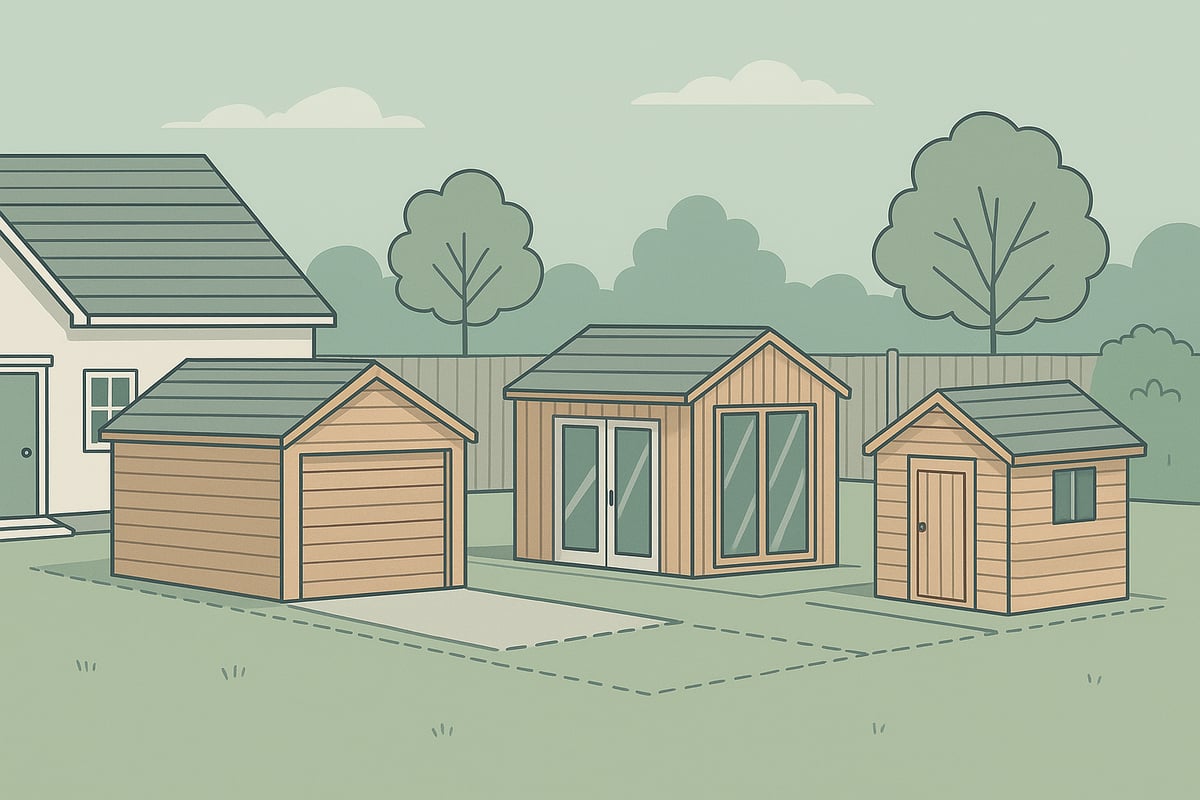
Planning permission for wooden outbuildings depends on several factors. Generally, most domestic wooden outbuildings fall under "permitted development rights," meaning you can build without formal permission if you meet certain criteria.
Key criteria include:
- The outbuilding must not be in front of the main house.
- Maximum height of 2.5m if within 2m of a boundary, or 4m for a dual-pitched roof elsewhere.
- It must not cover more than half the garden area.
- Use must be incidental to the main house, not as a separate dwelling.
Smaller wooden outbuildings (under 15m²) for non-business use are often exempt, provided they are not in designated land such as conservation areas or within the curtilage of a listed building. Always check specific local conditions because these can override general rules.
Navigating Building Regulations
Building Regulations differ from planning permission and focus on safety, structure, and energy efficiency. For wooden outbuildings, approval is generally not required if the internal floor area is less than 15m² and the building does not contain sleeping accommodation.
For buildings between 15m² and 30m², regulations may still be waived if the structure is at least 1m from any boundary or constructed mainly of non-combustible materials. However, if your wooden outbuilding exceeds these sizes or is intended for living or commercial use, full compliance is necessary.
This includes:
- Submitting detailed plans for approval.
- Ensuring robust foundations, sound construction, and proper insulation.
- Meeting fire safety and structural standards.
Recent government initiatives, such as the New timber roadmap launched to boost UK construction and reduce emissions, reflect a drive towards sustainable timber use and may influence future regulations for wooden outbuildings.
Conservation Areas and Listed Properties
If your property is located in a conservation area or is a listed building, additional restrictions apply to wooden outbuildings. Even small changes can require planning permission to preserve the area's character.
You will need to:
- Consult your local planning authority before any work begins.
- Submit designs that respect historical features and local guidelines.
- Sometimes obtain Listed Building Consent in addition to standard planning permission.
These extra steps are designed to protect heritage while still allowing for the benefits of modern wooden outbuildings. Early dialogue with local officials can prevent delays or costly changes later.
Documentation and Support
Preparing the right documents is essential for a smooth process. For most wooden outbuildings, you will need:
- Site plans showing location and boundaries.
- Elevation drawings detailing height and appearance.
- Section diagrams illustrating construction methods.
Some projects require a Full Plans Submission, while simpler builds might proceed under a Building Notice. Many suppliers and architects offer support services, assisting with drawings and application forms. For example, a timber carriage house project will typically involve both planning and building regulation submissions, ensuring compliance from the outset.
Practical Tips
To streamline your wooden outbuildings application:
- Research your local authority's requirements early.
- Keep all drawings and specifications clear and detailed.
- Avoid underestimating foundation and drainage needs.
- Allow time for approval and be ready to answer follow-up queries.
Common pitfalls include misjudging boundary distances or exceeding height limits, which can lead to rejected applications or enforcement action. By planning ahead and seeking expert advice, you can ensure your wooden outbuildings project progresses smoothly from concept to completion.
Materials, Construction Methods & Quality Considerations
Choosing the right materials and construction approach is central to ensuring your wooden outbuildings remain robust, beautiful, and sustainable. Whether you are planning a compact garden room or a large multi-bay garage, understanding timber selection, build methods, and essential maintenance will help you make informed decisions that stand the test of time.
Timber Selection and Sourcing
The heart of all wooden outbuildings is the timber itself. Choosing the right species and grade is vital, as it influences strength, appearance, and longevity. Common options include Scandinavian softwood, prized for its slow growth and fine grain, and oak, valued for its durability and classic look. Pressure-treated pine is also popular, offering resistance to decay and pests.
Sustainably sourced timber, certified by FSC or PEFC, assures you that your material comes from responsibly managed forests. This is not only good for the environment but also enhances the eco-credentials of your wooden outbuildings. When comparing timber grades, higher grades deliver fewer knots and a smoother finish, while lower grades may be more cost-effective for non-visible structural elements.
Construction Methods
How your wooden outbuildings are constructed will affect both their performance and your overall experience. Prefabricated builds offer convenience and speed, as components are manufactured off-site and assembled quickly on your property. Modular systems are increasingly popular, providing flexibility for future expansion or adaptation.
Bespoke builds allow for complete customisation, ensuring your structure fits perfectly with your needs and surroundings. Traditional joinery techniques, such as mortise and tenon, are often combined with modern fixings for added strength. For a comprehensive overview of these methods and their applications, see Timber construction methods explained.
Quality Assurance and Durability
Quality assurance is crucial in wooden outbuildings, as it determines how well your investment will withstand the elements. Factors affecting durability include the type of timber treatment applied, the precision of the joinery, and the effectiveness of weatherproofing measures. Pressure treatments guard against rot and insect attack, while well-sealed joints prevent water ingress.
Condensation resistance is another key benefit of timber, providing a warm and dry interior. Many reputable suppliers offer warranties, such as a 12-month guarantee on workmanship or even lifetime protection on pressure-treated components. These assurances reflect the reliability and expected lifespan of quality wooden outbuildings.
Example: Building a Timber Garage
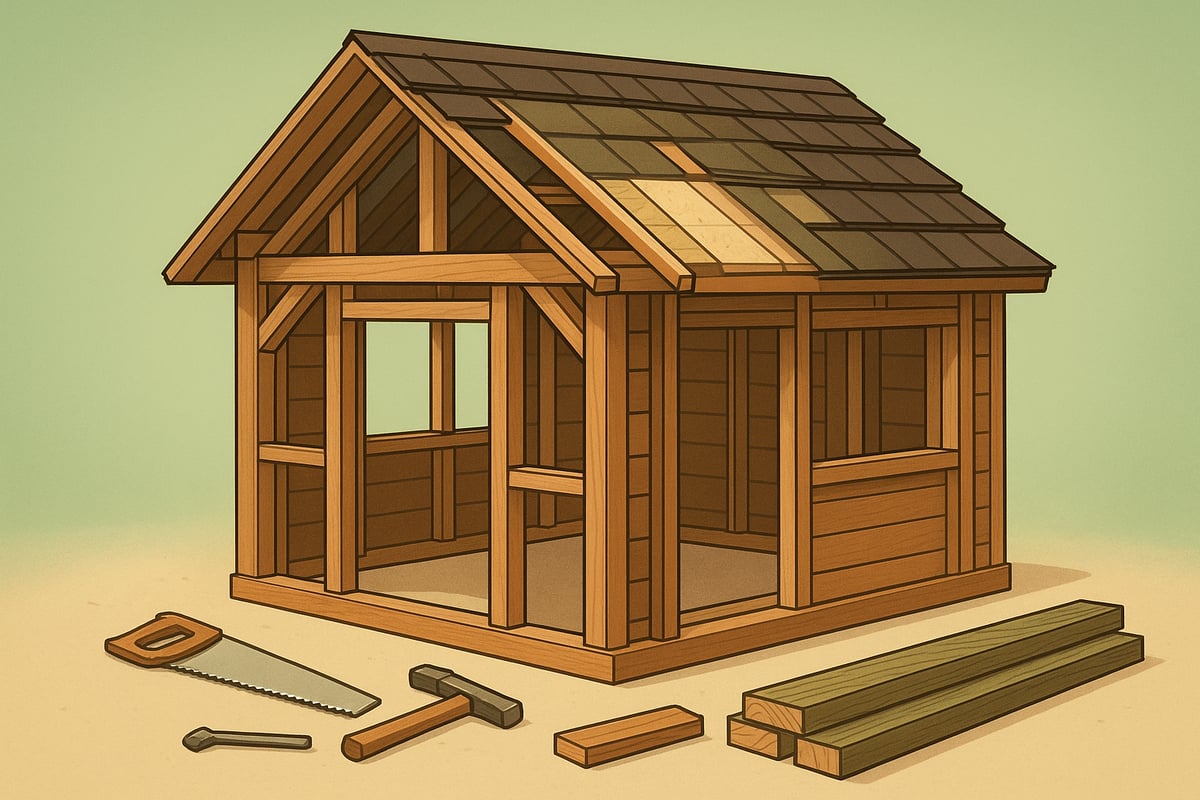
Let us break down the typical process for constructing a timber garage, a popular form of wooden outbuildings. The journey begins with a detailed design, tailored to your requirements and site conditions. Next, prepare a solid foundation, often a concrete base or an Easybase system for faster installation.
Assembly involves joining wall panels and roof trusses, followed by fitting doors, windows, and any custom features. Finishing touches include applying protective stains or paints and ensuring all fixings are secure. This methodical approach guarantees a stable, attractive, and long-lasting structure.
Maintenance Needs
To keep your wooden outbuildings looking their best, regular maintenance is essential. Annual treatments with specialist products, such as Sadolin Classic, help preserve timber colour and repel moisture. Over time, untreated surfaces may develop a natural silver-grey patina, which many find appealing.
If you prefer to maintain the original hue, reapply finishes as needed and inspect for any signs of wear. Simple maintenance not only extends the lifespan of wooden outbuildings but also ensures they remain a valuable asset to your property.
Design, Customisation & Installation Options
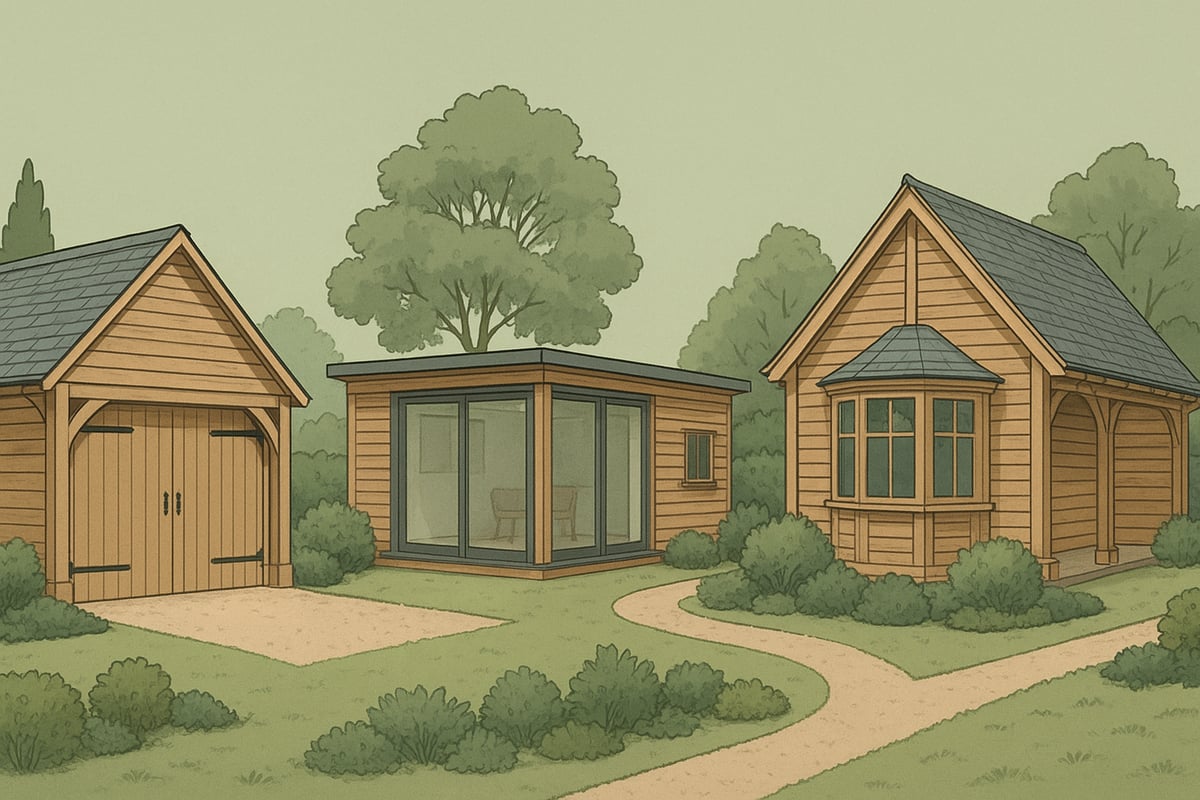
Choosing the right design for wooden outbuildings is essential to ensure your investment meets both practical and aesthetic goals. The UK market in 2025 offers a wealth of customisation options, blending tradition with innovation. Whether you prefer a rustic barn, a sleek contemporary studio, or a hybrid of both, the possibilities are nearly endless.
Design Choices and Customisation
Wooden outbuildings offer remarkable flexibility in design. Homeowners can select from traditional, contemporary, or hybrid styles, each tailored to their property’s character. Choices extend to cladding materials, such as featheredge boarding or shiplap, and roofing options including tile or slate.
Customisation does not end with the exterior. Windows, doors, and rooflines are all adaptable, while features like verandahs, bay numbers, and integrated storage provide both function and charm. For those seeking a truly unique result, leading specialists like Timber frame outbuilding solutions deliver bespoke design and build services, ensuring every detail aligns with your vision.
This level of customisation means wooden outbuildings can blend seamlessly into landscaped gardens or stand out as architectural features. By working with experienced designers, owners can maximise both functionality and kerb appeal.
Prefab Kits vs. Bespoke Builds
The decision between prefab kits and bespoke builds is significant for anyone considering wooden outbuildings. Prefab kits are ideal for DIY enthusiasts, offering clear instructions and modular components for straightforward assembly. These kits are cost-effective and can be delivered quickly, making them popular for standard garages or garden rooms.
Bespoke builds, on the other hand, allow for complete personalisation. They are crafted to suit unique site conditions, specific size requirements, and individual design preferences. This flexibility is perfect for complex projects or clients seeking features not available in standard kits.
| Feature | Prefab Kit | Bespoke Build |
|---|---|---|
| Cost | Lower | Higher |
| Design Options | Limited | Unlimited |
| Installation | DIY-friendly | Professional required |
| Lead Time | Shorter | Longer |
When evaluating options, consider your budget, timeline, and desired level of involvement in the project. For many, wooden outbuildings are an opportunity to create a space that reflects their lifestyle and values.
Installation Process
The installation of wooden outbuildings can be approached in two main ways: professional installation or DIY assembly. Professional installers ensure that foundations are correctly prepared, structures are built to specification, and all finishes meet high standards.
DIY assembly is increasingly popular, particularly with prefab kits. These often come with pre-cut components and step-by-step instructions, making them accessible to those with basic carpentry skills. Site preparation is crucial, including a level concrete base and sufficient access for delivery vehicles.
A typical project, such as the delivery and assembly of a triple-bay open barn, involves careful planning. Access routes, weather conditions, and base construction must all be considered to avoid delays. Regardless of the method chosen, attention to detail at every stage ensures the longevity and visual appeal of wooden outbuildings.
Working with Specialists
Complex projects and high-value wooden outbuildings benefit greatly from the expertise of specialist suppliers and installers. Skilled craftsmanship is essential, particularly for bespoke designs or large-scale builds. Reputable providers offer comprehensive support, from initial consultation to final installation.
When selecting a supplier, look for evidence of quality materials, experience with similar projects, and strong aftercare services. Recommendations, portfolio reviews, and transparent communication are key indicators of reliability.
By partnering with established professionals, homeowners can be confident that their wooden outbuildings will stand the test of time, offering both beauty and practical value.
Sustainability and Environmental Impact
Timber construction is at the heart of the sustainability revolution in the UK. As more property owners invest in wooden outbuildings, environmental impact has become a primary consideration. From responsible sourcing to energy efficiency, every stage in the lifecycle of wooden outbuildings can contribute positively to the environment.
Eco-Friendly Credentials of Timber Outbuildings
Timber is widely recognised as the most sustainable building material for wooden outbuildings. Unlike brick or concrete, wood is renewable and stores carbon throughout its lifespan. This carbon sequestration helps offset emissions from other building activities.
Key eco benefits of timber include:
- Lower embodied energy compared to bricks and steel
- Biodegradability at end of life
- Minimal waste during manufacture
Certifications such as FSC and PEFC guarantee that timber is sourced from responsibly managed forests. For a deeper dive into timber’s role in sustainable construction, visit Timber and sustainability – The Institution of Structural Engineers.
Responsible Sourcing and Manufacturing
The environmental impact of wooden outbuildings depends largely on where and how the timber is sourced. Slow-grown Scandinavian timber is prized for its strength and minimal environmental footprint. When manufactured in the UK, wooden outbuildings benefit from reduced transport emissions and support local economies.
Buyers should look for:
- FSC or PEFC certification labels
- UK-based or local manufacturing
- Transparent supply chains
For an industry perspective on economic and environmental contributions, see Building a Sustainable Future: The economic contributions of the UK’s Wood Panel industry.
Lifecycle and Maintenance
Well-built wooden outbuildings can last for decades with routine care. Pressure-treated timber increases resistance to rot and pests, ensuring longevity. At the end of their life, most timber components are recyclable or biodegradable, reducing landfill waste.
Recommended maintenance steps:
- Annual treatments with eco-friendly wood preservatives
- Regular inspections for moisture or insect damage
Sustainable maintenance extends the lifecycle of wooden outbuildings and keeps their environmental impact low.
Enhancing Energy Efficiency
Wooden outbuildings naturally offer excellent insulation, keeping interiors warmer in winter and cooler in summer. This reduces the need for artificial heating or cooling, lowering energy bills and emissions.
For even better efficiency, many owners add:
- Extra insulation in walls and roof
- Double- or triple-glazed windows
- Renewable energy sources such as solar panels
These upgrades make wooden outbuildings an even smarter choice for eco-conscious living.
Case Example
A recent community sports pavilion showcases the potential of modern wooden outbuildings. Using high-performance joinery, responsibly sourced timber, and advanced insulation, the building achieves outstanding energy efficiency. The result is a welcoming, sustainable space that supports local activity while minimising environmental impact.
Future Trends and Innovations in Wooden Outbuildings
The landscape for wooden outbuildings in the UK is evolving at a rapid pace. As we approach 2025, innovation is reshaping everything from construction methods to design flexibility. Homeowners and developers are embracing new technologies, materials, and sustainable practices to future-proof their investments.
Smart and Modular Designs
Smart technology is increasingly woven into wooden outbuildings, enabling remote control of lighting, climate, and security via smartphone apps. This digital integration enhances usability and aligns with the shift towards connected homes.
Modular designs are now leading the way, offering flexibility for changing needs. Prefabricated kits allow for rapid assembly and future expansion, making them ideal for homeowners seeking adaptability. For those interested in the DIY route, Understanding timber garage kits provides valuable insights into how modular construction is transforming the market for wooden outbuildings.
These innovations make it easier than ever to personalise and repurpose spaces, whether for home offices, gyms, or creative studios. The versatility of wooden outbuildings ensures they remain a top choice for forward-thinking property owners.
Design Innovations
The next generation of wooden outbuildings blends traditional craftsmanship with modern engineering. Hybrid structures, combining timber with steel, achieve greater structural strength without sacrificing natural aesthetics.
Advancements in wood treatments and finishes have significantly improved durability and weather resistance. Robotics and automation are also playing a growing role in construction, streamlining processes and ensuring precision. For a deeper look at these trends, see Could robotics and timber tackle Britain’s housing challenges?.
These breakthroughs are making wooden outbuildings more resilient, attractive, and suitable for a wider range of applications.
Adaptation to Changing Lifestyles
Wooden outbuildings are becoming essential solutions for the evolving needs of UK households. Post-pandemic living has driven a surge in demand for versatile spaces—now, garden rooms double as home offices, gyms, or guest accommodation.
Recent data highlights a sharp increase in the market for multi-use garden buildings. Flexibility is key, as families require spaces that can effortlessly transition between work, leisure, and storage.
The enduring appeal of wooden outbuildings lies in their ability to adapt to these lifestyle changes, offering comfort, privacy, and style in any setting.
Sustainability Advances
Sustainability remains at the heart of future trends for wooden outbuildings. The use of reclaimed and engineered wood reduces environmental impact, while new eco-friendly treatments protect timber without harmful chemicals.
Manufacturers are investing in greener processes, from responsible sourcing to local production, to minimise carbon footprints. These advances support UK climate targets and appeal to environmentally conscious buyers.
As a result, wooden outbuildings are increasingly recognised not only for their beauty and function but also for their positive contribution to a greener future.
Market Outlook for 2025 and Beyond
Looking ahead, demand for wooden outbuildings is expected to grow steadily. Planning law changes and stricter sustainability targets are influencing both design and material choices.
Buyers are advised to prioritise quality, flexibility, and eco credentials when planning new projects. Staying informed about innovations will ensure wooden outbuildings continue to offer lasting value and versatility for years to come.
Having explored the latest trends, practical advice, and the unique benefits of timber-framed outbuildings, you now have a clear roadmap for enhancing your property in 2025. Whether you are dreaming of a bespoke garden room, a durable garage, or an inspiring workspace, the right timber structure can truly elevate your lifestyle and add lasting value. If you are ready to start planning your own project with expert guidance and a focus on craftsmanship and sustainability, I encourage you to BUILD NOW and turn your vision into a beautifully crafted reality.


