

Imagine a construction method that delivers speed, cost savings, and sustainability all in one package. In 2026, post frame framing is reshaping how structures are designed and built, offering a smarter way forward for homeowners, builders, and developers alike.
This essential guide will clarify every aspect of post frame framing, providing you with a clear, step-by-step plan for a successful project in 2026. Whether you are planning a new home, barn, or commercial space, you will gain the knowledge and confidence needed to make informed decisions.
Discover the fundamentals, learn how to plan and select materials, understand the entire construction process, and stay ahead with the latest compliance and future trends. Ready to experience efficiency, flexibility, and innovation? Start planning your post frame framing project today.
Understanding Post Frame Framing: Fundamentals and Advantages
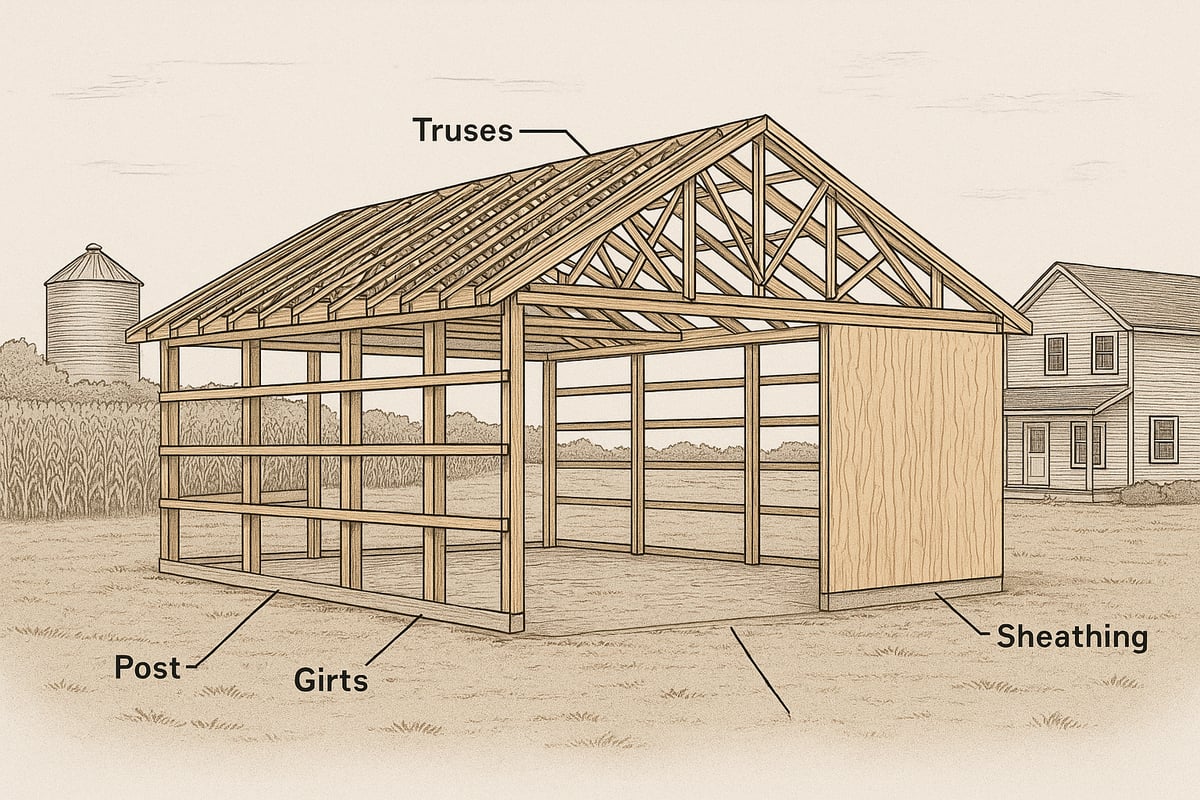
Post frame framing has become a defining method in modern construction, valued for its simplicity, flexibility, and adaptability. This approach relies on larger vertical posts set deep into the ground, providing robust support for the entire structure. Its origins trace back to agricultural buildings, where strength and speed were crucial. Unlike traditional stick framing, which uses closely spaced studs and continuous foundations, post frame framing employs fewer but larger structural members. The main components include posts, girts (horizontal members), trusses, and sheathing. These elements work together to create open, versatile interiors. Today, this system is used for everything from barns to contemporary homes, with barn conversions showcasing how post frame framing can blend rural charm with modern living. For further insight into the basics, see wooden frame construction basics.
Key Advantages in 2026
In 2026, post frame framing offers distinct benefits over conventional methods. The speed of construction stands out, as fewer components and simpler foundations mean faster assembly. Cost savings are notable, thanks to reduced material needs and lower labour expenses. Design flexibility allows for large, open spaces free from interior load-bearing walls, adapting easily to varied uses. Enhanced energy efficiency is achieved through advanced insulation techniques, ensuring compliance with stricter UK energy regulations. Sustainability is another key advantage, with eco-friendly materials and efficient design reducing environmental impact. These strengths make post frame framing a leading choice for forward-thinking projects.
Typical Structures and Use Cases
Post frame framing suits a wide range of buildings. Common examples include garages, workshops, barns, and family homes. In the commercial sector, it appears in retail units, storage facilities, and event venues. Community and recreational spaces, such as village halls and sports pavilions, also benefit from the method's adaptability. Recent UK projects highlight its versatility, with barn conversions transforming rural structures into stylish residences and modern workshops. The approach is equally effective for new builds, supporting both functional and aesthetic goals.
Post Frame vs. Other Construction Methods
Comparing post frame framing with steel frame, blockwork, and SIPs (structural insulated panels) reveals significant differences. The table below summarises key points:
| Method | Build Time | Cost | Flexibility | Energy Efficiency | UK Suitability |
|---|---|---|---|---|---|
| Post Frame | Fast | Lower | High | High | Excellent |
| Steel Frame | Moderate | Higher | Moderate | Moderate | Good |
| Blockwork | Slow | Moderate | Low | Moderate | Good |
| SIPs | Fast | Higher | Moderate | Very High | Excellent |
Post frame framing typically delivers quicker build times and lower costs. It excels in creating open-plan spaces, while SIPs offer superior insulation but at a greater cost. Steel frames provide strength but less flexibility for custom layouts. Blockwork is durable, though slower and less adaptable. For the UK climate, post frame framing’s weather resistance and regulatory compliance make it a strong contender.
Common Challenges and Solutions
Despite its benefits, post frame framing presents some challenges. Proper site preparation is essential, with attention to drainage and soil stability. Longevity concerns are addressed by using treated timber or steel posts, extending the life of the structure. Moisture and pest protection is achieved with barriers, coatings, and careful detailing at ground level. Regular maintenance, such as inspecting connections and finishes, helps control lifecycle costs. With these strategies, post frame framing remains a reliable and resilient option for a variety of projects.
Planning Your Post Frame Project in 2026
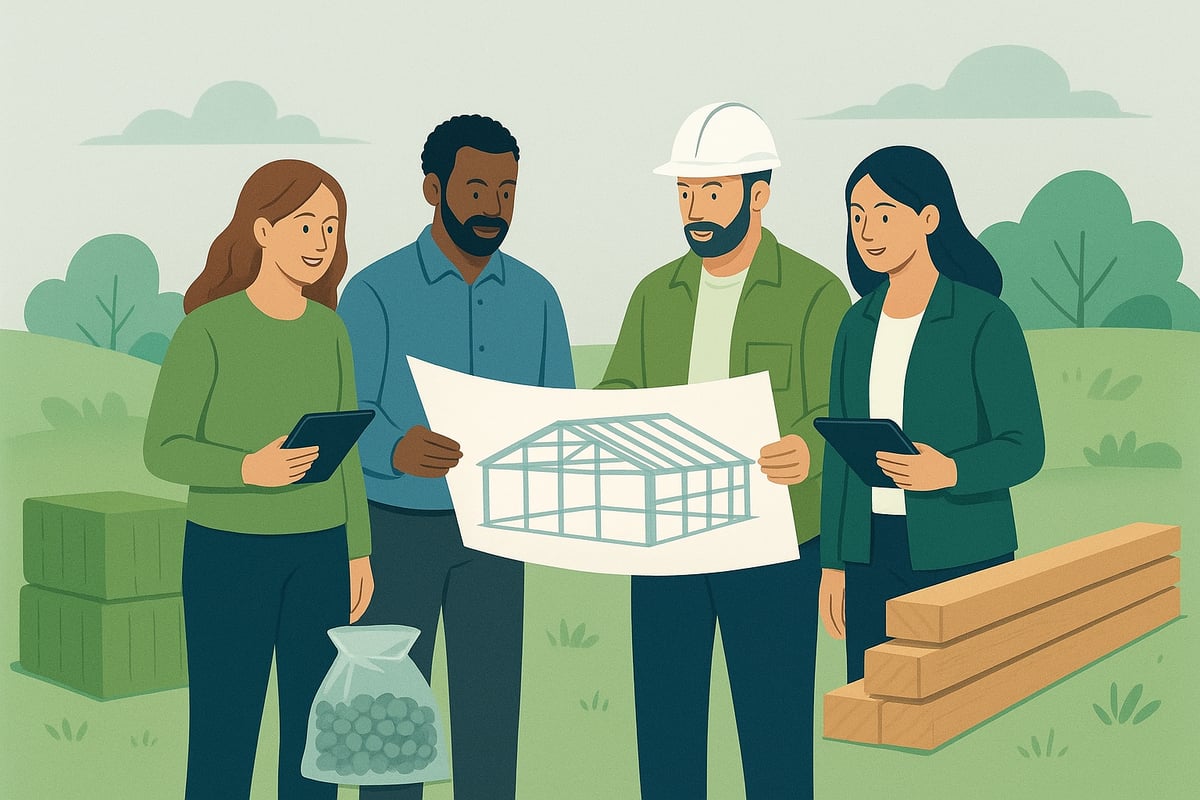
Embarking on a post frame framing project in 2026 demands careful planning, from initial land assessment to final project management. By understanding each stage, you can ensure a smoother, more efficient build. Let’s break down the essential steps to help you move forward confidently.
Project Feasibility and Site Selection
Before starting any post frame framing project, evaluate whether your chosen land is suitable for construction. Check drainage by observing water movement after heavy rain. Assess site access for large vehicles and machinery, as post frame framing often requires delivery of substantial materials.
Review local zoning laws and planning permissions. Some councils may have specific rules for outbuildings or residential structures, especially for post frame framing. Consider environmental factors, such as proximity to protected habitats or flood zones. Early due diligence will help avoid costly delays.
Budgeting and Cost Estimation
Budgeting is crucial for successful post frame framing projects. Begin by listing all expected costs: materials, labour, permits, site preparation, and utilities. In 2026, material prices in the UK remain competitive, but fluctuations can occur due to supply chain changes. Always add a contingency for unexpected expenses.
For a detailed breakdown of available material packages and to simplify your planning, visit the Post frame packages overview. This resource helps you compare options and avoid hidden costs. Careful cost estimation ensures your post frame framing project stays on track financially.
Design Considerations and Customisation
Post frame framing offers enormous design flexibility. Start by considering your floor plan: how much space do you need, and how will it be used? Popular choices include open-plan workshops, multi-bay garages, or bespoke homes with high ceilings.
Select cladding, roofing, and windows to match your style and performance needs. In 2026, demand for solar panels and smart home features continues to rise, making them wise additions to your post frame framing design. Customisation is straightforward, so plan for future needs now.
Choosing the Right Team: DIY vs. Professional Builders
Decide early if you’ll tackle post frame framing as a self-builder or hire professionals. DIY is feasible for those with construction experience, but certain elements, like structural calculations, may require expert input. If you choose a contractor, seek specialists in post frame framing for best results.
Check credentials, request references, and review portfolios. Architects or engineers familiar with post frame framing can add value, especially for complex or large-scale projects. The right team ensures your vision is delivered safely and efficiently.
Timeline and Project Management
Effective project management keeps your post frame framing build on schedule. Typical timelines in 2026 are shorter than traditional builds, often just a few months from design to completion. Key milestones include design approval, securing permissions, erecting the frame, and final inspections.
Use digital tools and project management apps to track tasks, budgets, and deadlines. Regular progress meetings help address issues early. With good organisation, your post frame framing project will progress smoothly from concept to completion.
Materials and Innovations in Post Frame Framing
Modern post frame framing is defined by its evolving materials and innovative construction techniques. These advances drive efficiency, sustainability, and customisation in the UK market. Let us break down the components and latest trends shaping post frame framing in 2026.
Structural Components: Posts, Trusses, and Girts
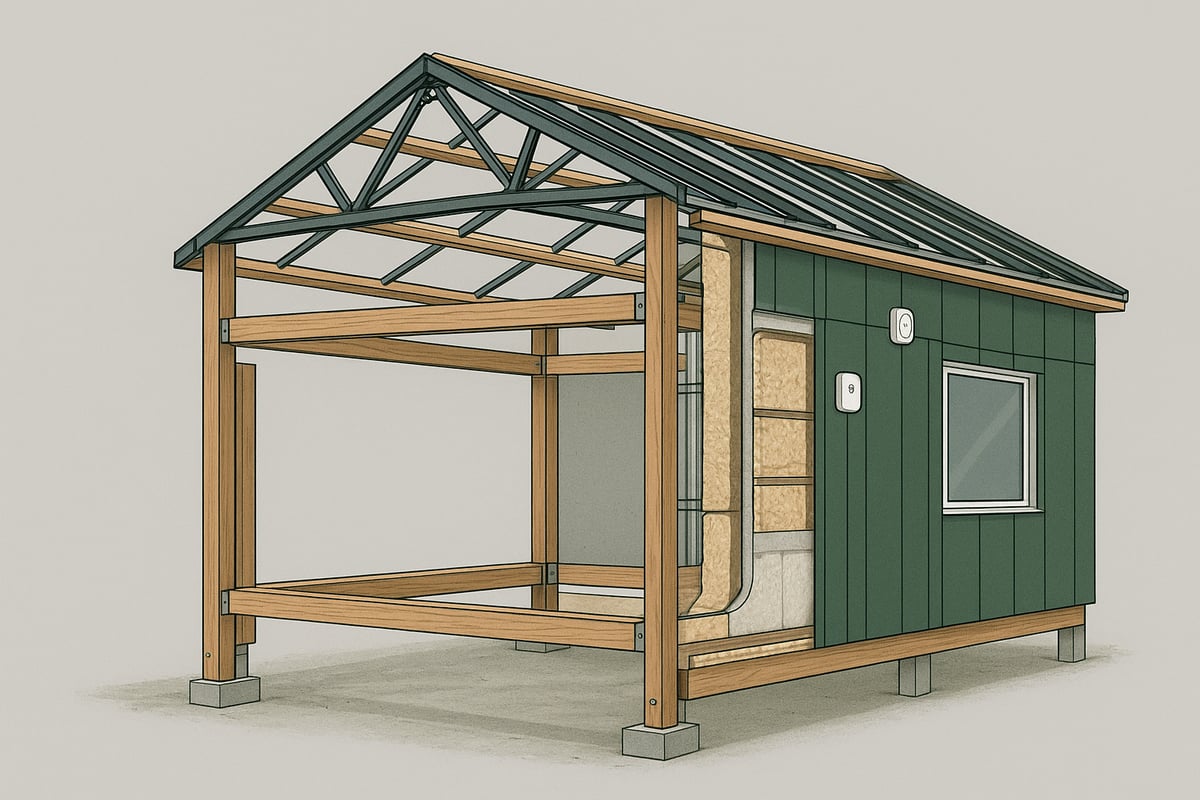
The backbone of post frame framing lies in its structural components. Posts are typically made from pressure-treated timber, engineered wood, or galvanised steel, each chosen for strength and durability. Trusses span wide distances, supporting the roof and allowing open interiors. Girts are horizontal members that stabilise wall frames and carry external loads.
Recent innovations include advanced metal connectors and corrosion-resistant fasteners, which simplify assembly and boost structural integrity. Sizing and spacing are now optimised with digital load calculations, ensuring compliance with the latest UK standards. This combination of classic design and new technology is what makes post frame framing so adaptable for both residential and commercial use.
Sheathing, Cladding, and Roofing Choices
Selecting the right envelope for post frame framing is crucial for performance. Sheathing options include oriented strand board (OSB), plywood, and new composite panels, each offering different levels of rigidity and moisture resistance. Popular cladding materials in 2026 are metal panels, sustainably sourced timber, and high-performance composites, providing both durability and design flexibility.
Roofing systems range from traditional metal panels to architectural shingles and even living green roofs. Weatherproofing membranes and integrated insulation layers are now standard, helping post frame framing projects stand up to the UK's variable climate. These choices allow for tailored aesthetics and long-term protection.
Insulation and Energy Efficiency
Energy efficiency is a defining feature of post frame framing in 2026. New insulation products, such as spray foam and rigid boards with high R-values, are designed to fit between widely spaced posts, minimising thermal bridging. Airtightness is achieved through advanced sealing techniques and continuous vapour barriers.
To meet and exceed UK energy regulations, builders now integrate renewable energy solutions and smart ventilation systems. For a deeper understanding of how these innovations reduce material waste and boost energy performance, see the Sustainable Benefits of Post Frame Construction. These advances ensure post frame framing delivers comfortable, low-cost buildings for years to come.
Sustainability and Material Sourcing
Sustainability sits at the heart of modern post frame framing. Eco-friendly timber from certified forests, recycled steel, and low-impact composites are now widely available. Life cycle analysis is used to measure the carbon footprint of materials, encouraging more responsible choices from suppliers.
Certifications such as FSC and PEFC are increasingly required for timber, while UK builders also favour local sourcing to cut transport emissions. These strategies, paired with high-performance building envelopes, help post frame framing projects meet stringent green building criteria.
Smart Building Technologies
The integration of smart technologies is transforming post frame framing into a future-proof solution. IoT-enabled sensors monitor temperature, humidity, and energy use in real time, allowing for automated climate control and security. Smart lighting, remote access, and energy management systems are now routinely installed in post frame framing structures.
Examples include app-controlled heating, CCTV, and even automated windows for natural ventilation. These innovations not only improve occupant comfort but also support sustainability goals, ensuring post frame framing remains a top choice for forward-thinking UK builders.
Step-by-Step Post Frame Construction Process
Embarking on a post frame framing project in 2026 involves a series of carefully coordinated steps. Each stage builds upon the last, ensuring structural integrity, compliance, and long-term durability. By following a systematic approach, you can streamline your build and avoid costly mistakes.
Step 1: Site Preparation and Foundation
Proper site preparation is essential for a successful post frame framing build. Begin by clearing vegetation, debris, and obstacles from the area. Accurate grading ensures a level foundation and prevents drainage issues.
Mark out the building footprint using stakes and string lines, checking all measurements twice for accuracy. Soil testing determines load-bearing capacity and informs foundation selection. Common foundation options for post frame framing include concrete piers, slabs, and ground screws, each with its own benefits based on soil type and building use.
Effective drainage solutions, such as French drains or gravel beds, help protect the structure from water damage. Taking these steps at the outset sets a strong foundation for the entire project.
Step 2: Setting Posts and Framing the Structure
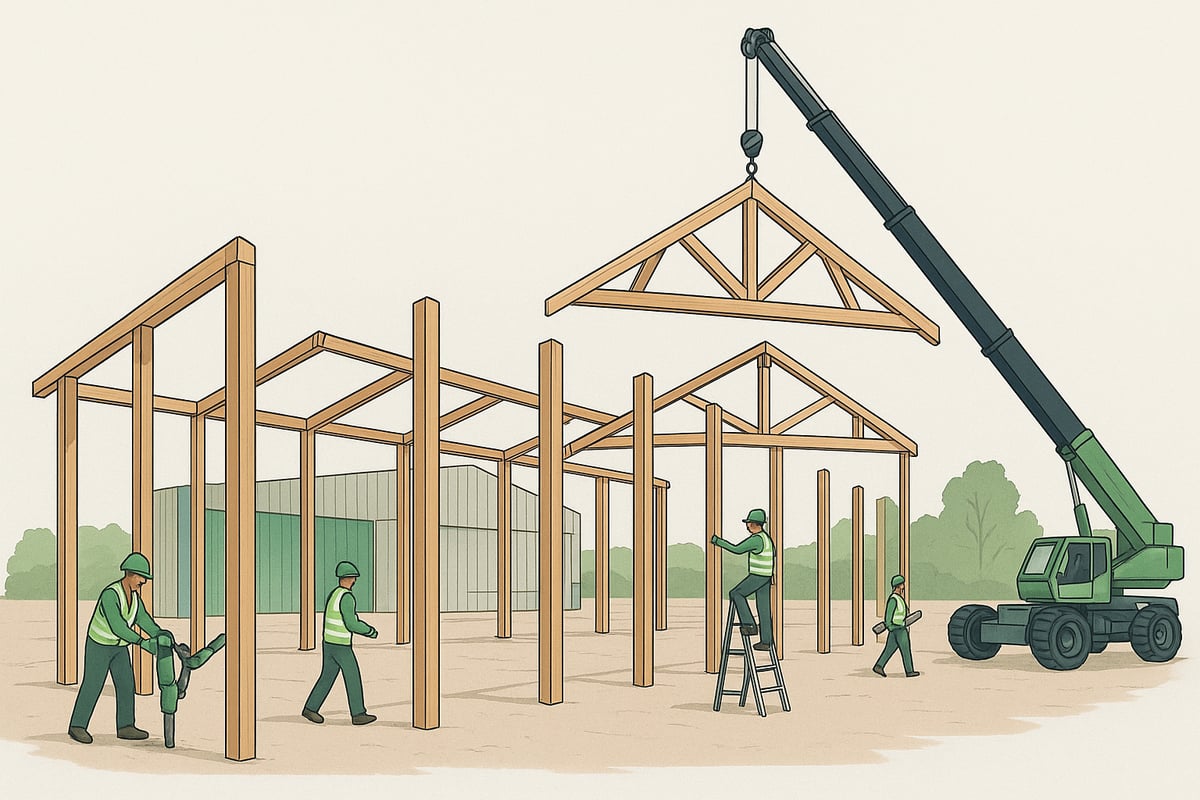
With the site ready, the next phase is installing the vertical posts. These posts are the backbone of post frame framing, supporting the entire superstructure. Use precise measurements to space posts evenly, maintaining alignment and plumbness.
Temporary bracing holds posts in position while concrete cures or ground screws are tightened. Girts are then attached horizontally, providing lateral stability. Trusses are lifted into place, forming the roof support system. For a detailed walkthrough of this process, see the Frame home construction steps guide.
Attention to detail at this stage ensures the frame is secure, square, and ready for the next construction steps.
Step 3: Installing Sheathing, Cladding, and Roofing
Sheathing adds rigidity to the frame, distributing loads and enhancing wind resistance. In post frame framing, sheathing is often applied to the exterior walls and roof, using materials like OSB or plywood.
Once sheathing is fixed, weather barriers such as breathable membranes are installed to protect against moisture ingress. Cladding choices in 2026 include metal panels, treated timber, and composite boards, each offering different aesthetics and performance.
Roofing comes next, with metal panels, shingles, or even green roofs being popular options. Proper installation ensures weather-tightness and extends the lifespan of the building.
Step 4: Insulation, Windows, and Doors
Thermal performance is a key benefit of post frame framing, thanks to modern insulation techniques. Install insulation in the roof and wall cavities, using materials with high R-values to meet UK regulations.
Windows and doors are fitted into pre-framed openings, with care taken to ensure airtight seals and avoid thermal bridging. Use expanding foam or gaskets for improved energy efficiency.
Air sealing around the envelope minimises draughts and helps maintain indoor comfort. This step plays a crucial role in reducing long-term energy costs and environmental impact.
Step 5: Interior Fit-Out and Services
Once the structure is weather-tight, interior fit-out begins. Electrical wiring, plumbing, and HVAC systems are integrated into the post frame framing, taking advantage of the open wall cavities for easy routing.
Interior walls and ceilings are finished with plasterboard, timber, or modern composite panels, depending on the desired aesthetic. Accessibility features, such as wide doorways or ramps, can be incorporated at this stage.
Fire safety measures, including alarms and fire-resistant materials, should be installed to comply with current standards. Each choice influences the building's comfort, safety, and functionality.
Step 6: Final Inspections and Compliance Checks
Before occupancy, the building must pass a series of inspections. Key areas assessed include structural integrity, fire safety, and energy efficiency, all critical in post frame framing projects.
Inspectors verify that the build meets UK regulations, including documentation for materials and construction methods. Address any issues promptly with remedial work to ensure certification.
Maintaining a checklist of required approvals and documentation streamlines the sign-off process and provides peace of mind for owners and builders alike.
Safety and Quality Assurance
Safety is paramount throughout every stage of post frame framing construction. Employ health and safety protocols, including PPE, site signage, and regular safety briefings for all workers.
Use quality control checklists at each milestone to ensure materials, fixings, and workmanship meet specified standards. Ongoing maintenance recommendations, such as annual inspections and prompt repairs, help extend the life of your building.
By prioritising safety and quality, you protect your investment and the well-being of everyone involved in the project.
UK Building Regulations, Compliance, and Best Practices
Understanding current UK building regulations is essential for anyone planning a post frame framing project in 2026. The regulatory landscape has evolved significantly, impacting everything from structural design to sustainability standards. Homeowners, builders, and developers must ensure their projects meet updated compliance requirements to secure approvals and avoid costly setbacks.
Navigating UK Building Regulations in 2026
Post frame framing must comply with a range of UK building regulations, covering everything from structural integrity to fire safety and energy performance. The planning permission process involves submitting detailed plans for review, with building control officers assessing compliance at each stage. Recent updates focus on enhanced safety and environmental standards, reflecting broader changes in the construction sector. For a thorough overview of upcoming regulatory milestones, consult the UK Building Regulations Timeline, which outlines key changes relevant to post frame framing. Staying informed about these updates is vital for successful project approvals and long-term building performance.
Structural and Fire Safety Requirements
Structural soundness is at the core of post frame framing compliance. Buildings must be designed to withstand UK wind loads, snow, and other environmental factors. Load-bearing calculations should be carried out by qualified professionals, ensuring posts, trusses, and girts meet required standards. Fire safety is equally crucial, with regulations mandating fire-resistant materials and assemblies in many settings. For example, residential post frame framing may require additional cladding or fire barriers to achieve the necessary fire rating. Adhering to these requirements safeguards occupants and helps secure insurance and resale value.
Energy Efficiency and Sustainability Mandates
Energy efficiency and sustainability have become central to UK building compliance. Post frame framing offers unique advantages, such as easier integration of high-performance insulation and airtight construction methods. Regulations now set minimum standards for insulation levels, airtightness, and renewable energy use. Builders must document compliance through energy calculations and on-site testing. Using eco-friendly materials and sustainable construction practices also supports environmental mandates. These measures help post frame framing projects achieve lower operational costs and reduced carbon footprints, meeting both legal and ethical standards.
Working with Local Authorities and Inspectors
Effective collaboration with local authorities and inspectors is essential for a smooth post frame framing project. Submit comprehensive plans early, highlighting compliance with all relevant regulations. Common pitfalls include incomplete documentation or overlooking specific local requirements. Keeping open communication with building control officers can help address concerns promptly, reducing the risk of delays. Utilise official resources and seek professional advice when interpreting complex standards. Staying proactive at each stage ensures your post frame framing build meets both legal and quality benchmarks, paving the way for successful completion.
Future Trends and Innovations in Post Frame Framing
As we move into 2026, post frame framing is at the forefront of a construction revolution, shaped by modern materials, digital tools, sustainable ambitions, and evolving market needs. Let us explore the leading trends defining the next era of post frame framing and how these innovations are transforming projects across the UK.
Emerging Materials and Construction Techniques
The landscape of post frame framing is quickly evolving thanks to advances in engineered timber, hybrid systems, and prefabrication. Engineered wood products such as cross-laminated timber and glulam beams now offer greater strength and design flexibility. These materials not only improve structural integrity but also allow for increased spans and creative layouts.
Hybrid systems combining steel and timber are gaining popularity in post frame framing, providing both durability and aesthetic appeal. Prefabricated and modular post frame kits are also on the rise, reducing on-site construction time and minimising waste. To learn more about these forward-thinking developments, visit Future Trends in Post Frame Buildings.
Digital Tools and Project Management
Digital transformation is reshaping every aspect of post frame framing. Builders and clients now benefit from Building Information Modelling (BIM), 3D modelling, and virtual walkthroughs. These tools streamline planning, design, and communication, ensuring fewer errors and smoother workflows.
Project management apps allow teams to track progress, manage schedules, and coordinate resources in real-time. The adoption of digital technology in post frame framing supports greater transparency and helps deliver projects on time and within budget. These innovations also enable better collaboration between architects, engineers, and contractors.
Sustainability and Net Zero Building Goals
Sustainability is no longer optional in post frame framing. New regulations and client expectations are driving the adoption of eco-friendly materials and circular design principles. Builders are choosing responsibly sourced timber and recycled content to lower carbon footprints. Life cycle analysis tools help measure environmental impact and guide material choices.
Net zero post frame framing is becoming a reality, with renewable energy systems and advanced insulation. For the latest on sustainable materials shaping 2026, see Sustainable Construction Material Trends 2026. These approaches support both environmental responsibility and long-term cost savings.
Market Outlook and Opportunities in 2026
The outlook for post frame framing in 2026 is strong, with demand rising for both residential and commercial applications. Investors and developers recognise the value of efficient construction, flexible design, and sustainable performance. Market data shows that property appreciation is higher in well-built post frame projects.
Skills in digital design, sustainable building, and modular assembly are increasingly sought after. Training programmes and industry standards are evolving to meet these needs. Post frame framing is set to play a central role in the future of UK construction, offering opportunities for innovation and growth.
Now that you've explored the key advantages and practical steps of post frame framing in 2026, you might be thinking about how these innovations could transform your next project. With Acorn to Oak Framing's blend of traditional craftsmanship and modern design, you can create a bespoke timber structure that stands the test of time—while meeting the highest UK standards for sustainability and quality. If you're ready to put this expert knowledge into action and craft a space tailored to your needs, let's take the next step together.
BUILD NOW


