
The UK is witnessing a surge in demand for house frame kit solutions, with self-builders and developers embracing modern, efficient construction methods. Are you considering a project for 2026? This guide will empower you with everything necessary to make informed decisions about a house frame kit.
Inside, you will discover the different types available, key benefits, how to choose the right kit, essential planning steps, installation guidance, costs, and the latest trends. Unlock the potential for a streamlined, sustainable, and bespoke home build—your step-by-step resource starts here.
Understanding House Frame Kits: What Are They?
House frame kits are transforming how people approach self-builds and new home construction in the UK. A house frame kit is a prefabricated package containing the essential structural elements needed to form the skeleton of a house. These kits are designed to streamline the build process, reduce on-site construction times, and improve overall quality.
Definition and Core Components
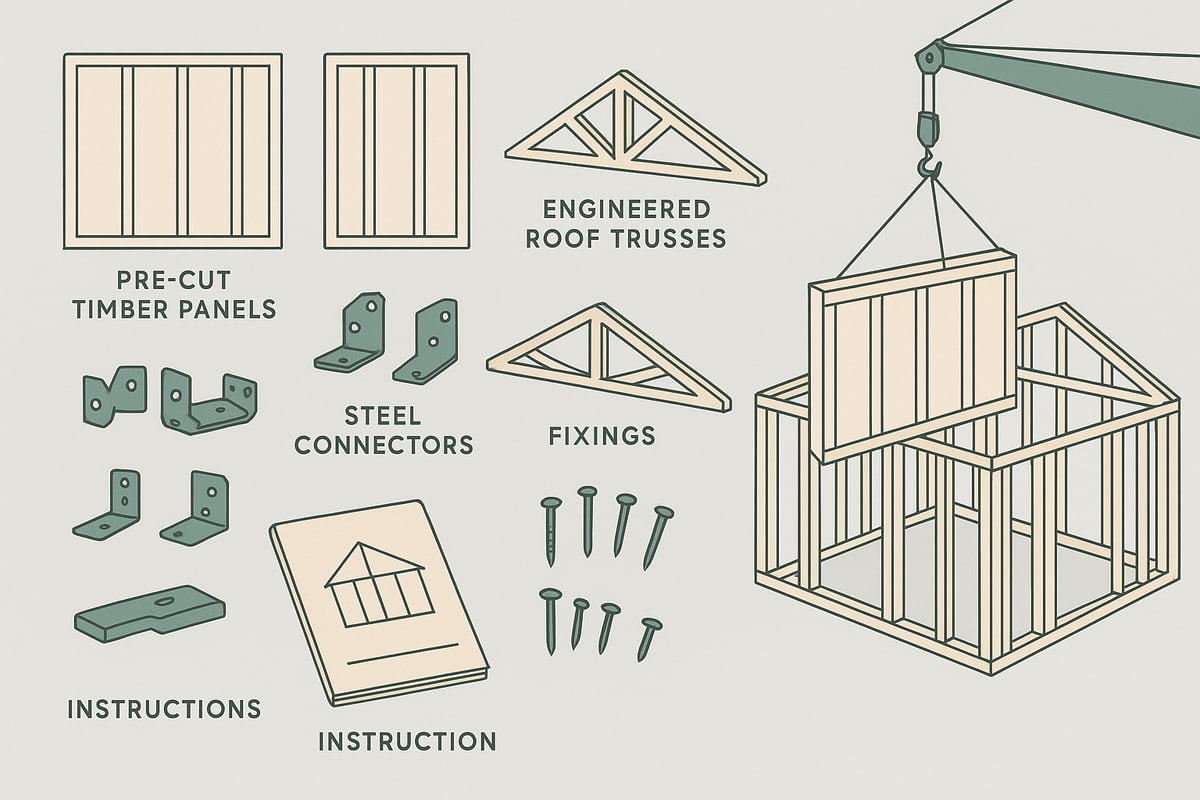
A house frame kit typically includes everything needed to create the main structure of a house. The core components are:
- Pre-cut timber or steel frames
- Structural panels (such as SIPs or timber panels)
- Engineered roof trusses and floor joists
- Metal web joists for enhanced service runs
- Fixings, fasteners, and brackets
- Comprehensive assembly instructions
For example, Vision Development’s timber frame kits provide panels with service voids, engineered trusses, and robust metal web joists for efficient installation. Most kits come with the framing elements and all necessary fixings, but often exclude insulation, windows, external finishes, and interior fit-out. Some suppliers offer optional extras like insulation or cladding.
For a deeper look at structural panels, see Timber framed panels explained, which explores how different panel systems are used in modern house frame kit construction.
Types of House Frame Kits Available in the UK
In the UK, you will find several main types of house frame kit, each with unique strengths. Timber frame kits remain the most popular, prized for sustainability and speed. SIPs (Structural Insulated Panels) combine structure and insulation in one, delivering excellent thermal performance. Hybrid kits blend materials like timber and SIPs for tailored solutions.
Open panel timber frame systems offer flexibility for on-site installation of services and insulation, while closed panel systems arrive with insulation and membranes pre-fitted, further reducing build time. Kits can be standardised for common house types or designed bespoke to suit client plans. Some suppliers offer modular or flat-pack options, making transport and assembly even simpler.
Competitor data shows timber frame kits can achieve U-values as low as 0.18, meeting demanding energy-efficiency targets for homes of all sizes.
How House Frame Kits Differ from Traditional Builds
The primary difference between a house frame kit and traditional builds lies in the level of prefabrication. Traditional construction involves assembling materials on-site, often leading to longer build times and greater exposure to weather delays.
With a house frame kit, much of the work happens in a controlled factory environment. This precision manufacturing results in higher quality and consistency. Statistics show that prefabricated kits can cut build times by up to 50 percent compared to traditional methods, offering substantial savings in labour and waste.
Quality control is enhanced, as each component is engineered and checked before delivery. This approach delivers reliable results, reduces risk, and helps ensure a smoother build process for self-builders and developers alike.
Key Benefits of House Frame Kits for 2026 Projects
Choosing a house frame kit for your 2026 build unlocks a wide range of benefits. From rapid construction and cost savings to sustainability and long-term quality, these kits offer a compelling alternative to traditional building methods. Below, we break down the core advantages that make a house frame kit the smart choice for modern self-builders and developers.
Speed and Efficiency
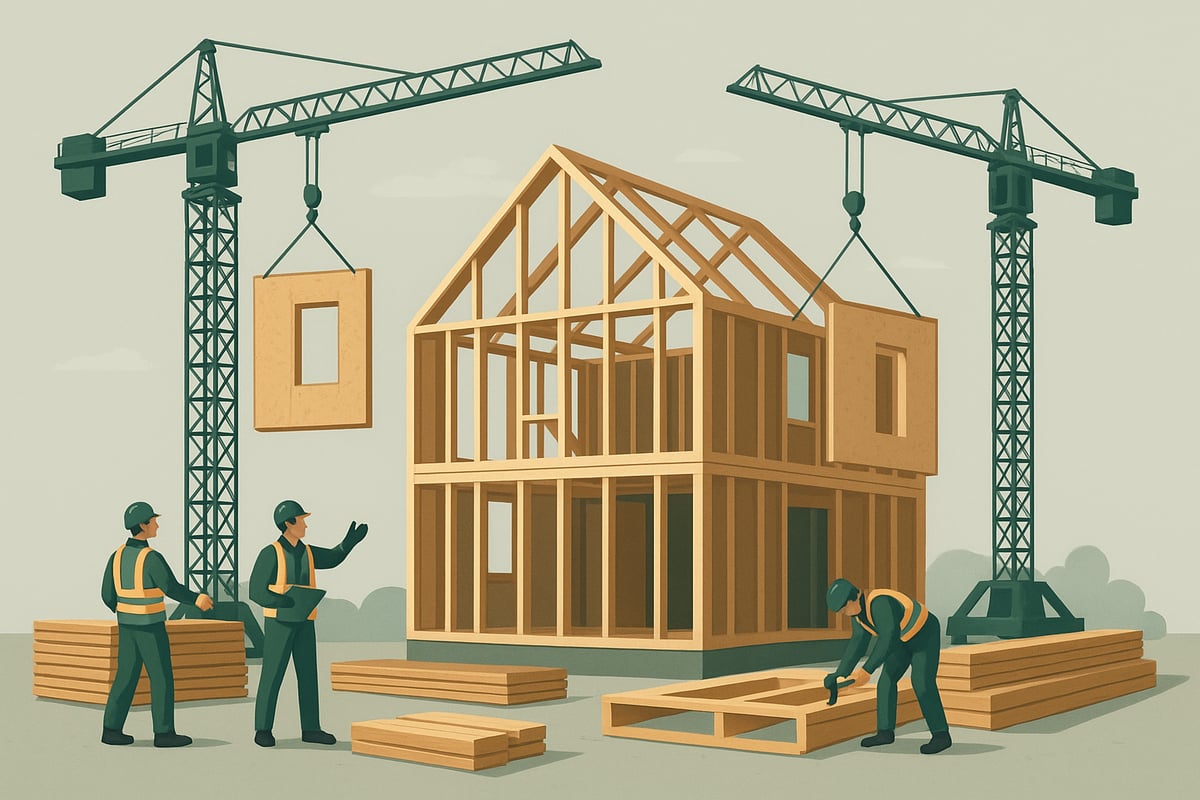
One of the standout advantages of a house frame kit is the exceptional speed of assembly. Prefabricated components arrive ready to install, so the main structure can be erected in days rather than weeks. This rapid process significantly reduces the time your site is exposed to weather, which is a major concern in the UK climate.
Prefabrication also means far less on-site waste and a smoother build schedule. Industry data shows that house frame kit projects can cut overall build time by up to 50% compared to traditional methods. Suppliers like Vision Development further streamline installation by providing lifting plant and detailed instructions. For a closer look at how these efficiencies are reshaping the sector, see the insights in the UK prefabricated construction market report.
Cost Savings and Budget Control
A house frame kit offers clear financial advantages. With most elements pre-cut and engineered off-site, you benefit from predictable pricing and fewer unexpected expenses. For example, a two-bedroom timber house frame kit might cost £40,800, while a full build package, including all works, could reach £300,000 or more.
Here’s a quick comparison:
| Build Type | Kit Only Cost | Full Build Cost |
|---|---|---|
| House Frame Kit | £40,800 | £300,000 |
| Traditional Build | £48,000+ | £330,000+ |
Choosing a house frame kit also reduces on-site labour costs and helps you manage your budget with greater confidence.
Sustainability and Energy Efficiency
Sustainability is a key motivation behind the rise of the house frame kit in the UK. Many kits use FSC or PEFC-certified timber, ensuring responsible sourcing. Advanced insulation options, such as SIPs or closed panel systems, help achieve U-values as low as 0.18, making new homes highly energy efficient.
A house frame kit typically has a lower carbon footprint compared to brick-and-block builds. The combination of renewable materials and precision engineering supports both eco-credentials and lower running costs for homeowners.
Design Flexibility and Customisation
Every house frame kit can be tailored to your unique vision. Whether you want an open-plan living space, extra bedrooms, or a bespoke extension, suppliers offer both standard and custom kits to suit your needs.
You can adapt your house frame kit for new builds, extensions, or conversions. Options for internal layouts, finishes, and external cladding mean your home can be as individual as you are. This flexibility ensures your project is future-proof and suited to changing family requirements.
Quality and Durability
Quality assurance is built into every house frame kit. Components are manufactured in controlled factory environments, which means each element meets strict tolerances and standards. Engineered timber, robust metal web joists, and precision fixings result in a strong, durable structure.
Suppliers often back their house frame kit with long-term warranties, such as SipHouse’s 10-year cover. This assurance gives you peace of mind that your home is built to last and meets all relevant standards.
Compliance and Accreditation
A house frame kit is designed to meet or exceed all UK Building Regulations. Many suppliers provide NHBC or LABC certification options, along with detailed technical drawings to support planning and approvals. This focus on compliance ensures your project moves smoothly from planning to completion, helping you avoid costly delays.
By choosing a house frame kit, you gain a streamlined route to a high-quality, energy-efficient, and future-ready home.
Choosing the Right House Frame Kit: Essential Selection Criteria
Selecting the right house frame kit is a pivotal step in any successful self-build or development project. By following these essential criteria, you can streamline your decision-making and ensure your new home meets your needs for 2026 and beyond.
Assessing Your Project Needs
Begin by clearly defining your project's scope. Are you embarking on a self-build, extending an existing property, or leading a developer-driven scheme? Each scenario will influence the type of house frame kit you require.
Consider your current and future space requirements. Think about the number of bedrooms, open-plan living areas, and whether you need flexibility for future extensions or adaptations. Future-proofing your design ensures your investment remains suitable as your needs evolve.
A thorough assessment at this stage sets the foundation for choosing a house frame kit that aligns with your lifestyle and long-term goals.
Material Choices: Timber, SIPs, or Hybrid?
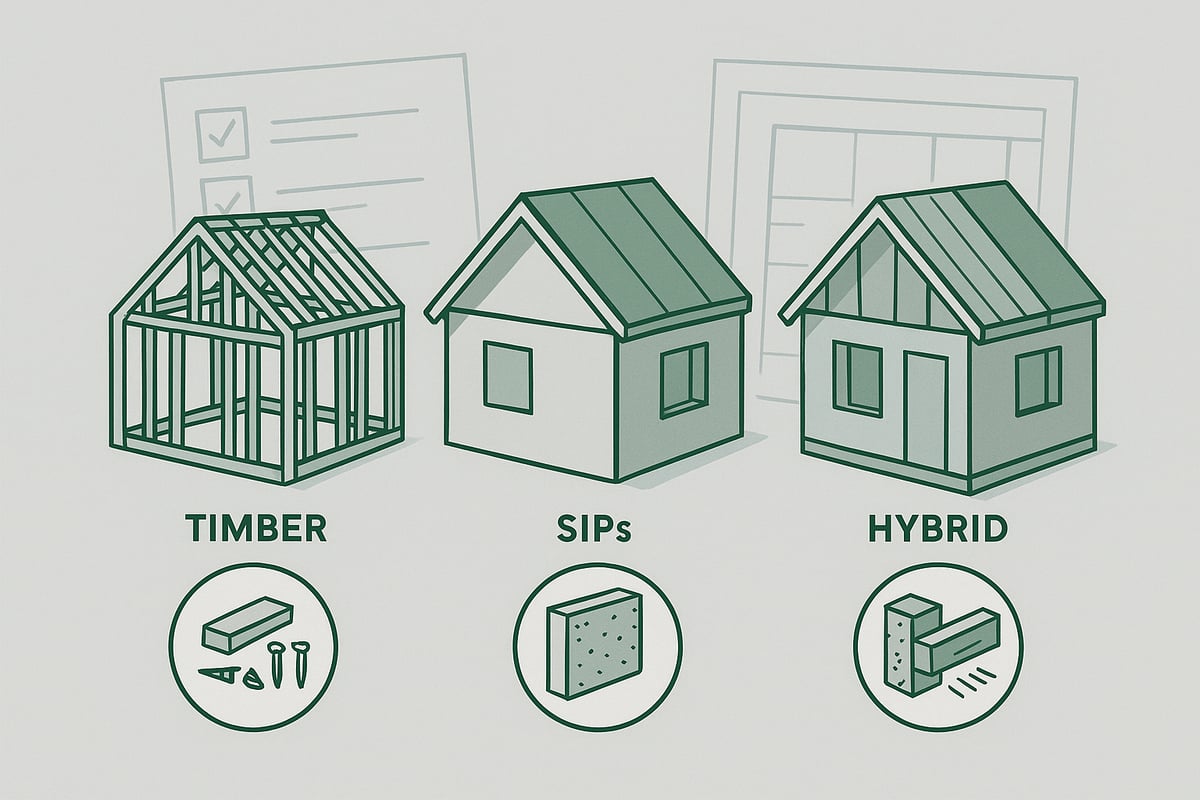
Material selection is a cornerstone of the house frame kit decision. Timber frame kits are popular for their sustainability, warmth, and adaptability. SIPs (Structural Insulated Panels) offer outstanding insulation and rapid assembly, while hybrid options combine the best of both.
| Material | Pros | Cons | Best for |
|---|---|---|---|
| Timber | Renewable, flexible, cost-effective | Requires maintenance | Traditional homes |
| SIPs | High insulation, airtight, fast build | Higher upfront cost | Energy efficiency |
| Hybrid | Customisable, performance-focused | Complexity | Bespoke projects |
For more on UK-specific options, see Timber frame kit options UK. Consider local planning preferences and climate when making your choice, as some areas may favour certain materials.
Open Panel vs. Closed Panel Systems
House frame kits can be supplied as open or closed panel systems. Open panels provide flexibility, allowing you to install insulation and services on-site. This is ideal if you want to customise wall build-ups or coordinate with local trades.
Closed panel systems arrive with insulation, vapour barriers, and sometimes service zones pre-installed. This results in faster on-site assembly and improved airtightness, reducing energy loss. Some suppliers, such as Vision Development, offer both options, enabling you to tailor the system to your build schedule and performance targets.
Choosing the right panel type for your house frame kit can greatly influence build speed and energy efficiency.
Supplier Reputation and Support
Selecting a reputable supplier is as important as the house frame kit itself. Look for established UK companies with proven track records, strong warranties, and comprehensive aftercare.
Key factors to consider:
- Length and coverage of warranties (e.g., 10-year structural)
- Availability of technical support and installation guidance
- Positive client testimonials and industry accreditations
Some suppliers, like SipHouse, offer free delivery and extended support, which adds value and peace of mind. Reliable aftercare ensures your project remains on track from delivery through to completion.
Kit Inclusions and Exclusions
Understanding exactly what is included in your house frame kit package is crucial. Most standard kits supply pre-cut frames or panels, fixings, and detailed assembly instructions. Optional extras may include insulation, windows, external doors, cladding, and render.
Compare offerings from different suppliers. For instance, Vision Development provides both standard and upgraded options, letting you select the right level of finish for your needs. Always request a comprehensive list to avoid unexpected omissions during the build process.
Planning Permission and Building Regulations
Before ordering your house frame kit, ensure your chosen design meets all local planning and building regulation requirements. Reputable suppliers often provide technical drawings and compliance support, which simplifies the approval process.
Early engagement with planning authorities, including pre-application advice, helps identify potential issues and streamlines your build timeline. Compliance is non-negotiable, so choose a supplier with a robust understanding of UK regulations.
Budget and Hidden Costs
Budgeting for a house frame kit goes beyond the initial kit price. Factor in delivery charges, installation costs, groundworks, and finishes. Compare the upfront kit cost to the total build cost to avoid surprises.
For example, a two-bedroom house frame kit may cost £40,800, while a full build package could reach £300,000. Assess all potential expenses, including optional extras and site-specific requirements, to keep your project financially on track and ensure value for money.
Planning and Preparing for Your House Frame Kit Build
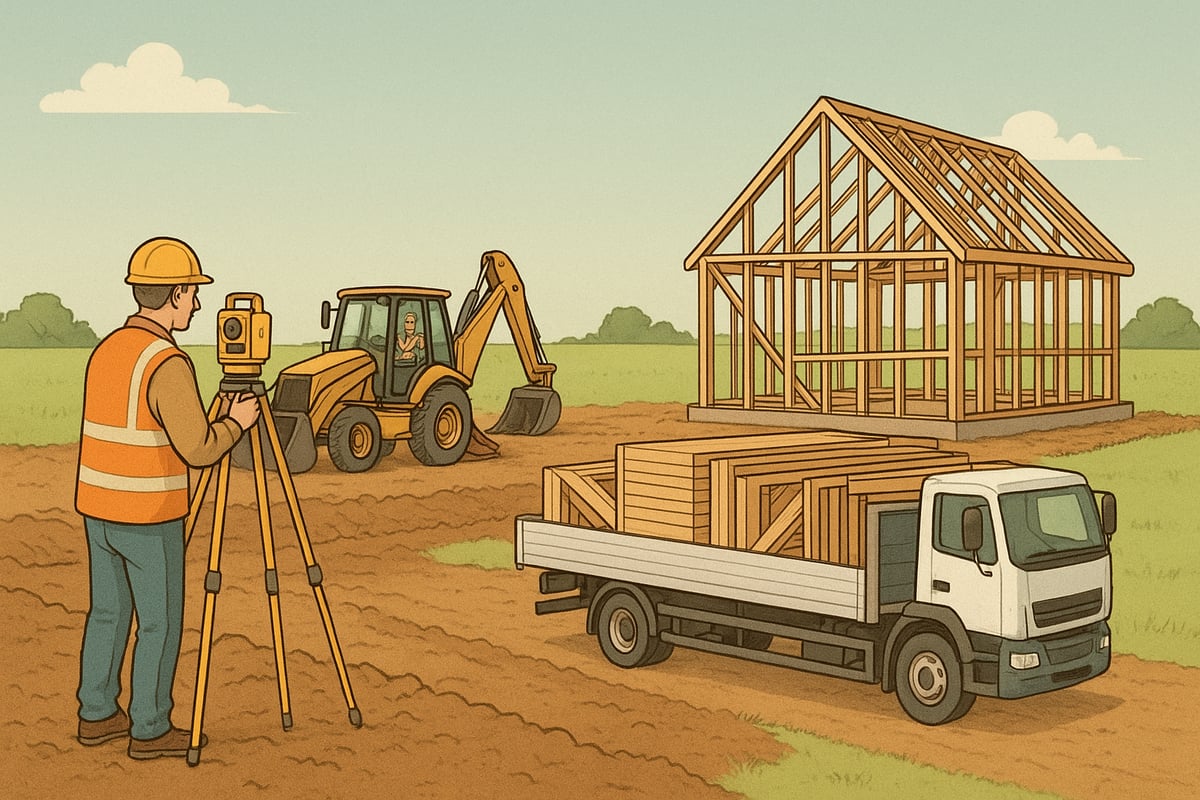
Embarking on a house frame kit project requires careful planning and step-by-step preparation. Each stage, from permissions to insurance, sets the foundation for a successful build and a smooth journey to your new home. Understanding each requirement helps you make informed decisions and avoid costly delays.
Securing Planning Permission and Approvals
The first step for any house frame kit build is obtaining the right planning permission. Begin by seeking pre-application advice from your local planning authority. Submit detailed plans, ensuring your kit specifications and structural details are included.
Expect a standard approval timeline of 8 to 12 weeks. Address any planning conditions promptly to prevent hold ups. Clearly referencing your house frame kit in the submission ensures compliance and avoids confusion later. Remember, building regulations approval is also required, covering everything from energy performance to fire safety. This is crucial for a smooth construction phase and future resale.
Site Preparation and Foundations
Thorough site preparation is vital for a successful house frame kit project. Arrange a site survey to assess ground conditions and determine the best foundation type, whether slab, strip, or pile. Groundworks must be completed to the precise tolerances specified by your kit manufacturer.
For a detailed look at the process, review this Timber frame home construction guide, which covers essential steps for preparing your site and laying foundations. Some suppliers, such as Vision, offer full build packages that include groundworks, helping to streamline your project. Always confirm that the foundation design matches the requirements of your chosen house frame kit.
Ordering and Lead Times
Engage with your supplier early to ensure a seamless ordering process for your house frame kit. Typical lead times from order to delivery range from 8 to 16 weeks, depending on supplier workload and kit complexity.
Coordinate delivery schedules with your builder or installer to avoid delays. Ensure you have adequate, secure storage on site for the kit components upon arrival. Early planning at this stage allows you to manage your build timeline effectively and avoid unnecessary costs due to storage or logistics issues.
Arranging Skilled Labour and Installation
Decide whether you will erect your house frame kit yourself, use the supplier's assembly service, or hire a third-party contractor. If you choose self-build, make sure you have the necessary skills and tools, as well as access to technical support.
Suppliers often offer installation services, and using certified installers may be a requirement for warranty validity. Always review the warranty terms related to installation to protect your investment. Reliable labour ensures the kit is assembled safely and to specification, reducing the risk of future issues.
Health and Safety Considerations
House frame kit erection requires strict attention to health and safety regulations. Ensure all workers wear appropriate personal protective equipment (PPE), such as helmets, gloves, and high-visibility vests.
Follow Construction (Design and Management) Regulations (CDM) to manage site risks. The use of lifting equipment for heavy panels and trusses is common, so only trained personnel should operate machinery. Keeping the site organised and clean reduces accidents and helps maintain a safe environment for everyone involved.
Insurance and Risk Management
Protecting your house frame kit project with the right insurance is essential. Arrange site insurance to cover materials and work in progress. Public liability insurance is needed to protect against accidents or damage involving third parties.
Consider a structural warranty for long term peace of mind, which many suppliers offer as standard. Check that your cover is valid throughout the build and into the warranty period. Taking these steps ensures your investment is safeguarded from unforeseen events and delays.
Step-by-Step Guide: From Kit Delivery to Completed Structure
Building with a house frame kit is a streamlined process, but it demands careful attention at every stage. This step-by-step guide ensures you move confidently from kit delivery right through to a completed, regulation-compliant home. Each phase is designed to maximise efficiency, safety, and quality.
Step 1: Kit Delivery and Inspection
The journey begins with the arrival of your house frame kit on site. It is essential to check every package and component against the supplier’s packing list before anything else.
Carefully inspect for any visible damage or missing parts. If you identify issues, report them to your supplier immediately to avoid delays. Many suppliers, such as Vision Development, provide detailed manuals and support to help you verify that your house frame kit is complete and ready for the next steps.
- Cross-check components with delivery notes.
- Store materials safely, sheltered from weather.
- Photograph any issues for warranty claims.
This initial inspection sets the tone for a smooth assembly and protects your investment.
Step 2: Foundation Preparation
Proper foundations are crucial for any house frame kit build. Before frame erection, ensure the groundworks and foundations match the kit manufacturer’s specifications.
A level, stable base is vital for accurate assembly. Typical foundation types include slab, strip, or pile systems, chosen based on site conditions and engineer recommendations.
- Confirm foundation levels and dimensions.
- Install damp proof courses as required.
- Allow time for concrete curing before starting frame work.
By aligning your foundations with the house frame kit requirements, you prevent costly errors and guarantee structural integrity.
Step 3: Frame Assembly
With foundations ready, frame assembly begins. The pre-cut panels, trusses, and joists are erected in a logical sequence, starting with ground floor walls and progressing upwards.
Many kits, like those from Vision Development, include engineered roof trusses and metal web joists to simplify construction. Lifting equipment is often provided or recommended for safe, efficient handling of large components.
- Fix wall panels securely to foundation.
- Use supplied fixings and follow installation guides.
- Assemble upper storeys and roof structure as specified.
This stage transforms your house frame kit from flat packs into the visible skeleton of your new home.
Step 4: Roof and Floor Installation
Next, focus shifts to the roof and intermediate floors. Install roof trusses, sheathing, and waterproof membranes to achieve a weather-tight shell quickly.
Intermediate floors, such as chipboard over metal web joists, are fitted according to the design. This enables safe movement for trades during internal works.
- Secure trusses and bracing for stability.
- Lay flooring materials as per the kit instructions.
- Complete roofing details to prevent water ingress.
A swift, precise approach here reduces weather risks and keeps the house frame kit project on schedule.
Step 5: Doors, Windows, and External Finishes
With the structure enclosed, install windows and doors if they are included in your house frame kit. If not, coordinate with suppliers to fit these elements promptly after frame completion.
External finishes can range from timber cladding to render or brick slips, depending on your design and planning requirements.
- Check all openings for correct sizing.
- Fit doors and windows using recommended methods.
- Apply external finishes to protect and complete the building envelope.
This phase enhances security, insulation, and weather resistance for your home.
Step 6: Internal Works
Now, internal works can begin. This involves fitting insulation, vapour control layers, and plasterboard to achieve high energy performance and comfort.
First-fix electrics and plumbing are installed, taking advantage of service voids or pre-planned routes within the house frame kit design.
- Install insulation to manufacturer’s U-value specifications.
- Fit mechanical and electrical services in coordination with other trades.
- Complete plasterboarding and prepare for finishing.
Attention to detail here ensures your house frame kit delivers on its energy efficiency promise.
Step 7: Final Inspection and Handover
The build concludes with final inspections. Conduct a thorough snagging process, identifying and rectifying any minor defects.
Ensure all work complies with UK Building Regulations, and arrange for completion certificates and warranties. Suppliers like SipHouse typically provide a 10-year warranty upon successful completion.
- Walk through with main contractor or supplier.
- Obtain building control sign-off.
- Collect all documentation and warranty certificates.
This step brings peace of mind and marks the successful delivery of your house frame kit project.
Tips for a Smooth Build
- Communicate regularly with your supplier and installation team.
- Keep detailed records, including photographs of each stage.
- Use the step-by-step instructions provided with your kit.
- Coordinate deliveries to minimise on-site storage time.
- Choose skilled, certified installers to maintain warranty cover.
For a deeper understanding of cost implications at each stage, you can consult this Frame house cost breakdown, which details the main budget elements of a typical frame house project.
A methodical approach, combined with the right house frame kit, can make your 2026 build both efficient and rewarding.
House Frame Kit Costs, Financing, and Value Considerations
Understanding the financial side of a house frame kit project is crucial for a successful build. Costs can vary based on design, supplier, and scope, so careful budgeting ensures you stay in control throughout your project.
Breakdown of Typical Costs
A house frame kit typically includes pre-cut frames, panels, and fixings, with prices starting around £40,800 for a 120m² two-bedroom design. Additional costs cover groundworks, installation, finishes, and services like plumbing and electrics.
Here’s a simplified table to illustrate common cost elements:
| Cost Element | Typical Amount |
|---|---|
| House frame kit | £40,800 |
| Groundworks & Foundations | £20,000–£40,000 |
| Installation | £10,000–£25,000 |
| Internal Finishes | £40,000–£60,000 |
| Full Build Package | Up to £300,000 |
Review what’s included with your kit, as exclusions (windows, insulation, doors) can affect your overall spend.
Financing Options for Self-Builders
Financing a house frame kit project requires careful planning. Many opt for self-build mortgages, which release funds in stages as the build progresses. Some lenders offer products tailored to prefabricated or kit builds, which can simplify the process.
Other options include personal loans, savings, or government grants for energy-efficient homes. Accurate budgeting, with a contingency fund of 10–15 percent, helps avoid unexpected costs. Consult with lenders early to confirm eligibility and requirements for your house frame kit project.
Value for Money and Long-Term Savings
Investing in a house frame kit offers savings beyond the initial build. High insulation values mean lower energy bills, while precision engineering reduces waste and maintenance costs.
A well-designed kit home can boost property value due to modern standards and sustainability features. Over time, reduced running costs and increased efficiency make a house frame kit an attractive long-term investment for homeowners seeking value and comfort.
VAT and Tax Considerations
VAT rules favour new house frame kit builds in the UK. If your supplier both provides and erects the kit, you may be eligible for zero-rated VAT. This can result in significant savings on your project.
Always check HMRC guidelines or consult a tax professional to confirm eligibility. Note that renovations or extensions may not qualify for the same VAT relief as new builds. Accurate records and compliant paperwork are essential for claiming exemptions.
Cost Comparison: Kit vs. Traditional Build
A house frame kit can offer savings of 10–20 percent compared to traditional brick-and-block construction. Faster assembly and reduced on-site labour contribute to lower costs overall.
Waste is minimised due to factory precision, and energy-efficient designs help cut long-term expenses. According to the UK prefabricated buildings market analysis, timber and SIP-based kits are increasingly popular for their cost-effectiveness and sustainability, making them a smart choice for forward-thinking self-builders.
Future Trends and Innovations in House Frame Kits
Modern construction is evolving rapidly, and house frame kit technology is at the forefront of this transformation. As we look ahead to 2026, several trends are set to shape how these kits are designed, built, and lived in.
Advances in Prefabrication and Modular Design
Digital design and manufacturing are driving a new era for the house frame kit market. Factories now use 3D modelling and CNC machinery to produce components with millimetre precision. This ensures every part fits perfectly on-site, reducing build time and errors.
The rise of modular construction allows entire rooms or sections to be created off-site and delivered ready to install. These systems offer plug-and-play flexibility and can be tailored to bespoke layouts. According to the Prefabricated housing market study, the UK market is seeing increased investment in factory-built solutions, supporting both speed and quality.
Sustainable Materials and Green Technologies
Sustainability is a core driver in the future of the house frame kit sector. Manufacturers are moving towards cross-laminated timber, recycled steel, and low-carbon insulation materials. These choices not only reduce the environmental footprint but also enhance the energy efficiency of each home.
Integration of renewable technologies is becoming standard. Many kits now include pre-installed solar panel mounts, provision for heat pumps, or even green roofs. By 2026, expect most house frame kit offerings to meet or exceed the highest energy standards, making eco-friendly living more accessible.
- FSC and PEFC-certified timber as the default
- Use of recycled and circular materials
- Low-carbon insulation and airtight construction
Smart Home Integration
The modern house frame kit is designed with future technology in mind. Pre-wired infrastructure for smart heating, lighting, and security is increasingly common. Homeowners benefit from energy monitoring, automated controls, and seamless integration with mobile devices.
Some kits offer modular smart walls, allowing easy upgrades as technology advances. With these features built in, the house frame kit becomes not just a structure but a platform for connected living.
Regulatory Changes and Net Zero Targets
Upcoming UK building regulations, including the Future Homes Standard, will impact every house frame kit design. Stricter rules on insulation, airtightness, and carbon emissions are on the horizon, pushing suppliers to innovate.
By 2026, expect all reputable kits to comply with or surpass these requirements. The government’s push for net zero and sustainable construction is accelerating change across the industry. For further details on regulatory shifts and their impact, the Prefabricated construction industry report offers in-depth analysis.
Market Outlook for 2026 and Beyond
The UK market for house frame kit solutions is set for significant growth. Industry forecasts suggest prefab and kit homes could make up 20 percent of all new builds by 2030. Demand is rising for customisable, eco-friendly, and efficient homes that can be delivered to both urban and rural sites.
With continuous innovation and strong regulatory support, house frame kit options will only become more advanced, accessible, and attractive in the coming years.
Now that you have a clear understanding of house frame kits, their benefits, and what to look for when planning your 2026 project, you can see how a bespoke timber frame can truly transform your self build experience. With Acorn to Oak Framing’s expertise in sustainable design, traditional craftsmanship, and precise attention to quality, you are well equipped to create a durable, energy efficient home tailored to your needs. If you are ready to take the next step towards building your ideal space, explore the bespoke options available and start your journey today by visiting BUILD NOW.


