
The frame house cost landscape is shifting fast, and 2026 promises new opportunities for anyone dreaming of a custom-built home. With advances in materials and design, frame houses now offer more energy efficiency and sustainability than ever before.
This guide will break down everything you need to know about frame house cost in the UK for 2026. We will explore what drives pricing, how to budget wisely, and what to expect at every stage of your project.
Ready to plan your perfect home and make smart financial decisions? Let us show you how to navigate the exciting world of frame house cost in 2026.
Understanding Frame House Construction in 2026
The landscape of frame house construction in 2026 is evolving rapidly. Homeowners are increasingly drawn to frame builds for their blend of speed, sustainability, and cost efficiency. To make informed choices about frame house cost, it is essential to understand the construction methods, latest trends, regulatory context, and project timelines shaping the UK market.
What Is a Frame House?
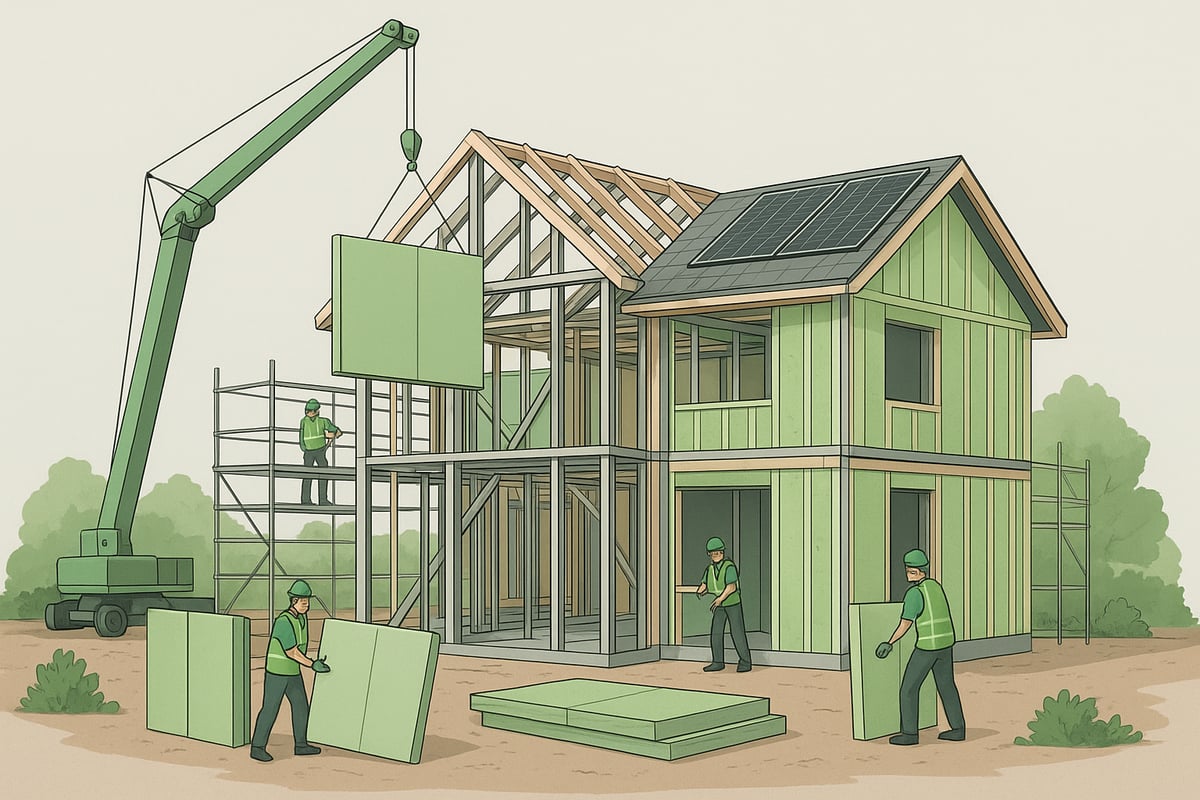
A frame house uses a structural skeleton made from timber, steel, or a hybrid of both, supporting the entire building. Unlike traditional masonry builds, frame houses rely on prefabricated or site-assembled frames as the primary load-bearing element. Timber frames are most popular, but steel and hybrid options are gaining traction.
In the UK, frame houses are becoming mainstream. Recent data shows timber frames now make up over 30% of new builds. Self-builders and developers are choosing this method for its flexibility and reduced frame house cost compared to brick or block construction. Timber frames, for example, offer faster build times and improved energy performance, while steel frames provide added durability for complex designs.
Innovations and Trends Shaping 2026 Builds
Frame house construction in 2026 is shaped by technological and material advancements. Prefabrication and modular systems are transforming how homes are built, allowing for significant reductions in build times. For example, prefabricated timber frames can cut construction periods by 30% and streamline the overall frame house cost.
Sustainability is now central, with FSC-certified timber and low-carbon materials in high demand. Modern designs favour open-plan living, large glazed areas, and flexible layouts that adapt to changing needs. Technology, such as digital design tools and automated manufacturing, is making it easier to control costs and deliver high-quality results on schedule.
Regulatory and Planning Considerations
Building a frame house in the UK requires careful navigation of regulations and planning processes. All frame homes must comply with current building regulations, which are updated regularly to enhance fire safety, insulation, and structural standards. For 2026, stricter energy efficiency rules are expected, impacting both design and frame house cost.
Securing planning permission is essential for new builds and extensions. Early engagement with local authorities and understanding new fire safety and insulation guidelines can prevent costly delays. Proactive compliance not only keeps projects on track but also reduces the risk of unexpected expenses during construction.
Timeline: How Long Does It Take to Build a Frame House?
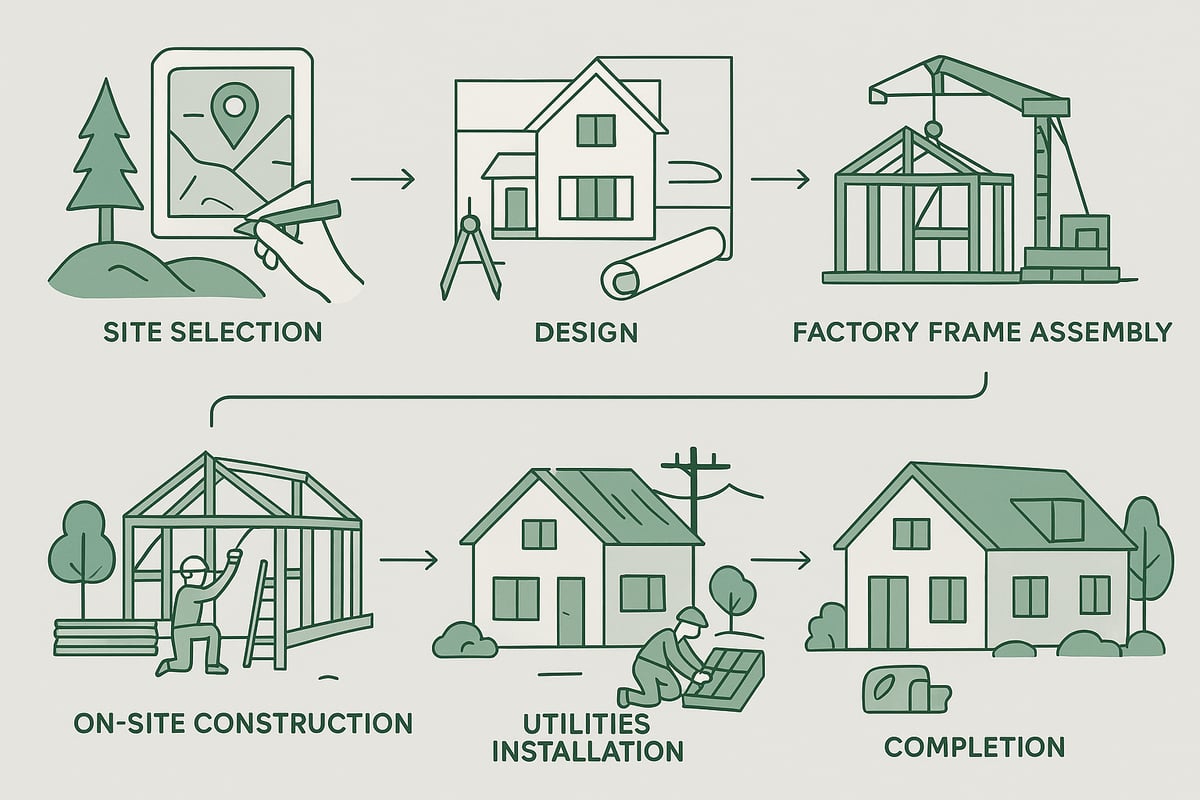
The speed of frame house construction is a key advantage. Typically, the process begins with design and planning, followed by factory manufacture of the frame, then on-site assembly and internal fit-out. Factory production can take around 12 weeks, while on-site work lasts 4 to 6 months, depending on complexity.
Prefabricated frame houses can be completed significantly faster than traditional builds. Efficient project management and streamlined logistics mean that the total frame house cost is often lower. For a step-by-step look at the process and how it influences both timing and costs, see the Frame home construction process.
Frame House Cost Breakdown for 2026
Understanding the frame house cost in 2026 is essential for anyone planning to build in the UK. With market trends shifting and new technologies emerging, knowing where your budget will go can help you make informed decisions. Let’s break down the typical costs and what drives them, so you can prepare confidently for your frame house project.
Average Frame House Costs (By Size & Type)
The average frame house cost in 2026 will reflect both inflation and advancements in construction. Nationally, expect to pay between £1,700 and £2,300 per square metre, with prices projected to rise slightly from 2025. Here’s a summary by house size:
| House Size | Typical Cost Range |
|---|---|
| 2-bed | £187,000–£197,000 |
| 3-bed | £230,000–£250,000 |
| 4-bed | £284,500–£304,500 |
| 5-bed | £328,000–£488,000 |
Prefab frame homes generally sit at the lower end of these ranges, while bespoke designs cost more due to customisation and specialist labour. Size and complexity remain the main cost drivers. For a deeper dive into real pricing and trends, see this Timber frame home costs UK resource.
Detailed Cost Components
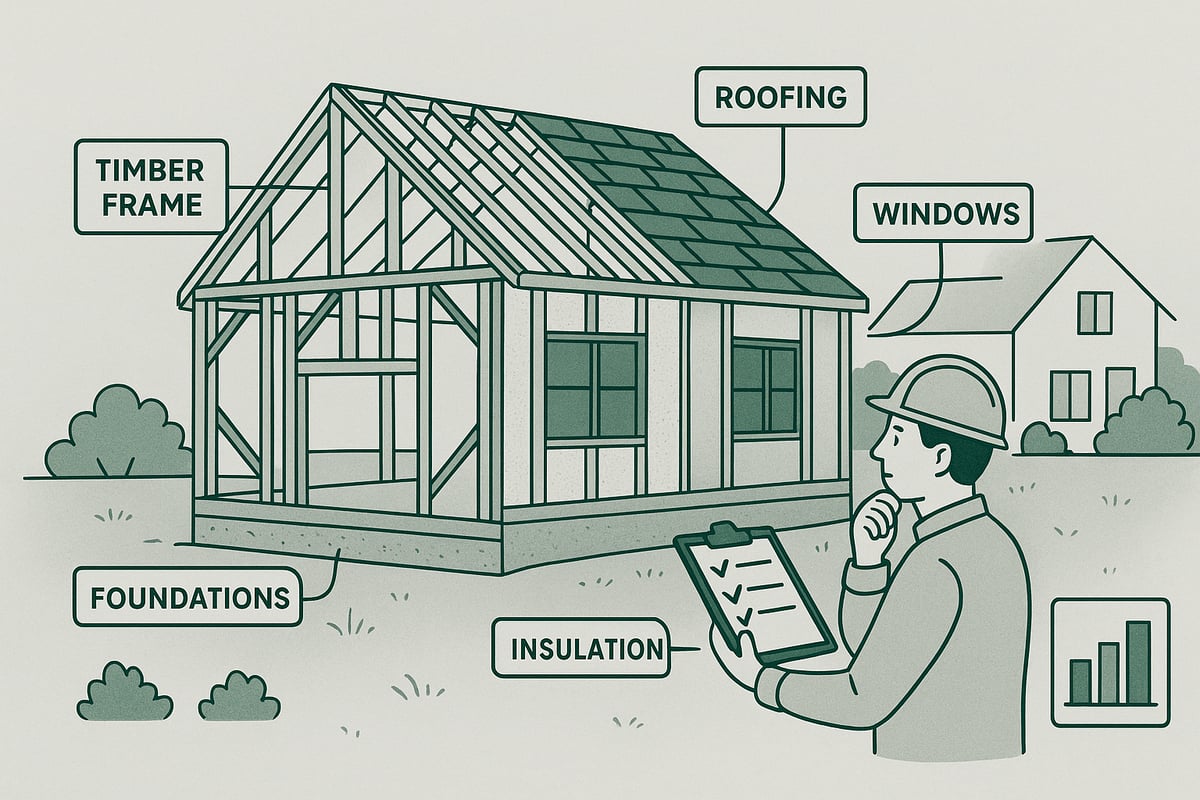
A frame house cost is made up of several core components:
- Materials: Timber or steel frames, high-performance insulation, cladding, and roofing.
- Labour: Specialist contractors, project management, and site supervision.
- Groundworks: Foundations, drainage, and site preparation.
- Utilities: Plumbing, electrics, heating systems, and ventilation.
- Fittings: Kitchens, bathrooms, flooring, and interior finishes.
For example, a 60m² timber frame build may cost between £80,000 and £100,000, depending on whether you self-manage or use a main contractor. Self-builders can save significantly on labour but must be prepared for hands-on involvement. Ultimately, each component impacts the total frame house cost, so detailed quotes are crucial.
Additional Costs to Consider
Beyond the core build, several additional expenses can influence your overall frame house cost:
- Land purchase: Not included in build costs and highly variable.
- Planning and surveys: Fees for planning permission, architectural drawings, and regulatory approvals.
- Site access: Costs for crane hire, difficult ground conditions, or restricted access.
- Insurance and warranties: Essential for protecting your investment and resale value.
For instance, foundation costs can vary greatly with local soil types, affecting both budget and build time. Always factor in these extras early to avoid surprises.
Factors That Influence Total Cost
Your frame house cost will be shaped by a range of personal and project choices:
- Design: Custom layouts and architectural features increase costs over standard kits.
- Materials: High-spec cladding or roofing, and large windows or doors, can add significantly.
- Sustainability: Upgrades like triple glazing or air source heat pumps improve efficiency but raise upfront costs.
- Specification: High-end finishes and advanced eco-credentials are excellent for comfort and resale, but come at a premium.
For example, a standard kit frame house will typically be more cost-effective than a bespoke design with luxury finishes.
Regional Variations in Frame House Costs
Frame house cost varies considerably across the UK. In London and the South East, expect to pay at the higher end of national averages due to higher labour rates and logistics. Conversely, costs in the North and rural areas are generally lower, thanks to local material availability and less demand.
For example, urban projects often face higher costs for site access and skilled trades. Always research local rates and consult regional data before finalising your budget.
Step-by-Step Guide to Budgeting for a Frame House in 2026
Budgeting for a frame house cost in 2026 requires a methodical approach. By following each step, you can avoid surprises and ensure your project stays on track. Let’s break down the process so you can plan with confidence.
Step 1: Define Your Requirements and Priorities
Begin by clarifying your vision for the project. Decide on the size, number of bedrooms, and architectural style that best fits your lifestyle. Establishing clear priorities early will help you manage your frame house cost, as every choice impacts the overall budget.
Make a list of must-have features, such as energy efficiency, flexible living spaces, or specific design elements. Setting a realistic budget limit at this stage ensures you don’t overcommit financially. Remember, aligning your aspirations with your budget is vital for a successful frame house project.
Step 2: Secure Land and Permissions
Finding the right plot is a crucial step in controlling your frame house cost. Research available land in your preferred location, considering factors like site access, ground conditions, and proximity to amenities.
Once you’ve identified a plot, explore planning permission requirements. The process may vary between brownfield and greenfield sites, affecting both timelines and costs. Planning fees, surveys, and regulatory approvals are additional expenses to factor into your budget. Being thorough during this stage can prevent costly delays later.
Step 3: Choose Frame House Type and Supplier
Selecting the right construction method and supplier is central to managing your frame house cost. Decide between a prefabricated kit or a bespoke design, each offering different benefits for budget and flexibility.
Research reputable frame house specialists and request references or examples of completed projects. Comparing quotes from multiple suppliers allows you to assess value for money and quality. Consider supplier location, as sourcing UK-made kits can reduce logistics expenses and lead times. This step sets the foundation for the next stages of your build.
Step 4: Obtain Detailed Quotes and Contracts
Request comprehensive, itemised quotes from your shortlisted suppliers. Ensure each quote details what is included and what is excluded, such as foundations, fit-out, or site access. Clear contracts protect you from unexpected costs and misunderstandings.
Clarify hidden expenses, like delivery charges or crane hire. It’s also wise to account for future building cost trends. According to the Projected 12% rise in building costs by 2030, materials and labour are likely to become more expensive, so locking in prices early could save money. Careful attention to this stage will help you control your frame house cost and avoid overruns.
Step 5: Plan for Contingencies and Extras
Every frame house cost estimate should include a contingency fund, typically 10 to 15 percent of your total budget. This buffer covers unexpected issues, such as challenging ground conditions or specification changes during construction.
Allow flexibility for upgrades, like improved insulation or enhanced finishes. By planning for extras and potential surprises, you can avoid financial stress and keep your project moving smoothly. Remember, well-prepared budgets are less likely to be derailed by unforeseen events.
Step 6: Monitor Spend During Construction
Once building begins, track your spending closely against your initial frame house cost plan. Use digital project management tools or hire a professional to help manage invoices, schedules, and payments.
Regularly review costs at each stage, from groundwork to fit-out. If you face budget pressures, consider value engineering options, such as switching to standardised fittings. Staying proactive with your budget allows you to address issues early and ensures your frame house cost remains under control.
Key Benefits and Drawbacks of Frame Houses in 2026
Building a frame house in 2026 offers a blend of innovation and tradition, making it a compelling option for homeowners seeking efficiency, sustainability, and value. However, understanding the frame house cost landscape means weighing both the advantages and potential challenges before making your decision.
Benefits of Frame House Construction
Frame houses deliver several key benefits for UK homeowners in 2026. Their energy efficiency is a major draw, as high-performance insulation, airtight construction, and modern glazing reduce heating bills and lower frame house cost over time. Sustainability is another highlight, with renewable materials like FSC-certified timber and low-carbon steel helping cut environmental impact.
Speed is a top advantage. Prefabricated frame systems can be assembled on-site in a fraction of the time needed for brick builds, often completing the shell in weeks rather than months. This efficiency directly influences frame house cost, keeping project timelines and budgets in check.
Design flexibility also sets frame houses apart. Open-plan layouts, large windows, and adaptable internal spaces create homes tailored to modern lifestyles. For example, thin but strong timber frame walls maximise usable interior space without sacrificing strength. Data from recent UK projects shows build times up to 30% faster, with average frame house cost around £2,000 per m².
Drawbacks and Challenges
Despite these benefits, there are important drawbacks to consider with frame houses. Some buyers and lenders perceive non-standard construction as riskier, which can affect mortgage approval or resale. Fire safety and insurance requirements are stricter, with certain insurers demanding additional documentation or higher premiums.
The lifespan of a frame house, especially timber, can be shorter than masonry, although treated timber now regularly exceeds 40 years. Lenders may require extra surveys or certifications, which can add to frame house cost and complexity.
For a detailed comparison, see this Timber frame vs. block construction cost analysis that explores how frame house cost, insurance, and resale differ between construction types.
Maintenance and Longevity
Ongoing maintenance is essential for frame houses. Timber elements need periodic treatment to prevent decay, and all structural components should be inspected regularly for moisture ingress or pest issues. With modern treatments and good maintenance, most frame houses are expected to last 40 years or more.
Examples from Scandinavian and German kit homes illustrate how warranties and regular upkeep can extend the life of a frame house significantly. This long-term approach helps protect your investment and manage frame house cost across decades.
Resale Value and Market Perception
Resale value for frame houses in the UK has become more positive in recent years. As awareness grows and more buyers seek sustainable, energy-efficient homes, frame house cost is increasingly seen as a worthwhile investment. Overcoming buyer concerns is possible by securing robust warranties and recognised certifications.
Recent market data suggests that timber frame houses are appreciating at similar rates to traditional builds, especially when quality and sustainability are evident. Transparent documentation and a reputable build history further enhance resale prospects and help justify the initial frame house cost.
Sustainability and Environmental Impact
Frame houses excel in sustainability. Using FSC-certified timber and low-embodied energy materials, they align with the UK’s green building targets for 2026. Choosing a frame house reduces carbon emissions and supports responsible forestry.
For self-builders focused on minimising environmental impact, frame house cost is balanced by long-term energy savings and lower ecological footprint, making this choice both future-proof and responsible.
Real-World Frame House Cost Examples and Case Studies
Real-world examples are crucial for understanding what you might actually pay for a frame house cost in 2026. Below, we explore detailed case studies and typical project budgets, so you can benchmark your own plans with confidence.
Costed Examples by House Size
Frame house cost varies widely based on house size, complexity, and specification. Below is a summary of typical budgets for new frame builds in the UK for 2026, based on recent project data:
| House Size | Typical Cost Range (2026) |
|---|---|
| 2-bed | £187,000–£197,000 |
| 3-bed | £230,000–£250,000 |
| 4-bed | £284,500–£304,500 |
| 5-bed | £328,000–£488,000 |
These figures reflect national averages and include essentials like structure, fit-out, and finishes, but exclude land. For example, a 3-bed timber frame house cost is typically £230,000 to £250,000, while larger, bespoke 5-bed projects can surpass £450,000, especially when premium features or complex layouts are specified.
Comparing recent builds, prefab frame house cost is often 10-15% lower than bespoke designs, with savings coming from streamlined processes and reduced on-site labour. However, final costs always depend on individual choices and site conditions.
Extension and Outbuilding Costs
Many homeowners look to add space with timber frame extensions or outbuildings. For a typical 60m² single-storey extension, the frame house cost ranges from £80,000 to £100,000, depending on factors like finishes and project management.
Garden rooms and garages are also popular. Prefabricated kits for these outbuildings start from £12,000 for a basic garden room, rising to £35,000 or more for insulated, fully fitted structures. The cost of a timber frame extension can be explored in more detail in this Cost of timber frame extensions guide, which outlines specific price breakdowns and real project examples.
Site access, ground conditions, and level of customisation can all influence total spend, so always request clear, itemised quotes.
Self-Build vs. Contractor-Led Projects
Choosing a self-build approach can significantly impact your frame house cost. For a 60m² timber frame extension, a self-managed build averages £80,000, while a contractor-led project typically reaches £100,000.
Self-builders often save on labour by taking on project management or certain trades, but must budget for unforeseen issues and potential delays. Contractor-led projects offer more predictability and warranty cover but come at a premium.
Consider your skills, available time, and risk appetite before deciding. In many cases, hybrid approaches—such as managing finishing works yourself—deliver the best balance between savings and quality.
Lessons from Recent UK Projects
Recent frame house builds highlight several key lessons for controlling frame house cost. Common overruns occur due to underestimating groundworks, changing specifications mid-project, or missing regulatory requirements.
Successful projects start with early engagement of a frame house specialist and thorough site surveys. Clear, fixed-price contracts and regular budget reviews help avoid surprises.
For example, one 3-bed project in Kent stayed within budget by prioritising standard layouts and early design freeze, while another in Yorkshire faced a 12% overspend due to unexpected foundation challenges.
FAQs: Frame House Costs in 2026
How does frame house cost compare to traditional brick builds?
Typically, frame house cost is similar or slightly lower, especially for prefabricated builds.
Are running costs lower?
Yes, frame houses are often more energy-efficient, reducing heating bills.
Is planning permission required?
Most frame houses need planning approval.
Do prefab and bespoke frame house cost differ?
Prefab is usually more cost-effective, while bespoke offers greater flexibility at a higher price.
Expert Tips for Saving Money on Your 2026 Frame House Build
Building a frame house in 2026 offers many opportunities to save money without compromising quality. By making informed decisions at every stage, you can keep your frame house cost under control and achieve excellent value. Let us explore expert strategies to maximise your budget.
Smart Design Choices to Reduce Costs
The first step to achieving a competitive frame house cost is to simplify your design. Opt for straightforward shapes, such as rectangles or squares, since complex layouts demand more materials and skilled labour.
Choose standard room sizes and avoid unnecessary architectural flourishes. For example, sticking to standard window and door sizes can reduce both material and installation expenses. Open-plan layouts not only reflect modern tastes but also cut down on internal wall construction.
- Stick to regular floor plans
- Minimise bespoke joinery
- Limit non-standard window shapes
Prioritising energy efficiency features, such as adequate insulation, can also save you money in the long run. Each decision at the design stage affects your frame house cost, so focus on what delivers the best long-term value.
Selecting the Right Materials and Suppliers
Your choice of materials greatly influences frame house cost. Opt for high-quality but cost-effective options, such as FSC-certified timber, which balances sustainability with durability. When comparing suppliers, request detailed quotes and check what is included.
Working with experienced, reputable specialists often reduces the risk of costly mistakes. Consider the benefits of modular or hybrid systems, which can cut build times and streamline logistics. For more on material innovations and cost implications, see the Timber frame hybrid house guide.
- Choose UK-sourced timber when possible
- Request itemised supplier quotes
- Evaluate prefabricated vs bespoke frame kits
A clear understanding of your options helps you control frame house cost at every stage.
Managing the Build Efficiently
Efficient project management is essential for keeping your frame house cost within budget. Hiring a professional project manager or using digital tools can help you track spending and avoid delays.
Schedule trades carefully, ensuring each team is ready when needed. Prefabrication is a proven way to reduce on-site labour and minimise weather-related setbacks. Assembling components off-site also improves quality and can help you finish your build faster.
- Use project management apps to monitor progress
- Confirm delivery dates with suppliers
- Schedule trades to avoid downtime
A disciplined approach to building can make a significant difference to your overall frame house cost.
Avoiding Common Pitfalls and Hidden Costs
Many homeowners encounter unexpected expenses that inflate frame house cost. Always review quotes for exclusions, such as site access, landscaping, or utility connections. Regulatory fees and compliance costs can also catch you off guard if not planned for early.
Set aside a contingency budget, typically 10 to 15 percent, to cover unforeseen issues like challenging ground conditions. Familiarise yourself with building regulations and certification requirements, as outlined in the NHBC Standards 2025: Timber frame design certification, to avoid costly delays.
- Allow for planning and inspection fees
- Plan utility connections in advance
- Maintain a healthy contingency fund
Diligence in these areas will help you keep your frame house cost predictable and manageable.
Acorn to Oak Framing: Your Trusted Timber Frame Partner
Looking for a partner who understands every aspect of frame house cost and delivers exceptional craftsmanship? Acorn to Oak Framing, based in Hastings, is a leading UK specialist in bespoke and modular timber frame buildings, including homes, garages, and outbuildings. Their team combines decades of traditional carpentry expertise with cutting-edge design, helping clients achieve beautiful, energy-efficient results.
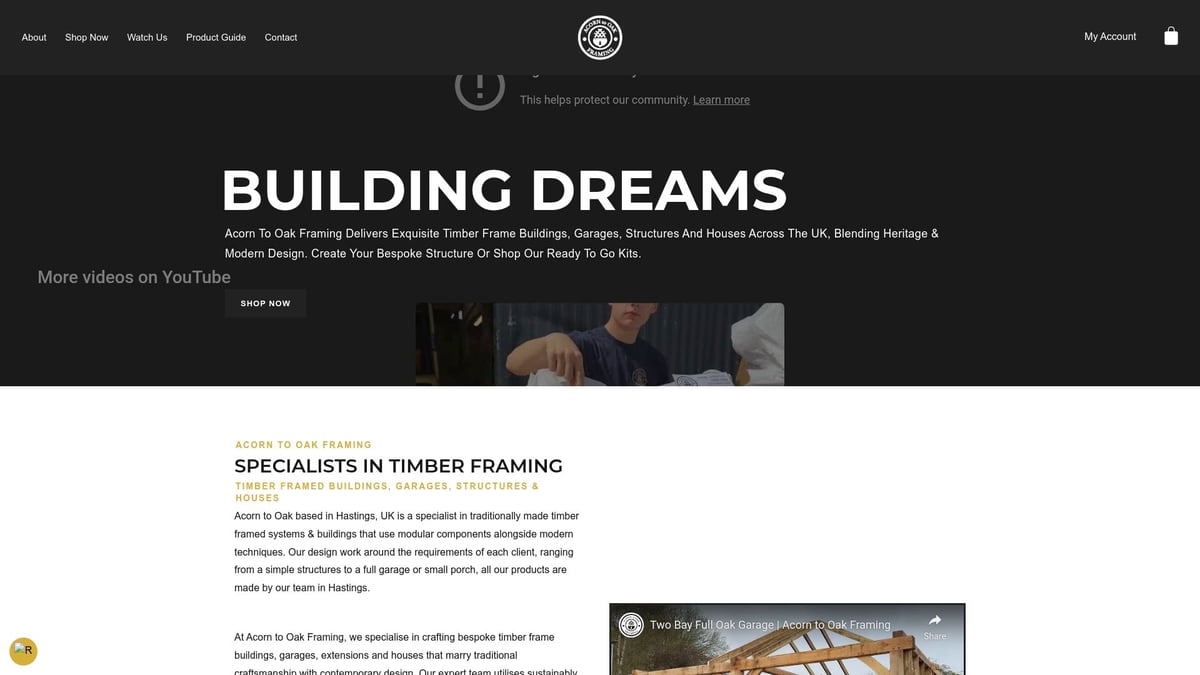
Acorn to Oak Framing uses only sustainable, FSC-certified oak timber, ensuring each project is both environmentally responsible and built to last. Their comprehensive services cover:
- Custom design and build for unique frame house projects
- Ready-to-assemble timber frame kits for self-builders
- Full project support from planning and permissions through to installation
- Strict compliance with all current UK building regulations
Whether you are a homeowner planning a compact outbuilding or a developer seeking a large, bespoke home, Acorn to Oak Framing offers flexible solutions tailored to your design vision and budget. Their expertise can help you manage your frame house cost efficiently, ensuring no surprises along the way.
For a personalised consultation or to request a bespoke quote, contact Acorn to Oak Framing today. Discover how their experience and attention to detail can make your dream frame house a reality.
As you look ahead to building your own frame house in 2026, understanding the costs and making informed choices will set you up for success. Whether you’re dreaming of a bespoke oak home or a practical, energy efficient extension, partnering with trusted specialists can make all the difference. At Acorn to Oak Framing, we combine traditional craftsmanship with modern design, guiding you from planning right through to completion—all while keeping your budget and aspirations in mind. If you’re ready to explore tailored solutions or have questions about your next project, let’s start the conversation today—simply CONTACT US.


