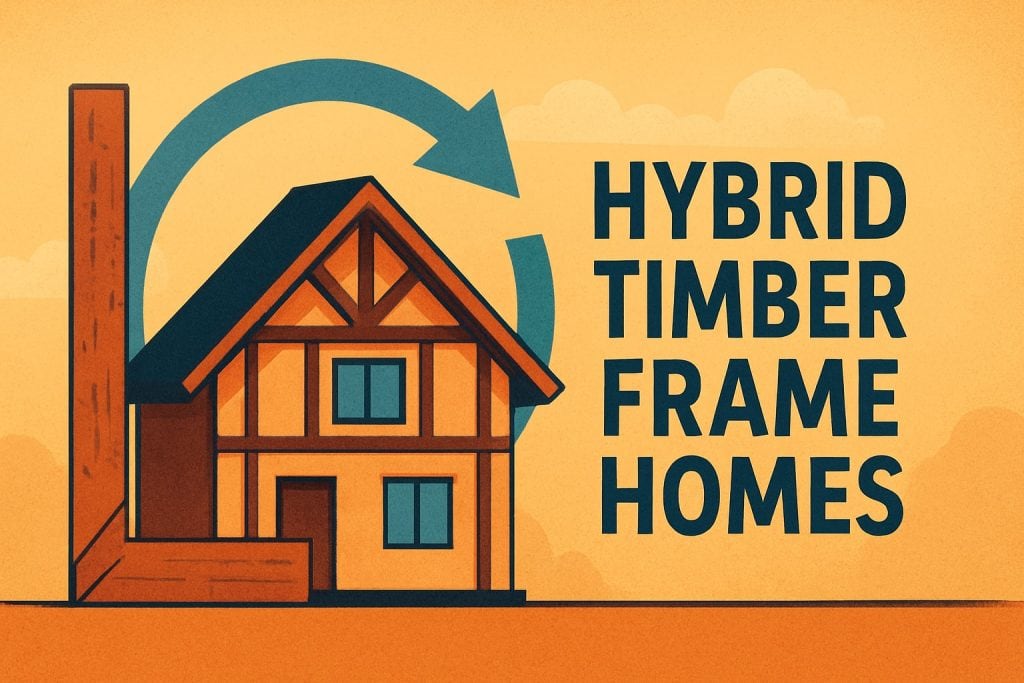
Hybrid timber frame homes are reshaping the UK housing landscape, blending timeless character with cutting-edge design. As more homeowners seek unique, sustainable living spaces, these homes offer remarkable flexibility and style.
This guide explores everything you need to know about hybrid timber frame homes in 2026, from concept to completion. Discover the latest construction methods, design trends, planning advice, costs, and sustainable innovations.
Ready to find out how hybrid timber frame homes can deliver a custom, eco-friendly solution tailored to your lifestyle? Dive in and explore the possibilities.
Understanding Hybrid Timber Frame Homes
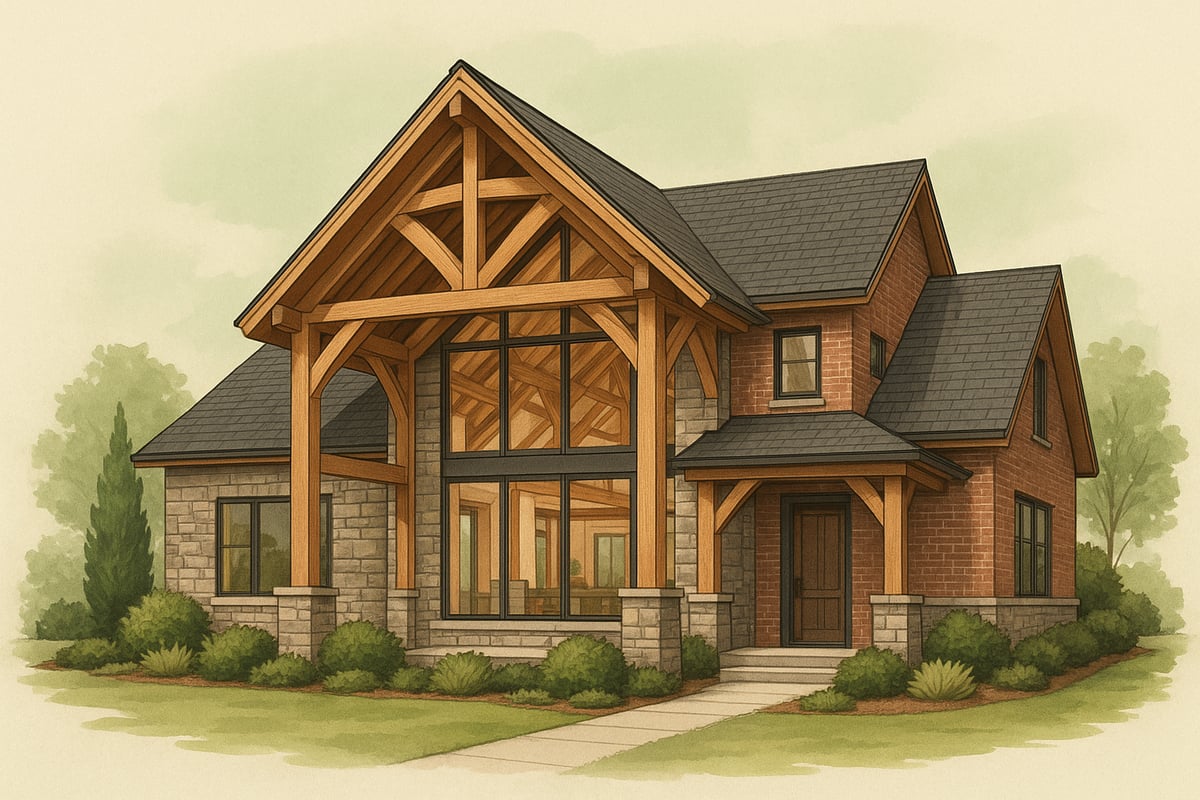
Hybrid timber frame homes have become a standout choice for modern self-builders and renovators across the UK. These innovative properties blend the timeless beauty of exposed timber frames with the practicality and versatility of contemporary building materials. Unlike traditional timber frame or standard brick-and-block homes, hybrid timber frame homes use both timber and modern elements for structure and aesthetics. This approach allows for unique architectural combinations, such as a dramatic oak-framed great room paired with a sleek stone or brick exterior. Their popularity continues to rise both in the UK and globally, offering homeowners the freedom to mix classic charm with cutting-edge design. For a deeper look into what makes these homes special, the Hybrid Timber Frame House Guide offers further insights.
What Is a Hybrid Timber Frame Home?
A hybrid timber frame home is a property where traditional timber framing is combined with modern construction techniques and materials. Unlike full timber frame homes, which rely almost entirely on timber for their main structural support, hybrids integrate steel, masonry, glass, and other materials for both structure and visual appeal. This flexibility lets homeowners create spaces that reflect both rustic and contemporary styles, such as a vaulted timber ceiling set within a modern, energy-efficient shell. The UK market, in particular, has embraced hybrid timber frame homes for their design freedom and ability to fit in both rural and urban landscapes. For example, a great room might showcase exposed oak beams, while the exterior features brick or stone cladding for added durability and character.
Key Components and Materials
The core of hybrid timber frame homes is the structural timber frame, often crafted from oak, Douglas fir, or larch. These frames are complemented by conventional stick-built elements, providing additional flexibility in design and construction. Modern hybrids also incorporate materials like:
- Steel for extra strength and support
- Glass for natural light and open views
- Stone or brick for exterior finishes
Decorative timber features, such as trusses, posts, and beams, add warmth and character. Insulation and energy-efficient materials play a crucial role, ensuring comfort and sustainability. According to industry estimates, over 60 percent of new timber homes in 2025 are expected to adopt hybrid systems, highlighting their growing appeal.
Advantages of Hybrid Timber Frame Construction
Hybrid timber frame homes offer a range of advantages that set them apart from other build types. Their design flexibility means layouts can be tailored to suit individual tastes, with options for open-plan spaces, home offices, or vaulted ceilings. They are often more cost-effective than full timber frame builds due to the efficient use of materials and modular options. Enhanced energy efficiency is achieved through advanced insulation and airtight construction, supporting sustainable living. Build times can be faster, thanks to prefabricated components. Structurally, hybrids deliver greater strength, making them ideal for large, open living spaces. Case studies often highlight open-plan homes with double-height great rooms and striking timber features.
Common Applications and Layouts
Hybrid timber frame homes are incredibly versatile in their applications and layouts. Exposed timber is commonly showcased in great rooms, kitchens, and porch areas, creating a focal point in communal spaces. These homes suit single-level, multi-storey, and open-plan designs, making them adaptable for a variety of settings, from rural retreats to urban family homes. Popular examples include hybrid barns, countryside getaways, and suburban residences. Many designs integrate outdoor living spaces, such as timber-framed porches or wraparound decks, seamlessly connecting the home with its surroundings. This adaptability makes hybrid timber frame homes an excellent choice for modern living.
Design Insights for Hybrid Timber Frame Homes
Designing hybrid timber frame homes brings together timeless craftsmanship and modern innovation. Homeowners can achieve a unique blend of traditional warmth and contemporary appeal, all while enjoying flexibility and sustainability throughout the design process.
Architectural Styles and Aesthetic Choices
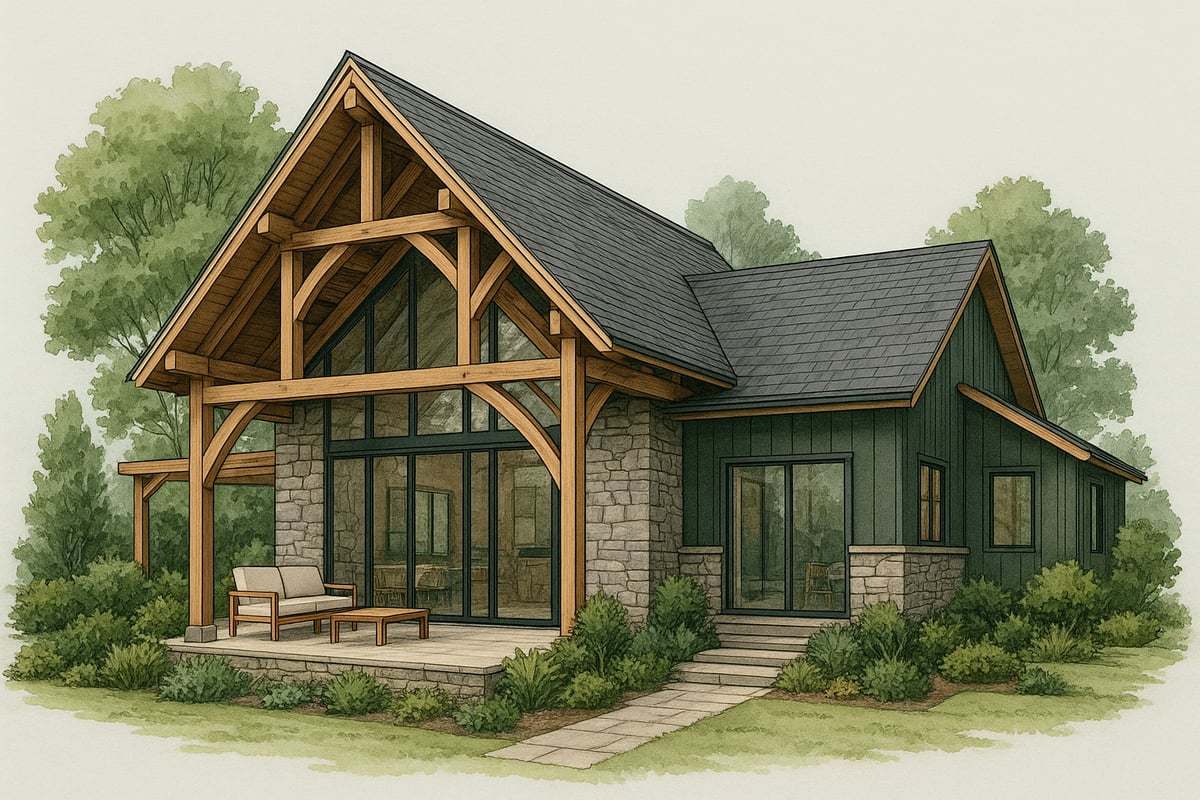
Hybrid timber frame homes offer exceptional versatility in architectural style. These homes seamlessly combine rustic features, such as exposed beams and natural wood, with sleek contemporary elements like glass walls or metal accents.
Homeowners can personalise exteriors with brick, stone, or timber cladding to create a look that suits rural, suburban, or urban settings. Interiors often feature open trusses, vaulted ceilings, and impressive timber details, lending a sense of grandeur.
For inspiration on modern design trends, the Contemporary Timber Frame Houses resource showcases how hybrid timber frame homes blend classic and cutting-edge aesthetics. Imagine a modern farmhouse, where oak beams frame open-plan spaces, while crisp lines and large windows provide ample natural light.
Customisation and Flexibility
One of the main attractions of hybrid timber frame homes is their adaptability. Clients can select from modular designs that allow for easy changes or tailor every detail from the ground up.
Mixing materials, finishes, and layouts means each home can reflect individual lifestyles, whether prioritising home offices, expansive kitchens, or multi-generational living. Virtual design tools further enhance flexibility, enabling real-time adjustments and collaborative planning.
With hybrid timber frame homes, clients are empowered to create truly bespoke environments. This flexibility also means future changes, such as adding new rooms or adapting spaces, are more straightforward than with conventional builds.
Interior Features and Room Planning
The interior design of hybrid timber frame homes maximises the visual impact of timber. Strategic placement of beams, posts, and trusses draws the eye upward and creates dramatic focal points in great rooms, kitchens, and entryways.
Open-plan layouts are common, emphasising space and natural light. Fireplaces, staircases, and feature walls can be integrated for added character. Many designs incorporate reclaimed or antique timber, introducing a sense of history and uniqueness.
For example, a great room might showcase dramatic timber trusses, while adjacent spaces use subtle timber accents. This approach ensures hybrid timber frame homes feel both inviting and architecturally striking.
Exterior Options and Outdoor Living
The exterior of hybrid timber frame homes is equally customisable. Popular choices include timber porches, pergolas, and expansive decks, which extend living spaces outdoors.
Siding options range from natural wood and shakes to metal and stone, allowing the home to blend with its environment. Landscaping is often planned in harmony with the structure, using native plants and hardscaping to enhance curb appeal.
Outdoor kitchens and entertainment areas are increasingly popular, especially in hybrid timber frame homes with large wraparound decks. These features foster a seamless transition between indoor comfort and outdoor enjoyment.
Sustainability and Eco-Friendly Design
Sustainability is central to the appeal of hybrid timber frame homes. Many designs use FSC-certified timber, ensuring responsible sourcing. Energy-efficient windows, superior insulation, and advanced heating systems further reduce environmental impact.
Low-impact construction methods are standard, minimising waste and preserving site ecology. Features like rainwater harvesting and green roofing contribute to ongoing efficiency.
Industry data shows hybrid timber frame homes can reduce embodied carbon by up to 30 percent. With eco-friendly materials and thoughtful design, these homes provide a responsible path to comfort and style.
Planning and Preparing for Your Build
Careful planning is the foundation of successful hybrid timber frame homes. Each stage, from choosing the right site to working with experienced professionals, plays a critical role in ensuring your project runs smoothly and delivers lasting value.
Site Selection and Orientation
Selecting the perfect plot for hybrid timber frame homes is the first step toward bringing your vision to life. Begin by assessing the ground conditions, considering access for deliveries and construction vehicles, and evaluating the site's suitability for your desired layout.
Orientation matters for both comfort and energy efficiency. Positioning your home to maximise natural light reduces heating costs and enhances wellbeing. Local planning regulations can vary, especially between rural and urban areas, so early research is essential.
For example, rural plots may offer more design freedom, while urban sites often require careful planning to meet space and access requirements.
Working with Architects and Designers
Partnering with architects experienced in hybrid timber frame homes ensures your project benefits from both creative flair and technical expertise. Look for specialists who understand how to combine timber with modern materials for structural integrity and aesthetic appeal.
A collaborative design process allows you to contribute ideas and preferences. Modern 3D modelling and visualisation tools offer real-time adjustments, helping you finalise every detail before construction begins.
Ensuring your plans comply with UK building regulations is crucial. Design consultations allow you to customise layouts, finishes, and features for a truly bespoke result.
Budgeting and Cost Considerations
Budgeting for hybrid timber frame homes involves breaking down costs into materials, labour, design fees, and permits. Compared to full timber frame or conventional builds, hybrids offer significant savings. Modular kits and phased construction can help keep expenses manageable.
| Build Type | Average Cost per Bay | Typical Savings |
|---|---|---|
| Hybrid Timber Frame | £3,500 | 10–20% vs. full timber |
| Full Timber Frame | £4,000+ | – |
| Conventional Build | £3,000–£3,800 | – |
Entry-level hybrid homes start from £3,500 per bay. Strategic planning and clear communication with your builder help you stay within budget.
Navigating Planning Permissions and Regulations
Securing planning permission for hybrid timber frame homes requires a clear understanding of the UK process. Key regulations cover insulation, fire safety, and structural standards. Early engagement with local planning officers can streamline approvals and minimise delays.
Prepare detailed drawings and specifications, and consider pre-application advice for complex sites. Common challenges include meeting energy efficiency targets and navigating local design requirements.
By addressing these early, you set your project up for a smoother journey from concept to completion. For an in-depth look at construction steps, see Timber Frame Home Construction.
Acorn to Oak Framing: Your Hybrid Timber Frame Specialist
Acorn to Oak Framing is a leading UK expert in hybrid timber frame homes, blending traditional oak craftsmanship with modern design. Their team offers bespoke design services, modular building kits, and comprehensive project management.
Using only sustainably sourced oak, they ensure every project meets UK regulations and environmental standards. The company supports clients from initial concept through completion, offering guidance at each step.
For consultations and tailored quotes, contact Acorn to Oak Framing and discover how your dream hybrid timber frame home can become a reality.
Step-by-Step Build Process for Hybrid Timber Frame Homes
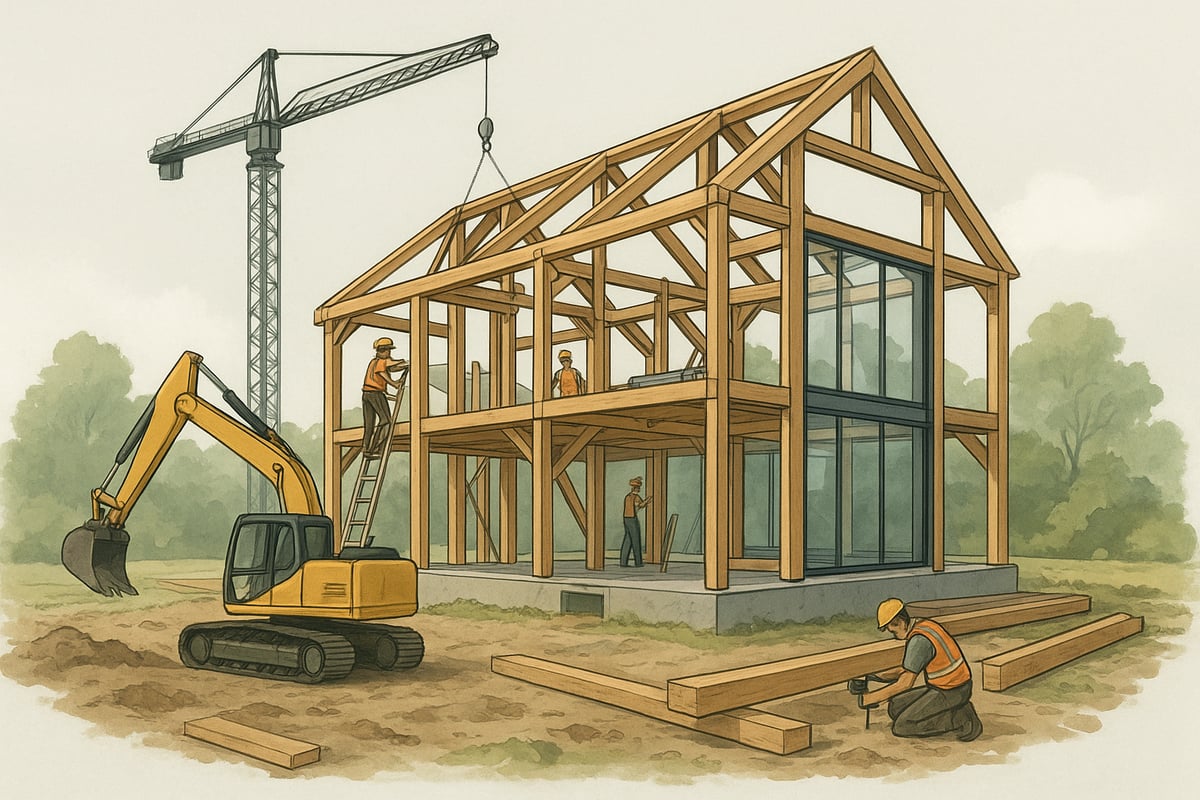
Embarking on the journey to create hybrid timber frame homes involves a structured process, blending traditional craftsmanship with modern construction methods. By following a clear step-by-step approach, clients can ensure their vision becomes reality, with efficiency and quality at every stage. Each step below highlights how hybrid timber frame homes are brought to life, from the first consultation to the finishing touches.
Step 1: Initial Consultation and Concept Design
The journey to building hybrid timber frame homes begins with a thorough initial consultation. During this stage, clients share their aspirations, lifestyle needs, and design preferences with the project team.
Site feasibility studies and analysis of local planning constraints are conducted. Early sketches, mood boards, and visual references help refine the vision. Budget and timeline discussions set realistic expectations, while virtual meetings enable remote clients to participate with ease.
This collaborative approach ensures hybrid timber frame homes are tailored from the outset, aligning both functional and aesthetic goals.
Step 2: Detailed Planning and Design Development
Once the concept is defined, hybrid timber frame homes move into detailed planning. Here, architects and engineers develop comprehensive plans, including 3D models for visualisation and precise material selections.
Structural calculations guarantee safety and compliance with regulations. The team coordinates with planning authorities to secure permissions. Real-time design changes can be made via online platforms, ensuring clients remain involved throughout.
These steps guarantee the design of hybrid timber frame homes is robust, practical, and ready for the next stage.
Step 3: Offsite Fabrication and Prefabrication
With designs finalised, the focus shifts to offsite fabrication. Modern manufacturing facilities craft the timber frames, beams, and structural elements in controlled environments.
This method offers exceptional precision and quality control. Hybrid timber frame homes benefit from reduced waste and shorter build times, as prefabricated components are delivered ready for assembly.
Prefabricated oak frames are often produced to exact specifications, ensuring a seamless fit once on site.
Step 4: Site Preparation and Foundations
Proper site preparation is crucial for the success of hybrid timber frame homes. This step involves clearing the plot, conducting groundworks, and laying robust foundations.
Depending on the ground conditions, options such as slab, strip, or pile foundations are chosen. Utility connections for water, electricity, and drainage are installed. Throughout, careful planning helps minimise environmental impact and disruption.
By the end of this stage, the site is fully prepared to receive the prefabricated frame.
Step 5: Frame Erection and Structural Assembly
Now, the heart of hybrid timber frame homes comes to life. The prefabricated timber frame is delivered and assembled by specialist teams, often with the aid of cranes for larger components.
This phase integrates timber with other materials like steel or masonry, creating a strong, flexible structure. The speed of this process is a key benefit, with frame erection sometimes completed in just one to two weeks.
Rapid weatherproofing protects the build, allowing work to progress efficiently.
Step 6: Enclosure, Insulation, and Weatherproofing
Once the frame is up, the next step is enclosing the structure. Walls, roofs, and windows are installed, providing airtightness and thermal performance. Sustainable insulation materials, such as sheep’s wool or cellulose, are selected for energy efficiency.
Hybrid timber frame homes must meet strict standards. For more on regulatory requirements, see Timber Frame Construction and the Future Homes Standard. Achieving high EPC ratings is now a standard expectation, ensuring comfort and sustainability.
This stage ensures the home is protected from the elements and energy efficient.
Step 7: Interior Fit-Out and Finishing Touches
The final phase brings character and comfort to hybrid timber frame homes. Internal walls are constructed, and floors and ceilings are installed. Kitchens, bathrooms, and bespoke joinery are fitted, often using handcrafted oak for added quality.
Decorative features like exposed beams and feature staircases enhance the aesthetic. Attention to detail at this stage ensures a unique, inviting home that reflects the client’s vision.
Upon completion, the result is a bespoke hybrid timber frame home ready for its new owners.
Popular Styles, Plans, and Case Studies
Hybrid timber frame homes are redefining modern living in the UK, combining tradition with innovation for a truly unique residential experience. As preferences evolve, more homeowners are seeking custom solutions that blend aesthetics, performance, and sustainability. Let us explore the most popular styles, layouts, and real-world examples shaping the future of hybrid timber frame homes.
Trending Hybrid Timber Frame Home Styles for 2026
The appeal of hybrid timber frame homes lies in their versatile design language. Modern rustic styles, barn-inspired forms, and contemporary hybrids are leading the way. These homes often combine exposed oak or Douglas fir frames with sleek glass, metal, or stone finishes for a bold, contrasting look.
Clients often choose customisable exteriors, such as timber cladding, brick, or stone, to match their setting. Interiors showcase vaulted ceilings and visible trusses, creating bright, airy spaces. For a deeper dive into material choices and design inspiration, visit this Oak Framed Homes Overview for more examples of how oak frames define hybrid style.
Featured Floor Plans and Layouts
Hybrid timber frame homes offer flexible layouts to suit any lifestyle. Popular options include single-level homes for accessibility, multi-storey designs for growing families, and open-plan configurations that maximise space and light. Many plans feature dramatic great rooms with exposed beams, spacious kitchens, and integrated workspaces.
Examples like the Shamrock Ranch (four bedrooms, four bathrooms) or the Mount Olive Retreat (two bedrooms, three bathrooms) demonstrate how hybrid timber frame homes can be tailored for families, retirees, or remote workers. Customisation is key, with options to adapt living spaces as needs change.
Real-World Case Studies
Completed hybrid timber frame homes across the UK provide valuable insight into design and construction best practices. Projects such as Lucky Man Ranch showcase expansive floor plans, extensive timber features, and seamless integration with outdoor spaces. Before-and-after photos highlight the transformation from concept to completion, while client testimonials reveal satisfaction with both process and results.
Lessons learned from these hybrid timber frame homes include the importance of early planning, close collaboration with architects, and careful attention to material selection for lasting value and comfort.
Design Centre and Virtual Planning Tools
The design journey for hybrid timber frame homes is now more interactive than ever. Virtual design centres allow clients to explore floor plans, adjust layouts in real time, and visualise finishes before construction begins. These tools enable collaborative decision-making, ensuring every detail meets the homeowner’s needs.
Clients can participate in 3D walkthroughs, making it easy to see how exposed timber, natural light, and bespoke elements will look in their finished home. This approach streamlines the process and enhances satisfaction with the final result.
Unique Natural Elements and Finishing Options
Hybrid timber frame homes stand out for their use of distinctive natural materials and custom finishes. Homeowners can select from a range of timber species, including reclaimed or antique wood, for added character. Decorative options such as hand-hewn beams, bark siding, or specialty railings bring individuality to each project.
Many designs also incorporate stone, copper, or iron details for visual interest. Options like log wall systems or custom staircases ensure that every hybrid timber frame home is as unique as its owner, blending craftsmanship with modern convenience.
Future Trends and Innovations in Hybrid Timber Frame Homes
The landscape of hybrid timber frame homes is evolving rapidly, shaped by cutting-edge materials, sustainability imperatives, and shifting lifestyles. Homeowners and builders alike are seeking smarter solutions and versatile spaces, while the UK industry pushes towards greener, more efficient standards. Let us explore the innovations set to define the future of hybrid timber frame homes.
Advancements in Materials and Technology
Hybrid timber frame homes are benefitting from a wave of technological progress. Engineered timber products, such as cross-laminated timber and laminated veneer lumber, offer greater strength and design flexibility than ever before. Prefabrication techniques are streamlining the build process, reducing waste and speeding up construction timelines.
Smart home systems are becoming standard, allowing homeowners to monitor energy use, heating, and security remotely. Structural insulated panels (SIPs) are increasingly paired with timber frames for superb insulation and airtightness. Industry initiatives like the Timber Frame Learning Journey Initiative are driving collaboration for faster, greener construction. These advances are making hybrid timber frame homes more efficient, comfortable, and future-proof.
Evolving Sustainability Standards
As environmental concerns grow, hybrid timber frame homes are setting new benchmarks for sustainability. The UK’s Future Homes Standard, coming into force from 2025, demands higher energy efficiency and lower carbon emissions from new builds. Hybrid designs are well placed to meet these requirements, with advanced insulation, airtight construction, and renewable energy systems such as solar panels and heat pumps.
Sustainably sourced timber, including FSC-certified species, is now a baseline expectation. Many projects incorporate rainwater harvesting, green roofing, and low-impact construction methods. These efforts can reduce the embodied carbon of hybrid timber frame homes by up to 30 percent, making them a leading choice for eco-conscious buyers.
Customisation and Lifestyle Adaptations
Modern living has transformed what people expect from their homes. Hybrid timber frame homes offer unmatched flexibility in layout and function, enabling spaces to adapt as family needs change. Open-plan designs, home offices, wellness areas, and even indoor gardens are now common requests.
Biophilic design principles are gaining traction, bringing natural light, ventilation, and greenery indoors to support health and wellbeing. Spaces can be easily reconfigured to accommodate multigenerational living or remote work. This adaptability ensures hybrid timber frame homes remain relevant and desirable as lifestyles evolve.
Market Outlook and Investment Potential
The market for hybrid timber frame homes in the UK is forecast to expand steadily through 2030. Growing demand for sustainable and bespoke properties is influencing developers and self-builders alike. According to recent timber frame market growth projections, hybrid homes could account for 35 percent of new timber builds by 2027.
Buyers are attracted by the long-term value, energy efficiency, and unique design options. Well-executed hybrid timber frame homes often command higher resale prices compared to conventional homes. As innovation continues and regulations raise the bar for performance, these homes are set to become a cornerstone of the UK’s housing future.
As you’ve discovered in this guide, hybrid timber frame homes offer unmatched flexibility, eco-friendly credentials, and the chance to create a truly bespoke living space tailored to your lifestyle. If you’re inspired by the blend of traditional oak craftsmanship and modern design, and you’re ready to enhance your property’s value with a beautiful, durable structure, you don’t have to wait. Let’s take your ideas from concept to completion with expert guidance every step of the way. When you’re ready to start planning your dream hybrid timber frame home, CONTACT US for a friendly consultation and personalised advice.


