
Are you looking for the next big thing in rural and suburban living? Timber frame barndominiums are quickly becoming the UK's most sought after home style for 2026.
This guide will walk you through every stage of the timber frame barndominium journey, combining time honoured craftsmanship with modern energy efficiency.
You will discover what makes a barndominium unique, the latest design trends, and a clear step by step build process. We will also break down costs, planning permission, sustainability, and share expert build tips.
From inspiration to practical advice, this guide is designed to help you turn your vision into reality. Ready to explore a smarter, more beautiful way to build?
What Is a Timber Frame Barndominium?
A timber frame barndominium is redefining rural and suburban living across the UK. Blending the rustic charm of classic barns with the comfort and efficiency of contemporary homes, these unique properties are capturing the imagination of self-builders and developers alike. But what truly sets a timber frame barndominium apart, and why is it becoming a top choice for modern living?
Defining Barndominiums and Timber Framing
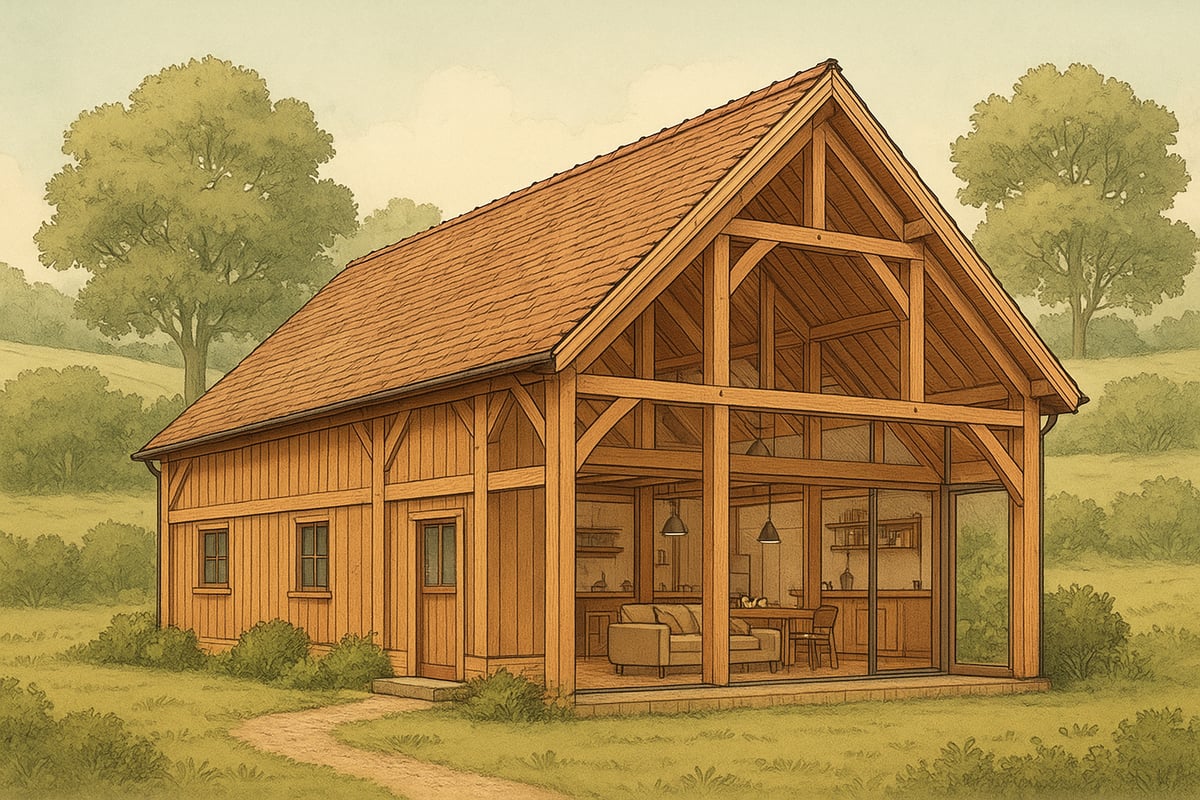
A timber frame barndominium combines the spacious, practical layout of a barn with the comforts of a modern residence. At its heart, the timber frame construction method uses large, exposed wooden beams, intricate joinery, and open-plan layouts to create a strong yet flexible structure. This approach stands apart from post-and-beam or pole barn builds, which often use simpler connections and may lack the visual impact of traditional timber framing.
Interest in the timber frame barndominium has soared in the UK, driven by a desire for sustainable, energy-efficient homes with a distinctive look. According to rural housing data, barn-inspired homes are rising in popularity, particularly in areas where land is available for development. The authentic craftsmanship of timber frames, paired with modern insulation and glazing, delivers both beauty and performance.
Key Advantages of Timber Frame Barndominiums:
| Feature | Benefit |
|---|---|
| Durability | Long lifespan, robust against weather |
| Energy Efficiency | Superior insulation, lower heating costs |
| Customisation | Versatile layouts and architectural styles |
If you want to understand the building process in detail, the Timber Frame Construction Guide provides a comprehensive overview of the methods and materials involved.
Typical Uses, Case Example, and Common Misconceptions
The timber frame barndominium is exceptionally versatile. Many families choose them as primary residences, while others use them as holiday lets or multi-generational homes. Open-plan living, double-height spaces, and flexible zones make them ideal for diverse needs.
Consider a 24×48 timber frame barndominium: this size typically features an open living area, three bedrooms, two bathrooms, a mezzanine, and generous utility space. Exposed beams add character, while large windows flood the interior with natural light. The layout can be easily adapted for accessibility or future extensions.
Despite their appeal, some misconceptions persist. People often believe timber frame barndominiums are cold or less durable, but modern construction methods ensure excellent thermal performance and longevity. Others assume these homes are only suitable for rural plots, yet with the right design and planning, they can fit seamlessly into suburban settings. In reality, the timber frame barndominium offers a blend of tradition, innovation, and adaptability that suits a wide range of lifestyles.
Timber Frame Barndominium Design Trends for 2026
Timber frame barndominium design is evolving rapidly as homeowners seek both character and efficiency. In 2026, the blend of tradition and innovation is shaping rural living, bringing together comfort, sustainability, and style.
Architectural Styles and Layout Innovations
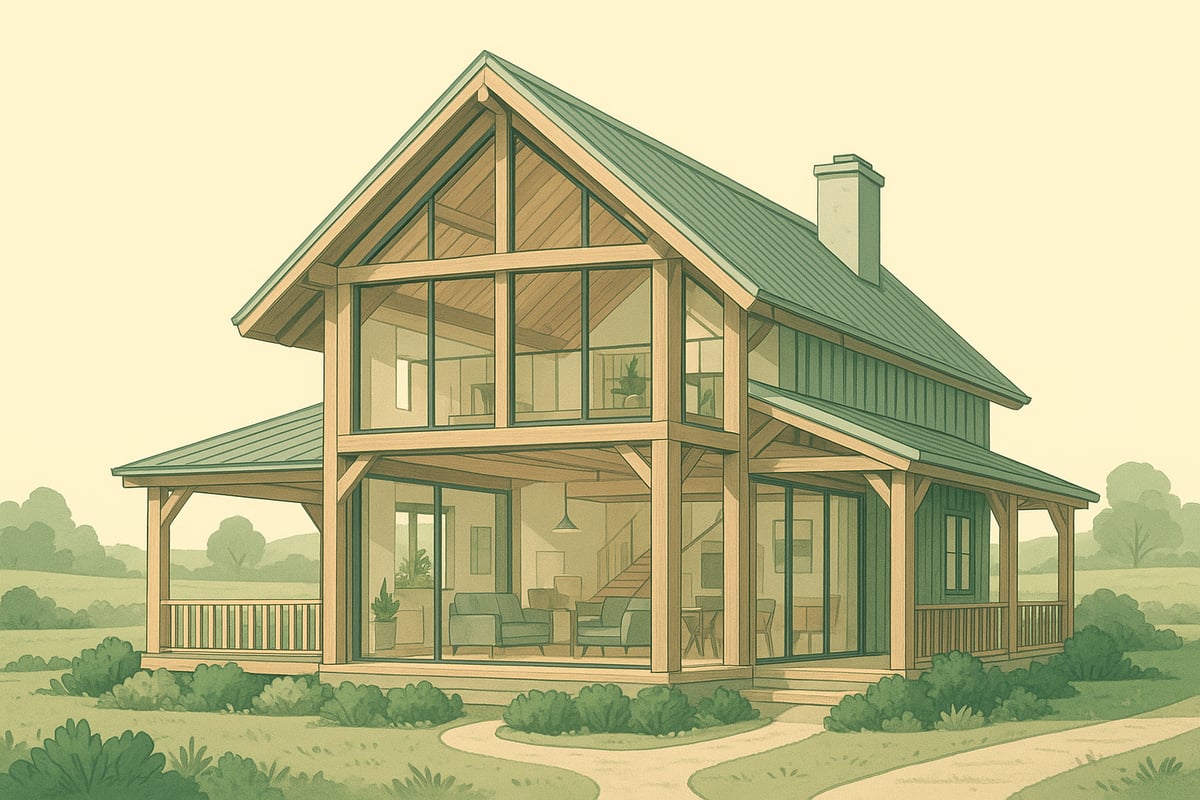
The timber frame barndominium is being reimagined for 2026 with a focus on versatile layouts and contemporary style. Open-plan living remains the foundation, with expansive communal spaces and high vaulted ceilings. Mezzanines are popular, offering flexible zones for work or relaxation. Central aisles, reminiscent of classic monitor barns, add drama and functional flow.
Architectural styles are diverse, ranging from modern rustic to Scandinavian minimalism. Exposed beams and natural finishes evoke warmth, while clean lines and monochrome palettes introduce a fresh, uncluttered look. Farmhouse chic is also on trend, featuring heritage-inspired details and reclaimed materials.
Natural light is a priority. Large windows, roof lanterns, and glazed gables flood interiors with daylight, reducing reliance on artificial lighting. Indoor-outdoor living is enhanced with spacious verandas, decks, and sliding doors, connecting the interior to gardens and rural views.
Multi-functional spaces are a hallmark. Home offices, gyms, and annexes are integrated into the main footprint, supporting flexible lifestyles. Eco-friendly materials such as reclaimed timber, SIP panels, and green roofs are increasingly specified.
Smart home technology is seamlessly woven in, allowing for intuitive energy management and comfort. For inspiration, the monitor barn house with shed wings and a central aisle exemplifies the harmonious mix of tradition and innovation.
For a deeper exploration of these evolving styles and architectural details, see Modern Timber Frame Home Trends.
Sustainability and Energy Efficiency
Sustainability is at the heart of every timber frame barndominium in 2026. Timber is a renewable resource, and its use in construction actively contributes to carbon sequestration. The structural frame locks away carbon, supporting a low-impact approach to building.
Insulation strategies are advanced, with SIPs and natural fibre insulation delivering high levels of thermal performance. Airtightness is carefully managed to prevent heat loss, while mechanical ventilation systems maintain healthy indoor air quality. This approach ensures a timber frame barndominium is comfortable year-round and energy bills are kept in check.
Renewable heating systems are standard. Ground and air source heat pumps, paired with underfloor heating, provide efficient warmth. Solar panels are often installed, reducing reliance on grid electricity. Low-VOC finishes and eco-friendly paints are chosen to promote a healthy living environment.
Designers are embracing green roofs and rainwater harvesting, further enhancing sustainability. Data from recent studies shows that a timber frame barndominium can reduce energy use by up to 30% compared to traditional builds. This efficiency, combined with the natural beauty of exposed timber, makes the timber frame barndominium a forward-thinking choice for eco-conscious homeowners.
Sustainable choices go hand in hand with long-term value, ensuring that the timber frame barndominium is as future-proof as it is stylish.
Step-by-Step: Planning and Designing Your Timber Frame Barndominium
Embarking on a timber frame barndominium project in the UK requires a clear plan from the outset. Each decision, from choosing your plot to finalising the design, directly impacts your build's success. Here is a practical guide to help you navigate the planning and design stages with confidence.
Site Selection and Preparation
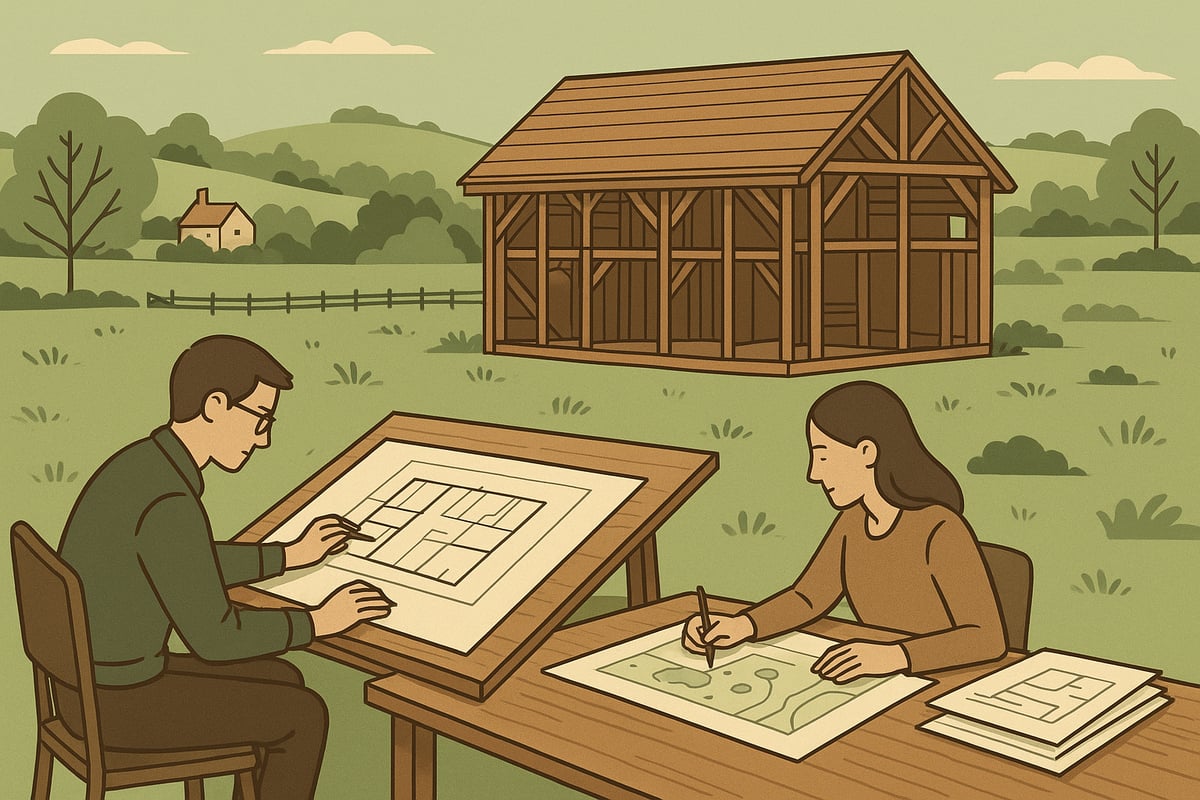
Selecting the right site for your timber frame barndominium is the first major step. Begin by assessing the orientation for sunlight, access for vehicles and construction, and the availability of essential services like water and electricity. Good drainage is crucial to avoid future issues with damp or flooding.
You must also factor in local planning permission and UK building regulations. Each rural plot may have unique restrictions, especially in conservation areas or zones with protected trees. Flood risk assessments and ecological surveys often form part of the approval process. For example, gaining approval for a 24×36 gambrel barn home in a conservation area required careful negotiation with local authorities and a thorough understanding of planning policy.
To streamline the process, review detailed guidance such as the Timber Frame Planning Permission UK article, which outlines key regulatory steps for timber frame barndominium projects. Early research and professional advice can help you avoid costly delays.
Custom Design Process
Once your plot is secured, focus on shaping your timber frame barndominium to fit your lifestyle. Collaborate with architects or specialist designers to translate your vision into practical plans. Decide if you want a traditional oak frame, a hybrid structure, or engineered timber, each offering different aesthetics and performance.
Room planning is critical. Consider the number of bedrooms, bathrooms, utility spaces, and storage. Open-plan living is popular, but flexible layouts with lofts or mezzanines can add valuable space. Think about future needs, such as accessibility features or adaptable workspaces for remote work. For instance, including a loft and a flexible workspace in your timber frame barndominium can ensure the home evolves with your family.
Prioritise natural light, efficient circulation, and seamless connections between indoor and outdoor areas. Custom design enables you to maximise every square metre while retaining the unique character of your timber frame barndominium.
Budgeting and Cost Planning
Budgeting is a cornerstone of any successful timber frame barndominium project. The main cost drivers include the size of the build, material choices, complexity of design, and the level of finish you desire. As of 2026, typical costs for a timber frame barndominium in the UK range from £1,500 to £2,500 per square metre.
Compare kit homes, which offer standardised layouts and faster build times, to bespoke builds that allow full customisation but often cost more. Always include allowances for landscaping, fit-out, and unforeseen contingencies. Financing options, such as self-build mortgages, can provide flexibility, but it is vital to secure funding before work begins.
A detailed cost plan helps you manage your budget at every stage. By understanding the specific expenses associated with a timber frame barndominium, you can avoid surprises and ensure your dream home is both achievable and financially sustainable.
Building Your Timber Frame Barndominium: Construction Steps & Timeline
Embarking on the construction of a timber frame barndominium is a rewarding journey, blending tradition with cutting-edge methods for a truly bespoke home. Understanding each stage of the process ensures both high quality and efficiency. Here is a step-by-step breakdown of what to expect, from foundations to final finishes.
Foundation and Frame Erection
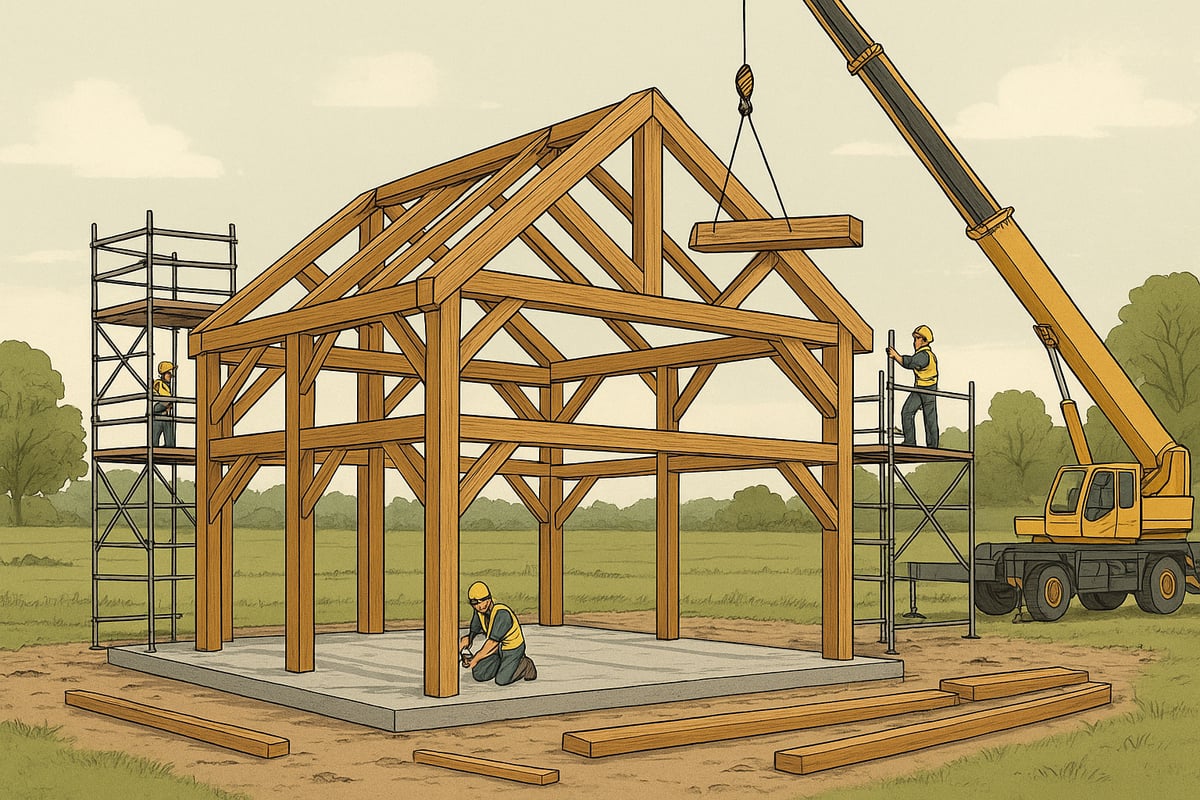
The first step in building a timber frame barndominium is establishing a solid foundation. Common options include a concrete slab, strip footings, or an insulated raft system, chosen based on soil conditions and energy goals. Site preparation involves excavation, levelling, and ensuring proper drainage to prevent future issues.
Once groundworks are finished, the timber frame is delivered. Modern methods such as prefabricated timber frames can speed up erection and improve accuracy. Frames are assembled using cranes, with careful attention to safety and weather conditions. Traditional mortise and tenon joinery, wooden pegs, or steel connectors secure the structure. A notable example is the rapid assembly of a 40×42 timber frame horse barn, which can be viewed in a time-lapse case study of prefabricated timber frames in barn-inspired homes.
Attention to detail at this stage ensures the timber frame barndominium is strong, level, and ready for the next phase. Each element is checked for alignment, and critical joints are inspected before moving forward.
Enclosure and Weatherproofing
With the frame in place, the next step is enclosing your timber frame barndominium to protect it from the elements. Structural insulated panels (SIPs) are often used for walls and roofs, delivering excellent insulation and speed of installation. Timber cladding or metal roofing completes the exterior, chosen for durability and visual appeal.
Windows and doors are installed early in this phase, typically using energy-efficient glazing and bespoke timber joinery. Achieving airtightness is vital, so vapour control layers and careful sealing are applied at every junction. Moisture management is also key, with breathable membranes and ventilation gaps to prevent condensation.
A recent example is a saltbox-style timber frame barndominium that used SIPs for the envelope, achieving rapid weatherproofing within weeks. This stage ensures the interior remains dry and secure, setting the groundwork for internal works.
Internal Fit-Out and Services
Once weatherproof, the focus shifts to the internal fit-out of your timber frame barndominium. The first fix includes routing plumbing pipes, electrical cabling, and installing underfloor heating systems. These elements are concealed within floor voids or service zones in the SIPs.
Next comes insulation and vapour barriers, further improving comfort and efficiency. The second fix involves plastering, installing flooring, and fitting kitchens and bathrooms. Exposed beams, custom joinery, and handcrafted staircases add the finishing touches, celebrating the timber frame’s character.
A popular layout includes an open-plan kitchen with a mezzanine above, maximising space and light. Throughout this stage, attention to detail ensures every feature is both functional and beautiful.
Typical Timeline and Project Management
The average build time for a timber frame barndominium ranges from 6 to 12 months, depending on size, complexity, and weather. Key milestones include:
| Milestone | Typical Duration |
|---|---|
| Groundworks & Foundation | 2–4 weeks |
| Frame Erection | 2–3 weeks |
| Enclosure & Roof | 4–6 weeks |
| Internal Fit-Out | 12–24 weeks |
| Final Finishes | 4–8 weeks |
Effective project management is crucial. Tasks include scheduling trades, coordinating deliveries, and arranging inspections. Self-builders may manage the process themselves or hire a main contractor for peace of mind. Regular site meetings and clear communication help avoid delays and maintain quality.
By following these steps and planning each phase, your timber frame barndominium will come together smoothly, resulting in a unique, sustainable, and comfortable home.
Cost Breakdown and Budgeting Tips for 2026
Understanding the full cost of a timber frame barndominium is crucial for a successful, stress-free build. With rising material prices and evolving design trends, staying on top of your budget in 2026 is more important than ever. Knowing where your money goes helps you make informed decisions and avoid costly surprises.
Major Cost Areas
The main expenses in a timber frame barndominium project are split across several categories. Typically, the frame and building envelope account for 30% to 40% of your budget. Foundations and groundworks require around 15% to 20%. Windows, doors, and roofing make up another 15% to 20%. Internal fit-out and finishes usually consume the final 20% to 30%.
Here is a simplified cost breakdown:
| Cost Area | % of Total Budget |
|---|---|
| Frame and Envelope | 30–40% |
| Foundations and Groundworks | 15–20% |
| Windows, Doors, Roofing | 15–20% |
| Internal Fit-Out and Finishes | 20–30% |
For example, a 24×36 timber frame barndominium may cost between £130,000 and £180,000, while a 40×42 build could reach £250,000 or more. Factors like design complexity, custom features, and site conditions all influence the final figure.
To help you plan, explore this detailed Timber Frame Home Costs UK guide for up-to-date figures, real project examples, and expert budgeting tips for your timber frame barndominium.
Hidden Costs and Savings
Beyond the headline figures, several hidden costs can affect your timber frame barndominium budget. Planning application fees, ecological surveys, and utility connections all add up. VAT is another consideration—new builds are often zero-rated, while conversions may not be.
You can save significantly by opting for kit homes, off-site manufacture, or phased construction. These methods streamline the build and reduce waste. Timber frame barndominium homes also offer long-term savings, with lower maintenance needs and strong energy efficiency.
Maintenance costs are typically lower for timber frame structures, and these homes often retain higher resale value compared to traditional builds. Investing in quality materials and experienced trades can yield greater returns and fewer headaches in the future.
Careful planning, transparent quotes, and a realistic contingency fund will ensure your timber frame barndominium project stays on track and delivers lasting value.
Timber Frame Barndominium Planning Permission & Regulations in the UK
Securing planning permission for a timber frame barndominium requires careful navigation of both national and local rules. With the rising popularity of barn-style homes, understanding the legal landscape is essential before you start your project.
Navigating the Legal Landscape
The first step in building a timber frame barndominium is to review the planning policies that govern rural and barn-style developments. Local councils interpret national guidelines through their own frameworks, especially when it comes to countryside locations, Areas of Outstanding Natural Beauty, or green belts. Each authority may have unique requirements on design, scale, and environmental impact.
You must also ensure your timber frame barndominium meets the UK Building Regulations. These cover structural integrity, fire safety, insulation, ventilation, and accessibility. For example, new homes must comply with energy performance standards and include measures for disabled access. Working with a qualified architect or planning consultant can help you translate your vision into compliant plans.
If you are considering converting an existing agricultural building, you may benefit from Class Q Permitted Development Rights. This provision allows certain barns to be converted into homes without full planning permission, provided they meet strict criteria on location, structure, and previous use. However, not all buildings qualify, and local authorities may still require prior approval for aspects such as transport, noise, and flood risk.
A successful application for a timber frame barndominium often depends on early engagement with planners and clear, detailed submissions. For instance, a recent project in an Area of Outstanding Natural Beauty succeeded by demonstrating minimal landscape impact, using traditional materials, and providing ecological enhancements.
Common Pitfalls and How to Avoid Them
When planning a timber frame barndominium, several common pitfalls can delay or derail your project. Overlooking ecological surveys is a frequent issue, especially if protected species like bats or newts could be present. Failing to consider access and visibility requirements for vehicles may also cause objections from highways authorities.
Another technical hurdle is demonstrating compliance with SAP calculations, which assess the energy performance of your timber frame barndominium. You must also provide robust evidence that your design meets fire safety and insulation standards. Early coordination with building control and specialist consultants helps avoid costly revisions.
Planning fees, utility connections, and site surveys can add unexpected expenses. Carefully review local policy documents and consult with experienced professionals to ensure every aspect of your proposal is robust. For a comprehensive overview of what is required, see these Barn Conversion Planning Permission Guidelines.
To streamline your approval, submit all supporting documentation in one package and respond promptly to any requests for further information. If your initial application is refused, you can appeal or revise your plans to address the authority’s feedback. By anticipating challenges and preparing thoroughly, you can secure permission for your timber frame barndominium and move confidently to the build phase.
Expert Tips for a Successful Timber Frame Barndominium Build
Building a timber frame barndominium offers an exciting opportunity to create a custom home with character, efficiency, and future flexibility. Success depends on careful planning, expert partners, and attention to every detail along the way.
Design and Build Best Practices
Begin by prioritising design flexibility. A well-planned timber frame barndominium should accommodate changing family needs, from additional bedrooms to accessible living spaces. Collaborate with architects who understand both traditional and contemporary timber framing techniques.
Selecting experienced timber framers is essential. Look for reputable suppliers with a strong track record in bespoke projects. Ask for references and visit previous builds if possible. Skilled craftsmen ensure structural integrity and a beautiful finish.
Plan your build schedule carefully. Allow for seasonal weather, material lead times, and potential delays. Early procurement of specialist items, like custom joinery, can prevent bottlenecks later in the project.
Quality assurance should never be overlooked. Arrange regular site inspections and insist on robust warranties. Aftercare services, such as maintenance checks, add long-term value and peace of mind.
A useful lesson from 16×24 gambrel timber frame barndominium builds is the importance of close communication between client, designer, and builder. Staying informed about Timber Framing UK Trends for 2026 can also help you make choices that stand the test of time.
Maximising Comfort and Value
To create a comfortable and efficient timber frame barndominium, prioritise soundproofing and acoustic solutions. Use natural fibre insulation and consider double-layer plasterboard for improved noise control between rooms.
Natural ventilation is key. Design for cross-breezes and include opening windows in key locations. For year-round comfort, integrate underfloor heating and consider renewable energy systems, such as solar panels or air source heat pumps.
Smart home technology can further enhance daily living. Automated lighting, heating controls, and energy management systems improve efficiency while reducing running costs.
Landscaping and outdoor living spaces should complement the building’s character. Porches, decks, and well-placed planting add kerb appeal and create inviting areas for relaxation. A unique interior, featuring exposed beams and custom joinery, will make your home truly stand out.
Final Checklist for 2026 Projects
Before construction begins, ensure all contracts, insurance policies, and warranties are in place. Choose a main contractor or project manager who understands the specific requirements of a timber frame barndominium.
Monitor key milestones throughout the build. These include frame delivery, enclosure, internal fit-out, and final inspections. Keep a detailed project timeline and update it regularly to track progress.
Once construction is complete, conduct a thorough snagging inspection to identify any outstanding issues. Obtain all necessary certifications, including building control sign-off and energy performance certificates. Plan your move-in date with flexibility to account for any final adjustments.
By following these steps, you can enjoy a smooth and rewarding journey to your new timber frame barndominium, ready for years of comfortable, efficient living.
Now that you’ve explored the essentials of designing and building a timber frame barndominium, you understand the value of blending traditional craftsmanship with modern efficiency. Whether you’re drawn to open plan layouts, sustainable materials, or energy saving innovations, turning your vision into reality starts with expert guidance and a bespoke approach. If you’re ready to create a unique home perfectly tailored to your lifestyle and site, we’re here to help every step of the way. Let’s bring your dream project to life—take the next step and BUILD NOW.


