
Discover why carpentry oak continues to set the benchmark for quality and durability in woodworking as we move into 2026. Oak’s timeless appeal and robust performance make it the trusted choice for both professionals and passionate DIYers.
This guide offers expert insights, practical advice, and the latest trends for mastering oak woodwork. You will find everything you need, from understanding oak’s unique properties to selecting the right timber, choosing essential tools, and applying modern techniques.
Explore sustainable sourcing, maintenance strategies, and inspiring project ideas to achieve flawless results. Unlock the enduring value of oak and take confident action with step-by-step guidance tailored to every carpentry oak project.
Understanding Oak: Properties and Advantages
Oak has long been at the heart of British woodwork, and in 2026, the demand for carpentry oak is only increasing. Its unique blend of resilience, beauty, and versatility makes it a staple for both professionals and hobbyists. Understanding why carpentry oak stands out helps you make better choices, whether you are restoring a period property or crafting modern interiors.
The Unique Qualities of Oak
Carpentry oak is renowned for its exceptional durability. Thanks to its high density and tight grain, it stands up to heavy use and resists dents and scratches far better than most softwoods. This makes it ideal for high-traffic areas and structural applications.
The grain patterns in carpentry oak are visually striking, ranging from straight to wavy, with rich colour variations from pale honey to deep amber. These features create a sense of warmth and character in any setting. Oak’s workability is another key advantage; it responds well to cutting, shaping, and finishing, allowing for precision in both traditional joinery and modern designs.
Moisture resistance is critical in the UK’s humid climate. Carpentry oak naturally withstands damp conditions, reducing the risk of warping and decay. Its dense structure also provides sound insulation, making oak a preferred choice for floors and interior partitions. For example, oak flooring can outlast softer woods by decades, maintaining its beauty and structural integrity even in busy homes. For more on oak’s performance in flooring and framing, see Flooring and framing with oak.
Why Oak is the Timber of Choice for Carpentry
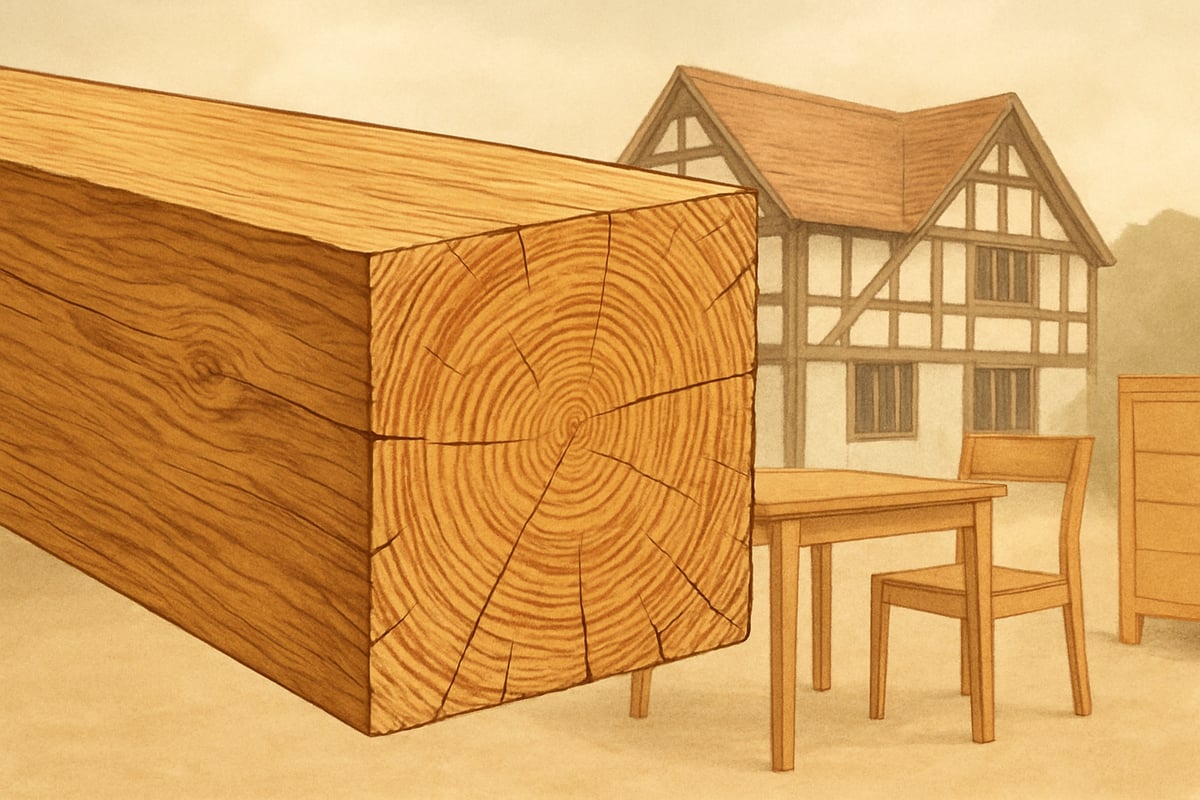
Carpentry oak holds a special place in British heritage, shaping everything from medieval timber halls to Georgian furniture. Its versatility shines through in countless applications, from robust framing to intricate cabinetry. This adaptability has helped carpentry oak remain relevant as tastes shift between traditional and contemporary styles.
The value of carpentry oak is reflected in property markets, where oak features often enhance resale prices and lend a sense of luxury. Oak’s compatibility with other materials—be it steel, glass, or stone—makes it suitable for both restoration projects and modern builds. Demand data shows that carpentry oak is increasingly popular in the UK timber construction sector, fuelled by a growing appreciation for natural, long-lasting materials.
Types of Oak Used in Carpentry
A key decision in any carpentry oak project is selecting the right species and grade. English oak, European oak, and American oak each offer distinct characteristics. English oak is prized for its tight grain and golden hue, while European oak shares similar qualities but with broader availability. American oak, available as white or red varieties, offers a lighter colour palette and prominent grain.
| Type | Colour | Grain | Best Use |
|---|---|---|---|
| English Oak | Golden brown | Tight, even | Structural framing |
| European Oak | Light to medium | Straight | Joinery, flooring |
| American White | Pale to tan | Coarse | Outdoor framing |
| American Red | Reddish-brown | Open, wavy | Interior furniture |
When sourcing carpentry oak, it is vital to choose sustainable and certified suppliers. Grades such as prime, character, and rustic influence both appearance and performance. Prime grade is ideal for clean lines, while character and rustic grades showcase knots and natural markings—perfect for exposed beams or rustic interiors.
For outdoor frames, white oak’s moisture resistance stands out, whereas red oak is favoured indoors for its warmth. Always look for FSC or PEFC certification, as nearly half of UK-supplied oak now meets these sustainability standards. Selecting the right carpentry oak ensures your project not only looks beautiful but stands the test of time.
Selecting the Right Oak for Your Project
Choosing the ideal carpentry oak is essential for a successful build. The right selection affects not only the appearance but also the longevity and sustainability of your project.
Careful consideration of grading, moisture content, cost, and certification ensures your oak performs perfectly, whether for visible beams, joinery, or outdoor structures.
Grading and Sourcing Oak Timber
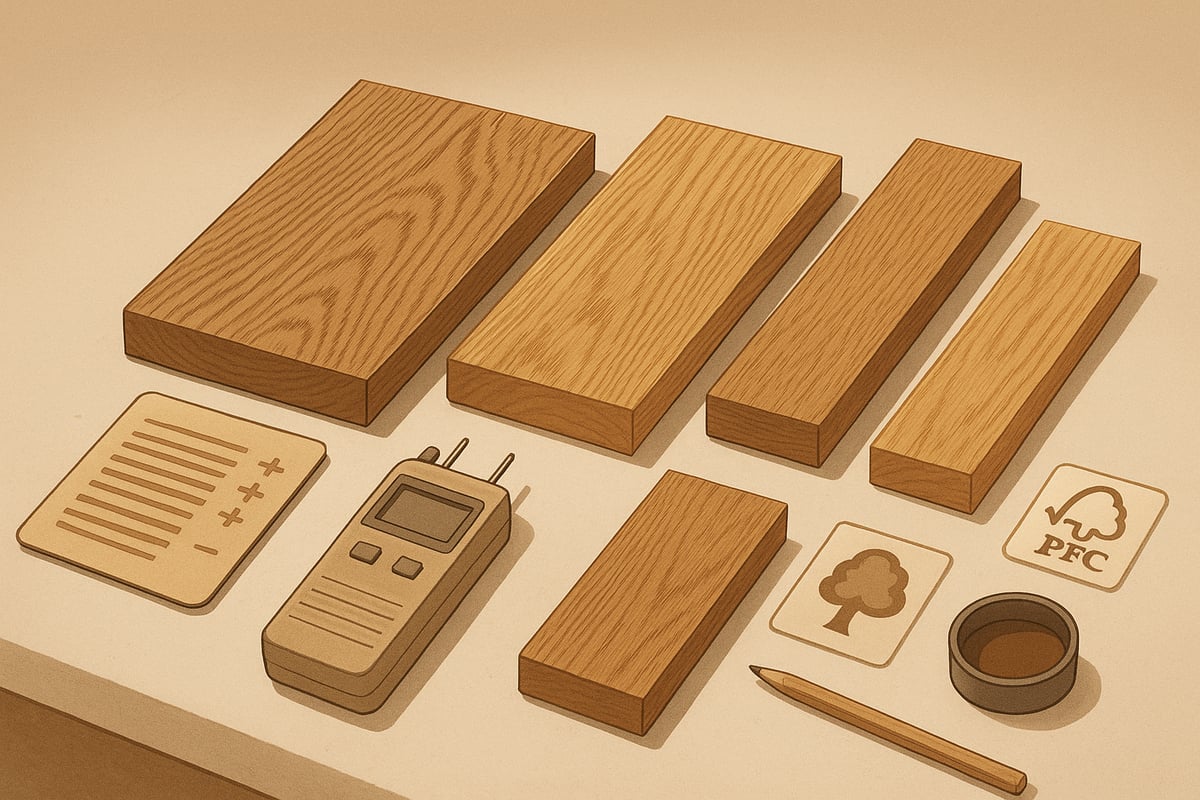
Understanding grading standards is the first step in selecting carpentry oak. Oak is graded into prime, character, and rustic, each offering unique appearance and performance traits.
- Prime: Clean, minimal knots, ideal for fine joinery and visible features.
- Character: Some knots and colour variation, perfect for exposed beams.
- Rustic: Prominent knots and grain, suited to projects seeking natural charm.
The grade chosen impacts not just aesthetics, but also how the wood behaves over time. Locally sourced oak offers a lower carbon footprint and often supports British forestry. Imported oak, such as European or American, can provide different grain patterns and colour tones.
When choosing your carpentry oak, always verify legal compliance and sustainability. Certified suppliers ensure your timber is ethically harvested. For more detailed insights and UK examples, see English Oak: Durability and Sustainability.
Moisture Content and Seasoning
Moisture content is a critical factor in carpentry oak selection. Kiln-dried oak reaches moisture levels of 8-12 percent, ideal for joinery and interior projects. Air-dried oak, often used for framing, should be between 16-20 percent.
Proper seasoning prevents warping, splitting, and movement once installed. Using oak with incorrect moisture levels can lead to failure rates significantly higher than properly dried timber. Always check moisture before cutting or assembling your oak components.
Cost Considerations and Budgeting
Budgeting for carpentry oak involves more than the initial price per cubic foot. Prime oak commands a premium, while character and rustic grades are more affordable but may require more careful selection and machining.
- Factor in waste and offcuts, as oak projects often demand precise cuts.
- Consider machining costs, especially for intricate joinery.
- Compare oak with other hardwoods: though oak is pricier upfront, its longevity often offsets the investment.
For example, an oak-framed garage may cost more than a softwood alternative, but its lifespan and resale value are typically far superior.
Sustainability and Certification
Ethical sourcing is vital in modern carpentry oak projects. Always look for FSC or PEFC certification, which ensures responsible forestry practices.
Sustainable harvesting reduces environmental impact and supports long-term woodland health. In the UK, a growing proportion of oak supply comes from certified sources, reflecting increased demand for eco-friendly construction.
Certified oak not only protects forests but also assures clients of your project’s environmental credentials.
Essential Tools and Techniques for Oak Woodwork
Choosing the right tools and mastering key techniques are crucial for success in carpentry oak projects. Oak’s density, grain, and longevity require specific approaches for precision and efficiency. Whether you’re updating a period property or crafting a bespoke piece, understanding the essentials will help you achieve professional results and maximise oak’s natural beauty.
Must-Have Carpentry Tools for Oak
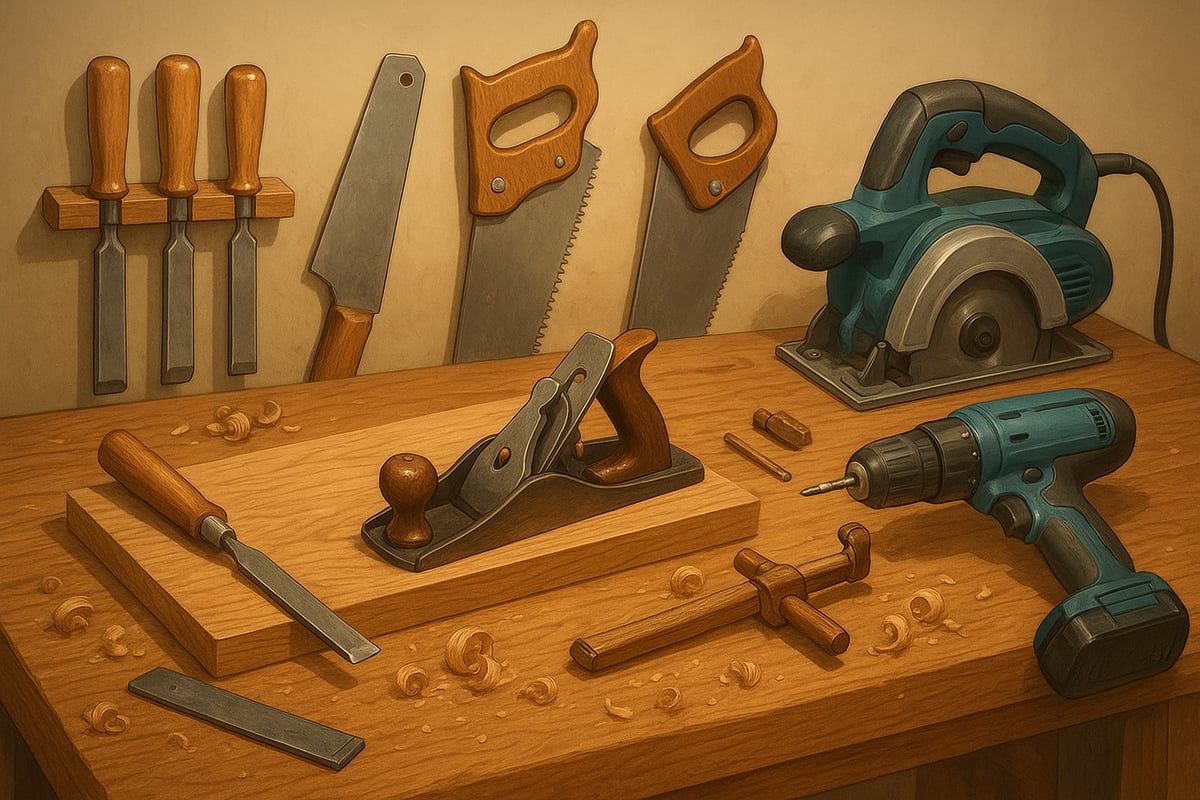
Success in carpentry oak begins with the right toolkit. Hand tools such as bevel-edged chisels, backsaws, and block planes are essential for detailed shaping and fine joinery. Opt for high-carbon steel blades, which hold their edge on dense oak. For power tools, a robust mitre saw, router, and random orbital sander are invaluable, as oak’s hardness demands reliable performance.
Regular sharpening is vital, as oak’s tannins and density dull blades quickly. Japanese pull saws are increasingly popular for their clean, precise cuts in oak, minimising tear-out. When choosing tools, consider ergonomic handles and dust extraction compatibility for comfort and safety.
For a deeper dive into oak’s characteristics and why specific tools matter, explore Oak Wood Properties and Uses. With the right equipment, carpentry oak projects become more efficient and enjoyable.
Modern and Traditional Joinery Techniques
Joinery is at the heart of carpentry oak. Traditional mortise and tenon, dovetail, and scarf joints remain staples for their strength and timeless appeal. These methods are ideal for structural frames, doors, and visible beams, offering both durability and elegance.
Modern innovations like CNC routing and precision-cutting tools streamline intricate joinery, allowing for complex patterns and repeatable results. Mechanical fixings such as stainless steel screws or bolts can complement traditional joints when speed and structural reinforcement are needed.
For timber framing, traditional pegged joints are often preferred, providing flexibility and resilience. By blending heritage methods with modern technology, carpentry oak projects achieve both authenticity and efficiency.
Preparing and Finishing Oak Surfaces
Proper surface preparation is essential for showcasing the unique beauty of carpentry oak. Start with a progressive sanding routine, moving from coarse to fine grit (80, 120, 180, then 240) to reveal the grain and ensure a smooth finish. Always sand in the direction of the grain to avoid scratches.
Staining and oiling highlight oak’s natural warmth and depth. Choose oils for a subtle sheen and enhanced grain, or lacquers for a durable, glossy finish. Waxes add a soft, tactile quality but may require more frequent upkeep. Each finish offers a different balance of protection and style, so select based on the project’s location and use.
Taking time with preparation and finish elevates any carpentry oak piece, ensuring it stands out for years to come.
Safety and Best Practices
Working with carpentry oak requires attention to safety and best practice. Oak dust can be hazardous, so always wear a dust mask or respirator, along with safety goggles and gloves to prevent splinters. When handling heavy oak beams, use proper lifting techniques or seek assistance to avoid injury.
Workshop ventilation is critical, especially when sanding or applying finishes. Ensure dust extraction systems are in place to maintain a clean environment. According to UK HSE data, woodworking injuries are most common from improper handling and lack of PPE, making these precautions non-negotiable.
By prioritising safety, you can focus on achieving exceptional results in every carpentry oak project, confident that your workspace is both productive and secure.
Step-by-Step Guide: Building with Oak in 2026
Embarking on a carpentry oak project in 2026 can be both rewarding and challenging. To help you achieve professional results, this guide walks you through each step, from the initial planning stage to final details. Whether you are building an oak-framed extension or crafting bespoke joinery, following a structured approach ensures your carpentry oak work stands the test of time.
Planning and Designing Your Oak Project
Careful planning is the foundation of any successful carpentry oak endeavour. Start by assessing the structural requirements of your project. Consider the load-bearing needs, especially for larger builds like oak-framed extensions or outbuildings.
Use sketches or CAD software to visualise your plans. This helps you calculate material quantities, select appropriate joinery methods, and anticipate any challenges. For complex carpentry oak projects, precise digital plans prevent costly mistakes.
Selecting the right joinery technique is essential. Mortise and tenon joints provide strength for structural frames, while dovetails suit cabinetry. Consult local building regulations to ensure your oak design complies with UK standards.
Think about the final appearance. Will your carpentry oak project feature exposed beams, or will the framework be hidden? Factoring these details in early will guide your choice of timber grade and finishing techniques.
As an example, planning an oak-framed extension involves not only the design but also coordination with suppliers for certified oak, and scheduling deliveries to match your construction timeline. For a practical step-by-step example, see this oak frame porch construction guide, which demonstrates key planning and execution stages in detail.
Measuring, Marking, and Cutting Oak
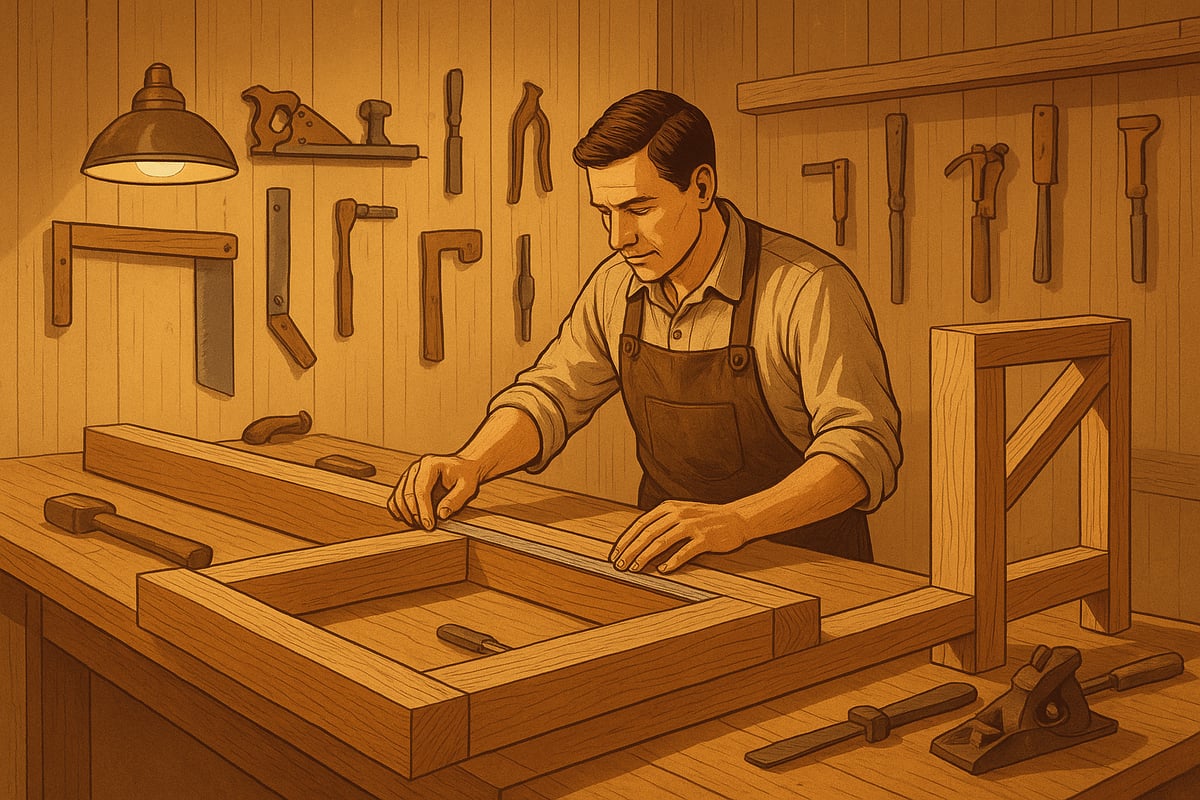
Accurate measuring and marking are crucial in carpentry oak projects. Use a quality marking gauge, steel ruler, and square to lay out cuts. Always double-check measurements to avoid costly errors.
Account for oak’s natural movement by leaving expansion gaps where needed, especially in flooring or large frames. When cutting, use sharp saw blades designed for hardwoods to ensure clean, splinter-free edges.
For best results, cut slightly outside your marked line, then plane or sand to the final dimension. This method maintains precision and preserves the integrity of your carpentry oak components.
Joint Construction and Assembly
Joinery is at the heart of carpentry oak craftsmanship. Mortise and tenon joints are prized for their strength and longevity, making them ideal for frames and doors. Begin by marking out the mortise and tenon positions with accurate templates.
Chisel and saw out the mortises first, ensuring square corners. Shape the tenons to fit snugly, using a router or hand tools as needed. Dry fit each joint before final assembly to confirm alignment and fit.
Apply a suitable adhesive for oak, then clamp the joint securely until cured. For traditional authenticity, use oak pegs to lock joints in place. When building an oak door frame, these steps ensure a robust, long-lasting structure that highlights your carpentry oak skills.
Installation and Fixing Methods
Proper installation methods are vital for the durability of carpentry oak structures. Choose fixings that match the demands of your project: stainless steel screws for weather resistance, or traditional oak pegs for period authenticity.
Always drill pilot holes to prevent splitting, especially in dense oak. For larger beams, use mechanical fixings like bolts and brackets to ensure stability. When lifting heavy oak components, use proper manual handling techniques or lifting equipment to avoid injuries.
Fit structural elements in sequence, checking alignment at each stage. Secure fixings firmly, but avoid overtightening, which can damage the wood fibres. Taking these precautions guarantees your carpentry oak installation remains solid for years.
Finishing Touches and Detailing
Finishing transforms your carpentry oak project from functional to beautiful. Begin with sanding, progressing from coarse to fine grits to reveal oak’s natural grain. Pay special attention to chamfering or rounding edges for a refined look.
Choose a finish that complements your design goals. Oils enhance the timber’s warmth, while waxes add a subtle sheen. For high-traffic areas, consider a durable lacquer. Creating a wire-brushed texture on oak floors adds rustic charm and disguises everyday wear.
Apply finishes in thin, even coats, allowing each layer to dry completely. This careful approach ensures your carpentry oak surfaces are both attractive and protected.
Troubleshooting Common Oak Woodwork Issues
Even with careful planning, carpentry oak projects may encounter issues. Prevent splits by monitoring moisture content and using sharp tools. If warping occurs, correct it by clamping the timber flat and allowing it to adjust gradually.
For minor stains or surface damage, sand the affected area lightly, then reapply your chosen finish. Quick repairs keep your carpentry oak looking its best without major disruption.
Oak Woodwork Maintenance and Longevity
Caring for carpentry oak is essential if you want your projects to stand the test of time. With the right approach, your oak woodwork can remain beautiful, robust, and functional for generations. This section covers practical steps to keep your oak in top condition, from daily cleaning to long-term preservation.
Cleaning and Routine Care
Regular cleaning is the foundation of maintaining carpentry oak surfaces. Use a soft, damp cloth to wipe away dust and debris. Avoid soaking the wood or using harsh chemicals, as these can strip finishes and cause long-term damage.
For most carpentry oak projects, specialist wood cleaners are recommended. These products help preserve the natural oils in the timber. Clean high-traffic areas, such as oak floors and staircases, weekly, while less-used surfaces can be cleaned monthly.
Never allow water to pool on oak, and immediately dry any spills. Consistent care not only maintains the appearance of your carpentry oak but also extends its lifespan.
Protecting Against Wear and Damage
Preventing scratches, dents, and fading is key to preserving the value of carpentry oak. Use mats and felt pads under furniture legs to shield floors and surfaces from daily wear. Applying protective finishes, such as oil or lacquer, adds a durable barrier against moisture and stains.
UV exposure can cause oak to fade over time, so consider window treatments for rooms with direct sunlight. In high-traffic zones, regular reapplication of protective finishes is vital. For further insight into the durability and resilience of oak installations, see the Advantages of Oak Frame Installations.
By following these steps, you ensure your carpentry oak remains both practical and visually appealing.
Repair and Restoration Tips
Even with careful maintenance, carpentry oak may develop minor chips, cracks, or worn finishes. Small cracks can be filled using wood filler that matches the oak’s natural tone. For dents and scratches, light sanding with fine-grit paper helps restore a smooth surface.
After sanding, reapply oil or wax to blend the repair seamlessly with the surrounding timber. For larger repairs, such as deep gouges or structural issues, it is wise to consult a professional experienced in carpentry oak restoration.
Regular attention to minor damage prevents further deterioration and helps your oak woodwork retain its original charm.
Long-Term Preservation Strategies
Protecting carpentry oak over the long term requires vigilance and routine care. Inspect for signs of pests, such as woodworm, and address any issues promptly. Schedule re-oiling or re-waxing of surfaces every 12 to 24 months, depending on usage and exposure.
Monitor for signs of rot in outdoor or damp environments. With proper maintenance, oak structures can easily surpass a century in service life. Data shows that well-maintained carpentry oak buildings in the UK often outlast their softwood counterparts by decades, highlighting the enduring value of this remarkable material.
Design Inspiration: Oak Projects for Modern Carpentry
Oak continues to shape the landscape of British design, offering endless possibilities for modern carpentry oak projects. Whether you are envisioning a bold architectural statement or subtle interior touches, oak’s versatility and resilience make it the material of choice for contemporary spaces.
Popular Oak Carpentry Applications in 2026
Demand for carpentry oak remains strong across both residential and commercial sectors. Oak-framed buildings are increasingly popular, combining strength with a timeless aesthetic. Homeowners choose oak for staircases, doors, and flooring, ensuring durability and warmth in high-traffic areas.
Outdoor structures such as pergolas, gazebos, and porches benefit from oak’s weather resistance. Oak garages and extensions are valued for their structural integrity and visual appeal. The adaptability of carpentry oak enables seamless integration into both period properties and cutting-edge new builds.
Innovative Trends in Oak Woodwork
Modern carpentry oak projects embrace a blend of tradition and innovation. One standout trend is pairing oak with steel or glass for a striking contrast, creating spaces that feel both contemporary and inviting. Minimalist designs focus on clean, straight lines, while rustic styles highlight oak’s organic grain and texture.
Reclaimed oak is gaining traction, offering eco-friendly solutions and unique character. Techniques like wire-brushing enhance tactile appeal, giving surfaces a handcrafted finish. For more on timber building methods and sustainable approaches, see Timber buildings and oak structures.
Case Studies and Real-World Examples
Across the UK, carpentry oak features in award-winning projects and everyday renovations. Notable examples include oak-framed homes that showcase both craftsmanship and innovation. Market data shows a steady rise in demand for oak-framed buildings, reflecting their enduring value and popularity.
For inspiration, explore Oak-framed homes inspiration, which highlights real-world carpentry oak projects, from dramatic barn conversions to elegant modern extensions. Each project demonstrates how thoughtful design and skilled joinery bring oak’s natural beauty to life.
Tips for Customising Your Oak Project
Personalisation is at the heart of exceptional carpentry oak work. Bespoke joinery allows for custom dimensions, intricate details, and unique finishes. Consider integrating oak with complementary materials like glass or stone to create visual interest.
Collaborating with designers or architects can help realise your vision, ensuring every element suits your space. Experiment with surface treatments, such as staining or oiling, to enhance oak’s grain and colour. With the right approach, your carpentry oak project will reflect both quality and individuality.
The Future of Oak Carpentry: Trends, Sustainability, and Innovation
As we look ahead to the future of carpentry oak, the industry is embracing advanced technology, sustainable practices, and innovative design. The coming years promise exciting changes, blending tradition with cutting-edge solutions. Whether you are a seasoned professional or a dedicated DIY enthusiast, staying informed about these trends will help you make the most of carpentry oak in your projects.
Evolving Techniques and Digital Tools
The integration of digital tools is transforming carpentry oak. Computer-aided design (CAD) and 3D modelling allow for precise planning and visualisation, reducing errors and waste. CNC routers are now commonly used to achieve intricate joinery with unmatched accuracy, speeding up production and ensuring consistent quality.
For example, custom oak staircases and bespoke joinery pieces are increasingly created using these digital methods. This approach not only saves time but also opens new possibilities for complex or large-scale designs. Embracing these technologies ensures carpentry oak remains relevant and efficient in the modern era.
Sustainability and Environmental Impact
Sustainability is at the forefront of carpentry oak trends. Oak’s natural durability means it lasts for generations, reducing the need for frequent replacement. Innovations in low-VOC finishes and adhesives are making oak construction healthier for both people and the environment.
UK regulations now strongly encourage the use of certified timber from responsibly managed forests. For those looking to deepen their understanding of these practices, Oak’s Role in Sustainable Building offers valuable insights into oak’s eco-friendly credentials and how it contributes to greener construction. Choosing certified oak ensures your projects support environmental stewardship and long-term resource availability.
Oak’s Role in Modern Architecture
In contemporary design, carpentry oak is being reimagined for both aesthetics and performance. Oak is featured in eco-homes, passive houses, and net-zero energy buildings due to its strength and natural insulation properties. Designers often blend oak with materials like steel and glass to create visually striking, sustainable structures.
From exposed beams in open-plan spaces to statement oak staircases, the versatility of carpentry oak appeals to architects seeking both tradition and innovation. These modern applications highlight oak’s adaptability and enduring value in the built environment.
Expert Predictions for Oak Carpentry in 2026 and Beyond
Industry experts anticipate continued growth in demand for carpentry oak, especially as awareness of sustainability and craftsmanship rises. Innovations in oak treatment, such as advanced preservatives and digital moisture monitoring, are expected to extend the lifespan of oak structures even further.
The legacy of carpentry oak in British joinery is secure, with new generations of carpenters adopting both traditional skills and modern techniques. As the market evolves, oak will remain a symbol of quality, durability, and timeless design across the UK.
You’ve now seen how oak’s unique character, durability, and timeless appeal can elevate any carpentry project, whether you’re restoring a period property or designing a contemporary space. If you’re ready to turn inspiration into reality and want the confidence of working with sustainably sourced, expertly crafted oak, we’re here to help. Let’s create a bespoke oak structure that truly enhances your lifestyle and property value—crafted with the same care, quality, and attention to detail you’ve read about here. If you’re ready to take the next step, BUILD NOW.


