
Imagine transforming your living space with a stunning, eco-friendly wooden house extension that not only creates extra room but also elevates your home's value and comfort. As homeowners across the UK seek sustainable ways to expand, a wooden house extension stands out for its natural beauty, flexibility, and environmental benefits.
This expert handbook guides you step by step through planning, designing, and building your wooden house extension in 2026. With the latest industry insights, you will be empowered to make the right decisions for your project.
Inside, discover essential planning advice, material choices, cost breakdowns, inspiring design ideas, updated regulations, and practical tips from professionals. Begin your journey towards a beautiful, sustainable, and valuable extension with confidence.
Why Choose a Wooden House Extension in 2026?
Adding a wooden house extension in 2026 is a forward-thinking choice for homeowners seeking sustainability, flexibility, and value. Timber extensions are increasingly popular across the UK, offering a blend of beauty, performance, and eco-friendly credentials. Let's explore why a wooden house extension stands out among modern home improvement options.
Sustainability and Eco-Friendliness
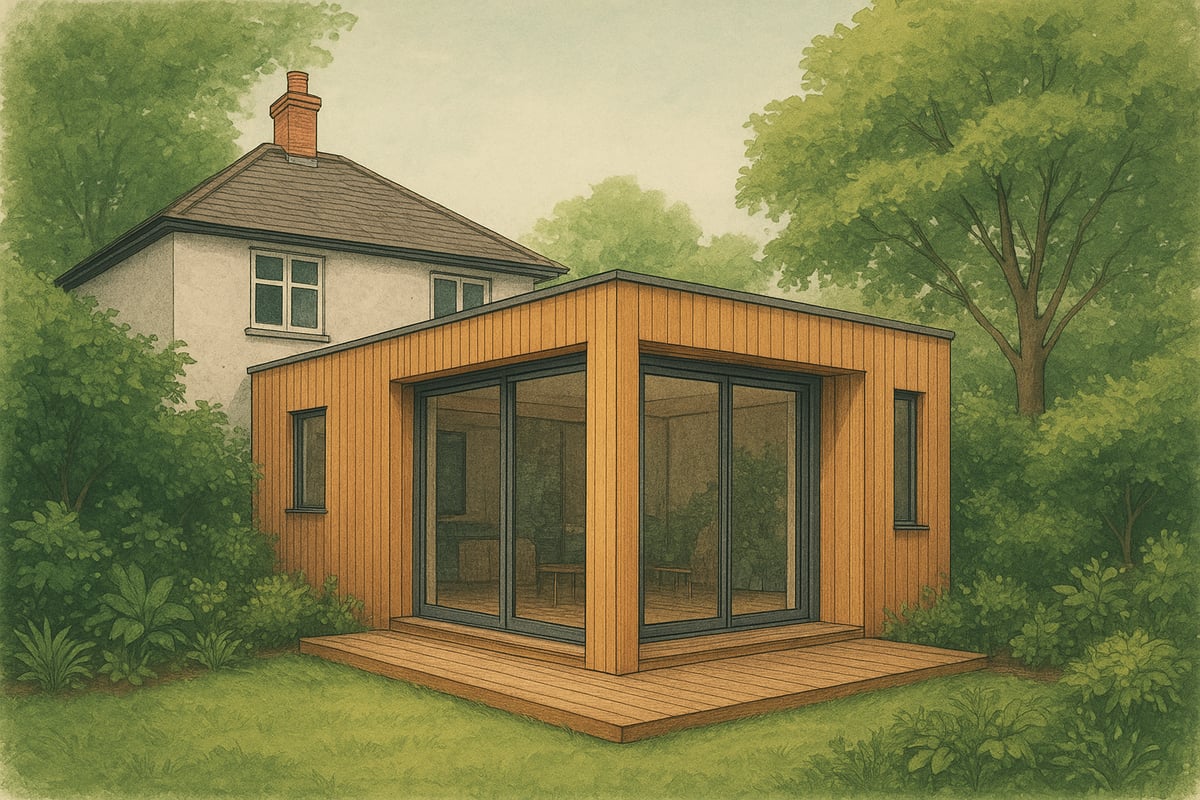
Choosing a wooden house extension means investing in a renewable and low-carbon building material. Timber stores carbon throughout its lifespan, helping to reduce a building's overall environmental impact compared to brick or concrete.
When comparing embodied energy, timber manufacturing consumes much less energy than traditional methods, making it a greener alternative. The life cycle of a wooden house extension is also impressive, as most timber components can be recycled or repurposed at the end of their use. Across the UK, more homeowners are opting for timber to shrink their carbon footprint and support sustainable forestry. For a deeper dive into the environmental and planning benefits, consult the Timber extension building guide.
Aesthetic and Design Flexibility
A wooden house extension offers a unique blend of natural warmth and visual appeal. Timber brings character to both contemporary and traditional designs, allowing for a wide range of architectural styles.
Whether you prefer sleek modern lines or rustic charm, wood adapts easily to your vision. Numerous UK homes have achieved striking results by pairing timber with glass, stone, or even steel. This flexibility ensures your wooden house extension can harmonise with the existing structure or become a bold focal point.
Speed and Efficiency of Construction
One of the standout advantages of a wooden house extension is the speed of construction. Prefabricated timber panels and modular systems enable much faster build times than conventional methods.
On average, a timber extension can be completed in weeks rather than months, greatly reducing disruption to your daily life. Homeowners appreciate the quieter, cleaner construction process, which means less mess and inconvenience. If time and minimal disturbance are priorities, a wooden house extension is an excellent solution.
Cost-Effectiveness and Value
The cost per square metre for a wooden house extension is often more competitive than brick or block alternatives. With 2025/2026 estimates showing timber extensions as a cost-effective option, homeowners can expect value for money.
Timber's excellent insulation properties contribute to lower energy bills, while reduced maintenance needs keep long-term costs manageable. Data from Rightmove and Zoopla shows that a well-designed wooden house extension can enhance property value, making it a smart investment for the future.
Comfort and Performance
Living comfort is at the heart of every wooden house extension. Timber offers superior thermal insulation, keeping spaces warm in winter and cool in summer. It also provides natural acoustic benefits, reducing noise transfer and creating a peaceful environment.
Indoor air quality improves with timber, as the material helps regulate humidity and minimises allergens. Many UK families report that their wooden house extension delivers a noticeable upgrade in comfort and overall well-being.
Planning Your Wooden House Extension: Step-by-Step
Embarking on a wooden house extension is an exciting opportunity to transform your living space. Careful planning is the foundation of a successful project, ensuring you make informed choices and avoid costly mistakes. This step-by-step guide will walk you through each phase, from defining your needs to overseeing the final build.
Step 1: Assessing Your Needs and Goals
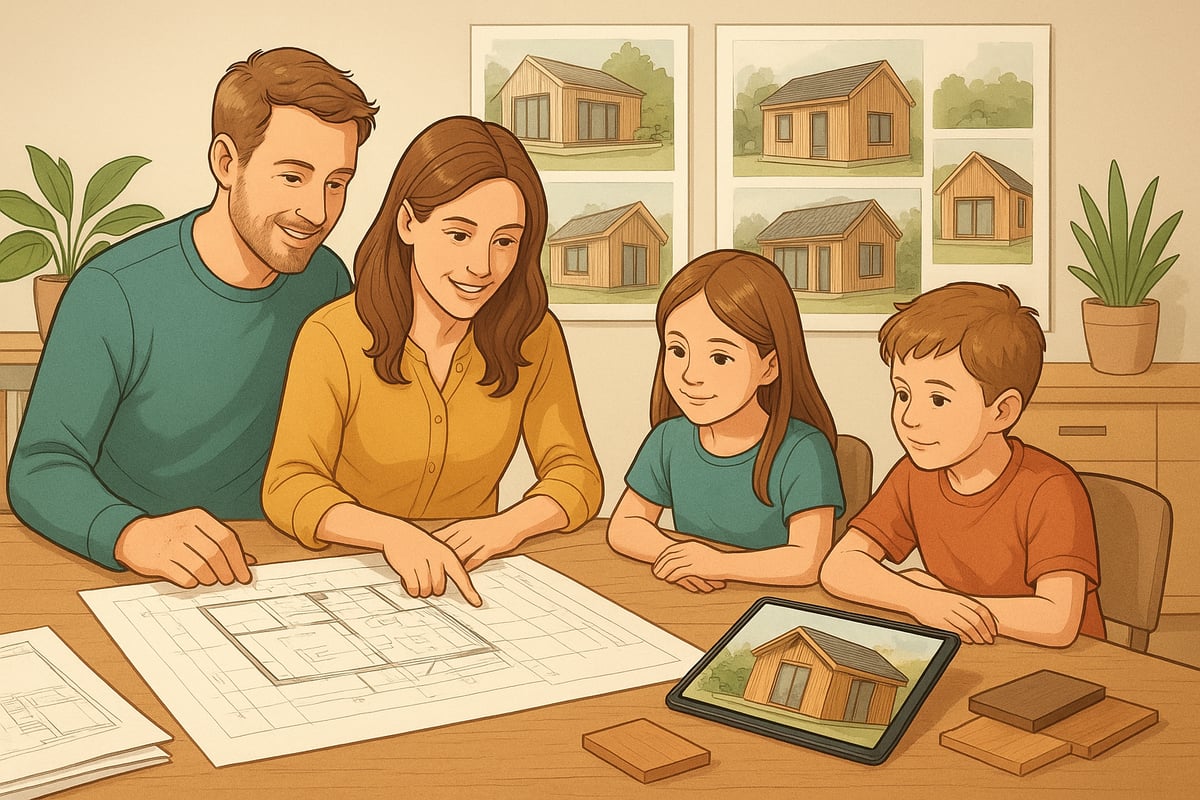
The journey towards a wooden house extension starts with a clear understanding of your motivations. Are you seeking more space for a growing family, a dedicated work-from-home area, or simply aiming to add value to your property? Begin by listing the specific challenges your home currently faces.
Next, distinguish between must-haves and nice-to-haves. For example, you might require a new bedroom, but an additional en-suite could be a desirable extra. Consider how your needs may evolve over time, ensuring your extension remains useful for years to come.
Ask yourself these questions:
- Which rooms feel cramped or underused?
- How would extra space improve your daily life?
- Do you want open-plan living, or defined zones?
By clarifying your objectives early, you lay the groundwork for a wooden house extension that truly enhances your lifestyle. Remember, a well-planned extension should solve problems, not create new ones. Reviewing your priorities will guide decisions throughout the project.
Step 2: Budgeting and Funding Your Project
A realistic budget is essential for a successful wooden house extension. Start by researching current costs for materials, labour, and professional fees in your area. Factor in hidden expenses such as groundworks, VAT, and a contingency fund for unexpected costs, typically around 10-15% of your total budget.
Consider these typical costs:
- Architectural and engineering fees
- Planning application charges
- Timber, glazing, insulation, and roofing materials
- Construction labour
- Interior finishes and landscaping
Explore funding options like remortgaging, home improvement loans, or government grants for energy-efficient upgrades. Comparing quotes from multiple contractors helps ensure value for money. Keep a detailed spreadsheet to track spending against your budget.
Careful financial planning minimises stress and ensures your wooden house extension remains on track. Transparent budgeting also helps you make informed decisions on where to invest or save.
Step 3: Securing Planning Permission and Meeting UK Regulations
Before any work begins, check if your wooden house extension requires planning permission. Many extensions fall under permitted development rights, but factors such as size, location, and property type can affect eligibility. Review your local authority’s guidelines and consult with neighbours if your plans impact shared boundaries.
It’s vital to understand the latest Building Regulations, covering structural safety, fire protection, and insulation standards. The rules are updated regularly, so ensure your design complies with 2026 requirements. For detailed guidance, read When do you need planning permission for extensions? The rules explained.
Remember, around 60% of UK extensions needed full planning in 2025, so prepare documentation early. Early engagement with your planning office can streamline the approval process and avoid delays. Compliance is essential for a safe, legal, and high-quality wooden house extension.
Step 4: Choosing the Right Professionals
Selecting experienced professionals is crucial to the success of your wooden house extension. At a minimum, you will need an architect or designer, a structural engineer, and a timber specialist familiar with modern construction methods.
When vetting contractors, look for:
- Proven experience with timber-framed buildings
- Solid references and portfolio of similar projects
- Membership in recognised trade bodies
Request detailed quotes and contracts. Clarify timelines, payment schedules, and who will manage building control liaison. A good project manager will coordinate trades and keep your extension on schedule.
Investing in the right expertise ensures your wooden house extension is built safely and to the highest standards. Open communication with your team helps resolve issues quickly and keeps the project running smoothly.
Step 5: Design and Specification
With your team in place, move on to the creative phase of your wooden house extension. Start by developing a clear design brief, supported by mood boards and inspirational images. Decide on key elements such as single versus double storey, roof style, and window placements.
Consider how the extension will integrate with your existing architecture. Will it contrast or complement? Choose materials and finishes that enhance your home’s character while meeting your needs for durability and sustainability.
Focus on natural light, energy efficiency, and flexible layouts. Discuss options for sustainable insulation, renewable energy integration, and eco-friendly finishes. Your design should reflect both your practical requirements and your personal style.
A well-specified wooden house extension not only looks beautiful but also delivers comfort and efficiency for years to come.
Step 6: Project Timeline and Management
Establishing a realistic timeline is vital for a smooth wooden house extension project. The process typically includes planning, design, approvals, procurement, and construction. On average, a straightforward timber extension can take 4-6 months from initial concept to completion.
To avoid delays:
- Set clear milestones for each project phase
- Factor in possible supply chain disruptions
- Communicate regularly with your contractor
Use a simple table to track progress:
| Phase | Estimated Duration |
|---|---|
| Design & Planning | 4-8 weeks |
| Permissions | 6-10 weeks |
| Construction | 8-16 weeks |
Maintain written records of meetings, changes, and payments. Address issues promptly to keep your wooden house extension moving forward. Effective management ensures your project finishes on time and within budget, delivering the space you envisioned.
Timber Choices and Construction Methods Explained
Choosing the right materials and techniques is essential for a successful wooden house extension. Timber offers a unique blend of strength, sustainability, and visual appeal. Understanding your options helps ensure your extension is built to last, looks beautiful, and meets your family’s needs.
Types of Timber Used in Extensions
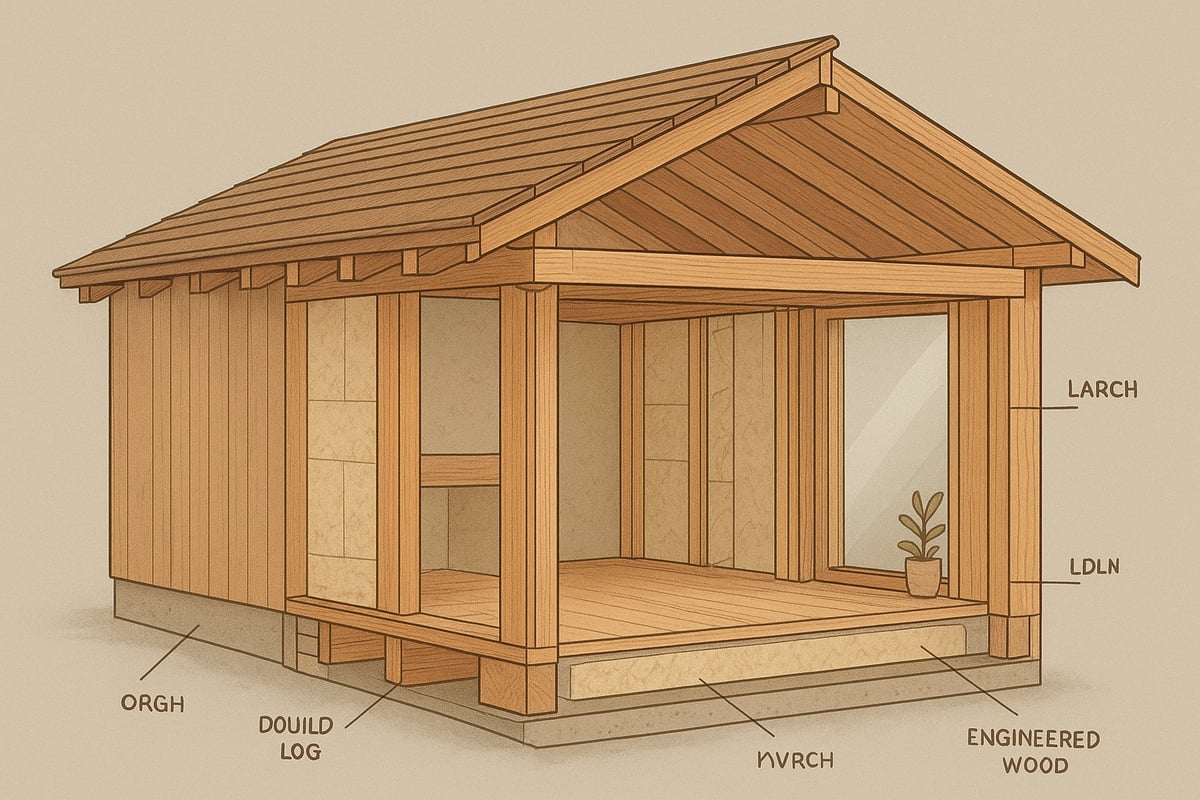
The choice of timber is pivotal for any wooden house extension. Different species offer varying strengths, durability, and aesthetics. Oak is prized for its classic look and longevity, making it ideal for traditional or statement designs. Douglas fir is strong and cost-effective, commonly used in modern builds. Larch offers natural resistance to weather and pests, suitable for exposed areas. Engineered timbers, such as glulam or LVL, provide exceptional stability and allow for innovative architectural features.
Selecting the right timber affects not only the appearance but also the sustainability of your wooden house extension. Engineered timbers maximise resource efficiency, while homegrown species like larch reduce transport emissions. For a deeper dive into the advantages and applications of each timber type, see this detailed guide: Timber types used in construction.
Each timber option comes with trade-offs. Oak and Douglas fir require less treatment, while softwoods may need additional protection. Assessing your priorities—cost, appearance, or sustainability—will guide your decision.
Timber Frame vs. Solid Log vs. SIPs
When planning a wooden house extension, the structural system is just as important as the timber species. Timber frame construction is the most common, offering flexibility and rapid assembly. Solid log systems use interlocking logs for a rustic, robust finish, ideal for countryside settings. Structural Insulated Panels (SIPs) combine timber with high-performance insulation, delivering excellent energy efficiency and airtightness.
Here’s a quick comparison:
| System | Insulation | Build Speed | Cost | Appearance |
|---|---|---|---|---|
| Timber Frame | High | Fast | Moderate | Versatile |
| Solid Log | Moderate | Moderate | Higher | Rustic, natural |
| SIPs | Superior | Very Fast | Moderate | Modern, clean lines |
The best choice depends on your goals for the wooden house extension, local climate, and desired finish.
Modern Construction Techniques
Advances in construction are reshaping how a wooden house extension is built. Offsite fabrication and modular systems allow precise manufacturing, minimising waste and shortening site times. Modern joinery techniques, such as concealed fixings and engineered connectors, enhance both strength and aesthetics.
Innovations in fire safety and moisture control are also crucial. Improved fire-retardant treatments and breathable membranes protect your extension, meeting current building regulations. These advancements ensure your wooden house extension is not only stylish but also safe and resilient.
Prefabrication means less disruption at home, with large sections assembled before arrival. This efficient process is becoming the gold standard for timber builds in 2026.
Maintenance and Longevity
Longevity is a key advantage of a well-built wooden house extension. Protective treatments guard against weather, insects, and fungal decay. Regular maintenance, such as resealing exposed surfaces and checking for moisture ingress, greatly extends lifespan.
A typical schedule includes annual inspections and re-treating timber every five to ten years, depending on exposure. Engineered and naturally durable timbers often require less upkeep. Industry data shows timber extensions can last 60 years or more with proper care, offering excellent value and peace of mind.
Investing in quality materials and following a robust maintenance plan ensures your wooden house extension remains a source of comfort and pride for decades.
Design Inspiration: Wooden Extension Styles & Features
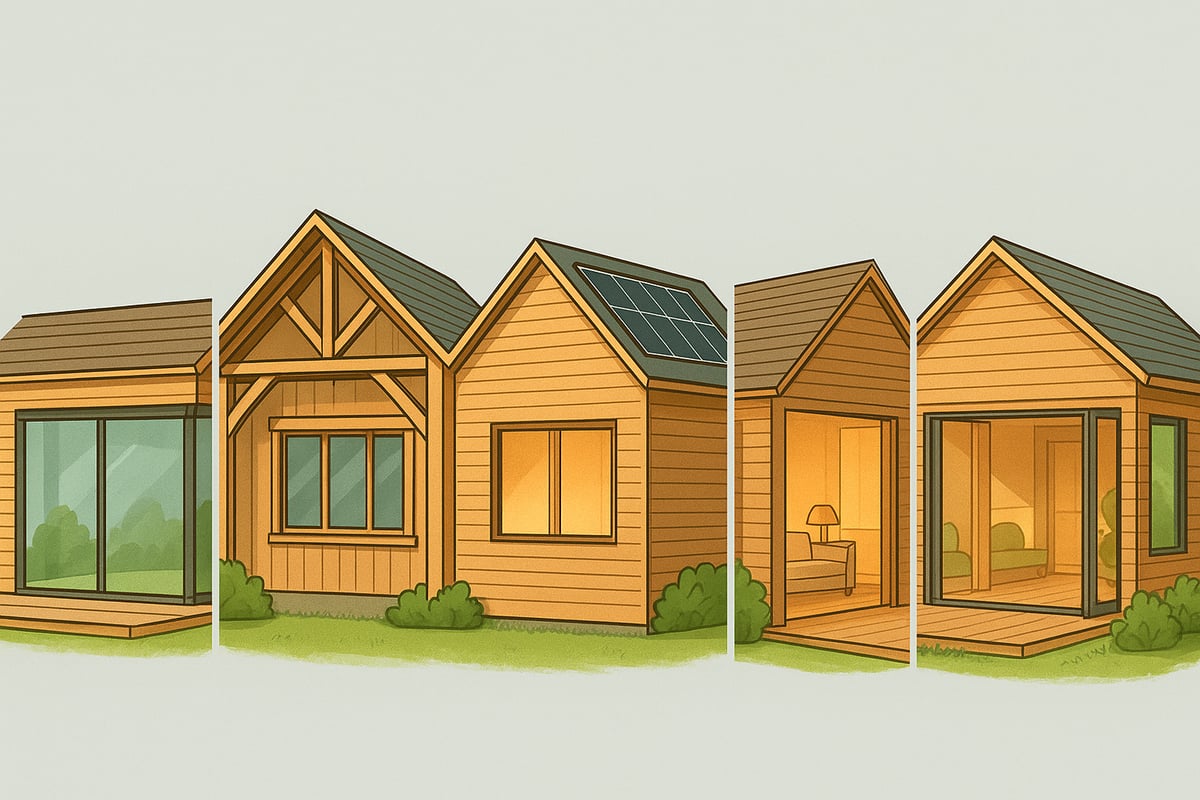
A wooden house extension can be tailored to suit any home, blending contemporary flair with timeless character. From cutting-edge glass-wrapped spaces to heritage oak-framed rooms, the possibilities are nearly endless. Explore the leading styles and features that define the best wooden house extension designs in the UK today.
Contemporary Designs
Contemporary wooden house extension designs bring a sense of light and space to any property. Large panes of glazing, such as floor-to-ceiling windows or glass sliding doors, are common features. These maximise natural light and connect the interior to the outdoors.
Open-plan layouts are a hallmark of modern extensions. This approach creates flexible living spaces ideal for entertaining, dining, or working from home. Flat or shallow-pitched roofs, often with skylights, add to the streamlined aesthetic.
Award-winning projects by RIBA architects frequently showcase innovative use of timber. For example, a wooden house extension in London transformed a Victorian terrace with a bright, minimalist kitchen-living space, using sustainable larch cladding and bold architectural lines.
A contemporary wooden house extension offers clean lines, energy efficiency, and a seamless indoor-outdoor lifestyle. Whether attached to a period property or a new-build, this style delivers a striking statement.
Traditional and Heritage Styles
A traditional wooden house extension draws on centuries of British craftsmanship. Oak framing is a signature element, with exposed beams bringing warmth and texture to the structure. This style is particularly suited to period homes, barns, and cottages where historical character is valued.
Features such as thatched or clay-tiled roofs, timber mullioned windows, and handcrafted joinery help the extension blend with existing architecture. Interior details like tongue-and-groove panelling and inglenook fireplaces maintain authenticity.
Many homeowners choose a wooden house extension in this style to preserve the charm of their property while gaining much-needed space. In rural areas, planning authorities often favour designs that respect local heritage, making traditional timber extensions a practical and attractive solution.
Eco and Passive House Extensions
Sustainability is driving the rise of eco and passive house wooden house extension projects across the UK. These extensions prioritise ultra-high insulation, airtightness, and renewable energy features such as solar panels or green roofs.
Triple glazing and advanced timber frame systems are standard, ensuring low heat loss and exceptional comfort. Many UK case studies have achieved Passivhaus certification, demonstrating that a wooden house extension can meet the highest standards of energy efficiency.
Features like mechanical ventilation with heat recovery (MVHR), natural fibre insulation, and responsibly sourced timber all contribute to a low-carbon footprint. Homeowners increasingly select this style to future-proof their properties and reduce long-term energy bills.
Interior Design and Finishing Touches
The interior of a wooden house extension is just as important as its exterior. Natural timber floors, whether in oak, ash, or engineered boards, create a warm and inviting atmosphere. Timber wall panelling or exposed roof trusses add texture and visual interest.
Lighting design plays a crucial role. Incorporating pendant lights, recessed LEDs, or even feature skylights enhances the sense of space and highlights the beauty of the wood. Sustainable finishes, like plant-based oils and low-VOC paints, support healthy indoor air quality.
Furnishing your wooden house extension with recycled or locally sourced materials further reduces environmental impact. Thoughtful interior choices make the extension not only functional but also a delight to live in every day.
Outdoor Connections and Landscaping
A successful wooden house extension seamlessly links indoors and outdoors. Features like bi-fold or sliding doors flood the room with light and allow easy access to patios, decks, or gardens. Covered timber decks create sheltered spots for year-round outdoor dining.
Landscaping is integral to the overall effect. Raised beds, natural stone paths, or native planting can soften the transition between the extension and the garden. This approach enhances biodiversity and creates a tranquil setting.
A wooden house extension can be designed to maximise garden views and natural light, making it feel like a true retreat. Integrating landscaping and outdoor features not only boosts property value but also enriches daily life. With careful planning, your wooden house extension becomes a harmonious extension of both home and nature.
Cost Breakdown and Budgeting Tips for 2026
Planning a wooden house extension in 2026 starts with a clear understanding of costs. Knowing what to expect helps you budget accurately and avoid surprises. With prices set to rise, making informed choices is more important than ever.
Typical Costs per Square Metre
The cost of a wooden house extension varies by location, size, and specification. In 2026, prices are projected to range from £2,200 to £3,000 per square metre for a standard single-storey timber extension. London and the South East often see higher rates, while the North and Wales can be more affordable.
For a detailed breakdown of material and labour costs, the Timber Frame Extension Cost Guide (2025 Update) provides up-to-date figures and real-world examples. Always factor in VAT, professional fees, and a contingency fund when calculating your total budget.
Key Cost Drivers
Several factors influence the final price of your wooden house extension. Material choice is a major driver. Oak framing, for example, is more expensive than softwood but offers greater durability and character. The complexity of your design, amount of glazing, and site access can all increase costs.
To compare costs for different extension types and regions, the House Extension Costs: Breakdown By Size & Type – HOA is a useful resource. Remember, bespoke architectural features or premium finishes can quickly add to your budget.
Saving Money Without Compromising Quality
You can achieve a high-quality wooden house extension while keeping costs under control. Value engineering helps you invest in essentials, such as insulation and structural timber, while saving on less critical elements. Prefabricated and modular timber systems also reduce labour costs and build times.
Consider standardising window sizes and minimising structural complexity. Work with experienced professionals who can advise on cost-saving measures that do not compromise performance or longevity.
Avoiding Common Budget Pitfalls
Many homeowners underestimate the true cost of a wooden house extension. Always include a 10-15% contingency for unforeseen expenses, such as unexpected groundworks or supply chain delays. Transparent contracts and regular communication with your builder help prevent costly misunderstandings.
Review stories from other homeowners to learn from their budgeting successes and mistakes. Planning ahead and staying flexible ensures your extension project remains on track and within budget.
Navigating UK Building Regulations and Sustainability Standards
Successfully delivering a wooden house extension in the UK requires a sound understanding of current regulations and sustainability benchmarks. Homeowners must navigate a series of legal, technical, and environmental requirements to ensure their project is safe, compliant, and future-proof.
Building Regulations for Timber Extensions
Every wooden house extension must comply with UK Building Regulations. These rules cover structural integrity, fire resistance, and thermal performance. For timber builds, special attention is paid to moisture control, fire protection, and load-bearing calculations.
From 2026, updated standards emphasise improved insulation and enhanced fire safety. Key areas include:
- Structural stability for timber frames
- Approved fire-retardant treatments
- Minimum insulation values for walls, roofs, and floors
For a detailed overview, refer to UK timber building regulations, which outlines the latest requirements for timber-based projects. Compliance ensures your wooden house extension is both safe and long-lasting.
Achieving High Energy Performance
Energy efficiency is at the heart of modern wooden house extension design. Regulations set strict targets for U-values, airtightness, and SAP (Standard Assessment Procedure) ratings. Meeting these standards reduces heat loss and lowers utility bills.
Consider integrating renewable technologies such as solar panels or heat pumps. These not only boost SAP scores but also contribute to a sustainable future. High-performance insulation and triple glazing further enhance energy savings.
Before construction begins, check that your plans meet or exceed the minimum thresholds for thermal efficiency. A well-insulated wooden house extension delivers year-round comfort and tangible long-term savings.
Planning for Future-Proofing
Building a wooden house extension in 2026 means thinking ahead. Future-proofing involves designing adaptable spaces that can evolve with your family's needs and anticipating stricter environmental regulations.
Opt for flexible layouts and robust insulation that surpass current standards. Features like underfloor heating, smart home systems, and electric vehicle charging points add value and convenience. By preparing for tomorrow’s requirements, you protect your investment and enhance resale appeal.
Anticipate upcoming legislation on carbon emissions and energy use. Proactive planning ensures your wooden house extension remains compliant and desirable for decades.
Working with Local Authorities
Engaging your local planning office early is vital for a smooth approval process. Most wooden house extension projects require submitting detailed plans, structural calculations, and sustainability statements.
Expect site inspections at key build stages, such as foundation, frame erection, and final completion. Maintaining clear communication and promptly addressing any queries will help avoid costly delays.
Successful projects often result from strong collaboration between homeowners, architects, and council officers. By following the correct procedures, your wooden house extension will meet all legal and quality benchmarks.
Sustainability Certifications
Independent certifications can further demonstrate the eco-credentials of your wooden house extension. Two leading standards in the UK are BREEAM and Passivhaus. These schemes assess factors like energy use, water efficiency, and materials sourcing.
| Certification | Key Focus | Benefits |
|---|---|---|
| BREEAM | Overall sustainability | Higher resale value |
| Passivhaus | Energy performance | Ultra-low running costs |
Achieving certification can increase property value and reassure future buyers. Investing in sustainable features today secures long-term comfort and environmental responsibility for your wooden house extension.
Now that you’re equipped with the latest insights on planning, designing, and building your wooden house extension, you can see just how achievable and rewarding this journey can be. Whether you’re aiming for a contemporary space or a traditional oak-framed haven, making the right choices from the start ensures your extension is beautiful, sustainable, and built to last. If you’re ready to turn your vision into reality with expert support every step of the way, let’s take the first step together. Explore bespoke possibilities and start your project today—BUILD NOW.


