
The oak porch is fast becoming the signature feature for stylish homes in 2026, offering an irresistible mix of curb appeal, practical shelter, and sustainable design. This guide will demystify every aspect of choosing, installing, and caring for an oak porch, empowering you to make decisions that enhance both your home and the environment. Inside, you will discover the key benefits, latest design trends, essential planning steps, material options, installation guidance, styling inspiration, and expert maintenance advice. Step into a world where timeless oak meets modern living, and let your entrance set the tone for your entire home.
Why Choose an Oak Porch?
Choosing an oak porch is more than a style statement, it is an investment in beauty, practicality, and sustainability. Homeowners increasingly select an oak porch to enhance their property's character, boost kerb appeal, and enjoy a durable, eco-friendly entrance.
Timeless Aesthetic Appeal
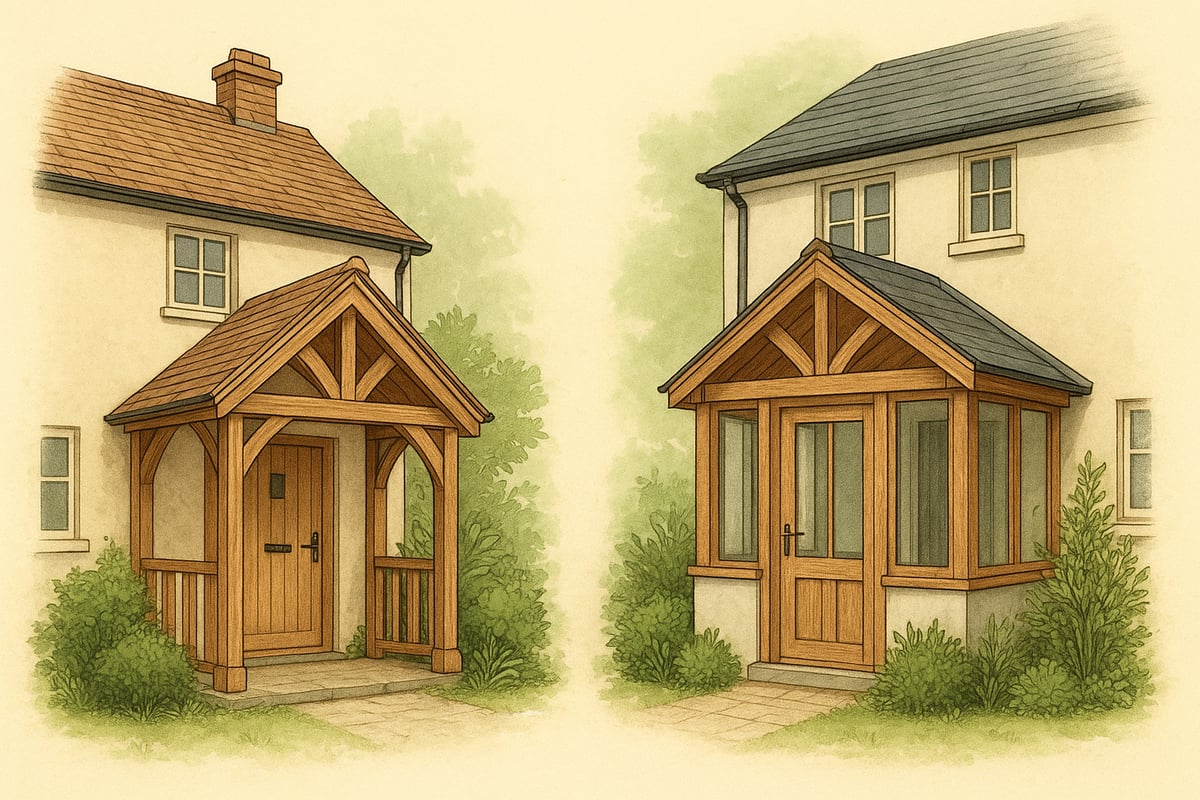
The natural beauty of an oak porch instantly elevates any home's exterior. Oak’s rich grain and warm tones blend seamlessly with period cottages and modern new-builds alike.
Whether your property is a centuries-old farmhouse or a sleek urban residence, an oak porch provides an inviting focal point. Its classic aesthetic never goes out of fashion, helping your home stand out with a touch of understated elegance.
Durability and Longevity
An oak porch is renowned for its remarkable strength and resilience. Oak’s dense structure makes it highly resistant to the UK's unpredictable weather, from heavy rain to sharp frosts.
With proper care, a well-built oak porch can last over 50 years. Unlike softwood alternatives, oak is far less susceptible to warping and insect damage, ensuring your investment endures for generations.
Sustainability and Eco-Friendliness
Oak is a renewable resource, and many UK suppliers provide FSC-certified timber. This ensures responsible forestry and supports sustainability goals.
Compared to brick or uPVC, an oak porch has a lower carbon footprint. Green oak, in particular, needs fewer chemical treatments, making it an eco-conscious choice for environmentally minded homeowners.
Boosting Property Value
Adding an oak porch is a proven way to increase your home's value. Kerb appeal is a key factor for buyers, and studies suggest a well-designed porch can boost property value by up to 10%.
Estate agents often report that homes with a quality timber porch attract more interest and sell faster. For a comprehensive overview of costs and buyer preferences, see the Oak Frame Porches Guide.
Versatility in Design
An oak porch offers exceptional versatility. Choose from open, enclosed, gabled, or lean-to styles to suit your space and architecture.
Bespoke options are ideal for listed buildings or homes in conservation areas, allowing you to match or enhance existing features. No matter your taste or requirements, an oak porch can be tailored to your vision.
Functional Benefits
Beyond aesthetics, an oak porch provides practical advantages. It shelters your doorway from rain and wind, making arrivals and departures more comfortable.
Many homeowners use their oak porch for storage or seating, adding convenience to daily life. Enclosed porches also act as draft lobbies, improving your home's energy efficiency.
Low Maintenance Requirements
Oak’s natural tannins protect it from decay, reducing the need for frequent treatments. Regular cleaning and occasional oiling are typically all that is required to maintain its appearance.
Over ten years, maintenance costs for an oak porch are usually lower than those for painted softwood. This makes it a smart, low-hassle addition to any home.
Latest Oak Porch Design Trends for 2026
Oak porch design in 2026 is set to embrace both heritage and innovation, with homeowners seeking entrances that are as stylish as they are sustainable. From minimalist structures to bespoke detailing, the latest oak porch trends reflect a blend of classic craftsmanship and forward-thinking features. Here is what to expect this year.
Contemporary Meets Traditional
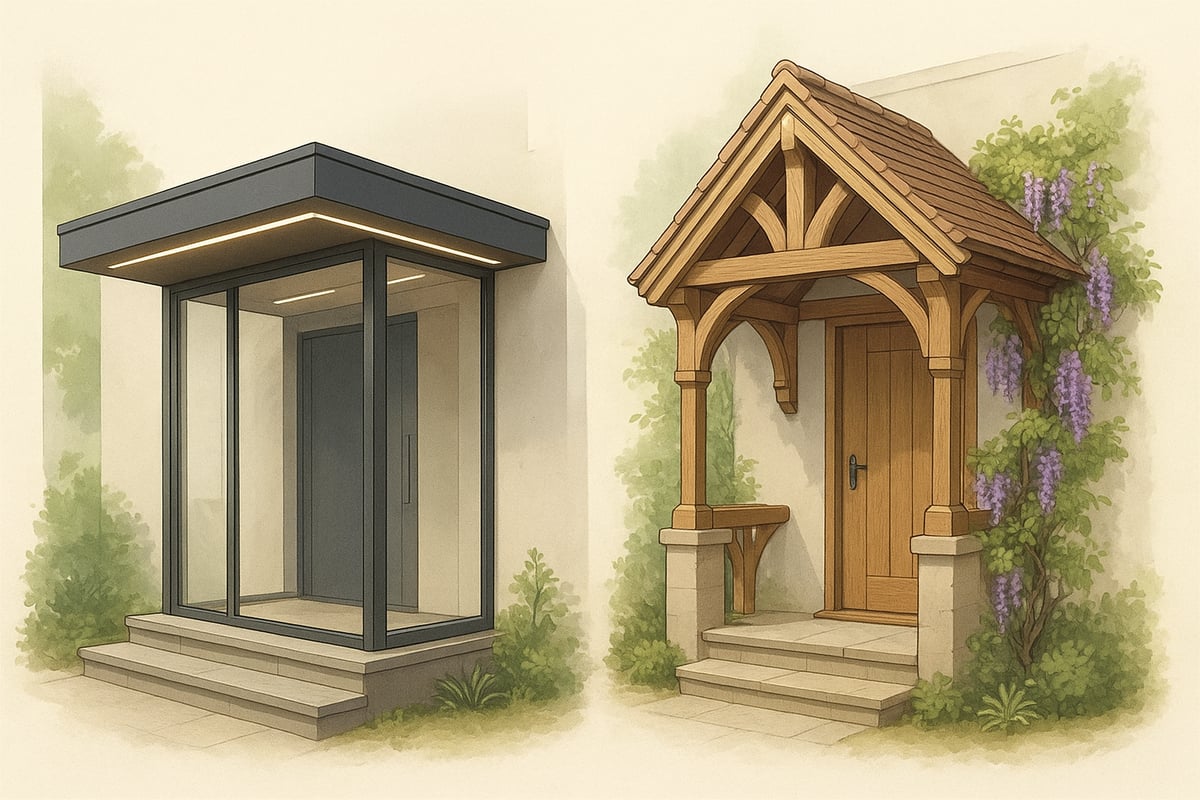
One of the most prominent oak porch trends for 2026 is the seamless fusion of timeless joinery with modern aesthetics. Homeowners are increasingly opting for porches that honour traditional craftsmanship, such as exposed beams and mortise joints, while introducing minimalist elements like slimline glass panels or subtle metal accents.
This approach results in an oak porch that feels both grounded in history and perfectly suited to today’s design sensibilities. Whether you own a period cottage or a sleek new build, combining these elements creates a unique entrance with enduring appeal.
Blending classic and contemporary features ensures your oak porch remains relevant for years to come.
Sustainable and Eco-Conscious Features
Sustainability is at the forefront of every oak porch project in 2026. More homeowners are requesting reclaimed or locally sourced oak to reduce environmental impact. Green roofs, rainwater harvesting systems, and permeable bases are being integrated to encourage biodiversity and responsible water management.
A recent survey found that 68% of UK homeowners now prefer eco-friendly porch solutions, reflecting a wider commitment to the environment. For further inspiration, see the 2026 Outdoor Living Trends shaping garden and entrance design this year.
Choosing these features for your oak porch not only lowers your carbon footprint but also future-proofs your home’s kerb appeal.
Customisation and Bespoke Detailing
Personalisation is a defining characteristic of the 2026 oak porch. Homeowners are commissioning unique touches, from hand-carved brackets and decorative trusses to initials or family motifs etched into the timber.
Bespoke roof pitches and tailored dimensions allow every oak porch to fit perfectly, even in conservation areas or on listed buildings. This level of customisation ensures that your entrance is truly one of a kind.
With a bespoke oak porch, you can reflect your personality and complement the character of your property, making a memorable first impression.
Mixed Materials and Finishes
This year, oak porch designs are embracing a bold mix of materials. Oak frames are being paired with brick plinths, stone bases, or metal detailing to add texture and contrast. This blend of materials brings both visual interest and structural strength.
Contrasting finishes, such as smooth lime-washed oak against rough-hewn stone, are also trending. These combinations highlight the natural grain of oak while introducing contemporary style.
Integrating different materials in your oak porch design allows you to achieve a balanced look that enhances any architectural style.
Smart Lighting and Technology
Technology is enhancing the functionality and ambience of the modern oak porch. Integrated LED lighting, motion sensors, and smart doorbells are now standard features, providing both security and aesthetic appeal.
Discreet uplighting is being used to accentuate the grain and structure of the oak porch at night. Homeowners can control lighting remotely, ensuring their entrance is welcoming and safe in all conditions.
Incorporating smart technology into your oak porch ensures it meets the needs of modern living without compromising on traditional charm.
Space-Saving and Modular Designs
Urban homes and properties with smaller entrances are benefiting from innovative oak porch solutions in 2026. Compact and modular designs are becoming increasingly popular, allowing for quick installation and customisation without compromising on style.
Prefabricated oak porch kits offer flexibility and efficiency, making them ideal for busy households or restricted spaces. Clever layouts include integrated storage or fold-away seating to maximise utility.
Choosing a modular oak porch enables you to enjoy all the benefits of a traditional structure, even where space is limited.
Colour and Finish Trends
Natural finishes remain a top choice for oak porch designs, with oiled or lime-washed surfaces showcasing the wood’s organic beauty. However, subtle greys and weathered looks are forecast to rise in popularity throughout 2026.
These finishes not only protect the oak porch from the elements but also harmonise with a variety of exterior palettes. Neutral tones continue to dominate, with homeowners seeking understated elegance and timeless appeal.
Selecting the right colour and finish for your oak porch ensures it complements your home and stays on trend for years to come.
Planning, Regulations, and Permissions
Careful planning is essential before adding an oak porch to your home. Understanding permissions and regulations ensures a smooth process and helps avoid costly mistakes. This section breaks down everything you need to know, from planning permission to building regulations and useful resources.
UK Planning Permission Requirements
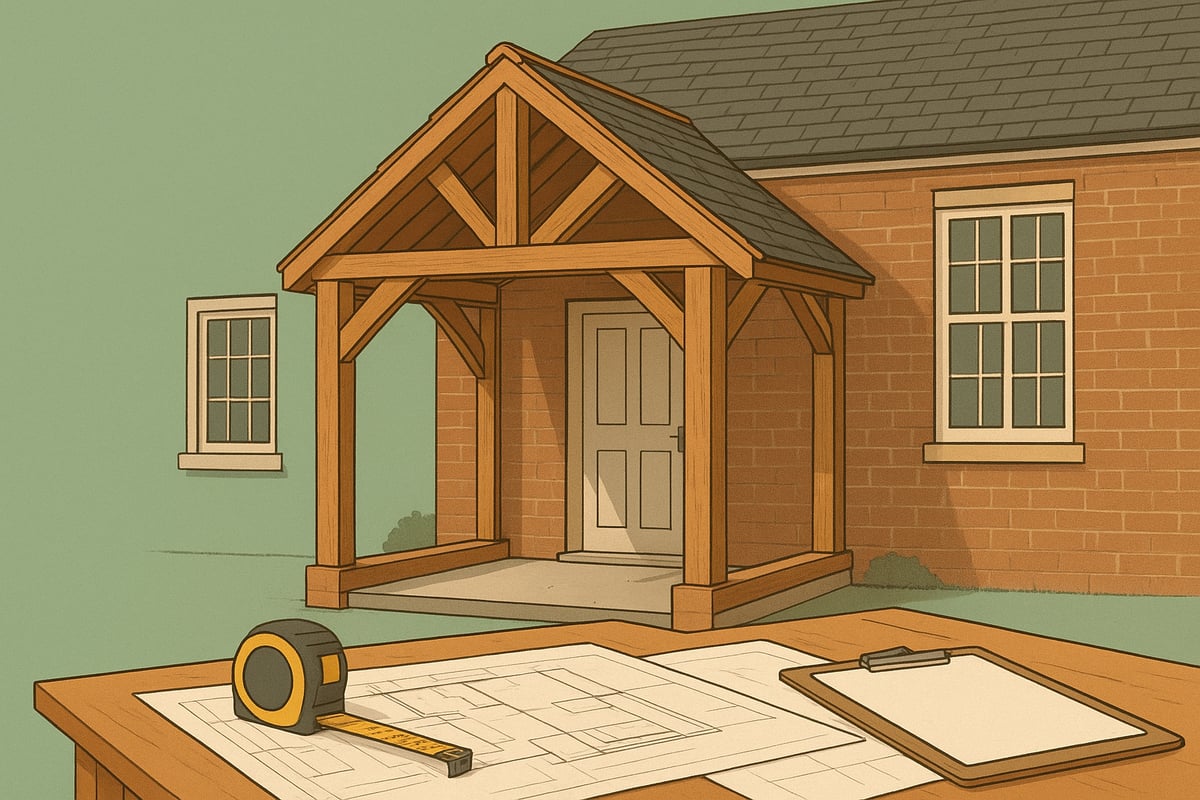
Before starting an oak porch project, it is vital to check if planning permission is required. In most cases, small porches (up to 3m² and not within 2m of any boundary or highway) can be built without formal permission. However, if your property is listed or in a conservation area, stricter rules apply. There are differences between wall-mounted and floor-mounted porches, so always check local guidelines.
For comprehensive advice, refer to the Planning Permission for Porches guidance to confirm your specific requirements. Taking these steps ensures your oak porch complies with local authority expectations and avoids future issues.
Building Regulations Overview
Even if planning permission is not needed, your oak porch may still fall under building regulations. These standards are in place for safety, insulation, and fire protection. Porches under 30m², separated from the main house by an external door, often do not need approval.
However, if your oak porch affects the main entrance or includes electrical works, you may need Building Control sign-off. Meeting these regulations helps guarantee the structural integrity and energy efficiency of your new addition.
Navigating Conservation and Heritage Restrictions
If you live in a listed building or a conservation area, planning an oak porch involves extra steps. Consult your local authority or a heritage consultant early in the design process. These experts can advise on appropriate materials and styles to ensure your oak porch respects the character of your home.
Applications for heritage properties often require more detailed drawings and supporting documents. Taking time to get these right can help avoid delays or refusals.
Common Pitfalls and How to Avoid Them
Some homeowners overlook essential factors when planning an oak porch. Ignoring drainage or foundation requirements can lead to structural issues. Failing to match the porch design with your home’s architecture may result in planning refusals.
To avoid these pitfalls, always engage with professionals familiar with oak porch projects. They can help ensure the design, materials, and build meet all necessary standards and blend seamlessly with your property.
Step-by-Step Planning Process
Begin by outlining your oak porch design and measuring your available space. Arrange a site survey to identify potential obstacles. Prepare all necessary drawings and documentation for your application. Submit these to your local authority, and be ready to answer questions or provide additional information.
Once approved, you can move forward with confidence, knowing your oak porch project is compliant and well-prepared.
Useful Resources and Contacts
For further guidance, consult your local council’s planning department or the UK government’s Planning Portal. Heritage bodies and professional architects are valuable contacts when working on listed buildings. Keeping these resources at hand will streamline your oak porch planning journey.
Oak Porch Materials and Construction Options
Selecting the right materials is fundamental to the beauty, strength, and longevity of your oak porch. Each component, from the timber itself to the base and roof, contributes to the porch's appearance and performance.
Types of Oak Used
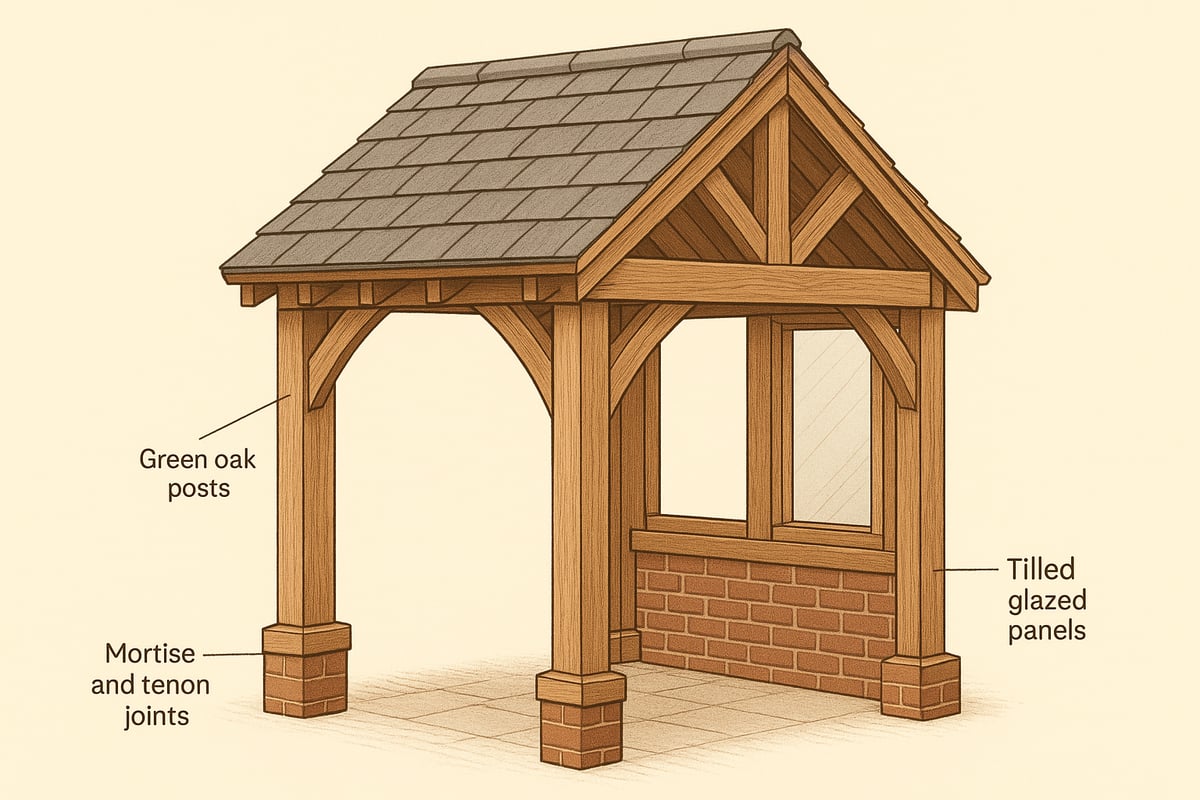
Choosing between green oak and seasoned oak is one of the first decisions when planning an oak porch. Green oak, freshly cut and high in moisture, is flexible and ideal for traditional framing methods. Its natural movement as it dries adds character but requires careful joinery.
Seasoned oak, dried over time, is more stable and less prone to movement. This makes it a smart choice for visible joinery or detailed woodworking. Most UK oak porch frames use green oak for structural elements and seasoned oak for decorative features. This blend maximises both strength and elegance.
Structural Components Explained
A classic oak porch is built on a framework of robust posts, beams, and trusses. The posts provide vertical support, while beams and braces add lateral stability. Traditional mortise and tenon joints are favoured for their enduring strength and timeless look.
Decorative elements like carved brackets or intricate trusses can add a personal touch. For a deeper dive into construction methods, the Oak Frame Porch Guide offers expert insights on joinery and design.
Roofing Materials and Options
The roof is both a functional and visual focal point of any oak porch. Common choices include clay tiles, natural slate, thatch for heritage homes, or even living green roofs for an eco-friendly statement.
Matching the porch roof material to your main house ensures a cohesive look. Good roof design also supports effective rainwater runoff, protecting the oak frame and base below.
Glazing, Doors, and Enclosure Choices
Deciding between an open or enclosed oak porch depends on your needs. Open designs showcase the timber structure and invite light, while enclosed porches offer greater security and insulation.
Double glazing is recommended for enclosed porches, helping to retain warmth and block out noise. Glazed side panels or doors can be tailored for period or contemporary homes, enhancing both function and character.
Foundation and Base Solutions
A solid foundation is crucial for any oak porch. Options range from brick plinths and stone bases to direct-to-ground oak posts. Brick and stone bases offer extra stability and protection from ground moisture.
Damp-proofing layers and efficient drainage systems will prevent rot and prolong the life of your oak porch. Always assess ground conditions before installation to choose the best base solution.
Sourcing Quality Materials
Quality is non-negotiable when sourcing oak for your porch. Look for FSC-certified or sustainably sourced timber, ensuring responsible forestry practices. Reputable suppliers will provide certification and expert advice on suitability.
Selecting high-grade oak minimises defects and ensures your porch remains structurally sound and visually appealing for decades.
Cost Breakdown and Budgeting
The cost of an oak porch can vary widely based on size, complexity, and material choices. Here is a summary of typical price ranges:
| Porch Type | Average Cost (Installed) |
|---|---|
| Basic Open Porch | £2,500 – £4,000 |
| Mid-Range Enclosed | £4,000 – £7,000 |
| Bespoke/Large | £7,000 – £10,000+ |
Remember to budget for foundations, roofing, glazing, and any custom detailing. Investing in quality materials and skilled installation will ensure your oak porch is a lasting asset.
Step-by-Step Oak Porch Installation Guide
Embarking on an oak porch installation is a rewarding journey that transforms your home’s entrance and boosts kerb appeal. Whether you choose bespoke joinery or opt for a prefabricated kit, careful planning is essential for a flawless result. This guide walks you through every stage, helping you achieve a beautiful, durable oak porch with confidence.
1. Site Assessment and Preparation
Begin your oak porch project with a thorough site assessment. Measure the available space and check the ground conditions to ensure stability. Look for any obstructions, such as pipes or cables, that may affect the build.
- Mark out the porch footprint with string and stakes.
- Confirm access for deliveries and tools.
- Plan temporary protection for your garden and paths.
Clearing the area and verifying measurements now can help avoid costly errors later in the oak porch build.
2. Foundation and Base Construction
A solid foundation is the backbone of any oak porch. Start by excavating the site to the required depth, considering soil type and drainage.
- Lay concrete footings for strength and longevity.
- Build up brick or stone plinths for a raised base.
- Install damp-proof membranes to prevent moisture ingress.
A well-constructed base supports the oak porch structure and protects it from ground movement or damp issues.
3. Framing and Erection of Oak Structure
Once the base is ready, it’s time to assemble the oak framework. Traditional mortise and tenon joints are favoured for their strength and classic appearance.
- Position the main posts securely on the base.
- Fit beams, trusses, and braces according to the design.
- Use temporary supports to keep the frame square and level.
Whether you select green or seasoned timber, expert craftsmanship ensures the oak porch frame stands the test of time.
4. Roofing and Weatherproofing
The next stage is to add the roof, which shields the oak porch from the elements and completes its architectural character.
- Fix rafters and battens to the frame.
- Install your chosen roof covering, such as tiles, slate, or thatch.
- Fit flashing and guttering to direct rainwater away.
Attention to detail with weatherproofing safeguards both the oak porch and your home’s entrance from leaks and weather damage.
5. Glazing and Enclosures (if applicable)
If your oak porch design includes enclosures, now is the time to install doors, windows, or side panels. Choose double glazing for energy efficiency and added security.
- Fit doors and frames with quality ironmongery.
- Seal joints to minimise drafts.
- Consider ventilation for enclosed spaces.
These additions enhance the comfort, safety, and insulation of your oak porch.
6. Finishing Touches and Detailing
The final aesthetic flourishes bring your oak porch to life. Sand exposed timber, then apply protective oil or stain to preserve the wood’s beauty.
- Add decorative brackets or carved features.
- Install lighting, such as lanterns or discreet LEDs.
- Style the area with planters or seating.
Thoughtful detailing ensures your oak porch is not just functional but also a standout feature of your home.
7. Final Inspection and Handover
Conduct a thorough check of the completed oak porch. Inspect for structural integrity, weatherproofing, and finish quality.
- Test doors and windows for smooth operation.
- Ensure all fixings are secure.
- Arrange a Building Regulations sign-off if required.
A careful inspection guarantees your oak porch meets safety standards and is ready to enjoy.
8. Example Timelines and Professional vs. DIY Options
The time required for an oak porch installation varies by complexity. Simple open porches may be completed in 2–3 days, while larger, enclosed designs can take up to a week.
| Installation Type | Typical Duration | Suitable For |
|---|---|---|
| Open Porch Kit | 2–3 days | DIY or professional |
| Bespoke Enclosed | 5–7 days | Professional recommended |
If you are considering a self-build project, Oak Porch Kit Options provide a practical route, combining convenience with quality. For bespoke or complex designs, hiring experienced professionals ensures compliance and a flawless finish.
Evaluating your skills, budget, and desired outcome will help you decide the best approach for your oak porch project.
Styling and Decorating Your Oak Porch
First impressions count, and a beautifully styled oak porch can transform the entrance to your home. Whether you prefer a classic English look or a contemporary twist, there are countless ways to make your oak porch both welcoming and practical.
Seasonal and Year-Round Styling Ideas
Bring your oak porch to life with thoughtful planting schemes and seasonal décor. Climbing plants like wisteria or roses can frame the entrance, adding colour and fragrance throughout the year. For a classic touch, use terracotta pots with lavender or topiary for a formal look.
Hanging baskets filled with trailing ivy or seasonal blooms offer instant kerb appeal. In autumn, pumpkins and lanterns create a cosy vibe, while festive wreaths and garlands add winter charm. By updating your oak porch décor with the seasons, you keep your entrance inviting all year round.
Lighting Solutions for Ambience and Security
Lighting transforms the atmosphere of any oak porch, making it both beautiful and secure. Consider classic lanterns for a timeless feel, or sleek wall lights for a modern edge. Integrated LEDs beneath the porch roof can highlight the natural grain of the oak porch structure.
Motion-sensor lights offer convenience and safety, especially on dark winter evenings. Uplighting at the base of posts draws attention to architectural details, while solar-powered options provide an eco-friendly solution. The right lighting makes your oak porch a true focal point, day or night.
Furniture and Accessory Inspiration
Furnishing your oak porch blends style with practicality. A rustic wooden bench offers a spot to pause or remove muddy boots, while a compact boot rack keeps clutter at bay. Add woven baskets for umbrellas or gardening tools, ensuring everything has its place.
For a welcoming feel, include a weatherproof doormat and a few outdoor cushions. If space allows, a small bistro set turns the oak porch into a spot for morning coffee. Choose materials that complement your oak porch, such as cast iron or natural fibres, for a cohesive look.
| Furniture/Accessory | Function | Style Suggestion |
|---|---|---|
| Wooden bench | Seating | Rustic or contemporary |
| Boot rack | Storage | Compact, oak finish |
| Woven basket | Accessories | Natural fibres |
| Bistro set | Relaxation | Metal, neutral tones |
Colour Schemes and Finishes
Selecting the right colour scheme can elevate the appearance of your oak porch. Many homeowners choose natural or oiled finishes to showcase the wood’s beauty. Subtle greys and lime-washed tones are forecast to rise in popularity by 2026.
Coordinate the porch with your front door and exterior paint for a harmonious effect, or opt for a contrasting shade to make the entrance stand out. Neutral tones remain the favourite among UK homeowners, offering timeless appeal and flexibility in styling your oak porch.
Decorative Features and Personal Touches
Personalising your oak porch is easy with a few thoughtful details. Hand-carved house numbers, welcome signs, or seasonal wreaths add character. Decorative ironmongery, such as traditional hinges or latches, enhances the period feel.
Consider adding oak gallows brackets for both support and visual interest. These brackets can be styled with bespoke carvings or motifs, making your oak porch truly unique. Personalised plaques, lanterns, and potted plants complete the look, ensuring your entrance reflects your taste.
Maximising Space in Small Porches
Even compact porches can be stylish and functional with clever planning. Wall-mounted planters free up floor space for seating or storage, while fold-away benches provide flexibility. Choose slimline furniture and avoid clutter to keep the area open and inviting.
Use vertical space for hooks, shelves, or decorative features, making the most of every inch. Light colours and reflective finishes help small oak porch designs feel larger, while a few well-chosen accessories add personality without overwhelming the space.
Real-Life Examples and Before & After Inspiration
Across the UK, homeowners are transforming entrances with creative oak porch designs. Before and after photos highlight the dramatic difference a well-styled porch can make, often boosting kerb appeal and adding value.
Many report increased pride and satisfaction after their oak porch installation, noting the welcoming feel and improved functionality. Whether updating a period cottage or enhancing a new build, an oak porch styled to suit your home creates a lasting first impression.
Care, Maintenance, and Longevity of Oak Porches
Proper care is essential to ensure your oak porch remains a beautiful and enduring feature of your home. With a consistent maintenance routine, you can preserve its natural charm, structural integrity, and value for decades.
Routine Cleaning and Upkeep
A regular cleaning schedule is crucial for your oak porch. Remove dirt, leaves, and algae using a soft brush and mild soapy water every few months. This prevents buildup and protects the wood’s surface. Always check for signs of wear or insect activity during cleaning. A tidy oak porch not only looks appealing but also ensures ongoing protection against the elements.
Protecting Oak from the Elements
Oak is naturally resilient, but exposure to sun and rain can alter its colour and texture. Some homeowners prefer the silvered look that comes with natural weathering. If you wish to maintain a richer tone, apply a UV-resistant oil annually. For a south-facing oak porch, this extra protection helps guard against drying and splitting, extending the wood’s lifespan.
Dealing with Common Issues
Even with the best care, splits, shakes, and surface cracks may appear as the oak adjusts to its environment. These are usually cosmetic and do not affect structural strength. Fungal growth or insect infestation can occur in damp areas, so ensure proper ventilation and drainage. For more on preventing mistakes in oak porch care, see the Oak Porch Design Tips.
Long-Term Structural Health
Inspect joints, fixings, and the roof of your oak porch annually. Look for signs of movement, rust, or water ingress, particularly after severe weather. Promptly address any issues to avoid costly repairs. If you notice persistent problems, consult a professional for a detailed assessment and remedial action.
Maintenance Cost Estimates
Maintaining an oak porch is generally more cost-effective than caring for softwood alternatives. Annual costs are modest, typically limited to cleaning supplies and occasional oiling. Over a decade, these expenses are considerably lower than the repainting often required for other materials. Investing a little each year keeps your oak porch in top condition and maximises its value.
Extending Lifespan and Preserving Value
To ensure your oak porch remains an asset, re-oil exposed surfaces periodically and repair minor damage promptly. Clear gutters and check roof coverings to prevent water pooling. Adding personal touches, such as carved plaques or planters, enhances kerb appeal and pride in ownership. Proactive attention will keep your porch welcoming for years to come.
Sustainability and End-of-Life Considerations
Oak is both durable and environmentally friendly. At the end of its life, oak from your porch can often be recycled or repurposed into garden features or furniture. If disposal is necessary, choose eco-friendly methods that minimise landfill waste. Sustainable care for your oak porch benefits both your home and the wider environment.
Now that you have a clear understanding of how an oak porch can truly transform your home—offering timeless style, lasting durability, and real value—why not take the next step towards making your vision a reality? At Acorn to Oak Framing, we combine expert craftsmanship with sustainable materials to create bespoke porches designed just for you. Whether you are inspired by classic English charm or modern trends, you deserve an entrance that stands out and stands the test of time. If you are ready to start planning your own stylish oak porch, BUILD NOW.


