
Imagine stepping into a home where the warmth of natural timber meets cutting-edge design, offering both comfort and character. A timber clad house brings together the best of nature and innovation, creating spaces that are as beautiful as they are efficient.
This handbook is your essential companion for building, maintaining, and enjoying a timber clad house in 2026. Whether you are a homeowner, self-builder, or renovator, you will find expert advice and practical tips tailored to your needs.
Discover the advantages, materials, design options, regulations, installation steps, maintenance routines, and the latest trends to help you make informed decisions. Let’s explore how you can transform your vision into a stunning timber clad home.
Why Choose a Timber Clad House?
Imagine walking up to a home that feels both timeless and innovative, where the warmth of wood meets crisp architectural lines. A timber clad house offers this unique blend, making it a standout choice for homeowners seeking style, comfort, and long-term value.
The Aesthetic Appeal of Timber Cladding
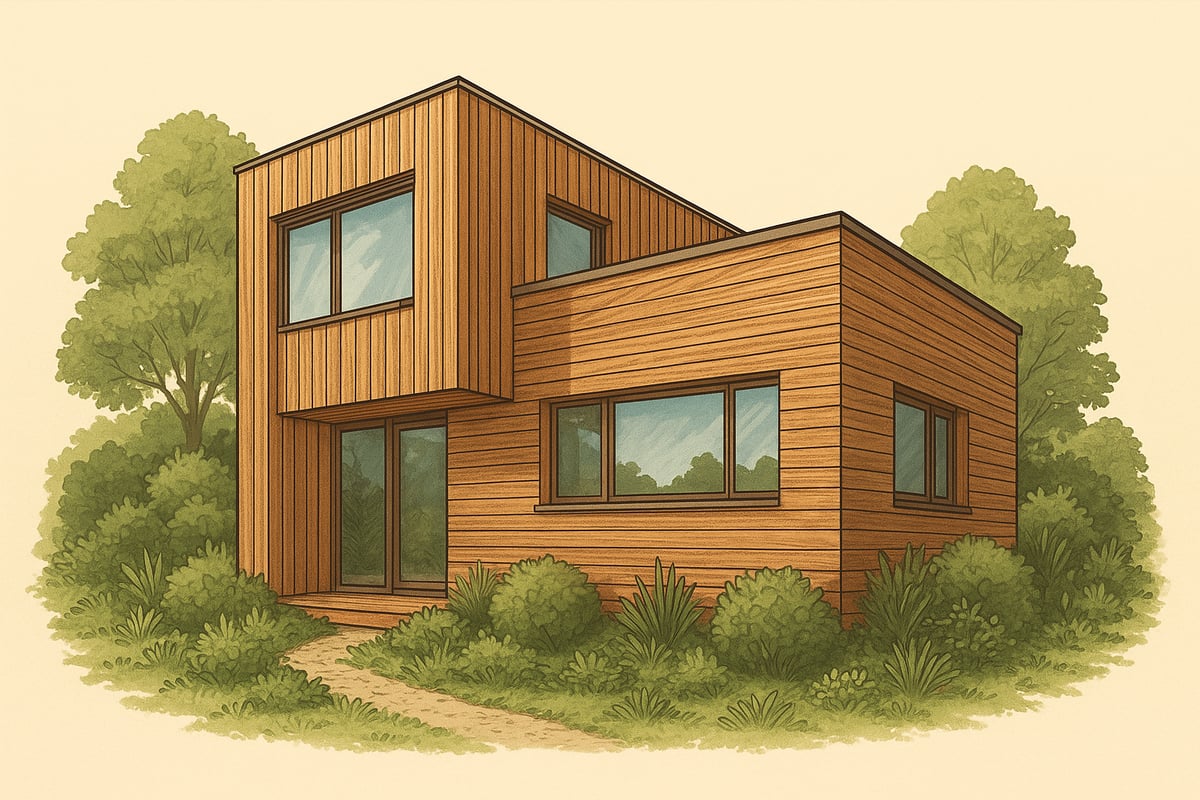
A timber clad house brings a natural warmth that brick or render simply cannot match. The beauty of timber lies in its versatility, easily adapting to a contemporary city terrace or a rustic countryside retreat.
Design options are nearly limitless. Whether you prefer a sleek minimalist façade or a traditional board-on-board look, timber cladding accommodates every vision. Award-winning UK homes, such as those featured in architecture magazines, often showcase creative uses of timber to blend new builds into historic neighbourhoods or to add character to modern developments.
The tactile quality and evolving patina of timber cladding ensure that no two homes look exactly alike. This individuality adds curb appeal and personal identity to your property.
Sustainability and Environmental Benefits
Choosing a timber clad house is a proactive step towards sustainability. Timber, when responsibly sourced, is a renewable resource that stores carbon throughout its life. The environmental credentials are reinforced by certifications such as FSC and PEFC, which guarantee that wood comes from well-managed forests.
According to the UK Green Building Council, using timber for construction can reduce embodied carbon by up to 60 percent compared to conventional materials. This makes a timber clad house an excellent choice for eco-conscious homeowners looking to reduce their environmental footprint.
For a deeper dive into the ecological and practical benefits, the Timber Buildings Explained article offers comprehensive insights tailored to UK conditions.
Energy Efficiency and Insulation
One of the standout benefits of a timber clad house is its thermal performance. Timber cladding acts as a natural insulator, helping to keep interiors warm in winter and cool in summer.
When paired with high-spec insulation, a timber clad house can achieve impressive U-values, often outperforming traditional brickwork. Some projects have even reached Passivhaus standards, proving that timber is suitable for ultra-low energy homes.
The result is lower heating bills and a more comfortable living environment, making timber cladding both a smart and sustainable investment.
Durability and Longevity
With proper maintenance, a timber clad house can last between 30 and 60 years, sometimes even longer. Modern finishes and treatments enhance the wood's resistance to moisture, UV rays, and insects.
Today’s timber cladding is engineered to withstand the UK’s variable climate. Protective coatings and innovative installation techniques help prevent warping and decay, ensuring your home remains attractive and structurally sound over decades.
This proven longevity makes timber an appealing option for those seeking a home that endures, both aesthetically and functionally.
Cost Considerations
Investing in a timber clad house involves balancing upfront costs with long-term savings. While premium timber species may have a higher initial price, the reduction in energy bills and minimal need for external painting or repairs can offset these expenses over time.
| Material | Upfront Cost (£/m²) | Maintenance Costs (10 yrs) | Insulation Performance |
|---|---|---|---|
| Timber Cladding | 45–120 | Low | Excellent |
| Brick | 80–150 | Medium | Good |
| Render | 60–110 | High | Moderate |
Compared to alternatives, a timber clad house often delivers better value for money, particularly when factoring in energy efficiency and resale appeal.
Planning Permission and Market Value
A timber clad house frequently increases property value, thanks to its modern appearance and sustainability credentials. Buyers are drawn to homes that look distinctive and offer lower running costs.
Navigating local planning regulations is essential, especially in conservation areas or when altering an existing façade. Many local authorities in the UK now support timber cladding for its environmental benefits, but it is crucial to prepare detailed designs and consult with planning officers early.
With careful planning and professional advice, you can maximise the value and approval prospects of your timber clad house project.
Types of Timber Cladding: Materials, Profiles & Finishes
Choosing the right materials, profiles, and finishes is essential when designing a timber clad house. Each decision shapes the look, performance, and sustainability of your home. Let us explore the most popular options available in the UK, considering durability, style, and environmental impact.
Popular Timber Species for Cladding
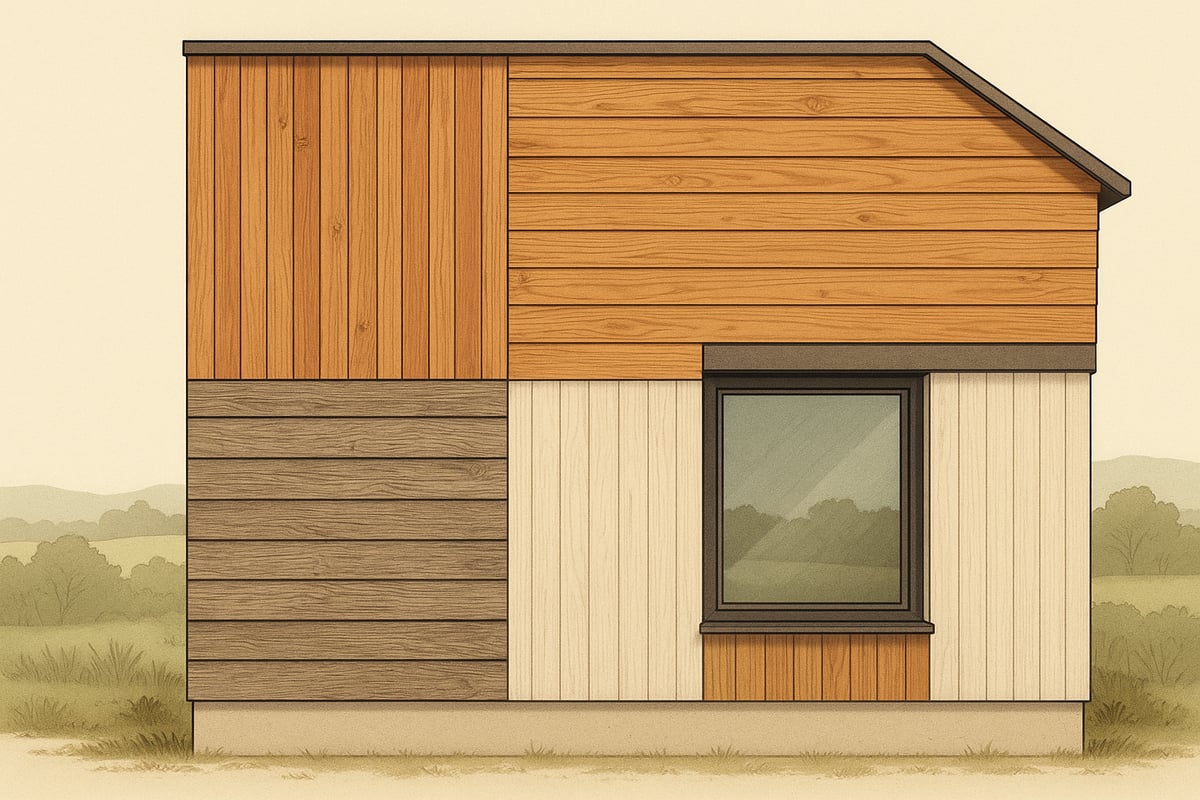
The timber species you select will influence the longevity, aesthetics, and maintenance requirements of your timber clad house. Western Red Cedar offers a rich colour and natural durability, making it a favourite for minimal upkeep. Siberian Larch is another top choice, prized for its affordability and resilience to weather.
Modified timbers such as Thermowood and Accoya enhance stability and resistance, ideal for exposed locations. Oak, though a premium option, delivers unmatched elegance and is commonly chosen for luxury builds. Compare the main characteristics below:
| Species | Durability | Maintenance | Appearance |
|---|---|---|---|
| Cedar | High | Low | Warm, reddish |
| Siberian Larch | High | Low-Medium | Pale, golden |
| Thermowood | High | Low | Brownish |
| Accoya | Very High | Very Low | Light, uniform |
| Oak | Very High | Medium | Rich, golden-brown |
Selecting the right timber ensures your timber clad house is both beautiful and long-lasting.
Cladding Profiles and Styles
Profiles define the visual character and technical performance of your timber clad house. Vertical boarding delivers a contemporary edge and channels rainwater efficiently. Horizontal boards, such as shiplap and tongue & groove, evoke traditional charm and create clean lines.
Featheredge provides a rustic appeal, while board-on-board allows for striking depth and shadow lines. Here are some common profiles:
- Shiplap: Overlapping boards for weather-tightness.
- Tongue & Groove: Interlocking edges for a sleek finish.
- Featheredge: Tapered boards for classic, rural style.
- Board-on-Board: Alternating boards for texture.
Choosing the right profile lets you tailor your timber clad house to your preferred style, whether modern or classic.
Surface Treatments and Finishes
Your choice of finish not only affects the appearance of your timber clad house but also its protection against the elements. Painted finishes offer bold colour and UV resistance, while stains highlight the wood grain. Oiled finishes nourish timber and give a subtle sheen.
Allowing timber to weather naturally results in a silvery-grey patina over time. For added safety, consider fire-retardant treatments, particularly in urban or multi-storey projects. Each finish comes with different maintenance needs, so factor this into your long-term care plan.
To ensure compliance and select the most suitable treatments, consult resources like The Timber Cladding Handbook, which offers in-depth guidance on finishes and durability.
Sourcing Sustainable Timber
A sustainable timber clad house starts with responsible sourcing. Always check for FSC or PEFC certification, which guarantees that your timber comes from well-managed forests. UK and EU regulations require proof of legal and sustainable sourcing, so ask suppliers for documentation.
Reclaimed and upcycled timbers are gaining popularity, offering unique character and reducing environmental impact. Choosing sustainable options adds value and peace of mind to your project, ensuring your home supports broader ecological goals.
Innovations in Timber Cladding
Recent innovations are transforming the timber clad house sector. Engineered timber products, such as cross-laminated panels and modified woods, deliver improved stability and longer lifespans. These products resist warping and shrinking, making them ideal for challenging climates.
Pre-finished cladding systems reduce installation time and provide consistent quality. Many suppliers now offer modular solutions, integrating insulation and weatherproofing for enhanced performance. Embracing these innovations can future-proof your timber clad house while streamlining the build process.
Planning and Designing Your Timber Clad House
Designing your timber clad house is an exciting journey that sets the foundation for a beautiful, efficient, and long-lasting home. Careful planning ensures your project meets your needs, style, and regulatory requirements. From site selection to custom features, each step shapes your timber clad house into a unique living space that reflects your vision.
Assessing Site and Location Factors
Start your timber clad house journey by analysing your site’s characteristics. Orientation influences energy efficiency, as south-facing homes capture more natural light. Consider exposure to wind, rain, and sun, since local weather affects timber selection and detailing.
Microclimate matters. Coastal sites may need more resilient cladding and finishes, while rural plots might require protection from heavy rainfall. Urban settings benefit from careful noise and privacy planning.
Assess access for deliveries and construction. A thoughtful site assessment helps you select the right timber, cladding profile, and design features. This step ensures your timber clad house thrives for decades.
Navigating UK Building Regulations and Planning Permission
Compliance is crucial for any timber clad house. UK regulations cover fire safety, insulation, and structural integrity. Early research prevents costly changes later.
Check local planning authority requirements, as some areas have special rules for external finishes. Fire resistance is particularly important, especially for multi-storey homes. Consult the Timber Cladding Checklist for essential design and compliance considerations.
Prepare detailed plans and supporting documents when applying for permission. Proactive engagement with authorities smooths approval and prevents setbacks, keeping your timber clad house project on track.
Working with Architects and Timber Specialists
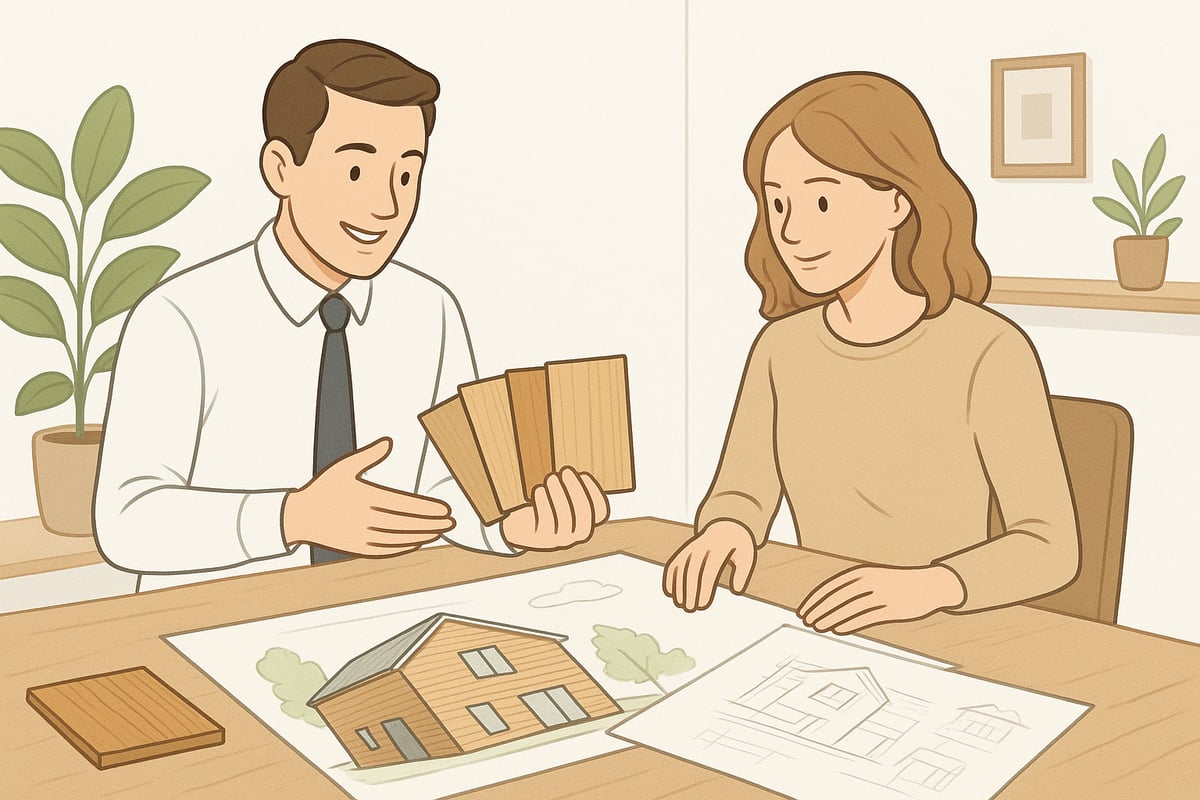
Engage experienced professionals early in your timber clad house project. Architects translate your ideas into practical, compliant designs. Timber specialists advise on suitable materials, joinery, and construction methods.
Choose professionals with a proven track record in timber architecture. Membership in bodies like RIBA or the Structural Timber Association signals expertise. Collaboration streamlines decision-making and helps control costs.
Regular communication keeps your timber clad house design aligned with your vision and budget. Professional input ensures your home is both beautiful and robust, ready to stand the test of time.
Designing for Performance and Aesthetics
Striking a balance between performance and style is key for any timber clad house. Integrate insulation and airtightness measures from the outset to maximise energy efficiency. Detailing is crucial, particularly around windows, doors, and cladding junctions, to prevent water ingress and prolong lifespan.
Consider cladding orientation and profile for both visual impact and drainage. Use digital tools like 3D models or BIM to visualise your design. This approach allows you to refine both the look and the technical performance of your timber clad house before construction begins.
Budgeting and Project Management
A clear budget is vital for a successful timber clad house project. Factor in costs for materials, labour, planning fees, and contingencies. Timber cladding may have a higher upfront investment, but it often delivers long-term savings through energy efficiency and minimal maintenance.
Break down your budget by key phases: design, permissions, construction, and finishing. Use a project timeline to track milestones and avoid delays. Effective management ensures your timber clad house is delivered on time and within budget, without compromising on quality.
Customisation and Personalisation Options
Your timber clad house offers endless possibilities for personalisation. Consider bespoke windows, feature doors, balconies, or porches to add character. Unique design elements, such as mixed timber species or creative layouts, set your home apart.
Work closely with your architect to integrate custom features that reflect your lifestyle and taste. Review recent projects for inspiration and proven solutions. Tailoring your timber clad house ensures it not only meets your practical needs but also feels truly yours.
Every decision in the planning and design phase shapes your timber clad house’s comfort, durability, and value. With careful preparation and expert guidance, you can create a home that stands out for its beauty and performance.
Step-by-Step Guide: Building a Timber Clad House
Building a timber clad house is a rewarding journey, blending creativity, sustainability, and technical expertise. Each stage requires careful planning and execution to ensure your home meets high standards for comfort, efficiency, and longevity.
Let us walk through the essential steps, highlighting what you need to know and do at every phase of your timber clad house project.
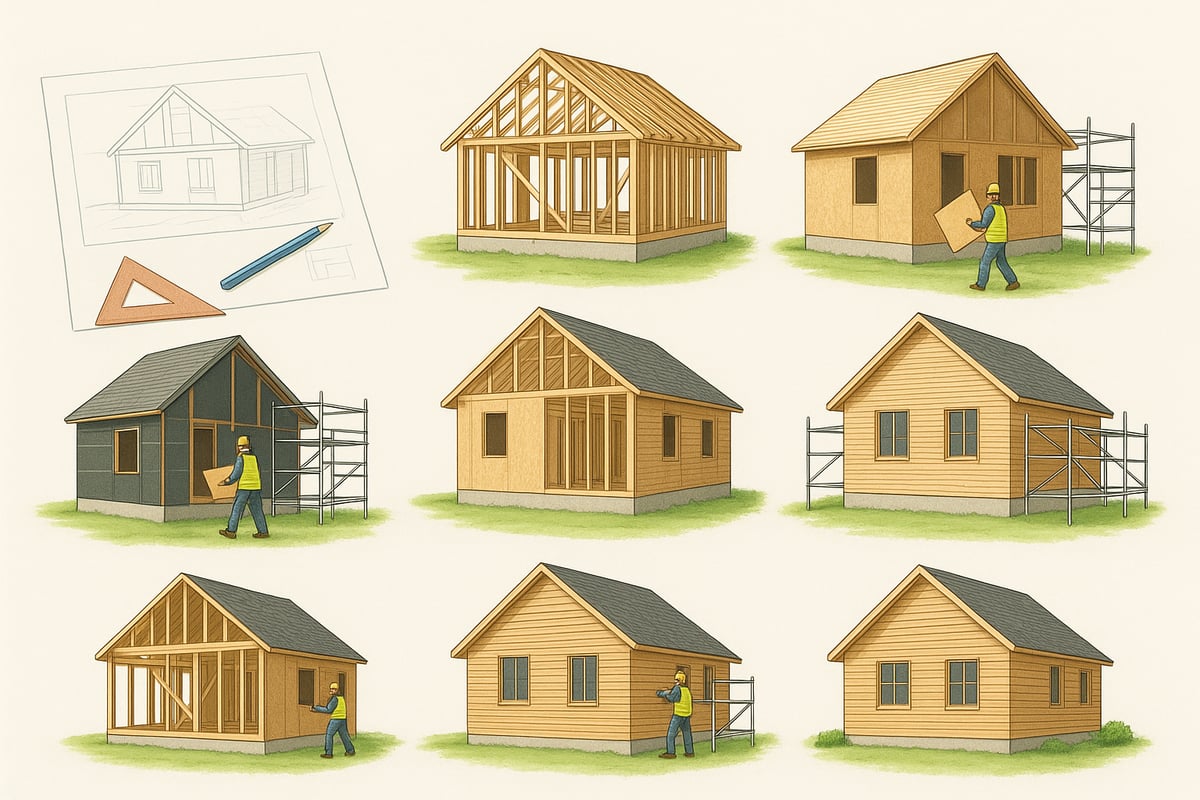
Step 1: Initial Planning and Concept Design
The foundation of a successful timber clad house project is a clear vision. Begin by defining your lifestyle needs, budget range, and aesthetic preferences. Consider the number of rooms, desired energy performance, and any unique features such as large windows or open-plan spaces.
Engage an architect with experience in timber construction early. Their expertise ensures your timber clad house design will be both functional and visually appealing. At this stage, sketch ideas, gather inspiration, and discuss options for timber species, cladding profiles, and finishes. Early collaboration with timber specialists can also help refine your budget and timeline.
Step 2: Securing Permissions and Finalising Design
Navigating planning permission and building regulations is essential for a timber clad house in the UK. Submit your planning application with detailed drawings and supporting documents, addressing aspects like fire safety, insulation, and exterior appearance.
Work closely with your architect and structural engineer to finalise construction drawings and specifications. This phase includes selecting certified timber materials, confirming cladding details, and ensuring compliance with local authority requirements. Proactive communication can help avoid delays and costly revisions during construction.
Step 3: Preparing the Site and Foundations
Once permissions are granted, site preparation begins. Conduct a thorough site survey to assess ground conditions, drainage, and access for deliveries. The foundation choice for your timber clad house depends on soil type and structural requirements, with options such as pile, raft, or strip foundations.
Schedule groundworks, ensuring services like water, electricity, and drainage are planned. Proper site management reduces risks and prepares a safe, efficient environment for the main build phase. Keep in mind that well-prepared foundations contribute to the long-term durability of your timber clad house.
Step 4: Erecting the Timber Frame
The timber frame forms the structural backbone of your timber clad house. Many modern projects use off-site prefabrication, where walls and roof panels are manufactured in a controlled workshop, then delivered for rapid assembly.
On-site construction remains an option, especially for bespoke designs. During erection, ensure quality control checks are carried out at each stage. Accurate assembly is vital for structural integrity, airtightness, and ease of later cladding installation. A typical timber frame can be erected in just a few weeks, keeping your build on schedule.
Step 5: Installing Timber Cladding
With the frame in place, timber cladding installation begins. Choose a fixing method that allows for ventilation behind the boards, preventing moisture build-up and prolonging the lifespan of your timber clad house.
Pay special attention to detailing at corners, window surrounds, and junctions. Use stainless steel fixings for durability, and follow manufacturer recommendations for spacing and overlaps. Surface treatments such as stains or oils can be applied before or after installation, depending on the chosen finish. Quality workmanship at this stage impacts both appearance and performance.
Step 6: Insulation, Air Tightness, and Services
Integrating insulation is crucial for the energy efficiency of your timber clad house. Select materials that complement the timber frame, such as mineral wool or wood fibre, and ensure all joints are sealed to prevent heat loss. Achieving high airtightness not only reduces energy bills but also enhances comfort.
Electrical, plumbing, and ventilation systems are installed at this stage, coordinated with insulation and vapour control layers. For in-depth guidance on insulation methods, refer to Insulating Timber Frame Walls, which details best practices for modern timber construction. Careful planning now sets the foundation for a healthy, efficient home.
Step 7: Finishing Touches and Handover
The final phase brings your timber clad house to completion. Apply any remaining surface treatments, install gutters and external fittings, and complete landscaping. Schedule final inspections to ensure all work meets building regulations and quality standards.
Before moving in, conduct a thorough snagging process to identify and resolve minor issues. Obtain all relevant certificates, including structural warranties and energy performance documentation. With keys in hand, you are ready to enjoy the comfort and beauty of your new timber clad house for years to come.
Maintaining and Caring for Your Timber Clad Home
A timber clad house brings lasting beauty and performance when properly maintained. Effective care protects both appearance and structure, ensuring your investment stands the test of time. By following a clear maintenance regime, you can keep your timber clad house looking its best for decades.
Routine Maintenance and Inspection
Regular maintenance is the cornerstone of longevity for any timber clad house. Begin with a thorough annual visual inspection, checking for moisture ingress, rot, or insect activity. Pay close attention to areas around windows, doors, and junctions, as these are most vulnerable.
Simple cleaning using a soft brush and mild soap helps prevent dirt build-up. Keep gutters and downpipes clear to avoid water running down the cladding. Promptly address any small cracks or damaged boards to prevent further issues. Remember, a well-maintained timber clad house will reward you with decades of warmth and character.
Re-Treating and Refinishing Timber Cladding
The finish on your timber clad house acts as its shield against the elements. Over time, even the best finishes will weather and require re-treatment. The frequency depends on your chosen treatment—oils may need renewal every 2–4 years, while high-quality stains or paints could last 5–10 years.
When refinishing, gently clean the surface and sand as needed. Apply the recommended product in dry weather, following the manufacturer’s instructions. Using products designed for exterior timber cladding will offer the best protection. Regular re-treatment not only preserves appearance but also reinforces the timber’s resistance to moisture and UV rays.
Dealing with Common Issues
Owning a timber clad house means staying proactive about potential problems. Warping, cracking, and weathering can occur, especially in exposed locations. Fungal decay is another concern, particularly if water is allowed to sit on the surface. Address issues promptly—replace damaged boards, treat small areas of decay, and improve ventilation where needed.
Fire safety is also crucial. For the latest research on fire performance and how material choices affect risk, review Fire safety: Timber cladding. Choosing the right finishes and maintaining them can greatly reduce fire risk and keep your timber clad house compliant with UK standards.
Long-Term Durability Strategies
Enhancing the lifespan of your timber clad house is achievable with a few strategic upgrades. Consider using stainless steel fixings to prevent rust stains. Over time, replace weathered finishes with higher-performance alternatives, such as modern paints or fire-retardant treatments. Retrofitting additional insulation or weather barriers can further improve durability and comfort.
Regularly review and update hardware like vents, flashings, and seals to ensure ongoing protection. Adopting these practices will help your timber clad house remain resilient against the UK climate and changing regulations.
Insurance and Warranty Considerations
When insuring a timber clad house, inform your provider about the construction type and maintenance regime. Many insurers require evidence of proper care, so keep records of inspections and treatments. Warranty periods for cladding and structural elements typically range from 10 to 30 years, depending on materials and suppliers.
Check your policy for coverage against water ingress, storm damage, or fire. Some insurers may offer discounts for homes with certified fire-retardant finishes. Ensuring your timber clad house meets all requirements will provide peace of mind and financial protection.
Real-Life Maintenance Examples
Homeowners across the UK share positive experiences with their timber clad house maintenance routines. For instance, one family reports spending just £250 per year on average for cleaning and re-oiling their cladding. Another noted that regular inspection helped them catch a small area of rot early, saving on costly repairs.
Typical annual costs for maintaining a timber clad house range from £200 to £500, depending on finish and exposure. By following a routine schedule and addressing minor issues promptly, you can keep your home looking fresh and performing well for years to come.
Future Trends in Timber Clad Houses (2026 and Beyond)
The future of the timber clad house is bright, with technology and sustainability driving a new era in homebuilding. As the UK embraces greener living, timber cladding is poised to play a central role in modern architecture. Let’s explore the key trends shaping the next generation of timber homes.
Advances in Timber Technology
New materials are redefining what’s possible for the timber clad house. Cross-laminated timber (CLT) and mass timber systems allow for larger, stronger structures with improved fire performance. Smart finishes, such as self-healing coatings, extend durability and reduce ongoing maintenance.
Engineered products make it easier to meet stricter safety standards, and innovations in fire-retardant treatments are raising the bar for compliance. For a deeper look at safety, the Fire performance of timber cladding report offers valuable insights into how regulations are evolving to protect homeowners.
Sustainability and Net Zero Homes
Sustainability is at the heart of the modern timber clad house movement. Timber locks away carbon, lowers embodied energy, and supports net zero goals. Passivhaus and low-energy building standards are now mainstream, with government grants encouraging eco-friendly choices.
Homeowners are increasingly seeking FSC and PEFC-certified timber. Incentives for renewable energy integration, such as solar panels and heat pumps, are making timber clad homes even more attractive for those committed to sustainable living.
Design Innovations and Aesthetics
Timber clad house design is evolving rapidly. Architects are blending timber with glass, metal, and stone for striking visual effects. Biophilic design brings nature indoors, while modular construction enables faster, customisable builds.
Emerging styles include:
- Mixed material façades
- Green roofs and living walls
- Minimalist Scandinavian-inspired lines
For inspiration on contemporary design, see Modern Timber Frame Home Insights, which showcases how timber cladding is shaping the look of tomorrow’s homes.
Digital Tools and Off-Site Manufacturing
Digitalisation is transforming how a timber clad house is designed and built. Building Information Modelling (BIM) enables precise 3D visualisation and coordination. Off-site prefabrication of timber frames and cladding streamlines construction and ensures quality.
These advancements are reducing project timelines and costs, making timber clad homes more accessible. Prefabrication also minimises waste and disruption on site, supporting both efficiency and sustainability.
Market Outlook and Investment Value
The UK market for timber clad house construction is experiencing significant growth. Demand is fuelled by buyers seeking eco-friendly, energy-efficient properties. Timber frame homes saw a 25% increase from 2020 to 2025, reflecting a strong shift in preference.
| Year | Timber Frame Market Growth (%) |
|---|---|
| 2020 | 0 |
| 2021 | 7 |
| 2022 | 13 |
| 2023 | 18 |
| 2024 | 21 |
| 2025 | 25 |
Timber clad houses are also commanding higher resale values, especially those built to high sustainability standards.
Community and Policy Developments
Local authorities are increasingly supportive of the timber clad house, recognising their role in meeting sustainability targets. Changes in building regulations are encouraging the use of timber, with stricter standards on fire safety and energy efficiency.
Community-led housing projects are adopting timber cladding for its flexibility and low environmental impact. As policy evolves, expect more incentives and clearer pathways for homeowners and developers to choose timber for their next project.
Now that you’ve explored the essentials of building and enjoying a timber clad home—from the warmth and character timber brings to its impressive sustainability and energy efficiency—it’s time to take the next step. If you’re ready to turn your vision into reality, Acorn to Oak Framing is here to guide you with expert craftsmanship and bespoke solutions tailored to your needs. Whether you’re embarking on a self build or upgrading your property, let’s create a home that stands the test of time and enhances your lifestyle.
BUILD NOW


