

Timber frame homes are experiencing a striking resurgence across the UK, driven by homeowners who value sustainability, efficiency, and striking design. If you have ever considered building a modern timber frame home, 2026 presents the perfect opportunity to embrace cutting-edge materials and innovative construction methods.
This comprehensive guide lays out a clear path to creating a home that not only meets your current lifestyle but is also ready for the future. Discover the latest design trends, essential planning steps, the full build process, and the secrets to sustainable, cost-effective living. Get inspired, informed, and ready to take action with expert insights and practical advice.
Why Choose a Modern Timber Frame Home in 2026?
The modern timber frame home is redefining the future of British housing. Over the past decade, timber frame construction has evolved, blending centuries-old craftsmanship with striking contemporary design. In 2026, more homeowners are looking for properties that offer both style and substance, making this the ideal time to explore the possibilities of a modern timber frame home.

The Benefits of Modern Timber Frame Homes
A modern timber frame home brings a host of advantages. These homes are known for their exceptional energy efficiency, thanks to advanced insulation and airtight construction. The speed of building is another draw, with prefabricated components reducing on-site timelines.
Design flexibility allows for open-plan spaces, vaulted ceilings, and vast expanses of glass. Durability is assured with advanced treatments and engineered wood products. Sustainability sits at the heart of these builds, with responsibly sourced timber and a lower carbon footprint compared to traditional materials. For a deeper dive into these advantages, see the timber frame construction benefits.
Timber Frame vs Brick and Block: A Comparison
How does a modern timber frame home measure up against brick and block construction? The differences are significant:
| Feature | Timber Frame | Brick & Block |
|---|---|---|
| Insulation | Superior, high U-values | Good, but less efficient |
| Construction Speed | Fast (weeks) | Slower (months) |
| Design Flexibility | Highly customisable | Limited by structure |
| Aesthetics | Modern, natural finishes | Traditional, uniform |
| Cost-Effectiveness | Predictable, efficient | Can be higher, variable |
Timber frames deliver better insulation, contemporary aesthetics, and cost predictability. They also offer a lighter environmental impact, making them a clear choice for many in 2026.
Market Demand, Longevity, and Maintenance
UK housing trends show a sharp rise in demand for eco-friendly homes. According to the UK Green Building Council, more buyers are prioritising sustainability and energy performance. The modern timber frame home fits these values perfectly.
Modern treatments and design innovations have extended the lifespan of timber frame properties. Properly maintained, these homes can last well over a century. Maintenance is straightforward, with durable finishes and integrated weather protection. Homeowners also benefit from lower running costs due to energy efficiency.
Addressing Misconceptions and Showcasing Success
Despite their popularity, misconceptions about the modern timber frame home persist. Some worry about fire safety, but rigorous UK standards ensure these builds meet strict regulations. Structural integrity is another concern, yet engineered timber rivals steel and concrete for strength. Insurance is readily available, as providers recognise the proven performance of these homes.
Award-winning projects across the UK showcase the beauty and resilience of timber frame design. From rural retreats to urban infills, these homes are celebrated for their innovation and environmental credentials.
A modern timber frame home is more than a trend—it is a future-proof investment, delivering comfort, efficiency, and style for generations to come.
Essential Planning and Design Considerations
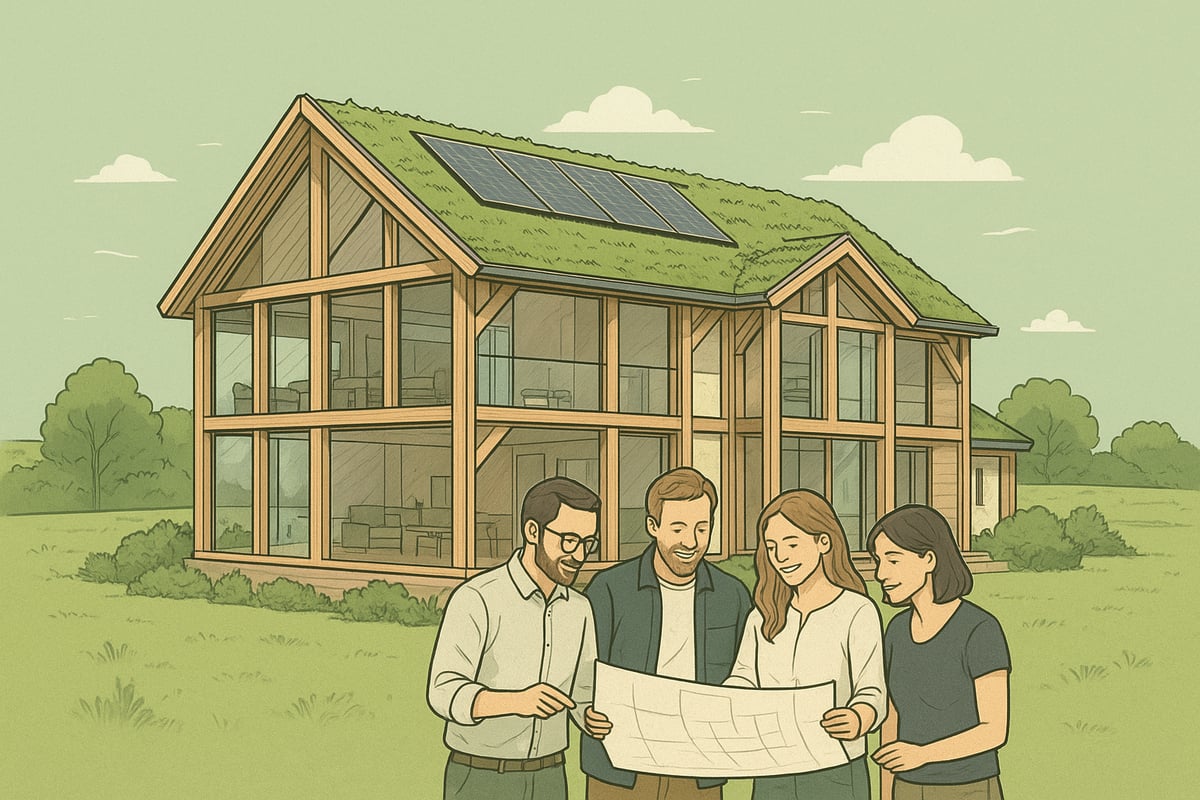
Planning and designing a modern timber frame home is the cornerstone of a successful build. Each stage, from securing permissions to creating tailored spaces, requires careful thought and expert guidance. In this section, you will discover the essentials for ensuring your project meets regulations, delivers on comfort, and stands the test of time.
Understanding Planning Permission and Building Regulations
Securing planning permission is a vital first step for any modern timber frame home. The UK planning process involves submitting detailed designs to your local authority, who assess the proposal against national and local policies. Expect to provide site plans, elevations, and environmental statements.
Building regulations focus on safety, energy efficiency, and structural integrity. For a modern timber frame home, key areas include:
- Thermal performance and insulation
- Fire safety, with specific requirements for timber structures
- Structural strength and resistance to moisture
The approval timeline can vary, taking anywhere from eight to sixteen weeks. Challenges may arise if your plot is in a conservation area or if neighbours raise objections. To improve your chances, study successful case studies and work with professionals who have experience in navigating local requirements.
Early consideration of these rules helps avoid delays and ensures your modern timber frame home complies from day one.
Designing for Modern Living
A modern timber frame home thrives on contemporary design principles. Open-plan layouts maximise natural light and flow, while large windows create a seamless connection to the outdoors. Biophilic design brings nature inside, promoting wellbeing.
Customisation is at the heart of modern living. Homeowners can specify smart home technology, adaptable spaces for remote work, and features for accessibility. Popular architectural styles include Scandinavian simplicity, contemporary minimalism, and bold geometric forms.
To visualise your modern timber frame home, architects increasingly use 3D modelling and virtual reality. These tools allow you to explore every detail and make informed decisions early.
For inspiration and deeper insight into the latest design trends, visit Contemporary timber frame houses. This resource showcases how current styles and features are shaping the future of timber frame homes in the UK.
Working with Architects and Designers
Choosing the right architect is crucial for your modern timber frame home. Look for professionals with a proven track record in timber frame projects. Their expertise ensures your vision is translated into practical, buildable plans.
The collaboration process starts with an initial brief, where you outline your needs and aspirations. Architects then conduct site visits and feasibility studies, refining ideas in line with planning constraints. Detailed drawings and specifications are essential, as they guide builders and help avoid costly changes later.
Engaging your architect early enables smoother progress. By anticipating challenges and addressing them in the design phase, you reduce the risk of unexpected expenses and delays. The right partnership transforms your modern timber frame home from concept to reality, delivering a space that is both beautiful and functional.
Step-by-Step Guide to Building a Modern Timber Frame Home
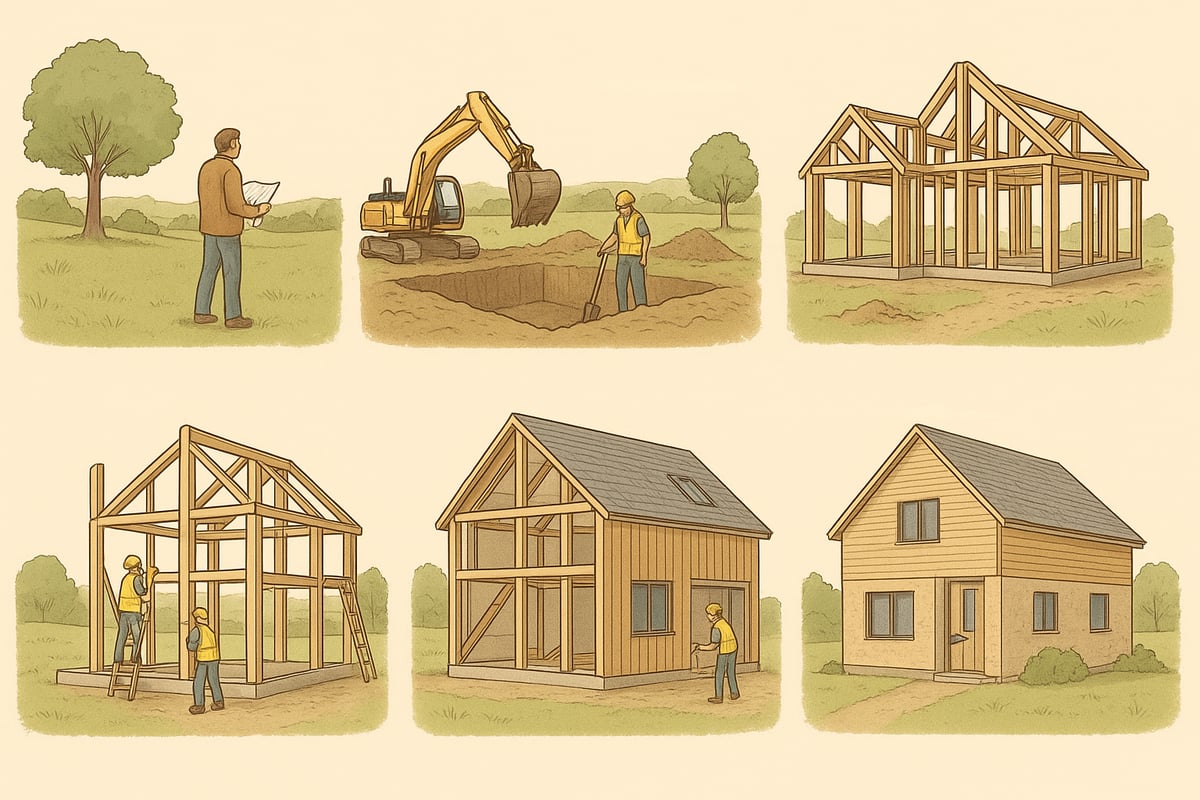
Embarking on the journey to build a modern timber frame home requires a clear roadmap. Each stage, from choosing the right plot to final handover, is crucial for success. This section breaks down the process into seven manageable steps, ensuring you know exactly what to expect at every stage. For a deeper dive into each stage, consider browsing the Timber frame home construction process, which provides further practical insights.
Step 1: Site Selection and Preparation
Selecting the ideal site forms the foundation of your modern timber frame home project. Key considerations include orientation for natural light, ease of access, and the surrounding landscape. Assessing ground conditions is vital, as soil quality influences foundation design and costs.
Begin with a thorough site survey and soil testing to identify any constraints. Preparing the site involves clearing vegetation, levelling the ground, and arranging for utility connections such as water, electricity, and drainage. Thoughtful planning at this stage ensures your modern timber frame home is set up for optimal performance and longevity.
Step 2: Foundation and Groundworks
The next step for a modern timber frame home is establishing solid foundations. Options include slab, strip, or pile foundations, each chosen based on ground conditions and building requirements.
Moisture protection is essential, so proper damp-proof membranes and drainage solutions must be installed. Comparing foundation costs early helps you make informed decisions and avoid budget surprises. Ensuring the groundworks are precise and robust provides stability for the whole structure.
Step 3: Timber Frame Manufacture and Delivery
Off-site prefabrication is a hallmark of the modern timber frame home approach. Specialist manufacturers use advanced machinery to cut and assemble frame components with precision, reducing waste and ensuring quality.
Look for manufacturers with sustainability certifications such as FSC, confirming responsible timber sourcing. Once complete, the large frame sections are transported to your site, where careful logistics planning minimises delays and damage.
Step 4: Erection of the Timber Frame Structure
Assembling the core structure on-site is a rapid and efficient process in a modern timber frame home build. Skilled teams erect the pre-cut frame sections, following a precise sequence to ensure structural integrity.
Temporary weatherproofing is applied to protect the frame from moisture during construction. Safety is paramount, with clear site protocols and proper equipment used throughout. This step sees your home take shape virtually overnight.
Step 5: External Envelope and Roofing
The external envelope of a modern timber frame home combines performance with style. Popular cladding options include timber, render, brick slips, and innovative composite materials, allowing for a bespoke finish.
Roofing choices must be compatible with the timber structure and local climate. High-quality insulation and airtightness measures are installed at this stage, maximising energy efficiency and comfort in your modern timber frame home.
Step 6: Internal Fit-Out and Services
Once weather-tight, the modern timber frame home moves to internal fit-out. This includes first and second fix work: plumbing, electrical wiring, and installing heating, ventilation, and air conditioning systems.
Internal walls are finished with plasterboard or alternative materials, and flooring is laid. Many choose to integrate smart home technologies now, future-proofing the property and enhancing everyday living.
Step 7: Final Inspections and Handover
The last stage in building a modern timber frame home involves rigorous checks. Building control officers conduct inspections to verify compliance with UK regulations.
A snagging process identifies and resolves minor issues before you take possession. Upon satisfactory completion, you receive certifications, warranties, and aftercare support, ensuring your modern timber frame home delivers lasting value and peace of mind.
Sustainability and Energy Efficiency in Timber Frame Homes
Sustainability is at the heart of every modern timber frame home. As environmental targets become more ambitious, the construction sector is under pressure to reduce carbon emissions and energy use. Building a modern timber frame home offers a proactive solution, blending eco-friendly materials with cutting-edge design. Homeowners are not just reducing their footprint, they are also investing in comfort and long-term value.
Timber is a renewable resource, making it a standout choice for those seeking a sustainable lifestyle. Compared to steel and concrete, timber has a significantly lower embodied carbon, meaning less energy is consumed from extraction to installation. When sourced from responsibly managed forests, as is standard in the UK, the impact of a modern timber frame home is even more positive. Timber stores carbon throughout its life, further reducing the building's overall emissions.
Thermal performance is a hallmark of every modern timber frame home. High-grade insulation, airtight construction, and advanced wall systems contribute to exceptional U-values that surpass many traditional builds. For those seeking guidance on maximising energy efficiency, insulating timber frame walls is an essential resource. Proper insulation not only cuts heating bills but also creates a comfortable, draught-free environment all year round.
Integrating renewable energy systems is a natural fit for the modern timber frame home. Solar panels, air or ground source heat pumps, and mechanical ventilation with heat recovery (MVHR) are increasingly common features. These technologies work seamlessly with the airtight structure of timber frames to further reduce reliance on fossil fuels, helping homeowners approach Net Zero energy use.
Water conservation is another critical consideration. Many modern timber frame homes incorporate rainwater harvesting systems and low-flow fixtures to minimise mains water usage. These strategies not only reduce utility costs but also contribute to the home's overall sustainability profile, making them a smart choice for forward-thinking self-builders.
Lifecycle analysis reveals that a modern timber frame home is built for longevity and adaptability. Modern treatments and design details protect against moisture and pests, while modular construction allows for future alterations with minimal waste. At the end of its life, much of the timber can be recycled or repurposed, supporting a circular economy.
Several UK projects have achieved Passivhaus or Net Zero standards using timber frame construction. These homes set the benchmark for energy efficiency and environmental responsibility. In 2026, government incentives and grants are available to support green building initiatives, making it more accessible to create a modern timber frame home that meets both personal and regulatory sustainability goals.
Cost Breakdown and Financing Your Timber Frame Home
Building a modern timber frame home in 2026 offers a unique blend of cost efficiency and future-ready features. Understanding the financial aspects is essential for any self-builder or homeowner looking to make informed decisions.
Typical Build Costs in 2026
The average cost to construct a modern timber frame home in the UK is expected to range from £1,800 to £2,500 per square metre in 2026. This figure includes the core structure, but excludes land and certain specialist finishes. Costs can vary based on location, specification, and level of customisation.
A modern timber frame home is often more predictable in terms of budgeting due to the precision of off-site manufacture. This predictability helps reduce unforeseen expenses, making it a preferred choice for many self-builders.
Breaking Down the Budget
Here is a typical cost breakdown for a modern timber frame home project:
| Category | Estimated % of Total Cost | Example for £300,000 Build |
|---|---|---|
| Land | 30% | £90,000 |
| Design & Fees | 10% | £30,000 |
| Materials | 30% | £90,000 |
| Labour | 20% | £60,000 |
| Services | 5% | £15,000 |
| Contingency | 5% | £15,000 |
This structure allows for flexibility, especially as a modern timber frame home can be tailored to suit a range of budgets. Early engagement with your timber frame specialist will help set realistic expectations.
Comparing Modern Timber Frame Homes to Traditional Builds
When compared to traditional brick and block construction, a modern timber frame home typically offers savings in both time and labour. Off-site fabrication reduces on-site delays and minimises waste. According to Timber frame home UK insights, these efficiencies can translate into lower overall project costs and faster completion timelines.
Additionally, a modern timber frame home's superior insulation performance can reduce long-term energy bills, offering ongoing savings beyond the initial build. Compliance with upcoming regulations, such as those outlined in the Future Homes Standard 2025, ensures your investment remains future-proof and cost-effective.
Financing Your Modern Timber Frame Home
Financing options for a modern timber frame home in 2026 are increasingly diverse. Self-build mortgages, specifically designed for staged payments at key project milestones, are widely available. Many lenders also offer green loans or incentives for high energy-efficiency builds.
Government schemes may provide grants or reduced-rate loans for homes meeting strict environmental standards. Speak with your financial adviser early to explore which products best suit your circumstances and project size.
Managing Costs and Maximising Value
Effective cost management begins with detailed planning and transparent communication with your build team. Always allow for a contingency fund, typically 5 to 10 percent, to cover unexpected expenses. Request clear payment schedules and tie payments to completed stages, such as foundation, frame erection, and fit-out.
A modern timber frame home, with its durability and energy efficiency, often commands a higher resale value in the eco-conscious UK property market. By investing in quality materials and compliance with the latest standards, you secure both immediate cost savings and long-term value.
Choosing the Right Timber Frame Specialist
Selecting the right partner for your modern timber frame home is a decision that shapes every stage of your project. An experienced specialist not only ensures technical excellence but also guides you through regulatory, design, and construction complexities. With the rising demand for sustainable building, choosing wisely is more important than ever.
Qualities to Look for in a Timber Frame Company
When evaluating companies for your modern timber frame home, focus on their credentials, approach, and track record. The best specialists demonstrate a blend of expertise, transparency, and a clear commitment to sustainable practices.
| Quality | Why It Matters | What to Look For |
|---|---|---|
| Accreditation | Ensures compliance with industry standards | Membership in trade bodies, NHBC Standards for timber frames |
| Experience | Proven ability with modern timber frame home projects | Portfolio of completed homes, years in business |
| Sustainability | Reduces environmental impact | FSC-certified timber, ethical sourcing |
| Client Testimonials | Demonstrates trust and satisfaction | Positive reviews, references |
| Transparent Communication | Builds confidence and avoids surprises | Clear pricing, regular updates |
A reputable firm will always provide documentation to prove their compliance with rigorous standards, which is vital for a modern timber frame home. They should also be upfront about costs and timelines, helping you avoid unexpected issues later.
The Consultation and Design Process
A successful modern timber frame home project begins with a thorough consultation and collaborative design. This stage is where your vision, site conditions, and practical requirements are aligned.
Typical steps include:
- Initial meeting to discuss your goals and expectations for the modern timber frame home.
- Site visit to assess access, orientation, and local context.
- Feasibility study, including planning constraints and cost estimates.
- Early design proposals, often using 3D modelling, to visualise options.
- Iterative feedback to refine layouts, material choices, and sustainability features.
Engaging a specialist early allows you to explore custom solutions, such as energy-efficient layouts or smart home integration. Early involvement also streamlines planning and reduces the risk of costly redesigns later, ensuring your modern timber frame home meets all your aspirations.
Acorn to Oak Framing: Combining Craftsmanship and Innovation
Acorn to Oak Framing stands out for its dedication to bespoke modern timber frame home projects across the UK. Their team expertly fuses traditional joinery skills with cutting-edge design and technology.
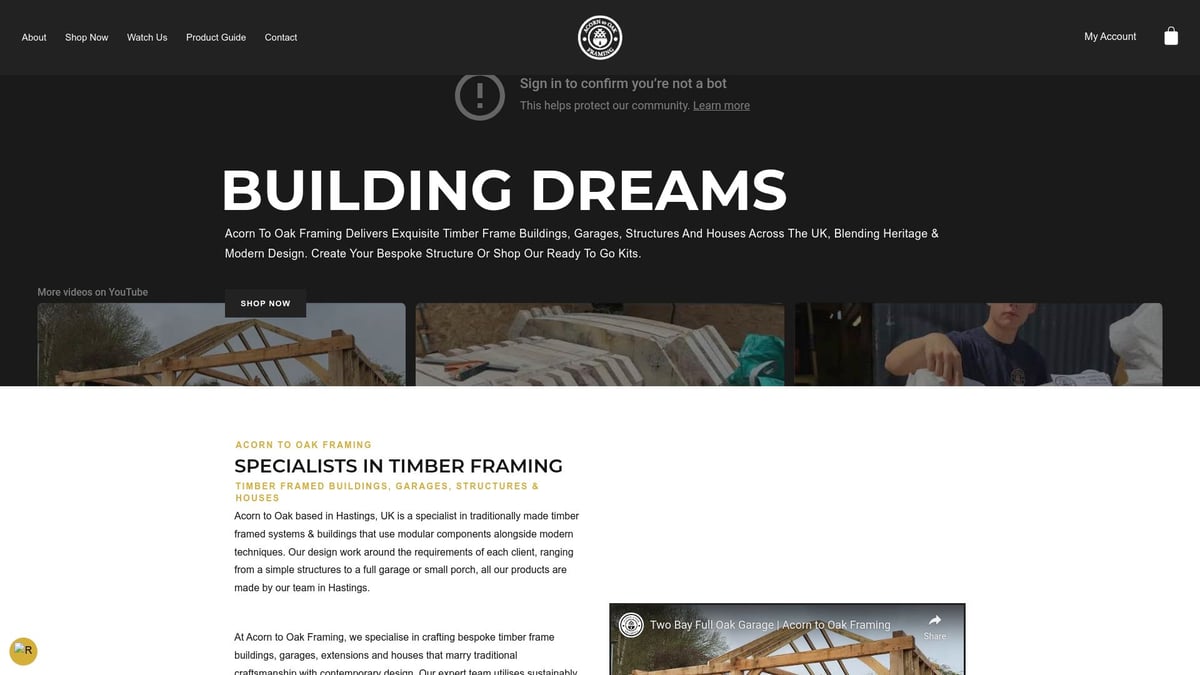
Clients benefit from Acorn to Oak Framing’s use of sustainably sourced oak and compliance with UK regulations for modern timber frame home builds. Their commitment to craftsmanship is matched by a flexible, client-focused approach, guiding you from initial sketches to final handover.
Notable projects include contemporary oak-framed homes that blend seamlessly with their surroundings. Each modern timber frame home is tailored to the client’s lifestyle, with detailed attention to energy efficiency and aesthetic detail. With glowing testimonials and a transparent process, Acorn to Oak Framing offers a reassuring journey, ensuring your vision is realised with both artistry and precision.
Now that you understand the key benefits of modern timber frame homes, from energy efficiency and design flexibility to sustainability and lasting value, you might be thinking about the next step for your own project. With expert guidance and meticulous attention to detail, Acorn to Oak Framing helps you turn your vision into a bespoke home crafted for the future. If you’re ready to start planning a beautiful, sustainable timber frame build that suits your lifestyle and enhances your property, let’s take that first step together.
BUILD NOW


