

Timber frame homes are capturing the imagination of UK homeowners seeking beauty, sustainability, and value as 2026 approaches. If you are curious about timber frame home prices and want to make a smart investment, you are in the right place.
This guide will demystify timber frame home prices for 2026 so you can plan your dream home with confidence. We will explore price trends, detailed cost breakdowns, key factors shaping prices, regional differences, expert budgeting tips, and what to expect from the market in the coming years.
Unlock insider knowledge, discover how to maximise savings and design flexibility, and take the next step towards your ideal timber frame home. Let’s get started.
Timber Frame Home Prices in 2026: Market Overview
Timber frame home prices are set to be a major talking point as more UK homeowners seek sustainable, stylish living solutions. With demand rising and the market evolving quickly, understanding what shapes these prices is essential for anyone planning a build in 2026.
The Rising Popularity of Timber Frame Homes
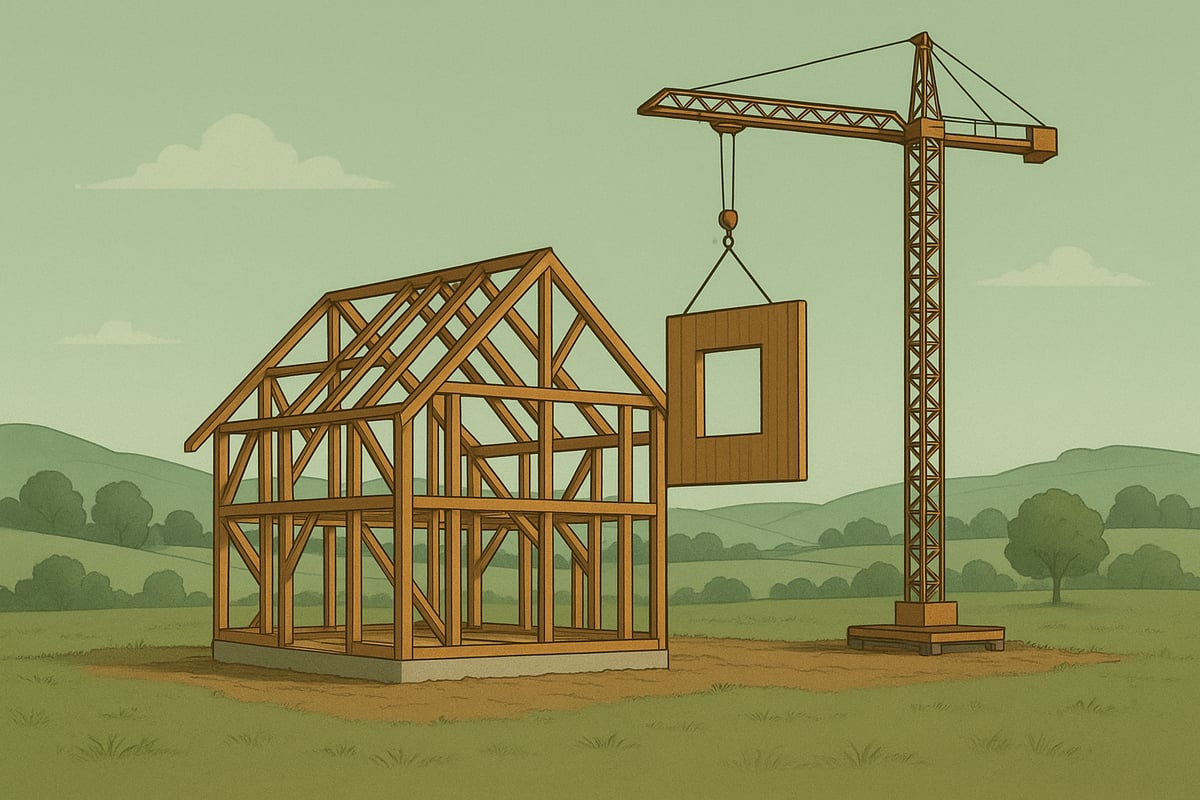
The UK is experiencing a significant surge in demand for timber frame homes, fuelled by the need for environmentally friendly and energy-efficient living. More people are choosing bespoke and modular designs, inspired by successful projects such as the Goldsmith Street development in Norwich and the community-led schemes in Scotland.
Timber frame homes have captured over 25 percent of the UK’s new build market, according to the NHBC in 2023. This shift is notable when compared to traditional brick and block construction, which often incurs higher labour and material costs. For a detailed look at the advantages and considerations of building with timber, see the Timber frame home UK guide.
Below, a quick comparison highlights why timber frame home prices are so competitive:
| Construction Method | Average Cost per m² | Speed of Build | Sustainability |
|---|---|---|---|
| Timber Frame | £1,600–£2,300 | Fast | High |
| Brick & Block | £1,800–£2,500 | Moderate | Moderate |
Homeowners are drawn to timber for its design flexibility, reduced build times, and lower carbon footprint.
Forecasted Price Ranges for 2026
Looking ahead, timber frame home prices are projected to average between £1,600 and £2,300 per square metre in 2026. This represents a slight increase from previous years, driven by inflation and ongoing fluctuations in material costs.
For a typical 3-bedroom timber frame home, expect to budget between £220,000 and £320,000. These estimates reflect the stabilisation of global supply chains after recent disruptions, which has helped to moderate price spikes seen during the pandemic.
Experts suggest that while inflation will play a role in shaping timber frame home prices, advances in off-site manufacturing and more efficient logistics are likely to help keep costs manageable for most self-builders.
Key Market Drivers
Several forces are influencing timber frame home prices as we approach 2026. Sustainability is at the forefront, with stricter environmental regulations encouraging low-carbon building methods. Advances in modular and off-site construction are also making timber frame options more accessible and cost-effective.
The self-build and custom home markets continue to expand, with more buyers seeking personalised designs. Government incentives, such as grants for eco-friendly construction, further boost demand and help offset initial costs for many projects.
Challenges Affecting Prices
Despite the positive outlook, certain challenges could impact timber frame home prices. Timber price volatility remains a concern, especially as global demand and supply chain pressures fluctuate. Labour shortages, particularly for skilled carpenters and frame specialists, may also lead to increased wage costs.
Planning permission can add complexity and variation, with stricter requirements in some regions. Overcoming these hurdles requires careful planning and working with experienced professionals who understand the unique aspects of timber frame construction.
Detailed Cost Breakdown of a Timber Frame Home
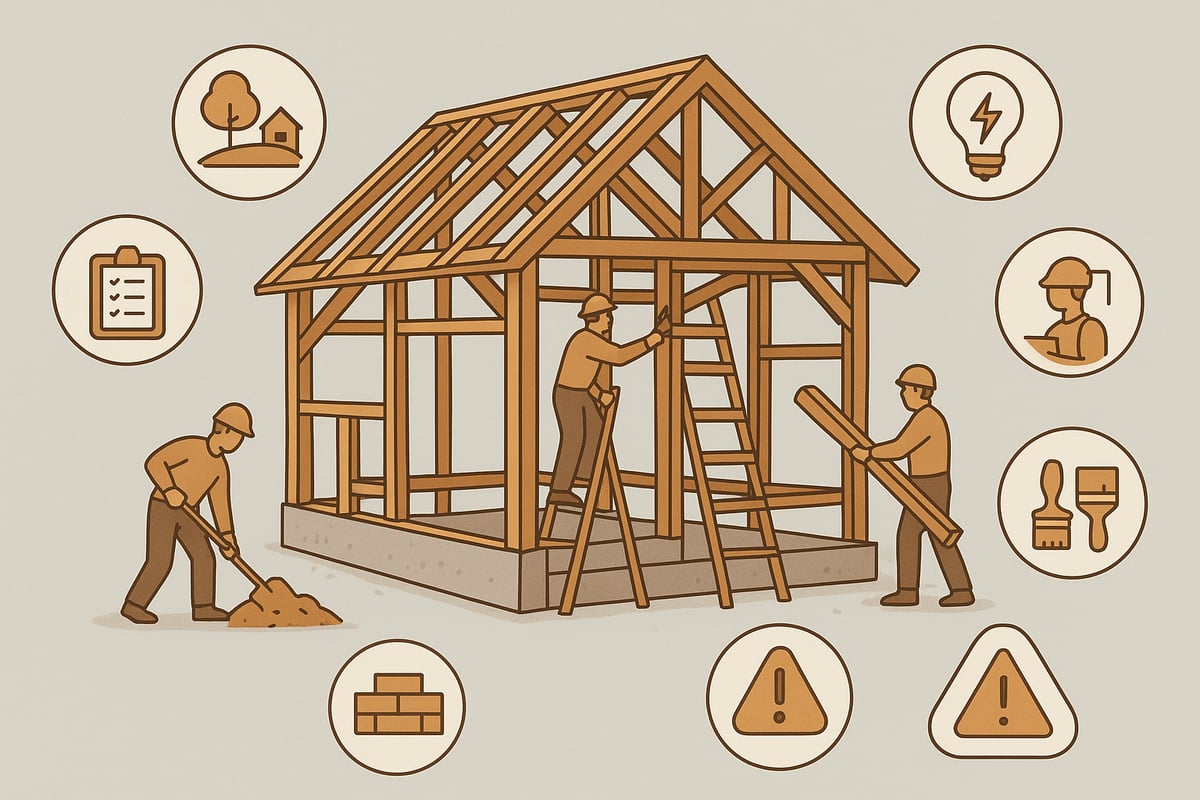
Understanding the full cost breakdown is essential when planning your timber frame home. By examining each stage, you can accurately budget and avoid surprises. Below, we detail every major cost component, giving you clarity on timber frame home prices for 2026.
Land and Planning Costs
Land is the foundation of any self-build, and its price varies greatly across the UK. In 2026, expect average land prices to range from £40,000 in rural northern areas to over £200,000 in the South East and London.
Planning application fees typically start at £462 for a single dwelling, while architectural design fees can range from 5% to 8% of your build budget. Together, planning and design may account for 8–12% of your project’s overall cost.
When considering timber frame home prices, do not forget to factor in site surveys, legal costs, and any additional expenses for challenging plots. This early investment sets the stage for the rest of your build.
Timber Frame Structure Costs
The timber frame itself forms the core of your home’s structure. Costs depend on your choice of material—oak, softwood, or engineered timber—each with its own price point. Frame manufacturing, transport to site, and on-site assembly are all included in this stage.
Bespoke frames tailored to your design will cost more than modular kits, but they offer greater flexibility. In 2026, expect the frame structure to account for roughly 25–35% of your total build cost. For a detailed overview, see this timber frame home cost breakdown.
Accurately estimating timber frame home prices at this stage helps you compare quotes and assess value for money.
Foundations and Groundworks
Proper site preparation and solid foundations are critical to any successful build. Timber frame homes often require lighter foundations than masonry builds, yet ground conditions can alter costs significantly.
Typical foundation options include strip, trench, or raft types, with prices varying based on soil quality and site access. In general, foundations and groundworks represent 10–15% of your total budget.
When calculating timber frame home prices, do not overlook the impact of sloping sites, poor soil, or drainage requirements, as these can increase costs.
Internal Fit-Out and Finishes
The interior fit-out brings your timber frame house to life. Key elements include insulation, plastering, internal walls, windows, doors, and bespoke joinery—all tailored for timber construction.
Opting for eco-friendly and energy-efficient upgrades, such as triple glazing or advanced insulation, will raise initial costs but offer savings over time. This stage typically covers 28–35% of your build budget.
For an accurate view of timber frame home prices, itemise each finish and material, and allow for any custom features you desire.
Utilities and Services
Installing plumbing, electrics, and heating systems forms another significant cost centre. Many homeowners now choose renewables like solar panels or air source heat pumps, which can add to your upfront spend but reduce long-term bills.
Mechanical and electrical (M&E) works usually comprise 14–18% of your overall cost. Always confirm what is included in your builder’s quote, as exclusions can affect your final timber frame home prices.
Upgrades in this area not only boost comfort but can also future-proof your home against rising energy costs.
Contingency and VAT
Every self-build project should include a contingency fund. Experts recommend setting aside 10–15% of your total budget to cover unexpected expenses, changes in design, or unforeseen site issues.
VAT is another crucial consideration. Most new builds are zero-rated, meaning no VAT is charged on labour and materials, but some services or products may still attract VAT. Self-builders can often reclaim VAT on eligible expenses, which can significantly affect overall timber frame home prices.
Consult a qualified accountant or VAT specialist early to ensure compliance and maximise potential savings.
Factors Influencing Timber Frame Home Prices
Understanding what shapes timber frame home prices is essential for anyone planning a build in 2026. From material sourcing to regulations, a variety of factors can impact your budget and the final cost of your dream home.
Material Costs and Sourcing
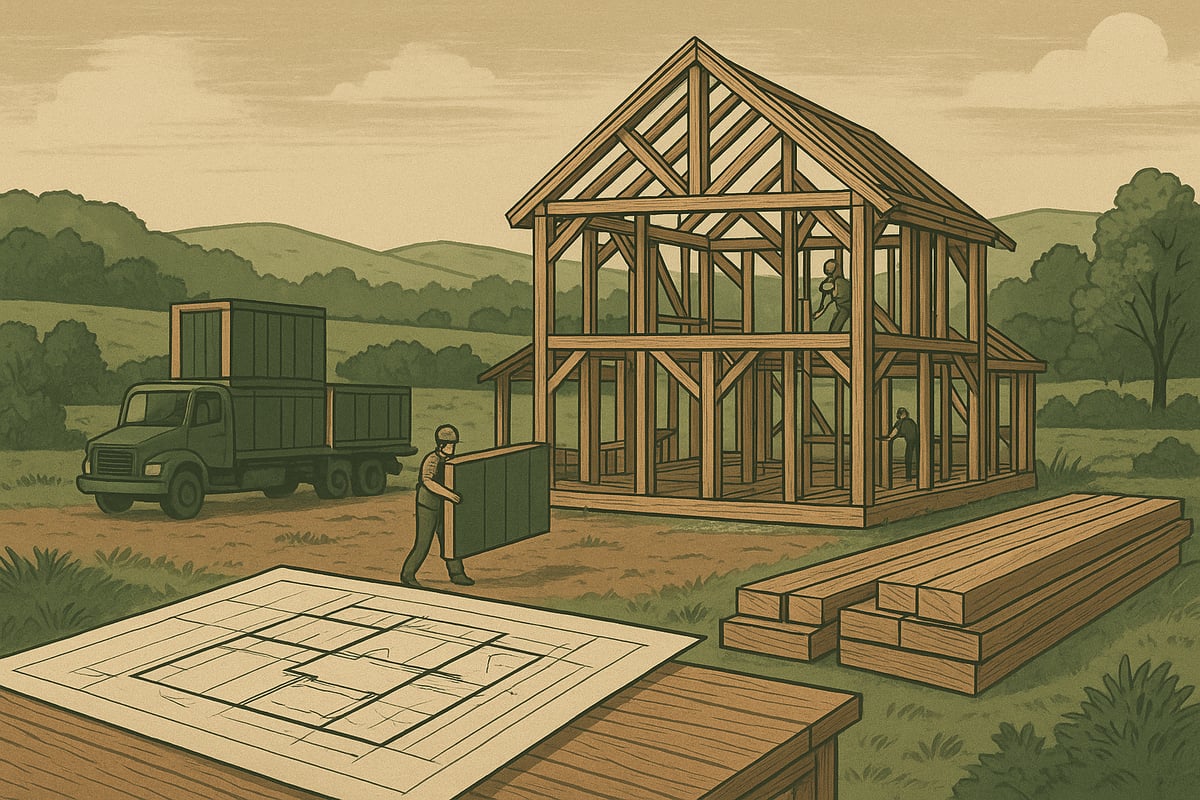
Material prices are one of the most significant drivers of timber frame home prices. The global timber market is volatile, with supply chain disruptions and international demand causing fluctuations. Sourcing sustainable timber, such as FSC-certified oak, often commands a premium compared to imported softwoods. For example, oak prices have risen by 12 percent year-on-year, reflecting ongoing pressure on resources.
Choosing responsibly sourced timber can add value and credibility to your project, but it is important to balance this with your budget. For a detailed overview of recent pricing trends and material cost breakdowns, see this Timber frame construction cost guide. Staying informed about the timber supply market will help you plan your project more effectively.
Design Complexity and Customisation
The complexity of your design has a direct impact on timber frame home prices. Bespoke architectural features such as curved beams, vaulted ceilings, and extensive glazing create visual drama but come with higher engineering and labour costs. In contrast, sticking to standardised or modular designs can deliver significant savings and reduce build times.
Consider the following when planning your design:
- Custom joinery and intricate detailing add to costs
- Modular layouts streamline manufacturing and assembly
- Unique rooflines or large glass panels require specialist skills
By understanding which features drive up costs, you can prioritise your must-haves and manage your budget efficiently.
Size and Layout
The footprint and internal layout of your home are major contributors to timber frame home prices. Cost per square metre typically decreases as the overall size increases, thanks to economies of scale. However, open-plan layouts, while reducing partition wall costs, might require additional structural support, which can offset any savings.
Value engineering is a useful approach to maximise usable space while keeping costs in check. For example, opting for a compact, efficient layout with minimal corridors can reduce waste and construction complexity. Always balance your desired lifestyle with practical budget considerations.
Location and Site Conditions
Where you build affects timber frame home prices more than many expect. Regional labour rates, land values, and access to materials can all influence the final tally. Challenging site conditions, such as poor soil, steep slopes, or limited access, may require extra groundworks or specialist foundations.
Building in remote or hard-to-reach locations can add 10 to 20 percent to your project cost due to increased transport and logistical challenges. Conducting a thorough site assessment early on will help you anticipate and budget for these variables.
Labour and Construction Expertise
The availability and skill level of construction professionals are critical to timber frame home prices. Specialist timber framers, especially those with experience in bespoke or heritage projects, may charge a premium for their craftsmanship. However, their expertise can ensure a smoother build and higher quality result.
Labour shortages, particularly in carpentry, can also push up prices. Deciding between a self-build approach and hiring a turnkey contractor affects not only your costs but also your project timeline and risk profile. Always research local trades and seek references before committing.
Building Regulations and Sustainability Standards
Compliance with UK Building Regulations, including Part L (energy efficiency) and Part Q (security), is mandatory and can increase timber frame home prices. Striving for higher sustainability standards, such as Passivhaus certification, may add 8 to 12 percent to upfront costs but can lead to significant long-term savings on energy bills.
Consider the following compliance factors:
- Enhanced insulation and airtightness requirements
- Upgraded glazing and renewable energy systems
- Increased certification and inspection costs
Investing in sustainability not only future-proofs your home but also adds value and market appeal.
Regional Price Variations Across the UK
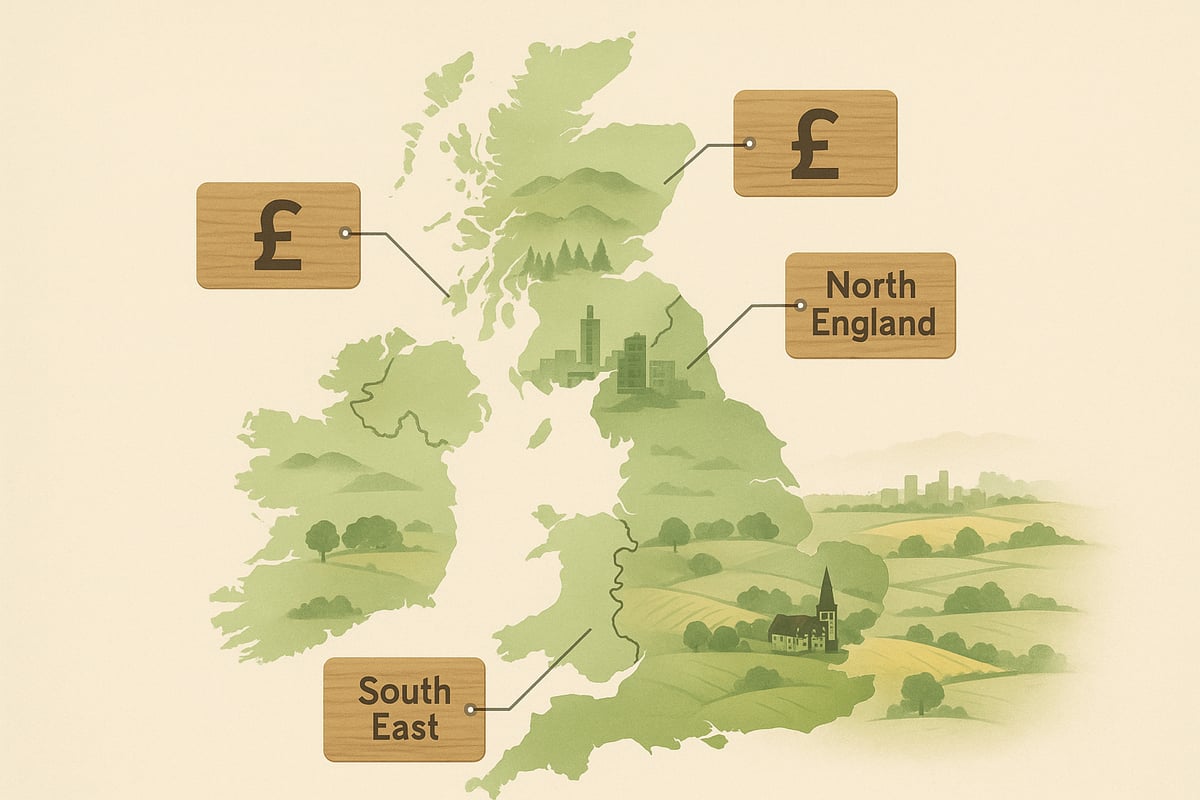
Timber frame home prices can vary significantly across the UK, influenced by regional demand, local supply chains, labour availability, and land values. Understanding these differences is crucial for anyone planning a timber frame project, as location will impact both your budget and your build options.
England: South East, South West, Midlands, North
England’s regional landscape creates a notable spread in timber frame home prices. The South East, including London, commands the highest rates due to elevated land costs, greater demand, and increased competition for skilled trades. Average prices in the South East typically range from £2,000 to £2,400 per m², while North England offers more affordable options at £1,500 to £1,800 per m².
| Region | Typical Price (£/m²) |
|---|---|
| South East | £2,000–£2,400 |
| South West | £1,700–£2,100 |
| Midlands | £1,600–£2,000 |
| North England | £1,500–£1,800 |
These variations reflect not just land value, but also differences in logistics, planning fees, and local supplier networks. For a comprehensive comparison of timber frame home prices and how they stack up against brick builds, see this timber frame construction cost comparison.
Scotland and Wales
Scotland stands out in the UK for its high adoption of timber frame construction, with over 85% of new homes built using this method. The mature supply chain and abundance of local timber help keep timber frame home prices competitive. Typical costs in Scotland range from £1,600 to £1,900 per m², often lower than in many English regions.
Wales, while seeing growing interest, tends to have prices similar to the Midlands or North England. Local timber availability and established manufacturers in Scotland contribute to cost efficiency, making it an attractive location for timber frame projects.
Urban vs. Rural Sites
The choice between urban and rural locations has a tangible impact on timber frame home prices. Urban sites, especially in major cities, often face higher land costs, stricter planning requirements, and logistical challenges such as limited site access. These factors can increase overall project expenses.
In contrast, rural and semi-rural settings may benefit from lower land values and more straightforward planning processes. However, remote sites could incur extra costs for access roads, utility connections, or transporting materials. On average, building in a remote or sloped rural location can add 10–20 percent to your total spend.
Case Studies
Recent projects across the UK highlight the diverse range of timber frame home prices. For example, a three-bedroom family home in Northumberland was completed for under £220,000, thanks to lower land costs and efficient modular design. In contrast, a bespoke timber frame build in Surrey reached £350,000, driven by premium finishes and higher regional rates.
Lessons learned from these case studies underline the importance of understanding local market conditions and engaging experienced suppliers. Regional expertise helps optimise design for both budget and planning success.
Budgeting and Financing Your Timber Frame Home
Budgeting for your timber frame home is a crucial step that sets the foundation for a successful project. By understanding the components of timber frame home prices, you can avoid surprises and ensure your dream build stays within reach. Careful planning, smart financing, and strategic management can make all the difference as you embark on this journey.
Estimating Your Total Project Cost
Begin by breaking down the full cost of your timber frame home. This involves factoring in land purchase, planning fees, structural frame, foundations, fit-out, utilities, and a contingency fund. On average, planning and design may account for 8–12% of your total spend. Foundations, meanwhile, typically represent 10–15%.
To develop a realistic budget, itemise each stage. For a more detailed breakdown, the Frame house cost breakdown guide offers a comprehensive look at how timber frame home prices are structured, helping you align expectations with the market.
Self-Build Mortgages and Financing Options
Financing a timber frame home often means securing a self-build mortgage. These loans are released in stages, matching your construction progress. Popular lenders may offer up to 75–85% loan-to-value, although terms can vary. When assessing timber frame home prices, remember that staged payments require careful cash flow management.
Before applying, prepare your costings, planning permission, and build schedule. This preparation reassures lenders and keeps your project on track. Compare rates and repayment options to find the best fit for your circumstances.
Grants and Incentives for Sustainable Building
The UK government continues to support eco-friendly construction, which can directly impact timber frame home prices. Programmes such as the Green Homes Grant have made sustainable upgrades more accessible. These grants may cover part of the costs for insulation, renewable energy systems, or high-performance glazing.
Research current schemes as part of your budgeting process. Taking advantage of available incentives can reduce upfront costs and improve the long-term value of your timber frame property.
Managing Costs During Construction
Effective cost management is essential to keep timber frame home prices within your target range. Always set aside a contingency fund, typically 10–15% of the total budget, for unforeseen expenses. Clear, fixed-price contracts with your suppliers and builders can prevent budget overruns.
Track spending regularly and maintain open communication with your project manager. Value engineering—finding smart ways to achieve your goals for less—can also help keep your financial plan on course.
Working with Timber Frame Specialists
Choosing experienced timber frame specialists is key to controlling costs and ensuring quality. Ask for detailed quotations, references, and information about warranties. A reputable company should provide transparent pricing, help you navigate building regulations, and offer aftercare support.
Engaging the right partner not only influences timber frame home prices but also ensures your build is completed on time, to specification, and with peace of mind.
What to Expect When Building a Timber Frame Home in 2026: Step-by-Step Guide
Building a timber frame home in 2026 offers an exciting opportunity to create a bespoke, sustainable property, but the process can be complex. By understanding each stage, you can make informed decisions that positively impact timber frame home prices, ensuring your investment delivers lasting value.
Step 1: Initial Planning and Budgeting
Start with a clear vision of your requirements and lifestyle needs. Create a detailed wish list, focusing on house size, room layout, and any must-have features. This is the stage to research timber frame home prices, as early budgeting shapes every decision.
Secure your building plot and arrange professional site surveys. Factor in land costs, access, and planning restrictions. Setting a realistic budget, including a contingency for unexpected expenses, helps you avoid surprises and keeps your project on track.
Step 2: Design and Planning Permission
Work with experienced architects and timber frame designers to translate your ideas into practical plans. Design choices, such as open-plan layouts or large windows, can influence timber frame home prices significantly.
Navigating planning permission is crucial. Submit detailed applications to your local authority and be prepared for follow-up questions. Early engagement with building control ensures your design meets all regulations. If you are considering a contemporary style, you might find inspiration in Contemporary timber frame houses, which also highlights design trends affecting final costs.
Step 3: Selecting Your Timber Frame Supplier
Choosing the right supplier is essential for quality and value. Compare bespoke and modular options, as each impacts timber frame home prices differently. Bespoke frames offer maximum flexibility, while modular kits can deliver cost savings and speed.
Prioritise suppliers with strong sustainability credentials and a track record of craftsmanship. Ask for references, review completed projects, and confirm their compliance with UK building standards. This step sets the tone for the entire build.
Step 4: Manufacturing and Off-Site Construction
Once your plans are approved, your supplier will manufacture the timber frame in a controlled factory environment. Off-site construction ensures high precision, consistent quality, and reduced risk of weather delays, all of which can help manage timber frame home prices.
You will receive a clear schedule for production and delivery. Off-site fabrication typically shortens the overall build timeline, meaning you can move in sooner and potentially save on financing or rental costs.
Step 5: Site Preparation and Foundations
Prepare your site before the frame arrives. This includes clearing vegetation, setting out boundaries, and installing foundations. The type of foundation required depends on your soil conditions and house design, both of which affect timber frame home prices.
Coordinate with your supplier and groundworks team to ensure everything is ready for swift assembly. Good site access and careful logistics planning help avoid costly delays at this crucial stage.
Step 6: Delivery and On-Site Assembly
With the foundations in place, your timber frame is delivered and assembled rapidly, often within two to four weeks. This is one of the most exciting phases, as your home's structure takes shape in a matter of days.
Efficient assembly reduces exposure to weather and minimises site waste, supporting both sustainability goals and control over timber frame home prices. Regular site meetings and clear communication with your contractor are vital for smooth progress.
Step 7: Internal Fit-Out and Completion
After the main frame is up, the focus shifts to insulation, electrics, plumbing, and interior finishes. High-quality insulation is especially important for energy efficiency and future savings on running costs. For a deeper understanding of insulation options and their impact on timber frame home prices, see Insulating timber frame walls.
Final steps include installing windows, doors, and carrying out snagging checks. Once complete, your new home will be ready for you to move in and enjoy.
Tips for a Smooth Build in 2026
- Communicate clearly with your builder and suppliers at every stage.
- Monitor schedules and keep documentation organised.
- Prepare to adapt to material or labour shortages as needed.
- Use digital tools for 3D design, project tracking, and virtual walkthroughs.
- Always revisit your budget and adjust for changes in timber frame home prices as the project evolves.
By following this structured approach, you will be well equipped to manage timber frame home prices and enjoy a successful self-build journey in 2026.
As you look ahead to building your ideal timber frame home in 2026, having clear insight into pricing, materials, and the unique benefits of bespoke craftsmanship can make all the difference. At Acorn to Oak Framing, we blend traditional skills with modern design to deliver homes that truly reflect your vision, all while maintaining transparency and a commitment to sustainability. If you are ready to explore your options or start planning in detail, our team is here to guide you every step of the way. For tailored advice and to discuss your project, simply CONTACT US.


