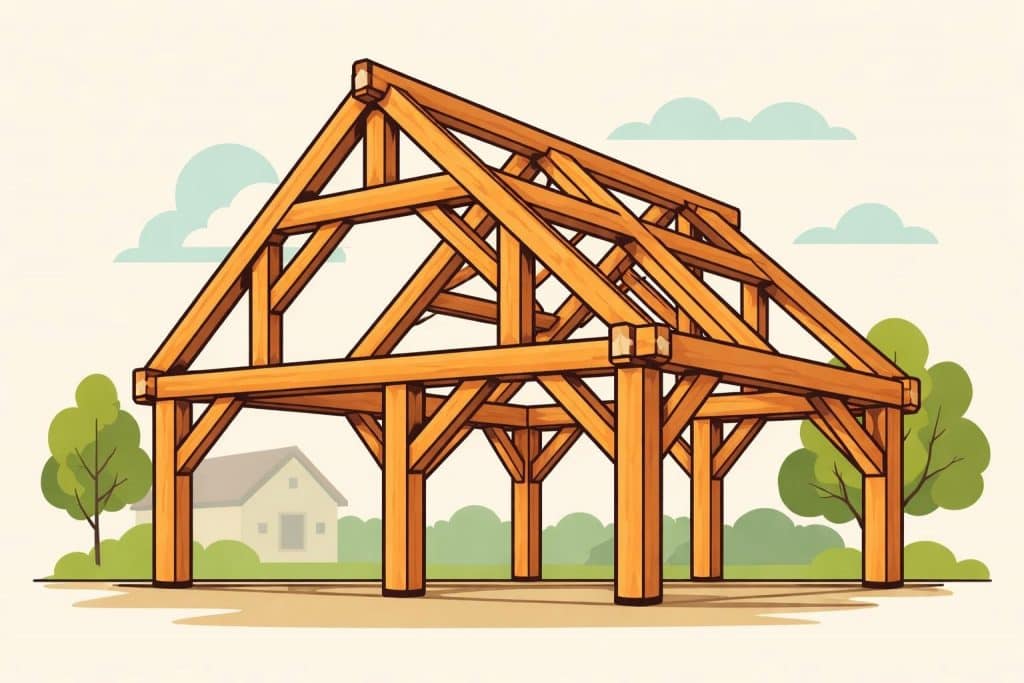
The resurgence of traditional building methods combined with contemporary design sensibilities has brought the timber built home firmly into the spotlight. As homeowners increasingly seek sustainable, characterful, and durable properties, timber framing has emerged as a compelling alternative to conventional construction methods. This ancient craft, refined over centuries and now enhanced with modern engineering principles, offers unique advantages that extend far beyond aesthetic appeal. Understanding the nuances of timber construction enables prospective homeowners to make informed decisions about their most significant investment.
Understanding the Timber Built Home Concept
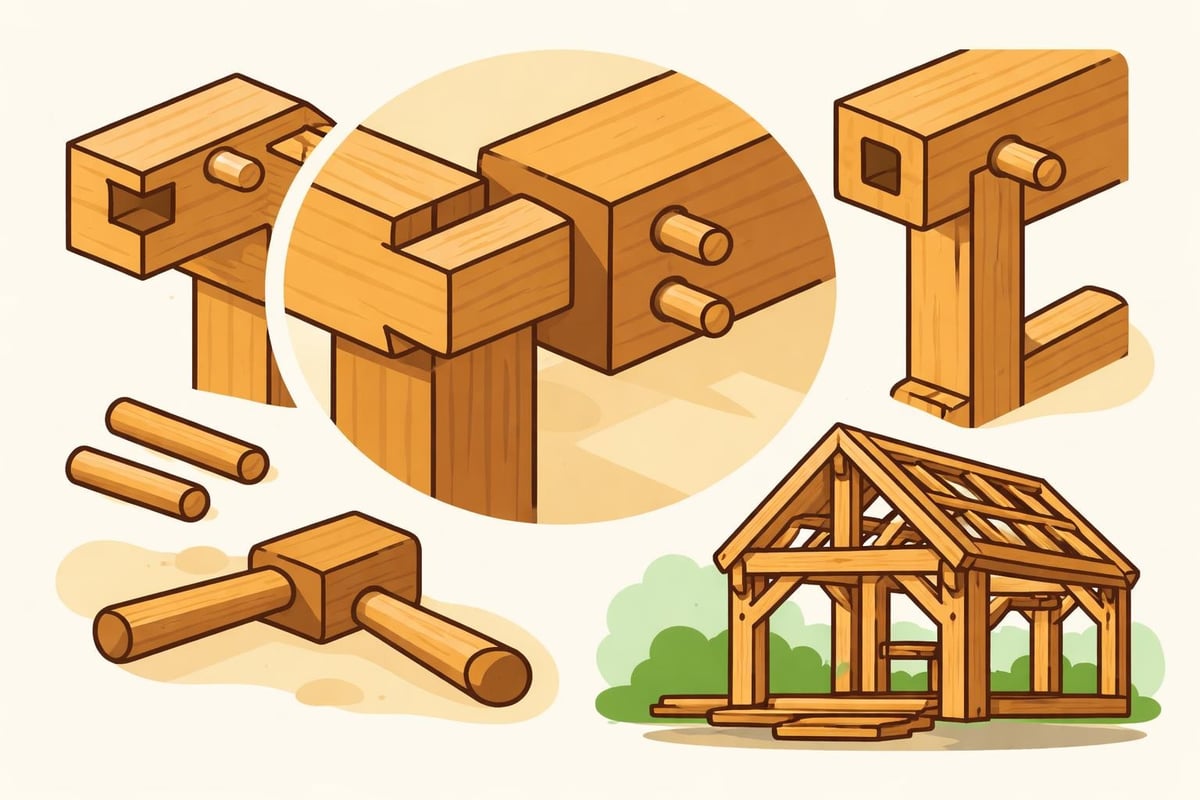
A timber built home represents more than just a structure constructed from wood. It embodies a philosophy of building that prioritises natural materials, traditional joinery techniques, and structural integrity that can last for generations. Unlike standard stick-frame construction, true timber framing utilises large section timbers joined together with mortise and tenon joints, secured with wooden pegs rather than metal fasteners.
The distinction between various timber construction methods is crucial for anyone considering this building approach. Post-and-beam construction, timber framing, and log construction each offer different characteristics and benefits. Traditional timber framing showcases exposed structural elements that become defining architectural features, whilst post-and-beam methods may conceal these elements within walls.
Historical Significance and Modern Revival
Timber framing has shaped Britain's architectural heritage for over a millennium. Medieval barns, Tudor houses, and countless historic structures demonstrate the longevity and resilience of properly constructed timber buildings. The Timber Framers Guild has been instrumental in preserving these traditional techniques whilst adapting them for contemporary applications.
Modern timber built homes benefit from centuries of accumulated knowledge combined with advanced engineering calculations, moisture management systems, and sustainable forestry practices. This fusion creates structures that honour tradition whilst meeting stringent 2026 building regulations and performance standards.
Environmental Benefits of Timber Construction
The environmental credentials of a timber built home extend throughout its entire lifecycle, from forest to finished structure. Sustainably sourced timber acts as a carbon store, locking away atmospheric CO2 for the building's lifespan and beyond. When comparing embodied energy across construction materials, timber consistently outperforms concrete, steel, and brick.
Key environmental advantages include:
- Carbon sequestration: Each cubic metre of timber stores approximately one tonne of CO2
- Renewable resource: Properly managed forests regenerate continuously
- Lower embodied energy: Timber requires significantly less processing than competing materials
- Biodegradability: End-of-life timber can decompose naturally or be repurposed
- Reduced construction waste: Precision cutting minimises off-cuts and site waste
The cross-laminated timber revolution has further enhanced timber's environmental profile, enabling multi-storey timber construction that challenges concrete's dominance in larger developments. Projects like Stadthaus in London demonstrate timber's potential for urban, high-density housing whilst maintaining exceptional environmental performance.
Structural Advantages and Durability
A properly constructed timber built home can outlast many modern buildings by centuries. The key lies in understanding timber's natural properties and working with them rather than against them. Oak, Britain's traditional framing timber, possesses exceptional durability, strength, and resistance to decay when properly detailed.
| Property | Oak Timber | Softwood | Steel | Concrete |
|---|---|---|---|---|
| Strength-to-weight ratio | Excellent | Good | Excellent | Moderate |
| Carbon footprint | Very Low | Very Low | High | Very High |
| Lifespan (properly maintained) | 500+ years | 100+ years | 100+ years | 80-100 years |
| Thermal performance | Good | Excellent | Poor | Poor |
| Aesthetic warmth | Exceptional | Good | None | Limited |
The inherent flexibility of timber structures provides natural resilience against seismic activity and settlement. Unlike rigid materials that crack under stress, timber frames can flex and return to their original position. This characteristic proves particularly valuable in areas with challenging ground conditions.
Moisture Management and Maintenance
Understanding moisture dynamics is essential for any timber built home. Oak timber naturally seasons and stabilises over time, developing the characteristic cracks and shakes that add to its visual appeal without compromising structural integrity. Proper design incorporates adequate roof overhangs, appropriate ground clearance, and effective weatherproofing to prevent water ingress.
Modern moisture barriers, breathable membranes, and protective treatments have transformed timber's longevity potential. Regular inspections and minor maintenance interventions ensure structures remain sound for centuries. The National Association of Home Builders provides comprehensive guidance on maintaining timber structures.
Design Flexibility and Aesthetic Appeal
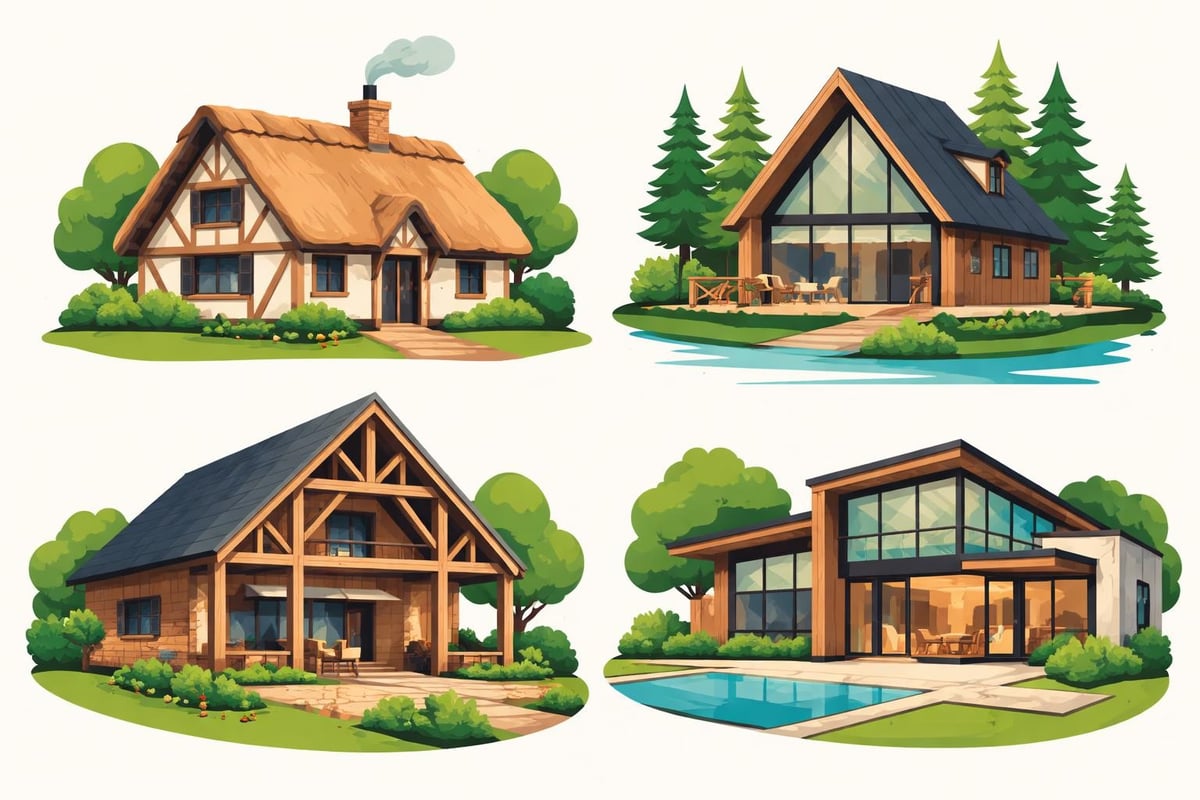
The timber built home offers unparalleled design freedom, from traditional oak-framed cottages to contemporary glass-and-timber architectural statements. Exposed structural timbers create dramatic interior spaces with cathedral ceilings, whilst also serving as the primary load-bearing elements. This dual functionality allows for open-plan living spaces without the need for internal supporting walls.
Contemporary timber homes successfully integrate with various architectural styles:
- Traditional vernacular: Oak frames with lime render or brick infill panels
- Modern minimalist: Clean lines with glass infill and concealed fixings
- Barn conversions: Repurposing agricultural structures into residential spaces
- Hybrid designs: Combining timber framing with other construction methods
Bespoke timber structures from companies like Acorn to Oak Framing demonstrate how traditional craftsmanship adapts to individual client requirements. Whether creating a single bay building for additional accommodation or a five bay structure for substantial family homes, the flexibility remains constant.
Construction Process and Timeline
Building a timber built home follows a distinct process that differs from conventional construction. Understanding these stages helps set realistic expectations and ensures project success. The timeline can vary significantly depending on project complexity, customisation level, and site conditions.
Planning and Design Phase
Initial consultations establish the project scope, budget parameters, and design preferences. Detailed architectural drawings and structural calculations ensure compliance with Building Regulations. Planning permission requirements vary by location, with some areas offering more favourable policies for timber construction, particularly when replacing existing structures or building in rural contexts.
Manufacturing and Assembly
Traditional timber frames are manufactured in controlled workshop environments using a combination of hand tools and modern machinery. This precision manufacturing approach ensures consistent quality and allows for complex joinery work that would be challenging on-site. The bespoke design process enables complete customisation to suit individual requirements.
Key construction stages include:
- Foundation preparation and base plate installation
- Frame erection (typically 2-5 days for standard homes)
- Roof structure and weatherproofing
- Infill panel installation (SIPs, brick, or glazing)
- Internal fit-out and services installation
- External finishes and landscaping
The rapid frame erection represents one of timber construction's significant advantages. A skilled team can raise a complete structural frame in days rather than the weeks required for masonry construction, reducing site disruption and weather exposure.
Thermal Performance and Energy Efficiency
Modern timber built homes achieve exceptional thermal performance through careful design and material selection. Whilst the timber frame itself provides moderate insulation, the overall building envelope incorporates high-performance insulation materials that exceed minimum regulatory standards. Structural insulated panels (SIPs) commonly fill the spaces between timber frame members, creating airtight, thermally efficient walls.
Achieving Passivhaus standards or similar low-energy performance levels is entirely feasible with timber construction. The combination of excellent insulation, minimal thermal bridging, and natural material breathability creates comfortable, healthy interior environments with reduced heating and cooling requirements.
| Energy Feature | Timber Frame Benefit | Impact on Bills |
|---|---|---|
| Airtightness | Excellent with proper detailing | 20-30% reduction |
| Thermal bridging | Minimal compared to steel/concrete | 10-15% reduction |
| Insulation depth | Flexible, accommodates thick insulation | 25-35% reduction |
| Thermal mass | Moderate, stabilises temperature | 5-10% reduction |
Cost Considerations and Value
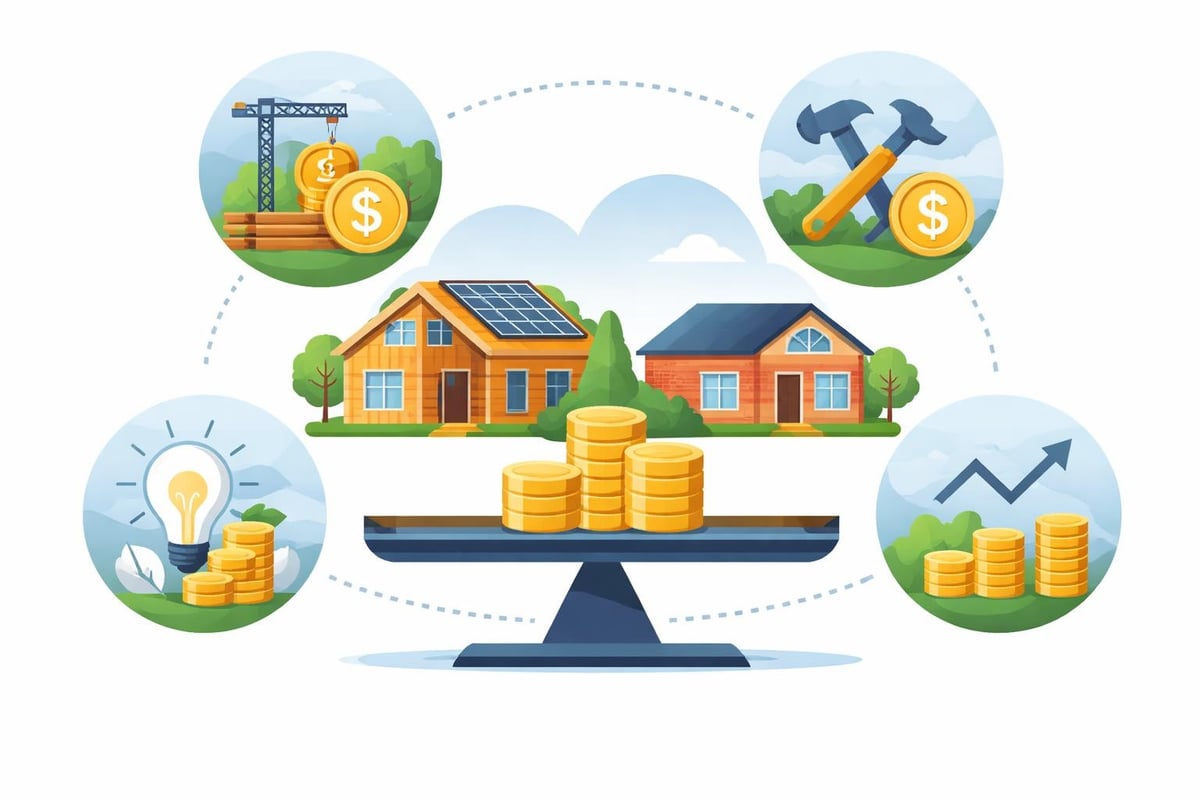
The financial aspects of a timber built home require careful analysis beyond simple construction cost comparisons. Initial material and labour costs for quality oak framing typically exceed standard construction methods, but the complete lifecycle cost picture reveals a more nuanced situation.
Initial Investment Factors
Several elements influence the upfront cost of timber frame construction:
- Timber specification: Oak costs more than softwood but offers superior longevity and character
- Complexity of design: Intricate joinery and non-standard angles increase labour requirements
- Site accessibility: Remote locations may increase transportation costs
- Foundation requirements: Generally lighter than masonry, potentially reducing foundation costs
- Infill panel specification: Choice between brick, render, glazing, or SIPs significantly impacts budget
Working with established specialists ensures transparent pricing and realistic budget planning. The National Association of Home Builders guide on choosing a builder emphasises the importance of thorough research and clear contracts.
Long-term Value Proposition
The true value of a timber built home emerges over decades of ownership. Reduced energy bills, minimal structural maintenance requirements, and enduring aesthetic appeal contribute to strong property values. Timber homes often command premium prices in the resale market, particularly when construction quality is evident.
Insurance considerations deserve attention, as some insurers classify timber homes differently from conventional construction. However, the increasing prevalence of timber construction and growing industry data have generally normalised insurance costs.
Regulatory Compliance and Building Standards
All timber built homes in the UK must comply with current Building Regulations, covering structural integrity, fire safety, thermal performance, and accessibility. Timber construction meets or exceeds these standards when properly designed and constructed by qualified professionals.
Fire safety provisions for timber structures have advanced significantly, with modern treatments, fire-resistant barriers, and compartmentalisation strategies providing excellent protection. Large-section timbers perform predictably in fire situations, charring at known rates whilst maintaining structural integrity longer than unprotected steel equivalents.
Building Control approval processes are well-established for timber construction, with inspectors familiar with these methods throughout the UK. Detailed structural calculations, material specifications, and construction methodology documentation ensure smooth approval processes.
Choosing the Right Timber Frame Specialist
Selecting an experienced timber framing company represents perhaps the most crucial decision in the entire process. The quality of craftsmanship, attention to detail, and project management capabilities directly determine the final result's quality and the construction experience.
Essential criteria when evaluating timber frame specialists include:
- Demonstrable experience: Portfolio of completed projects across various scales and styles
- Traditional skills: Competency in hand-cutting joints and understanding timber behaviour
- Modern compliance: Knowledge of current Building Regulations and construction standards
- Material sourcing: Commitment to sustainably sourced, appropriately seasoned timber
- Client testimonials: Verifiable references from previous customers
- Insurance and warranties: Appropriate professional indemnity and structural warranties
Publications like Timber Home Living showcase exceptional examples of timber construction and provide inspiration for prospective homeowners. Examining completed projects helps clarify design preferences and quality expectations.
Customisation and Personalisation Opportunities
The bespoke nature of timber frame construction enables extensive personalisation that standard housing developments cannot match. Every aspect, from timber section sizes to joinery details and spatial arrangements, can be tailored to individual requirements and preferences. This customisation extends beyond initial construction, as timber frames readily accommodate future modifications and extensions.
Common personalisation options include:
- Timber species selection: Oak, Douglas fir, or other species for specific characteristics
- Joint visibility: Exposed or concealed structural elements depending on aesthetic preferences
- Glazing configurations: Custom window and door placements to maximise views and light
- Internal layouts: Open-plan arrangements or traditional compartmentalised rooms
- External finishes: Weatherboarding, render, brick, or glazing to suit context
- Architectural features: Incorporating gazebos, covered walkways, or other timber structures
Working closely with designers during the planning phase ensures the final structure perfectly aligns with lifestyle requirements and aesthetic preferences. The ready-to-go options provide starting points that can be adapted to specific needs.
Future-Proofing Your Timber Home
A well-designed timber built home inherently possesses future-proof qualities that ensure relevance and functionality for generations. The combination of durable materials, adaptable spaces, and timeless aesthetic appeal creates buildings that resist obsolescence. Modern timber homes incorporate flexibility that allows for evolving lifestyle requirements without extensive structural alterations.
Technology integration presents no challenges for timber construction, with services easily concealed within floor and wall structures. Solar panel installation, heat pump systems, and advanced home automation integrate seamlessly with timber buildings, ensuring compatibility with evolving energy and technology standards.
The growing emphasis on sustainable construction methods and carbon-neutral building strategies positions the timber built home as increasingly relevant in 2026 and beyond. Regulatory frameworks increasingly favour low-carbon construction, potentially providing financial incentives for choosing timber over more carbon-intensive alternatives.
The timber built home represents a sophisticated blend of traditional craftsmanship, environmental responsibility, and contemporary living standards that appeals to discerning homeowners seeking something beyond standard construction offerings. Understanding the construction methods, benefits, and considerations enables informed decision-making that leads to successful projects and enduring satisfaction. If you're considering a timber frame structure that combines heritage techniques with modern performance standards, Acorn to Oak Framing offers the expertise, craftsmanship, and attention to detail necessary to transform your vision into a beautifully crafted reality that enhances your property and lifestyle for generations to come.


