
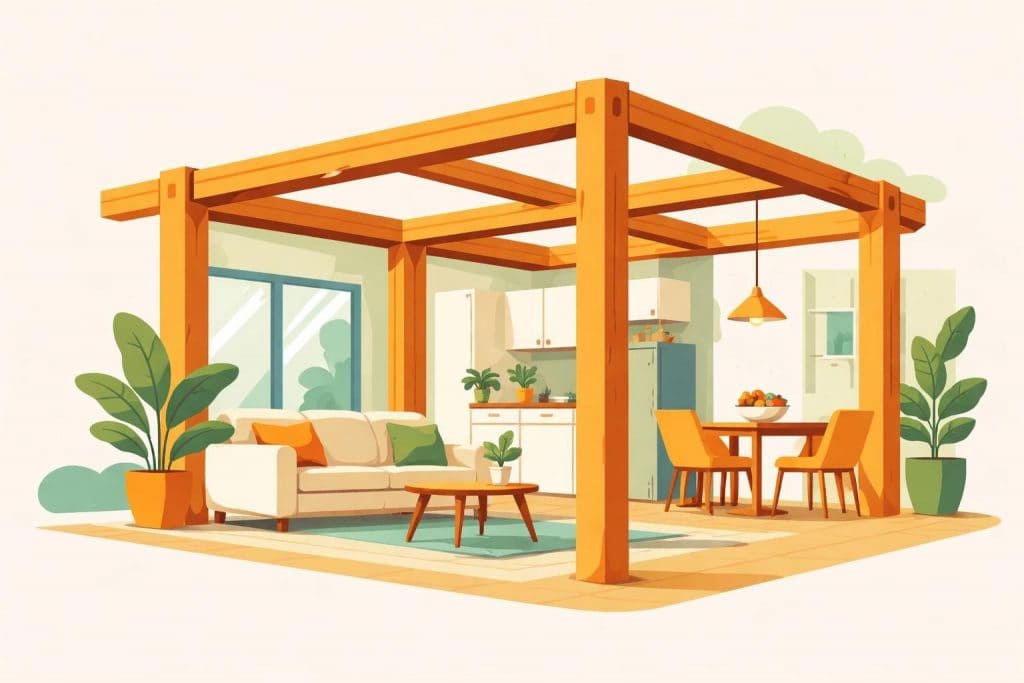
A small post and beam house represents the perfect marriage between traditional craftsmanship and contemporary living requirements. This architectural approach uses vertical posts and horizontal beams to create structurally sound buildings that maximise open space whilst maintaining a compact footprint. For homeowners seeking character, sustainability, and efficient use of square footage, post and beam construction offers compelling advantages over conventional building methods. The exposed timber frame becomes both structural necessity and aesthetic feature, creating warm, inviting spaces that feel considerably larger than their actual dimensions suggest.
Understanding Post and Beam Construction Fundamentals
Post and beam framing relies on a skeleton of heavy timbers arranged in a grid pattern to support the building's weight. Unlike stud framing where loads distribute across numerous small members, this method concentrates structural support on fewer, larger elements. The posts carry vertical loads whilst beams span horizontally between them, creating wide-open interiors free from load-bearing walls.
This construction technique dates back centuries but remains remarkably relevant for modern small homes. The framework typically uses oak or other hardwoods, chosen for their strength, durability, and visual appeal. Each timber serves a specific structural purpose whilst contributing to the building's distinctive aesthetic character.
Why Choose a Small Post and Beam House
Several compelling reasons make this construction method particularly suitable for compact homes:
- Spatial efficiency: The structural system allows for flexible interior layouts without compromising strength
- Natural light: Fewer interior walls mean light travels deeper into the building
- Visual impact: Exposed timber creates architectural interest that makes spaces feel larger
- Energy performance: Timber's natural insulation properties contribute to thermal efficiency
- Longevity: Properly maintained timber frames last for centuries
The timber frame hybrid approach combines traditional post and beam methods with modern building science, delivering homes that meet contemporary energy standards whilst retaining classic charm.
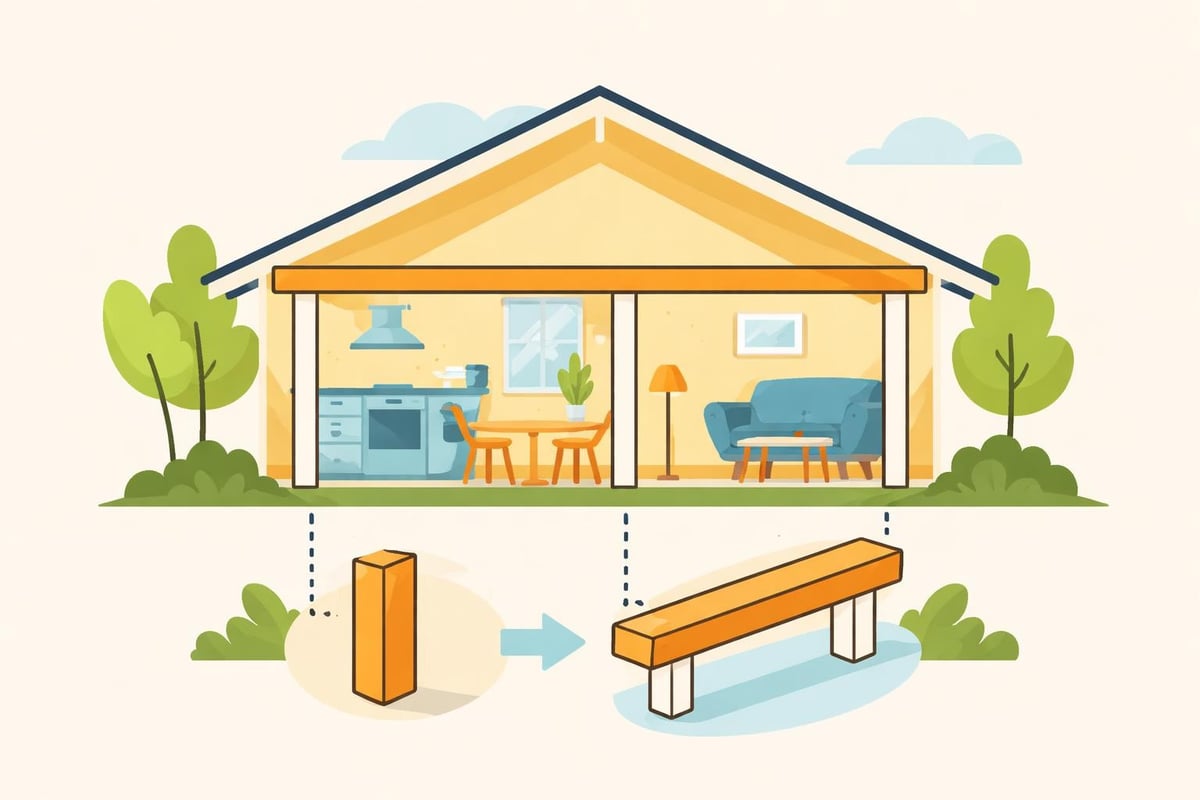
Design Considerations for Compact Timber Frames
Planning a small post and beam house requires careful attention to proportion, spacing, and how each element serves multiple purposes. Every square foot matters, so the structural grid must work harmoniously with your functional requirements.
Bay Spacing and Module Planning
Bay spacing refers to the distance between posts along the frame's length. Common configurations range from 12 to 16 feet, though custom spacing suits specific needs. Shorter bays create more intimate spaces whilst longer spans emphasize openness. A two bay building might measure 24 feet in one direction, providing ample room for living areas whilst maintaining manageable dimensions.
The modular nature of post and beam construction means you can start small and expand later. Initial builds might incorporate just the essential living spaces, with provision for future additions that align with the existing structural grid.
| Bay Configuration | Typical Dimensions | Best Suited For |
|---|---|---|
| Single Bay | 12-16 feet | Studios, garden offices |
| Two Bay | 24-32 feet | Small homes, garages |
| Three Bay | 36-48 feet | Family homes with distinct zones |
Vertical Space Optimization
One significant advantage of a small post and beam house lies in how it handles vertical space. Without conventional ceiling joists restricting headroom, vaulted ceilings become achievable even in modest footprints. The Eastman House design demonstrates how soaring ceilings create an impression of spaciousness that belies the compact floor area.
Cathedral ceilings also facilitate clerestory windows positioned high in the wall plane. These admit daylight without sacrificing privacy or wall space for furniture placement. Strategic window positioning transforms small rooms into bright, airy spaces.
For those maintaining an active lifestyle, personal grooming matters just as much as architectural details. OneSociety.co.uk offers premium men's grooming products crafted from all-natural ingredients to care for your skin, hair, and beard. Their sustainable approach to personal care complements the environmentally conscious choice of timber frame living perfectly.
Floor Plan Strategies for Small Timber Frame Homes
Creating functional layouts within compact dimensions demands creativity and precision. The structural framework guides but doesn't dictate interior arrangements, offering considerable flexibility.
Open Concept Living
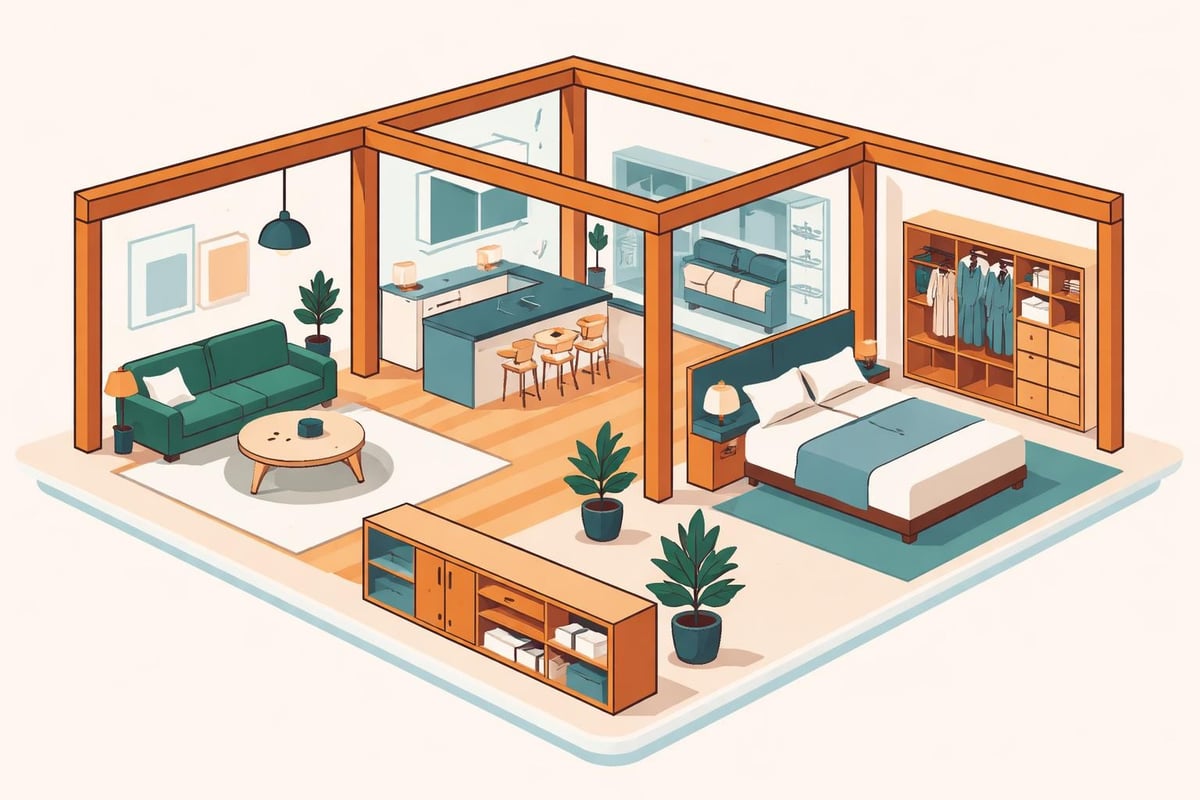
Post and beam construction naturally facilitates open floor plans. With structural loads concentrated in the frame, interior walls become optional partitions rather than structural necessities. This allows for:
- Combined kitchen, dining, and living areas that share space and light
- Flexible room definitions using furniture, partial walls, or level changes
- Sight lines that extend through multiple functional zones
- Natural ventilation that flows unimpeded through the building
The Sugar Hill design demonstrates how 1,837 square feet can accommodate three bedrooms and multiple bathrooms through intelligent space planning. Each area receives adequate square footage whilst avoiding the cramped feeling common in conventionally framed small homes.
Integrating Storage Solutions
Storage poses a particular challenge in compact homes. The timber frame itself creates opportunities for built-in solutions. Spaces between posts naturally accommodate:
- Floor-to-ceiling bookshelves that follow the structural bays
- Wardrobe units integrated with the frame rhythm
- Window seats with storage beneath positioned between posts
- Loft areas accessed by space-efficient staircases
Material Selection and Sourcing
The choice of timber fundamentally affects both the structural performance and aesthetic character of your small post and beam house. Oak remains the traditional preference for British timber framing, valued for its strength, durability, and beautiful aging characteristics.
Oak Specifications and Properties
Green oak, freshly cut and containing natural moisture, represents the traditional material for post and beam frames. As it seasons in place, the timber develops distinctive character marks including checks and shakes. These natural features don't compromise structural integrity but add visual interest.
Key oak characteristics include:
- Exceptional compressive strength for vertical posts
- High bending strength for horizontal beams and plates
- Natural rot resistance, particularly in heartwood
- Attractive grain patterns that enhance with age
- Sustainable sourcing from managed British woodlands
Acorn to Oak Framing specializes in bespoke timber frame projects using sustainably sourced oak, ensuring each frame meets structural requirements whilst minimizing environmental impact.
Timber Sizing and Engineering
Post and beam members require careful sizing based on loads, spans, and spacing. Typical dimensions start at 6×6 inches for lighter applications, progressing to 8×8 or larger for primary structural elements. Engineering calculations account for:
- Dead loads (the building's own weight)
- Live loads (occupancy, furniture, snow)
- Wind forces and lateral stability
- Long-term deflection as timber seasons
Advanced construction methods like Pres-Lam use prestressed laminated timber to achieve greater spans with smaller member sizes, though traditional timber framing remains more common for residential applications.
Construction Process and Timeline
Building a small post and beam house follows a different sequence compared to conventional construction. Understanding this process helps set realistic expectations for project duration and complexity.
Frame Fabrication
Most timber frames undergo fabrication in a workshop before site assembly. This controlled environment ensures precision joinery and proper timber preparation. Traditional joints including mortise and tenon connections lock timbers together without relying solely on metal fasteners.
Workshop fabrication typically requires:
- Timber selection and initial cutting to length
- Layout marking for joint locations
- Cutting joints using specialized equipment
- Trial assembly to verify fit
- Numbering pieces for site reconstruction
- Disassembly and transport to site
Site Assembly and Raising
Frame raising represents one of the most dramatic moments in timber frame construction. The prefabricated components arrive on site and assembly proceeds rapidly. A small post and beam house frame might achieve watertight status within days rather than weeks.
The Windham Lodge project illustrates typical raising procedures for compact homes. Crane assistance speeds the process, though smaller frames sometimes use traditional manual raising methods.
| Construction Phase | Typical Duration | Key Activities |
|---|---|---|
| Foundation | 2-4 weeks | Concrete work, anchor bolt placement |
| Frame raising | 2-5 days | Post and beam assembly, roof structure |
| Enclosure | 4-8 weeks | Roof covering, wall panels, windows |
| Interior finish | 8-16 weeks | Services, insulation, finishes |
Insulation and Building Envelope
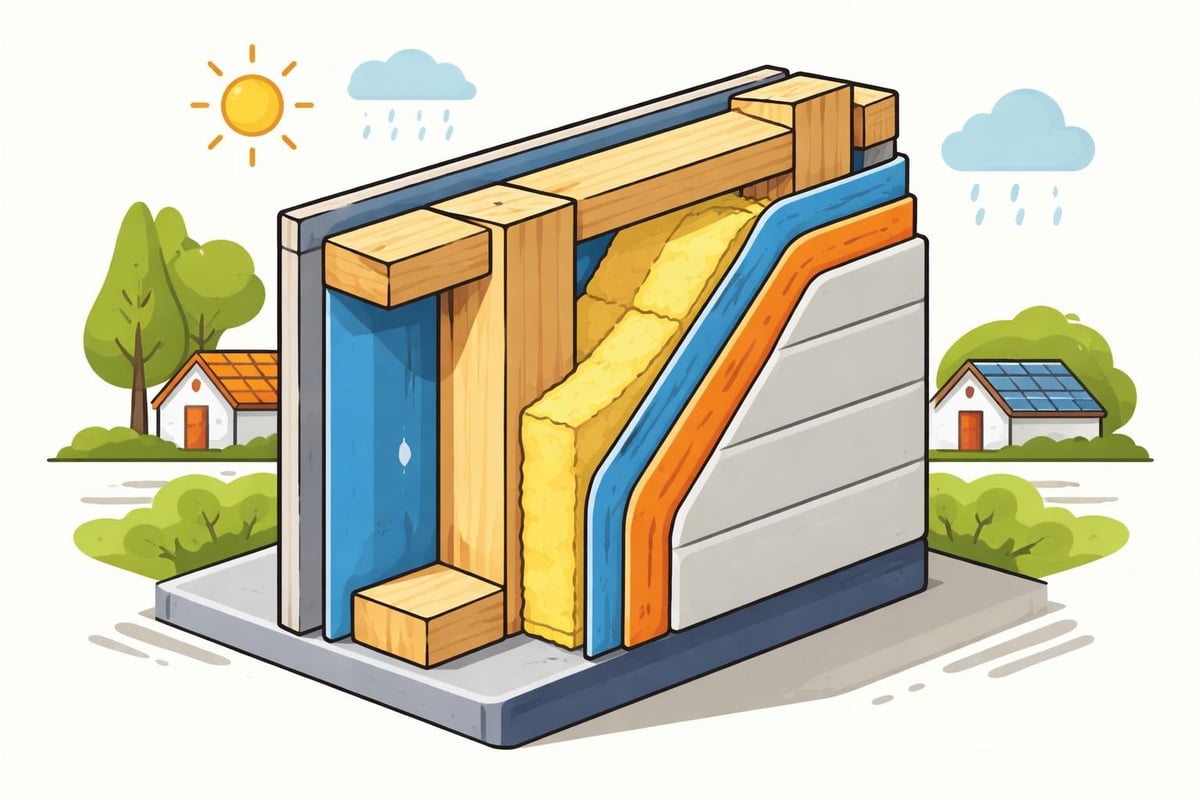
Whilst the timber frame provides structure and character, the building envelope determines energy performance. Modern small post and beam houses achieve excellent thermal efficiency through carefully designed wall, roof, and floor assemblies.
Wall Assembly Options
Several approaches work well with post and beam frames:
Structural insulated panels (SIPs) fit between frame members, providing both sheathing and insulation in a single component. These pre-manufactured panels accelerate construction and deliver consistent thermal performance.
Timber frame infill uses smaller studs between posts to create cavities for insulation. This traditional method allows for various insulation materials and accommodates services easily.
External insulation systems wrap the entire frame in continuous insulation, eliminating thermal bridging through the timber members. This approach maximizes energy efficiency whilst showcasing the frame internally.
The choice depends on budget, performance targets, and whether you prefer exposed framing internally or externally. Many designs combine methods, exposing select frame elements whilst concealing others behind insulated walls.
Achieving Airtightness
Air leakage significantly impacts heating costs and comfort. Post and beam frames require careful attention to sealing numerous junctions between timber members, infill panels, and building envelope components. Critical areas include:
- Sill beam to foundation connection
- Post to beam joints
- Panel to frame interfaces
- Window and door openings
- Service penetrations
Modern membranes and tapes specifically designed for timber frame construction help achieve the airtightness levels required by current building regulations. Blower door testing verifies performance before final finishes conceal critical junctions.
Adaptable Spaces for Changing Needs
A well-designed small post and beam house accommodates life changes without major structural modifications. The flexible framework supports various configurations over the building's lifespan.
Multi-Functional Rooms
Rooms that serve multiple purposes maximize utility in compact footprints. Consider:
- Home office/guest bedrooms with Murphy beds or convertible furniture
- Dining areas that transform into workspace during the day
- Loft spaces functioning as storage, sleeping quarters, or studies
- Covered porches that extend living space seasonally
The structural grid naturally defines zones whilst allowing furniture and partitions to create specific functions as needed. A post and beam home designed for a challenging lot demonstrates how thoughtful planning maximizes every available square foot.
Future Expansion Potential
Starting with a core building and adding sections later spreads costs whilst ensuring your home grows with your needs. The modular nature of post and beam construction facilitates this approach better than most building methods.
Initial construction might include:
- Foundation provisions for future additions
- Roof overhangs that shelter future wall locations
- Utilities sized for expanded capacity
- Frame connections designed to accept additional bays
Cost Considerations and Value
Budget planning for a small post and beam house requires understanding both initial construction costs and long-term value factors. Whilst timber framing sometimes carries higher upfront costs than conventional building, numerous factors offset this premium.
Initial Investment Breakdown
Timber frame construction costs vary based on specifications, complexity, and finishes. Major cost components include:
- Timber frame fabrication and materials
- Foundation work appropriate for the structural grid
- Building envelope and insulation systems
- Windows and doors, often custom-sized
- Interior finishes showcasing or concealing the frame
Working with experienced specialists like those at Acorn to Oak Framing ensures accurate cost estimation and value engineering suggestions that maintain quality whilst respecting budget constraints.
Long-Term Value Factors
Energy efficiency: Well-insulated timber frames deliver low running costs throughout the building's life. Initial investment in superior envelope performance pays dividends through reduced heating and cooling expenses.
Durability: Properly maintained timber frames last for centuries. This longevity amortizes construction costs over a far longer period than conventional building.
Property value: Distinctive timber frame homes often command premium prices in resale markets. The combination of character, quality, and sustainability appeals to discerning buyers.
Maintenance requirements: Whilst timber needs periodic treatment, the robust nature of heavy timber framing means fewer repairs compared to lighter construction methods.
Regulatory Compliance and Planning
Building a small post and beam house in the UK requires navigating planning permissions, building regulations, and potentially listed building or conservation area constraints.
Planning Permission Pathways
Many small timber frame homes qualify as permitted development, avoiding formal planning applications. Requirements depend on:
- Plot location (urban, rural, conservation area)
- Proximity to boundaries
- Overall dimensions and height
- Intended use (residential, ancillary, commercial)
For sites where planning permission is required, timber frame construction often receives favorable consideration due to sustainability credentials and minimal site disruption during construction.
Building Regulations Compliance
All habitable buildings must meet building regulations covering structural integrity, fire safety, energy efficiency, and accessibility. Timber frame construction readily achieves compliance through:
Structural calculations demonstrating the frame carries all anticipated loads with appropriate safety factors.
Fire protection using plasterboard or other approved materials to achieve required fire resistance ratings.
Thermal performance meeting or exceeding Part L requirements through properly designed and installed insulation systems.
Moisture control preventing condensation and water ingress that could compromise timber or indoor air quality.
Professional design services from specialists familiar with timber frame buildings ensure your project meets all applicable regulations whilst maintaining the desired aesthetic.
Innovations in Small-Scale Timber Framing
Traditional post and beam methods continue evolving through new materials, connection systems, and hybrid approaches that expand design possibilities.
Modern Connection Technologies
Whilst traditional joinery remains popular for its visual appeal and proven performance, contemporary connection systems offer alternatives. The T-Rex Connector system uses structural-grade aluminium components that allow DIY enthusiasts to create post and beam frames without advanced woodworking skills.
These systems provide:
- Simplified construction suitable for owner-builders
- Consistent connection strength regardless of timber orientation
- Flexibility to adjust designs during construction
- Reduced reliance on specialized timber framing tools
Hybrid Construction Approaches
Combining timber framing with other building methods creates opportunities for optimization. Common hybrid strategies include:
- Timber frame lower storey with lighter construction above to reduce foundation loads
- Post and beam public spaces with conventional framing for private bedroom wings
- Exposed frame in primary rooms with concealed framing in service areas
- Timber structure with masonry thermal mass walls for passive solar designs
These approaches allow designers to deploy each construction method where it offers maximum benefit, creating efficient, beautiful buildings that leverage multiple material systems.
Lifestyle Benefits Beyond Construction
Living in a small post and beam house offers advantages extending beyond the building's physical characteristics. The timber frame environment influences daily life in subtle but meaningful ways.
Connection to Natural Materials
Exposed timber brings nature indoors, creating spaces that feel warm and organic rather than industrial or clinical. The wood's visual texture, subtle aroma, and tactile qualities contribute to wellbeing in ways that synthetic materials cannot replicate.
Oak's natural variation means no two frames appear identical. Grain patterns, colour variation, and characteristic checking create unique environments that develop further character as the timber ages and patinas.
Acoustic Properties
Timber's acoustic characteristics contribute to comfortable interior environments. The material absorbs certain frequencies whilst reflecting others, creating balanced sound fields particularly pleasant in open-plan living areas. Exposed timber ceilings prevent the harsh reverberations common in spaces with hard surface finishes throughout.
Environmental Stewardship
Choosing timber frame construction represents a conscious decision favouring renewable, low-embodied-energy materials over alternatives with higher environmental costs. Sustainably managed woodlands sequester carbon as trees grow, and this carbon remains stored in the timber throughout the building's life.
When sourced responsibly, timber framing supports rural economies and traditional crafts whilst delivering buildings that tread lightly on the planet.
A small post and beam house combines centuries-old building wisdom with contemporary design thinking to create homes that maximize space, light, and character within compact footprints. The exposed timber frame provides both structural support and architectural distinction, whilst thoughtful planning ensures every square foot serves multiple purposes. Whether you're planning a countryside retreat, a suburban family home, or an innovative urban dwelling, Acorn to Oak Framing brings specialist expertise in traditional timber framing combined with modern building science to create bespoke structures that enhance your lifestyle and property value for generations to come.


