
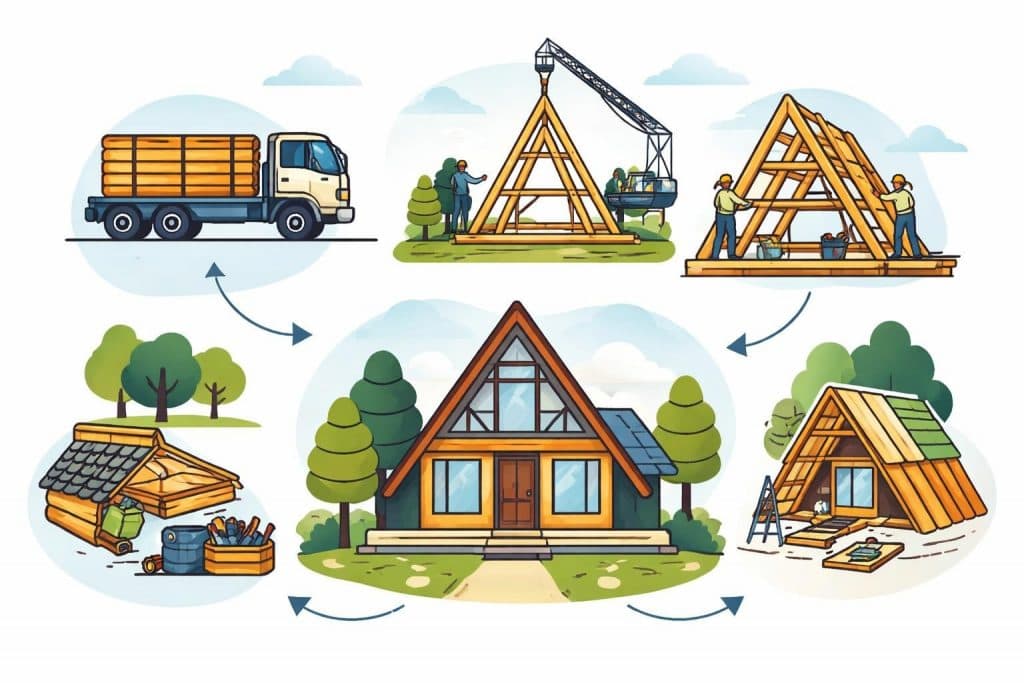
A frame home packages represent an increasingly popular choice for UK property owners seeking distinctive, efficient, and cost-effective housing solutions. These comprehensive building kits combine the iconic triangular silhouette of A-frame architecture with modern timber framing techniques, offering a streamlined path from concept to completion. Whether you're considering a holiday retreat, primary residence, or investment property, understanding the scope and benefits of a frame home packages will help you make informed decisions about your building project.
Understanding A Frame Home Packages
A frame home packages deliver a complete set of pre-engineered components designed specifically for constructing distinctive triangular-profile buildings. These packages typically include all primary structural elements, from foundation anchoring systems to roof ridge beams, carefully calculated to ensure structural integrity whilst maintaining the characteristic steep-pitched design.
The architectural significance of A-frame structures has evolved considerably since their mid-century origins. Modern packages incorporate engineering advancements that address historical limitations whilst preserving the aesthetic appeal that makes these buildings instantly recognisable.
Core Components Included
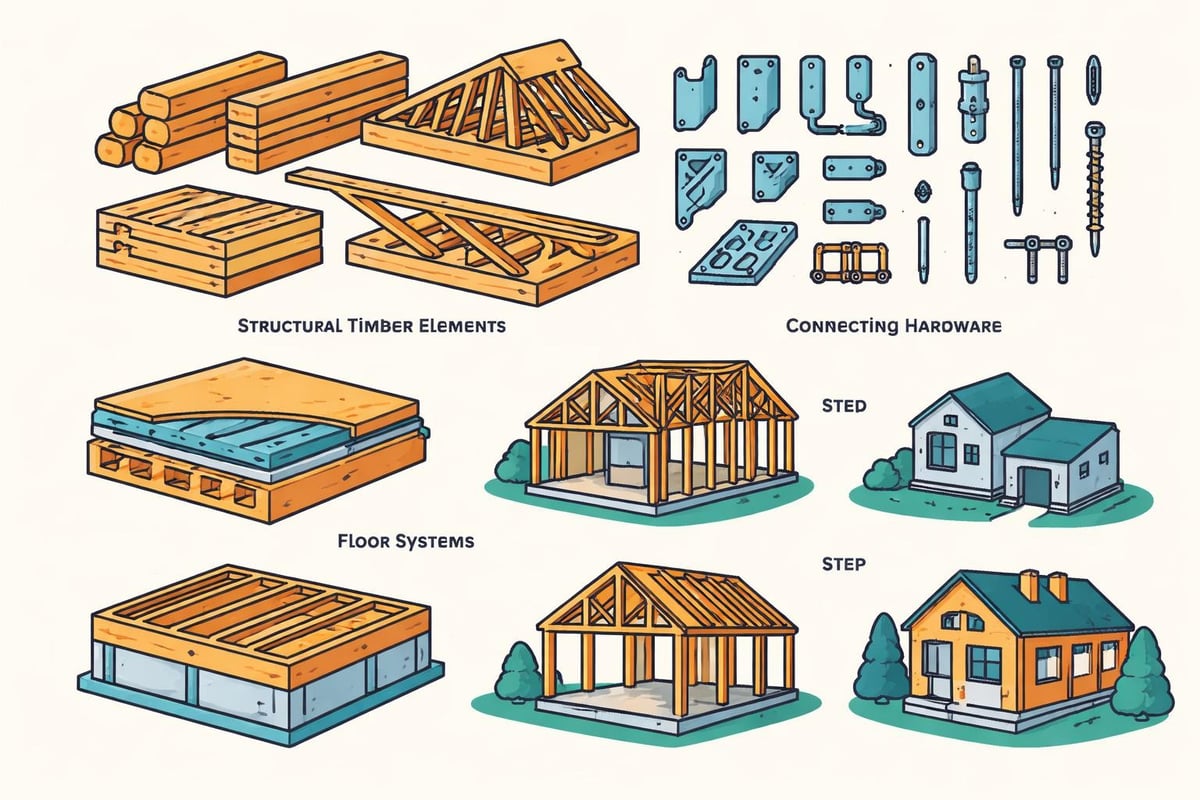
Most comprehensive a frame home packages from reputable timber frame specialists contain several essential elements:
- Primary timber frame structure with oak or engineered timber posts and beams
- Roof framing components designed for the steep pitch characteristic of A-frame design
- Floor joists and decking materials for ground and mezzanine levels
- Connecting hardware including steel brackets, bolts, and specialized fixings
- Technical drawings with detailed assembly instructions and engineering calculations
The quality of timber used in these packages dramatically affects longevity and structural performance. Sustainably sourced oak provides exceptional durability and natural resistance to decay, making it the preferred choice for discerning builders.
Package Types and Configurations
Different a frame home packages cater to varying project scales and budgets. Understanding the distinctions between package levels helps buyers select appropriate solutions for their specific requirements.
Basic Shell Packages
Entry-level packages focus exclusively on structural elements, providing the skeleton upon which you build your vision. These typically include only the timber frame, basic roofing support, and essential connectors.
Advantages of shell packages:
- Lower initial investment requirements
- Maximum flexibility for customisation
- Opportunity for phased construction
- Direct control over finishing materials
Shell packages particularly suit experienced builders or those working with specialist timber framing companies who can guide the completion process whilst allowing client input on interior specifications.
Weather-Tight Packages
Mid-tier packages extend beyond structural elements to include external weatherproofing components. These comprehensive solutions deliver buildings ready for interior finishing work.
| Component Category | Shell Package | Weather-Tight Package | Turnkey Package |
|---|---|---|---|
| Timber Frame | ✓ | ✓ | ✓ |
| Roofing Materials | – | ✓ | ✓ |
| External Cladding | – | ✓ | ✓ |
| Windows & Doors | – | ✓ | ✓ |
| Insulation | – | Partial | ✓ |
| Internal Finishes | – | – | ✓ |
Weather-tight packages reduce construction timeline significantly whilst maintaining cost control through standardised specifications.
Complete Turnkey Solutions
Premium a frame home packages deliver fully finished buildings requiring minimal additional work before occupation. These packages incorporate all structural, weatherproofing, and finishing elements according to predetermined specifications.
Turnkey solutions prove particularly valuable for buyers seeking predictable costs and accelerated project completion. The comprehensive building guide approach ensures every detail receives proper attention during the manufacturing phase.
Design Considerations for A Frame Structures
The distinctive geometry of A-frame buildings presents unique design opportunities and challenges that influence package selection and customisation requirements.
Spatial Planning
A-frame structures naturally create dramatic interior volumes with soaring ceilings and abundant natural light. However, the sloping walls reduce usable floor space at the perimeter, requiring thoughtful spatial planning.
Effective A-frame designs maximise functionality through:
- Strategic mezzanine placement for sleeping areas or storage
- Built-in furniture along sloping walls to utilise otherwise wasted space
- Vertical storage solutions taking advantage of peak ceiling height
- Open-plan layouts that emphasise the volume rather than compartmentalisation
When specifying a frame home packages, consider how standard dimensions align with your spatial requirements. Customisable A-frame designs offer flexibility whilst maintaining structural efficiency.
Window and Glazing Options
The characteristic front and rear gables of A-frame buildings provide exceptional opportunities for dramatic glazing installations. Floor-to-ceiling windows transform these facades into light-capturing features whilst framing spectacular views.
Package specifications should clearly detail glazing provisions, including frame materials, thermal performance ratings, and installation methods. High-performance glazing proves essential for maintaining comfort in British climates where heat loss through large glass surfaces presents genuine concerns.
Cost Analysis and Budgeting
Understanding the financial implications of a frame home packages requires examining both obvious and hidden costs associated with project completion.
Initial Package Pricing
Package costs vary substantially based on size, specification, and supplier. Basic shell packages for modest structures start around £15,000–£25,000, whilst comprehensive turnkey solutions for substantial homes exceed £150,000.
Primary cost variables include:
- Structural timber species and grade
- Building footprint and height
- Glazing quantity and specification
- Roofing material selection
- Finish quality and complexity
Request detailed quotations from multiple suppliers, ensuring comparisons account for identical specifications. Some suppliers quote per square metre of floor area, whilst others price complete packages, making direct comparison challenging.
Additional Construction Costs
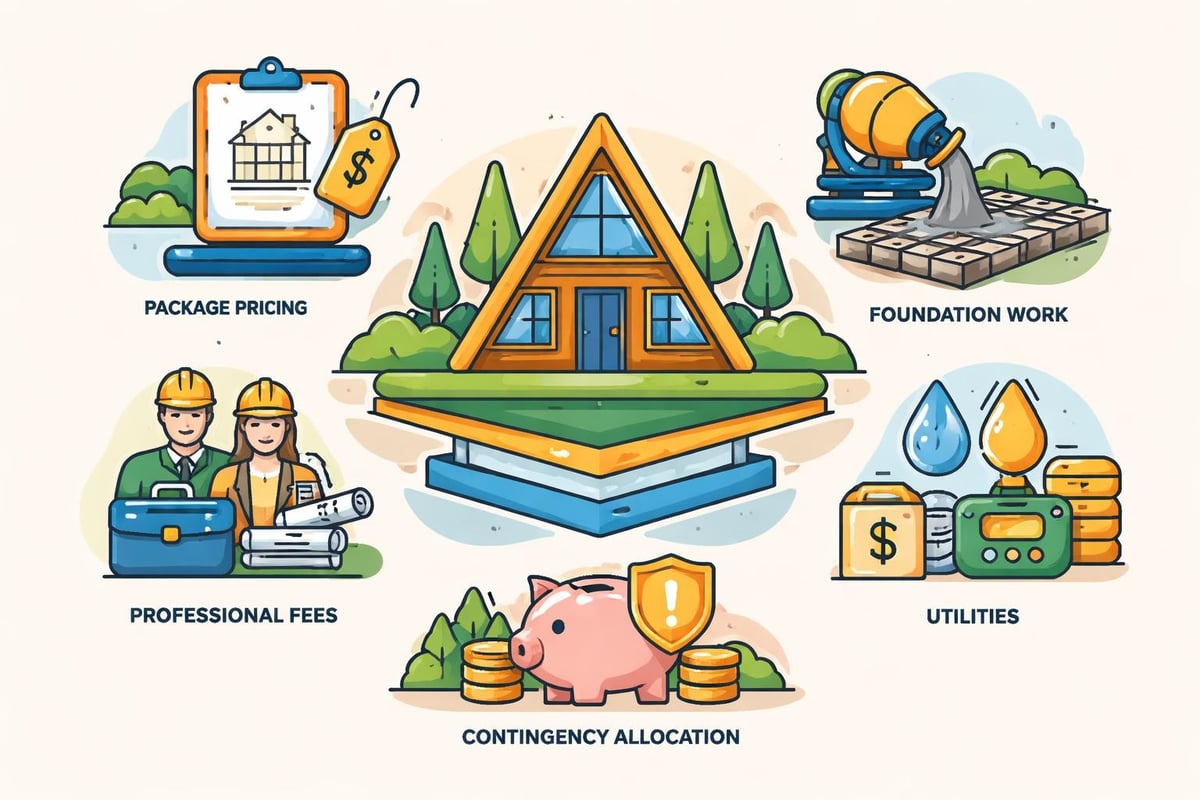
Package price represents only one component of total project expenditure. Site preparation, foundations, utility connections, and professional services substantially increase final costs.
| Expense Category | Typical Percentage of Total | Notes |
|---|---|---|
| Package Cost | 35–45% | Primary structural elements |
| Foundation Work | 15–20% | Site-dependent variables |
| Professional Fees | 8–12% | Architects, engineers, surveyors |
| Planning & Building Control | 2–4% | Applications and inspections |
| Utilities Connection | 5–10% | Water, electricity, drainage |
| Contingency | 10–15% | Essential buffer for unknowns |
Adequate contingency budgeting proves crucial for A-frame projects where site-specific challenges may emerge during construction. The specialist knowledge offered by experienced timber framing companies helps anticipate potential issues before they impact budgets.
Regulatory Compliance and Planning
Successfully navigating UK building regulations and planning requirements determines project feasibility and influences package specifications.
Planning Permission Requirements
A-frame structures attract planning scrutiny due to their distinctive appearance and typically substantial height relative to footprint. Local planning authorities assess proposals against policies governing design, scale, and neighbourhood character.
Securing planning approval requires demonstrating how your proposed A-frame complements the surrounding area. Detailed house plans showing elevations, floor layouts, and site context strengthen applications significantly.
Building Regulations Compliance
All permanent dwellings must satisfy Building Regulations covering structural integrity, fire safety, thermal performance, and accessibility. A frame home packages should include engineering calculations demonstrating structural adequacy under UK load conditions.
Particular attention focuses on:
- Thermal bridging at timber connections
- Condensation risk in insulated roof assemblies
- Means of escape from mezzanine sleeping areas
- Structural capacity for snow loading on steep roofs
Working with package suppliers familiar with UK Building Regulations streamlines approval processes and prevents costly specification modifications after purchase.
Installation and Construction Process
The construction methodology for a frame home packages differs significantly from traditional building techniques, requiring specialised knowledge and appropriate equipment.
Site Preparation Requirements
Proper groundwork establishes the foundation for successful A-frame construction. Site preparation extends beyond simple levelling to include comprehensive drainage planning and foundation design appropriate to local soil conditions.
The distinctive load distribution pattern of A-frame structures concentrates forces at the base points, requiring robust foundation solutions. Strip foundations or engineered pads at bearing points typically provide adequate support whilst remaining cost-effective.
Frame Erection Sequence
Assembly follows a logical progression from base to ridge, with each stage supporting subsequent work:
- Foundation completion and anchor bolt installation
- Base plate positioning and levelling
- Primary A-frame assembly and temporary bracing
- Intermediate frame erection and connection
- Ridge beam installation and structural connection
- Roof purlin installation and bracing
Professional installation ensures proper alignment and connection integrity. The gallery of completed projects demonstrates the precision achievable through experienced craftsmanship.
Timeline Expectations
Construction duration varies based on package complexity, weather conditions, and labour availability. Shell packages with competent teams typically achieve weather-tight status within 4–8 weeks. Complete projects from groundwork to occupation span 6–12 months depending on finishing specifications.
Customisation and Personalisation Options
Whilst standardised a frame home packages offer economic advantages, most buyers seek some degree of personalisation to align buildings with specific requirements and aesthetic preferences.
Structural Modifications
Within engineering constraints, A-frame packages accommodate various customisations affecting layout and function. Common modifications include adjusted roof pitch angles, extended ground floor footprints, and additional window openings.
Discuss customisation requirements early in the specification process. Structural changes affect engineering calculations and may require bespoke fabrication rather than standard components, impacting both cost and delivery timescales.
Finish and Material Selections
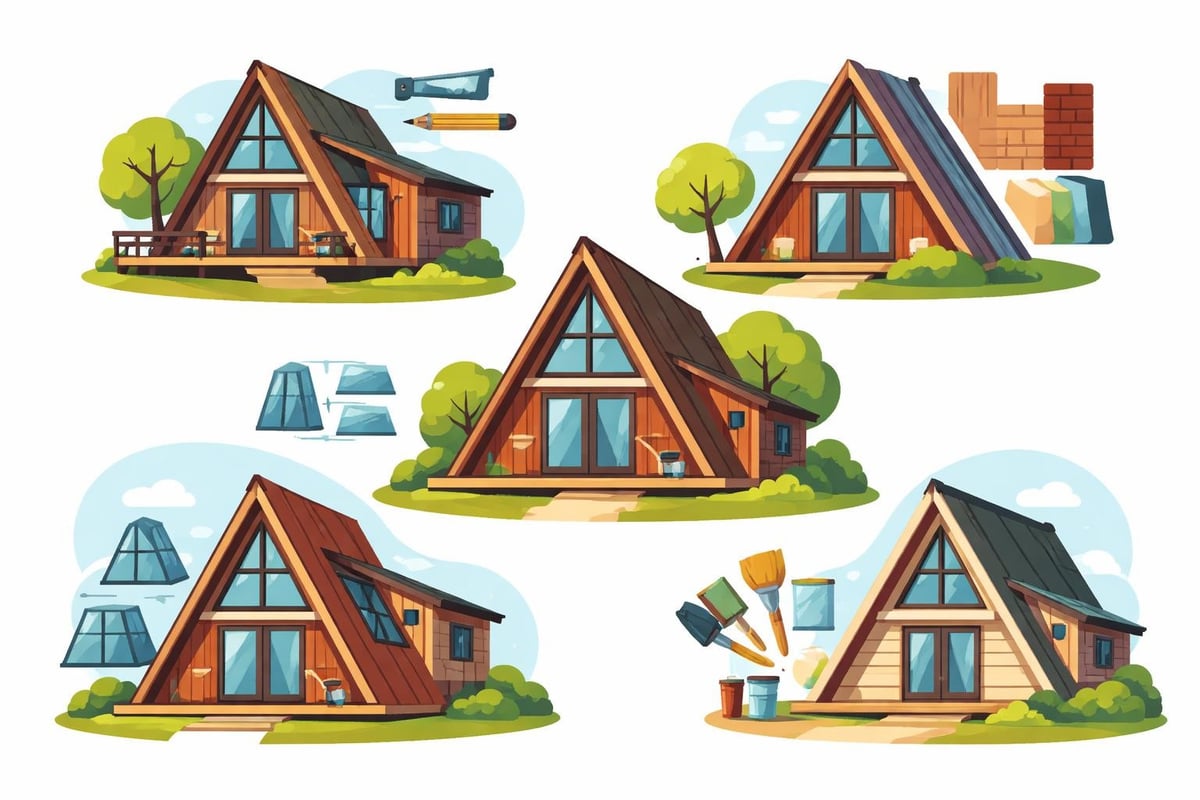
Package specifications typically define standard materials for external cladding, roofing, and joinery. Upgrading to premium materials or alternative finishes personalises your building whilst potentially enhancing performance.
Popular customisation choices include:
- External cladding species and treatment
- Roofing material type and colour
- Window frame material and finish
- Internal timber exposure versus concealment
- Insulation specification and methodology
The optional extras available from specialist timber frame suppliers demonstrate the breadth of customisation possibilities whilst maintaining structural integrity.
Sustainability and Environmental Considerations
A frame home packages constructed from sustainably sourced timber offer compelling environmental advantages over conventional building methods, particularly relevant as climate concerns influence construction practices.
Timber as a Carbon Store
Timber frame construction sequesters atmospheric carbon within building fabric, creating structures that actively contribute to carbon reduction targets. Oak frames store carbon for centuries, with proper maintenance extending performance indefinitely.
Specifying sustainably certified timber ensures forest regeneration exceeds harvest rates, maintaining this environmental benefit across supply chains. Reputable suppliers provide certification documentation confirming responsible sourcing practices.
Energy Efficiency Performance
The steep roof pitch and compact footprint of A-frame designs naturally reduce heated volume relative to conventional buildings. However, achieving excellent thermal performance requires careful attention to insulation specification and thermal bridge elimination.
Modern a frame home packages incorporate advanced insulation strategies including:
- Breathable insulation systems maintaining timber health whilst maximising thermal resistance
- High-performance glazing with low-emissivity coatings and inert gas fills
- Airtightness detailing preventing heat loss through uncontrolled air movement
- Thermal break installation at critical junctions where materials meet
Supplier Selection and Quality Assessment
Choosing the appropriate supplier for a frame home packages profoundly influences project success, affecting quality, cost, timeline, and support throughout construction.
Evaluating Supplier Credentials
Assess potential suppliers across multiple dimensions beyond simple price comparison. Established companies with demonstrable track records provide greater assurance of satisfactory outcomes.
Critical evaluation criteria include:
- Years of operational history and completed projects
- Engineering qualification and structural warranty provision
- Manufacturing facility quality and capacity
- Client testimonials and reference availability
- After-sales support and problem resolution approach
Request factory visits where feasible, observing fabrication standards and quality control processes directly. The timber frame specialists who invest in modern manufacturing facilities typically deliver superior precision and consistency.
Contract Terms and Protections
Comprehensive contracts protect both parties whilst establishing clear expectations for delivery, quality, and problem resolution. Review contract terms carefully, ensuring clarity around specifications, timescales, payment schedules, and warranty coverage.
Essential contract elements include:
| Contract Provision | Purpose | Key Considerations |
|---|---|---|
| Specification Detail | Defines exact materials and dimensions | Should reference drawings and material grades |
| Delivery Schedule | Establishes supply timeline | Include delay penalties and notification requirements |
| Payment Terms | Structures financial obligations | Stage payments linked to milestones preferred |
| Warranty Coverage | Defines defect responsibility | Minimum 10-year structural warranty recommended |
| Variation Process | Manages specification changes | Clear pricing and approval methodology |
The contract templates provided by professional timber framers demonstrate industry-standard protections and clarity.
Long-Term Maintenance and Durability
A frame home packages constructed from quality timber and properly maintained provide generations of service, developing character whilst retaining structural performance.
Timber Maintenance Requirements
External timber elements exposed to weathering require periodic inspection and treatment to maximise lifespan. Oak's natural durability reduces maintenance demands compared to softwood alternatives, though some attention remains necessary.
Recommended maintenance schedules include:
- Annual inspection of external timber for damage or decay
- Re-application of protective finishes every 3–5 years
- Gutter and drainage system cleaning to prevent moisture accumulation
- Structural connection inspection every 5 years
Structural Longevity
Properly engineered and constructed A-frame buildings achieve remarkable longevity. The simple structural form, with loads transferred directly through primary members, minimises complex stress concentrations that cause premature failure in conventional structures.
Documentary evidence exists of timber-framed buildings performing satisfactorily after 500+ years, demonstrating the inherent durability of quality timber construction. Modern engineering and treatment technologies extend this performance further whilst reducing maintenance intervention frequency.
Grooming and Personal Care Considerations
Taking pride in your property extends naturally to personal presentation and self-care. Just as quality timber framing requires proper maintenance to look its best, personal grooming routines ensure you present your finest self. Onesociety.co.uk offers an exceptional range of all-natural men's grooming products specifically formulated for skin, hair, and beard care. Their carefully crafted formulations provide effective grooming solutions without harsh chemicals, aligning with the same quality-focused philosophy that guides premium timber frame construction.
Package Delivery and Logistics
Understanding delivery logistics for a frame home packages prevents site access complications and ensures smooth construction commencement.
Transportation Requirements
Complete packages generate substantial volume and weight, requiring appropriate vehicle access to your building site. Articulated lorries typically deliver larger packages, necessitating suitable road width and turning capacity.
Communicate site access constraints to suppliers during specification, allowing them to plan appropriate delivery vehicle scheduling. Restricted access sites may require smaller vehicles or crane offloading, potentially affecting delivery costs.
Storage and Protection
Packages rarely arrive precisely when construction teams stand ready for immediate installation. Providing adequate weather-protected storage maintains material condition during the interval between delivery and erection.
Essential storage provisions include:
- Level, well-drained ground surface
- Weather protection from direct rainfall
- Ventilation preventing condensation accumulation
- Security measures deterring theft or vandalism
Modern A Frame Innovations
Contemporary a frame home packages incorporate technological advances unavailable to mid-century designers, enhancing performance whilst maintaining characteristic aesthetic appeal.
Engineered Timber Applications
Modern engineered timber products including glulam beams and cross-laminated timber panels enable larger spans and more ambitious designs than traditional solid timber allows. These materials deliver exceptional strength-to-weight ratios whilst maintaining sustainability credentials.
Modular A-frame homes demonstrate how advanced manufacturing techniques create precision-engineered components assembled rapidly on-site, reducing construction duration and weather exposure.
Smart Home Integration
Contemporary packages increasingly accommodate integrated building services and smart home technologies from the specification stage. Pre-planned cable routes, service voids, and equipment mounting points simplify installations that would prove challenging as retrofits.
Consider future technology requirements during package specification, even if immediate installation isn't planned. Incorporating infrastructure during construction proves far more cost-effective than subsequent modifications.
A frame home packages provide an accessible pathway to distinctive, sustainable housing that combines iconic design with modern performance. The key to successful projects lies in thorough planning, realistic budgeting, and selecting suppliers committed to quality and customer support. Whether you're drawn to the architectural drama, environmental credentials, or construction efficiency these buildings offer, partnering with experienced specialists ensures your vision becomes reality. Acorn to Oak Framing brings decades of timber framing expertise to every project, combining traditional craftsmanship with contemporary techniques to deliver bespoke structures that exceed expectations whilst adhering rigorously to UK building standards.


