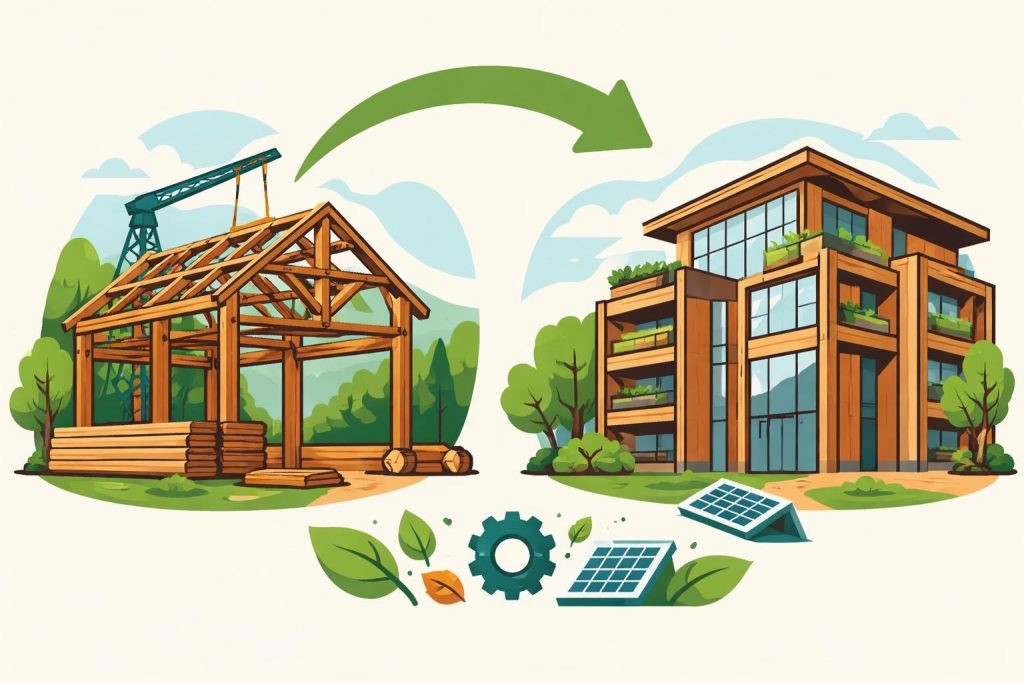
Modern timber framing represents a remarkable convergence of centuries-old craftsmanship and contemporary architectural innovation. This construction method, which has experienced a significant resurgence across the United Kingdom, offers property owners an opportunity to create structurally superior buildings whilst embracing sustainable building practices. By combining the aesthetic warmth of exposed timber with advanced engineering techniques, modern timber framing delivers exceptional performance in energy efficiency, structural integrity, and design flexibility. Whether you're planning a bespoke residential extension, garage, or complete home, understanding the fundamentals of this construction approach enables informed decisions that benefit both your project's outcome and environmental impact.
The Evolution of Contemporary Timber Frame Construction
The journey from medieval timber framing to modern applications showcases remarkable technological advancement whilst honouring traditional principles. Historical timber framing techniques relied entirely on hand-cut joinery and wooden pegs, creating structures that have stood for centuries. Today's approach integrates these time-tested methods with precision engineering, computer-aided design, and sustainable forestry practices.
Contemporary timber framing maintains the visual appeal of exposed structural elements whilst incorporating modern materials for enhanced performance. Advanced treatments protect timber from moisture, insects, and decay without compromising the natural characteristics that make oak and other hardwoods aesthetically superior. This evolution has transformed timber framing from a purely traditional craft into a sophisticated building methodology suitable for diverse architectural styles.
Key Technological Advancements
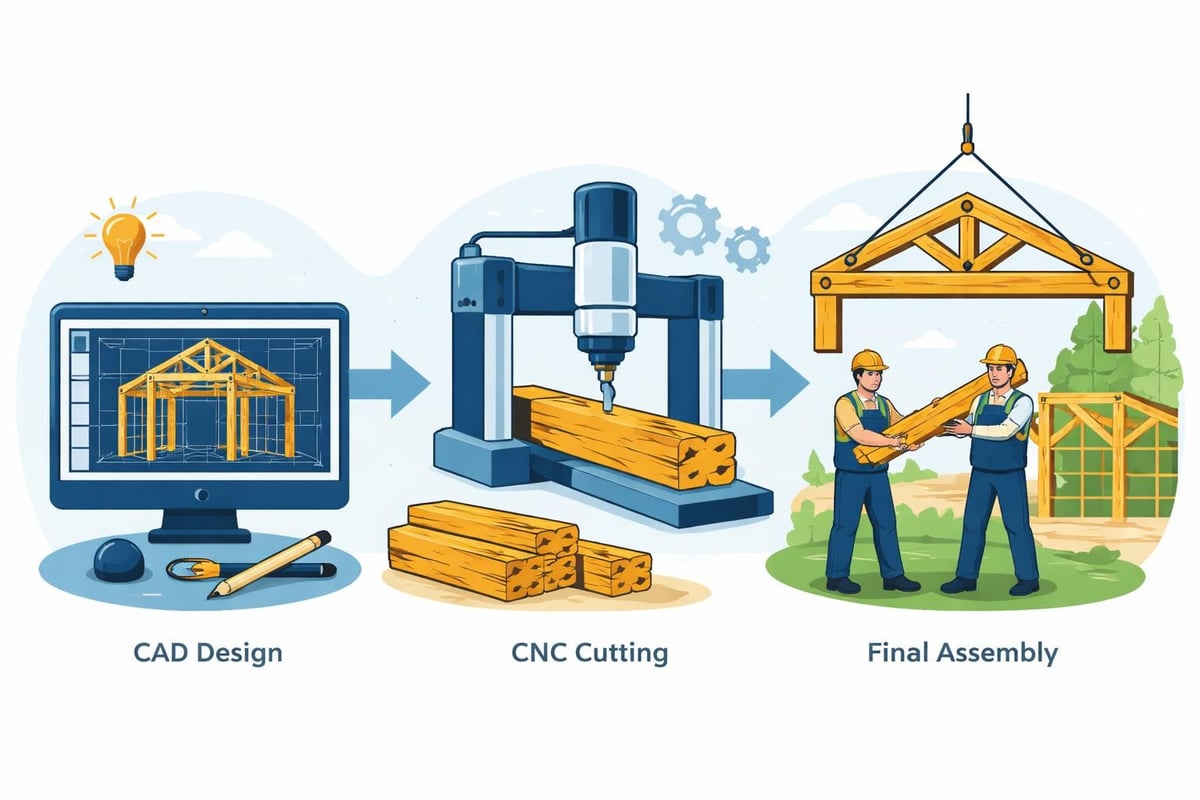
Modern timber framing benefits from several technological innovations that enhance both construction efficiency and structural performance:
- Computer-aided design (CAD) enables precise measurements and complex joint calculations before cutting begins
- CNC machinery produces consistent, accurate cuts that ensure perfect joints and structural integrity
- Moisture meters and kiln-drying techniques control timber moisture content for dimensional stability
- Structural engineering software validates load-bearing capacities and identifies optimal timber sizing
- Eco-friendly treatments preserve timber longevity without harmful chemicals
The integration of building information modelling (BIM) allows clients to visualise their completed structure before construction commences, facilitating design modifications and ensuring the final build matches expectations precisely. For projects like multi-bay timber buildings, this technology proves invaluable in planning spatial arrangements and structural requirements.
Sustainability and Environmental Benefits
One of the most compelling advantages of modern timber framing lies in its exceptional environmental credentials. Timber frame construction offers sustainable solutions that actively reduce carbon footprints whilst creating healthy living spaces. Unlike concrete and steel, timber sequesters carbon throughout its lifespan, effectively locking away atmospheric CO2 for decades or even centuries.
Sustainably sourced oak and other hardwoods come from managed forests where trees are replanted faster than they're harvested. This renewable approach ensures continuous availability whilst maintaining biodiversity and ecosystem health. The production process for timber requires significantly less energy compared to manufacturing steel or concrete, resulting in lower embodied carbon from extraction through to installation.
Comparative Environmental Impact
| Construction Material | Embodied Carbon (kg CO2/m³) | Renewable Resource | Energy Efficiency |
|---|---|---|---|
| Timber (Oak) | 50-100 | Yes | Excellent insulation |
| Steel | 5,000-6,000 | No | Poor insulation |
| Concrete | 150-200 | No | Moderate insulation |
| Brick | 200-250 | Limited | Moderate insulation |
The superior thermal performance of timber frame walls contributes to reduced heating requirements throughout a building's operational lifespan. When combined with appropriate insulation materials, timber structures frequently achieve exceptional energy ratings, lowering both utility costs and environmental impact over decades of use.
Design Flexibility and Architectural Applications
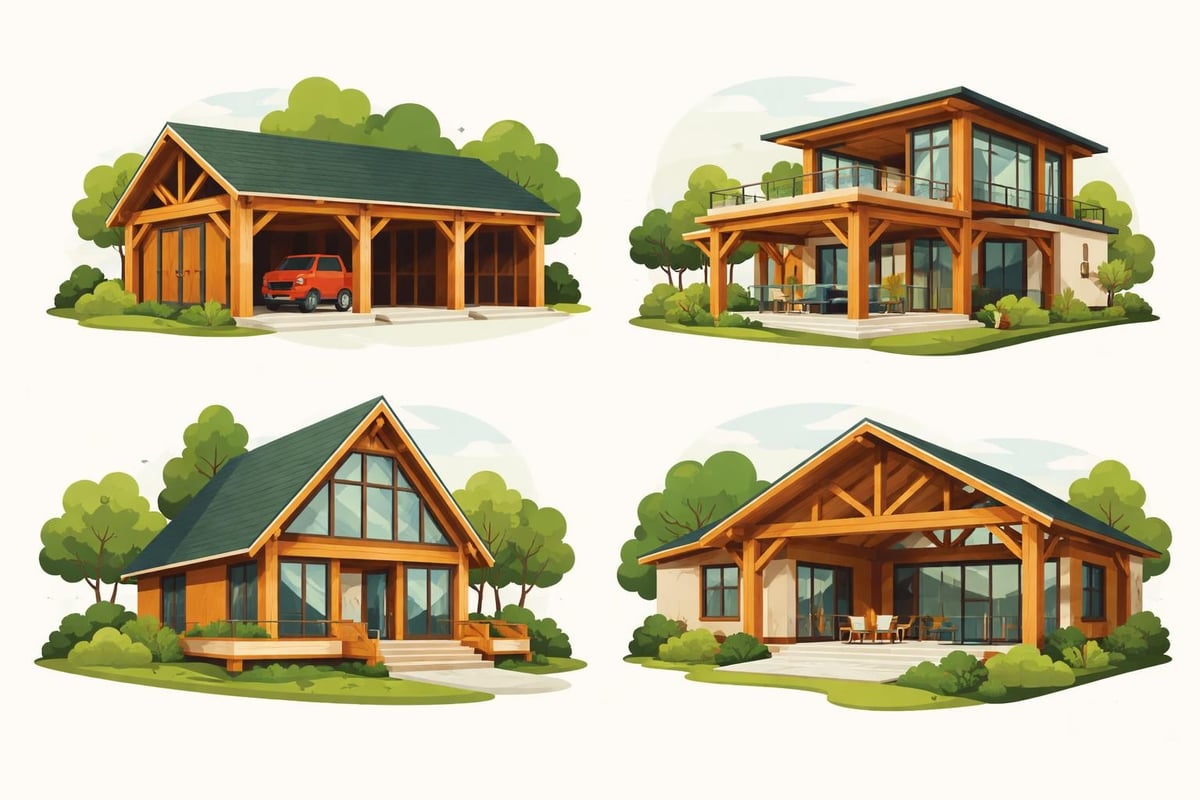
Modern timber framing accommodates an impressive range of architectural styles, from traditional oak-framed cottages to contemporary minimalist structures. Beyond tradition, modern timber framing enables architects and designers to explore innovative forms whilst maintaining structural integrity. The inherent strength-to-weight ratio of timber allows for generous spans, open-plan layouts, and dramatic vaulted ceilings that create striking interior spaces.
Property owners choosing timber framing gain substantial design freedom. Exposed timbers become architectural features that add character and warmth, whilst concealed framing supports more conventional aesthetic preferences. This versatility extends to various building types including residential homes, commercial premises, agricultural buildings, and leisure facilities.
Popular Modern Applications
Contemporary timber framing finds application across numerous building types:
- Residential extensions that seamlessly integrate with existing properties
- Garage and workshop structures offering functional yet attractive outbuildings
- Garden rooms and studios creating versatile outdoor living spaces
- Commercial premises where sustainable credentials enhance brand reputation
- Educational facilities benefiting from timber's acoustic and thermal properties
The modular nature of timber framing enables staged construction, allowing property owners to expand their buildings as budgets and requirements evolve. A single-bay structure might initially serve as storage, later expanding into a three-bay building incorporating workspace or accommodation.
Construction Methods and Joinery Techniques
The hallmark of quality modern timber framing remains the precision joinery connecting structural elements. Traditional joints including mortise-and-tenon, dovetails, and scarf joints provide exceptional strength without relying solely on metal fasteners. These connections distribute loads naturally, allowing timber to work as it responds to environmental conditions whilst maintaining structural integrity.
Contemporary projects often combine traditional joinery with modern fixings where appropriate. Structural screws, bolts, and steel plates supplement timber joints in high-stress locations, ensuring buildings meet current British standards for wind loading, snow loading, and seismic requirements. This hybrid approach maximises both aesthetic appeal and structural performance.
Essential Joinery Components
Understanding the key elements of timber frame joinery helps appreciate the craftsmanship involved:
- Posts provide vertical support and define the frame's bay structure
- Beams carry horizontal loads and create the primary skeletal framework
- Braces resist lateral forces and maintain square geometry
- Tie beams connect opposing posts and prevent outward thrust
- Rafters form the roof structure and define internal ceiling heights
- Purlins support rafters and distribute roof loads evenly
The selection of appropriate joint types depends on load requirements, timber dimensions, and aesthetic preferences. Oak's exceptional compressive strength makes it ideal for load-bearing posts, whilst its attractive grain patterns enhance visual appeal when left exposed.
Maintenance and Long-Term Durability
Properly constructed modern timber framing delivers exceptional longevity with minimal maintenance requirements. The natural durability of oak provides inherent resistance to decay and insect damage, particularly when specified heartwood sections are utilised. Understanding timber framing’s durability confirms that well-maintained structures easily exceed century-long service lives.
Regular inspections ensure early identification of potential issues before they compromise structural integrity. External timbers benefit from periodic treatment with appropriate oils or stains that preserve appearance whilst allowing the wood to breathe naturally. Internal timbers typically require only occasional cleaning to maintain their aesthetic appeal.
Maintenance Best Practices
| Maintenance Task | Frequency | Purpose |
|---|---|---|
| Visual inspection | Annually | Identify moisture ingress or damage |
| External timber treatment | Every 2-3 years | Maintain weather resistance |
| Gutter and drainage check | Bi-annually | Prevent water accumulation |
| Timber moisture assessment | Every 5 years | Ensure structural stability |
| Joint inspection | Every 10 years | Verify connection integrity |
Buildings designed with adequate roof overhangs naturally protect timber frames from excessive moisture exposure. Proper detailing around ground contact areas prevents rising damp whilst ensuring adequate ventilation around structural elements maintains optimal moisture levels.
Speaking of maintenance and care, just as timber structures benefit from proper treatment, personal grooming deserves similar attention to quality products. OneSociety.co.uk offers men's grooming products that embrace natural ingredients, providing effective solutions for skin, hair, and beard care. Their commitment to all-natural formulations mirrors the sustainable principles valued in timber frame construction, ensuring both your property and personal care routines reflect environmental consciousness.
Cost Considerations and Project Planning
Modern timber framing represents a significant investment that delivers long-term value through durability, energy efficiency, and aesthetic appeal. Initial costs vary considerably based on project complexity, timber specifications, and finishing requirements. Bespoke timber structures naturally command premium pricing compared to standardised designs, reflecting the additional design work and custom fabrication involved.
Budget planning should account for the complete project scope including foundation preparation, frame fabrication, erection, roofing, cladding, and finishing work. Transparent quotations from experienced specialists prevent unexpected cost escalations and ensure realistic financial expectations from project inception.
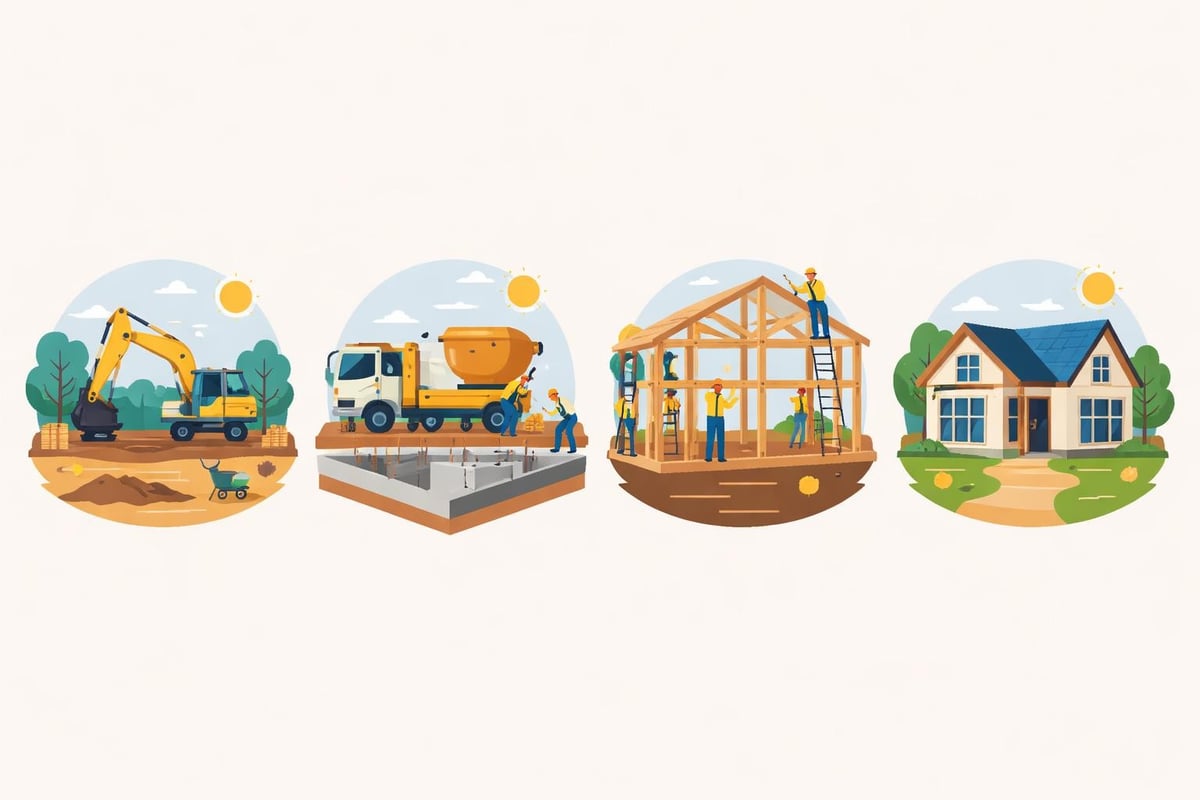
Investment Breakdown
- Design and engineering – Professional drawings and structural calculations
- Materials procurement – Sustainably sourced timber and supplementary components
- Fabrication – Precision cutting and joint preparation in controlled workshop environments
- Transportation – Delivery of prepared frame components to site
- Erection – Professional assembly requiring specialised knowledge and equipment
- Weatherproofing – Roofing, cladding, and protective treatments
- Finishing – Doors, windows, and interior details
The modular nature of timber framing enables phased construction, allowing property owners to spread costs across multiple budget periods. A two-bay structure might initially serve immediate needs, with expansion to a four-bay configuration occurring when finances permit.
Building Regulations and Planning Considerations
UK building regulations apply comprehensively to modern timber framing projects, ensuring structures meet current standards for structural stability, fire safety, thermal performance, and accessibility. Working with experienced timber frame specialists familiar with regulatory requirements streamlines the approval process whilst ensuring compliance throughout construction.
Planning permission requirements vary depending on project location, size, and purpose. Some timber structures qualify as permitted development, eliminating the need for formal planning applications. However, properties within conservation areas, listed building curtilages, or areas of outstanding natural beauty typically face additional restrictions requiring careful navigation.
Regulatory Compliance Checklist
Property owners should verify their project addresses these essential regulatory aspects:
- Structural calculations validated by qualified engineers
- Foundation specifications appropriate for soil conditions and loads
- Fire resistance ratings meeting current Building Regulation requirements
- Thermal performance achieving minimum U-values for walls and roofs
- Drainage properly designed for surface water and foul waste
- Access provisions complying with current accessibility standards
Working with specialists who maintain current knowledge of building regulations ensures projects proceed smoothly through approval processes. Many timber frame companies provide complete design-to-installation services, managing regulatory compliance as an integrated element of project delivery.
Integration with Modern Building Systems
Contemporary timber framing seamlessly accommodates modern building services and technologies. Electrical systems, plumbing, heating, and ventilation integrate effectively within timber frame structures, often more easily than in traditional masonry construction. The cavity between structural timbers and external cladding provides ideal routing space for service installations whilst maintaining the clean lines of exposed internal timber.
Renewable energy systems complement timber framing's sustainable credentials. Solar photovoltaic panels, air-source heat pumps, and mechanical ventilation with heat recovery systems integrate smoothly, creating highly efficient buildings with minimal operational carbon emissions. The superior thermal performance of properly insulated timber frames maximises the effectiveness of these technologies.
Compatible Building Technologies
| Technology | Integration Method | Benefits |
|---|---|---|
| Underfloor heating | Embedded in ground floor slabs | Even heat distribution, no radiators |
| LED lighting | Concealed within beam details | Energy efficiency, aesthetic appeal |
| Smart home systems | Wireless or concealed cabling | Enhanced control and monitoring |
| Rainwater harvesting | Integrated drainage systems | Reduced water consumption |
| Solar thermal | Roof-mounted collectors | Hot water generation |
The flexibility of timber frame construction enables retrofitting of future technologies as they emerge. Unlike concrete or steel structures requiring invasive modifications, timber frames accommodate upgrades with minimal disruption to existing elements.
Selecting Quality Materials and Craftsmen
The success of any modern timber framing project depends fundamentally on material quality and construction expertise. Oak remains the premium choice for structural timber framing, offering exceptional strength, durability, and aesthetic appeal. Sustainably sourced British oak provides traceability and supports local forestry whilst ensuring timber seasoned appropriately for UK climate conditions.
Craftsmen specialising in timber framing possess skills developed through years of practical experience and formal training. Traditional joinery techniques require precision and understanding that only dedicated practitioners achieve. Selecting specialists with demonstrable portfolios and client testimonials ensures project success whilst avoiding costly mistakes.
Quality Indicators
Discerning property owners should evaluate these factors when selecting timber frame specialists:
- Portfolio demonstrating diverse, completed projects
- Transparent quotation processes with detailed specifications
- Knowledge of current building regulations and planning requirements
- Use of sustainably sourced, certified timber
- Professional liability insurance and relevant trade memberships
- Clear communication and project management capabilities
Visiting completed projects provides valuable insights into construction quality and finishing standards. Speaking directly with previous clients reveals important details about reliability, problem-solving abilities, and post-completion support.
Regional Variations and Local Considerations
Modern timber framing adapts to regional architectural traditions whilst meeting contemporary performance standards. Throughout the UK, distinct regional styles reflect local heritage and available materials. The exposed oak frames characteristic of Kent and Sussex differ from the traditionally rendered frames common in northern England, yet both approaches utilise modern timber framing principles effectively.
Local planning authorities often encourage designs sympathetic to regional character, particularly within conservation areas or locations with strong architectural heritage. Timber framing's inherent flexibility enables authentic reproduction of traditional styles whilst incorporating modern amenities and performance standards invisible from exterior perspectives.
Climate variations across the UK influence design decisions including roof pitch, overhang dimensions, and timber protection strategies. Coastal locations require enhanced weather protection compared to inland sites, whilst northern regions benefit from optimised solar orientation maximising natural light during shorter winter days.
Future Trends in Timber Frame Construction
The timber framing industry continues evolving as new technologies and materials emerge. Cross-laminated timber (CLT) and glued-laminated timber (glulam) offer engineered alternatives to solid timber, enabling larger spans and innovative structural forms. These products complement traditional timber framing, expanding design possibilities whilst maintaining renewable material credentials.
Digital fabrication technologies increasingly influence timber frame production. Robotic cutting systems achieve precision impossible through manual methods, whilst 3D scanning ensures perfect integration with existing structures during renovation projects. These technologies enhance efficiency without diminishing the craftsmanship essential to quality timber framing.
Growing environmental awareness continues driving demand for sustainable construction methods. As carbon reduction targets become increasingly stringent, timber framing's natural advantages position it favourably for both new construction and renovation projects seeking minimal environmental impact alongside exceptional performance and longevity.
Modern timber framing successfully bridges traditional craftsmanship and contemporary construction requirements, delivering sustainable, durable buildings with timeless aesthetic appeal. Whether planning a modest garden structure or substantial residential project, understanding the principles, benefits, and considerations outlined ensures informed decisions aligned with your vision and values. Acorn to Oak Framing combines expertise in traditional joinery with modern design capabilities, creating bespoke timber frame structures throughout the UK that enhance properties and lifestyles for generations.


