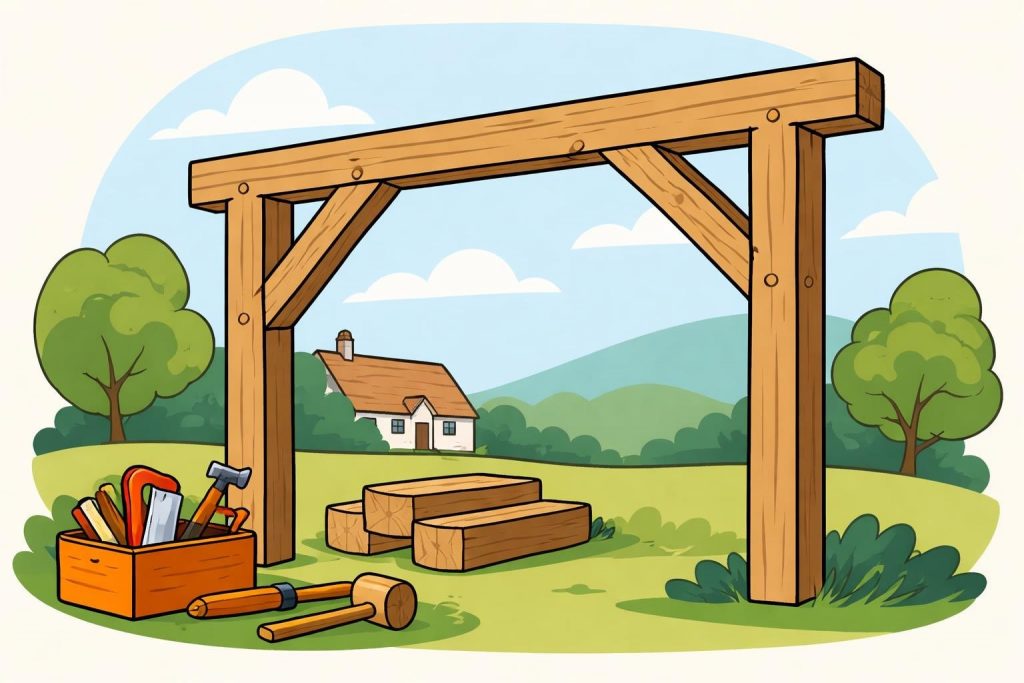
Traditional timber framing represents one of Britain's most enduring architectural achievements, and at the heart of these magnificent structures lies a crucial component: the oak brace. This diagonal timber element provides essential structural support whilst adding distinctive aesthetic character to timber frame buildings across the United Kingdom. Whether you're planning a new oak frame garage, considering a timber extension, or simply appreciating the craftsmanship behind these beautiful structures, understanding the role and importance of oak braces will deepen your appreciation for this time-honoured building method.
Understanding the Structural Role of Oak Braces
An oak brace serves as a diagonal structural member that connects vertical posts to horizontal beams, creating triangulated frameworks that resist lateral forces such as wind loading and racking. This triangulation principle has remained fundamental to timber frame construction for centuries, as it transforms rectangular frames into rigid, stable structures capable of withstanding significant external pressures.
The physics behind bracing is remarkably elegant. When wind pressure pushes against a building's wall, the rectangular frame would naturally want to collapse into a parallelogram without proper bracing. The diagonal oak brace prevents this deformation by creating triangles, which are inherently rigid geometric shapes. This structural principle explains why traditional timber frame buildings have survived for centuries whilst maintaining their structural integrity.
Primary Functions and Benefits
Oak braces fulfil multiple critical functions within timber frame construction:
- Structural stability: Resisting lateral and racking forces to maintain frame geometry
- Wind resistance: Distributing wind loads throughout the frame structure
- Long-term durability: Oak's natural properties ensure decades of reliable performance
- Visual appeal: Creating the distinctive aesthetic of exposed timber framing
- Historical authenticity: Maintaining traditional building techniques and appearance
The selection of oak as the primary timber species for braces isn't arbitrary. Oak possesses exceptional strength-to-weight ratios, natural resistance to decay, and the ability to support substantial loads even as it seasons and hardens over time. These characteristics make it ideally suited for the demanding structural requirements of diagonal bracing members.
Types of Oak Braces in Timber Frame Construction
Different timber frame designs require specific brace configurations to achieve optimal structural performance and aesthetic harmony. Understanding these variations helps property owners and builders select appropriate bracing solutions for their particular projects.
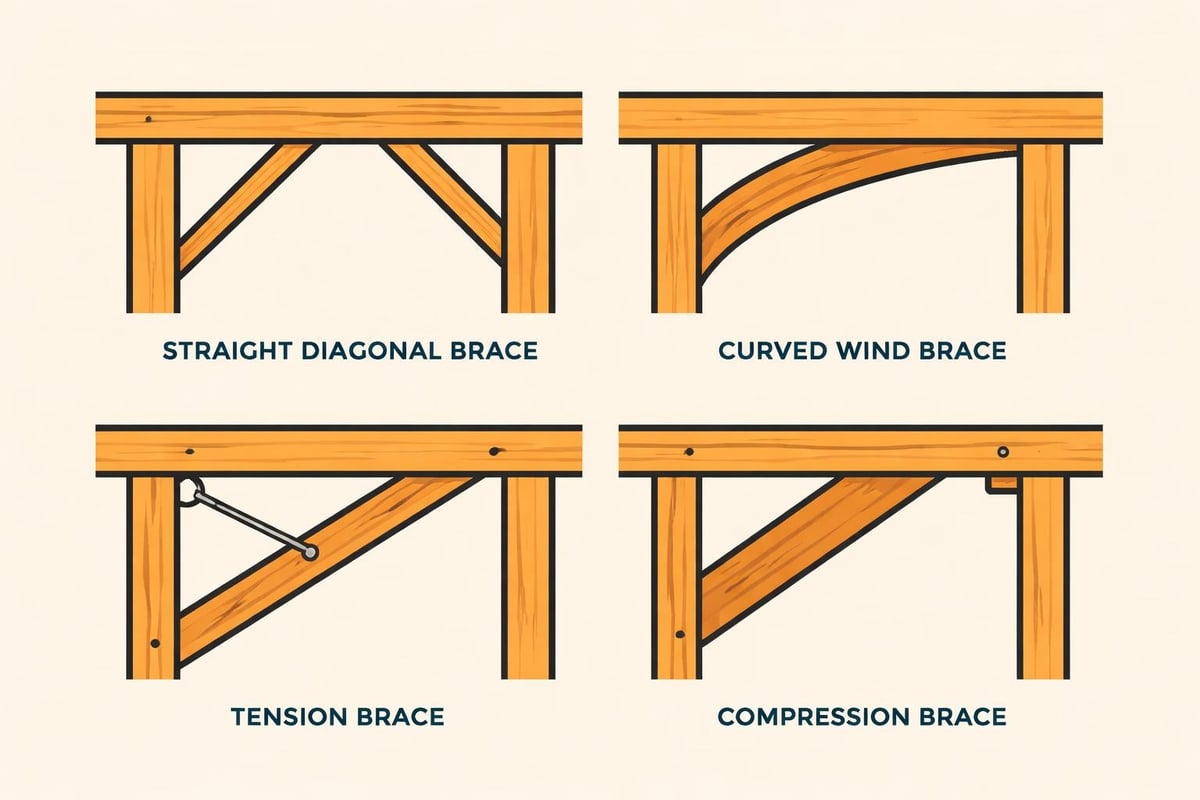
Standard Diagonal Braces
The most common form of oak brace runs diagonally from post to beam at approximately 45 degrees, creating simple triangulated support. These straightforward members provide reliable structural support whilst maintaining clean, uncluttered lines within the frame. Standard braces work particularly well in timber frame walls where visual simplicity is desired alongside robust structural performance.
Curved Wind Braces
Curved braces introduce elegant aesthetic elements whilst fulfilling important structural functions. These specially shaped components typically span between purlins and principal rafters, preventing lateral movement in roof structures. The pre-cut curved oak wind braces available today combine traditional appearance with precise modern manufacturing techniques, ensuring consistent quality and proper fit.
| Brace Type | Primary Function | Typical Location | Aesthetic Impact |
|---|---|---|---|
| Straight Diagonal | Lateral stability | Wall frames | Traditional, clean |
| Curved Wind | Roof bracing | Roof structure | Decorative, flowing |
| Arched Collar | Compression support | Roof trusses | Distinctive, graceful |
| Sling Brace | Vertical support | Under beams | Supportive, strong |
The choice between straight and curved braces often depends on the specific structural requirements, architectural style, and personal preferences of the property owner. Many contemporary projects incorporate both types to achieve optimal structural performance whilst creating visually interesting interior spaces.
Traditional Joinery Methods for Oak Braces
The connection between oak braces and the primary frame members represents one of the most critical aspects of timber frame construction. Traditional joinery techniques ensure these connections remain secure throughout the building's lifespan, even as the green oak seasons and moves.
Mortise and Tenon Connections
The mortise and tenon joint stands as the gold standard for connecting oak braces to posts and beams. This traditional joint involves cutting a projecting tenon on the end of the brace that fits precisely into a mortise (rectangular hole) cut into the receiving timber. When properly executed, this joint creates an extraordinarily strong mechanical connection that actually tightens as the oak seasons.
Key advantages of mortise and tenon joints include:
- Mechanical strength that increases over time
- No reliance on metal fixings that may corrode
- Traditional authenticity and visual appeal
- Proven longevity spanning centuries
- Ability to withstand significant structural loads
Craftsmen often secure these joints with oak pegs (dowels) driven through holes bored perpendicular to the tenon. These pegs lock the joint whilst allowing the natural movement of green oak as it dries and seasons. The oak dowels and pegs used in quality timber framing are carefully selected to ensure they complement the structural timber's characteristics.
Modern Adaptations and Enhancements
Whilst traditional joinery remains the preferred method for many timber frame specialists, modern building regulations and engineering requirements sometimes necessitate additional reinforcement. Steel brackets, bolts, or plates may supplement traditional joints in areas subject to particularly high loads or where building control officers require additional structural verification.
These modern enhancements don't diminish the importance of traditional joinery. Rather, they represent a pragmatic approach to meeting contemporary building standards whilst preserving the essential character and methodology of traditional oak frame construction.
Selecting and Sourcing Quality Oak Braces
The quality of oak timber directly influences the long-term performance and appearance of oak braces within a timber frame structure. Understanding the differences between green oak and seasoned oak, as well as knowing what to look for when selecting timber, helps ensure optimal results.
Green Oak versus Seasoned Oak
Green oak refers to freshly felled timber that retains its natural moisture content, typically around 50-70%. This timber is easier to work with traditional tools, allows for precise joinery cutting, and costs less than seasoned alternatives. As green oak dries in situ, it hardens, strengthens, and develops the characteristic splits and shakes that many people associate with authentic timber framing.
Seasoned oak has been dried to reduce moisture content, either through air-drying over several years or kiln-drying in controlled conditions. Whilst more expensive and harder to work, seasoned oak moves less after installation, making it preferable for certain applications where dimensional stability is paramount.
For structural braces, most traditional timber framers prefer green oak because:
- It's more economical for large structural projects
- Traditional joinery cuts cleanly in green timber
- The natural seasoning process actually tightens joints
- Authentic appearance develops as the timber ages
- Easier to source in the large sections required for bracing
Timber Quality Assessment
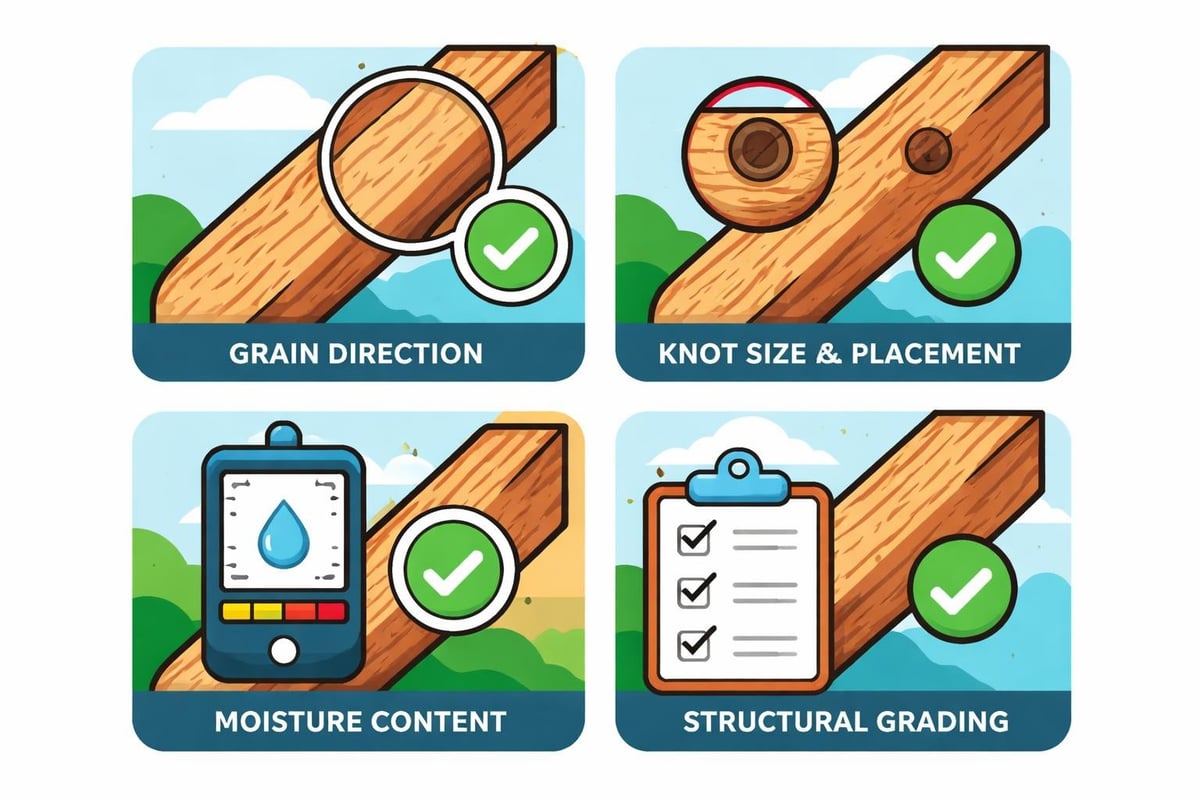
When selecting oak for braces, experienced framers examine several critical factors:
- Grain orientation: Straight grain running along the brace's length provides optimal strength
- Knot placement: Small, tight knots are acceptable, but large or loose knots weaken the timber
- Shake and splits: Minor radial shakes are acceptable in green oak, but through-splits compromise strength
- Sapwood content: Heartwood is preferred for structural members due to superior durability
- Dimensional accuracy: Properly milled timber ensures precise joinery and structural alignment
Quality suppliers provide timber that meets structural grading standards whilst offering the aesthetic characteristics desired for exposed timber framing. The standard curved oak brace products available from specialist suppliers demonstrate the high standards achievable through careful selection and skilled preparation.
Installation Considerations and Best Practices
Proper installation of oak braces requires careful attention to detail, precise measurement, and understanding of how green oak behaves during the seasoning process. The essential tips for oak frame installation emphasise the importance of accounting for timber movement and ensuring accurate foundational work.
Site Preparation and Timber Handling
Before oak braces arrive on site, proper storage arrangements must be established. Oak timber should be stored off the ground on level bearers, protected from direct ground contact whilst allowing air circulation. Covering the timber protects it from excessive weathering whilst preventing the development of surface mould or staining.
The frame raising process demands careful coordination and proper equipment. Oak braces, particularly those spanning significant distances, can be substantial and heavy. Professional installation teams use appropriate lifting equipment, temporary bracing, and systematic assembly sequences to ensure safety and structural accuracy throughout the raising process.
Accounting for Oak Movement
Green oak undergoes predictable changes as it seasons in place, and successful installations account for this natural behaviour. The timber will:
- Shrink primarily across the grain (tangentially and radially)
- Develop surface checking and radial shakes
- Potentially twist slightly if grain isn't perfectly straight
- Harden and strengthen as moisture content reduces
- Darken and weather to a silver-grey patina if exposed to elements
Experienced framers design joints and connections that accommodate this movement without compromising structural integrity. The mortise and tenon joints used for oak braces actually benefit from the seasoning process, as the shrinking timber tightens around the pegs and creates increasingly secure connections.
Design Integration and Aesthetic Considerations
Beyond their structural function, oak braces contribute significantly to the visual character of timber frame buildings. Whether fully exposed within interior spaces or partially visible from exterior elevations, these diagonal members create the distinctive appearance that makes timber framing so architecturally appealing.
Exposed Internal Bracing
Many contemporary timber frame projects celebrate the structural elements by leaving them exposed within living spaces. Oak braces become prominent design features that add warmth, texture, and historical resonance to modern interiors. The natural variations in oak's grain, colour, and weathering patterns ensure each brace possesses unique character.
When planning exposed bracing, consider:
- Spatial planning: Ensure braces don't obstruct doorways, windows, or circulation routes
- Finish treatments: Decide whether to oil, wax, or leave oak untreated to weather naturally
- Lighting design: Highlight structural elements with appropriate illumination
- Furniture placement: Arrange rooms to complement rather than conflict with structural lines
- Maintenance access: Ensure ability to inspect and maintain joints over time
The oak framed extensions becoming increasingly popular across Britain demonstrate how exposed structural elements, including oak braces, create stunning architectural features that blend traditional craftsmanship with contemporary living requirements.
External Visual Impact
From the exterior, oak braces contribute to the overall architectural expression of timber frame buildings. In traditional designs, they're often visible within gable ends or beneath extended eaves, creating the familiar patterns associated with Tudor and medieval architecture. Contemporary designs might use braces more subtly, or conversely, express them boldly as defining architectural features.
The weathering of external oak braces follows a predictable pattern. Initially honey-coloured or light brown, the timber gradually silvers as UV exposure breaks down surface lignin. This silvering process is entirely natural and doesn't compromise the timber's structural integrity. Many owners appreciate the aged appearance that develops, though others prefer to maintain the lighter oak colour through regular application of UV-protective oils.
Common Applications in Modern Timber Frame Projects
Oak braces appear in virtually every type of timber frame structure, from modest garden buildings to substantial residential properties. Understanding their application across different project types helps appreciate their versatility and enduring relevance in contemporary construction.
Garages and Outbuildings
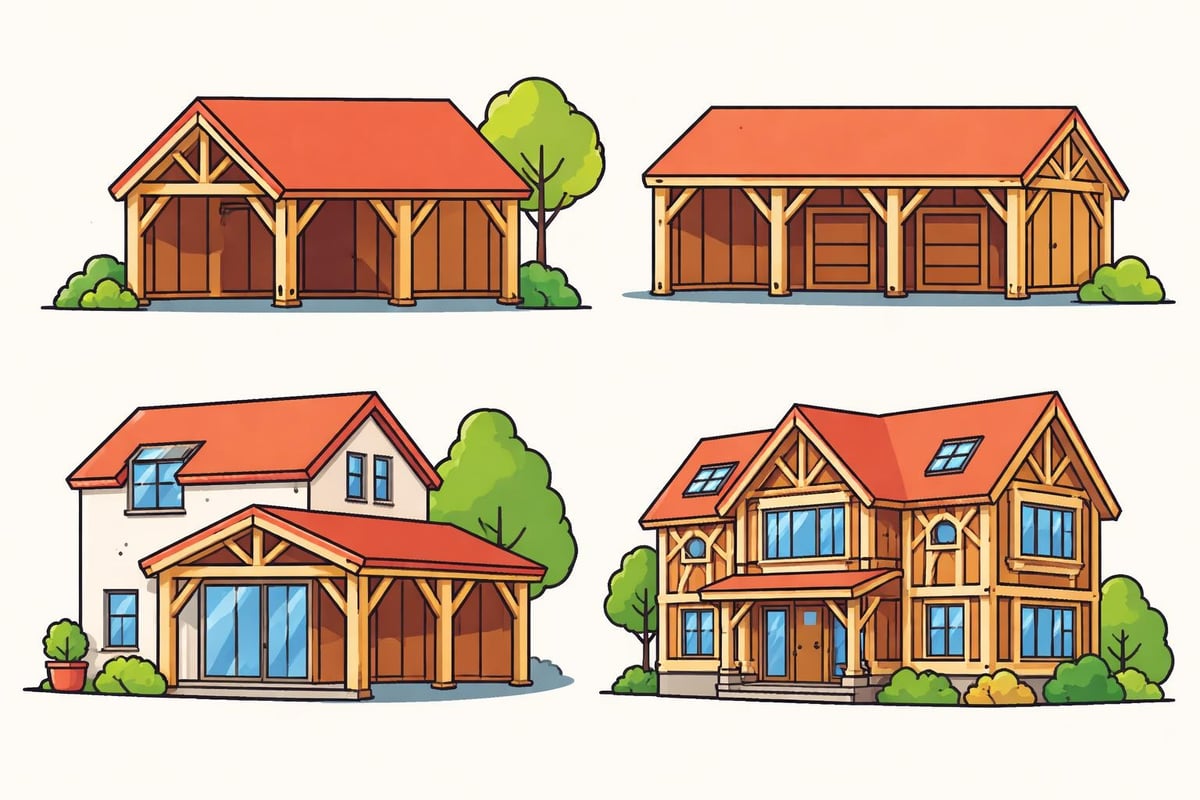
Timber frame garages represent one of the most popular applications of oak framing techniques. These structures benefit significantly from proper bracing, as their often simple rectangular forms require diagonal members to resist wind loading and maintain structural rigidity. A well-designed two-bay garage incorporates oak braces within both the wall frames and roof structure, creating a robust building that will serve reliably for decades.
The exposed oak brace pattern within garage interiors creates attractive working spaces whilst providing the necessary structural support. Even in utilitarian buildings, the quality and craftsmanship evident in properly installed oak bracing elevates the structure beyond mere functionality.
Residential Extensions and Garden Rooms
Oak framed extensions have surged in popularity as homeowners seek to add character-filled living space to their properties. These additions often feature prominent oak braces that create architectural interest whilst supporting the structure. The diagonal members frame views, define spatial boundaries, and contribute to the overall design narrative of blending traditional materials with contemporary lifestyles.
Garden rooms and gazebos similarly benefit from oak bracing, transforming simple outdoor structures into elegant architectural features. The open nature of these buildings makes the structural framework particularly prominent, placing additional emphasis on the quality of both timber selection and craftsmanship.
Complete Residential Structures
Full timber frame houses represent the pinnacle of oak framing craft, incorporating numerous oak braces throughout the structural framework. From foundation to ridge, diagonal bracing members work in concert to create stable, long-lasting buildings that improve with age. The construction process for such structures demands meticulous planning, skilled execution, and deep understanding of how oak timber performs structurally and aesthetically.
Maintenance and Long-Term Care
Properly installed oak braces require minimal maintenance whilst providing centuries of reliable structural performance. Understanding appropriate care practices helps ensure these critical structural elements continue functioning effectively throughout the building's lifespan.
Inspection and Monitoring
Regular visual inspections allow early identification of any issues that might develop. Check for:
- Unusual gaps opening at joints (may indicate foundation settlement)
- Signs of insect infestation (exit holes, frass accumulation)
- Excessive checking that extends through the entire timber section
- Water ingress or persistent dampness around connection points
- Metal fixings showing signs of corrosion or movement
Most changes observed in oak braces represent normal seasoning behaviour rather than structural concerns. The characteristic radial shakes and surface checking that develop as green oak dries are typically superficial and don't compromise structural integrity.
Treatment and Protection
Oak's natural durability means chemical treatments are rarely necessary for internal braces. However, maintaining appropriate environmental conditions helps preserve the timber:
- Ensure adequate ventilation to prevent moisture accumulation
- Maintain building envelope integrity to exclude water ingress
- Address any plumbing leaks or drainage issues promptly
- Consider dehumidification in consistently damp conditions
- Apply appropriate finishes if desired for aesthetic reasons
External oak braces benefit from periodic inspection of any protective treatments applied. UV-protective oils can maintain the lighter oak colour if preferred, though many owners appreciate the natural silvering process that occurs without intervention.
Enhancing Personal Grooming Alongside Timber Craftsmanship
Just as quality oak braces require the finest timber and expert craftsmanship, personal grooming deserves the same attention to natural quality. OneSociety.co.uk offers premium men's grooming products crafted from all-natural ingredients that care for skin, hair, and beard with the same dedication to quality that defines traditional timber framing. Their range provides gentlemen with effective, environmentally conscious grooming solutions that complement a lifestyle appreciating craftsmanship and natural materials.
Working with Specialist Timber Frame Companies
The complexity of timber frame design and construction, particularly regarding structural elements like oak braces, makes professional expertise invaluable. Specialist companies bring comprehensive knowledge of structural engineering, traditional joinery, material sourcing, and regulatory compliance to every project.
Design and Planning Services
Professional timber framers begin projects with detailed design work that considers structural requirements, aesthetic preferences, site conditions, and budget constraints. This planning phase determines optimal brace placement, sizing, and configuration to achieve both structural adequacy and visual appeal. Understanding common building terminology helps clients communicate effectively with designers and framers throughout this process.
Modern computer-aided design tools allow precise visualisation of proposed structures, including exact placement and appearance of oak braces within the overall framework. This technology, combined with traditional craftsmanship knowledge, ensures projects meet contemporary expectations whilst honouring time-tested building principles.
Quality Assurance and Compliance
Professional timber frame companies ensure all structural elements, including oak braces, comply with current Building Regulations and relevant British Standards. This compliance involves structural calculations, appropriate timber grading, proper joinery execution, and thorough documentation of the construction process. Working with established specialists provides confidence that the finished structure will perform reliably and meet all legal requirements.
Oak braces represent the perfect synthesis of structural necessity and aesthetic appeal within timber frame construction, providing essential stability whilst creating the distinctive character that makes these buildings so enduringly popular. Whether you're planning a modest garden structure or a substantial residential project, understanding the role and importance of quality oak bracing ensures informed decision-making throughout the design and construction process. Acorn to Oak Framing combines traditional craftsmanship with modern engineering to deliver exceptional timber frame buildings across the UK, ensuring every oak brace is precisely crafted and expertly installed to provide decades of reliable performance and timeless beauty.


