
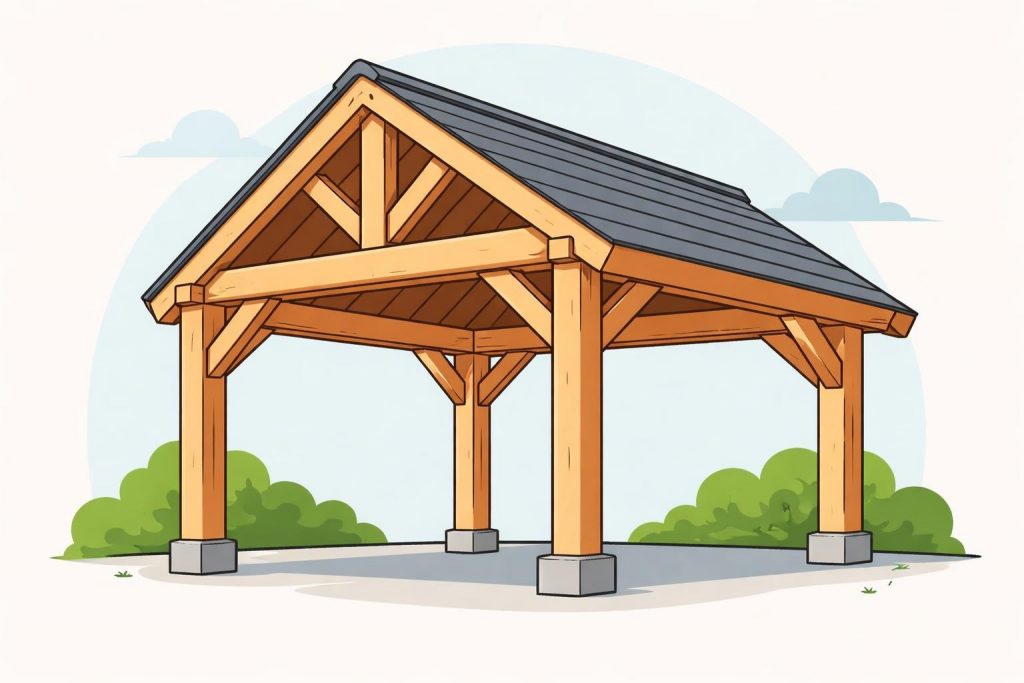
A timber frame garage represents far more than simple vehicle storage. These structures combine centuries-old construction techniques with contemporary design sensibilities, creating buildings that enhance property value whilst serving multiple practical purposes. Whether you're seeking additional space for vehicles, a workshop, or a multi-functional outbuilding, a timber frame garage offers durability, aesthetic appeal, and environmental credentials that few alternative construction methods can match. Understanding the intricacies of timber frame construction ensures you make informed decisions that align with your requirements, budget, and long-term property aspirations.
Understanding Timber Frame Construction Methods
The fundamental principle behind a timber frame garage involves creating a structural skeleton from heavy timber posts and beams. This load-bearing framework supports the entire building, allowing for considerable design flexibility with wall infill materials. Unlike conventional stud framing, where numerous smaller timbers share structural loads, timber framing relies on fewer, larger members joined together using traditional carpentry techniques.
Traditional Joinery Techniques
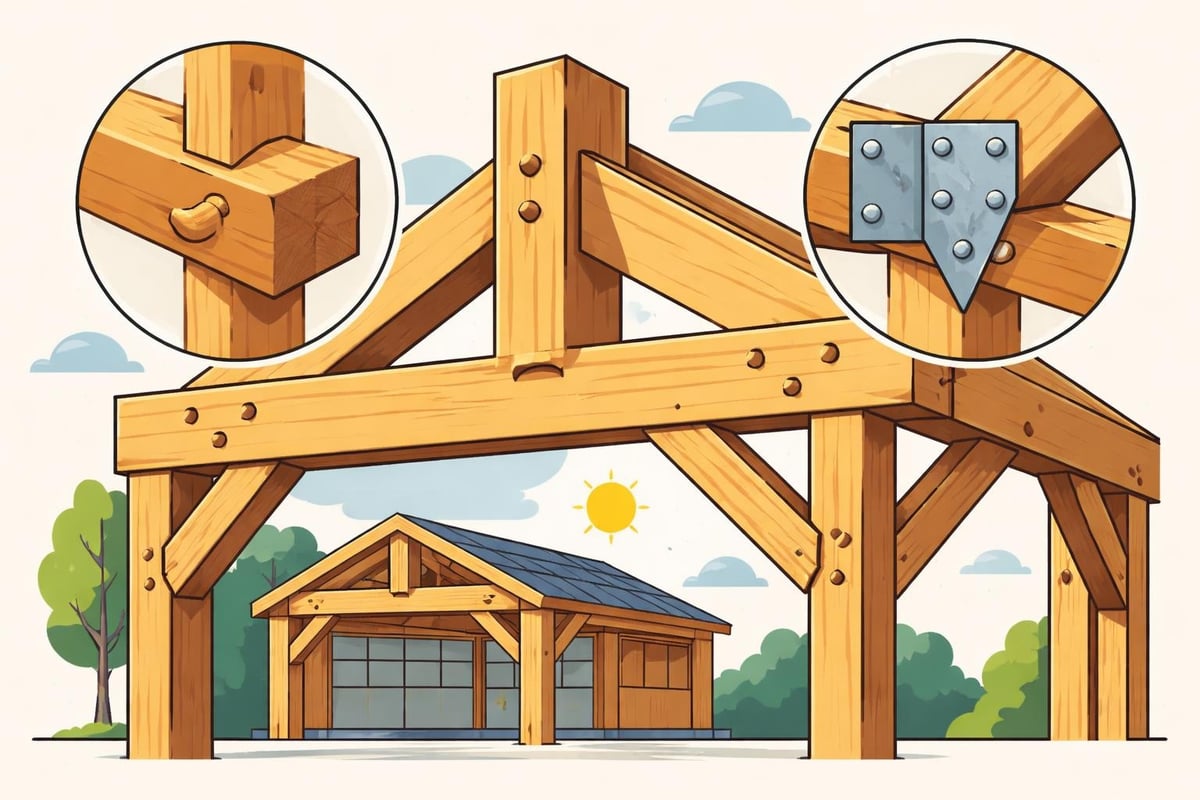
Mortise and tenon joints form the backbone of timber frame construction. These connections involve cutting a projecting tenon on one timber that fits precisely into a corresponding mortise hole in another member. Oak pegs secure these joints, creating connections that often strengthen over time as the timber seasons and tightens around the fixings.
- Through-tenon joints penetrate completely through the receiving timber
- Housed joints involve one member sitting within a recess cut into another
- Scarf joints connect timbers end-to-end for extended lengths
- Dovetail joints provide exceptional resistance to pulling forces
The craftsmanship required for these joints demands extensive training and experience. Each connection must be cut with precision to ensure structural integrity whilst accommodating the natural movement of timber as it responds to environmental conditions.
Modern Adaptations and Hybrid Systems
Contemporary timber frame garages often incorporate modern engineering alongside traditional methods. Steel brackets and bolts may supplement traditional joinery where building regulations require additional strength certification. This hybrid approach maintains the aesthetic beauty of exposed timber whilst meeting stringent structural requirements.
The integration of modern insulation materials, vapour barriers, and weatherproofing membranes transforms traditional timber frames into highly efficient structures. These additions ensure your timber frame garage meets current building regulations for thermal performance without compromising the character of exposed timber.
Planning Your Timber Frame Garage Project
Successful garage projects begin with thorough planning that addresses practical requirements, regulatory compliance, and budget parameters. The flexibility of timber frame construction allows for significant customisation, but early decisions fundamentally influence the final outcome.
Size and Configuration Options
Timber frame garages typically follow bay configurations, with each bay representing a structural module defined by the spacing between primary posts. Common arrangements include:
| Configuration | Typical Dimensions | Suitable For |
|---|---|---|
| Single bay | 3.5m x 6m | One vehicle, workshop space |
| Double bay | 6m x 6m | Two vehicles, storage |
| Triple bay | 9m x 6m | Multiple vehicles, workshop, storage |
| Custom designs | Variable | Specific requirements, unusual sites |
Working with companies specialising in timber frame buildings ensures your design accommodates standard vehicle dimensions whilst incorporating additional space for workbenches, storage, or future flexibility. A 2-bay building offers excellent versatility for most residential properties.
Planning Permission and Building Regulations
Most timber frame garages fall under permitted development rights, eliminating the need for formal planning permission. However, specific conditions apply regarding size, height, proximity to boundaries, and location relative to the main dwelling. Building regulations approval remains mandatory regardless of planning status.
Key regulatory considerations include:
- Foundation design and load-bearing capacity
- Structural integrity calculations for frame and roof
- Fire safety measures, particularly if attached to the main house
- Drainage and surface water management
- Electrical installations requiring certification
Professional designers ensure compliance from the outset, avoiding costly modifications during construction. The relationship between timber frame walls and building envelope performance requires careful attention to achieve required U-values.
Material Selection and Sustainability
The choice of timber species fundamentally affects your garage's appearance, performance, and longevity. Oak remains the premium choice for exposed timber frame structures, offering exceptional durability and aesthetic warmth that improves with age.
Oak Versus Alternative Timbers
Green oak, freshly cut and containing natural moisture, represents traditional timber framing material. As it seasons in position, oak develops characteristic checks and colour variations whilst maintaining structural integrity. This living material creates buildings that evolve beautifully over decades.
Alternatively, air-dried or kiln-dried oak provides greater dimensional stability, reducing movement during the seasoning process. This approach suits projects where precise tolerances matter or where external cladding might be affected by timber movement.
Douglas fir and sweet chestnut offer cost-effective alternatives with different aesthetic characteristics. These species provide excellent structural properties whilst typically commanding lower prices than oak. Custom timber frame structures often utilise mixed species, placing premium oak where visible and alternative timbers in concealed locations.
Environmental Credentials
Sustainably sourced timber represents one of the most environmentally responsible building materials available. Trees absorb carbon dioxide during growth, effectively storing carbon within the timber structure for its entire lifespan. Responsible forestry management ensures replacement planting maintains forest coverage whilst providing construction materials.
The relatively low energy requirements for processing timber compared to concrete, steel, or brick further enhance environmental credentials. Local sourcing reduces transportation emissions whilst supporting regional economies and traditional woodland management practices.
Design Considerations and Architectural Features
A timber frame garage offers remarkable design flexibility, allowing you to create structures that complement existing architecture whilst expressing individual style preferences. The exposed structural frame becomes an architectural feature rather than something to conceal.
Roof Design Options
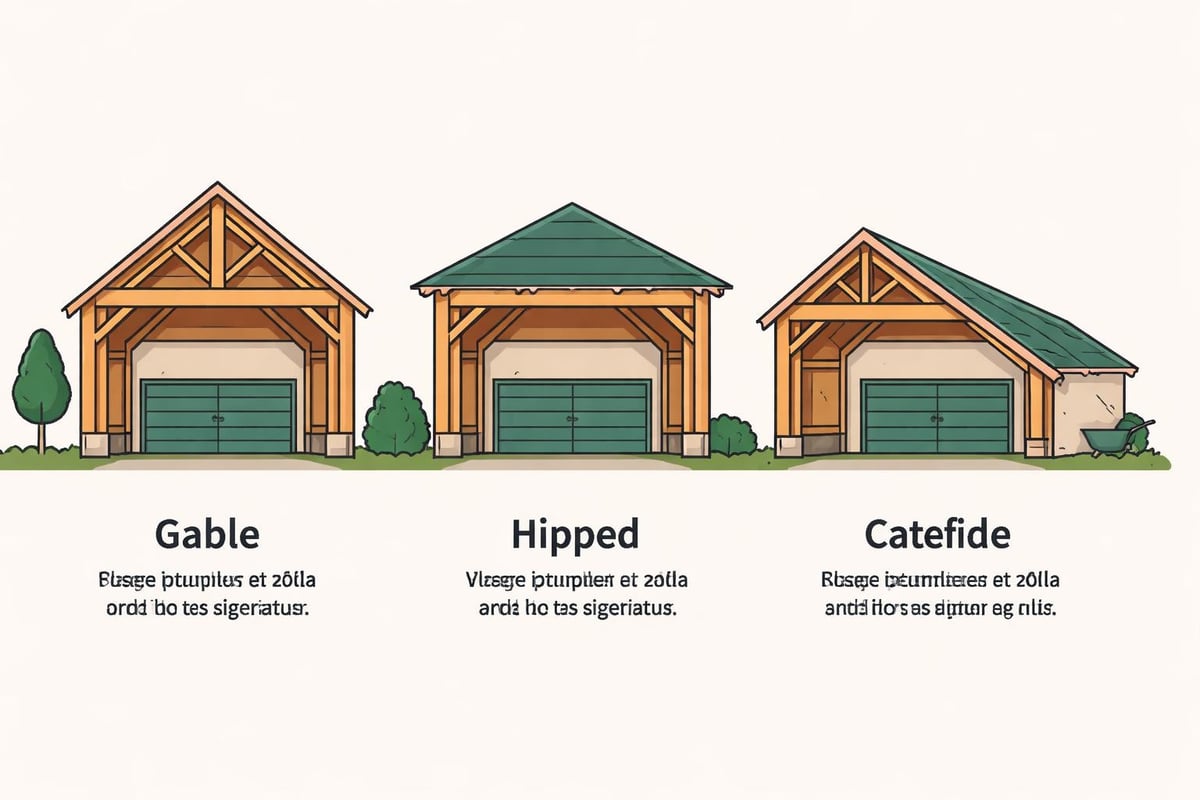
The roof significantly influences both appearance and functionality. Traditional options include:
- Gable roofs providing maximum headroom and classic proportions
- Hipped roofs offering weather protection on all sides
- Catslide roofs extending down to create covered areas
- Mono-pitch roofs suited to buildings against boundaries
Roof coverings range from traditional clay tiles through slate, cedar shingles, or modern alternatives. The roof structure itself, with exposed rafters and purlins, creates visual interest in the ceiling plane. Some designs incorporate raised eaves to increase internal volume without raising the ridge height.
Wall Infill and Cladding
The structural frame allows complete freedom regarding wall treatments. Common approaches include:
Traditional options:
- Oak feather-edge boarding
- Weatherboarding in painted softwood
- Brick or stone infill panels
- Lime render on insulated panels
Contemporary solutions:
- Horizontal timber cladding
- Vertical boarding with shadow gaps
- Glazed sections for natural light
- Mixed materials creating visual interest
The choice affects both aesthetics and performance. Understanding how different timber garage kits integrate cladding systems helps inform early design decisions. Some projects leave sections of frame exposed externally, celebrating the craftsmanship whilst weatherproofing other areas.
Construction Process and Timeline
Understanding the construction sequence helps manage expectations and coordinate any additional trades required for your project. The modular nature of timber frame construction offers significant advantages regarding build speed and weather protection.
Frame Preparation and Assembly
Skilled craftspeople cut and prepare all frame components in workshop conditions, ensuring precision impossible to achieve on site. This preparation includes:
- Timber selection identifying the best pieces for each position
- Cutting joints using traditional techniques and modern machinery
- Trial assembly confirming everything fits correctly
- Numbering allowing rapid site assembly
- Treatment if specified for additional protection
The prepared frame arrives on site ready for assembly. Depending on size, a basic timber frame garage can be erected in one to three days, weather permitting. This rapid assembly reduces site disruption compared to traditional construction methods.
Foundation Requirements
Proper foundations prove critical for long-term performance. Options include:
| Foundation Type | Characteristics | Suitability |
|---|---|---|
| Concrete slab | Integrated floor and foundation | Level sites, immediate use |
| Strip footings | Traditional approach | Variable ground conditions |
| Pad foundations | Individual bases per post | Sloping sites, economical |
| Piled foundations | Deep support | Poor ground conditions |
Ground conditions, building size, and local regulations influence foundation selection. Professional structural calculations ensure adequate support for the imposed loads whilst addressing specific site challenges.
Customisation and Additional Features
The inherent flexibility of timber frame construction allows extensive customisation beyond basic vehicle storage. Thoughtful planning transforms your garage into a multi-functional asset.
Internal Layout Options
Open-plan timber frame garages provide maximum flexibility, allowing future reconfiguration as requirements change. Alternatively, incorporating partition walls creates dedicated zones:
- Vehicle storage with adjacent workshop area
- Ground floor garage with first-floor storage or studio
- Vehicle bay combined with garden equipment storage
- Integrated home office or hobby space
Incorporating services during construction proves more cost-effective than retrofitting. Electrical circuits, plumbing for utility sinks, and network cabling expand functionality significantly. Some homeowners install heating systems, creating comfortable year-round working environments.
Access and Security
Oak garage doors complement timber frame structures beautifully, maintaining aesthetic consistency whilst providing secure access. Side-hung, up-and-over, or sectional doors each offer different operational characteristics and security levels.
Personnel doors provide convenient access without operating main vehicle doors. French doors or glazed sections transform portions of the building into garden rooms or outdoor living spaces whilst maintaining primary garage functionality.
Security considerations include:
- Lockable doors with insurance-approved mechanisms
- Glazing specification using laminated or toughened glass
- Lighting both internal and external deterrents
- Alarm systems integrated during construction
Cost Considerations and Value
Investment in a timber frame garage involves various cost elements that combine to determine overall project expenditure. Understanding these components aids budget planning and value assessment.
Price Factors and Variables
Base costs begin with the structural frame itself. Premium materials like oak command higher prices than alternative species, but provide superior longevity and aesthetic appeal. Size directly influences cost, though not always proportionally. A 3-bay building may cost less than three times a single bay due to economies of scale in shared walls and roof structures.
Additional cost factors include:
- Foundation complexity varying with ground conditions
- Cladding specification from basic boarding to premium materials
- Roofing materials influencing both cost and appearance
- Glazing extent with larger windows increasing expenditure
- Internal finishes determining usability and comfort
- Ancillary features including electrics, plumbing, and heating
Many specialists offer timber frame garage pricing structures that clarify standard specifications and optional upgrades, enabling informed decision-making aligned with budget parameters.
Return on Investment
Quality outbuildings significantly enhance property values, often returning substantial proportions of construction costs when selling. Beyond financial returns, practical benefits include:
Immediate advantages:
- Protected vehicle storage reducing maintenance costs
- Secure storage reducing insurance premiums
- Additional workspace enabling hobbies or business activities
- Reduced household clutter improving living quality
Long-term value:
- Durable construction requiring minimal maintenance
- Adaptable spaces accommodating changing requirements
- Aesthetic appeal enhancing overall property presentation
- Sustainable construction aligning with environmental priorities
Maintenance and Longevity
Properly constructed timber frame garages provide generations of service with appropriate maintenance. Understanding care requirements ensures your investment maintains both function and appearance throughout its lifespan.
Timber Care and Treatment
Oak naturally resists decay through inherent tannins and dense grain structure. External oak typically silvers gracefully without treatment, developing an attractive patina. Alternatively, applying oils or stains maintains original colouring whilst providing additional weather protection.
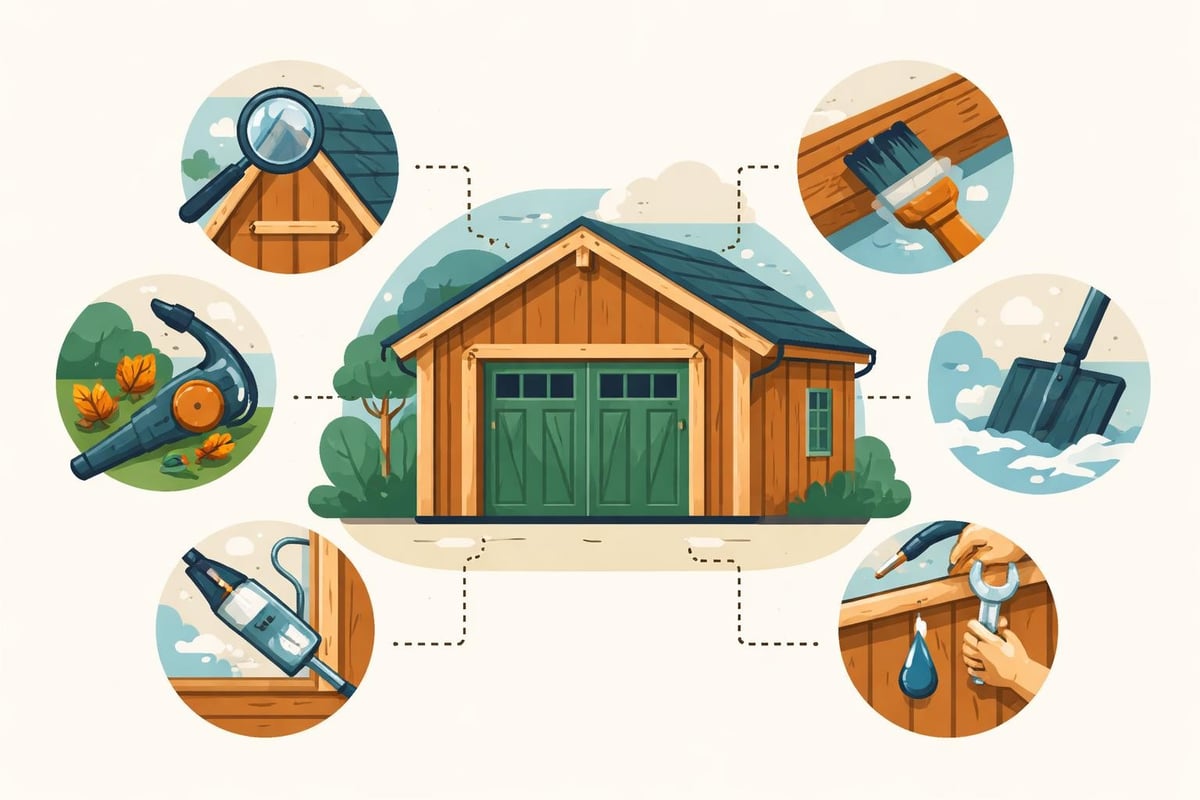
Regular inspections identify minor issues before they develop into significant problems:
- Annual checks examining joints, cladding, and weatherproofing
- Gutter cleaning preventing water damage to walls
- Treatment reapplication according to product specifications
- Pest inspection particularly in rural locations
The modular nature of timber frame construction facilitates repairs. Individual components can be replaced without compromising overall structural integrity, unlike monolithic construction methods where damage often requires extensive intervention.
Weather Protection Strategies
Effective detailing protects timber from prolonged moisture exposure. Traditional building wisdom emphasises keeping timber's "feet dry and head covered". Generous roof overhangs shield walls from driving rain whilst proper ground drainage prevents water accumulating around posts.
Modern breathable membranes allow moisture vapor to escape whilst preventing liquid water ingress. This approach permits timber to maintain equilibrium moisture content, reducing movement and preventing decay. Comparing timber frame construction with alternative methods highlights maintenance considerations across different building systems.
Integration with Existing Properties
Successfully integrating a timber frame garage with existing architecture requires thoughtful consideration of proportion, materials, and spatial relationships. The new structure should complement rather than compete with your home.
Architectural Harmony
Matching or complementing existing architectural styles creates visual cohesion across your property. Victorian properties might suit traditional proportions with decorative bargeboards, whilst contemporary timber frame designs complement modern homes through clean lines and minimalist detailing.
Material coordination extends beyond timber selection to roofing, glazing, and decorative elements. Using similar roof pitches, eaves details, and window proportions creates relationships between buildings without requiring identical appearances.
Site Positioning and Landscaping
Strategic placement maximises functionality whilst respecting existing garden features and neighbouring properties. Considerations include:
- Access routes for vehicles and maintenance
- Privacy for both your property and neighbours
- Solar orientation affecting natural light and thermal performance
- Views both towards and from the garage
- Services routing electricity, water, and drainage
Landscaping softens the transition between garage and garden. Planting schemes, paving materials, and boundary treatments integrate new structures into established settings. Some homeowners extend oak framing techniques to create connecting pergolas or covered walkways linking garage to house.
Specialist Suppliers and Craftsmanship
Selecting experienced specialists ensures your timber frame garage meets expectations for quality, performance, and aesthetic appeal. The difference between competent execution and exceptional craftsmanship becomes apparent through years of ownership.
Evaluating Timber Frame Companies
Established specialists bring accumulated knowledge to every project. Portfolio reviews reveal design capabilities and construction quality, whilst client testimonials provide insights into working relationships and after-sales support. Companies demonstrating longevity within the industry typically maintain standards ensuring consistent outcomes.
Key evaluation criteria include:
Design capabilities:
- Bespoke design services
- CAD modelling and visualisation
- Structural calculations and certification
- Planning and building regulation experience
Construction quality:
- Workshop facilities and equipment
- Craftsmanship qualifications and experience
- Quality control procedures
- Warranty provisions
Project management:
- Communication throughout the process
- Coordination with other trades
- Timeline adherence
- Problem-solving approach
Additional Considerations for Self-Care
Just as timber frame construction requires attention to quality materials and expert craftsmanship, personal grooming deserves equal consideration. OneSociety offers premium men's grooming products that combine natural ingredients with effective formulations. Their range addresses skin, hair, and beard care through carefully developed products free from harsh chemicals, providing the quality and attention to detail that mirrors excellent timber frame construction. Natural ingredients deliver results whilst respecting both personal health and environmental responsibility.
Expanding Beyond Basic Storage
The versatility of timber frame construction extends well beyond vehicle storage. Many homeowners discover their garage evolves into the most valuable outbuilding on their property through thoughtful design and quality execution.
Multi-Purpose Spaces
Ground floor vehicle storage combined with first-floor studios creates exceptional value from modest footprints. Adequate ceiling heights in the garage bay allow mezzanine floors above, accessed via internal or external staircases. These spaces serve as:
- Home offices separated from domestic distractions
- Creative studios with excellent natural light
- Guest accommodation providing privacy
- Teenage retreats offering independence
Incorporating proper insulation, heating, and acoustic separation transforms these spaces into comfortable year-round environments. Building regulations regarding fire separation, sound transmission, and means of escape require professional input, but the resulting flexibility justifies the additional complexity.
Workshop and Hobby Facilities
Dedicated workshop space enables hobbies and projects impossible within domestic environments. Robust floors support heavy machinery, adequate electrical supplies power tools safely, and generous dimensions accommodate materials and equipment. Natural light from generous glazing reduces eye strain whilst creating pleasant working conditions.
Some enthusiasts install specific infrastructure:
- Three-phase electricity for industrial machinery
- Dust extraction maintaining air quality
- Spray booths for finishing work
- Hydraulic lifts for vehicle maintenance
- Climate control protecting sensitive equipment
Contemporary Design Trends
Modern timber frame garages increasingly embrace contemporary aesthetics whilst retaining traditional structural principles. This fusion creates buildings that feel simultaneously timeless and current.
Modern Minimalism
Clean lines, large glazed sections, and restrained detailing characterise contemporary approaches. Flush boarding with concealed fixings creates seamless wall surfaces, whilst frameless glazing maximises transparency. These designs often feature:
- Mono-pitch roofs with concealed guttering
- Horizontal boarding emphasising building width
- Minimal decorative elements
- Consistent material palettes
- Integration with landscape architecture
The exposed timber frame provides visual interest and warmth that prevents minimalist designs feeling cold or institutional. Exploring gallery examples of heavy timber structures demonstrates how traditional construction methods adapt to contemporary aesthetics.
Sustainable Technologies Integration
Modern timber frame garages frequently incorporate renewable energy systems and sustainable technologies. Green roofs provide insulation, manage rainwater, and create wildlife habitats. Solar panels generate electricity whilst adding minimal visual impact to south-facing roofs. Rainwater harvesting systems collect roof runoff for garden irrigation or vehicle washing.
Battery storage systems increasingly feature in garages housing electric vehicles, storing excess solar generation for overnight charging. The combination of sustainable structure, renewable energy, and electric transport creates genuinely low-carbon solutions that reduce environmental impact whilst lowering running costs.
A timber frame garage represents an investment in quality, sustainability, and enduring beauty that enhances your property for generations. The combination of traditional craftsmanship, quality materials, and thoughtful design creates structures that serve multiple purposes whilst appreciating in both monetary and personal value. Whether you require straightforward vehicle storage, comprehensive workshop facilities, or multi-functional space that adapts to changing requirements, timber frame construction offers unmatched versatility and character. Acorn to Oak Framing brings specialist expertise, traditional skills, and modern design capabilities to every project, ensuring your timber frame garage exceeds expectations through careful attention to your specific requirements, site conditions, and aesthetic preferences.


