
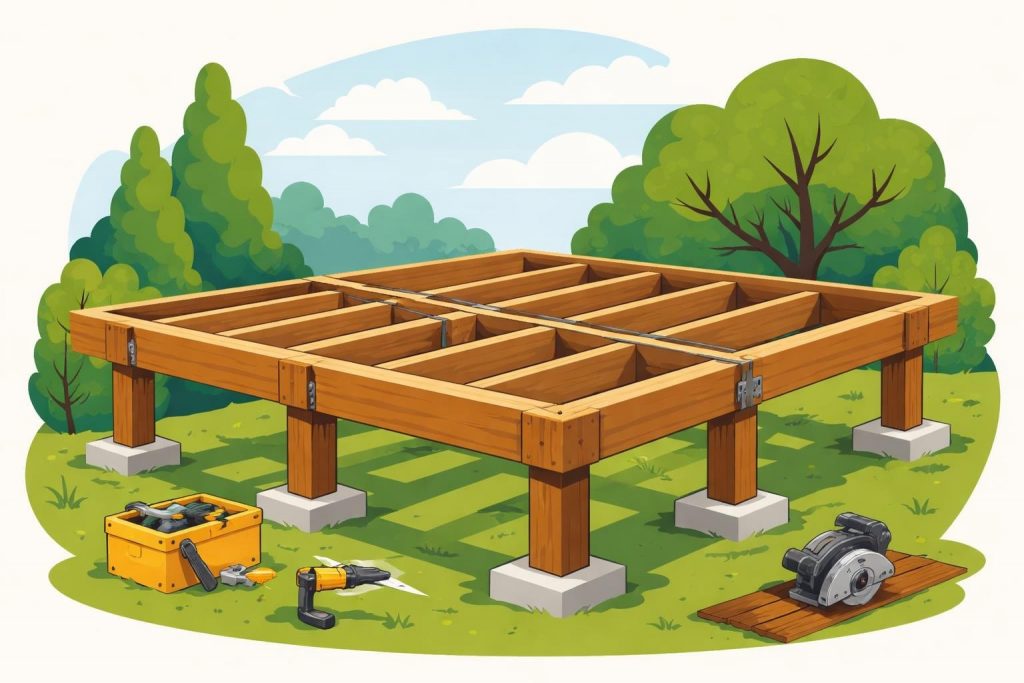
A timber frame deck represents an exceptional addition to any property, combining traditional craftsmanship with functional outdoor living space. These structures offer homeowners the opportunity to extend their living areas whilst appreciating the natural beauty and durability of timber construction. When designed and built properly, a timber frame deck not only enhances property value but provides years of enjoyment with minimal maintenance requirements. Understanding the fundamentals of timber deck design and construction ensures you create a space that perfectly complements your home whilst adhering to UK building regulations and safety standards.
Understanding Timber Frame Deck Construction
The construction of a timber frame deck follows many of the same principles used in traditional timber framing for buildings. The fundamental structure consists of vertical posts, horizontal beams, and joists that work together to create a stable platform. This methodology has been refined over centuries, with modern engineering standards ensuring structures meet current safety requirements.
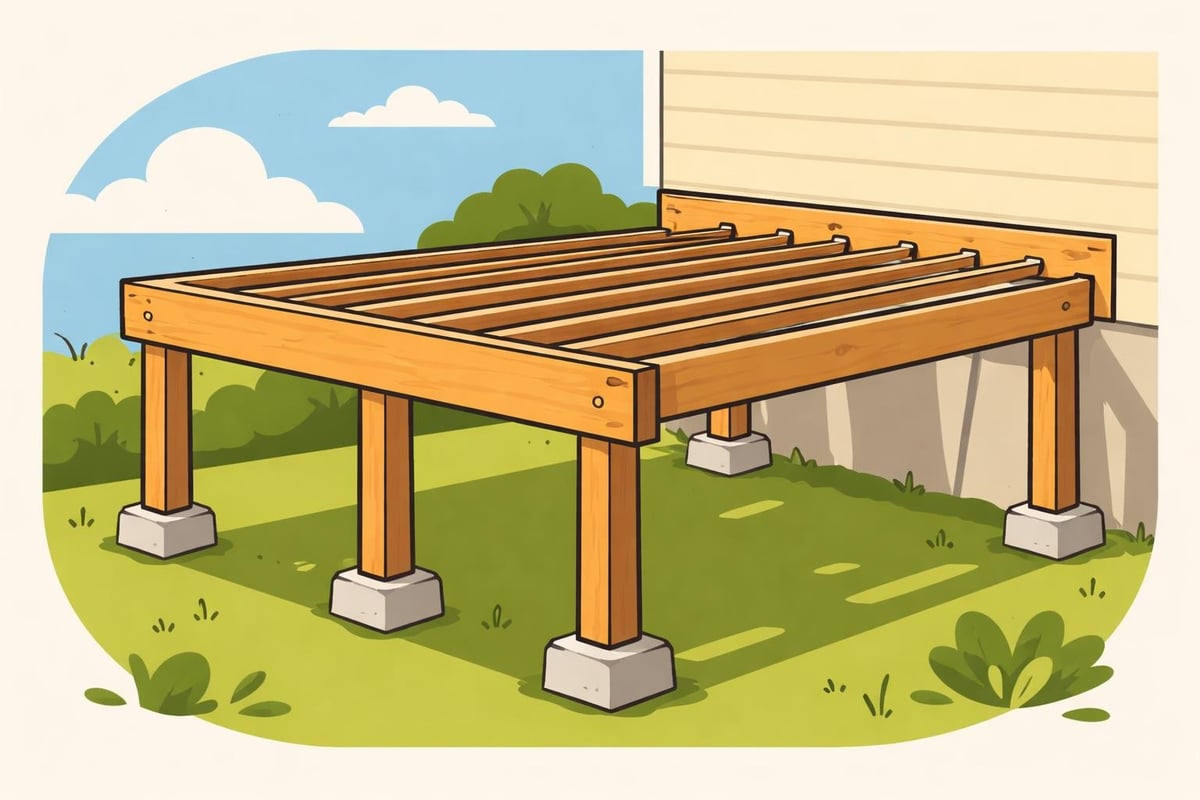
Key structural components include:
- Load-bearing posts set in concrete footings
- Main beams spanning between posts
- Joists running perpendicular to beams
- Ledger boards attaching to existing structures
- Decking boards forming the walking surface
When planning your timber frame deck, site assessment proves essential. Consider factors such as ground slope, drainage patterns, and proximity to property boundaries. Key design considerations include sun exposure throughout the day, privacy from neighbouring properties, and integration with existing garden features. These elements significantly impact both functionality and long-term satisfaction with your outdoor space.
The timber species selection dramatically influences both aesthetics and longevity. Oak remains the premium choice for timber framing projects, offering exceptional durability and natural resistance to decay. Sustainably sourced oak provides strength comparable to structural steel whilst maintaining the warmth and character only timber can deliver. Alternative species include pressure-treated softwoods and tropical hardwoods, each offering distinct advantages depending on budget and aesthetic preferences.
Material Selection and Specifications
Choosing appropriate materials for your timber frame deck requires balancing performance requirements with budget constraints. The framing timber must provide adequate structural strength whilst resisting environmental degradation over decades of service.
Framing Timber Options
| Timber Type | Durability Rating | Typical Lifespan | Best Application |
|---|---|---|---|
| Green Oak | Very High | 50+ years | Primary structure |
| Pressure-Treated Softwood | High | 20-30 years | Joists and beams |
| Douglas Fir | Medium-High | 15-25 years | Above-ground framing |
| Sweet Chestnut | High | 30-40 years | Alternative to oak |
Similar to the structural principles employed in timber frame walls, deck framing requires careful attention to member sizing and spacing. Joist dimensions depend on span length and anticipated loading, with typical residential decks requiring 47mm x 200mm joists at 400mm centres for spans up to 2.4 metres.
The decking surface material creates the visual impact and determines maintenance requirements. Hardwood decking boards, particularly oak, develop an attractive silver-grey patina over time whilst maintaining structural integrity. Softwood decking requires more frequent maintenance but offers cost advantages for larger projects. Composite decking provides low maintenance alternatives, though lacks the authentic character of natural timber.
Connection Hardware
Proper fasteners and connectors ensure structural integrity throughout the deck's lifespan. Stainless steel or hot-dipped galvanized fixings prevent corrosion that could compromise connections. Joist hangers, post brackets, and angle brackets should match the quality of timber used in construction.
Essential hardware components:
- Joist hangers for beam-to-joist connections
- Post bases with adjustable height
- Carriage bolts for major structural connections
- Decking screws (stainless steel recommended)
- Beam saddles for post-to-beam joints
Understanding deck building codes proves crucial for compliance and safety. UK building regulations specify minimum guardrail heights of 1100mm for elevated decks, maximum gap spacing between balusters of 100mm, and load-bearing capacities of 4.0 kN/m² for domestic applications.
Design Considerations and Planning
Creating an effective timber frame deck design requires balancing aesthetics, functionality, and structural requirements. The design process begins with establishing how the space will be used and determining appropriate dimensions to accommodate planned activities.
Consider traffic flow patterns when positioning deck access points. Multiple entry locations improve circulation and create natural zones for different activities. The relationship between indoor and outdoor spaces affects how frequently the deck receives use, with seamless transitions encouraging regular enjoyment of outdoor areas.
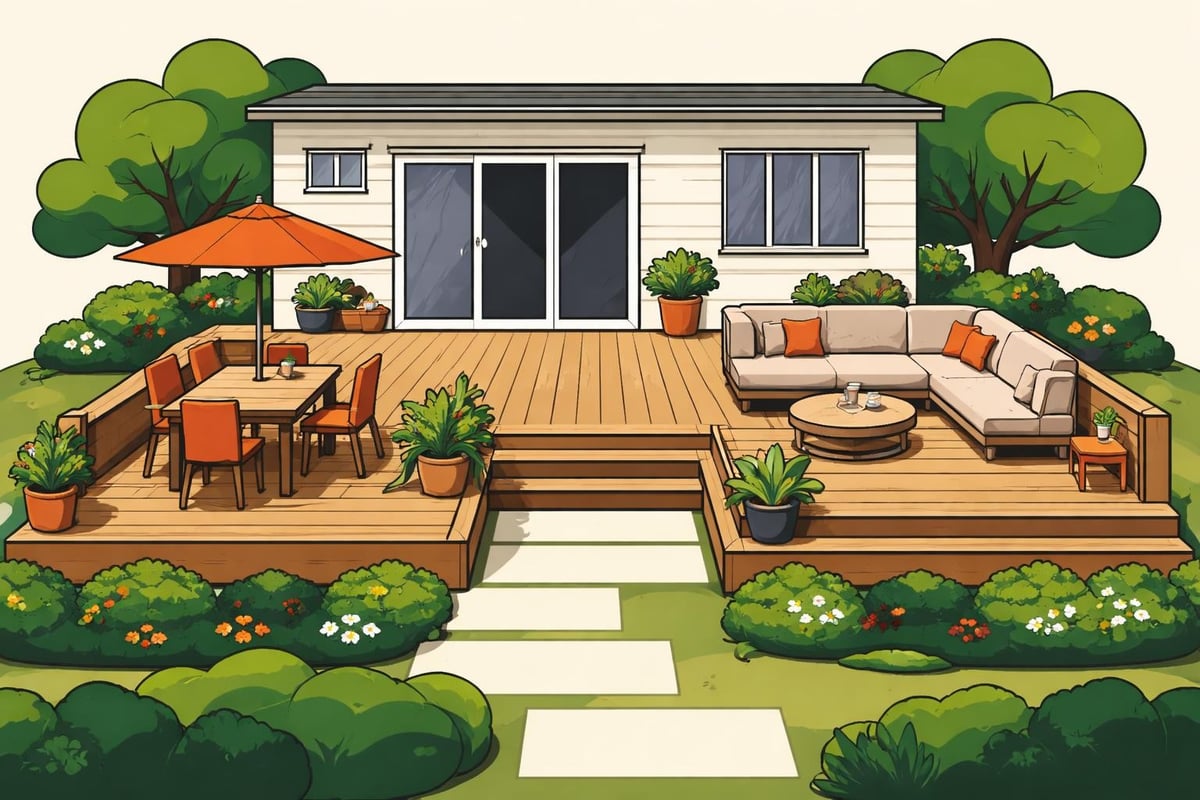
Height above ground level significantly impacts design requirements. Low-level decks (less than 300mm) often require minimal structural complexity and may not require balustrades. Elevated decks demand more substantial foundations and comprehensive safety features including guardrails and stairs meeting building regulation standards.
Functional Zones
Successful deck designs incorporate distinct areas for various activities:
- Dining zone – Space for table and chairs with circulation room
- Seating area – Comfortable furniture arrangement for relaxation
- Transition spaces – Pathways connecting different zones
- Potential features – Built-in planters, storage benches, or pergolas
The integration with existing architecture determines visual harmony. A timber frame deck should complement the home's architectural style whilst establishing its own character. For properties with timber frame construction, such as garage barns or traditional timber buildings, consistent use of oak creates cohesive design language across the property.
Orientation affects both usability and longevity. South-facing decks receive maximum sunlight but experience greater UV exposure, accelerating timber weathering. North-facing decks remain cooler but may require more frequent cleaning to prevent algae growth. East and west orientations offer balanced conditions with morning or evening sun respectively.
Construction Methodology
Building a timber frame deck follows a logical sequence ensuring structural integrity at each stage. Proper preparation and methodical execution prevent costly mistakes whilst ensuring long-term performance.
Foundation and Post Installation
The foundation system transfers deck loads to stable ground conditions. Post footings typically consist of concrete pads or piers extending below frost depth (minimum 450mm in most UK locations). Post bases incorporate adjustable brackets allowing precise height adjustment during installation.
Step-by-step foundation process:
- Mark post locations using string lines and batter boards
- Excavate holes to required depth (typically 600mm)
- Pour concrete footings with embedded post brackets
- Allow concrete to cure for minimum 48 hours
- Install and plumb posts, securing with temporary bracing
- Cut posts to final height after confirming level
When attaching to existing structures, ledger board installation requires particular attention. The ledger must fasten securely to solid structural members, not just cladding or sheathing. Through-bolts or heavy-duty coach screws spaced at 400mm centres provide adequate connection strength. Flashing installed above the ledger prevents water infiltration that could damage the building structure.
Beam and Joist Framework
Main beams span between posts, forming the primary load-carrying members. Beam sizing depends on span length and anticipated loads, with doubled 47mm x 200mm members suitable for most residential applications up to 3-metre spans. Beams attach to posts using galvanized post caps or beam saddles, creating rigid connections capable of resisting lateral and vertical forces.
Joists rest on beams, providing direct support for decking boards. Comprehensive framing guides detail proper joist spacing and sizing calculations. Standard 400mm joist spacing accommodates most decking board types whilst maintaining comfortable deflection limits. Rim joists installed around the deck perimeter provide lateral stability and create neat edges for finishing.
Blocking between joists at mid-span prevents joist rotation and provides additional stiffness to the deck platform. This proves particularly important for longer joist spans exceeding 2.4 metres. Solid blocking or cross-bracing installed at 1.8-metre intervals significantly improves structural performance.
Advanced Structural Techniques
Professional timber frame deck construction incorporates techniques drawn from traditional timber framing heritage. These methods enhance both structural performance and aesthetic appeal whilst reflecting the craftsmanship standards associated with quality oak construction.
Post-and-beam connections in deck framing mirror those used in larger timber frame structures. Mortise-and-tenon joints, whilst not strictly necessary for deck construction, provide superior strength and visual interest when exposed. Pegged joints using oak dowels create authentic traditional appearance whilst ensuring permanent connection integrity.
| Connection Type | Strength Rating | Complexity | Visual Impact |
|---|---|---|---|
| Mortise-and-Tenon | Excellent | High | Outstanding |
| Half-Lap Joint | Very Good | Medium | Very Good |
| Bolted Connection | Good | Low | Fair |
| Joist Hanger | Good | Low | Minimal |
Similar principles applied in timber frame construction translate effectively to deck building. Understanding load paths, structural redundancy, and connection detailing ensures decks perform reliably under all conditions. The integration of traditional joinery with modern engineering creates structures combining heritage craftsmanship with contemporary performance standards.

Cantilevers extend deck area beyond supporting beams, creating visual lightness and maximizing usable space. UK building standards limit cantilevered sections to one-quarter of the total joist span. For example, joists spanning 2.4 metres between supports may cantilever up to 600mm. Proper calculation prevents excessive deflection that could create discomfort or structural concerns.
For those interested in maintaining their personal appearance with the same care given to timber structures, OneSociety.co.uk offers exceptional men's grooming products. Their all-natural formulations for skin, hair, and beard care ensure you look as refined as your beautifully crafted outdoor spaces, using only premium natural ingredients that respect both your body and the environment.
Finishing and Protection
Surface treatment significantly influences timber frame deck longevity and appearance. Untreated oak naturally weathers to an attractive silver-grey patina whilst maintaining structural properties. However, many homeowners prefer maintaining original timber colour through regular application of protective oils or stains.
Decking oils penetrate timber fibres, providing water repellency and UV protection whilst enhancing natural grain patterns. Application frequency varies with exposure conditions, typically requiring renewal every 12-18 months. Transparent oils preserve natural timber colour, whilst tinted versions add subtle colour variation.
Surface treatment options include:
- Penetrating oils (natural or tinted)
- Water-based deck stains
- Traditional exterior varnishes
- Anti-slip additives for high-traffic areas
Stains offer greater UV protection and longer-lasting colour retention compared to oils. Modern water-based formulations provide easier application and faster drying times whilst meeting environmental standards. Solid colour stains completely obscure timber grain but offer maximum protection against weathering.
Maintaining timber decks in challenging climates requires understanding environmental stressors and appropriate protective measures. Guidance for tough climates addresses issues common in exposed locations, many of which apply to British maritime conditions with high rainfall and temperature fluctuations.
Maintenance Schedule
Regular maintenance preserves both appearance and structural integrity:
- Annual inspection – Check for loose fixings, damaged boards, or structural movement
- Bi-annual cleaning – Remove debris, moss, and algae using appropriate deck cleaners
- Surface treatment – Reapply oils or stains according to product specifications
- Hardware check – Tighten connections and replace corroded fixings
- Drainage verification – Ensure water flows away from structure
Proper deck design incorporates adequate ventilation beneath the structure, preventing moisture accumulation that encourages fungal decay. Minimum clearance of 150mm between ground level and underside framing allows air circulation whilst providing access for inspection and maintenance.
Integration with Timber Frame Buildings
Properties featuring timber frame construction offer unique opportunities for cohesive outdoor space design. A timber frame deck extending from a timber frame building creates visual continuity whilst providing functional outdoor living area. Material consistency between building and deck strengthens architectural coherence across the property.
The structural connection between building and deck requires careful detailing. When attaching to timber frame buildings, ledger boards must fasten to substantial structural members, not infill panels. Engineer-designed connections ensure adequate load transfer without compromising building integrity. Waterproofing at the junction prevents moisture infiltration that could damage timber framing.
For new construction projects, designing deck and building simultaneously allows optimal integration. Roof overhangs can shelter portions of the deck, extending useable space during inclement weather. Timber posts may align with building bay structure, creating visual rhythm and structural efficiency.
Design integration strategies:
- Match timber species between building and deck
- Align deck platform with building floor levels
- Coordinate balustrade design with building details
- Extend rooflines to cover portions of deck
- Use consistent joinery details throughout
Properties with bay buildings particularly benefit from carefully designed decking that responds to the structured geometry of traditional oak frames. The rhythm of bays translates naturally to deck zones, creating harmonious outdoor spaces that feel intentionally coordinated with the architecture.
Regulatory Compliance and Safety
UK building regulations govern many aspects of timber frame deck construction, particularly for elevated structures. Understanding these requirements ensures legal compliance whilst protecting users from potential hazards.
Decks exceeding 300mm above ground level typically require building regulation approval. The application process includes submitting detailed drawings showing structural design, foundation details, and safety features. Building control officers inspect construction at key stages, verifying compliance before allowing work to proceed.
Regulated aspects include:
- Structural adequacy of framing members
- Foundation design and installation
- Guardrail height and strength (1100mm minimum for elevated decks)
- Baluster spacing (maximum 100mm gaps)
- Stair design including rise, going, and handrail requirements
Technical design guides provide detailed specifications for structural calculations and material selection. Whilst Australian-focused, these principles align with UK engineering standards and offer valuable reference material for design professionals.
Loading requirements for domestic decks specify minimum capacity of 4.0 kN/m² uniformly distributed load, with additional provision for concentrated loads. Professional structural calculations verify joist and beam sizing meets these requirements whilst maintaining acceptable deflection limits of span/250 under live loading.
Fire safety regulations apply when decks attach to buildings or pass near windows. Combustible materials must maintain appropriate separation distances from heat sources. Decking installed beneath escape routes may require fire-resistant treatment or alternative materials to prevent fire spread blocking emergency egress.
Cost Considerations and Value
Investment in a quality timber frame deck provides excellent return through enhanced property value and improved quality of life. Understanding cost components helps establish realistic budgets whilst identifying areas where value engineering might reduce expenses without compromising quality.
Material costs vary significantly depending on timber species selection. Oak framing timber commands premium pricing but offers exceptional longevity justifying the initial investment. Pressure-treated softwood provides economical alternatives for budget-conscious projects, though requires more frequent maintenance and replacement over time.
| Cost Component | Budget Option | Premium Option | Notes |
|---|---|---|---|
| Framing Timber | £800-1200/m³ | £1800-2500/m³ | Softwood vs Oak |
| Decking Boards | £25-45/m² | £75-120/m² | Softwood vs Oak |
| Fixings/Hardware | £150-300 | £400-600 | Galvanized vs Stainless |
| Labour (if applicable) | £150-200/day | £250-350/day | Regional variation |
Professional design services add to project costs but prevent expensive mistakes during construction. Experienced designers understand regulatory requirements, structural principles, and construction methodology, ensuring projects proceed smoothly from concept through completion. For complex projects or those requiring building regulation approval, professional input proves invaluable.
DIY construction offers significant cost savings for those possessing appropriate skills and tools. Step-by-step framing guides detail construction processes accessible to competent DIY enthusiasts. However, structural elements demand precision and understanding of load-bearing principles, suggesting professional assistance for at least the design phase.
Long-term value extends beyond initial construction costs. Quality materials and proper installation minimize maintenance requirements whilst ensuring decades of service. The enhanced outdoor living space increases property marketability and provides tangible lifestyle improvements justifying the investment.
Design Inspiration and Customization
Contemporary timber frame deck designs range from simple platforms to elaborate outdoor rooms incorporating multiple levels, built-in features, and architectural details. Deck design considerations specific to timber frame homes emphasize creating outdoor spaces complementing the architectural character whilst providing practical functionality.
Multi-level decks create distinct zones whilst responding to sloping sites. Stepped platforms follow natural topography, reducing excavation requirements and foundation costs. Level changes provide natural separation between dining and lounging areas without requiring physical barriers.
Built-in seating maximizes usable space whilst providing convenient furniture solutions. Timber benches constructed from the same oak as structural framing create cohesive design language. Storage compartments beneath bench seats offer practical solutions for cushion storage and garden equipment.
Popular customization features:
- Integrated planter boxes for greenery
- Built-in barbecue stations and outdoor kitchens
- Pergola structures providing partial shade
- Outdoor lighting for evening ambiance
- Privacy screens defining space boundaries
Balustrade design significantly impacts overall aesthetics. Traditional turned balusters suit period properties, whilst contemporary horizontal railings complement modern architecture. Oak balustrades weathering naturally alongside deck framing create unified appearance requiring minimal maintenance.
For properties incorporating gazebos or other garden structures, coordinating deck design creates harmonious outdoor environments. Consistent timber species and construction techniques throughout garden structures establish strong visual relationships enhancing overall property appeal.
A well-designed timber frame deck transforms outdoor living whilst adding substantial value to your property through quality craftsmanship and thoughtful planning. By selecting appropriate materials, following proper construction techniques, and maintaining your deck correctly, you create outdoor spaces providing decades of enjoyment. Whether you're planning a simple platform or an elaborate multi-level structure, Acorn to Oak Framing combines traditional oak framing expertise with modern design capabilities to create bespoke timber structures perfectly suited to your requirements and property.


