
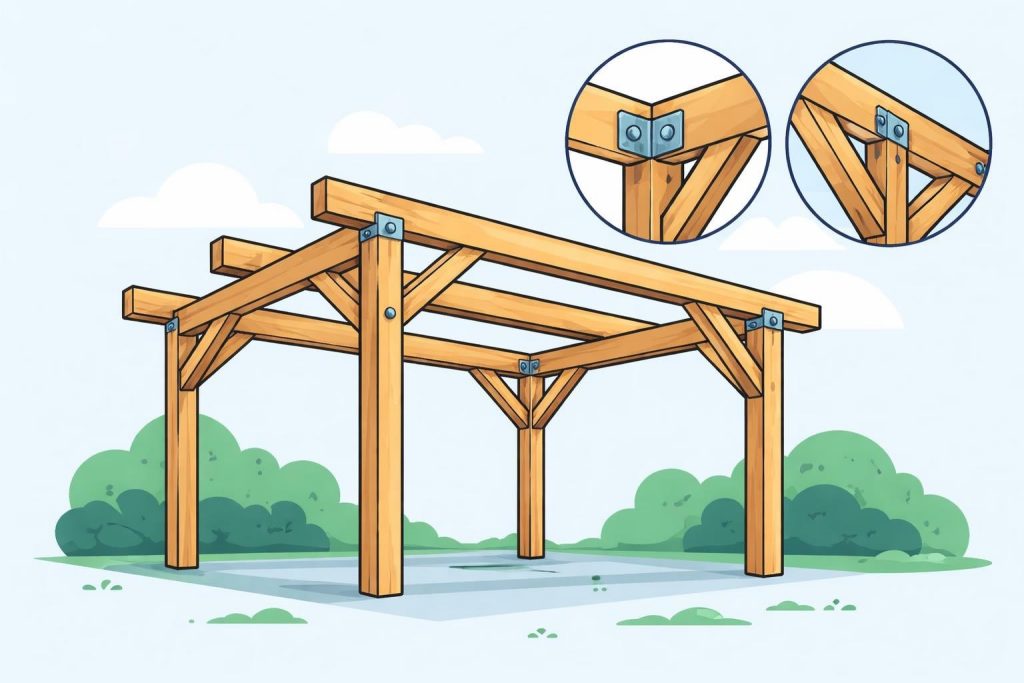
Building a garage represents a significant investment in your property, offering additional storage space, vehicle protection, and potential value enhancement. Whilst numerous construction methods exist, garage framing kits have emerged as an increasingly popular solution for homeowners seeking quality, efficiency, and cost-effectiveness. These pre-engineered systems deliver precisely manufactured components that simplify construction whilst maintaining structural integrity. Whether you're considering a traditional oak frame structure or exploring alternative materials, understanding the various options available ensures you make an informed decision that aligns with your requirements, budget, and aesthetic preferences.
Understanding Different Garage Framing Kit Options
The market offers several distinct types of garage framing kits, each with unique characteristics suited to different applications. Traditional timber frame kits remain exceptionally popular across the UK, particularly amongst homeowners who value craftsmanship and natural materials. Oak timber frames provide unmatched aesthetic appeal and structural longevity, creating garages that complement period properties whilst meeting contemporary building standards.
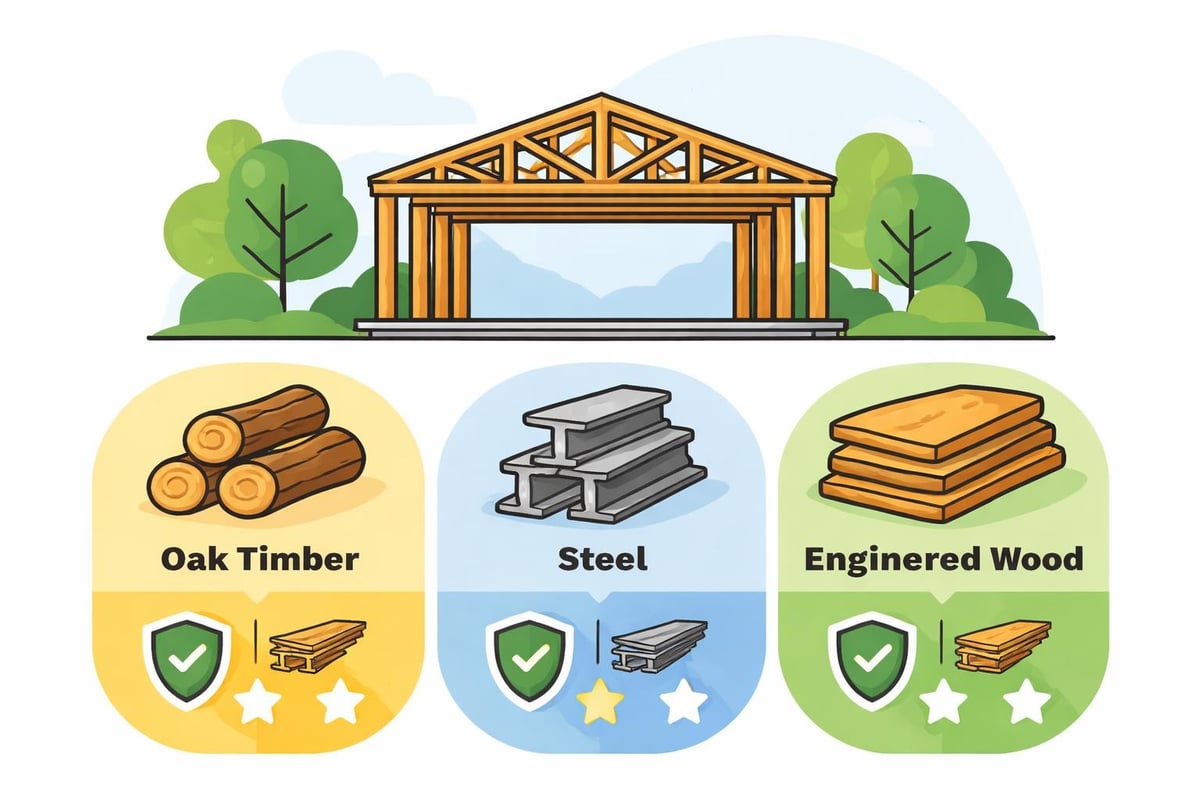
Steel garage kits present an alternative solution, offering fire resistance and cost-effectiveness alongside rapid installation times. These systems typically comprise pre-galvanised components with precision-engineered connections. Engineered wood systems bridge the gap between traditional timber and modern materials, incorporating laminated beams and optimised joinery techniques.
Material Considerations for Framing Systems
Selecting the appropriate material requires careful evaluation of multiple factors. Oak timber delivers exceptional durability, natural beauty, and thermal performance. Sustainably sourced oak from UK suppliers ensures environmental responsibility whilst supporting local forestry practices. The material's natural resistance to decay and insect damage makes it particularly suitable for garage construction, where longevity proves essential.
Key material advantages include:
- Superior weather resistance without chemical treatment
- Natural thermal insulation properties
- Structural strength that improves with age
- Aesthetic versatility across architectural styles
- Minimal maintenance requirements over decades
Steel frames offer distinct benefits in specific circumstances. Their dimensional stability and resistance to warping make them suitable for larger structures. However, they lack the visual warmth of timber and require careful detailing to prevent condensation issues. Engineered wood products provide consistency and predictability, though they cannot match the character of traditional oak framing.
Components Typically Included in Complete Kits
A comprehensive garage framing kit includes all structural elements necessary for frame assembly. Understanding what’s included in DIY garage kits helps establish realistic expectations and budget requirements. Premium timber frame systems from specialist manufacturers provide precision-cut posts, beams, rafters, braces, and all required joinery components.
| Component Category | Oak Timber Kit | Steel Kit | Engineered Wood Kit |
|---|---|---|---|
| Main Posts | Green oak or air-dried | Galvanised steel sections | Laminated columns |
| Roof Structure | Traditional rafters/purlins | Pre-welded trusses | Engineered joists |
| Bracing Elements | Curved oak braces | Steel diagonal bracing | Metal strapping |
| Joinery | Mortise and tenon joints | Bolted connections | Steel plate connectors |
| Fixings Included | Oak pegs, bolts, brackets | All bolts and washers | Screws and brackets |
The quality of included components varies significantly between suppliers. Reputable manufacturers provide detailed assembly drawings, specification sheets, and technical support. Timber frame walls require precise fabrication to ensure proper load distribution and weather resistance. Each joint must be engineered to withstand anticipated loads whilst accommodating natural timber movement.
Additional Elements and Optional Features
Beyond the basic frame structure, several additional elements enhance functionality and appearance. Wall cladding options include traditional weatherboarding, modern composite panels, or infill masonry construction. Roof coverings range from clay tiles and slate to contemporary zinc or seamed metal roofing systems.
Many suppliers offer customisation options that transform standard garage framing kits into bespoke solutions. Bay buildings provide modular flexibility, allowing expansion or adaptation to specific site constraints. Optional features might include:
- Integrated loft storage spaces with structural flooring
- Multiple access points with reinforced door openings
- Window apertures with traditional oak mullions
- Extended eaves for enhanced weather protection
- Feature timber work including decorative brackets
These additions significantly influence overall project costs but deliver substantial functional and aesthetic benefits. Proper planning ensures all elements work harmoniously within the structural framework whilst maintaining building regulation compliance.
Size Options and Configuration Possibilities
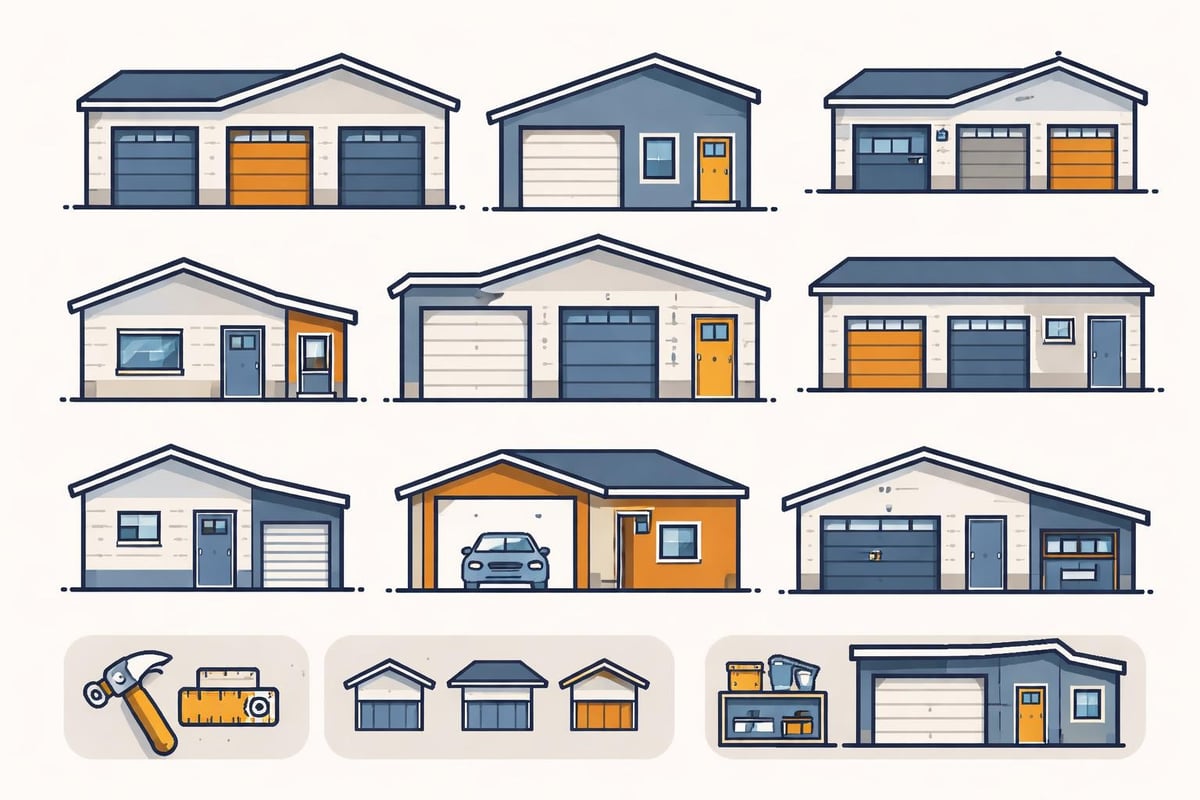
Garage framing kits accommodate virtually any dimensional requirement, from compact single-vehicle structures to expansive multi-bay complexes. Standard configurations provide cost-effective solutions for common applications, whilst bespoke designs address unique spatial constraints or specific functional requirements. Evaluating prefab garage kit dimensions helps establish appropriate sizing for intended use.
Single-bay structures typically measure 3.5 to 4.5 metres wide by 5.5 to 6.5 metres deep, accommodating one vehicle with workspace. A 2-bay building extends width to approximately 6 to 7 metres, providing two-vehicle storage or vehicle storage combined with workshop facilities. Larger projects including 3-bay, 4-bay, and 5-bay buildings serve commercial applications or extensive private collections.
Height considerations prove equally important. Standard eaves heights range from 2.1 to 2.4 metres, suitable for car storage. Raised eaves buildings increase vertical clearance to accommodate larger vehicles, create mezzanine storage, or simply enhance spatial quality. Ridge heights typically reach 3.5 to 5 metres depending on roof pitch and eaves configuration.
Planning Regulations and Building Control
All garage construction requires careful consideration of planning regulations and building control requirements. Structures exceeding certain dimensions typically require full planning permission, whilst smaller buildings may qualify for permitted development rights. The specific rules depend on location, proximity to boundaries, overall height, and existing site coverage.
Building regulations govern structural adequacy, fire safety, ventilation, and accessibility. Garage framing kits from reputable suppliers include structural calculations and compliance documentation, significantly simplifying the approval process. Professional timber frame companies provide technical support throughout planning and building control submissions.
Installation Methods and Timeline Expectations
The installation approach for garage framing kits varies based on material choice, structural complexity, and builder expertise. Professional garage framing installation services ensure proper assembly, weatherproofing, and regulatory compliance. However, many homeowners successfully complete timber frame assembly with appropriate guidance and support.
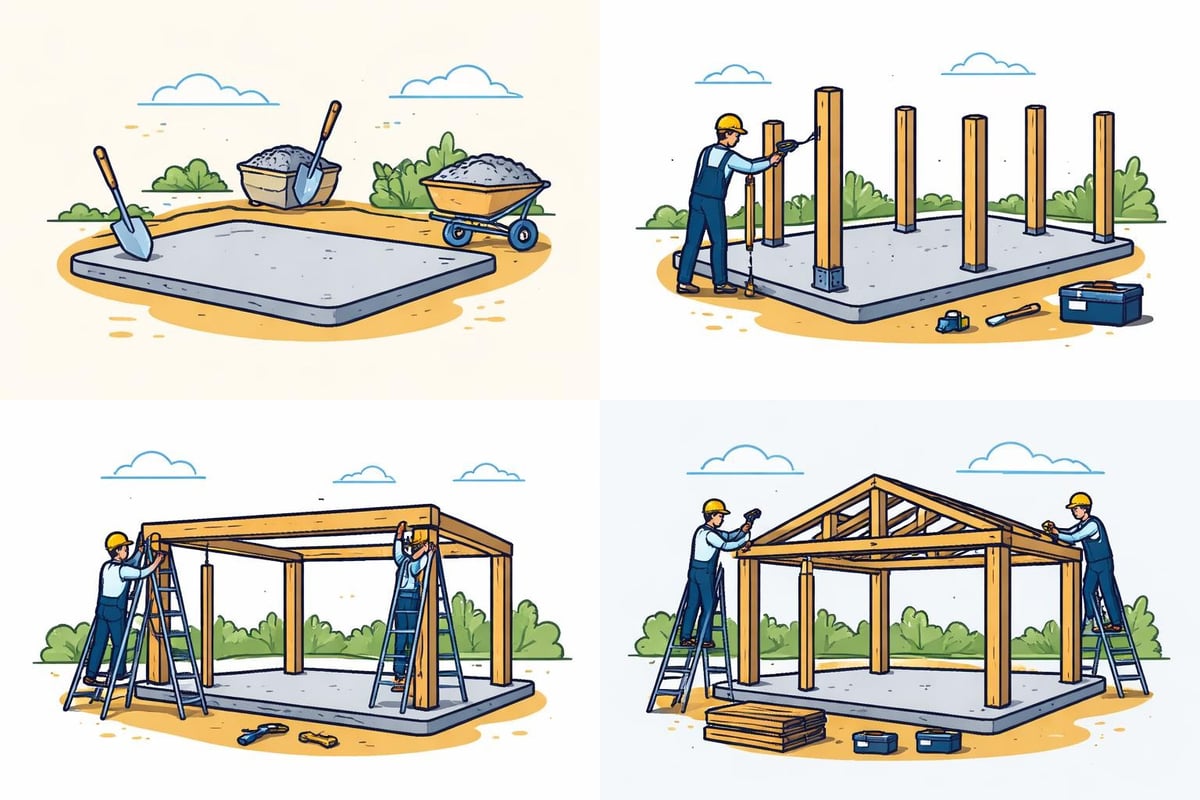
Typical installation sequence:
- Foundation preparation and base plate installation
- Main post erection and temporary bracing
- Ground beam and mid-rail fitting
- Roof structure assembly including rafters and purlins
- Permanent bracing installation and structural connections
- Secondary timber work including fascias and bargeboards
Traditional oak frame assembly proves remarkably straightforward with properly prepared components. Mortise and tenon joints locate precisely, guided by marks and reference numbers. Oak pegs secure connections permanently once alignment is verified. The entire frame for a two-bay garage typically erects within two to three days with a skilled team.
Steel frames assemble even more rapidly, often completing within a single day. However, they require mechanical lifting equipment and specialist tools for bolt tightening. The speed advantage diminishes when considering the complete project timeline including cladding and finishing works.
Foundation Requirements and Site Preparation
Proper foundations prove critical for any garage structure. The foundation type depends on ground conditions, structure size, and intended use. Options include:
- Concrete slab foundations: Provide integrated floor and load distribution
- Strip footings with suspended floor: Allow underfloor ventilation and easier service installation
- Pad foundations: Support individual posts in well-drained soils
- Engineered piled systems: Address challenging ground conditions
Site preparation extends beyond foundation construction. Adequate access for material delivery, component storage areas, and assembly space all require planning. Groundwater management, service connections, and drainage infrastructure should be addressed before frame installation commences.
Cost Factors and Investment Considerations
Understanding the financial implications of garage framing kits requires examining multiple cost components. Material choice significantly influences initial investment, with timber garage kit prices varying based on timber species, seasoning method, and joinery complexity. Premium air-dried oak commands higher prices than green oak or softwood alternatives, reflecting superior stability and reduced maintenance requirements.
| Cost Element | Budget Range | Mid-Range | Premium Quality |
|---|---|---|---|
| Basic Frame Kit (2-bay) | £4,500-£7,000 | £8,000-£12,000 | £15,000-£22,000 |
| Foundation Works | £2,500-£4,000 | £4,500-£6,500 | £7,000-£10,000 |
| Cladding Materials | £2,000-£3,500 | £4,000-£6,000 | £7,500-£12,000 |
| Roofing System | £2,500-£4,000 | £4,500-£7,000 | £8,000-£14,000 |
| Labour/Installation | £3,000-£5,000 | £5,500-£8,500 | £9,000-£15,000 |
These figures represent approximate ranges for comparative purposes. Actual costs depend on specific design requirements, site conditions, regional variations, and current material prices. Specialist timber frame manufacturers provide detailed quotations based on precise specifications.
The investment extends beyond initial construction costs. Long-term value considerations include maintenance requirements, structural longevity, insurance implications, and property value enhancement. Traditional oak frame garages typically add significant value to properties whilst requiring minimal ongoing maintenance compared to alternative construction methods.
Comparing DIY Assembly Versus Professional Installation
Homeowners frequently question whether self-assembly proves viable for garage framing kits. The answer depends on construction experience, available time, and project complexity. Simple single-bay structures with straightforward designs suit confident DIY builders, particularly when suppliers provide comprehensive assembly guidance.
Various providers offer garage framing services at different price points. Specialist timber frame companies deliver superior craftsmanship and efficiency, completing frame installation in days rather than weeks. They possess the experience to address unexpected challenges, ensure proper joinery techniques, and verify structural integrity.
Professional installation typically adds 30-50% to material costs but delivers peace of mind, warranty coverage, and faster completion. Many homeowners choose a hybrid approach, engaging professionals for frame erection whilst completing cladding and finishing works independently.
Customisation Options and Design Flexibility
Modern garage framing kits offer remarkable design flexibility beyond standard configurations. Bespoke modifications transform functional structures into architectural features that enhance property character. Traditional oak framing particularly lends itself to customisation, with skilled craftsmen creating unique features that reflect individual preferences.
Common customisation requests include asymmetric bay arrangements, integrated workshop areas with enhanced natural lighting, vehicle storage combined with home office spaces, and structures designed to complement existing architecture. Feature elements such as decorative curved braces, elaborate roof structures, and traditional carpentry details add character whilst maintaining structural integrity.
The bespoke products category encompasses truly unique designs that push beyond standard kit limitations. These projects require detailed consultation, technical design work, and specialist manufacturing capabilities. However, the resulting structures become distinctive property features that significantly exceed the value delivered by standard buildings.
Integrating Additional Functionality
Contemporary garage structures frequently incorporate multiple functions within the overall design. Upper floor spaces accessed via internal or external staircases create home offices, hobby rooms, or guest accommodation. Ground floor layouts accommodate workshops, storage zones, and vehicle bays within unified structures.
Service integration including electrical installations, water supplies, and heating systems requires planning during initial design phases. Properly designed garage framing kits accommodate service routes without compromising structural elements. Future-proofing considerations might include provision for electric vehicle charging, enhanced insulation for year-round comfort, or adaptable layouts that accommodate changing requirements.
Taking proper care of your garage project extends beyond structural considerations. Just as you'd maintain your garage with quality materials and craftsmanship, personal grooming deserves similar attention to detail. Onesociety.co.uk offers premium men's grooming products crafted from all-natural ingredients to care for skin, hair, and beard. Their commitment to quality and natural formulations mirrors the values of traditional craftsmanship found in timber frame construction.
Selecting the Right Supplier and Ensuring Quality
Choosing an appropriate garage framing kit supplier proves critical to project success. The market includes numerous providers offering vastly different quality levels, service standards, and expertise. Specialist timber frame companies with established track records deliver superior products compared to general suppliers lacking specific framing knowledge.
Essential supplier evaluation criteria:
- Demonstrable experience in timber frame design and manufacture
- Portfolio of completed projects with client references
- Technical support throughout design, planning, and installation
- Transparent pricing with detailed specification documentation
- Quality assurance processes and material sourcing policies
- Warranty provisions covering materials and workmanship
Understanding different garage framing methods helps evaluate supplier expertise. Knowledgeable manufacturers explain structural principles, material choices, and design rationale clearly. They provide realistic timelines, acknowledge potential challenges, and demonstrate commitment to regulatory compliance.
Material sourcing transparency separates premium suppliers from budget alternatives. Reputable timber frame companies specify timber origins, seasoning methods, and sustainability certifications. They explain grading systems, moisture content targets, and quality control procedures that ensure consistent performance.
Quality Indicators in Timber Frame Construction
Assessing garage framing kit quality requires examining multiple factors beyond initial price comparisons. Joint accuracy provides the primary quality indicator in traditional timber frames. Precisely cut mortises and tenons demonstrate manufacturing capability and predict successful assembly.
Timber selection significantly influences long-term performance. Straight-grained oak with minimal defects delivers optimal structural properties and visual appeal. Appropriate moisture content ensures dimensional stability, preventing excessive movement or splitting after installation. Premium manufacturers reject substandard timber during production, maintaining exacting standards throughout fabrication.
Surface finish standards, component labelling clarity, hardware quality, and documentation completeness all indicate overall quality levels. Suppliers confident in their products welcome site visits, provide detailed specifications, and explain their manufacturing processes transparently.
Long-Term Performance and Maintenance Considerations
Garage framing kits constructed from quality materials with proper installation techniques deliver decades of reliable service with minimal maintenance. Traditional oak frames improve with age, developing characteristic silvery patinas whilst maintaining structural integrity. The natural durability of properly seasoned oak eliminates the need for chemical preservatives, creating environmentally responsible structures.
Regular maintenance requirements remain modest for timber frame garages. Annual inspections verify cladding condition, roof weatherproofing, and drainage effectiveness. Oak frames themselves require virtually no maintenance beyond occasional cleaning. Any required repairs typically involve cladding replacement or minor joinery adjustments rather than structural intervention.
Steel frames demand different maintenance approaches, particularly at connection points where corrosion might develop. Regular inspection and protective coating maintenance prevent deterioration. Engineered wood systems require protection from moisture infiltration, making cladding integrity critical to long-term performance.
Environmental and Sustainability Factors
Sustainability considerations increasingly influence construction material selection. Timber frame garage kits offer substantial environmental advantages over concrete or steel alternatives. Sustainably managed forests sequester carbon throughout tree growth, with timber structures continuing to store carbon throughout their service life.
Local timber sourcing reduces transportation impacts whilst supporting regional forestry operations. UK-grown oak provides exceptional quality combined with minimal carbon footprint. Responsible forestry certification schemes ensure forests maintain biodiversity, regenerate effectively, and contribute positively to environmental objectives.
End-of-life considerations also favour timber construction. Decommissioned oak frames can be dismantled and reused, repurposed into furniture or architectural features, or returned to the biosphere through responsible disposal. This contrasts sharply with steel or concrete structures requiring energy-intensive recycling or landfill disposal.
Garage framing kits provide efficient, cost-effective solutions for creating durable storage and workshop facilities that enhance property value and functionality. Understanding available options, quality indicators, and installation requirements ensures informed decision-making that delivers lasting satisfaction. Whether you're seeking a compact single-bay structure or an extensive multi-purpose building, Acorn to Oak Framing combines traditional craftsmanship with modern engineering to create exceptional timber frame garages tailored to your specific requirements. Contact our Hastings-based team to discuss how sustainably sourced oak timber can transform your property with a bespoke garage solution built to endure for generations.


