
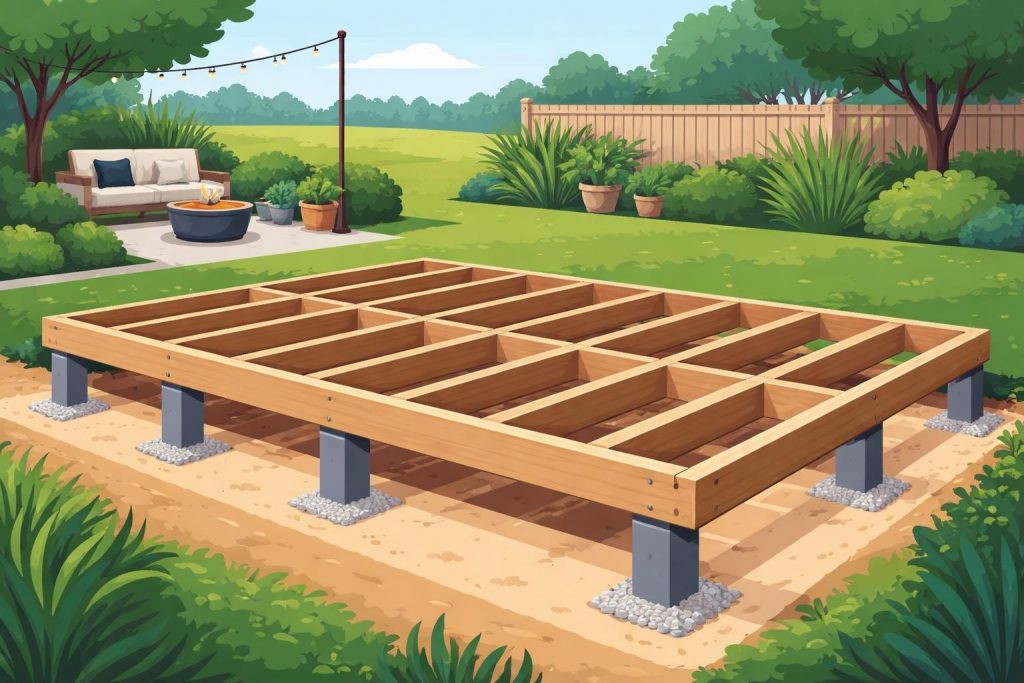
Building a robust outdoor living space begins with understanding the fundamental structure that supports it. A properly constructed wooden decking frame forms the invisible backbone of any successful deck installation, determining both the longevity and safety of the entire structure. Whether you're planning a modest garden platform or an expansive entertaining area, the quality of your substructure directly impacts the performance and durability of your finished deck. This comprehensive guide explores the essential considerations for designing, constructing, and maintaining a wooden decking frame that will serve your property for decades to come.
Understanding Wooden Decking Frame Components
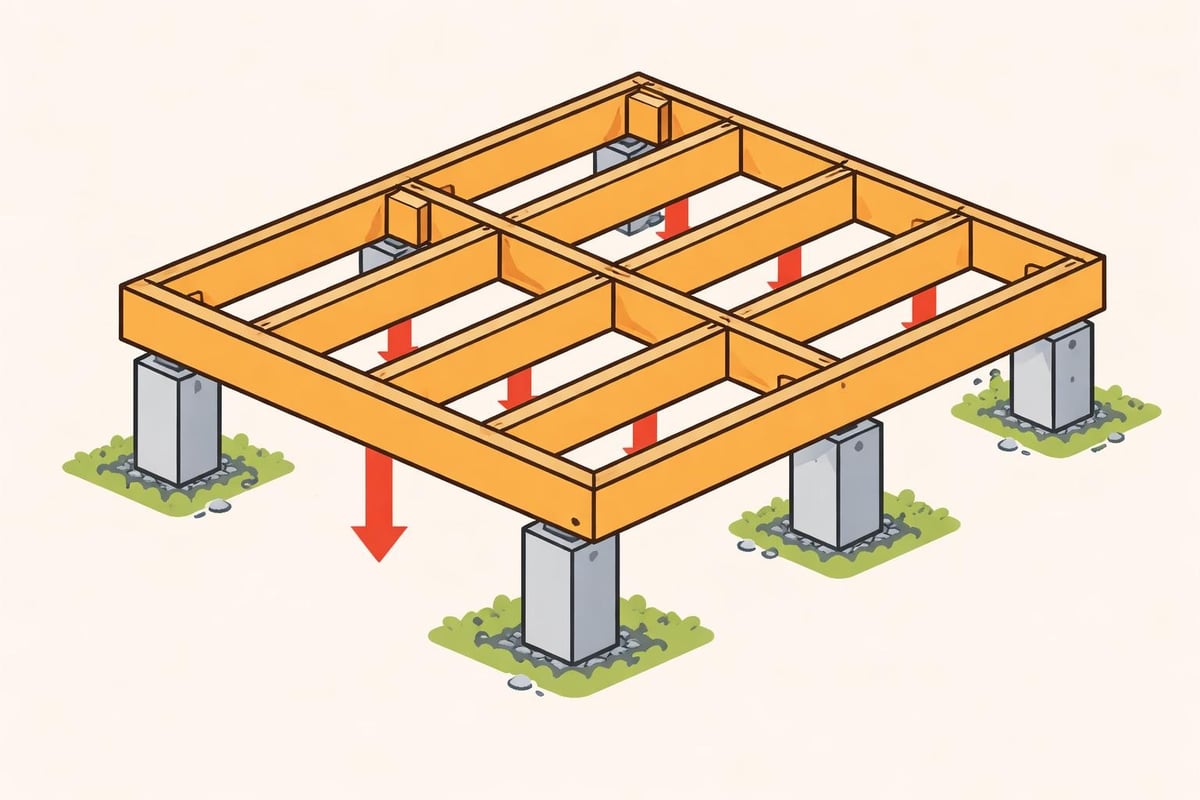
The anatomy of a wooden decking frame comprises several interconnected elements working together to distribute weight and withstand environmental stresses. The primary components include bearers, joists, noggins, and the foundation posts or pads that anchor the structure to the ground.
Bearer and Joist Systems
Bearers serve as the main structural members, running perpendicular to the finished decking boards and transferring loads to the foundation. These substantial timbers typically measure between 100mm x 200mm and 150mm x 225mm, depending on span requirements and load calculations.
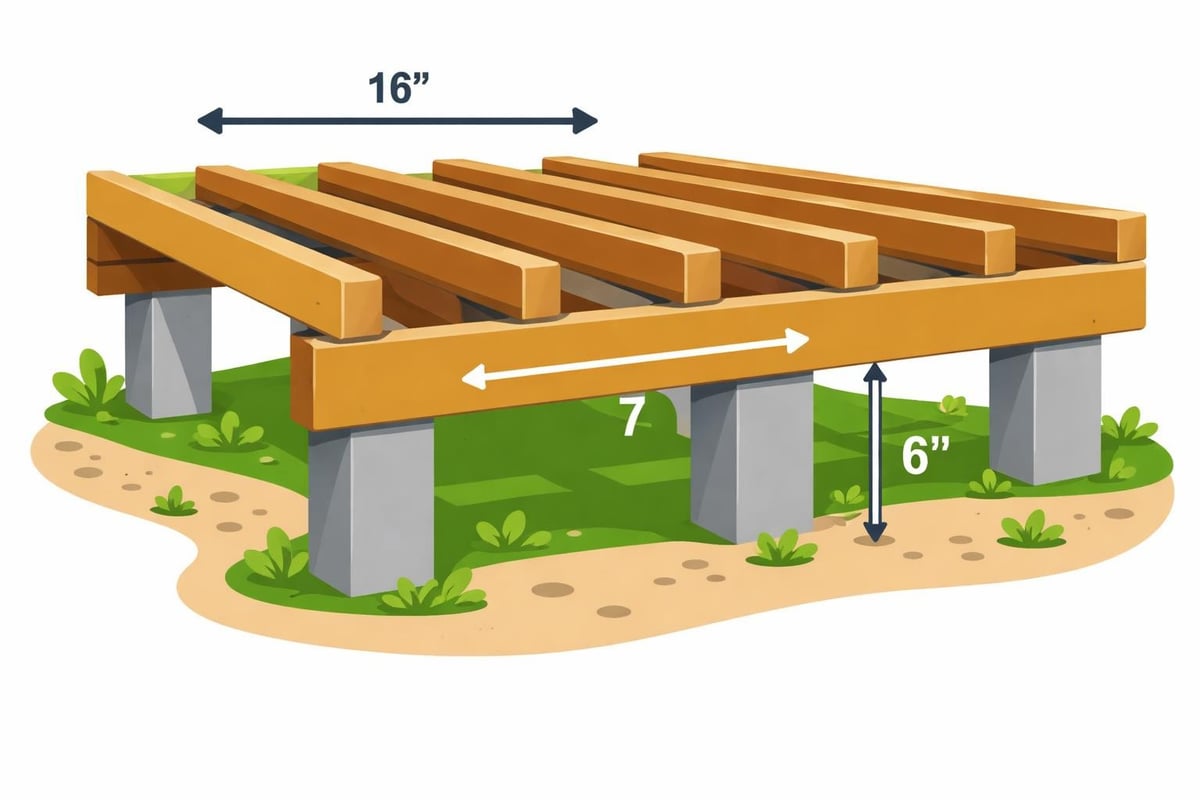
Joists sit atop the bearers at regular intervals, providing direct support for the deck boards themselves. Standard joist spacing ranges from 400mm to 600mm centres, with closer spacing required for thinner decking materials. The relationship between bearer size, joist dimensions, and spacing intervals determines the overall structural capacity of your wooden decking frame.
Critical spacing considerations include:
- Joist centres appropriate for board thickness
- Bearer spacing based on joist span capabilities
- Cantilever limitations at deck edges
- Load-bearing requirements for furniture and gatherings
Foundation Systems and Ground Connection
The foundation connects your wooden decking frame to stable ground, preventing settlement and maintaining level surfaces. Three primary foundation approaches dominate UK construction: concrete pad foundations, adjustable pedestals, and embedded post systems.
Concrete pad foundations offer exceptional stability for larger decks, distributing weight across a broader surface area. Each pad typically measures 450mm square and 150mm deep, positioned beneath bearer intersections. Adjustable pedestals provide flexibility for levelling on uneven terrain, whilst embedded posts suit raised decks requiring significant ground clearance.
| Foundation Type | Best Applications | Typical Depth | Advantages |
|---|---|---|---|
| Concrete Pads | Level ground, permanent structures | 150-200mm | Maximum stability, cost-effective |
| Adjustable Pedestals | Uneven surfaces, accessible subfloor | Surface-mounted | Easy levelling, removable |
| Embedded Posts | Raised decks, slopes | 600-900mm | Superior height capability, wind resistance |
Material Selection for Longevity
Timber species selection fundamentally influences the lifespan and maintenance requirements of your wooden decking frame. The choice between pressure-treated softwood, naturally durable hardwoods, and engineered timber products shapes both initial investment and long-term performance.
Pressure-treated softwood remains the most economical option for structural framing, with modern treatments offering 15-25 years of protection against rot and insect damage. C24 graded timber ensures consistent structural properties essential for load-bearing applications. However, regular inspections and maintenance remain crucial for maximising service life, as detailed in this comprehensive deck maintenance guide.
Hardwood and Alternative Framing Materials
Oak framing represents the premium choice for those seeking exceptional durability and aesthetic appeal. At Acorn to Oak Framing, we specialise in sustainably sourced oak timber that can last generations when properly maintained. Oak's natural resistance to decay makes it particularly suitable for exposed structural elements, though its higher cost requires careful budget consideration.
Green oak, freshly cut and containing natural moisture, offers distinct advantages for traditional timber framing projects. As it seasons in place, the timber develops tremendous strength whilst its natural movement can be accommodated through proper joinery techniques, such as those explored in our guide to traditional timber frame joints.
Material comparison for wooden decking frame construction:
- Pressure-treated softwood: economical, widely available, 15-25 year lifespan
- European oak: premium durability, 50+ year lifespan, natural aesthetics
- Thermally modified timber: enhanced stability, 25-30 year lifespan, eco-friendly treatment
- Engineered joists: consistent dimensions, longer spans, predictable performance
Design Principles and UK Building Regulations
Successful wooden decking frame design balances aesthetic aspirations with structural requirements and regulatory compliance. In the UK, decks below 300mm height and not adjacent to boundaries typically fall under permitted development, though regional variations and conservation areas may impose additional restrictions.
Load calculations form the foundation of safe deck design. Domestic decks must accommodate distributed loads of 2.5 kN/m² for general use, with concentrated loads of 1.5 kN applied at any point. These requirements influence joist sizing, spacing, and bearer specifications throughout your wooden decking frame.
Span Tables and Structural Calculations
Professional span tables provide quick reference for appropriate joist and bearer dimensions based on spacing and timber grade. A C24 graded joist measuring 47mm x 200mm typically spans 2.4 metres at 400mm centres, whilst reducing to 2.0 metres at 600mm centres.
Bearer spans depend on joist spacing and support points, with typical configurations placing bearers at 1.8-2.4 metre intervals for standard domestic applications. Complex designs involving multiple levels, integrated seating, or heavy features like hot tubs require bespoke structural calculations by qualified engineers.
Ventilation beneath your wooden decking frame prevents moisture accumulation that accelerates timber decay. Maintaining minimum 150mm clearance from ground level allows air circulation whilst preventing vegetation contact. This consideration proves particularly important for preventing the issues identified in this article about signs you need to replace your wooden deck.
Construction Methodology and Best Practices
Constructing a wooden decking frame demands precision, appropriate tools, and systematic methodology. Beginning with accurate site preparation establishes the foundation for a level, stable structure that performs reliably for years.
Site Preparation and Layout
Clear vegetation and topsoil from the deck footprint, extending 500mm beyond the perimeter to prevent future growth beneath the structure. Excavate foundation positions to appropriate depths, ensuring undisturbed ground or compacted hardcore provides stable bearing surfaces.
String lines and laser levels facilitate accurate layout, establishing reference points for foundation placement and frame dimensions. Professional builders typically work to tolerances of ±3mm over 3 metres for critical dimensions, ensuring square corners and level surfaces.
Step-by-step construction sequence:
- Mark foundation positions and excavate
- Install concrete pads or post foundations
- Position and level bearers, checking for square
- Install joists at specified centres, securing with appropriate fixings
- Add noggins for lateral stability and edge support
- Install any integrated features or blocking
- Apply preservative treatment to cut ends
Fixing Methods and Hardware
Galvanised or stainless steel fixings prevent corrosion that compromises structural integrity. Joist hangers provide superior connection strength compared to traditional skew nailing, whilst offering faster installation and more consistent results.
Coach screws or structural screws measuring minimum 100mm length secure bearers to posts, whilst M12 bolts suit connections requiring maximum strength. All metal components must feature appropriate corrosion protection for the exposure category, typically hot-dipped galvanisation for domestic applications.
Maintenance and Long-Term Performance
Even the most expertly constructed wooden decking frame requires regular maintenance to achieve its potential lifespan. Proactive inspection and timely intervention prevent minor issues escalating into structural concerns requiring expensive remediation.
Annual inspections should examine all structural connections, checking for loose fixings, split timbers, or signs of movement. Pay particular attention to ground-level bearers and posts, where moisture exposure accelerates deterioration. The deck maintenance checklist from This Old House provides excellent guidance for thorough annual reviews.
Preservative Treatments and Moisture Management
Whilst pressure-treated timber arrives pre-protected, cut ends and drilled holes expose untreated wood requiring additional preservative application. Brush or spray end-grain sealer onto all cuts within 24 hours of exposure, creating a barrier against moisture ingress.
Managing water movement around and through your wooden decking frame significantly influences longevity. Ensure ground slopes away from the structure, preventing pooling beneath the deck. Consider installing weed-suppressing membrane over the ground surface, topped with gravel to enhance drainage whilst reflecting light into the substructure.
For those interested in applying similar traditional craftsmanship principles to larger projects, our range of timber frame buildings demonstrates how quality materials and construction techniques create enduring structures.
| Maintenance Task | Frequency | Priority | Impact on Lifespan |
|---|---|---|---|
| Visual inspection | Annual | High | Prevents major failures |
| Fixing tightness check | Annual | High | Maintains structural integrity |
| Preservative reapplication | 3-5 years | Medium | Extends timber life 50% |
| Vegetation clearance | Bi-annual | Medium | Reduces moisture and pests |
| Drainage verification | Annual | Medium | Prevents foundation issues |
Identifying and Addressing Structural Issues
Early detection of problems within your wooden decking frame allows cost-effective repairs before replacement becomes necessary. Soft spots indicating rot typically appear first at ground contact points and areas of restricted ventilation.
Probe suspect timbers with a bradawl or screwdriver, checking for resistance. Sound timber offers firm resistance, whilst decayed wood allows easy penetration. Surface mould or discolouration doesn't necessarily indicate structural compromise, but warrants investigation to determine extent.
Replace individual compromised members rather than entire sections when damage remains localised. This targeted approach maintains structural integrity whilst controlling costs. However, widespread deterioration affecting multiple frame components suggests systemic issues requiring comprehensive remediation.

Integration with Finished Deck Design
The wooden decking frame must accommodate the specific requirements of your chosen deck boards and any integrated features. Composite decking typically requires more frequent joist spacing than traditional timber boards, whilst hidden fixing systems demand precise joist positioning.
Planning for Features and Utilities
Integrated seating, planters, or pergola posts require additional structural support beyond standard residential load requirements. Reinforce these areas with doubled joists or additional noggins, ensuring loads transfer effectively through the frame to foundations.
Lighting and other electrical services benefit from planned routing through the wooden decking frame during construction. Install protective conduits before deck board installation, maintaining clearances from structural members and ensuring weatherproof connections.
Access hatches provide maintenance routes to subfloor areas and concealed utilities. Frame openings with doubled joists and headers, maintaining structural continuity whilst creating removable panels matching the deck board pattern.
Environmental Considerations and Sustainability
Sustainable timber sourcing increasingly influences material selection for wooden decking frame construction. FSC or PEFC certified timber ensures responsible forest management, whilst local sourcing reduces transportation impacts.
At Acorn to Oak Framing, our commitment to sustainably sourced oak timber reflects broader industry movement toward environmental responsibility. Oak's exceptional longevity represents inherent sustainability, as structures requiring replacement less frequently consume fewer resources over time.
Consider the full lifecycle environmental impact when selecting preservative treatments. Modern water-based treatments offer effective protection with reduced environmental concerns compared to older copper-based formulations. Some species, including oak and sweet chestnut, require minimal treatment due to natural durability.
When taking a break from your outdoor construction projects, maintaining personal grooming standards matters too. Products from onesociety.co.uk help keep your skin, hair, and beard in excellent condition using all-natural formulations. Their range of men's grooming essentials ensures you look as well-crafted as your timber projects, with sustainable ingredients that complement an environmentally conscious lifestyle.
Adapting Traditional Techniques for Modern Applications
Traditional timber framing methods inform contemporary wooden decking frame construction, particularly when working with oak. Mortise and tenon joints, whilst labour-intensive, create exceptional strength without relying entirely on metal fixings. These time-honoured techniques prove particularly appropriate for bespoke projects where longevity and craftsmanship take precedence.
Modern adaptations of traditional joinery include:
- Hybrid connections combining traditional joints with structural screws
- CNC-cut timber components maintaining handcrafted aesthetics
- Engineered timber products complementing traditional materials
- Contemporary treatments protecting traditional joinery methods
Cost Considerations and Budget Planning
Budgeting for a wooden decking frame requires accounting for materials, labour, foundations, and ancillary components. Pressure-treated softwood framing typically costs £15-25 per square metre for materials alone, whilst oak framing commands £80-150 per square metre depending on section sizes and complexity.
Foundation costs vary significantly based on ground conditions and deck height. Simple pad foundations add £5-10 per square metre, whilst complex sloped sites requiring substantial posts and concrete footings may exceed £40 per square metre.
Professional installation typically doubles material costs, though DIY construction demands appropriate tools, skills, and time. Consider whether your project scope justifies tool purchases or whether hiring remains more economical. Complex designs requiring structural calculations and building control approval benefit from professional expertise ensuring regulatory compliance.
Our ready-to-go timber structures demonstrate how pre-engineered components can streamline construction whilst maintaining quality craftsmanship standards. This approach suits homeowners seeking professional results with reduced on-site construction time.
Seasonal Considerations for Frame Construction
British weather patterns influence optimal construction timing and methodology for wooden decking frame installation. Spring and early autumn offer ideal conditions, with moderate temperatures facilitating concrete curing and timber handling.
Winter construction remains possible but requires additional precautions. Protect concrete foundations from freezing during curing, using insulating blankets when temperatures drop below 5°C. Fresh-cut timber contracts as it dries, so account for seasonal movement when installing frames during wet winter months.
Summer's dry conditions suit timber construction but can complicate concrete work, requiring additional water during curing to prevent rapid moisture loss. Plan material deliveries carefully, as prolonged ground storage during wet periods increases moisture content and handling difficulties.
The guidance on preparing decking for winter conditions applies equally to newly constructed frames, emphasising the importance of protective treatments before exposure to harsh weather.
Understanding the principles behind constructing a robust wooden decking frame empowers homeowners and builders to create outdoor spaces that perform reliably for generations. From material selection through maintenance planning, each decision influences the longevity and satisfaction your deck provides. Whether you're planning a modest garden platform or an extensive entertaining area, Acorn to Oak Framing combines traditional craftsmanship with modern engineering to deliver bespoke timber structures that exceed expectations. Our expertise in sustainably sourced oak and time-honoured joinery techniques ensures your outdoor project becomes a lasting asset to your property.


