
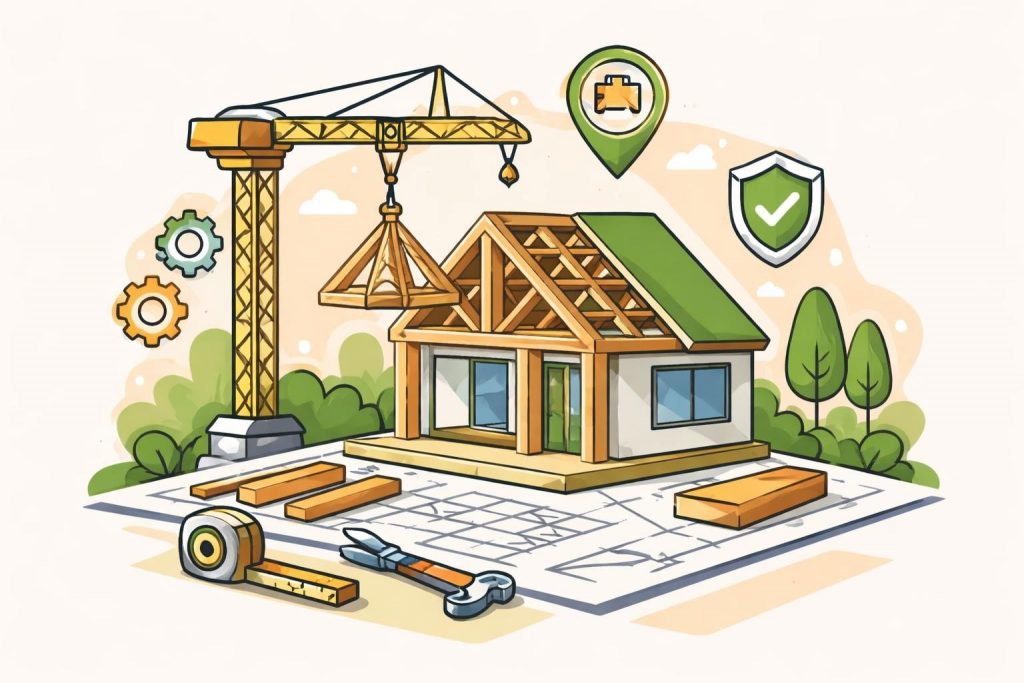
The charm of timber frame architecture has captivated homeowners for centuries, and today's small timber frame house designs represent a perfect marriage between traditional craftsmanship and contemporary living requirements. As property prices continue to climb across the UK and environmental consciousness grows stronger, more people are discovering the benefits of downsized timber frame homes that deliver character, sustainability, and exceptional value. These structures offer a practical alternative to conventional housing whilst maintaining the warmth and authenticity that only natural oak timber can provide.
Understanding the Appeal of Compact Timber Frame Architecture
Small timber frame house designs have experienced a remarkable resurgence in recent years, driven by both practical necessity and aesthetic preference. The exposed timber framework creates a distinctive visual statement whilst serving essential structural functions, allowing homeowners to enjoy open-plan living spaces without compromising on strength or durability.
Space Efficiency Through Intelligent Design
Modern small timber frame house designs maximise every square metre through careful planning and innovative layouts. The structural framework itself contributes to this efficiency, as the post-and-beam construction allows for fewer load-bearing walls compared to traditional masonry. This freedom translates into flexible floor plans where living areas flow naturally into one another.
Key advantages of timber frame construction for small homes include:
- Reduced material waste during construction
- Faster build times compared to conventional methods
- Superior insulation properties for enhanced energy efficiency
- Natural aesthetic appeal that improves with age
- Flexibility for future modifications or extensions
The Timber Framers Guild offers fourteen distinct timber frame plans that demonstrate how even modest square footage can accommodate diverse lifestyles, from simple garden retreats to fully equipped permanent residences.
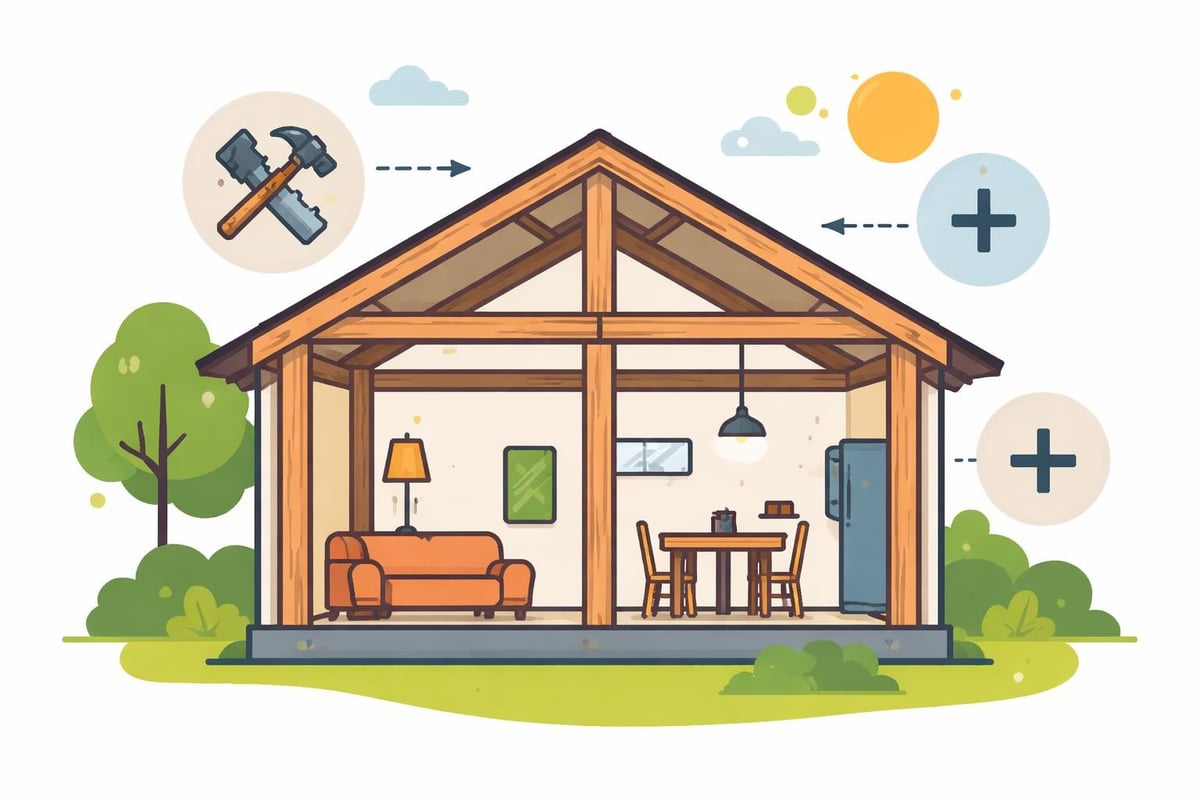
Popular Layout Configurations for Small Timber Frame Houses
Different layout approaches suit different lifestyles and site conditions. Understanding these configurations helps homeowners select designs that align with their specific requirements whilst respecting planning constraints and budget parameters.
Single-Storey Designs
Single-level timber frame homes offer accessibility benefits and simplified construction processes. These designs typically range from 40 to 100 square metres and work exceptionally well on sloping sites where split-level arrangements might prove challenging.
| Layout Type | Typical Size | Best Suited For | Key Features |
|---|---|---|---|
| Studio Open-Plan | 40-60 m² | Singles, Couples | Combined living/sleeping, minimal partitions |
| One-Bedroom Cottage | 60-80 m² | Couples, Retirees | Separate bedroom, defined spaces |
| Two-Bedroom Bungalow | 80-100 m² | Small Families | Two bedrooms, dedicated bathroom |
Single-storey small timber frame house designs frequently incorporate vaulted ceilings that follow the roof line, creating a sense of volume that belies the modest footprint. This approach works particularly well with traditional timber frame joinery techniques, where exposed collar ties and king posts become architectural features rather than hidden structural elements.
Two-Storey Compact Homes
For those requiring additional space without expanding the building's footprint, two-storey small timber frame house designs provide an elegant solution. These structures typically range from 80 to 150 square metres across both floors.
The ground floor generally accommodates living areas, kitchen facilities, and essential services, whilst the upper level provides private sleeping quarters. Modern designs often feature open stairwells that enhance the sense of connection between floors whilst maximising natural light penetration throughout the home.
Popular two-storey configurations include:
- Traditional cottage layout with four distinct rooms per floor
- Open-plan ground floor with partitioned upper level
- Reverse living arrangement placing bedrooms downstairs and living spaces above to capture views
The compact cabin featured in Wallpaper’s architectural showcase demonstrates how intelligent vertical planning can create a spacious feeling within a limited building envelope, particularly when combined with strategic window placement and double-height spaces.
Material Selection and Sustainability Considerations
The choice of timber species significantly impacts both the aesthetic outcome and long-term performance of small timber frame house designs. Oak remains the preferred option for many UK projects due to its exceptional durability and distinctive grain patterns.
Oak Versus Softwood Framing
Oak timber framing offers distinct advantages:
- Natural resistance to decay and insect damage
- Structural strength that improves as the timber seasons
- Rich colour variations that develop character over decades
- Cultural heritage connection to traditional British craftsmanship
Softwood alternatives, whilst more economical, require additional treatments for exterior exposure and may not achieve the same longevity. For those considering bespoke timber frame products, oak represents an investment that appreciates both functionally and aesthetically.
Environmental Performance
Small timber frame house designs inherently support sustainable living through reduced material consumption and superior thermal efficiency. Timber acts as a natural carbon store, with each cubic metre of oak sequestering approximately one tonne of CO2 throughout its lifespan.
Modern small timber frame construction typically achieves U-values of 0.15 W/m²K or better when paired with appropriate insulation systems. This thermal performance significantly reduces heating demands, particularly relevant for compact homes where the surface-area-to-volume ratio can otherwise challenge energy efficiency.
Design Styles and Architectural Expressions
Small timber frame house designs accommodate a remarkable range of architectural styles, from rustic vernacular interpretations to sleek contemporary statements. This versatility allows homeowners to select designs that complement existing site characteristics or create deliberate contrasts.
Traditional Cottage Aesthetics
Classic cottage-style small timber frame house designs draw inspiration from historical agricultural buildings and medieval hall houses. These designs typically feature:
- Steeply pitched roofs with visible rafter arrangements
- Smaller window openings with traditional proportions
- Weatherboarded or rendered infill panels between timber members
- Brick or stone plinths providing visual grounding
Such approaches work particularly well in rural settings or conservation areas where planning authorities favour historically sympathetic designs. Sierra Log and Timber’s cottage plans showcase how traditional forms can accommodate modern living requirements without compromising authentic character.
Contemporary Minimalist Approaches
Modern interpretations of small timber frame house designs embrace clean lines, extensive glazing, and simplified detailing. The structural timber framework provides visual warmth that prevents these designs from feeling overly stark or industrial.
Contemporary small timber frame homes often incorporate:
- Floor-to-ceiling glazing sections maximising natural light
- Mono-pitch or shallow-pitch roofs creating crisp silhouettes
- External cladding in contrasting materials such as metal or fibre cement
- Minimal external ornamentation allowing the timber structure to dominate
Planning Considerations for UK Projects
Successfully delivering small timber frame house designs requires careful navigation of UK planning regulations and building control requirements. Understanding these constraints early prevents costly revisions and delays.
Permitted Development Rights
In certain circumstances, small timber frame structures may qualify as permitted development, avoiding formal planning applications. However, these rights vary significantly based on location, property type, and specific dimensions.
Critical factors affecting permitted development eligibility:
- Distance from property boundaries
- Overall height restrictions (typically 4 metres maximum)
- Proximity to highways and public rights of way
- Designation within conservation areas or Areas of Outstanding Natural Beauty
- Previous development on the plot
Even where permitted development applies, Building Regulations approval remains mandatory. Small timber frame house designs must demonstrate compliance with structural stability, fire safety, thermal performance, and accessibility standards.
Site Assessment and Preparation
Successful small timber frame projects begin with thorough site evaluation. Factors such as soil conditions, drainage patterns, orientation, and access routes all influence design decisions and construction methodology.
| Site Factor | Impact on Design | Mitigation Strategies |
|---|---|---|
| Sloping Terrain | Foundation complexity, access challenges | Stepped foundations, split-level layouts |
| Poor Drainage | Increased damp risk, foundation issues | French drains, raised timber platforms |
| Restricted Access | Material delivery limitations | Modular construction, manual handling provisions |
| Neighbouring Properties | Overshadowing concerns, privacy requirements | Strategic window placement, boundary treatments |
For those exploring one-bay timber frame buildings, these compact structures often work particularly well on challenging sites where larger buildings would prove impractical.
Cost Factors and Budget Planning
Understanding the financial implications of small timber frame house designs helps homeowners make informed decisions and avoid budget overruns. Multiple variables influence final costs, from material specifications to finishing standards.
Construction Cost Components
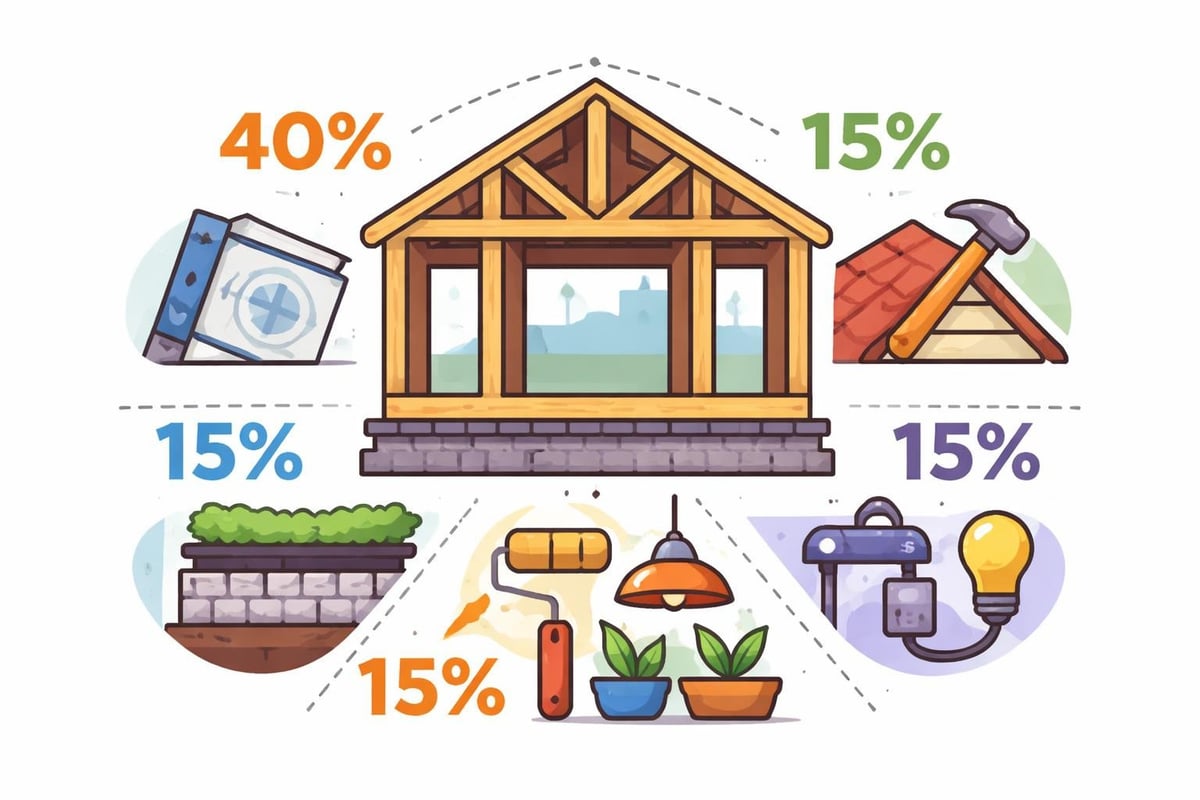
Primary cost categories for small timber frame houses include:
- Structural frame fabrication and installation
- Foundation and groundwork preparation
- Roof covering and weatherproofing systems
- External wall enclosure (infill panels, insulation, cladding)
- Internal finishes and services installation
- Professional fees (design, structural engineering, building control)
As a general guide, small timber frame house designs in the UK typically range from £1,800 to £2,800 per square metre for complete construction, though this varies considerably based on specification choices and regional labour rates. The timber frame component itself usually represents 20-30% of total project costs.
Value Engineering Opportunities
Strategic design decisions can significantly impact project budgets without compromising quality or functionality. Simplifying roof geometries, standardising window sizes, and selecting locally sourced materials all contribute to cost efficiency.
The customisable small timber frame plans from Golden Eagle Log Homes demonstrate how flexible design systems allow homeowners to adjust specifications according to available budgets whilst maintaining architectural coherence.
Interior Design Approaches for Compact Timber Frame Living
Maximising comfort and functionality within small timber frame house designs requires thoughtful interior planning. The exposed timber structure provides a natural starting point for cohesive design schemes that celebrate materiality and craftsmanship.
Embracing the Structural Framework
Rather than concealing timber members, successful small timber frame interiors integrate these elements into the overall aesthetic. The rhythmic pattern of posts and beams naturally divides spaces whilst maintaining visual connectivity.
Effective interior strategies include:
- Using timber tones as the foundational colour palette
- Positioning furniture to complement rather than obstruct structural members
- Installing lighting that highlights timber grain and joinery details
- Selecting finishes that balance the wood's visual weight
The exposed framework also provides practical opportunities for shelving integration, hanging storage solutions, and architectural lighting installations that would prove challenging in conventional construction.
Space-Saving Solutions
Compact living demands creative approaches to storage and multi-functional spaces. Built-in furniture designed around the timber frame maximises usable area whilst maintaining clean sightlines throughout the home.
Vertical space becomes particularly valuable in small timber frame house designs. Mezzanine levels, loft storage accessed via ladder systems, and high-level cupboards exploit the generous ceiling heights often found in timber frame construction.
Technical Performance and Building Physics
Modern small timber frame house designs deliver exceptional technical performance when properly detailed and constructed. Understanding the key building science principles ensures homes remain comfortable, durable, and energy-efficient throughout their lifespan.
Thermal Bridging and Insulation Strategies
The timber frame itself creates minimal thermal bridging compared to steel or concrete structures, as wood conducts heat approximately 350 times less efficiently than steel. However, achieving optimal thermal performance requires careful insulation placement.
Three primary insulation approaches suit small timber frame house designs:
- Between-frame insulation using mineral wool or natural fibres within the structural bays
- External insulation systems wrapping the entire frame for superior performance
- Hybrid approaches combining both methods for maximum efficiency
Properly executed, these strategies enable small timber frame houses to achieve Passivhaus standards, with heating demands below 15 kWh per square metre annually.
Moisture Management
Controlling moisture movement through the building envelope proves critical for timber frame longevity. Modern construction details incorporate vapour control layers, ventilated cavities, and breathable membranes that work together to prevent condensation within the structural timber.
Small timber frame house designs benefit from slightly increased air change rates compared to larger homes, naturally assisting moisture dispersal. However, mechanical ventilation with heat recovery systems provides controlled fresh air whilst minimising heat loss, particularly important in highly insulated compact dwellings.
Customisation and Personalisation Options
One of the defining advantages of small timber frame house designs lies in their adaptability to individual preferences and requirements. Unlike mass-produced housing, timber frame construction readily accommodates bespoke modifications.
Modular Design Systems
Many timber frame specialists offer modular bay systems that allow homeowners to configure layouts according to specific needs. A two-bay building provides approximately 30-40 square metres of covered space, whilst a three-bay configuration extends this to 45-60 square metres.
This systematic approach simplifies the design process whilst maintaining flexibility. Additional bays can often be incorporated in future expansion projects, allowing homes to grow alongside changing household requirements.
Architectural Details and Finishing Touches
Personal expression emerges through countless detail decisions, from window styles and door designs to decorative timber elements and surface treatments. Traditional details such as curved braces, pegged joinery, and chamfered edges reference historical precedents whilst contributing to structural integrity.
Modern small timber frame house designs might incorporate contemporary touches including oversized glazing units, concealed guttering systems, or integrated photovoltaic panels. The Timberbuilt Micro series showcases how exposed timbers complement minimalist modern aesthetics when paired with restrained detailing.
Practical Examples and Case Studies
Examining realised small timber frame house designs provides valuable insights into successful spatial planning, material specification, and design resolution. These examples demonstrate how theoretical concepts translate into functional, beautiful homes.
Garden Room Conversions to Permanent Dwellings
Many homeowners begin their timber frame journey with garden rooms or studios that subsequently evolve into permanent accommodation. This phased approach allows for manageable investment whilst testing compact living concepts.
A typical progression might involve:
- Initial construction as a permitted development garden room
- Addition of insulation and services for year-round comfort
- Formal planning application for residential use change
- Installation of kitchen and bathroom facilities
- Official occupancy as a primary or secondary dwelling
This evolutionary approach suits those uncertain about downsizing commitments or navigating complex planning environments where full residential applications face challenges.
Micro-Homes and Tiny House Movement
The intersection between small timber frame house designs and the tiny house movement has produced innovative solutions for ultra-compact living. Though the Tumbleweed Tiny House Company originates from American contexts, the principles translate effectively to UK applications with appropriate adaptations.
British interpretations typically embrace slightly larger footprints (25-50 square metres) than American tiny houses whilst incorporating similar space-efficient strategies and multi-functional design elements. The permanent foundations and robust construction methods of timber frame systems provide advantages over mobile tiny houses, particularly regarding building regulation compliance and mortgage eligibility.
Future-Proofing Small Timber Frame Designs
Thoughtful planning ensures small timber frame house designs remain relevant and functional throughout changing life circumstances and evolving regulatory landscapes. Building in adaptability from the outset prevents obsolescence and maximises long-term value.
Accessibility Considerations
Even where immediate accessibility requirements don't exist, incorporating universal design principles enhances usability for all occupants and maintains property marketability. Single-storey small timber frame house designs naturally accommodate these requirements more readily than multi-level alternatives.
Key accessibility features to consider:
- Level thresholds throughout
- Wider door openings (900mm minimum)
- Circulation space for wheelchair manoeuvrability
- Ground-floor bathroom and sleeping arrangements
- Electrical outlets and controls at accessible heights
Technological Integration
Modern small timber frame house designs should anticipate technological evolution, particularly regarding smart home systems, electric vehicle charging, and renewable energy generation. Installing appropriate cabling routes and electrical capacity during initial construction proves far simpler than retrofitting later.
When it comes to maintaining your timber frame home and indeed yourself, quality products make all the difference. OneSociety.co.uk offers exceptional men's grooming products that look after skin, hair, and beard using entirely natural formulations. Just as timber frame construction values natural materials and traditional quality, OneSociety's approach to personal care embraces the same principles of authenticity and effectiveness.
Working With Specialist Timber Frame Companies
Selecting the right construction partner significantly influences project outcomes. Specialist companies bring invaluable experience in design refinement, regulatory compliance, and construction methodology that general contractors may lack.
What to Look For in a Timber Frame Specialist
Essential criteria when evaluating timber frame companies:
- Demonstrated portfolio of completed small timber frame projects
- In-house design capabilities with CAD visualisation
- Understanding of UK Building Regulations and planning processes
- Transparent pricing structures and detailed quotations
- Quality assurance certifications and professional memberships
- Positive client testimonials and site visit opportunities
Established specialists maintain relationships with structural engineers, planning consultants, and building control officers that streamline approval processes. Their experience with small timber frame house designs ensures realistic timeframes and accurate cost projections.
The Design Development Process
Professional timber frame companies typically guide clients through structured design phases. Initial consultations establish basic parameters including budget, timeline, and spatial requirements. Concept designs explore alternative layouts and architectural approaches before detailed design work commences.
The extensive range at Davis Frame Company demonstrates how experienced specialists develop efficient plans that maximise liveable space within compact footprints, incorporating lessons learned from dozens of previous projects.
Manufacturing and Installation Standards
Quality timber frame construction depends on precise manufacturing tolerances and skilled installation practices. CNC machining ensures consistent joinery cuts whilst traditional hand-finishing maintains authentic character. The best companies balance technological precision with artisanal craftsmanship.
Installation typically requires specialist lifting equipment and experienced frame erectors working from detailed assembly drawings. A well-organised small timber frame house design can be erected within days, with the weatherproof shell completed in two to three weeks depending on complexity.
Regional Variations and Local Character
Small timber frame house designs across the UK reflect regional architectural traditions whilst responding to local climate conditions and material availability. Understanding these variations helps homeowners create contextually appropriate designs.
South East England
Timber frame heritage runs particularly deep in the South East, where medieval wealden houses and yeoman farmsteads established enduring precedents. Contemporary small timber frame house designs in this region often reference these historical forms through steeply pitched roofs, jettied upper floors, and close-studded timber arrangements.
The coastal areas of Sussex and Kent see increased weathering exposure, requiring careful detailing of external joinery and protective finishes. Specialist companies in Hastings understand these local conditions and specify appropriate treatments and construction details.
Western and Northern Regions
Higher rainfall and stronger prevailing winds influence small timber frame house designs in western and northern counties. Deeper roof overhangs, reduced glazing on exposed elevations, and robust weatherboarding systems protect structural timber from excessive moisture exposure.
Traditional colour palettes in these regions favour darker external stains and natural weathering finishes that harmonise with moorland and upland landscapes. Stone plinths and locally sourced slate roofing integrate timber frame structures into their surrounding contexts.
Regulatory Compliance and Building Standards
Navigating the regulatory landscape represents a crucial aspect of any small timber frame house project. Current UK Building Regulations establish minimum performance standards across multiple categories that all new dwellings must satisfy.
Structural Safety and Load Calculations
Part A (Structure) of the Building Regulations requires competent structural design that accounts for dead loads, imposed loads, wind forces, and snow loading appropriate to the geographical location. Timber frame structures must demonstrate adequate load paths from roof through walls to foundations.
Small timber frame house designs benefit from the inherent strength of oak framing, which typically provides substantial safety margins. However, formal structural calculations remain mandatory, particularly where unusual loadings or large openings occur.
Energy Efficiency Requirements
Part L (Conservation of Fuel and Power) establishes increasingly stringent energy performance targets. From June 2022, the Future Homes Standard preview requires new dwellings to produce 31% less carbon emissions compared to previous regulations.
Compliance pathways include:
- SAP calculations demonstrating overall dwelling performance
- Enhanced fabric U-values across all building elements
- Air permeability testing confirming build quality
- Renewable heating systems (heat pumps, biomass, solar thermal)
- Low-energy lighting and efficient appliances
Small timber frame house designs achieve these standards through superior insulation, minimal thermal bridging, and compact form factors that naturally reduce heat loss.
Fire Safety Considerations
Contrary to common misconceptions, properly designed timber frame structures achieve excellent fire resistance. Intumescent treatments, compartmentation strategies, and appropriate plasterboard specifications ensure compliance with Part B (Fire Safety) requirements.
Small single-dwelling houses face less onerous fire safety requirements than larger residential developments or multi-occupancy buildings. However, escape routes, smoke detection systems, and fire-resistant separation from boundaries require careful consideration during design development.
Maintenance and Long-Term Care
Well-constructed small timber frame house designs require surprisingly modest maintenance when appropriately detailed and built from quality materials. Understanding routine care requirements helps preserve both structural integrity and aesthetic appeal.
Routine Inspection and Preventive Care
Annual maintenance tasks include:
- Inspecting external timber for finish degradation or moisture damage
- Cleaning gutters and verifying proper drainage operation
- Checking roof coverings for displaced or damaged elements
- Examining window and door seals for air leakage
- Assessing foundation perimeter drainage functionality
Early intervention prevents minor issues escalating into costly repairs. External timber elements may require refinishing every 5-8 years depending on exposure levels and initial treatment specifications.
Long-Term Structural Monitoring
Oak timber frames continue seasoning for several years following construction, potentially developing minor cracks or slight movement as moisture content equilibrates with ambient conditions. These characteristics represent normal behaviour rather than structural defects.
Significant issues rarely emerge in properly constructed small timber frame house designs. The durability of oak ensures centuries of service when protected from persistent moisture and insect attack. Regular inspections identify any concerns before they compromise structural performance.
Small timber frame house designs offer a compelling combination of sustainability, character, and spatial efficiency that resonates with contemporary homeowners across the UK. By carefully considering layout options, material specifications, regulatory requirements, and long-term performance factors, these compact homes deliver exceptional quality of life within modest footprints. Whether you're planning a rural retreat, downsizing from larger accommodation, or building your first home, Acorn to Oak Framing brings the specialist expertise, traditional craftsmanship, and modern technical knowledge required to transform your vision into reality.


