
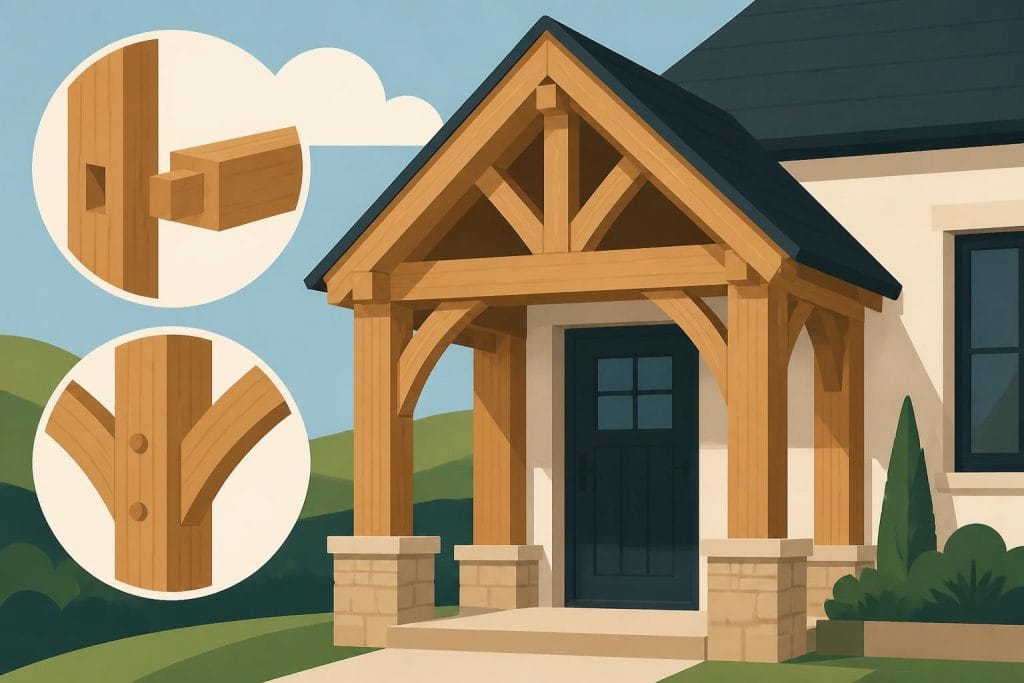
Wooden porches represent one of the most enduring and elegant architectural features in British homes, offering both functional shelter and aesthetic appeal. Whether you're considering adding a timber porch to your property or maintaining an existing structure, understanding the intricacies of design, construction, and long-term care ensures your investment remains beautiful and structurally sound for decades. The resurgence of traditional timber framing techniques combined with modern engineering standards has elevated wooden porches from simple entrance coverings to sophisticated architectural statements that enhance property value whilst respecting heritage design principles.
Understanding Timber Selection for Porch Construction
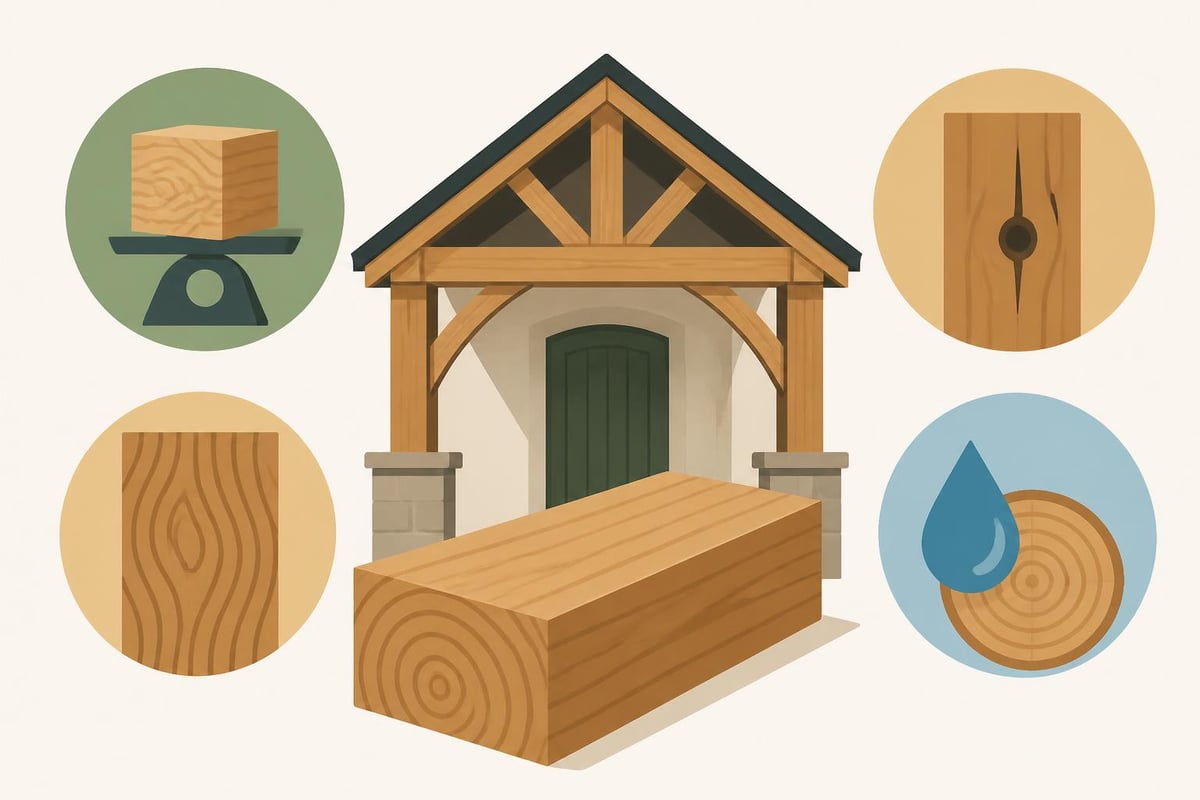
The foundation of any exceptional wooden porch begins with selecting appropriate timber species. Oak remains the premier choice for structural timber framing due to its exceptional durability, natural resistance to decay, and beautiful aesthetic qualities that improve with age. When sourcing timber for your porch project, sustainability credentials matter significantly in 2026, with responsibly harvested materials becoming both an environmental imperative and a selling point for discerning homeowners.
Native vs Imported Timber Options
British-grown oak offers distinct advantages for porch construction, particularly regarding its acclimatisation to local weather patterns. The timber has already adapted to UK moisture levels, reducing movement and warping compared to imported alternatives. European oak presents a viable alternative, though transport considerations impact environmental credentials.
Key considerations when selecting timber:
- Natural durability rating and resistance to fungal decay
- Moisture content at installation (typically 18-22% for external oak)
- Grain pattern and structural integrity
- Sustainability certifications and sourcing transparency
- Compatibility with traditional joinery methods
Softwoods such as pine or larch offer budget-friendly alternatives, though they require more rigorous maintenance schedules and protective treatments. For projects incorporating timber frame buildings, consistency in timber selection across all structural elements ensures cohesive weathering and maintenance requirements.
Designing Wooden Porches for British Architecture
Successful porch design balances architectural harmony with practical functionality. Traditional British architecture encompasses diverse styles from Tudor and Georgian to Victorian and contemporary, each presenting unique considerations for porch integration. The design process begins by assessing your property's existing character, entrance orientation, and intended usage patterns.
Architectural Styles and Proportions
A well-proportioned porch typically extends 1.2 to 2.4 metres from the building face, though larger structures approaching gazebos in scale can create impressive entrance features. Width measurements should accommodate comfortable movement whilst maintaining visual balance with the facade.
| Porch Style | Typical Dimensions | Best Suited For |
|---|---|---|
| Cottage-style canopy | 1.2m x 1.5m | Small terraced properties |
| Traditional enclosed | 2.0m x 2.5m | Georgian and Victorian homes |
| Open timber frame | 2.5m x 3.0m | Rural and period properties |
| Contemporary minimal | 1.5m x 2.0m | Modern developments |
Construction guidelines emphasise the importance of adhering to building codes and structural requirements when planning your project. Planning permission requirements vary based on porch size, proximity to boundaries, and conservation area restrictions, making early consultation with local authorities essential.
Structural Elements and Joinery Techniques
The structural integrity of wooden porches relies upon time-tested joinery methods that distribute loads effectively whilst creating aesthetically pleasing connections. Traditional timber framing employs mortise and tenon joints, oak pegs, and carefully engineered bracing systems that have proven their worth over centuries.
Frame Components and Their Functions
Principal posts carry vertical loads from the roof structure, typically measuring 150mm x 150mm for standard residential porches. These connect to horizontal beams through mortise joints, with depths calculated according to anticipated loads and span distances. Diagonal bracing elements, often featuring decorative curved profiles, provide lateral stability whilst adding visual interest.
Essential structural components include:
- Foundation pads or brick piers supporting vertical posts
- Sole plates distributing loads across foundations
- Principal posts forming the vertical structure
- Wall plates connecting to the existing building
- Tie beams and purlins supporting roof members
- Rafters or trusses forming the roof structure
- Decorative bracing for stability and aesthetics
The connection between new porch structures and existing buildings requires particular attention. Wall plates must be securely fixed to load-bearing masonry, with appropriate damp-proof coursing preventing moisture migration between old and new timber elements.
Modern engineering standards now inform traditional construction methods, with structural calculations ensuring wooden porches meet current building regulations whilst maintaining authentic appearance. This synthesis of old and new approaches characterises contemporary timber frame construction across various applications.
Roofing Solutions and Weather Protection
The roof structure represents the porch's primary defence against British weather, making material selection and installation critical to long-term performance. Traditional options including clay tiles, natural slate, and oak shingles each offer distinct advantages, though compatibility with existing property roofing ensures visual coherence.
Roof Pitch and Drainage Considerations
Minimum pitch requirements typically start at 30 degrees for tiled roofs, increasing to 45 degrees or steeper for natural materials requiring rapid water shedding. Shallow pitches suit contemporary designs but demand modern waterproofing membranes and more frequent maintenance schedules.
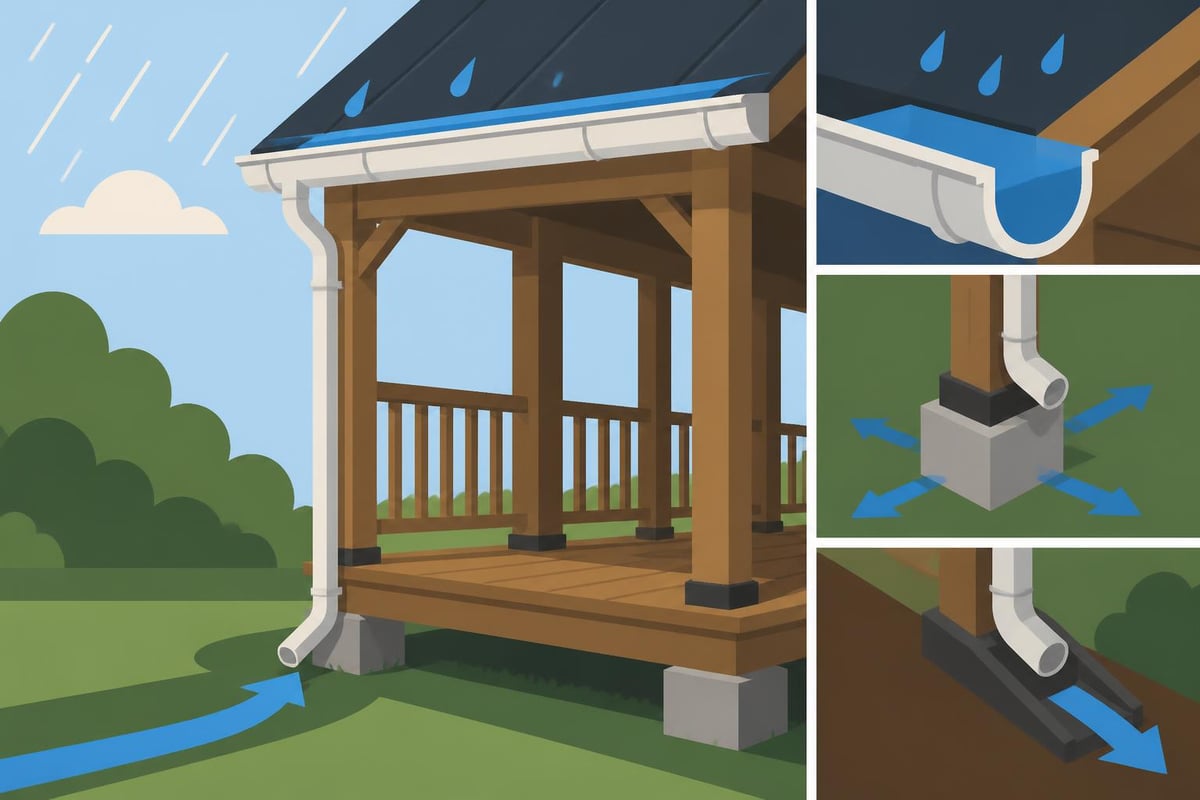
Effective drainage systems prevent water accumulation that accelerates timber deterioration. Guttering sized appropriately for roof area channels water away from structural elements, with downpipes discharging to suitable drainage systems rather than saturating foundations. For those interested in how traditional timber structures manage environmental challenges, insulating timber frame walls provides insights into moisture management principles applicable to porch construction.
Maintenance Schedules for Longevity
Preserving wooden porches requires commitment to regular maintenance routines that address the specific challenges of exposed timber structures. Seasonal inspection protocols identify emerging issues before they develop into costly repairs, with spring and autumn representing optimal intervention periods.
Annual Inspection Checklist
Systematic examinations focus on areas most vulnerable to weather damage and structural movement. Joint integrity, timber surface condition, and protective finish effectiveness all require assessment, with detailed records tracking changes over time.
Spring maintenance priorities:
- Remove accumulated debris from joints and crevices
- Inspect gutters and drainage systems for blockages
- Check timber surfaces for splitting or surface checking
- Assess protective coating condition and plan refinishing
- Verify structural connections remain tight and secure
The spring home maintenance checklist offers comprehensive guidance applicable to broader property care beyond porch-specific requirements.
Autumn preparations protect wooden porches through winter months when moisture levels peak. This includes clearing leaf litter, ensuring drainage systems function optimally, and addressing any coating failures identified during summer inspections.
Cleaning and Surface Preparation Techniques
Maintaining attractive appearance whilst preserving timber integrity requires appropriate cleaning methods. Gentle approaches prevent damage to wood fibres and protective coatings, with pressure washers generally avoided in favour of soft brushing and mild detergent solutions. Understanding how to effectively clean your wood porch ensures you employ methods that enhance rather than compromise structural longevity.
Regular sweeping removes abrasive particles that wear protective finishes through foot traffic. Weekly maintenance during autumn months prevents organic matter accumulation in corners and joints where moisture retention accelerates decay. For detailed guidance on establishing effective routines, maintaining a wooden porch provides step-by-step protocols applicable to various porch configurations.
Mould and Mildew Management
British climate conditions create ideal environments for biological growth on timber surfaces, particularly in shaded areas with limited air circulation. Early intervention prevents surface staining from penetrating deep into wood grain, where removal becomes significantly more challenging.
| Treatment Approach | Effectiveness | Environmental Impact | Application Frequency |
|---|---|---|---|
| Diluted bleach solution | High | Moderate | As needed |
| Specialist biocide treatments | Very high | Low (modern formulations) | Annually |
| Oxygen-based cleaners | Moderate | Very low | Quarterly |
| Preventative fungicides | High | Low | During refinishing |
When selecting cleaning products, compatibility with existing protective coatings matters significantly. Some treatments strip oils or waxes, necessitating complete refinishing rather than simple maintenance cleaning.
Whilst caring for your wooden porch's exterior, don't neglect personal grooming routines. OneSociety.co.uk offers men's grooming products that look after skin, hair, and beards with all-natural formulations, bringing the same attention to quality and natural materials that characterises fine timber craftsmanship.
Protective Treatments and Finishing Options
Unprotected oak naturally weathers to an attractive silver-grey patina, though this process involves surface degradation that some homeowners prefer to prevent. Protective treatments range from penetrating oils maintaining natural appearance to opaque paints offering maximum weather resistance and colour customisation.
Oil vs Film-Forming Finishes
Penetrating oils soak into timber fibres, providing weather resistance whilst allowing the wood to breathe and respond naturally to moisture fluctuations. These finishes require more frequent reapplication but simplify maintenance through localised touch-ups rather than complete stripping and refinishing.
Film-forming finishes including varnishes, stains, and paints create surface barriers that shed water effectively but may trap moisture if compromised through cracking or peeling. Modern microporous formulations address this limitation by permitting vapour transmission whilst blocking liquid water ingress.
Maintenance intervals for various finishes:
- Clear oils: 12-18 months in exposed locations
- Pigmented oils: 18-24 months with UV protection
- Exterior varnishes: 2-3 years depending on orientation
- Microporous stains: 3-5 years for quality products
- External paints: 5-7 years with proper preparation
South-facing aspects receive maximum UV exposure, accelerating finish degradation regardless of product selection. Adjusting maintenance schedules according to specific exposure conditions ensures protective systems remain effective throughout their service life.
Addressing Common Structural Issues
Despite quality construction and diligent maintenance, wooden porches occasionally develop issues requiring remedial intervention. Early identification and appropriate repairs prevent minor problems escalating into structural concerns compromising safety and necessitating extensive reconstruction.
Joint Movement and Seasonal Changes
Timber's hygroscopic nature causes dimensional changes responding to atmospheric moisture levels. Well-designed joints accommodate this movement through traditional techniques proven effective over centuries, though modern materials sometimes introduce incompatibilities requiring specialist knowledge to resolve.
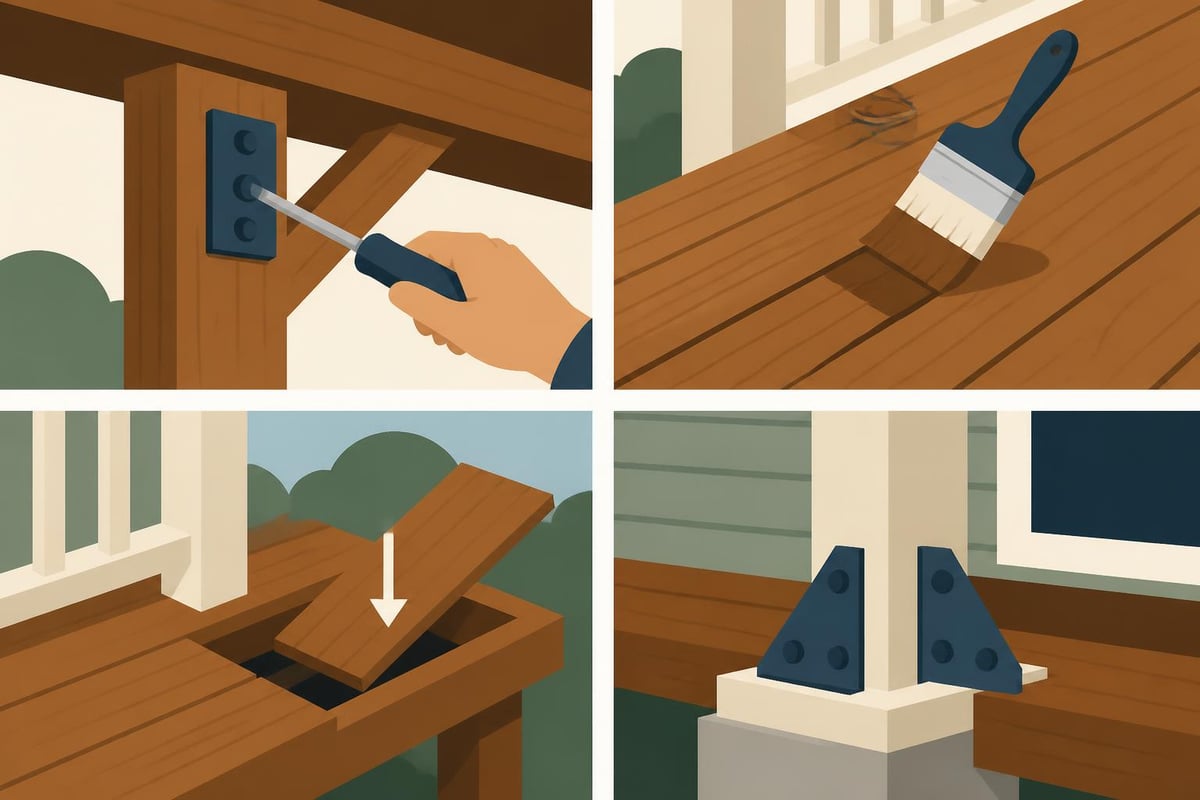
Oak pegs securing mortise and tenon joints typically require re-tightening after initial settlement, usually within the first 12-24 months following construction. This normal adjustment doesn't indicate poor workmanship but rather reflects natural timber behaviour as it equilibrates with environmental conditions.
Splits developing along grain lines rarely compromise structural integrity, instead representing surface checking as timber surfaces dry more rapidly than interior sections. Monitoring ensures such checking remains superficial, with protective treatments slowing progression and preventing moisture ingress that could expand surface cracks into deeper splits.
Seasonal Considerations and Weather Protection
British weather patterns subject wooden porches to dramatic seasonal variations, from summer heat and UV exposure through to winter cold and persistent dampness. Tailoring maintenance approaches to seasonal challenges optimises protective efforts whilst minimising labour investment.
Summer months prioritise UV protection through appropriate finishing schedules, with early season application allowing coatings to cure before autumn moisture arrives. This timing proves particularly important for oil-based products requiring dry conditions for proper absorption and polymerisation.
Winter protection focuses on moisture management and preventing water accumulation in vulnerable areas. Timber frame porch maintenance emphasises seasonal upkeep aligned with weather patterns, offering guidance applicable to British conditions despite North American origin.
Storm Damage Prevention
Securing loose elements before predicted severe weather prevents damage from wind-borne debris and structural overloading. Temporary props supporting vulnerable sections during exceptional conditions demonstrate prudent stewardship, particularly for historic structures where replacement materials may prove difficult to source.
Regular inspections following storms identify damage requiring immediate attention versus cosmetic issues addressable during routine maintenance windows. Photographic records documenting pre-existing conditions simplify insurance claims whilst providing valuable references for restoration work matching original construction.
Integration with Garden and Landscape Design
Wooden porches function as transitional spaces connecting interior comfort with exterior garden areas, creating opportunities for integrating landscape design elements that enhance both aesthetic appeal and practical functionality. Thoughtful planning ensures these structures complement rather than dominate surrounding environments.
Climbing plants trained on dedicated support structures add vertical interest whilst providing natural shading during summer months. Species selection should consider maintenance requirements and compatibility with timber substrates, with annual pruning preventing excessive moisture retention against structural elements and ensuring adequate air circulation.
Hard landscaping surrounding porch foundations requires careful detailing to prevent moisture splash-back whilst ensuring adequate drainage. Gravel borders, permeable paving, and planted beds each offer distinct advantages, with selection driven by architectural style, maintenance preferences, and existing garden character.
For properties featuring multiple timber structures, visual coherence across timber frame buildings creates harmonious compositions elevating overall site presentation. Consistent finishing approaches, compatible detailing, and complementary proportions unify separate elements into cohesive architectural statements.
Upgrading and Modernising Existing Structures
Historic wooden porches occasionally require modernisation balancing heritage preservation with contemporary performance expectations. Sympathetic upgrades incorporate modern materials and technologies whilst respecting original design intent and construction methods.
Thermal performance improvements through roof insulation, draught-proofing, and glazing upgrades transform open porches into practical entrance lobbies extending usable floor area. Such modifications require careful detailing preserving character whilst meeting building regulation requirements for altered structures.
Lighting integration enhances functionality and security, with low-voltage LED systems offering energy efficiency and minimal heat generation protecting timber elements from thermal stress. Concealed wiring maintains clean aesthetics, though surface-mounted period-appropriate fixtures suit traditional designs where visible installation complements architectural character.
Understanding how to care for your porch provides foundational knowledge supporting upgrade projects, ensuring interventions enhance rather than compromise existing structures.
Cost Considerations and Investment Value
Wooden porches represent significant investments requiring careful financial planning encompassing initial construction costs, ongoing maintenance expenditure, and potential property value enhancement. Transparent budgeting prevents mid-project surprises whilst ensuring sufficient resources for quality materials and skilled craftsmanship.
Construction Budget Components
Professional design fees typically consume 10-15% of overall project costs, though this investment proves invaluable for complex installations requiring structural calculations, planning applications, and building regulation approval. Material costs vary dramatically based on timber species, section sizes, and finishing specifications, with oak commanding premium pricing justified through superior longevity and aesthetic qualities.
Labour represents the largest cost component for traditional timber frame construction, reflecting specialised skills and time-intensive joinery techniques. Competitive tendering amongst experienced contractors ensures fair pricing whilst maintaining quality standards essential for structures designed to last generations.
| Cost Element | Budget Allocation | Considerations |
|---|---|---|
| Design and planning | 10-15% | Professional expertise, statutory approvals |
| Materials | 30-40% | Timber quality, fixings, roofing, finishes |
| Labour | 40-50% | Specialist skills, project duration |
| Contingency | 10% | Unforeseen complications, specification changes |
Long-term maintenance costs require factoring into whole-life assessments, with higher initial investments in quality materials and protective treatments reducing ongoing expenditure whilst minimising disruption from frequent interventions.
Property value enhancement from well-executed wooden porches extends beyond simple cost recovery, with attractive entrance features significantly influencing buyer perceptions and purchase decisions. Period properties particularly benefit from sympathetic porch additions respecting architectural heritage whilst providing practical modern functionality.
Regulatory Compliance and Planning Requirements
Navigating planning regulations and building control requirements represents essential aspects of porch projects, with compliance ensuring legal construction and avoiding costly retrospective alterations. Requirements vary based on porch size, location, and property designations including conservation areas and listed building status.
Permitted Development Rights
Many porch projects qualify as permitted development, avoiding formal planning applications provided specific criteria are met. Ground floor area limitations (typically three square metres), height restrictions, and distance requirements from boundaries define permitted development parameters, though local variations necessitate verification with planning authorities.
Building regulation approval remains mandatory regardless of planning permission status, ensuring structural adequacy, fire safety compliance, and appropriate weather resistance. Submit detailed drawings and specifications demonstrating compliance before commencing construction, with inspections at key stages verifying work matches approved documentation.
Listed buildings and properties within conservation areas face additional restrictions protecting architectural and historical significance. Enhanced scrutiny applies to materials, design details, and construction methods, with planning authorities favouring traditional approaches over modern alternatives where heritage preservation forms the primary concern.
Wooden porches combine practical functionality with timeless aesthetic appeal, creating welcoming entrance features that enhance properties whilst providing lasting value through generations when properly designed, constructed, and maintained. Whether you're planning a new addition or caring for an existing structure, partnering with experienced specialists ensures your project achieves the quality and durability these significant investments deserve. Acorn to Oak Framing brings traditional craftsmanship and modern expertise to timber frame projects throughout the UK, creating bespoke wooden porches that complement your property's character whilst meeting contemporary performance standards.


