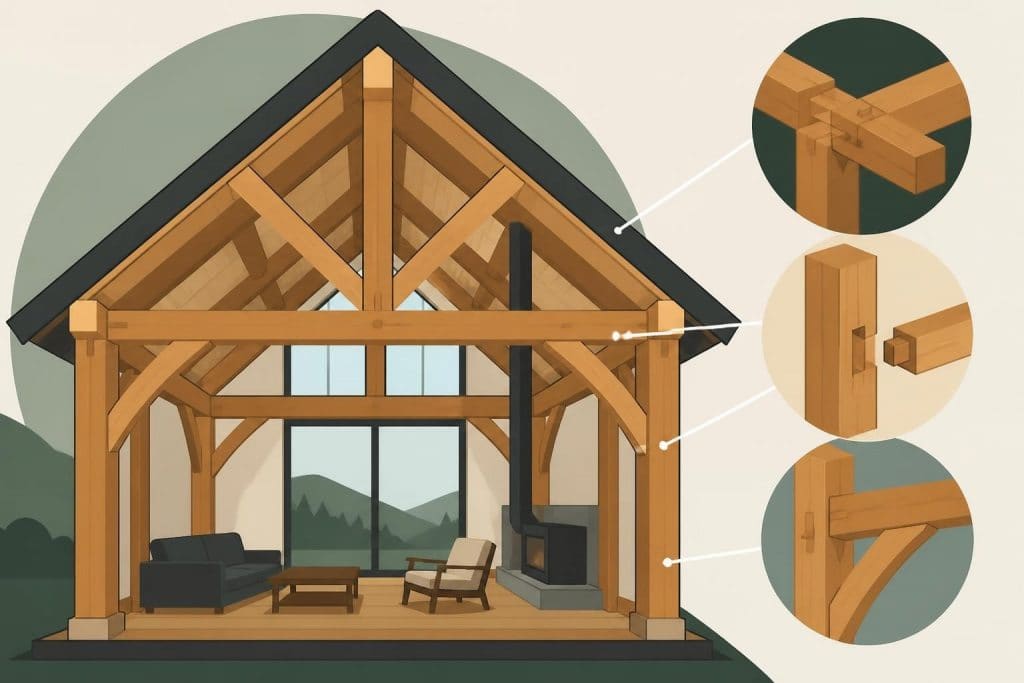
The allure of a timberframe cabin extends far beyond simple aesthetics. These remarkable structures combine centuries-old construction techniques with contemporary design sensibilities, creating homes and retreats that offer warmth, character, and exceptional durability. Whether you're considering a countryside retreat, a permanent residence, or an additional structure on your property, understanding the nuances of timber frame construction will empower you to make informed decisions throughout your building journey. This comprehensive guide explores the essential aspects of planning, designing, and constructing a timberframe cabin that meets your specific requirements whilst adhering to UK building standards.
Understanding Timberframe Cabin Construction Methods
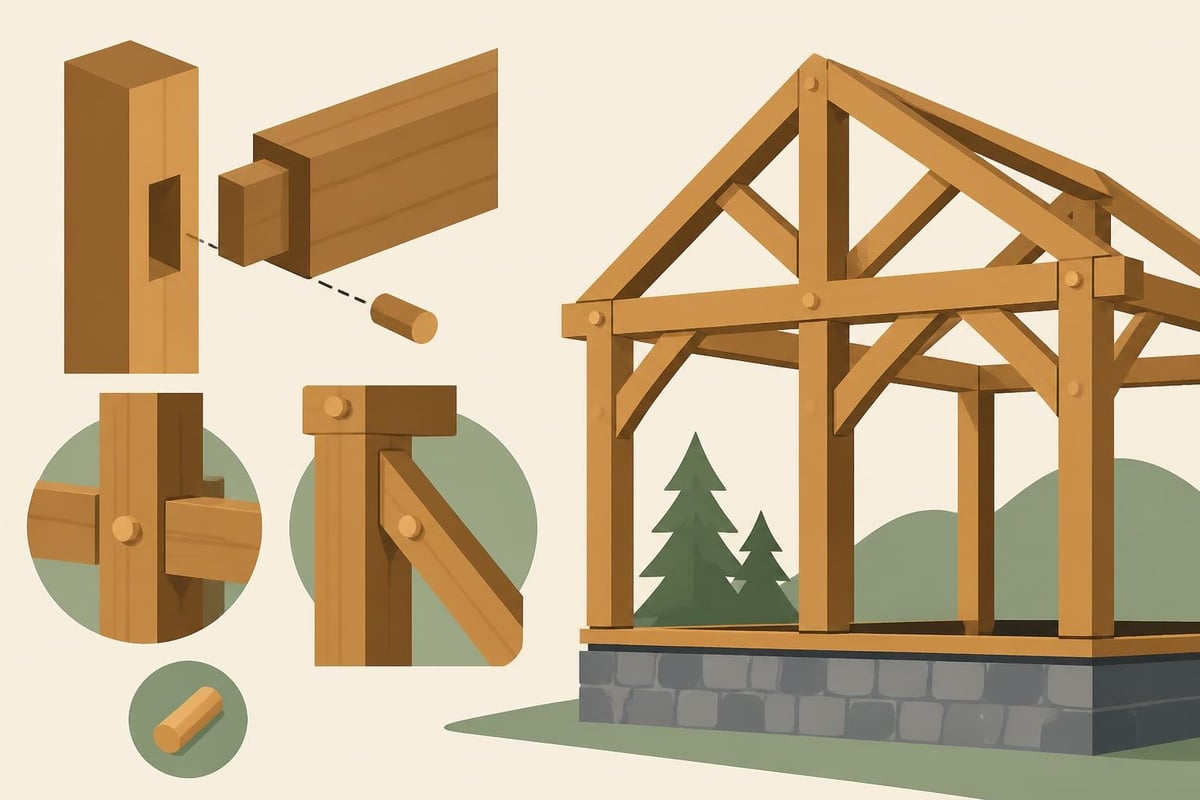
A timberframe cabin differs fundamentally from conventional stick-built structures through its post-and-beam framework, where heavy timber members create the primary structural skeleton. This method, perfected over centuries, utilises mortise and tenon joinery alongside traditional pegged connections to create buildings of remarkable strength and longevity.
The construction process for timber frame buildings involves carefully selected hardwood timbers, typically oak, which form the vertical posts and horizontal beams. These elements work together to transfer loads efficiently whilst creating the distinctive exposed timber aesthetic that characterises these buildings.
Traditional Versus Modern Approaches
Traditional timber framing employs hand-cut joints, individually crafted braces, and time-honoured assembly techniques. Craftsmen select each timber for its specific role, considering grain patterns, natural curves, and structural requirements. This approach produces unique buildings where no two frames are identical.
Modern timber frame methods incorporate precision machinery, engineered timber products, and contemporary fastening systems. Whilst these techniques can reduce construction time, they often sacrifice some of the character inherent in traditional craftsmanship.
Hybrid approaches combine both methodologies, utilising traditional joinery for visible elements whilst incorporating modern techniques for concealed structural components. This balanced approach offers aesthetic appeal alongside construction efficiency.
| Construction Method | Time Required | Character Level | Cost Implications |
|---|---|---|---|
| Traditional Hand-Cut | 8-12 weeks | Exceptional | Premium pricing |
| Modern Precision | 4-6 weeks | Good | Mid-range |
| Hybrid Approach | 6-8 weeks | Excellent | Variable |
Design Considerations for Your Timberframe Cabin
Planning your timberframe cabin requires careful consideration of multiple factors, from site conditions to intended usage patterns. The different types of cabins available each offer distinct advantages depending on your specific requirements and preferences.
Size and Layout Planning
Your cabin's footprint directly influences both construction costs and planning approval processes. Single-bay structures (approximately 3-4 metres width) provide intimate spaces perfect for garden offices or guest accommodation. Two-bay buildings extend this to 6-8 metres, creating comfortable living areas with distinct zones for different activities.
Popular timberframe cabin configurations include:
- Open-plan single spaces maximising natural light
- Split-level designs incorporating sleeping lofts
- Multi-bay layouts with defined rooms and circulation spaces
- Wraparound verandas extending usable outdoor areas
- Cathedral ceilings showcasing structural timber elements
The orientation of your cabin significantly impacts energy efficiency and daily comfort. South-facing glazing maximises passive solar gain during winter months, whilst carefully positioned windows create cross-ventilation for summer cooling. Understanding timber frame design principles helps optimise these environmental considerations.
Roof Design and Structural Elements
The roof profile defines your cabin's character whilst serving critical weatherproofing functions. Traditional pitched roofs with exposed rafters create classic cabin aesthetics, whilst contemporary designs might incorporate flat or mono-pitched roofs for modern appeal.
Structural bracing, such as curved oak braces, provides lateral stability whilst adding decorative interest. These elements transform purely functional components into architectural features that celebrate the craft of timber framing.
Material Selection and Sourcing
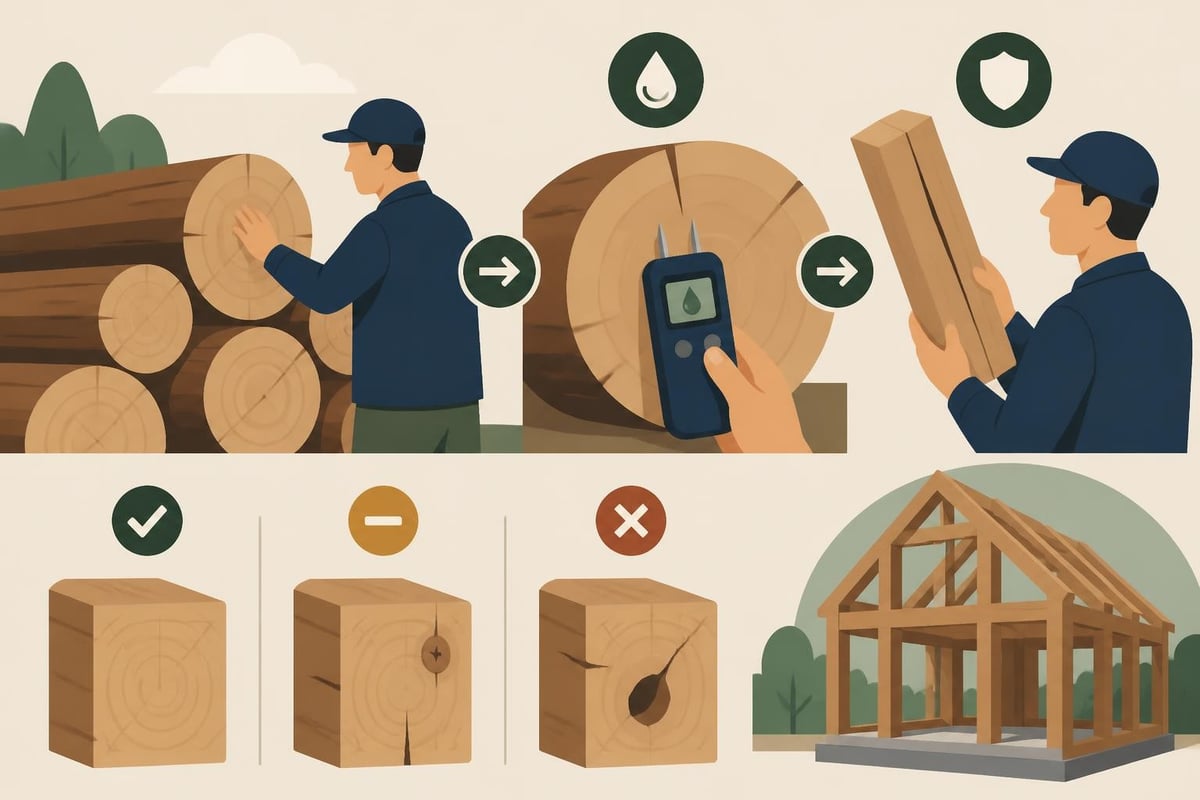
Choosing appropriate timber species fundamentally affects your cabin's performance and longevity. Oak remains the premier choice for timberframe construction due to its exceptional strength-to-weight ratio, natural durability, and resistance to decay. Understanding timber types used in construction enables informed decisions about material specifications.
Timber Quality and Seasoning
Green oak contains higher moisture content and will shrink as it seasons within the assembled frame. This traditional approach creates tight joints as the timber dries, though it requires accommodation for movement during the first few years.
Air-dried oak has been seasoned for 18-24 months, reducing moisture content to approximately 20-25%. This middle ground offers improved dimensional stability whilst retaining workability for traditional joinery.
Kiln-dried timber provides maximum stability with moisture content below 15%, though this process can be energy-intensive and may reduce the timber's natural character. This option suits projects requiring minimal movement after installation.
When examining pros and cons of timber frame construction, material selection emerges as a critical factor influencing long-term satisfaction with your completed cabin.
Planning Permission and Building Regulations
Navigating the regulatory landscape requires early engagement with local planning authorities. Whilst some smaller timberframe cabin structures may qualify as permitted development, many projects require formal planning consent, particularly in conservation areas, Areas of Outstanding Natural Beauty, or Green Belt locations.
Regulatory Requirements
Building Regulations approval remains mandatory for most habitable structures, regardless of planning permission status. These regulations address:
- Structural integrity and load-bearing capacity
- Fire safety measures and escape routes
- Thermal performance meeting current U-value standards
- Moisture control and weatherproofing details
- Accessibility provisions where applicable
- Electrical safety installations and certifications
Professional architectural services can streamline the approval process, ensuring your timberframe cabin design complies with all applicable regulations whilst maintaining your desired aesthetic vision.
Construction Costs and Budget Planning
Establishing realistic cost expectations prevents disappointment and enables effective project planning. Timberframe cabin costs vary significantly based on size, specification, and finishing standards.
| Cost Component | Budget Range (per m²) | Percentage of Total |
|---|---|---|
| Timber Frame Supply | £200-350 | 15-25% |
| Foundation Works | £100-180 | 10-15% |
| Roofing and Cladding | £150-280 | 15-20% |
| Windows and Doors | £120-220 | 10-15% |
| Internal Finishes | £180-320 | 20-25% |
| Services (M&E) | £140-240 | 15-20% |
Basic specifications (40m² cabin) might commence around £45,000-60,000 for a weathertight shell requiring owner completion of internal works. Mid-range specifications with standard finishes typically range from £80,000-120,000, whilst premium builds incorporating bespoke elements, high-specification glazing, and superior finishes can exceed £150,000-200,000.
Value engineering opportunities exist throughout the specification process. Opting for standard rather than bespoke timber profiles, selecting cost-effective cladding materials, and managing the project yourself rather than employing a main contractor all contribute to budget control.
The Build Process and Timeline
Understanding the construction sequence helps manage expectations and coordinate trades effectively. A typical timberframe cabin build follows this progression:
Foundation and Groundworks
Site preparation establishes level platforms and manages drainage. Foundation types vary from simple pad stones for smaller structures to full concrete ring beams for larger cabins. Damp-proof courses and insulation layers protect timber sole plates from ground moisture.
Frame Erection
The dramatic transformation occurs during frame raising, when the timber skeleton takes shape. Experienced framers can erect a modest cabin frame within one to three days, though complex designs require additional time. Traditional timber structures showcase the craft skills involved in this critical phase.
Weatherproofing and Enclosure
Once the frame stands, roofing works commence immediately to protect timbers from prolonged moisture exposure. Structural insulated panels, conventional insulation between studs, or external insulation systems each offer different performance characteristics and cost implications.
External cladding completes the weather envelope. Popular choices include:
- Horizontal timber boarding creating classic cabin aesthetics
- Vertical board-and-batten emphasising cabin height
- Render on insulated panels for contemporary appearances
- Natural stone or brick combining materials for visual interest
Energy Efficiency and Sustainability
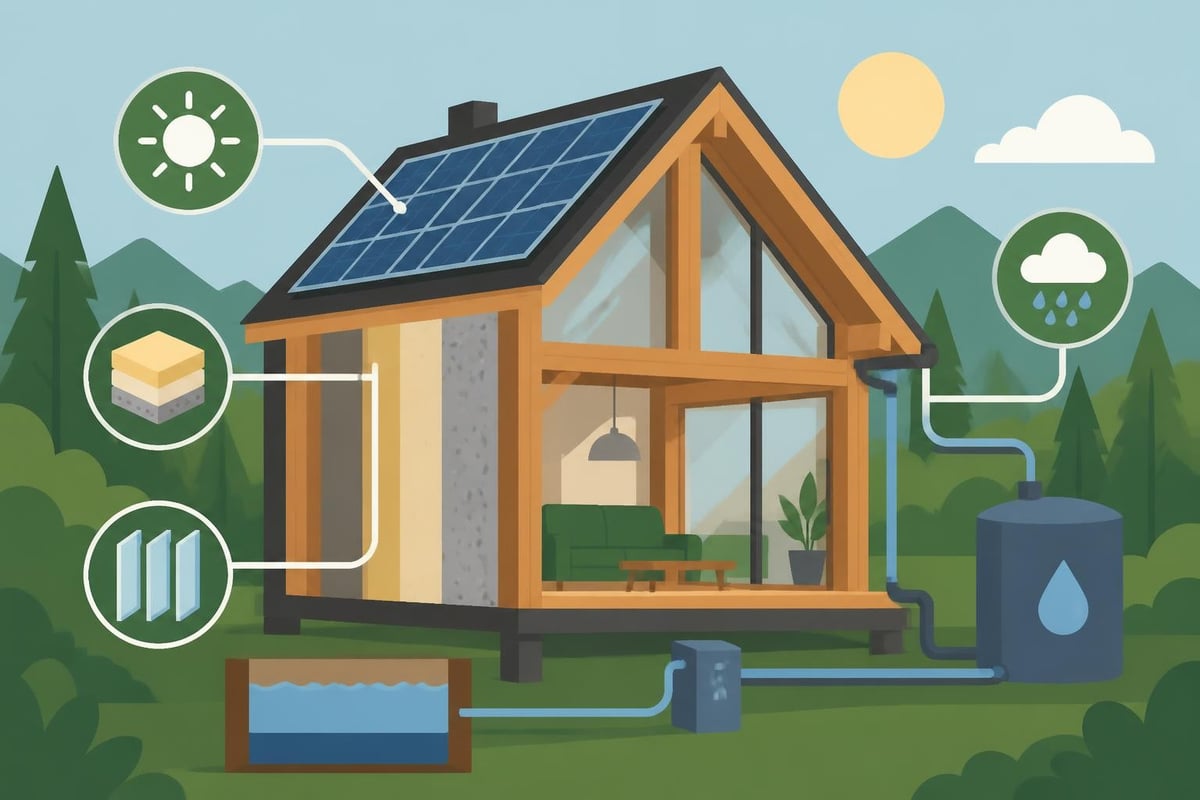
Modern timberframe cabin construction achieves excellent thermal performance through careful detailing and appropriate insulation strategies. The timber frame itself provides minimal thermal bridging compared to steel or concrete alternatives, whilst natural materials regulate internal humidity levels passively.
Incorporating sustainability extends beyond material selection to encompass whole-life considerations. Sustainably sourced timber, locally quarried stone, and sheep's wool insulation all reduce environmental impact. When examining timber frame construction methods, sustainability credentials increasingly influence material specifications.
Energy-saving features worth considering include:
- Triple-glazed windows reducing heat loss
- Mechanical ventilation with heat recovery
- Solar thermal panels for hot water
- Photovoltaic arrays for electricity generation
- Rainwater harvesting systems reducing mains consumption
The inherent thermal mass of exposed timber elements moderates internal temperatures, absorbing heat during the day and releasing it gradually overnight. This passive regulation reduces heating demands whilst creating comfortable living environments.
Interior Design and Space Optimisation
The exposed timber framework creates natural focal points around which interior schemes develop. Celebrating these structural elements rather than concealing them distinguishes timber frame interiors from conventional buildings.
Maximising Limited Floor Areas
Smaller cabins benefit from multifunctional spaces and clever storage solutions. Built-in furniture, sleeping lofts, and folding elements all contribute to spatial efficiency. High ceilings create volume and light, preventing smaller footprints from feeling cramped.
Strategic glazing placement frames views whilst admitting natural light. Full-height windows between structural posts maximise transparency, connecting interior spaces with surrounding landscapes. Clerestory windows introduce overhead light deep into floor plans.
Understanding wooden construction principles informs interior planning decisions, ensuring services integration doesn't compromise structural elements or visual appeal.
Maintenance and Longevity
Well-constructed timberframe cabins require minimal maintenance whilst delivering exceptional longevity. Oak frames regularly survive several centuries when protected from persistent moisture, with many medieval timber buildings still serving useful purposes across Britain.
Essential maintenance activities include:
- Annual inspections of external cladding and weatherproofing
- Gutter cleaning preventing water overflow
- Treatment or replacement of damaged cladding sections
- Monitoring timber moisture levels in vulnerable areas
- Redecorating external woodwork every 3-5 years
- Servicing mechanical systems according to manufacturer schedules
Internal timber elements develop rich patinas over time, darkening gradually and acquiring character. This natural ageing process enhances rather than diminishes aesthetic appeal, with many owners considering it amongst their cabin's most attractive features.
Bespoke Elements and Personalisation
One significant advantage of timberframe cabin construction involves customisation potential. Unlike factory-produced modular buildings, traditionally crafted frames accommodate individual preferences and unique site conditions. Bespoke timber frame buildings reflect personal style whilst responding to specific functional requirements.
Custom joinery, hand-carved details, and unique timber configurations transform standard cabins into distinctive statements. Whether incorporating family crests, meaningful dates, or symbolic elements, personalisation creates emotional connections strengthening ownership satisfaction.
Working with experienced craftsmen ensures these custom elements integrate seamlessly with structural requirements whilst maintaining the overall design integrity your timberframe cabin deserves.
Lifestyle Benefits and Property Value
Beyond construction technicalities, timberframe cabins enhance lifestyle quality through their connection with natural materials, craftsmanship traditions, and sustainable building practices. The psychological benefits of living amongst natural timber, breathing its subtle aromatics, and experiencing its tactile warmth contribute significantly to wellbeing.
Property value implications vary by location and specification, though quality timber frame structures typically command premium valuations. Their distinctive character, superior build quality, and energy efficiency appeal to discerning buyers, often achieving quicker sales than comparable conventional properties.
The growing appreciation for rustic American timber frame aesthetics demonstrates how traditional construction methods resonate with contemporary buyers seeking authenticity and permanence in their homes.
For those seeking a different kind of craftsmanship and attention to natural products, onesociety.co.uk offers men's grooming essentials that share the same philosophy of quality and authenticity. Their all-natural products for skin, hair, and beard care demonstrate how traditional approaches to quality and natural materials extend beyond timber construction into everyday personal care, creating connections between the spaces we inhabit and how we care for ourselves.
Future-Proofing Your Investment
Designing your timberframe cabin with future flexibility ensures long-term utility. Considering potential usage changes, family growth, or accessibility requirements during initial planning prevents costly modifications later. Structural frames readily accommodate internal layout changes since walls carry no loads, offering adaptability conventional construction cannot match.
Incorporating generous service routes enables technology upgrades without invasive works. Oversized conduits, accessible cable trays, and planned penetration points accommodate future installations seamlessly, protecting your investment against obsolescence whilst maintaining the building's architectural integrity throughout its extended lifespan.
Creating a timberframe cabin represents a significant investment in quality, sustainability, and enduring craftsmanship that rewards owners for generations. Whether you envision a compact retreat or substantial year-round residence, understanding the construction methods, design possibilities, and practical considerations ensures your project achieves its full potential. Acorn to Oak Framing combines traditional timber framing expertise with contemporary building standards, delivering bespoke structures throughout the UK that transform clients' visions into beautifully crafted reality. Contact our team to discuss how we can help create your perfect timberframe cabin, from initial concept through to completed building.


