
When constructing durable timber frame structures in the UK, understanding the role of treated lumber becomes essential for longevity and structural integrity. Pressure treated framing lumber offers protection against moisture, decay, and insect damage whilst maintaining the structural properties required for load-bearing applications. For timber frame specialists and property owners alike, selecting appropriate materials ensures buildings withstand British weather conditions whilst complying with current building regulations. This comprehensive guide explores the treatment processes, applications, and considerations relevant to timber frame construction projects across the country.
Understanding Pressure Treatment Technology
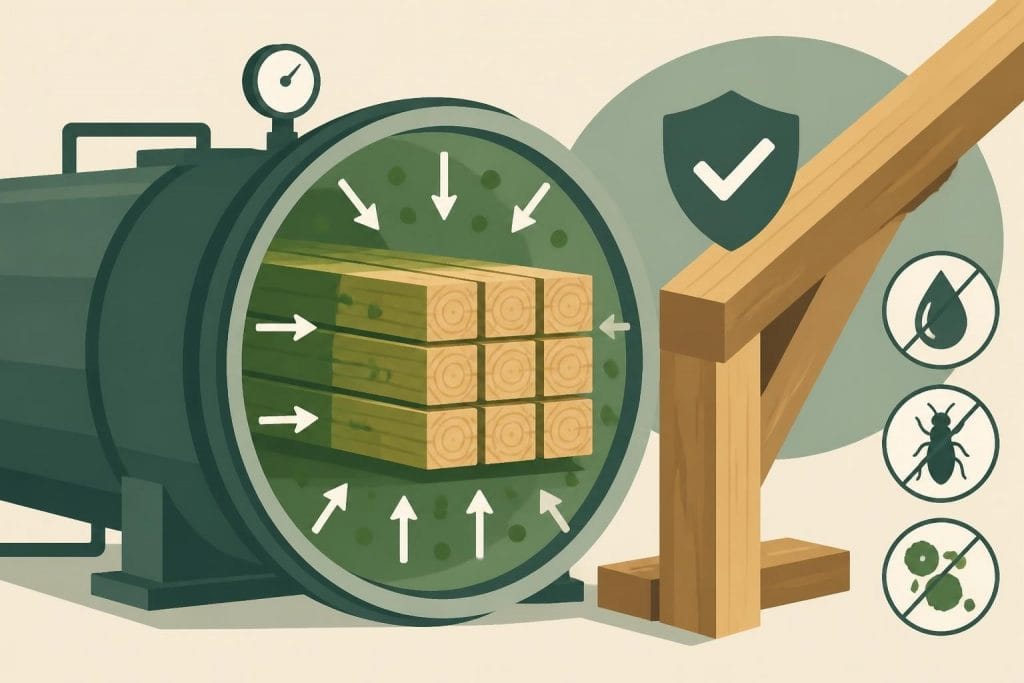
The pressure treatment process involves impregnating timber with chemical preservatives under high pressure, forcing the protective compounds deep into the wood fibres. This differs significantly from surface applications, creating a barrier that penetrates throughout the lumber's cellular structure.
Modern treatment facilities place lumber inside large cylindrical vessels where vacuum pressure removes air from the wood cells. Preservatives used in pressure-treated lumber typically include copper-based compounds that protect against fungal decay and insect attack. The pressure forces these chemicals into the timber, ensuring protection extends well beyond surface layers.
Treatment Levels and Classifications
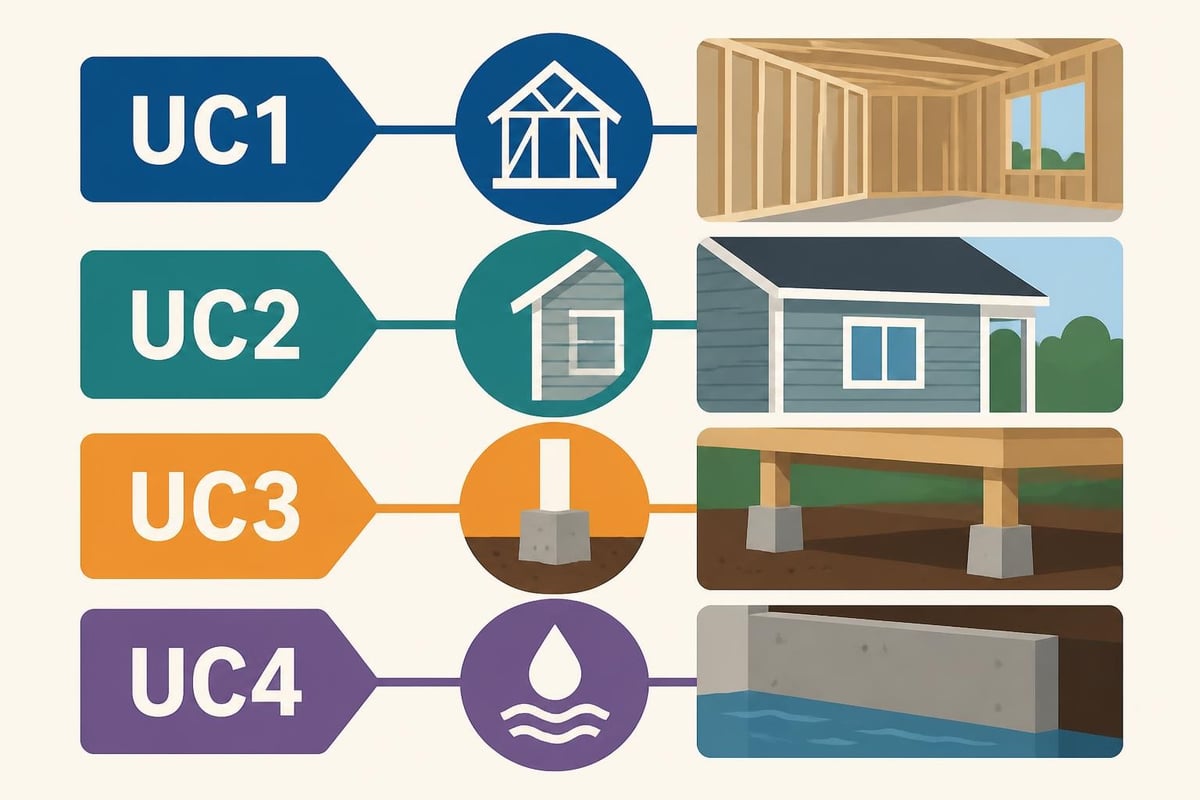
Different exposure conditions require varying degrees of protection:
- UC1: Interior applications with no moisture exposure
- UC2: Interior locations with occasional condensation
- UC3: Exterior above ground, protected from soil contact
- UC4: Ground contact and permanent moisture exposure
Understanding these classifications helps determine appropriate material selection for specific framing applications. For instance, Heritage UC4B pressure-treated deck framing lumber provides enhanced protection suitable for demanding ground-contact situations.
Applications in Timber Frame Construction
Pressure treated framing lumber serves specific roles within timber frame buildings where moisture exposure presents ongoing challenges. Whilst traditional oak framing typically relies on the timber's natural durability, modern construction often incorporates treated softwood for particular applications.
Foundation and Ground Contact Elements
Sill plates, mudsills, and any framing members contacting masonry or concrete benefit significantly from pressure treatment. These connection points represent vulnerable areas where moisture migration from foundations threatens untreated timber.
When building a timber frame house, the interface between masonry foundations and timber superstructure requires careful material selection. Treated lumber at these junctions prevents moisture wicking whilst maintaining structural connection integrity.
| Application | Recommended Treatment | Typical Dimensions | Moisture Exposure |
|---|---|---|---|
| Sill plates | UC4 | 100mm × 150mm | High – ground contact |
| Wall studs (external) | UC3 | 50mm × 100mm | Moderate – weather exposure |
| Deck joists | UC4 | 50mm × 200mm | High – horizontal surfaces |
| Internal framing | UC1/Untreated | 50mm × 100mm | Low – interior conditions |
External Structure Applications
Balconies, verandas, and external timber frame roof structures face continuous weather exposure. Pressure treated framing lumber provides protection in these environments, particularly where timber remains exposed to driving rain or standing water.
However, aesthetic considerations matter significantly. Treated softwood rarely matches the visual appeal of natural oak, making material selection a balance between protection requirements and architectural intent.
Material Properties and Structural Considerations
Pressure treatment affects lumber properties beyond just preservative content. Understanding these changes ensures appropriate specification for load-bearing applications.
Strength Characteristics
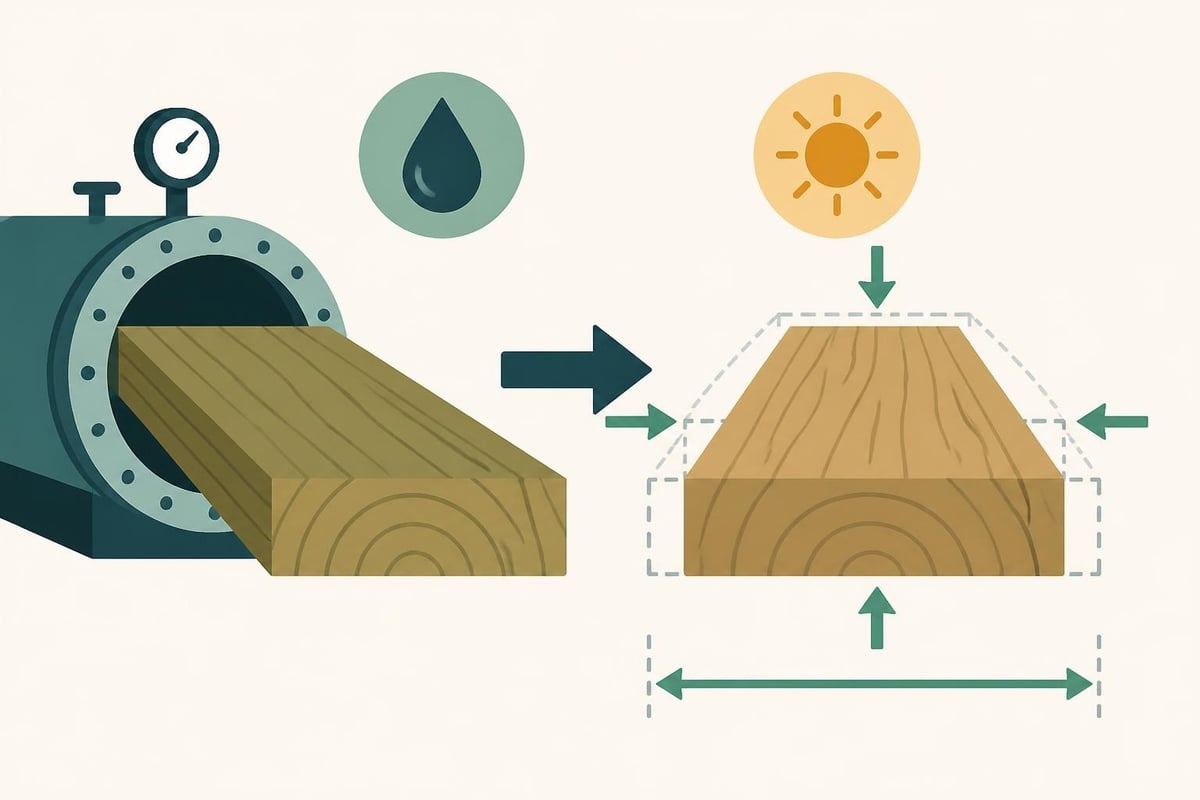
The treatment process itself has minimal impact on structural strength ratings. However, the moisture content during and after treatment requires consideration. Freshly treated lumber typically contains 25-30% moisture content, necessitating proper drying before installation.
Research on how knots affect tensile strength demonstrates that natural timber characteristics impact performance more significantly than treatment processes. Selecting appropriate grades remains essential regardless of preservative application.
Key strength factors include:
- Species selection (typically pine, spruce, or fir for treated lumber)
- Grading standards (C16, C24 for structural applications)
- Moisture content at installation
- Load duration and type
- Connection detailing
Dimensional Stability
Treated lumber undergoes dimensional changes during drying after treatment. This shrinkage affects connection detailing, particularly in timber construction joints where precise fitting matters.
Planning for approximately 3-5% dimensional change across the grain prevents installation complications. Pre-drying treated lumber before machining ensures tighter tolerances and better fit.
Specification Considerations for UK Projects
British building regulations and standards govern pressure treated framing lumber specifications, ensuring materials meet performance requirements for their intended applications.
Regulatory Compliance
Building Control approval requires documentation demonstrating materials meet relevant British Standards. BS 8417:2011 provides guidance on preservative treatment for timber, whilst Eurocode 5 governs structural timber design.
Treatment certificates accompany treated lumber deliveries, confirming preservative type, retention levels, and penetration depth. Maintaining these records proves essential for building warranty purposes and future property transactions.
Environmental and Sustainability Factors
Modern copper-based preservatives represent significant improvements over historical treatments containing chromium and arsenic. Current formulations pose minimal environmental risk when properly specified and installed.
However, sustainably sourced oak timber remains the preferred choice for primary structural elements in quality timber frame construction. Oak's natural durability eliminates treatment requirements whilst providing superior longevity and aesthetic appeal.
Selection Guide for Different Applications
Choosing appropriate dimensions and treatment levels depends on specific project requirements, loading conditions, and exposure risks.
Dimensional Options
Pressure-treated dimensional lumber comes in standard sizes matching conventional framing dimensions:
- 50mm × 100mm (2×4): Light framing, non-load-bearing partitions
- 50mm × 150mm (2×6): External wall studs, moderate loads
- 50mm × 200mm (2×8): Floor joists, Heritage 2×8 treated deck framing
- 50mm × 250mm (2×10): Longer spans, Heritage 2×10 structural applications
- 50mm × 300mm (2×12): Maximum span requirements, heavy loading
Treatment Selection Matrix
| Building Element | Moisture Risk | Treatment Level | Typical Species |
|---|---|---|---|
| Garage sill plates | Very High | UC4 | Pressure-treated pine |
| Porch floor joists | High | UC4 | Treated softwood |
| External wall plates | Moderate | UC3 | Treated pine/spruce |
| Front porch timber frame | Low-Moderate | UC3 or oak | Oak preferred |
| Internal partitions | Very Low | Untreated | Standard softwood |
Installation Best Practices
Proper installation maximises the protective benefits of pressure treated framing lumber whilst ensuring structural performance meets design requirements.
Handling and Storage
Treated lumber requires specific handling protocols. Freshly treated materials continue off-gassing preservative compounds for several weeks after treatment.
Store materials off the ground on level bearers, allowing air circulation around all surfaces. Cover the top surface whilst maintaining side ventilation, preventing rain exposure whilst facilitating moisture release.
Storage recommendations:
- Minimum 150mm clearance above ground level
- Sticker spacing at 400-600mm intervals
- Weather protection without complete enclosure
- Adequate site drainage preventing standing water
Cutting and Fastening
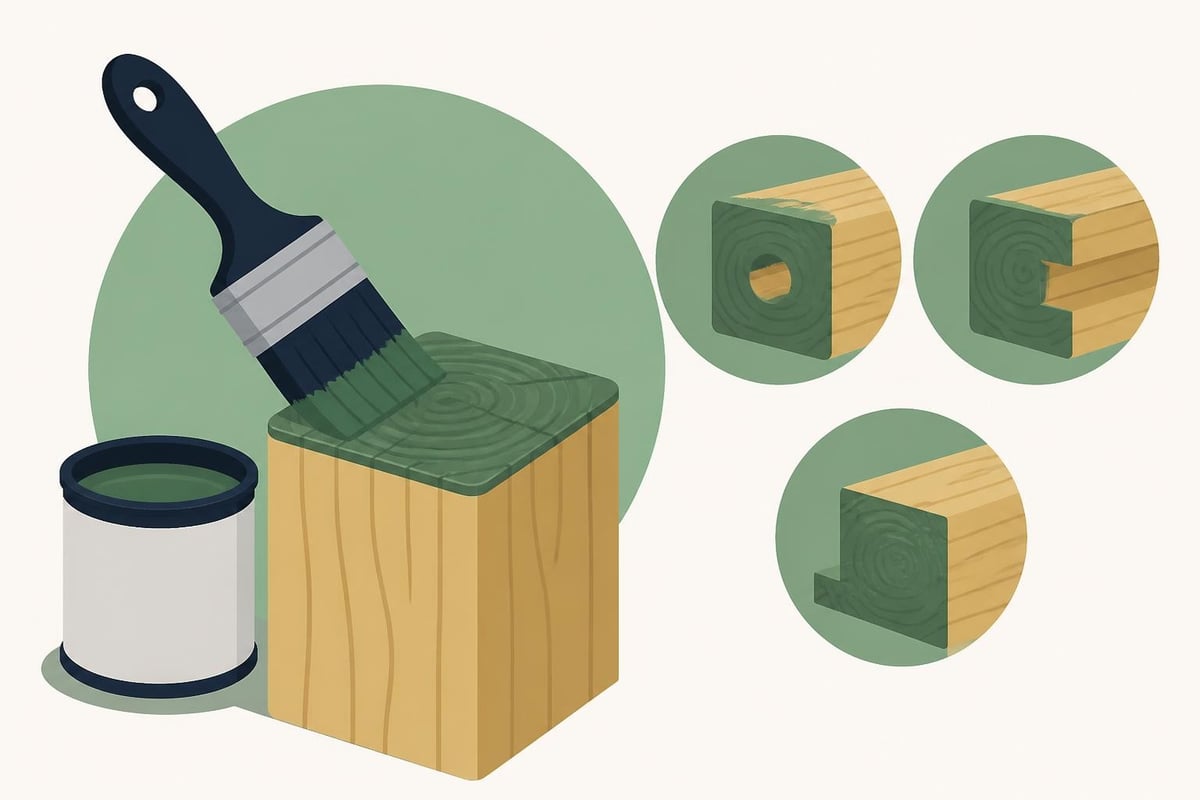
End cuts and drilled holes expose untreated timber surfaces, creating potential entry points for moisture and decay organisms. Field treatment of cut ends restores protection at these vulnerable locations.
Apply end-cut preservative liberally to all freshly cut surfaces, ensuring complete coverage. Modern water-based formulations provide effective protection without excessive toxicity concerns.
Fastener selection matters significantly. Standard steel fixings corrode rapidly when in contact with copper-based preservatives. Hot-dipped galvanised or stainless steel fixings prevent premature failure.
Integration with Traditional Oak Framing
Whilst pressure treated framing lumber serves specific purposes, it complements rather than replaces traditional oak in quality timber frame construction. Understanding appropriate applications for each material optimises both performance and aesthetics.
Hybrid Construction Approaches
Modern timber frame hybrid house designs often combine materials strategically. Oak provides primary structural elements and visible architectural features, whilst treated softwood addresses moisture-vulnerable locations.
This approach delivers cost-effective solutions without compromising visual appeal or structural integrity. Concealed treated members at foundation interfaces protect the structure, whilst exposed oak creates the desired aesthetic character.
Detail Considerations
Interface details between oak and treated softwood require careful planning. Different expansion rates, moisture movement patterns, and fixing requirements necessitate thoughtful connection design.
Moisture barriers at material transitions prevent preservative migration whilst accommodating differential movement. Allowing slight clearances prevents binding as materials respond to seasonal moisture changes.
Maintenance and Longevity Expectations
Pressure treated framing lumber provides extended service life compared to untreated alternatives, though periodic assessment ensures continued performance.
Service Life Projections
Properly specified and installed treated lumber typically achieves 30-50 years service life in UK conditions. Ground contact applications at the lower end of this range, whilst protected above-ground installations extend towards maximum longevity.
Regular inspection identifies potential issues before significant deterioration occurs:
- Check fastener integrity and corrosion
- Assess end-grain protection at field cuts
- Monitor moisture accumulation points
- Verify drainage systems function properly
- Document any visible decay or damage
Replacement Indicators
Despite preservative protection, eventual replacement becomes necessary when structural capacity diminishes or visible deterioration appears. Softening timber, crumbling surfaces, or pronounced checking indicates compromised protection.
Planning replacement cycles for treated components separately from oak structural elements recognises their different service life expectations. Contemporary timber frame houses benefit from modular design approaches facilitating selective component replacement.
Cost Considerations and Value Analysis
Pressure treated framing lumber costs approximately 40-60% more than untreated equivalents, yet provides significantly extended service life in moisture-exposed applications.
Economic Justification
When comparing lifecycle costs rather than initial material prices, treated lumber often presents superior value. Avoiding premature replacement, structural repairs, and associated disruption justifies the modest upfront premium.
| Cost Factor | Untreated Lumber | Treated Lumber | Savings/Benefits |
|---|---|---|---|
| Initial material cost | £8-12/metre | £12-18/metre | Higher upfront |
| Expected service life | 10-15 years | 30-50 years | 200-300% longer |
| Replacement frequency | 2-3 times | Once | Labour savings |
| Maintenance requirements | High | Moderate | Reduced ongoing costs |
Project Budget Allocation
Allocating budget towards treated lumber in appropriate applications whilst reserving resources for quality oak in primary structural and visible elements creates balanced specifications. Timber garage kit projects particularly benefit from this strategic material allocation.
Health and Safety Considerations
Modern pressure treated framing lumber presents minimal health risks when properly handled, though basic precautions remain advisable during cutting, drilling, and installation.
Working Safely with Treated Timber
Dust generation during machining operations requires standard respiratory protection. Treated lumber contains copper compounds that, whilst low toxicity, warrant basic precautions similar to any construction material.
Recommended safety measures:
- Wear dust masks when cutting or sanding
- Use gloves during extended handling
- Wash hands before eating or drinking
- Avoid burning treated timber waste
- Dispose of offcuts through proper channels
Environmental Handling
Current copper-based preservatives pose minimal environmental concern compared to historical chromated copper arsenate treatments. Nevertheless, responsible material handling and waste disposal align with sustainability objectives.
Offcuts and sawdust from treated lumber require disposal as construction waste rather than composting or burning. Most modern preservatives allow landfill disposal without special precautions, though regional regulations may vary.
Future Developments in Treatment Technology
Preservative technology continues evolving, with research focusing on improved performance, reduced environmental impact, and enhanced application methods.
Emerging Treatment Systems
Micronised copper treatments demonstrate improved penetration characteristics whilst maintaining environmental compatibility. These newer formulations achieve deeper preservative distribution with lower chemical loadings.
Bio-based preservatives derived from natural compounds show promise for specific applications. Whilst not yet matching synthetic preservatives for ground-contact durability, they offer alternatives for lower-risk installations.
Industry Trends
Growing emphasis on whole-life carbon accounting influences material selection decisions. Comparing treatment chemicals' environmental burden against extended timber service life reveals complex trade-offs.
Documentation of treatment processes, chemical compositions, and performance data becomes increasingly detailed as building certification schemes demand comprehensive material transparency. This benefits specifiers seeking verified performance characteristics for specific applications.
Understanding pressure treated framing lumber selection, specification, and installation ensures timber frame structures achieve optimal performance in moisture-challenging locations whilst maintaining structural integrity throughout their service life. Whether you're planning a traditional oak structure with strategic treated components or exploring hybrid construction approaches, Acorn to Oak Framing combines deep timber expertise with modern material knowledge to deliver bespoke solutions perfectly suited to your project requirements and UK building regulations.


