
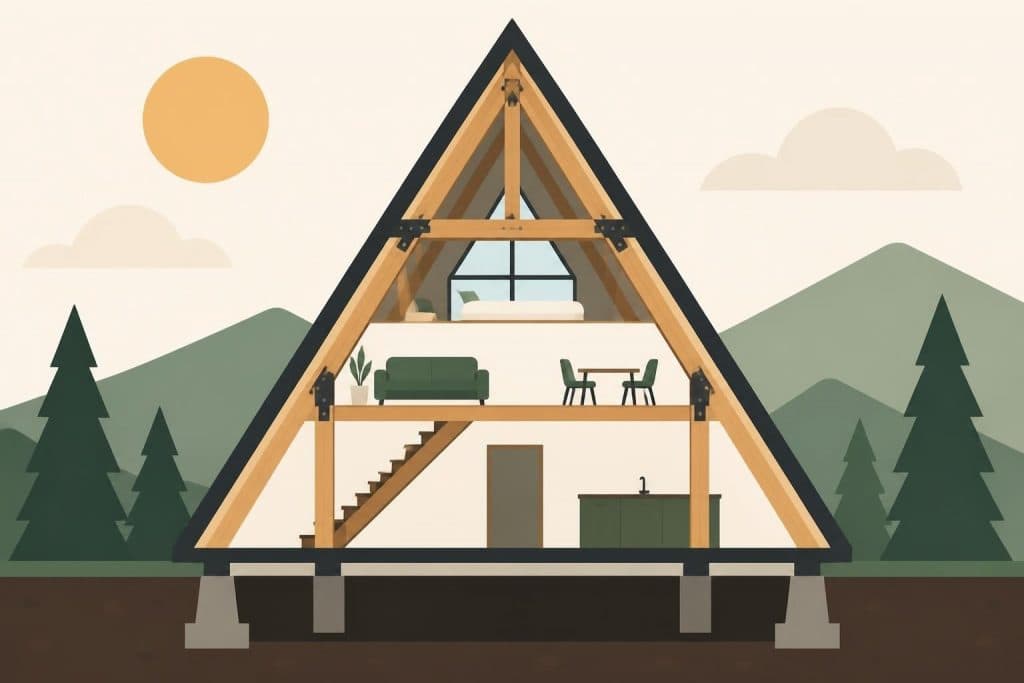
The distinctive triangular silhouette of A-frame architecture has captivated homeowners and builders for decades, offering a unique blend of structural efficiency, aesthetic appeal, and practical functionality. A frame home construction represents a fascinating approach to residential building, where the roof and walls merge into a single structural element, creating dramatic interior spaces whilst minimising material waste. This architectural style, which gained prominence in the mid-20th century, continues to evolve through modern construction techniques and sustainable timber framing methods. Understanding the principles, benefits, and considerations of building these iconic structures is essential for anyone contemplating a distinctive residential project that stands apart from conventional housing designs.
Understanding A Frame Home Construction Fundamentals
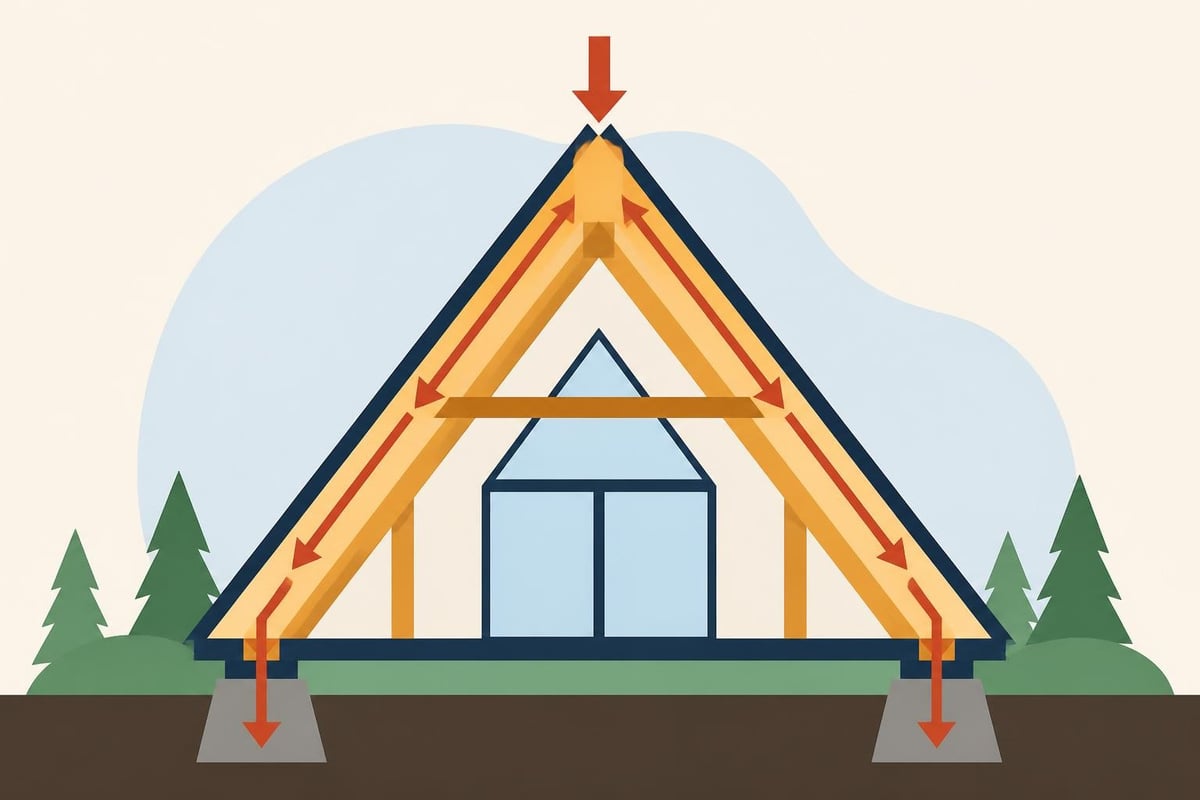
A frame home construction centres on a simple yet ingenious structural concept: two angled beams that meet at the peak, forming a triangle that extends from foundation to roofline. This design eliminates the need for interior load-bearing walls, creating open-plan living spaces with soaring ceilings. The structural integrity derives from the triangular geometry itself, which distributes weight evenly along the sloped sides.
Key structural advantages include:
- Exceptional strength-to-weight ratio due to triangular geometry
- Natural shedding of rain and snow from steep roof pitch
- Reduced external wall surface area lowering heat loss
- Simplified framing process with fewer structural components
The construction methodology differs significantly from traditional timber frame approaches. Where conventional homes separate wall and roof structures, A-frame designs integrate these elements into a unified system. This integration demands precise engineering calculations and careful consideration of timber used in construction to ensure longevity and structural performance.
Modern a frame home construction has evolved beyond holiday cabins to encompass primary residences, garden studios, and commercial applications. The versatility of the design allows for various scales, from compact tiny homes to spacious family dwellings. Each project requires careful planning to maximise the unique spatial characteristics whilst addressing practical considerations such as insulation, ventilation, and natural light penetration.
Timber Selection and Material Specifications
The choice of timber significantly influences both the aesthetic quality and structural performance of a frame home construction. Oak remains the premium choice for many builders due to its exceptional strength, natural durability, and ability to develop a beautiful patina over time. The density and hardness of oak provide superior resistance to weathering and pest damage, making it ideal for exposed structural elements.
| Timber Type | Strength Grade | Moisture Content | Typical Use | Lifespan |
|---|---|---|---|---|
| Green Oak | D30-D40 | 25-35% | Primary frame | 100+ years |
| Seasoned Oak | D30-D50 | 12-18% | Internal beams | 150+ years |
| Douglas Fir | C24 | 15-19% | Secondary framing | 50-80 years |
| Larch | C16-C24 | 15-20% | Cladding/trim | 40-60 years |
The structural frame typically requires timbers of substantial section sizes to span the distances involved in A-frame designs. Ridge beams often measure 200mm x 200mm or larger, whilst principal rafters might range from 150mm x 150mm upwards, depending on building dimensions and load calculations. These specifications must comply with UK Building Regulations and receive approval from structural engineers before construction commences.
Sustainably sourced timber offers environmental benefits alongside structural performance. Selecting materials from certified forests ensures responsible forestry practices whilst supporting long-term woodland management. The carbon sequestration properties of timber make a frame home construction an environmentally conscious choice, particularly when compared to concrete or steel alternatives.
Treating and Protecting Timber Elements
Timber protection strategies vary based on exposure levels and climate conditions. External elements require robust treatment systems, whilst internal components may need minimal intervention. Many specialists now favour natural oil-based treatments that allow timber to breathe whilst providing moisture resistance and UV protection.
The traditional approach of using chemical preservatives has given way to more environmentally friendly alternatives. Boron-based treatments offer effective protection against fungal decay and insect attack without the environmental concerns associated with older preservation methods. For projects seeking maximum sustainability, untreated oak in well-designed, ventilated assemblies can perform excellently when properly detailed.
Design Considerations for Modern A Frame Buildings
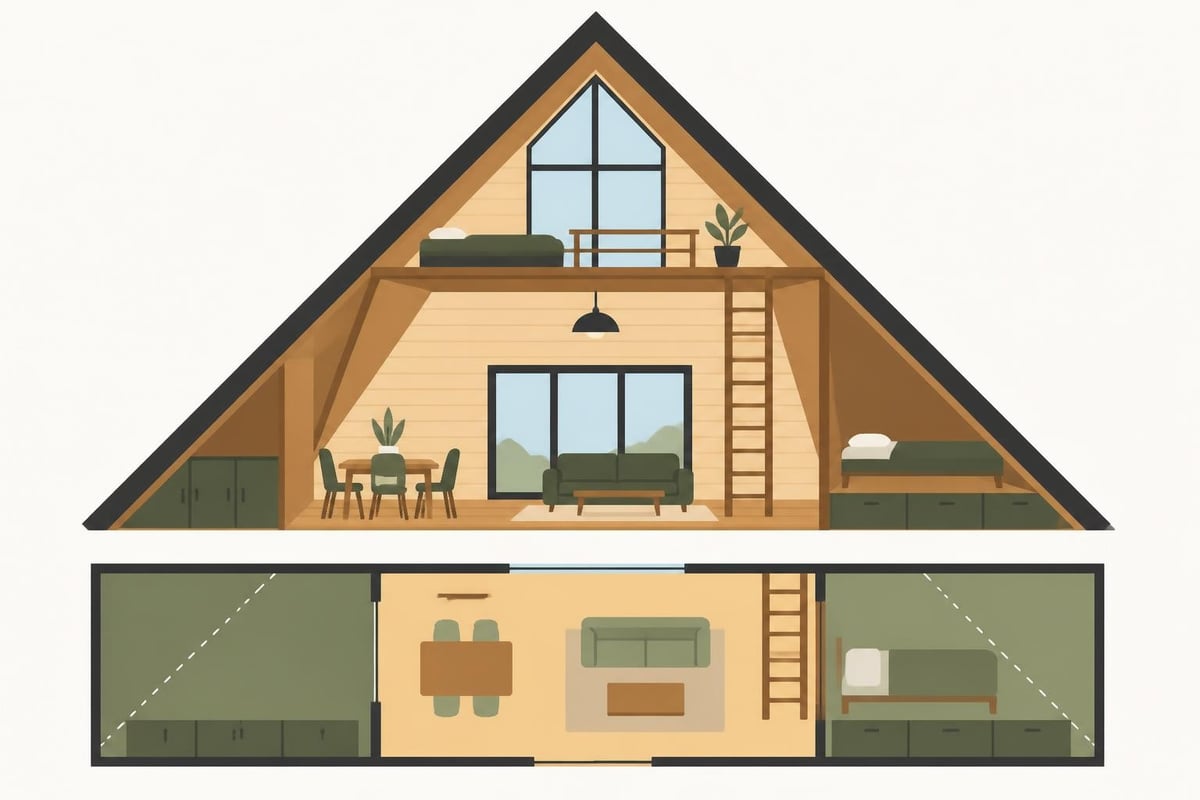
Contemporary a frame home construction balances iconic architectural form with practical living requirements. The steeply pitched roof creates dramatic interior volumes but also presents challenges for space utilisation, particularly in the lower portions where headroom diminishes. Successful designs incorporate loft platforms, mezzanines, and clever storage solutions to maximise functional floor area.
Natural light management requires careful planning in A-frame structures. The triangular end walls offer opportunities for expansive glazing, flooding interiors with daylight whilst framing spectacular views. However, the sloped side walls limit conventional window placement, making strategic skylight positioning essential for balanced illumination throughout the day. The comprehensive guide to A-frame houses explores various approaches to optimising natural light in these distinctive structures.
Design elements requiring special attention:
- Thermal performance across large glazed gable ends
- Acoustic properties of open-plan spaces with hard surfaces
- Moisture management in enclosed roof/wall assemblies
- Accessibility considerations for sloped living areas
- Fire safety provisions in loft spaces and staircases
The relationship between interior and exterior spaces deserves particular focus. Generous decking or terrace areas extending from gable ends create seamless indoor-outdoor transitions, effectively expanding the usable living area during favourable weather. This integration proves especially valuable in smaller A-frame designs where every square metre counts.
Building regulation compliance in the UK demands careful attention to thermal performance, structural calculations, and fire safety provisions. The unusual geometry of a frame home construction can complicate standard approaches to meeting Part L (energy efficiency) requirements, often necessitating bespoke insulation strategies and airtightness detailing.
Construction Methodology and Building Sequence
The construction sequence for a frame home construction follows distinct phases that differ from conventional housing projects. Foundation preparation proves critical, as the concentrated load points at the base of each A-frame require robust footing systems. Concrete pad foundations or reinforced strip footings typically support the substantial vertical and lateral forces generated by the angled frame members.
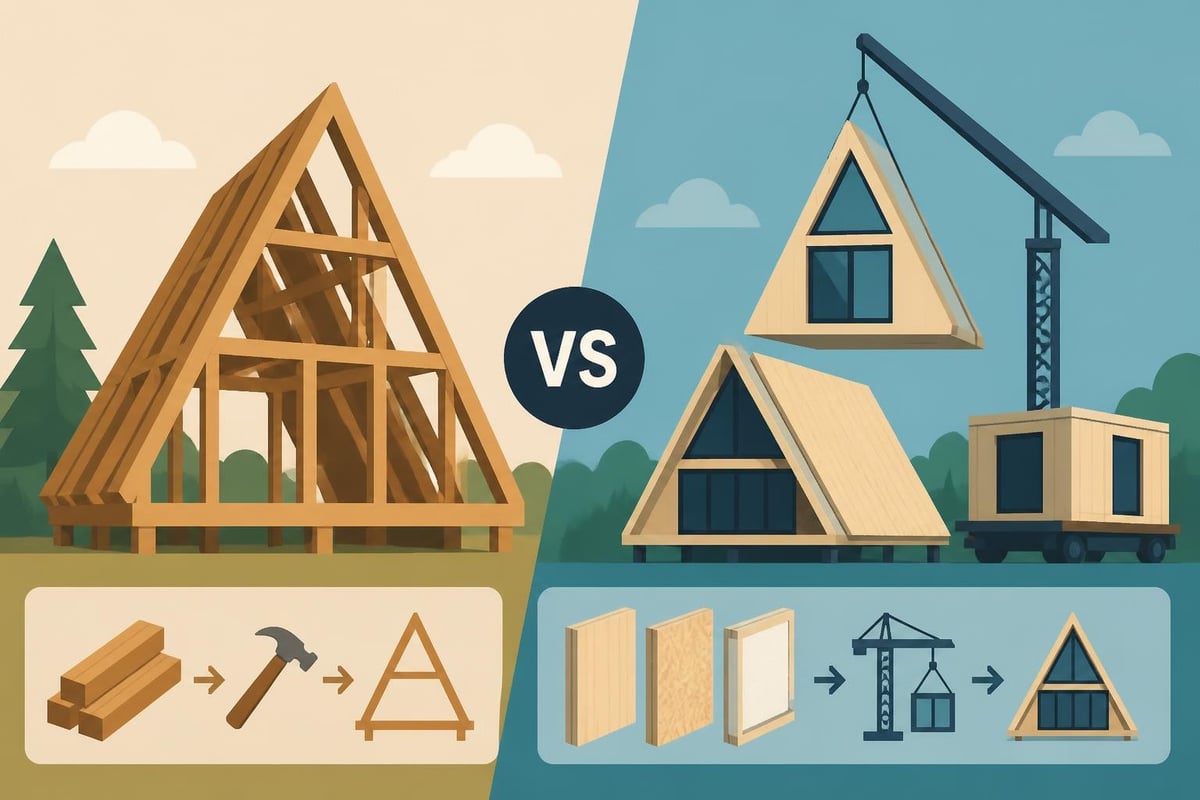
Frame erection represents the most dramatic phase of construction. Many projects employ prefabricated frame sections assembled off-site before transportation and installation. This approach ensures precision joinery, controlled working conditions, and rapid on-site assembly. Traditional methods involve cutting and assembling joints on-site, requiring skilled craftspeople familiar with timber framing techniques and post and beam home design principles.
Step-by-Step Construction Process
- Site preparation and foundation installation following engineered specifications
- Base plate installation with appropriate damp-proof coursing and fixings
- Ridge beam positioning using temporary support structures or cranes
- Principal rafter installation connecting foundation points to ridge beam
- Secondary framing members including purlins, collar ties, and wind bracing
- Weatherproofing envelope with breathable membranes and chosen roofing material
- Insulation installation between structural members or externally applied
- Internal lining and services integration throughout the structure
- External cladding application protecting timber frame from weather exposure
- Glazing installation in gable ends and any side wall openings
The choice of roofing materials for A-frame homes significantly impacts both appearance and performance. Standing seam metal roofing offers durability and complements modern timber frame aesthetics, whilst natural slate provides traditional character. Cedar shingles create organic texture but require more maintenance than alternative materials. Each option presents different installation requirements, weight considerations, and longevity characteristics.
Wind bracing within the frame structure prevents racking and maintains geometric stability throughout the building's lifespan. Diagonal bracing members, either visible as design features or concealed within wall assemblies, transfer lateral loads to foundation points. Engineering calculations determine the size, spacing, and connection details for these critical components.
Insulation Strategies and Thermal Performance
Achieving optimal thermal performance in a frame home construction requires innovative insulation approaches that address the unique challenges of the design. The large roof area forming the primary building envelope demands high-performance insulation systems to prevent heat loss through what constitutes both roof and walls in conventional structures.
| Insulation Method | U-Value Achievement | Installation Complexity | Cost Factor | Typical Application |
|---|---|---|---|---|
| Between-rafter (mineral wool) | 0.18-0.25 W/m²K | Medium | Low-Medium | Retrofit and budget builds |
| External insulation board | 0.13-0.18 W/m²K | High | High | New build premium projects |
| Spray foam (closed cell) | 0.12-0.16 W/m²K | Medium | Medium-High | Air-sealing priority builds |
| Natural fibre (sheep's wool) | 0.18-0.23 W/m²K | Medium | Medium | Sustainable/breathable assemblies |
External insulation systems maintain the visual appeal of exposed timber internally whilst providing continuous insulation without thermal bridging. This approach positions insulation outside the structural frame, wrapped with breathable membranes and protected by rainscreen cladding. The method proves particularly effective for achieving Passivhaus standards or similar high-performance targets.
Ventilation strategy interlinks closely with insulation design. The compact form and open-plan nature of many A-frame interiors can create challenges for natural ventilation systems. Mechanical ventilation with heat recovery (MVHR) systems often provide the most effective solution, maintaining air quality whilst recovering thermal energy from exhaust air.
Whilst discussing construction materials and finishes, it's worth noting that just as OneSociety.co.uk takes care of men's grooming needs with all-natural products for skin, hair, and beard, selecting natural, breathable materials for your A-frame home ensures the building envelope remains healthy and performs optimally over decades of use.
Modern Innovations in A Frame Construction
Recent developments in timber engineering and sustainable building practices have reinvigorated interest in a frame home construction. Cross-laminated timber (CLT) panels now enable rapid construction of prefabricated A-frame modules that arrive on-site substantially complete. These engineered wood products offer dimensional stability, predictable structural performance, and accelerated project timelines compared to traditional solid timber approaches.
The emergence of A-frame modular homes demonstrates how factory fabrication can deliver precision-built structures with reduced on-site labour requirements. Complete wall panels, pre-fitted with insulation, services, and finishes, connect to form weathertight buildings within days rather than weeks. This methodology suits remote sites with limited access or challenging weather conditions that would complicate traditional construction sequences.
Contemporary construction innovations include:
- Structural insulated panels (SIPs) for enhanced thermal performance
- Glulam beams enabling longer spans with smaller member sizes
- Passive solar design maximising winter heat gain through glazed gables
- Rainwater harvesting systems integrated into large roof catchment areas
- Photovoltaic panels following roof pitch for optimal solar generation
Digital design tools enable precise visualisation and structural analysis before construction commences. Building Information Modelling (BIM) software allows designers, engineers, and builders to collaborate on detailed 3D models that identify potential issues before materials are cut or ordered. This technology proves especially valuable for complex joinery details and the integration of services within the unique geometry of A-frame structures.
Planning Permission and Building Regulations
Navigating the UK planning system for a frame home construction requires understanding both national building regulations and local planning policies. The distinctive appearance of A-frame structures may attract particular scrutiny in conservation areas or locations with established architectural character. Early consultation with planning officers helps identify potential concerns and adjust designs accordingly.
Permitted development rights occasionally allow A-frame garden buildings or annexes without full planning permission, subject to size limitations and site constraints. However, primary residential structures invariably require planning consent. The application process benefits from professional drawings, site plans, and design statements that demonstrate how the proposal respects local context whilst delivering contemporary living spaces.
Building Control approval addresses structural integrity, fire safety, energy performance, and accessibility standards. The unconventional geometry of a frame home construction necessitates detailed structural calculations prepared by chartered engineers. These documents prove compliance with loading requirements, demonstrate adequate lateral stability, and confirm that connections meet British Standards for timber engineering.
Energy Performance Certificate (EPC) ratings influence both regulatory compliance and long-term running costs. The compact form and potential for high insulation levels position A-frame designs favourably for achieving strong energy ratings. However, large areas of glazing require careful specification of high-performance windows and doors to avoid excessive heat loss that undermines overall thermal performance.
Maintenance and Longevity Considerations
Proper maintenance ensures that a frame home construction delivers decades of reliable performance whilst retaining aesthetic appeal. External timber elements require periodic inspection and treatment to address weathering, UV degradation, and moisture exposure. The frequency of intervention depends on timber species, initial treatment quality, and local climate conditions.
The steep roof pitch that defines A-frame architecture provides natural advantages for long-term durability. Rainwater and snow shed rapidly, reducing moisture retention that could promote fungal decay or structural degradation. Regular gutter cleaning and drainage maintenance prevent water accumulation at eaves and base plates where sustained dampness poses greatest risk.
Essential maintenance activities include:
- Annual inspection of timber joints and connections for movement or deterioration
- Five-yearly treatment of external timber surfaces with appropriate preservatives
- Regular checking of roof covering for damage, especially after severe weather
- Monitoring internal spaces for condensation issues indicating ventilation problems
- Inspection of glazing seals and frame conditions at gable ends
Understanding the characteristics of A-frame houses helps owners anticipate maintenance requirements and budget appropriately for long-term care. The exposed timber frame visible in many interiors develops character over time, with natural colour variations and minor movement settling adding to the authentic timber aesthetic rather than detracting from it.
Professional surveys every five to ten years identify developing issues before they escalate into costly repairs. Structural engineers familiar with timber frame construction assess joint integrity, check for insect activity, and evaluate the overall condition of load-bearing elements. This proactive approach protects the substantial investment represented by quality timber frame construction.
Cost Analysis and Budget Considerations
The financial investment required for a frame home construction varies considerably based on specification, size, location, and finish quality. Self-build projects undertaken by competent DIY enthusiasts can achieve significant cost savings compared to contractor-led builds, though professional advice remains essential for structural elements and building regulation compliance.
Material costs for sustainably sourced oak frames represent a substantial portion of project budgets. Premium hardwood commands higher prices than softwood alternatives, but the longevity and aesthetic qualities justify the investment for many clients. Detailed quotations from specialist timber frame companies like those offering bespoke timber frame buildings provide realistic budget foundations and prevent costly surprises during construction.
Labour costs fluctuate according to project complexity and regional variation across the UK. Urban locations, particularly in southeast England, typically command premium rates for skilled trades. Remote rural sites may incur additional costs for material delivery and accommodation for construction teams. Realistic budgeting accounts for these variables alongside contingency allowances of 10-15% for unexpected challenges.
Budget allocation guidelines:
- Structural frame and erection: 25-30% of total build cost
- Foundation and groundworks: 10-15% of total build cost
- Roof covering and weatherproofing: 8-12% of total build cost
- Insulation and building envelope: 12-15% of total build cost
- Windows, doors, and glazing: 10-12% of total build cost
- Services (electrical, plumbing, heating): 12-15% of total build cost
- Internal finishes and fittings: 15-20% of total build cost
Comparing quotes from multiple contractors ensures competitive pricing whilst assessing expertise levels through previous project portfolios and client testimonials. The lowest quote rarely represents the best value; quality craftsmanship and reliable project management deliver superior outcomes that justify modest premium pricing.
Practical Applications and Design Variations
A frame home construction adapts to diverse applications beyond primary residences. Garden rooms, home offices, and studio spaces benefit from the distinctive aesthetic and efficient use of materials. Smaller structures avoid many planning complications whilst providing dramatic architectural statements that enhance property value and functionality. Projects exploring wooden frames for gardens demonstrate the versatility of timber framing techniques.
Holiday accommodation represents another popular application for A-frame designs. The iconic silhouette creates memorable guest experiences whilst the structural efficiency suits budget-conscious hospitality ventures. Glamping sites and eco-tourism facilities increasingly incorporate A-frame cabins that combine rustic charm with modern comfort amenities.
Design variations accommodate different site conditions and client requirements. Asymmetric A-frames with unequal roof pitches suit sloping sites or optimise solar orientation. Extended A-frames incorporate additional bays to create linear floor plans with multiple living zones. Hybrid designs combine A-frame sections with conventional walls to balance dramatic spaces with practical storage and utility areas.
The principles demonstrated in sustainable A-frame construction showcase how traditional building forms integrate with contemporary environmental standards. Energy-efficient systems, renewable materials, and passive design strategies transform A-frame architecture into exemplars of sustainable residential construction suitable for environmentally conscious homeowners.
Working with Specialist Timber Frame Companies
Engaging experienced timber frame specialists ensures professional execution of a frame home construction projects from initial concept through to completion. Companies with proven track records in oak framing bring invaluable expertise to design development, structural engineering, and construction methodology. Their knowledge prevents common pitfalls whilst optimising designs for both performance and aesthetics.
The collaborative design process benefits from early contractor involvement. Specialist framers identify opportunities to enhance structural efficiency, suggest detail improvements based on practical experience, and provide realistic cost projections that inform decision-making. This partnership approach delivers superior outcomes compared to adversarial contractor-client relationships common in conventional construction.
Quality assurance systems employed by reputable timber frame companies provide confidence throughout project delivery. Factory conditions enable precise cutting, careful assembly, and thorough quality checking before components leave the workshop. On-site installation by experienced teams ensures accurate alignment, proper joint execution, and weathertight envelope performance that meets design specifications.
A frame home construction offers a compelling alternative to conventional housing, combining structural efficiency, distinctive aesthetics, and opportunities for sustainable building practices that resonate with environmentally conscious homeowners. Whether you're planning a primary residence, holiday retreat, or garden structure, the expertise and craftsmanship of Acorn to Oak Framing ensures your timber frame project achieves the highest standards of quality and durability. Contact our team in Hastings to discuss how traditional timber framing techniques can bring your architectural vision to life with sustainably sourced oak and bespoke design solutions tailored to your specific requirements.


