
Imagine a new era where homes are crafted for efficiency, sustainability, and longevity. In 2026, frame homes are at the heart of this transformation, capturing the imagination of those seeking greener, smarter living.
This essential guide will walk you through the latest trends, cutting-edge techniques, and crucial considerations for anyone planning to build or buy a frame home. Whether you are a homeowner, self-builder, or developer, you will gain the knowledge needed to make informed decisions.
Explore why demand is rising, discover innovative construction methods, and see how frame homes offer flexibility and beauty. Ready to learn the steps and expert tips for your 2026 project? Let’s get started.
Understanding Frame Homes: Foundations and Features
Building a home in 2026 means considering not just design, but also how your house is constructed at its core. Frame homes are gaining popularity across the UK for their blend of tradition and innovation. Whether you are new to the concept or looking to deepen your understanding, it is essential to explore their foundations and features. This section breaks down what makes frame homes unique, the types available, their construction, and their environmental impact.
What Is a Frame Home?
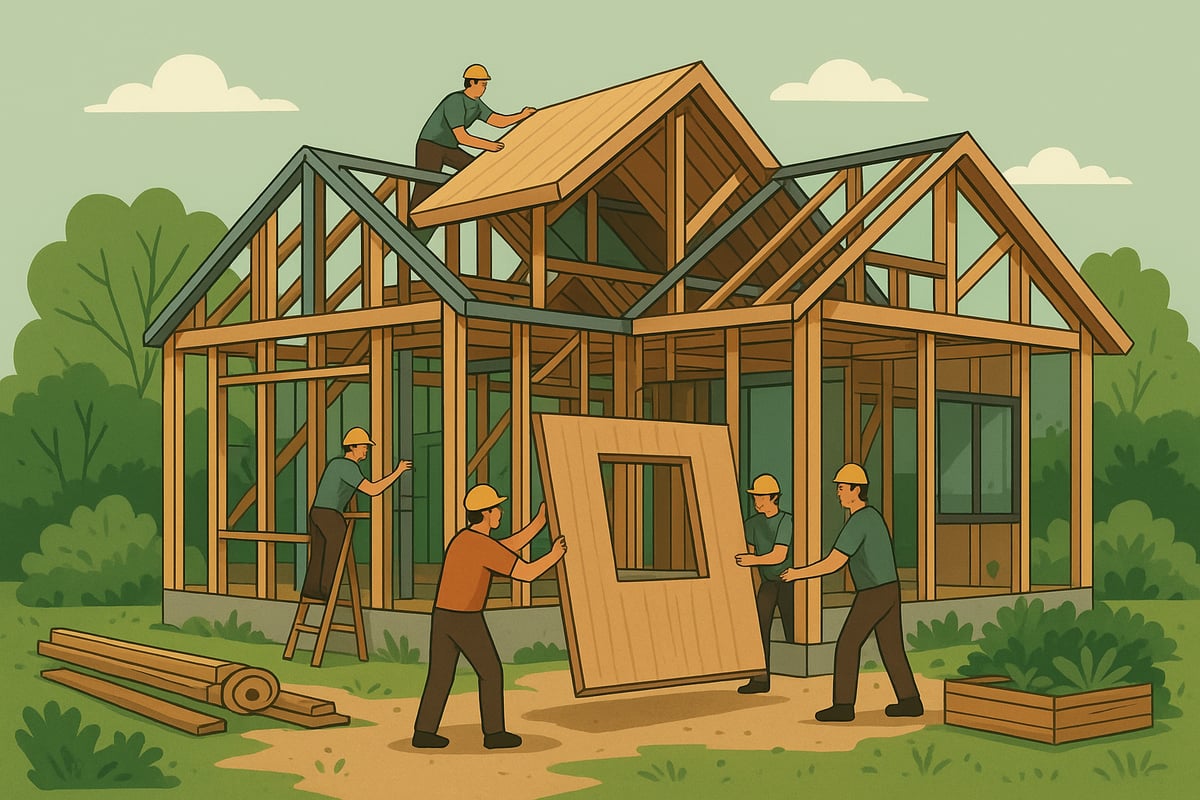
Frame homes are residential buildings where the primary structural support comes from a skeleton of timber, steel, or a mix of both. Unlike traditional brick or block houses, frame homes use posts, beams, and panels to create a load-bearing structure.
Common systems include timber framing, which uses large wooden beams, steel framing for enhanced strength, and hybrid systems that combine both materials. Some believe frame homes are less durable, but with modern techniques, they can last as long as masonry builds.
The flexibility and efficiency of frame homes make them a smart choice for many UK homeowners.
Core Benefits of Frame Homes
The appeal of frame homes lies in their impressive advantages. First, they offer superior energy efficiency, with excellent insulation properties that help reduce heating and cooling bills.
Construction is notably faster compared to masonry, allowing projects to move from foundation to finish in a shorter time. Frame homes provide design flexibility, letting architects create open-plan layouts and unique features.
When built with quality materials and proper care, frame homes are durable and can stand the test of time, making them a reliable investment for the future.
Types of Frame Homes in 2026
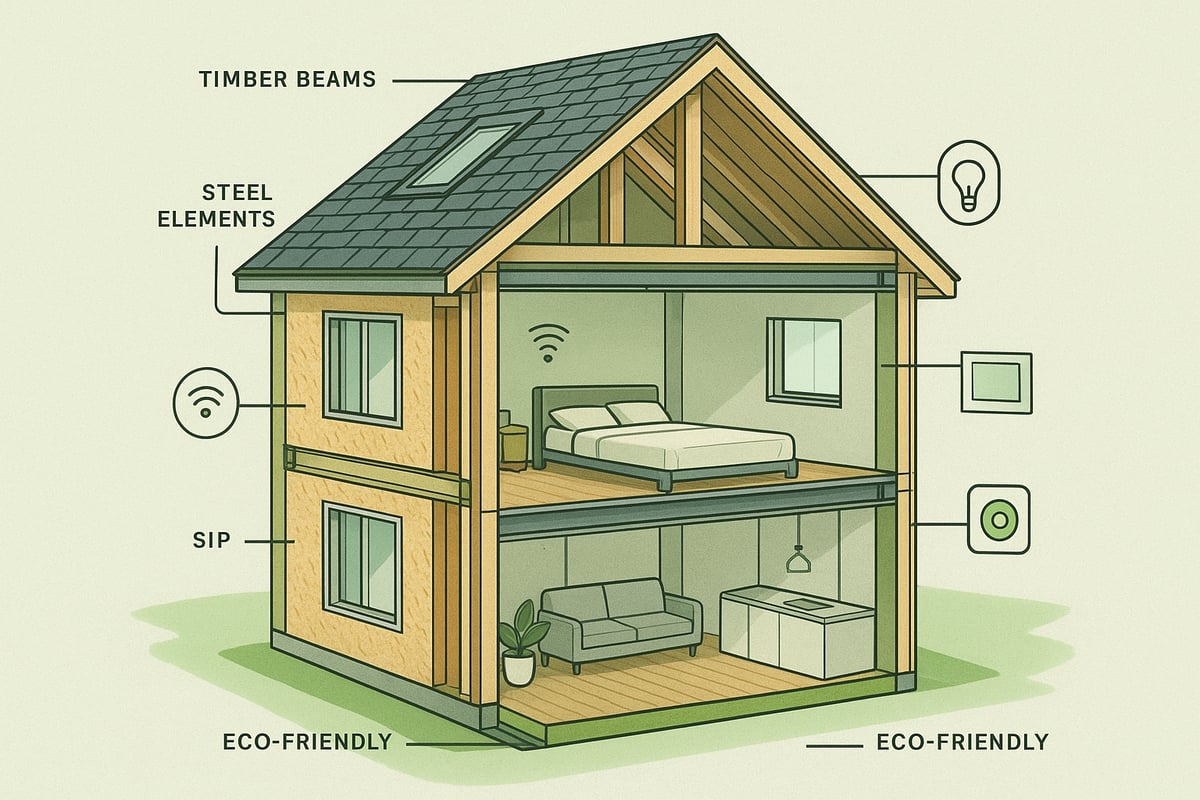
In 2026, frame homes come in several forms: traditional timber frame, steel frame, structural insulated panels (SIPs), and hybrids. Timber frames are known for their natural aesthetics and sustainability, while steel frames excel in precision and fire resistance. SIPs offer excellent insulation and airtightness.
Each system suits different climates and site conditions across the UK. Popular frame home styles include contemporary designs, barn-inspired homes, and eco-homes. For a deeper dive into the differences and benefits, see Log and Timber Frame Homes Explained.
Key Components and Construction Techniques
At the core of frame homes are posts, beams, panels, and infill materials. The structural frame supports the entire building, while insulated panels or cladding complete the enclosure.
Modern construction methods include prefabrication, where components are manufactured off-site and assembled quickly on location. Modular assembly and on-site builds are both common, depending on project needs. Advances in joinery and fastener technology have improved the strength and longevity of frame homes, ensuring structural integrity for years to come.
Sustainability and Environmental Impact
Frame homes are leading the way in sustainable construction. Many use FSC-certified timber, ensuring wood is sourced responsibly. Compared to traditional brick builds, frame homes have a lower carbon footprint, both during construction and throughout their lifecycle.
Materials can often be recycled or reused at the end of a building's life, reducing waste. Lifecycle analysis shows that frame homes are an environmentally conscious choice, supporting the UK's efforts to create greener, more sustainable communities.
Step-by-Step Guide to Planning and Building a Frame Home in 2026
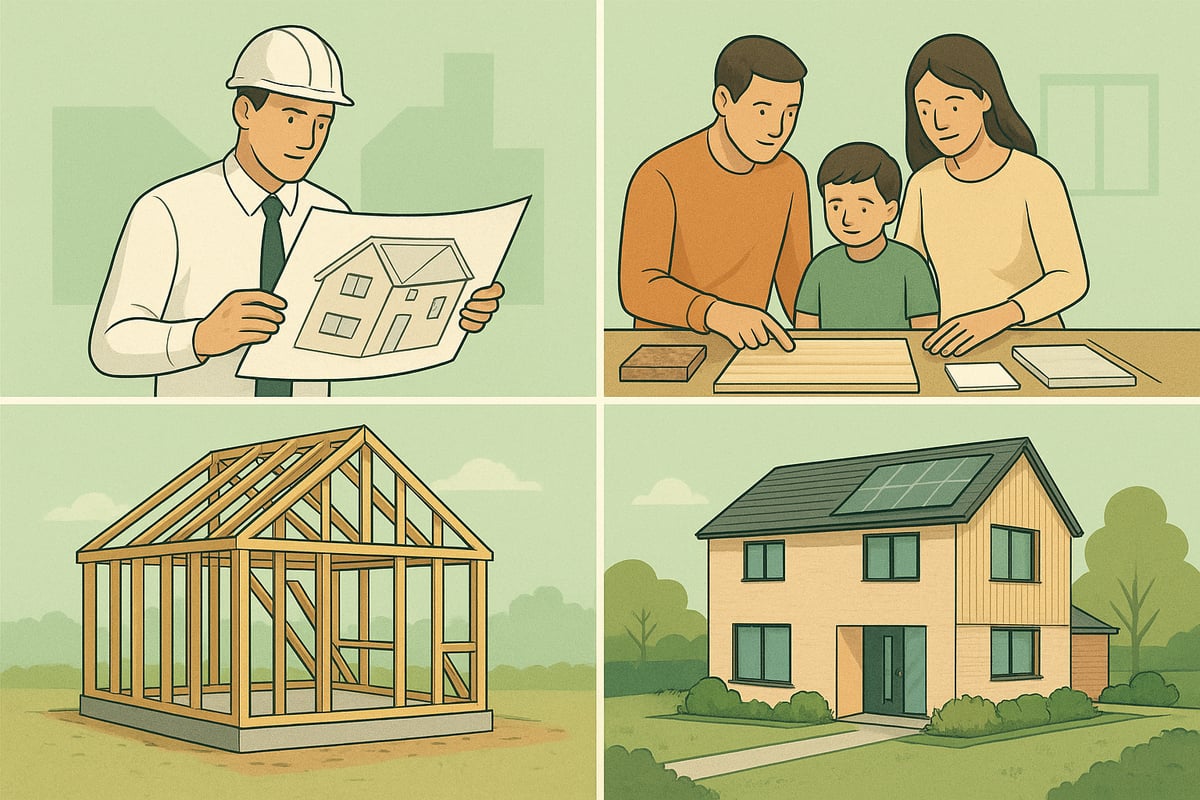
Planning and building frame homes in 2026 involves a series of carefully structured steps. Whether you are a homeowner, self-builder, or developer, understanding each stage will help you achieve a successful and stress-free project. Let us walk through the essential process, from the initial vision to moving into your new frame home.
Step 1: Defining Your Requirements and Budget
Begin by identifying your priorities and aspirations for frame homes. Consider your lifestyle now and in the future. Will you need flexible spaces for remote work or growing families? Think about accessibility for all ages.
Budget planning is crucial. Calculate the total project cost, including land, design, planning, construction, and contingency funds. In 2026, the average cost for frame homes in the UK ranges from £1,800 to £2,500 per square metre, depending on design and location.
Break down your requirements into must-haves and nice-to-haves. This clarity will help you manage expectations and keep your frame homes project on track financially.
Step 2: Choosing the Right Frame System
Selecting the ideal frame system is fundamental. Frame homes can be constructed using timber, steel, SIPs, or hybrid combinations. Evaluate site conditions, climate, and your sustainability goals.
Timber is popular for its renewable properties and warm aesthetics. Steel offers precision and strength, while SIPs provide superior insulation. For example, a Sussex family chose timber for its environmental credentials and local sourcing.
Compare the pros and cons of each method to ensure your frame homes suit your site and long-term needs.
Step 3: Design and Architectural Considerations
Work with an architect who specialises in frame homes. Their expertise ensures your design maximises the benefits of open-plan layouts, abundant natural light, and high energy efficiency.
Modern trends include biophilic design, which brings nature indoors, and flexible spaces that adapt over time. Prioritise features such as large windows, sliding doors, and energy-saving measures.
Your architect will help translate your vision into a practical, buildable plan, ensuring your frame homes are both stylish and sustainable.
Step 4: Navigating Planning Permission and Building Regulations
Gaining planning permission for frame homes in the UK requires a clear understanding of local requirements. Prepare detailed drawings and documents to support your application.
Building regulations for 2026 focus on insulation, fire safety, and structural integrity. Be aware of recent updates, such as stricter energy efficiency standards. Avoid common pitfalls by consulting with planning experts and submitting complete documentation.
Allow extra time for approvals, and stay informed about regional differences to keep your frame homes project on schedule.
Step 5: Selecting Materials and Suppliers
Choosing the right materials is a cornerstone of successful frame homes. Source sustainable timber, certified to FSC or PEFC standards, and ensure all products meet UK regulations.
Vetting suppliers and contractors is essential. Request references, review previous projects, and verify accreditations. Use a checklist:
- Certification and sustainability credentials
- Experience with frame homes
- Insurance and warranty coverage
Quality materials and reputable suppliers will safeguard your investment and the longevity of your frame homes.
Step 6: Construction Process and Project Management
The construction phase of frame homes involves several key stages: groundwork, frame erection, enclosure, and internal fit-out. Effective project management and communication are crucial throughout.
Modern methods include pre-fabrication and modular assembly, which streamline timelines and improve quality. For a comprehensive guide to building techniques and best practices, see the Timber Frame Home Construction Guide.
Typical frame homes can be completed in 16–24 weeks. Regular site meetings and clear documentation will help you monitor progress and address issues promptly.
Step 7: Handover, Snagging, and Aftercare
As your frame homes near completion, arrange for thorough inspections and snagging. Identify and resolve any defects or unfinished work before final handover.
Ensure all warranties, certificates, and maintenance plans are in place. Aftercare services may include routine checks, advice on upkeep, and support with queries.
Proper handover and ongoing care will protect your frame homes’ value and ensure comfort for years to come.
Materials and Technologies Shaping Frame Homes in 2026
The landscape of frame homes in 2026 is being redefined by material innovations, smarter technologies, and a stronger focus on sustainability. Homeowners and developers now have an exciting array of options that combine tradition, efficiency, and modern convenience. Let us explore the key developments shaping the future of frame homes.
Timber Innovations and Trends
Timber remains at the heart of frame homes, but 2026 sees advanced engineered options making a real impact. Glulam (glued laminated timber) and cross-laminated timber (CLT) are now widely used, offering enhanced strength and flexibility for large spans and multi-storey frame homes. These materials also excel in sustainability, as they use timber efficiently and can be sourced from responsibly managed forests.
CLT, for example, enables frame homes to achieve architectural feats previously reserved for concrete or steel. The natural warmth and beauty of timber, combined with its low carbon footprint, make it an ideal choice for those seeking eco-friendly frame homes that do not compromise on style or performance.
Steel Framing: Pros, Cons, and Use Cases
Steel framing is carving out a niche within the frame homes sector. Its main advantages include exceptional precision, consistent quality, and natural resistance to pests and rot. Steel is especially popular for frame homes demanding intricate architectural features or those built in areas prone to high humidity.
However, steel frame homes must address thermal bridging, which can impact insulation values if not properly managed. While steel is durable and fire resistant, it can be more expensive than timber, and careful detailing is required to ensure optimal energy efficiency. For bespoke or high-performance frame homes, steel offers a compelling set of benefits.
Structural Insulated Panels (SIPs) and Hybrid Systems
Structural Insulated Panels (SIPs) have revolutionised how frame homes achieve outstanding insulation and airtightness. SIPs consist of high-performance foam sandwiched between engineered boards, forming walls and roofs that are both strong and remarkably efficient. Many frame homes now combine SIPs with timber or steel, creating hybrid systems that deliver the best of both worlds.
For those interested in the latest hybrid solutions, Timber Frame Hybrid House Insights provides a deeper look at how these technologies are being used to improve comfort and energy savings in modern frame homes. This approach allows homeowners to tailor their frame homes to specific needs, climates, and budgets.
Smart Home Integration and Future-Proofing
Technology is rapidly advancing, and frame homes in 2026 are embracing smart integration from the outset. Home automation systems, energy monitoring, and IoT-enabled controls are often built in during the design stage. This ensures frame homes are ready for future upgrades, such as electric vehicle charging points or solar panel installations.
Smart heating, lighting, and security systems enhance the comfort and efficiency of frame homes. Planning for these features at the outset ensures seamless operation and adaptability, making frame homes not just modern, but future-ready.
Sustainable Materials Beyond Timber
The move towards greener construction is driving frame homes to adopt a wider range of sustainable materials. Recycled steel, hempcrete, and low-carbon concrete are gaining ground, especially for structural or insulation purposes. Innovations in insulation, such as natural fibre panels and eco-friendly cladding, further reduce the environmental impact of frame homes.
When selecting materials for frame homes, buyers should look for recognised environmental certifications. These demonstrate a commitment to sustainability and help ensure that frame homes meet the highest standards for health and environmental performance.
Prefabrication and Modular Construction Advances
Prefabrication is transforming how frame homes are built in the UK. Off-site manufacturing allows for greater precision, reduced waste, and much faster build times. Modular frame homes can be delivered and assembled on-site in as little as twelve weeks, minimising disruption and improving quality control.
This approach is particularly well suited to frame homes, as their components lend themselves to efficient factory production. Prefabrication is helping frame homes become more affordable, consistent, and accessible to a wider audience.
Design Trends and Customisation Options for Frame Homes
Design trends in frame homes continue to evolve, offering a wide range of options for homeowners seeking style, comfort, and sustainability. Whether you favour a modern look or a classic touch, the possibilities for personalisation in frame homes are greater than ever.
Contemporary and Traditional Aesthetics
Frame homes in the UK are increasingly defined by their blend of contemporary and traditional aesthetics. Popular exterior finishes include natural timber cladding, crisp render, and brick slips, allowing for a striking or subtle appearance depending on your preference.
Many homeowners choose to combine modern minimalism with heritage features, such as exposed oak beams or classic rooflines. This approach creates a timeless appeal and suits both rural and urban settings.
For comprehensive guidance on styles and finishes, A Modern Timber Frame Design Guide is an excellent resource for anyone planning frame homes with distinct character.
Recent projects showcase how flexible frame homes are in achieving both bold contemporary and elegant traditional looks.
Interior Layouts and Open-Plan Living
The structural advantages of frame homes allow for spacious, open-plan interiors with minimal load-bearing walls. This flexibility enables seamless kitchen-dining-living areas and maximises usable space.
Homeowners are increasingly opting for multi-use rooms, sliding partitions, and adaptable layouts that can change with family needs. These design choices support both sociable living and private retreats.
Open-plan living in frame homes also enhances natural light flow, creating bright, airy spaces that feel larger and more inviting.
Energy Efficiency and Passive Design Features
Modern frame homes are leading the way in energy efficiency and passive design. Triple glazing, airtight construction, and mechanical ventilation with heat recovery are now standard features in many new builds.
Designers focus on optimising orientation for solar gain, adding natural shading, and using high-performance insulation to reduce energy use. Data from recent projects shows frame homes regularly meet or exceed Passivhaus standards.
These features not only lower running costs but also contribute to a healthier, more comfortable indoor environment year-round.
Outdoor Connections and Biophilic Elements
Frame homes are designed to strengthen the connection between indoor and outdoor spaces. Large windows, sliding or folding doors, and integrated verandas make it easy to enjoy gardens and natural surroundings.
Biophilic design elements, such as timber finishes, stone, and indoor planting, bring nature inside and promote wellbeing. Many frame homes now feature covered terraces, pergolas, or green roofs as part of their outdoor living strategy.
This focus on outdoor integration enhances both the lifestyle and the value of frame homes.
Bespoke Solutions and Personalisation
Personalisation is at the heart of today’s frame homes. Clients work with specialist designers to create custom joinery, built-in furniture, and unique layouts tailored to their needs.
Whether it is a hidden reading nook, a statement staircase, or bespoke storage solutions, the options for customisation are vast. Completed projects often showcase how frame homes reflect the personalities and aspirations of their owners.
Investing in bespoke features ensures each frame home stands out while providing comfort and practicality for years to come.
Costs, Financing, and Value Retention for Frame Homes
Understanding the financial landscape of frame homes is crucial for anyone considering this innovative building method in 2026. Careful planning at every stage, from budgeting to long-term maintenance, ensures your investment remains sound and future-proof.
Upfront Costs and Budget Breakdown
Frame homes in 2026 offer a competitive edge in terms of upfront costs, particularly when compared to traditional masonry builds. The average cost per square metre for frame homes ranges from £1,800 to £2,500, depending on design complexity and material choices. Masonry builds, by contrast, can reach £2,200 to £2,800 per square metre.
| Build Type | Cost per m² (2026) | Typical Range |
|---|---|---|
| Frame Homes | £1,800 – £2,500 | £180K – £375K |
| Masonry Builds | £2,200 – £2,800 | £220K – £420K |
Factors influencing the cost of frame homes include the choice of timber or steel, the level of prefabrication, and bespoke architectural features. Always allow for a contingency fund of 10–15% to cover unexpected expenses and design changes.
Financing Options and Incentives
Securing finance for frame homes is increasingly straightforward, as more lenders recognise their durability and market demand. Specialist self-build mortgages are popular, often releasing funds in stages as construction progresses. Government grants, such as the Green Home Grant, support sustainable construction and energy efficiency upgrades.
It is worth exploring how Timber Frame Construction and the Future Homes Standard can influence your eligibility for incentives, especially as frame homes are designed to meet and exceed the latest energy standards. Review all criteria early to maximise your access to grants and favourable financing rates.
Long-Term Value and Maintenance
Frame homes are renowned for their robust resale value and growing appeal in the UK property market. Their superior insulation and low-carbon footprint position them well for future regulatory requirements. Maintenance needs vary: timber frames require periodic treatments, while steel and SIPs demand checks for corrosion or air-tightness.
Insurance for frame homes is now widely available, although some insurers may request additional details about non-standard construction. Maintaining comprehensive records of materials and certifications can streamline the insurance process and support long-term value retention.
Cost-Saving Tips and Avoiding Pitfalls
To keep your frame homes project on budget, consider value engineering early in the design phase. Choose standardised components where possible, and avoid unnecessary complexity in layouts. Common mistakes include underestimating site preparation costs and overlooking regulatory requirements.
A practical checklist for frame homes includes:
- Vetting all suppliers and contractors for experience
- Prioritising certified sustainable materials
- Scheduling regular site inspections to catch issues early
By taking these steps, you can enjoy the efficiency and flexibility of frame homes without unexpected financial surprises.
Expert Advice and Real-World Examples
Real-world knowledge is essential when considering frame homes for your next project. Drawing on the expertise of professionals and those who have lived in frame homes, this section aims to bridge the gap between technical detail and lived experience.
Insights from Architects and Builders
Architects and builders agree that frame homes offer unmatched flexibility for bespoke designs and energy efficiency. Their top recommendations include working with specialists in timber or steel frame construction, prioritising sustainable materials, and ensuring clear communication throughout the build.
Common challenges involve navigating evolving building regulations and securing high-quality materials. One leading architect notes, "Frame homes can outperform traditional builds in sustainability, especially when paired with advanced insulation." For more on the environmental impact of timber frames, see Timber Frame Construction: A Sustainable Solution for Low Carbon Design.
Case Studies: Innovative Frame Homes in the UK
Recent UK projects demonstrate how frame homes are pushing design boundaries. For example, an award-winning home in Yorkshire utilised structural insulated panels and glulam beams, resulting in a 40% reduction in energy usage compared to a standard new build.
| Project | System Used | Energy Savings | Client Satisfaction |
|---|---|---|---|
| Yorkshire Eco | SIPs/Glulam | 40% | 5/5 |
| Sussex Modern | Timber | 35% | 4.8/5 |
Clients consistently report that frame homes deliver on comfort and efficiency, making them a popular choice for forward-thinking developments.
Homeowner Experiences and Lessons Learned
Homeowners living in frame homes often highlight their warmth, low running costs, and spacious open-plan layouts. Interviews reveal that initial concerns about maintenance or resale value are quickly dispelled after a few years.
Key tips from residents include:
- Invest in high-quality insulation.
- Choose finishes that suit UK weather.
- Regularly inspect timber elements.
Many mention that frame homes foster a strong connection to the outdoors, with large windows and natural materials enhancing daily life.
Acorn to Oak Framing: Combining Tradition and Innovation in Timber Frame Homes
Acorn to Oak Framing stands out for its expertise in bespoke timber frame homes, blending traditional craftsmanship with modern design. Their team offers a range of services, from ready-to-assemble kits to fully customised builds, all compliant with the latest UK regulations.
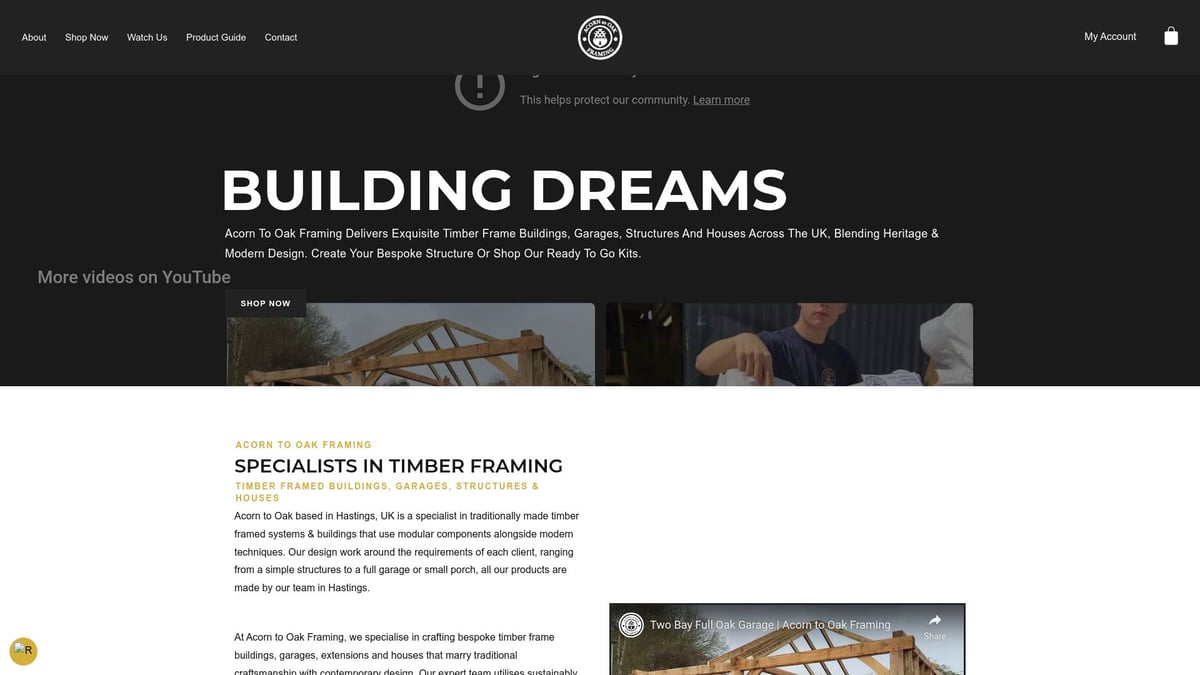
Clients benefit from a commitment to sustainability and close support throughout the project. For further inspiration, explore their portfolio of Oak Framed Homes in the UK, showcasing completed projects that reflect quality and innovation in frame homes.
Navigating the 2026 Frame Home Landscape
The landscape for frame homes in 2026 is shaped by trends like sustainability, prefabrication, and personalisation. Staying informed about regulations, material innovations, and design possibilities is crucial when planning your project.
Useful resources include government roadmaps, professional organisations, and specialist consultants. Keeping abreast of these developments ensures your frame homes project is both future-proof and compliant.
Frequently Asked Questions About Frame Homes
How long do frame homes last? With proper care, modern frame homes can last for many decades.
Are they expensive to maintain? Maintenance costs are typically low, especially for engineered timber or SIPs.
Is insurance straightforward? Most insurers now recognise frame homes as standard, though some may request additional details.
Do I need special planning permission? No, but compliance with updated building regulations is essential.
For further reading and support, consult relevant trade bodies and frame home specialists.
As you think about the possibilities that frame homes offer—energy efficiency, design flexibility, and real sustainability—it's clear that the right partner makes all the difference. At Acorn to Oak Framing, we blend traditional craftsmanship with modern innovation, ensuring every detail enhances your home and lifestyle. If you're ready to take the next step towards a bespoke timber frame home that truly stands out in 2026, let us help you turn your vision into reality. Explore your options and start your journey with us today: BUILD NOW


