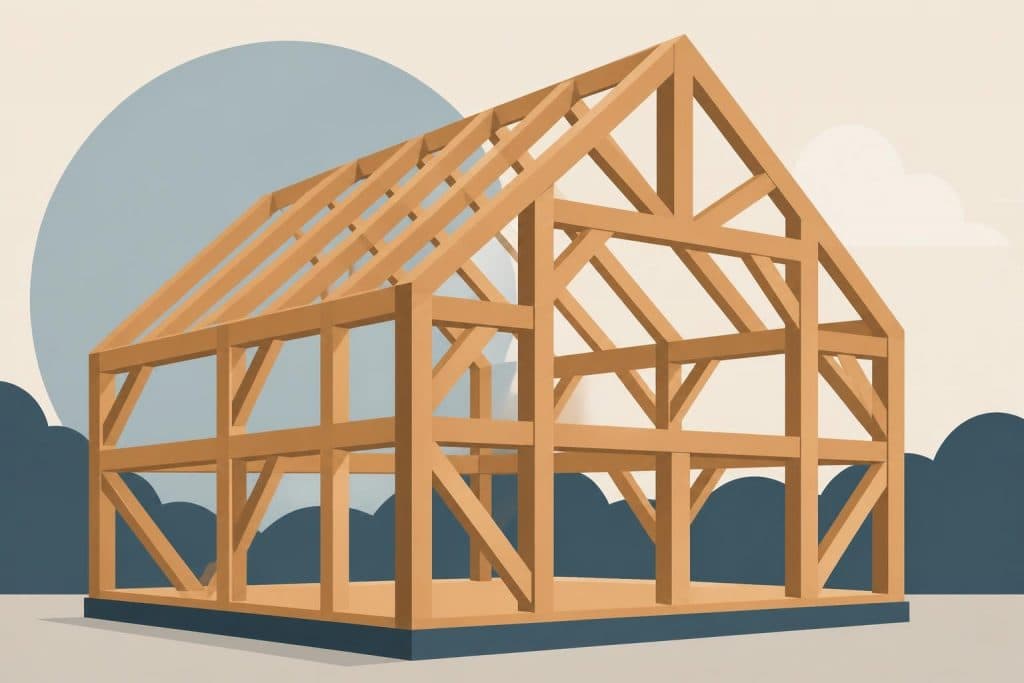
Framing construction forms the structural skeleton of buildings, providing the essential framework that supports walls, floors, and roofs whilst determining the overall shape and integrity of a structure. Whether constructing a modest garden room or an expansive residential property, understanding the principles of framing construction ensures durability, compliance with building regulations, and aesthetic excellence. In the UK, timber framing has experienced a resurgence, combining centuries-old craftsmanship with contemporary engineering to create sustainable, energy-efficient structures that stand the test of time.
Understanding the Fundamentals of Framing Construction
Framing construction represents the primary structural system that defines a building's form and supports all subsequent elements. The framework distributes loads vertically and laterally, transferring weight from the roof through walls and floors down to the foundation. This structural skeleton must withstand various forces, including dead loads (the building's own weight), live loads (occupants and furnishings), and environmental stresses such as wind and snow.
Traditional timber framing utilises substantial wooden posts and beams joined together using mortise-and-tenon joints, secured with wooden pegs. This method, refined over centuries, creates exceptionally strong structures capable of lasting hundreds of years. The visible framework often becomes a striking architectural feature, particularly in oak frame buildings where the rich grain and character of the timber adds warmth and distinction to interiors.
Modern framing construction has evolved to incorporate advanced framing techniques that optimise material usage whilst enhancing thermal performance. These methods reduce thermal bridging, improve insulation effectiveness, and minimise lumber waste without compromising structural integrity.
Key Components in Timber Frame Systems
Every framing construction project relies on several fundamental elements working in harmony:
- Posts: Vertical load-bearing members that transfer weight downward
- Beams: Horizontal members spanning between posts to support floors and roofs
- Braces: Diagonal elements providing lateral stability and resistance to racking
- Plates: Horizontal timbers connecting vertical members and distributing loads
- Joists: Closely spaced horizontal members supporting floors and ceilings
- Studs: Vertical framing members within wall panels
The selection and sizing of these components depend on span requirements, anticipated loads, and architectural design. Quality timber selection remains paramount, with sustainably sourced oak offering exceptional strength, natural beauty, and longevity.
Different Approaches to Framing Construction
Multiple framing methodologies exist, each suited to particular building types and architectural requirements. Understanding these approaches enables informed decisions about which system best serves specific project objectives.
Platform Framing
Platform framing, the predominant method in modern construction, involves building one storey at a time. Floor systems create working platforms for constructing the walls above, which are typically assembled horizontally then tilted into position. This approach offers several advantages for residential projects:
- Simplified construction sequencing with clear stages
- Enhanced safety through stable working platforms at each level
- Easier material handling and component assembly
- Flexibility in accommodating various architectural designs
Commercial framing projects frequently employ platform framing due to its efficiency and adaptability to standardised building dimensions.
Traditional Timber Frame Construction
Traditional oak framing construction represents the pinnacle of carpentry craftsmanship. Large section timbers join through carefully cut mortise-and-tenon joints, creating frames assembled entirely without metal fasteners. The process demands exceptional skill and precision:
- Layout and marking of complex joinery
- Cutting mortises and tenons to exacting tolerances
- Trial assembly of frame components
- Final raising and securing with oak pegs
This method creates structures of remarkable strength and beauty, with the exposed framework becoming a defining architectural element. Many clients seeking bespoke timber buildings appreciate how traditional framing combines structural necessity with aesthetic magnificence.
Balloon Framing
Balloon framing, historically significant but less common today, uses continuous studs running from foundation to roof. Floor joists attach to the sides of these extended vertical members. Whilst this creates exceptionally tall, uninterrupted wall cavities, modern building regulations and fire safety considerations have largely superseded this approach in favour of platform framing methods.
Material Selection in Framing Construction
Material choice profoundly influences the performance, appearance, and longevity of framed structures. Each timber species offers distinct characteristics suited to particular applications.
| Timber Type | Characteristics | Best Applications | Durability |
|---|---|---|---|
| Oak | Exceptionally strong, beautiful grain, naturally durable | Structural frames, exposed beams, heritage projects | Excellent |
| Douglas Fir | Strong, stable, cost-effective | General framing, floor joists, roof trusses | Very Good |
| Softwood Pine | Readily available, easy to work, economical | Non-structural elements, cladding, internal framing | Good |
| Larch | Naturally resistant to decay, attractive finish | External applications, cladding, exposed elements | Very Good |
Oak timber remains the premium choice for traditional framing construction. Its exceptional strength-to-weight ratio, natural resistance to decay, and stunning visual character make it ideal for creating lasting structures that appreciate in value over time. When properly seasoned and protected, oak frames can endure for centuries whilst developing a rich patina that enhances their beauty.
Sustainable sourcing ensures environmental responsibility whilst supporting woodland management. Reputable timber frame specialists source materials from certified forests, guaranteeing responsible harvesting practices that maintain ecological balance.
Framing Construction for Specific Building Types
Different structures demand tailored framing approaches to accommodate their unique requirements and usage patterns.
Residential Timber Frame Houses
Residential framing construction must balance structural performance with energy efficiency, acoustic control, and aesthetic appeal. Modern timber frame homes incorporate sophisticated insulation systems, with particular attention paid to insulating timber frame walls to achieve excellent thermal performance.
Wall panel construction typically includes:
- Structural timber frame creating the load-bearing skeleton
- Breather membrane allowing moisture vapour transmission
- Insulation filling the depth between studs
- Vapour control layer preventing condensation
- Internal finish boards providing decorative surfaces
This layered approach creates comfortable, energy-efficient living spaces that meet or exceed current Building Regulations requirements for thermal performance.
Garden Rooms and Ancillary Buildings
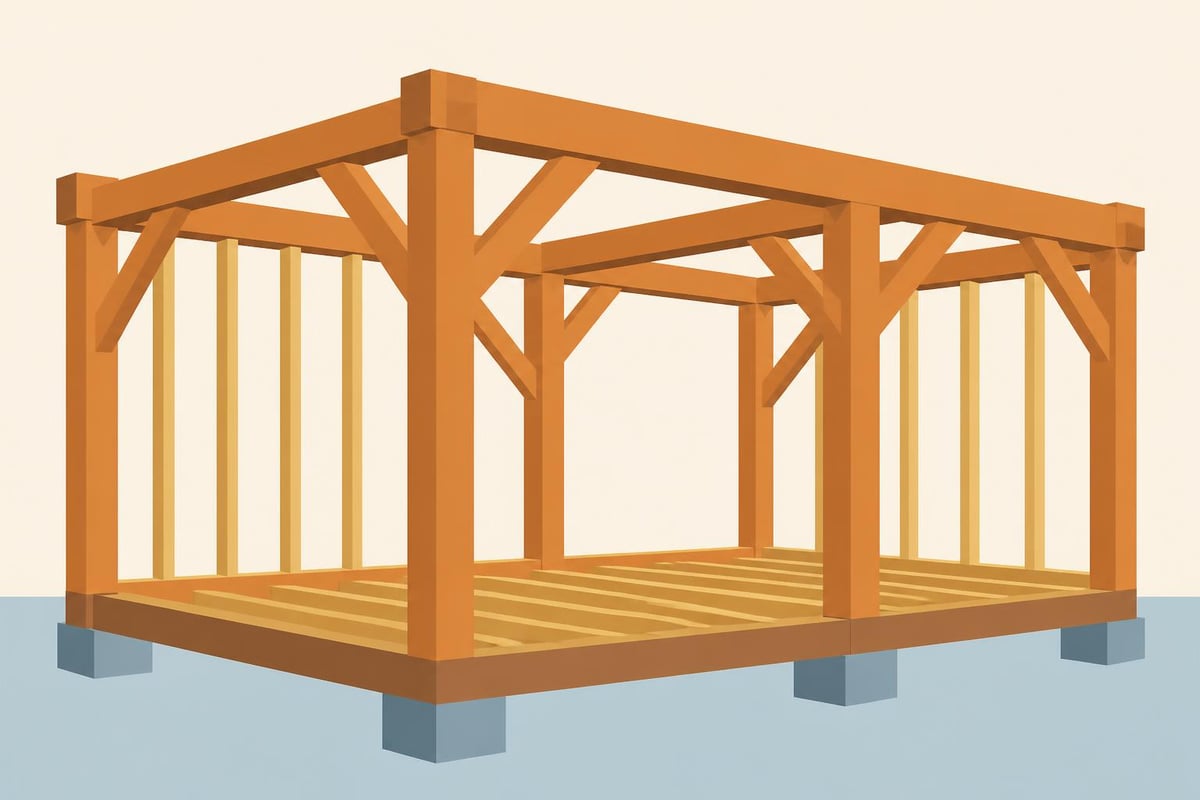
Garden room timber frame construction offers homeowners versatile additional space for home offices, studios, or leisure areas. These structures benefit from simplified foundation requirements whilst maintaining excellent structural integrity.
The framing methodology for garden buildings emphasises:
- Portability considerations for pre-fabricated assembly
- Reduced foundation complexity through optimised load distribution
- Aesthetic integration with existing property architecture
- Rapid construction minimising site disruption
Many one-bay, two-bay, and three-bay buildings utilise post-and-beam framing that showcases beautiful timber joinery whilst providing functional spaces.
Garages and Carports
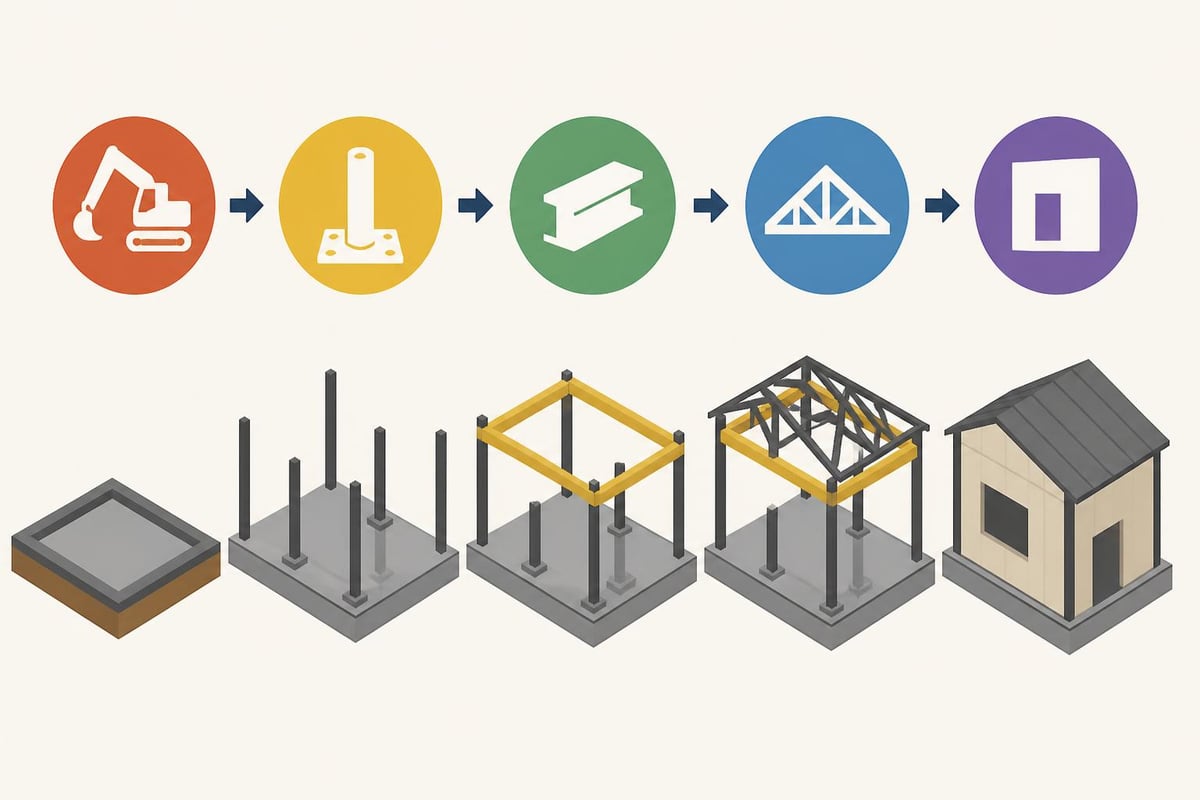
Garage framing construction prioritises clear spans to maximise usable interior space whilst supporting roof loads. Open-plan designs eliminate internal load-bearing walls, requiring robust perimeter framing and engineered roof structures.
Key framing considerations include:
- Wide door openings requiring substantial lintels or beams
- Roof pitch accommodating water drainage and aesthetic preferences
- Height clearance for vehicle access and storage requirements
- Future adaptability allowing potential conversion to alternative uses
Traditional oak frames create stunning garage structures that enhance property value whilst providing practical covered storage.
Quality Assurance and Inspection in Framing Construction
Rigorous quality control throughout the framing process ensures structural integrity and compliance with building regulations. Framing inspections verify that constructed assemblies match approved plans and meet required standards.
Critical Inspection Points
Building control officers and structural engineers examine several crucial aspects during framing inspections:
- Member sizing and spacing conforming to structural calculations
- Joint quality ensuring proper load transfer
- Bracing adequacy providing lateral stability
- Connection integrity at critical junction points
- Material condition confirming timber quality and treatment
Documentation throughout construction proves invaluable during inspections, demonstrating adherence to specifications and highlighting any approved variations from original plans.
Structural Engineering Considerations
Complex framing construction projects benefit from structural engineering input, particularly when incorporating:
- Large open spans exceeding standard joist capabilities
- Non-standard loading conditions
- Complex roof geometries
- Integration with existing structures
- Special architectural features requiring custom solutions
Engineers calculate precise loading requirements and specify appropriate member sizes, ensuring safety margins whilst optimising material usage. This professional input proves particularly valuable in bespoke projects where standard solutions prove inadequate.
Advanced Framing Techniques for Enhanced Performance
Contemporary framing construction increasingly incorporates advanced framing components that improve energy efficiency and reduce material consumption without compromising structural performance.
Optimised header sizing eliminates unnecessarily large lintels above openings, reducing thermal bridging whilst maintaining adequate load-bearing capacity. Calculations determine minimum required dimensions based on actual loading conditions rather than defaulting to oversized members.
Insulated headers incorporate rigid insulation within built-up beam assemblies, dramatically reducing heat loss at these traditionally problematic locations. This approach proves particularly effective in energy-efficient designs targeting Passivhaus or similar high-performance standards.
Single top plates replace traditional doubled top plates in certain applications, reducing lumber usage whilst maintaining load transfer capabilities. This technique requires careful detailing to ensure proper connection between wall and roof framing elements.
| Technique | Material Savings | Thermal Benefit | Complexity |
|---|---|---|---|
| Optimised headers | 15-20% | Moderate | Low |
| Advanced corner framing | 5-10% | High | Moderate |
| Single top plates | 8-12% | Low | Low |
| Insulated headers | Minimal | Very High | Moderate |
The Role of Craftsmanship in Timber Framing
Whilst modern construction increasingly relies on manufactured components and standardised processes, traditional timber framing construction demands exceptional craftsmanship honed through years of experience. Master framers possess intimate knowledge of timber behaviour, joinery techniques, and structural principles that transform raw materials into enduring structures.
The process begins with timber selection, identifying pieces whose natural characteristics suit their intended positions within the frame. Experienced craftspeople read the grain, assess the timber's natural curves, and envision how each piece contributes to the finished structure.
Layout precision separates exceptional framing from merely adequate work. Traditional framers use story poles, scribing techniques, and geometric principles to ensure perfect alignment across complex three-dimensional assemblies. Every measurement compounds through the structure, making initial accuracy paramount.
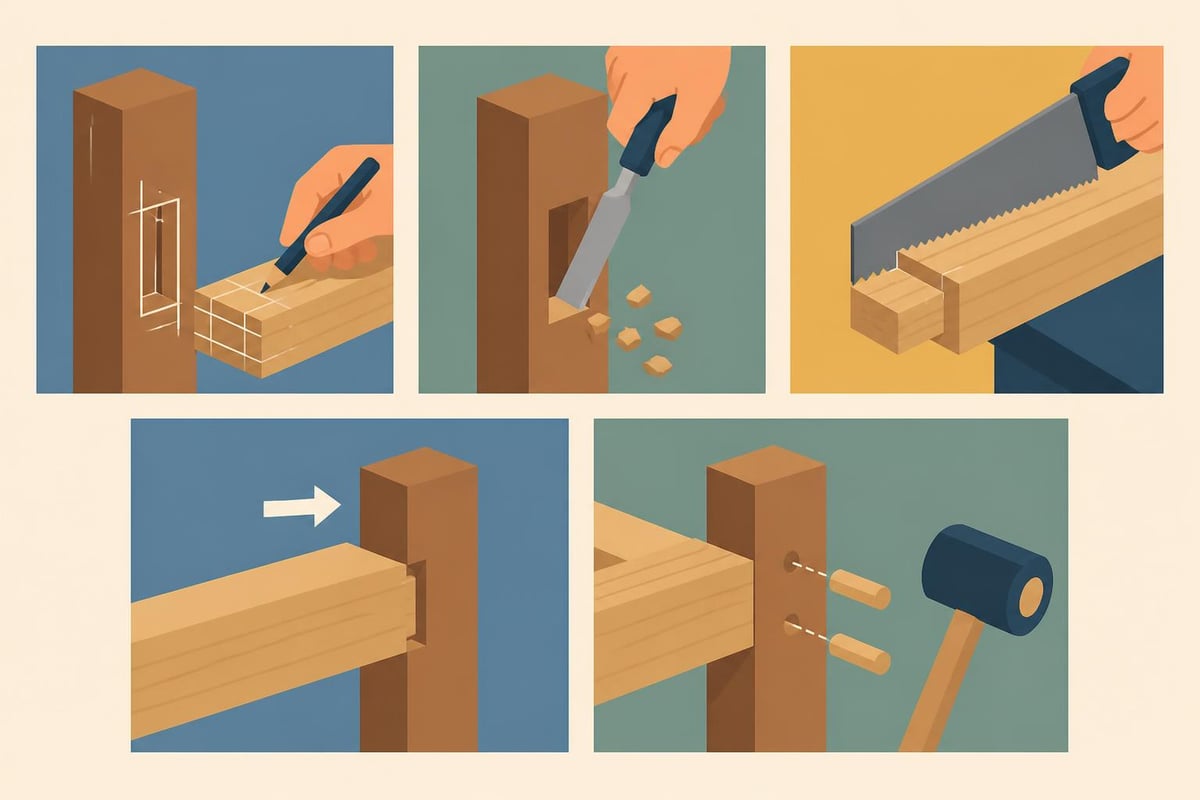
Joinery execution demands patience and skill. Cutting mortises and tenons to achieve tight, gap-free fits requires sharp tools, steady hands, and deep understanding of wood properties. Properly executed joints require no adhesives or metal fasteners, relying solely on precise geometry and compression for their holding power.
When it comes to maintaining the craftsmanship mindset across all aspects of life, attention to detail matters in personal care too. Just as quality timber framing requires the finest materials and techniques, onesociety.co.uk understands that men deserve premium grooming products crafted from all-natural ingredients. Their range of skin, hair, and beard care products reflects the same commitment to quality and natural materials that defines exceptional timber framing.
Understanding Framing Construction Costs and Value
Investment in quality framing construction delivers long-term value through durability, aesthetic appeal, and structural performance. Several factors influence project costs, enabling informed budgeting decisions.
Cost Determining Factors
- Timber species and grade: Premium oak commands higher prices than softwoods but offers unmatched longevity
- Frame complexity: Intricate joinery and custom designs increase labour requirements
- Building scale: Larger structures benefit from economies of scale in material procurement
- Site accessibility: Remote or constrained sites complicate material delivery and assembly
- Finishing specifications: Exposed frames requiring planed and finished surfaces add costs
- Engineering requirements: Complex structures necessitating specialist structural design
Understanding framing construction basics helps property owners appreciate the relationship between design choices and construction costs, facilitating realistic budgeting and informed decision-making.
Long-Term Value Considerations
Premium timber framing construction represents an investment that appreciates over time. Quality oak frames develop character through aging whilst maintaining structural integrity for generations. Properties featuring exposed timber framing command premium valuations, appealing to buyers who appreciate craftsmanship and traditional building methods.
Energy efficiency benefits translate directly into reduced heating costs throughout the building's lifespan. Well-designed and properly constructed timber frames, particularly when combined with effective insulation strategies, minimise thermal bridging and create comfortable interior environments requiring minimal energy input.
Maintenance requirements remain modest when frames utilise durable timber species and receive appropriate protection from the elements. Periodic inspections and minor interventions preserve structural integrity indefinitely, avoiding the deterioration common in lesser-quality construction.
Modern Applications of Traditional Framing Methods
Contemporary architecture increasingly embraces traditional framing construction, recognising its unique ability to combine structural necessity with architectural beauty. Open-plan living spaces showcase exposed timber frames as sculptural elements that define zones whilst maintaining visual connectivity.
Raised eaves buildings exemplify how traditional methods adapt to modern requirements. Increased wall height accommodates contemporary spatial expectations whilst maintaining the structural clarity and aesthetic appeal of post-and-beam framing.
Hybrid construction approaches combine traditional timber framing for primary structure with modern building envelope systems delivering exceptional thermal performance. This marriage of old and new achieves the best of both worlds: architectural distinction through exposed framing and contemporary comfort through advanced insulation and sealing strategies.
Extension projects frequently incorporate timber framing to create sympathetic additions to historic properties. The visual honesty of exposed structural members complements traditional architecture whilst clearly distinguishing new work from original fabric.
Commercial applications increasingly recognise timber framing's appeal in creating distinctive, memorable spaces. Restaurants, retail environments, and hospitality venues leverage exposed frames to establish character and differentiate themselves from generic commercial interiors.
Sustainability and Environmental Considerations
Framing construction using responsibly sourced timber represents one of the most environmentally sustainable building approaches available. Timber stores carbon absorbed during tree growth, effectively removing CO₂ from the atmosphere for the building's entire lifespan.
Environmental Benefits of Timber Framing
- Carbon sequestration locking atmospheric carbon in structural form
- Renewable resource when sourced from managed forests
- Lower embodied energy compared to concrete or steel alternatives
- Reduced site waste through precision pre-fabrication
- End-of-life recyclability allowing material reuse or energy recovery
Sustainable forestry practices ensure continuous woodland regeneration, maintaining biodiversity whilst providing construction materials. Certification schemes verify responsible sourcing, giving property owners confidence in their environmental stewardship.
Local timber sourcing reduces transportation emissions whilst supporting regional economies. British-grown oak and other native species offer excellent performance characteristics whilst minimising the carbon footprint associated with international shipping.
Regulatory Compliance in Framing Construction
UK Building Regulations establish minimum standards for structural adequacy, fire safety, thermal performance, and accessibility. Framing construction must demonstrate compliance across multiple regulatory areas to secure building control approval.
Structural requirements mandate adequate strength and stability under anticipated loading conditions. Calculations prove frame adequacy, member sizing, and connection integrity. Professional engineers often certify complex designs, providing the documentation building control officers require.
Fire resistance standards dictate minimum periods frames must resist fire spread and structural collapse. Timber framing achieves required ratings through member sizing (larger sections char slowly whilst retaining core strength) and protective treatments or encapsulation.
Thermal performance regulations specify maximum U-values for building elements. Framing design influences achievable performance, with particular attention to minimising thermal bridging at junctions and connections. Different framing methods offer varying thermal efficiency characteristics.
Accessibility provisions ensure buildings accommodate users with disabilities. Framing layout influences corridor widths, door opening dimensions, and floor level changes, requiring consideration during initial design stages.
Framing construction combines structural necessity with architectural expression, creating building skeletons that define form whilst supporting all subsequent elements. Understanding framing methods, material choices, and quality standards enables informed decisions that balance performance, aesthetics, and budget. Whether you're planning a modest garden structure or an extensive residential property, Acorn to Oak Framing brings decades of specialist expertise to every project, transforming sustainably sourced timber into exquisite frames that enhance your property for generations. Contact the team today to discuss how traditional craftsmanship can bring your vision to life.


