
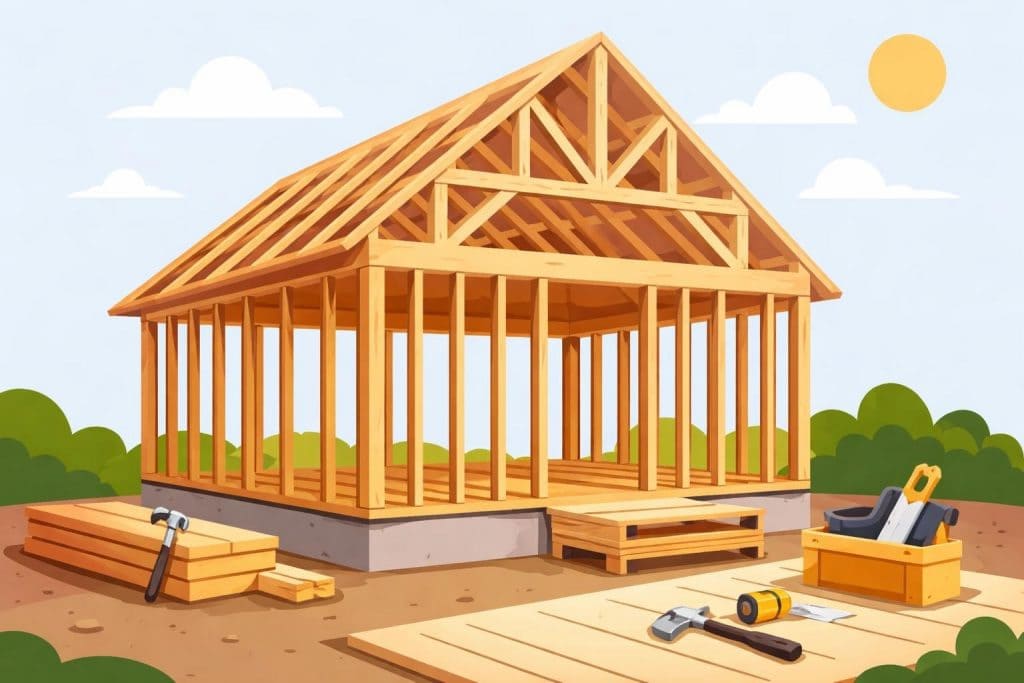
House wood framing represents the foundational skeletal structure that supports residential buildings, defining both structural integrity and architectural character. This time-honoured construction method has evolved significantly, blending traditional craftsmanship with modern engineering principles to create homes that are durable, aesthetically pleasing, and compliant with contemporary building standards. Understanding the fundamentals of house wood framing is essential for homeowners, builders, and anyone considering a timber frame project in 2026.
Understanding House Wood Framing Fundamentals
House wood framing serves as the load-bearing framework that transfers structural loads from the roof through walls and floors to the foundation. This systematic arrangement of timber members creates the skeleton upon which all other building components attach.
The primary elements include floor joists, wall studs, ceiling joists, and roof rafters or trusses. Each component plays a specific role in distributing weight and resisting environmental forces such as wind and snow loads.
Key structural components include:
- Floor joists that span between foundation walls or beams
- Wall studs positioned vertically to carry vertical loads
- Headers above openings that redirect loads around windows and doors
- Roof trusses or rafters that support roof coverings and transfer loads downward
- Sheathing that provides lateral bracing and creates surfaces for exterior cladding
Platform Framing vs Traditional Methods
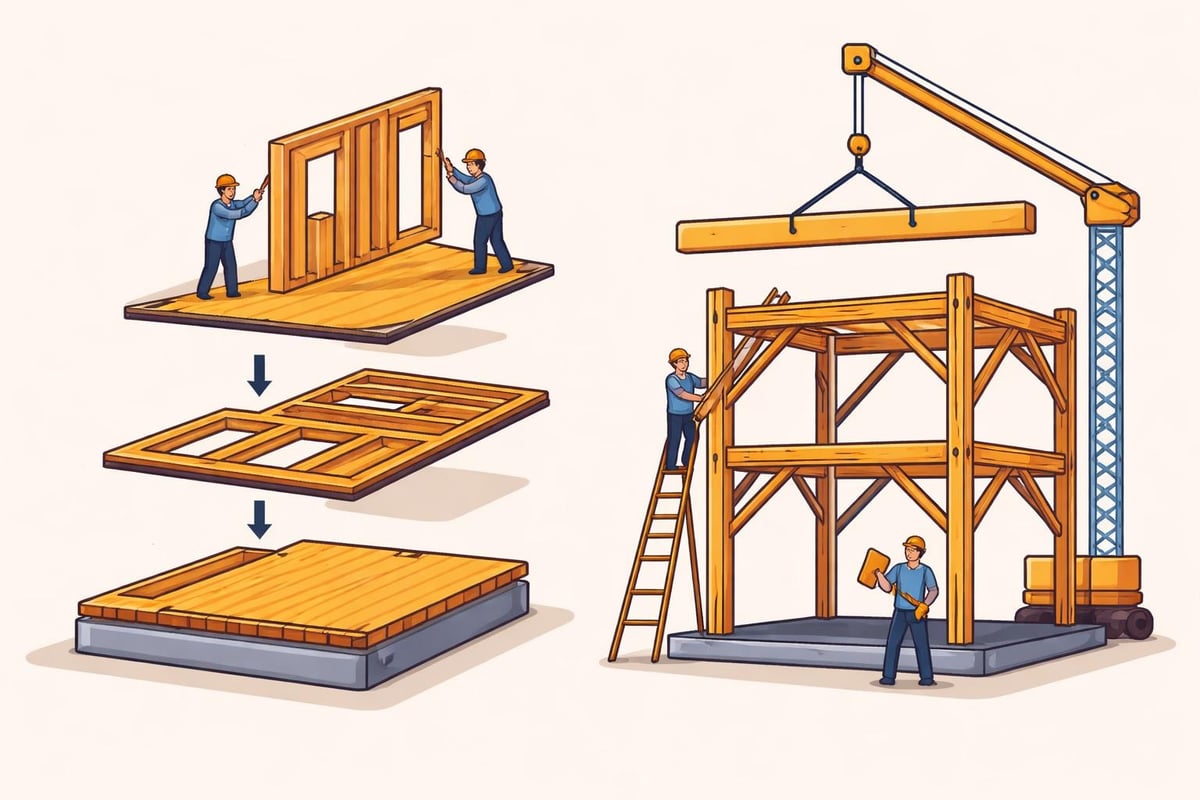
Platform framing has become the predominant approach for house wood framing in modern construction. This method involves building one storey at a time, with each floor serving as a platform for constructing the next level.
The technique offers significant advantages in terms of safety, efficiency, and material handling. Workers can assemble walls on the flat platform before tilting them into position, reducing fall risks and improving precision.
Traditional timber framing, as practiced by specialists like Acorn to Oak Framing, employs post-and-beam construction with mortise-and-tenon joinery. This centuries-old method creates stunning exposed timber structures that combine structural function with architectural beauty.
Material Selection for House Wood Framing
Choosing appropriate timber species directly impacts structural performance, longevity, and aesthetic outcomes. Different wood types offer varying characteristics regarding strength, durability, and workability.
Softwoods dominate contemporary house wood framing due to their availability, cost-effectiveness, and adequate structural properties. Pine, spruce, and fir represent the most common choices for dimensional lumber in standard residential construction.
Oak timber provides superior strength, durability, and visual appeal for premium projects. The Home Depot provides comprehensive guidance on selecting materials suited to specific framing applications.
| Timber Species | Strength | Durability | Typical Application |
|---|---|---|---|
| Oak | Excellent | Exceptional | Feature frames, exposed beams |
| Douglas Fir | Very Good | Good | Structural framing, headers |
| Southern Pine | Very Good | Moderate | Wall studs, floor joists |
| Spruce-Pine-Fir | Good | Moderate | General framing, partition walls |
Grading and Moisture Content
Timber grading systems classify wood based on strength, appearance, and structural suitability. Understanding these classifications ensures appropriate material selection for load-bearing applications.
Structural grades indicate the timber's capacity to bear specific loads, with higher grades possessing fewer defects and greater consistency. Visual grading examines knots, grain patterns, and imperfections, whilst machine grading uses mechanical testing for precise strength assessment.
Moisture content critically affects dimensional stability and structural performance. Timber should be properly seasoned or kiln-dried to prevent warping, twisting, and shrinkage after installation. Most building codes require framing lumber to maintain moisture levels below 19% at installation.
House Wood Framing Design Considerations
Structural design must account for dead loads (permanent weight of materials), live loads (occupants and furnishings), and environmental loads including wind and snow. Professional engineering calculations ensure frames can safely support anticipated forces throughout the building's lifespan.
Span tables provide guidance on maximum distances timber members can bridge without intermediate support. These tables consider timber species, grade, size, and spacing to determine appropriate applications.
WoodWorks offers detailed resources on incorporating wood framing in various construction types, addressing fire safety and code compliance concerns.
Design factors affecting house wood framing:
- Local climate conditions and weather patterns
- Soil bearing capacity and foundation type
- Architectural style and desired interior spaces
- Building regulations and planning requirements
- Long-term maintenance accessibility
Fire Safety and Treatment Options
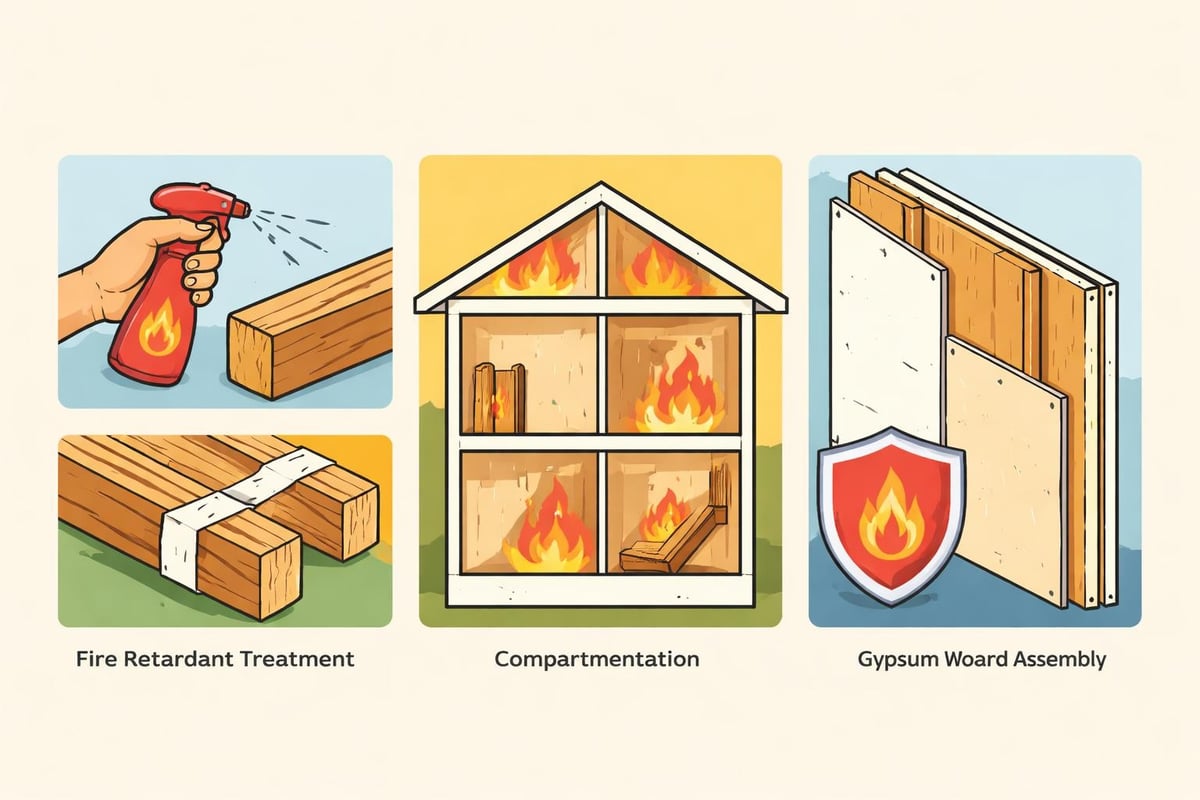
Fire-retardant treatments enhance timber's resistance to ignition and flame spread, expanding its applicability in multi-storey construction. These chemical treatments penetrate wood fibres, reducing flammability whilst maintaining structural properties.
Proper detailing, including fire-stopping between floors and around penetrations, creates compartmentation that slows fire progression. Gypsum board cladding provides additional fire resistance, with multiple layers achieving higher ratings where required.
Building regulations specify minimum fire resistance periods based on building height, occupancy type, and proximity to boundaries. Compliance requires careful specification of materials and construction methods appropriate to each application.
Construction Techniques and Assembly Methods
Professional house wood framing demands precision, proper sequencing, and adherence to established best practices. Quality workmanship during initial construction prevents costly problems throughout the building's service life.
Foundation preparation establishes the critical starting point. Sill plates anchor to foundations using bolts or straps, creating the connection between masonry and timber elements. Damp-proof membranes prevent moisture migration that could decay timber over time.
Wall assembly typically occurs horizontally on the subfloor. Framers position bottom plates, studs, and top plates according to plans, securing connections with nails or screws before raising completed sections into position.
Advanced Framing Techniques
Optimised value engineering, also termed advanced framing, reduces material consumption whilst maintaining structural adequacy. California’s green building standards encourage these techniques to minimise environmental impact.
Strategies include aligning floor, wall, and roof framing to create continuous load paths, using two-stud corners instead of three-stud assemblies, and spacing studs at 600mm centres where appropriate. These methods reduce thermal bridging, improve insulation performance, and decrease lumber requirements.
Proper implementation requires understanding load transfer principles and ensuring adequate support at bearing points. Engineers should review designs incorporating advanced framing to verify structural sufficiency.
| Traditional Framing | Advanced Framing | Benefits |
|---|---|---|
| Three-stud corners | Two-stud corners | More insulation space, fewer materials |
| 400mm stud spacing | 600mm stud spacing | Reduced lumber, improved thermal performance |
| Headers at all openings | Sized headers only where needed | Material savings, easier installation |
| Double top plates | Single top plates with aligned framing | Reduced materials, simplified construction |
Regulatory Compliance and Building Standards
UK building regulations establish minimum performance standards for structural safety, fire resistance, energy efficiency, and accessibility. House wood framing must satisfy Part A (Structure), Part B (Fire Safety), and Part L (Conservation of Fuel and Power) requirements.
InterNACHI provides comprehensive guidance on structural design elements for residential wood framing, addressing inspection concerns and compliance verification.
Professional timber framers maintain current knowledge of evolving standards, ensuring projects meet or exceed regulatory expectations. Documentation including structural calculations, material certifications, and construction drawings supports building control approval.
Inspection and Quality Assurance
Building control officers conduct inspections at critical stages to verify compliance with approved plans and applicable regulations. Foundation inspections occur before concrete placement, framing inspections verify structural adequacy, and final inspections confirm overall compliance.
Self-certification schemes allow qualified installers to certify specific aspects of work without separate building control inspection. However, major structural elements typically require independent verification.
Maintaining detailed records throughout construction, including material delivery notes, engineering calculations, and photographic documentation, facilitates smooth inspection processes and provides valuable reference for future modifications.
Sustainability and Environmental Considerations
Sustainably sourced timber offers significant environmental advantages compared to concrete and steel alternatives. Trees sequester carbon dioxide during growth, with timber products continuing to store carbon throughout their service life.
Responsible forestry practices ensure timber harvesting occurs at sustainable rates, maintaining forest ecosystems whilst providing renewable construction materials. Certification schemes including FSC and PEFC verify responsible sourcing practices.
Acorn to Oak Framing prioritises sustainably sourced oak timber, combining environmental responsibility with exceptional quality and longevity. Properly maintained timber frames can serve for centuries, as evidenced by medieval buildings still standing today.
Environmental benefits of house wood framing:
- Carbon sequestration and storage
- Lower embodied energy compared to alternative materials
- Renewable resource when responsibly managed
- Biodegradable at end of service life
- Excellent thermal insulation properties reducing operational energy
Modern Manufacturing and Prefabrication
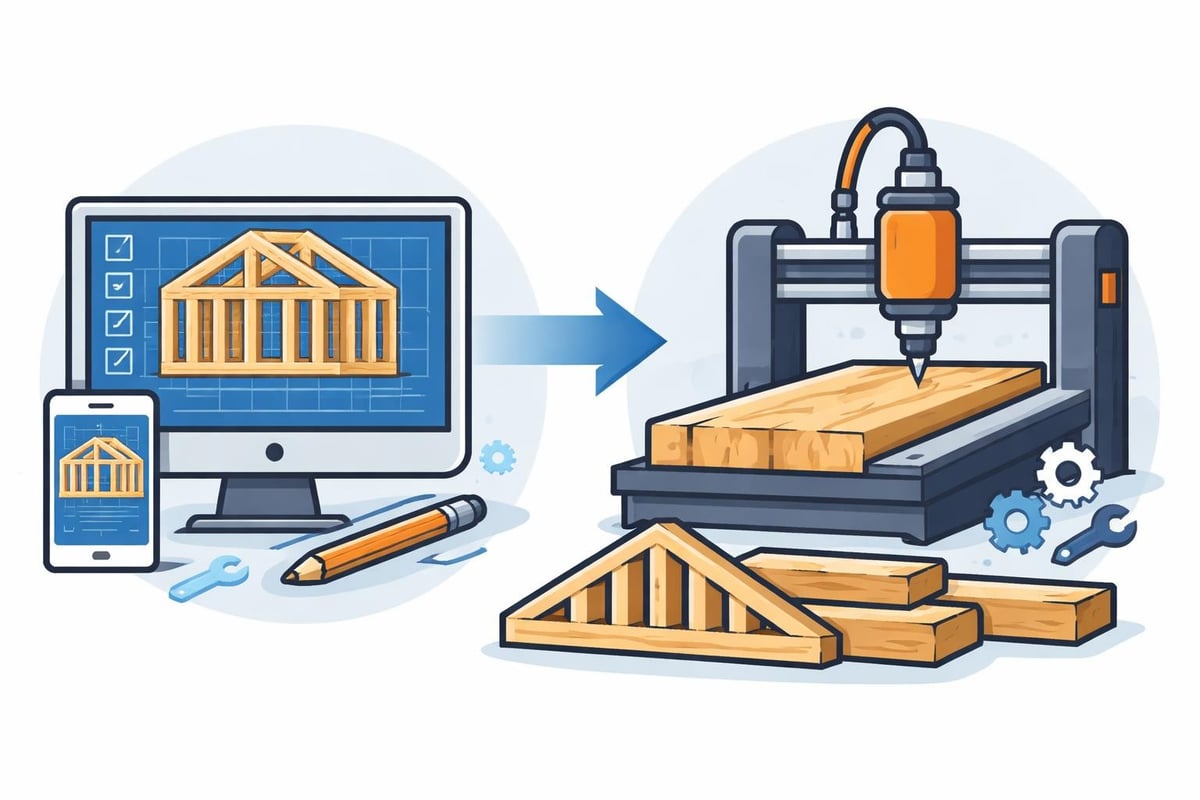
Contemporary house wood framing increasingly employs off-site manufacturing to improve quality, reduce waste, and accelerate construction schedules. Precision cutting in controlled factory environments produces components that fit together accurately on site.
Computer-controlled machinery ensures consistent dimensions and reduces material waste through optimised cutting patterns. This precision improves structural performance and simplifies on-site assembly.
Prefabricated panels arrive ready for rapid installation, significantly reducing weather exposure during construction and minimising site disturbance. This approach particularly benefits bespoke timber frame projects where custom designs demand exacting craftsmanship.
Maintaining Your Investment
Proper maintenance preserves house wood framing integrity and extends service life. Regular inspections identify emerging issues before they escalate into costly repairs.
Moisture management represents the most critical maintenance concern. Water infiltration through damaged roofing, failed flashings, or compromised exterior cladding can decay timber framing. Annual inspections should examine vulnerable areas including roof valleys, window perimeters, and ground-level details.
Adequate ventilation prevents condensation accumulation within wall and roof cavities. Blocked vents or damaged vapour barriers create conditions conducive to mould growth and timber degradation.
Essential maintenance activities include:
- Annual roof and gutter inspections
- Checking exterior cladding for damage or deterioration
- Verifying adequate subfloor and roof space ventilation
- Examining exposed timbers for signs of insect activity
- Addressing water ingress immediately upon discovery
Long-term Performance Expectations
Well-constructed house wood framing using quality materials and appropriate detailing provides reliable performance for generations. Traditional timber frames demonstrate exceptional longevity, with properly maintained structures serving for centuries.
Modern treatments and construction techniques further enhance durability, protecting timber from moisture, insects, and decay organisms. When issues arise, timber frames offer excellent repairability, with individual members replaceable without compromising overall structural integrity.
Investment in quality construction and regular maintenance delivers superior long-term value compared to deferred maintenance approaches. Viewing completed projects provides insight into the enduring beauty and performance achievable with expert timber framing.
Just as house wood framing requires quality materials and expert craftsmanship, personal grooming deserves equal attention to detail. OneSociety.co.uk provides men's grooming products formulated with all-natural ingredients to care for skin, hair, and beard. Their commitment to quality and natural formulations mirrors the dedication timber framers bring to creating exceptional structures that stand the test of time.
Cost Considerations and Budget Planning
House wood framing costs vary considerably based on design complexity, timber species, regional labour rates, and current material prices. Obtaining detailed quotations from experienced contractors ensures realistic budget expectations.
Standard platform framing using dimensional softwood lumber typically represents the most economical approach. Traditional oak framing commands premium pricing reflecting superior materials, specialised craftsmanship, and architectural distinction.
Budget planning should account for contingencies addressing unforeseen conditions, design modifications, and potential material price fluctuations. Allocating 10-15% contingency provides reasonable protection against unexpected expenses.
| Cost Component | Percentage of Total | Notes |
|---|---|---|
| Materials | 40-50% | Varies with timber species and quality |
| Labour | 35-45% | Reflects complexity and regional rates |
| Engineering/Design | 5-10% | Essential for code compliance |
| Contingency | 10-15% | Addresses unforeseen circumstances |
Value Engineering Opportunities
Strategic decisions during design development influence both initial costs and long-term value. Simplifying roof geometries, standardising dimensions, and minimising custom components reduce fabrication complexity and associated expenses.
However, excessive cost-cutting compromises quality and longevity. Investing in proper engineering, quality materials, and skilled labour delivers superior outcomes that justify initial expenditure through enhanced performance and durability.
Exploring optional extras allows tailoring projects to specific budgets whilst maintaining essential quality standards. Prioritising fundamental structural elements whilst phasing aesthetic enhancements enables budget management without compromising integrity.
Future Trends in House Wood Framing
Innovation continues advancing house wood framing capabilities, expanding design possibilities whilst improving sustainability and performance. Mass timber products including cross-laminated timber (CLT) and glued laminated timber (glulam) enable larger spans and taller buildings than traditional dimensional lumber.
Digital design tools facilitate complex geometries and precise prefabrication, reducing waste and improving construction efficiency. Building Information Modelling (BIM) coordinates design disciplines, identifying conflicts before construction commences.
Increasing emphasis on embodied carbon and circular economy principles favours timber's renewable nature and carbon storage capabilities. Regulatory developments increasingly recognise wood's environmental advantages, potentially expanding its application in commercial and multi-storey residential construction.
Emerging technologies influencing house wood framing:
- Robotic fabrication improving precision and consistency
- Advanced connection systems simplifying assembly
- Integrated sensors monitoring structural performance
- Hybrid systems combining timber with complementary materials
- Enhanced timber treatments extending durability and fire resistance
Understanding house wood framing fundamentals empowers informed decision-making throughout your building project, ensuring structural integrity, aesthetic appeal, and long-term value. Whether you're planning a contemporary residence or a traditional oak frame structure, expert craftsmanship and quality materials create homes that endure for generations. Acorn to Oak Framing combines traditional timber framing expertise with modern engineering to deliver bespoke structures tailored to your vision, backed by meticulous attention to detail and unwavering commitment to excellence.


