
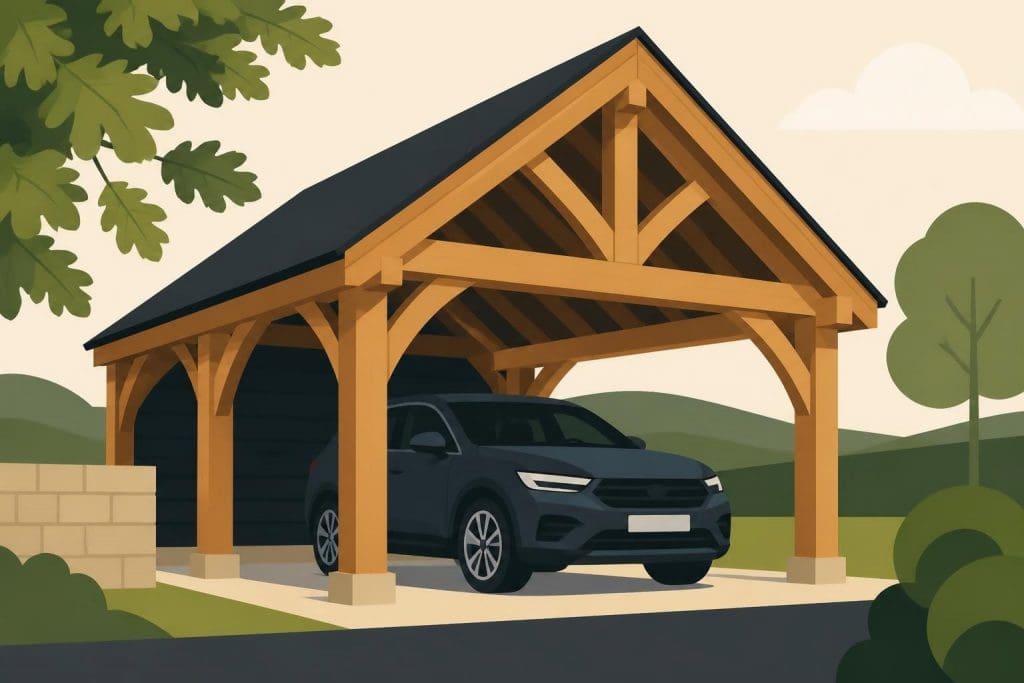
An oak carport represents the perfect marriage between practical vehicle protection and timeless architectural beauty. As more homeowners seek to enhance their properties with structures that offer both functionality and aesthetic appeal, the oak carport has emerged as a premium choice across the UK. Unlike standard metal or concrete alternatives, an oak carport brings warmth, character, and substantial property value whilst providing reliable shelter for vehicles, garden equipment, or outdoor workspace. The natural strength and durability of oak timber, combined with expert craftsmanship, creates structures that mature beautifully over decades rather than deteriorating.
Understanding the Appeal of Oak Carports
The growing popularity of oak carports stems from their unique combination of practical benefits and visual impact. Oak timber possesses exceptional structural properties that make it ideal for load-bearing applications. The wood's natural density and grain structure provide remarkable strength, allowing for elegant designs with fewer supporting posts and greater clear spans beneath the roof.
Natural Durability and Longevity
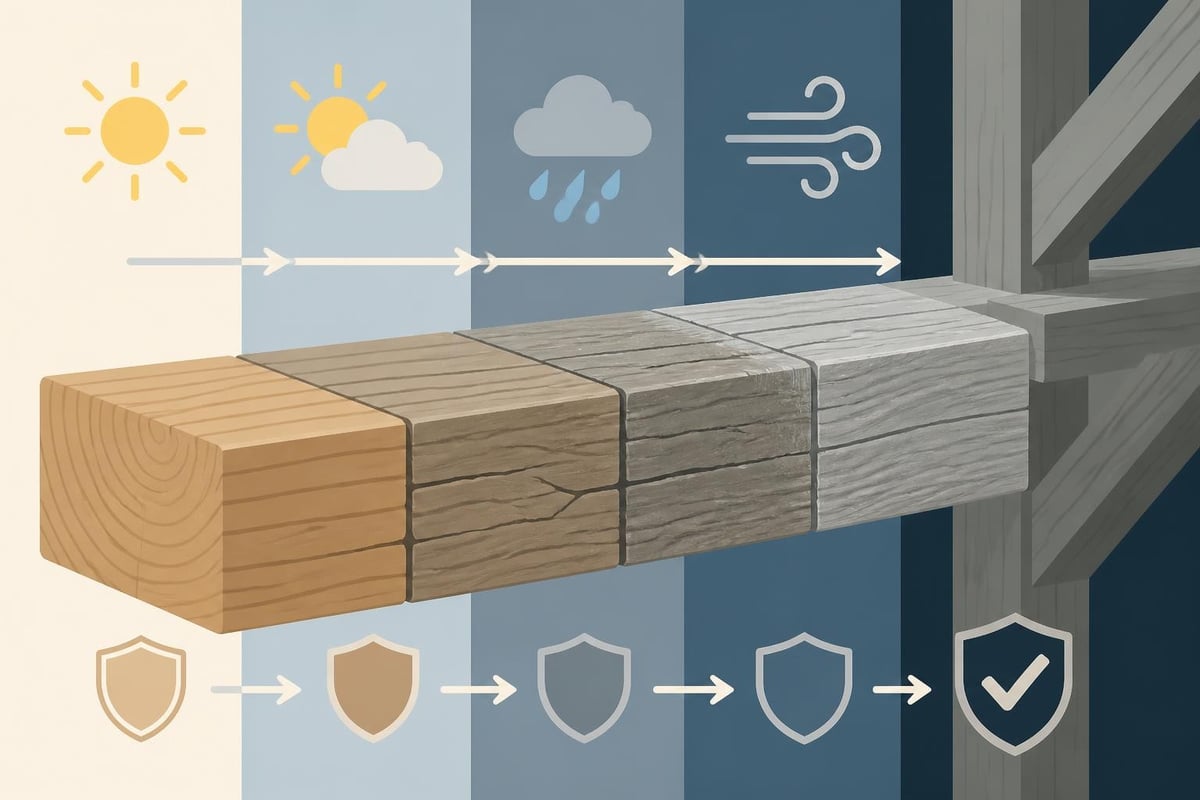
Oak contains high levels of tannins and natural preservatives that resist decay, insect damage, and weathering without requiring chemical treatment. This inherent durability means an oak carport can last for generations with minimal maintenance, making it a sustainable long-term investment. The timber actually hardens as it ages, developing a beautiful silver-grey patina that many property owners find attractive.
Key durability features include:
- Natural resistance to fungal decay and insect attack
- Ability to withstand British weather conditions without warping
- Structural integrity that improves over time
- Low environmental impact compared to steel or concrete alternatives
Understanding timber used in construction helps appreciate why oak remains the premium choice for outdoor structures.
Design Options and Architectural Styles
An oak carport offers remarkable design flexibility, accommodating everything from traditional country aesthetics to contemporary minimalist architecture. The structural capabilities of oak allow for various roof configurations, bay arrangements, and decorative elements that can be tailored to complement existing buildings.
Bay Configurations and Size Planning
Carport designs typically range from single-bay structures suitable for one vehicle to expansive four-bay buildings that accommodate multiple vehicles plus storage space. Each bay generally measures between 3 to 3.5 metres wide, though custom dimensions can be specified based on vehicle size and site constraints.
| Bay Configuration | Typical Width | Suitable For | Additional Features |
|---|---|---|---|
| Single Bay | 3-3.5m | One car, motorcycle storage | Integrated tool storage |
| Two Bay | 6-7m | Two vehicles, car plus storage | Central dividing post options |
| Three Bay | 9-10.5m | Multiple vehicles, workshop space | Mixed use possibilities |
| Four Bay | 12-14m | Large vehicle fleet, commercial use | Partition walls available |
Contemporary designs often incorporate flat or gently pitched roofs, as demonstrated by modern carport designs, whilst traditional styles favour steeper pitches with exposed rafters and decorative bracing. The choice depends on planning requirements, existing architecture, and personal preference.
Roof Styles and Coverage Options
Selecting the appropriate roof design significantly impacts both functionality and visual appeal. Gable-end roofs provide maximum headroom and effective water runoff, making them ideal for larger vehicles or workshop use. Mono-pitch roofs offer a contemporary appearance and work well when the carport attaches to an existing building. Hipped roofs create a softer profile that integrates seamlessly into traditional settings.
Roofing materials typically include clay or concrete tiles, natural slate, or modern alternatives like cedar shingles. Each material affects the overall weight distribution and requires specific engineering considerations within the oak frame structure.
Planning Permission and Building Regulations
Before commissioning an oak carport, understanding UK planning requirements proves essential. The rules governing carport construction vary depending on location, size, and proximity to boundaries. Many carports qualify as permitted development, avoiding formal planning applications, but certain conditions must be met.
Permitted Development Criteria
In England, a carport generally falls under permitted development rights when it meets specific criteria. The structure must not exceed 2.5 metres in height if within 2 metres of a boundary, and total outbuilding floor area cannot surpass 50% of the land around the original house. Listed buildings and conservation areas face additional restrictions requiring careful consideration.
Essential planning considerations:
- Distance from property boundaries and highways
- Maximum height restrictions based on location
- Total cumulative outbuilding area on the plot
- Impact on neighbouring properties and sightlines
- Conservation area or listed building constraints
Consulting local planning authorities provides clarity on specific requirements. Resources like Wyre Forest District Council’s planning guidance offer valuable insights into the approval process, though requirements vary across different councils.
Building Regulations Compliance
Even when planning permission isn't required, building regulations may still apply, particularly for larger structures or those including electrical installations. Regulations cover structural integrity, fire safety, and foundations, ensuring the oak carport meets safety standards. Professional timber framing companies handle these compliance matters as part of their service, providing necessary calculations and certifications.

Construction Methods and Structural Engineering
Building an oak carport involves precise joinery techniques and structural engineering that have evolved over centuries. Traditional mortise and tenon joints, secured with oak pegs, create connections that actually tighten as the timber seasons and settles. Modern engineering calculations ensure these time-honoured methods meet current building standards whilst preserving authentic craftsmanship.
Traditional Joinery Techniques
The construction of timber frame building relies on skilled joinery that creates robust connections without relying solely on metal fixings. Principal posts transfer vertical loads to foundations, whilst horizontal rails and braces manage lateral forces from wind and roof loads. Each joint is carefully designed to distribute stress appropriately across the structure.
The process begins with green oak, which contains higher moisture content and proves easier to work. As the timber seasons in situ, the joints tighten naturally, creating stronger connections over time. This characteristic behaviour of oak requires expertise to anticipate and accommodate during initial assembly.
Foundation Requirements
Proper foundations ensure longevity and structural stability for any oak carport. The foundation type depends on ground conditions, structure size, and local building requirements. Options include individual pad foundations beneath each post, continuous strip foundations around the perimeter, or a complete concrete slab providing both foundation and floor surface.
Ground conditions significantly influence foundation depth and reinforcement requirements. Clay soils prone to movement demand deeper foundations below the frost line, whilst stable ground may require less substantial bases. Professional site surveys and soil analysis inform appropriate foundation specifications for each project.
Cost Considerations and Budget Planning
Understanding the investment required for an oak carport helps establish realistic expectations and budget parameters. Costs vary considerably based on size, design complexity, materials, and site-specific factors. However, when evaluated against longevity and property value enhancement, an oak carport often represents superior value compared to cheaper alternatives requiring replacement within 15-20 years.
Price Factors and Variables
Several elements influence the total project cost beyond the basic frame price. Site accessibility affects delivery and installation expenses, whilst ground conditions impact foundation costs. Roof covering choices range from economical concrete tiles to premium slate, each with different price points and aesthetic qualities.
Major cost components include:
- Oak frame structure and joinery
- Foundation preparation and concrete work
- Roofing materials and installation
- Transportation and crane hire for assembly
- Finishing details like guttering and downpipes
- Optional extras such as lighting or storage solutions
Exploring timber frame cost considerations provides broader context for budgeting timber construction projects. Transparent quotations should itemise these components, allowing informed decisions about specifications and potential modifications.
Long-Term Value and Return on Investment
Beyond initial outlay, an oak carport delivers ongoing value through minimal maintenance requirements and substantial property value enhancement. Estate agents consistently report that quality outbuildings increase property appeal and market value, often recovering 60-80% of construction costs in immediate valuation uplift. The percentage varies by location and property type, with premium homes in desirable areas seeing higher returns.
The structure's longevity eliminates replacement costs that affect cheaper alternatives. Metal carports typically require replacement after 20 years, whilst an oak carport remains structurally sound for 100+ years with basic maintenance. This durability translates to superior lifetime cost efficiency despite higher initial investment.
Maintenance and Long-Term Care
Whilst oak requires minimal maintenance compared to other materials, understanding proper care ensures your carport retains its structural integrity and appearance for generations. The natural weathering process transforms fresh-cut oak's honey tones into distinguished silver-grey patina, though some owners prefer maintaining the original colour through treatment.
Natural Weathering Process
Green oak undergoes visible changes during its first few years as moisture content reduces and the timber acclimatises to its environment. Small surface cracks called shakes may appear as the timber dries, particularly in end grain. These superficial splits don't compromise structural integrity and actually indicate proper seasoning. The oak maintenance guide from Ruby Group explains how to distinguish cosmetic changes from issues requiring attention.
Black markings sometimes appear on oak surfaces due to tannin reaction with iron-based fixings during wet conditions. These marks fade naturally over time and can be minimised by using stainless steel fixings and avoiding prolonged water contact on metal components.
| Maintenance Task | Frequency | Purpose | Method |
|---|---|---|---|
| Visual inspection | Annually | Identify damage or wear | Check joints, fixings, timber condition |
| Gutter cleaning | Twice yearly | Prevent water damage | Remove debris, check flow |
| Surface treatment | Every 2-3 years (optional) | Maintain colour | Apply UV-protective oil |
| Joint checking | Every 5 years | Ensure structural integrity | Inspect pegs, connections |
Protective Treatments and Finishes
Oak carports function perfectly well untreated, relying on natural durability. However, owners wanting to preserve original colouring can apply UV-protective oils or wood preservatives. These treatments require reapplication every 2-3 years and demand proper surface preparation for effectiveness. Many specialists recommend allowing the timber to weather naturally, as this eliminates ongoing treatment costs and labour whilst showcasing oak's authentic character.
When selecting treatments, ensure products allow the wood to breathe rather than forming impermeable barriers that trap moisture. Microporous finishes permit vapour transmission whilst providing surface protection, preventing the moisture-related problems associated with conventional varnishes or paints.

Customisation and Additional Features
Modern oak carports extend beyond basic vehicle shelter, incorporating features that enhance functionality and integrate with outdoor living. Thoughtful customisation transforms a simple carport into a versatile space serving multiple purposes throughout the year.
Integrated Storage Solutions
Many designs incorporate enclosed storage bays within the overall structure, providing secure space for garden equipment, bicycles, or seasonal items. These storage areas can include lockable doors, shelving systems, and electrical outlets for power tools. The three-bay oak carport designs often allocate one bay for storage whilst maintaining two bays for vehicle parking, maximising site utility without increasing overall footprint.
Workshop combinations prove particularly popular, with dedicated bays featuring workbenches, tool storage, and enhanced lighting. Versatile workshop carports demonstrate how thoughtful design creates multi-functional spaces that adapt to changing needs over time.
Lifestyle and Aesthetic Enhancements
Beyond practical functions, features like integrated lighting extend usability into evening hours, whilst electric vehicle charging points future-proof the structure for evolving transportation needs. Some owners incorporate green roofs that blend the structure into garden settings whilst providing environmental benefits through improved insulation and biodiversity support.
Decorative elements including curved braces, chamfered posts, and carved details personalise the structure whilst showcasing traditional craftsmanship. These aesthetic touches integrate the carport harmoniously with existing architecture, creating cohesive visual appeal across the property.
Environmental and Sustainability Benefits
Choosing an oak carport aligns with sustainable building practices and environmental responsibility. Oak sourced from responsibly managed UK woodlands supports local forestry whilst minimising transportation emissions associated with imported materials or products. The carbon sequestered during the tree's growth remains locked within the timber throughout the structure's lifetime, creating a carbon-negative building material.
Sustainable Forestry and Material Sourcing
Reputable timber framers source oak from certified sustainable forests where harvesting rates don't exceed growth rates, ensuring forest health for future generations. British-grown oak proves ideal for UK conditions, having developed in similar climatic conditions to those it will experience in service. This local sourcing reduces environmental impact whilst supporting domestic forestry industries.
The minimal processing required for oak timber framing contrasts sharply with energy-intensive materials like steel, aluminium, or concrete. No chemical treatments, high-temperature processes, or complex manufacturing chains are necessary, resulting in significantly lower embodied energy within the finished structure.
Environmental advantages include:
- Carbon storage throughout the structure's lifetime
- Biodegradable material at end of service life
- Minimal processing energy requirements
- Support for sustainable UK forestry management
- Reduced transportation emissions from local sourcing
- No toxic treatments or hazardous materials
Just as natural products benefit the environment, personal care choices matter too. OneSociety.co.uk offers premium men's grooming products crafted from all-natural ingredients that care for skin, hair, and beard without harsh chemicals. Their commitment to natural, sustainable formulations mirrors the philosophy behind choosing oak for construction projects, prioritising quality and environmental responsibility over cheaper synthetic alternatives.
Installation Process and Timeline
Understanding the installation sequence helps property owners prepare appropriately and set realistic expectations for project completion. The process from initial consultation to finished carport typically spans 8-16 weeks, depending on design complexity, planning requirements, and weather conditions.
Pre-Installation Planning Phase
Initial consultations establish design preferences, size requirements, and budget parameters. Site surveys assess ground conditions, access constraints, and existing services that might affect construction. Detailed drawings and specifications follow, incorporating client feedback and ensuring compliance with planning and building regulations.
Installation phases typically include:
- Site preparation and foundation excavation
- Concrete foundation pouring and curing period
- Oak frame fabrication in workshop
- Frame delivery and crane-assisted assembly
- Roof structure installation
- Roofing material application and weatherproofing
- Guttering, downpipes, and finishing details
Following guidance on how to build a timber frame carport provides insight into the technical aspects of construction, though professional installation ensures proper execution and warranty coverage.
Assembly and Completion
Frame raising represents the most dramatic phase, with the entire oak structure assembled in a single day using crane assistance. Pre-fabricated frames arrive with joints ready for assembly, and experienced teams work efficiently to complete the raising before weather changes. The assembled frame is immediately weatherproof in its basic form, allowing subsequent roofing work to proceed without urgency.
Following frame erection, roof covering, guttering, and finishing details typically require 2-4 weeks depending on complexity and weather conditions. Final inspections ensure all elements meet specifications and building control requirements before handover to the client.
Comparing Oak Carports to Alternative Materials
When evaluating shelter options, understanding how oak carports compare to alternatives helps justify the investment. Steel, aluminium, and softwood structures each offer different characteristics, advantages, and limitations that influence long-term satisfaction and value.
Material Performance Comparison
Steel carports provide strength and modern aesthetics at lower initial costs, but require regular maintenance to prevent corrosion and typically lack the visual warmth of timber. Aluminium offers corrosion resistance and lightweight properties, yet cannot match oak's structural elegance or natural insulation properties. Softwood alternatives cost less initially but demand intensive chemical treatment and more frequent maintenance, often requiring replacement within 25-30 years.
| Material | Initial Cost | Lifespan | Maintenance | Aesthetic Appeal | Environmental Impact |
|---|---|---|---|---|---|
| Oak | High | 100+ years | Minimal | Excellent | Very Low |
| Steel | Medium | 20-30 years | Regular painting | Modern | High |
| Aluminium | Medium-High | 25-35 years | Minimal | Contemporary | High |
| Treated Softwood | Low-Medium | 20-25 years | Regular treatment | Traditional | Medium |
The superior longevity of oak structures fundamentally changes the cost calculation when viewed across the building's lifetime. Whilst alternatives may cost less initially, replacement cycles and ongoing maintenance often result in higher total expenditure over 50 years.
Architectural Integration and Property Enhancement
Oak carports integrate seamlessly with both traditional and contemporary architecture in ways that manufactured materials struggle to achieve. The natural material complements stone, brick, and existing timber elements whilst adding character to modern glass and render finishes. This versatility makes oak particularly valuable in conservation areas or alongside listed buildings where planning authorities scrutinise material choices carefully.
Property value enhancement from quality oak structures significantly exceeds that from standard alternatives, with estate agents reporting premium buyers specifically seek properties with authentic timber outbuildings during house searches.
Practical Considerations for Vehicle Protection
Beyond aesthetics and structural qualities, an oak carport must effectively protect vehicles from British weather conditions whilst providing convenient access. Thoughtful design addresses practical concerns including water runoff, ground surface treatment, and clearance dimensions.
Effective Weather Protection
Adequate roof overhang proves essential for directing rainwater away from parked vehicles and preventing water ingress beneath the structure. Overhangs of 300-450mm beyond the post line provide effective protection whilst maintaining proportional aesthetics. Proper guttering and downpipe sizing ensures efficient drainage during heavy rainfall, preventing pooling or splashing that might affect vehicles.
Orientation considerations influence weather protection effectiveness. Positioning the open sides away from prevailing wind directions minimises rain penetration whilst maintaining ventilation that prevents condensation buildup. Timber structures benefit from thoughtful orientation that balances protection with natural air movement.
Ground Surface Options
The area beneath the carport requires durable surfacing that manages water, prevents mud, and provides stable vehicle access. Options include permeable gravel or resin-bound aggregate systems that allow drainage whilst providing firm surfaces, concrete slabs offering maximum durability and easy cleaning, or traditional paving materials that complement garden aesthetics.
Proper ground preparation including membrane installation and adequate drainage prevents vegetation growth and standing water that might compromise the foundation or create maintenance issues. The surface should slope gently away from any attached buildings, directing water towards drainage systems or soakaways.
An oak carport represents a significant but worthwhile investment that delivers decades of practical service whilst enhancing property value and aesthetic appeal. The combination of natural durability, structural beauty, and minimal maintenance requirements makes oak the premium choice for discerning homeowners seeking quality that endures. If you're considering adding an oak carport to your property, Acorn to Oak Framing brings specialist expertise in traditional timber framing combined with modern engineering, creating bespoke structures tailored to your specific requirements and site conditions. Their commitment to quality craftsmanship and sustainable practices ensures your oak carport will serve your family for generations whilst complementing your property's unique character.


