
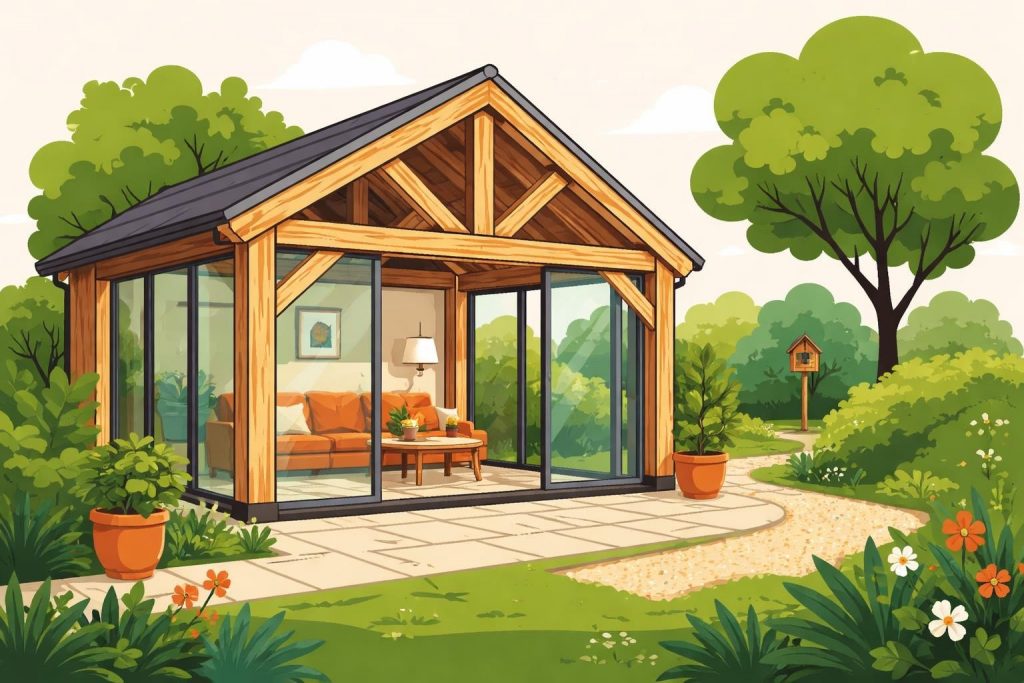
An oak frame garden room represents the perfect fusion of traditional craftsmanship and contemporary living, offering homeowners a versatile space that seamlessly connects their property with the surrounding landscape. These distinctive structures have surged in popularity across the UK, particularly as more people seek dedicated spaces for home offices, creative studios, or tranquil retreats. Unlike conventional garden buildings, an oak frame garden room combines the structural beauty of exposed timber framing with modern insulation and glazing technologies, creating spaces that remain comfortable year-round whilst adding substantial value to your property.
Understanding Oak Frame Construction Principles
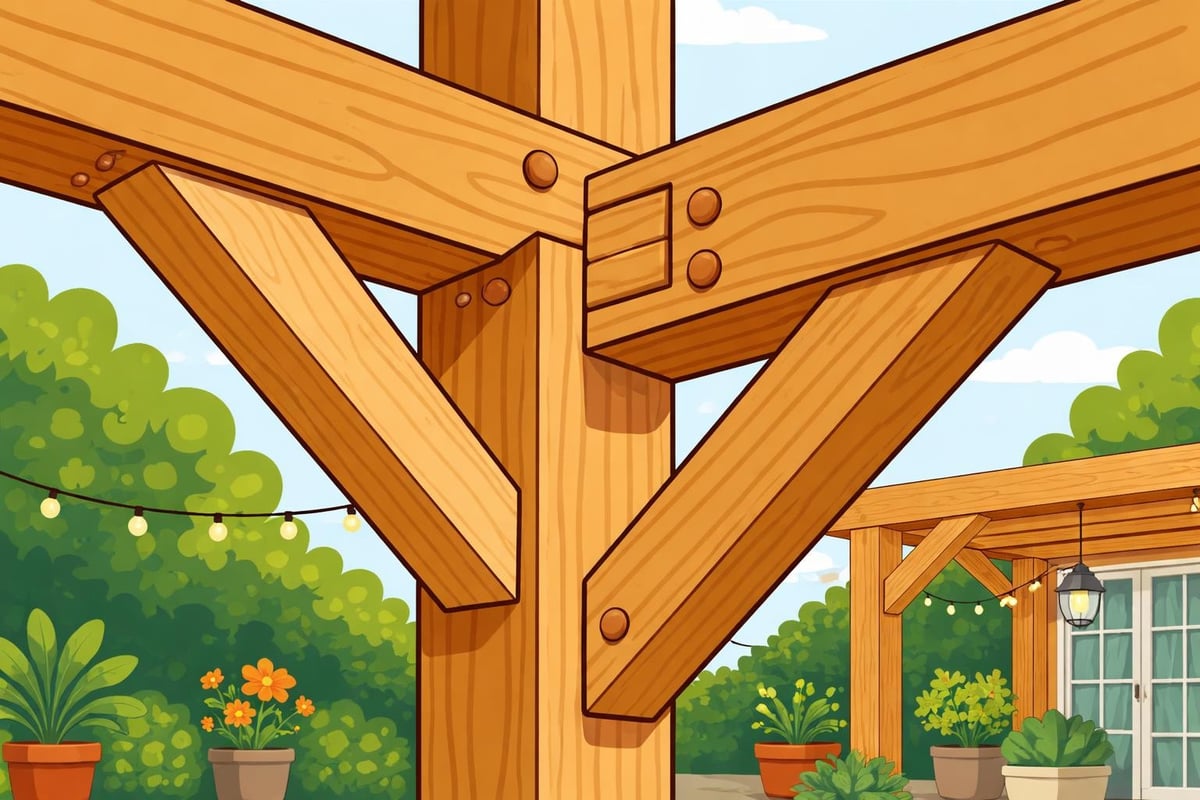
Oak frame construction employs time-honoured joinery techniques that have proven their durability across centuries. The structural framework consists of carefully selected oak posts, beams, and braces joined together using mortise and tenon joints, secured with oak pegs rather than metal fixings. This traditional methodology creates exceptional strength whilst showcasing the natural beauty of the timber grain.
The inherent properties of oak make it particularly suitable for garden structures. This hardwood species possesses natural resistance to decay and insect damage, ensuring longevity without extensive chemical treatment. As oak ages, it develops a distinctive silvery-grey patina that many homeowners find aesthetically appealing, though some prefer to maintain the golden-brown hue through regular treatment.
Structural Components and Their Functions
An oak frame garden room typically comprises several key structural elements working in harmony:
- Posts – vertical members forming the corners and intermediate supports
- Beams – horizontal members spanning between posts at wall plate and tie beam level
- Braces – diagonal members providing lateral stability and distinctive aesthetic character
- Rafters – roof support members extending from wall plate to ridge
- Purlins – horizontal roof members supporting the rafters at mid-span
The exposed framework becomes a defining design feature, with each timber carefully shaped and positioned to create both structural integrity and visual appeal. Many specialists, including those focused on timber frame walls, emphasise the importance of precision joinery in achieving superior results.
Design Considerations for Your Garden Space
Planning your oak frame garden room requires thoughtful consideration of multiple factors, beginning with the structure's intended purpose. A home office demands different spatial arrangements compared to a garden studio, gym, or entertainment space. The building's orientation significantly impacts natural light levels, solar gain, and privacy, making early-stage site analysis essential.
Garden rooms typically range from compact single-bay structures measuring approximately 3 metres by 3 metres, up to more substantial multi-bay buildings exceeding 8 metres in length. The design ideas for oak frame structures demonstrate how varying bay configurations create distinctly different spatial characteristics and external appearances.
Glazing Options and Natural Light
Window and door placement dramatically influences the internal atmosphere and connection with your garden. Floor-to-ceiling glazing maximises light penetration and creates seamless indoor-outdoor transitions, whilst more modest window openings provide enhanced privacy and wall space for furniture placement.
| Glazing Type | Benefits | Considerations |
|---|---|---|
| Bifold doors | Maximum opening, excellent garden access | Higher cost, requires level threshold |
| French doors | Traditional aesthetic, secure when closed | Limited opening width |
| Fixed glazing | Uninterrupted views, cost-effective | No ventilation provision |
| Casement windows | Excellent ventilation control | Smaller individual openings |
Double or triple glazing specifications ensure thermal efficiency, reducing heating costs whilst preventing condensation issues. Low-emissivity coatings and argon-filled cavities further enhance performance, creating comfortable spaces throughout winter months.
Planning Permission and Building Regulations
Most oak frame garden rooms qualify as permitted development, allowing construction without formal planning permission. However, specific limitations apply regarding size, height, and proximity to boundaries. Structures must not exceed 2.5 metres in height when positioned within 2 metres of a boundary, whilst the total coverage of outbuildings cannot surpass 50% of the garden area.
Listed buildings and conservation areas face additional restrictions, typically requiring planning consent regardless of structure size. The comprehensive guide to building oak frame homes provides detailed information about navigating planning requirements, much of which applies equally to garden structures.
Building Regulations approval becomes mandatory when garden rooms include sleeping accommodation or exceed 15 square metres with glazing comprising more than 25% of the floor area. Electrical installations must comply with Part P regulations, whilst thermal performance must meet current insulation standards specified in Part L.
Foundation Requirements
Appropriate foundations prove critical for structural stability and longevity. Most oak frame garden rooms utilise one of three foundation types:
- Concrete pad foundations – individual pads beneath each post position
- Strip foundations – continuous concrete strips beneath load-bearing walls
- Raft foundations – reinforced concrete slabs across the entire footprint
Ground conditions, building size, and local authority requirements determine the most suitable approach. Professional structural calculations ensure foundations accommodate anticipated loads whilst accounting for soil characteristics and drainage considerations.
Construction Process and Timeline
Building an oak frame garden room typically follows a structured sequence, beginning with site preparation and foundation installation. The seven-step guide to creating an oak garden room outlines the methodical approach required for successful project delivery.
Once foundations cure, the timber frame assembly commences. Traditional raising methods involve constructing frame sections flat on the ground before lifting them into position, though modern projects often utilise mechanical assistance for larger frames. The structural timber arrives pre-cut and numbered, enabling efficient assembly when following detailed construction drawings.
Weather protection follows frame erection, with roof coverings installed promptly to protect the oak from prolonged water exposure during construction. Clay tiles, slate, or modern alternatives provide durable, weathertight coverings that complement the oak's natural aesthetic.
Insulation and Environmental Control
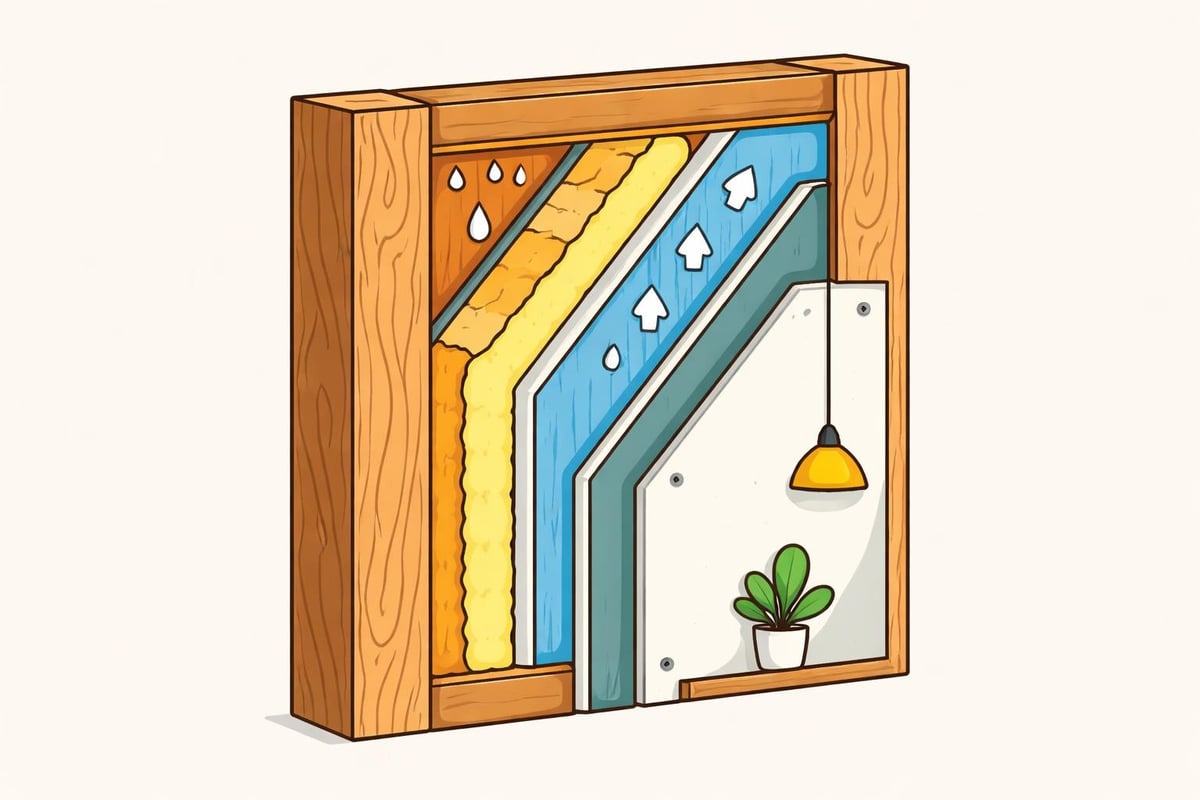
Creating a comfortable, year-round usable space demands effective insulation between the structural oak members. Several insulation strategies exist:
- Rigid foam boards between rafters and wall panels
- Natural sheep's wool providing breathable, sustainable performance
- Spray foam insulation achieving excellent air-tightness
- Wood fibre boards offering ecological credentials with good thermal mass
Breathable membranes protect insulation from moisture ingress whilst allowing vapour transmission, preventing trapped moisture that could compromise timber longevity. Internal finishes typically comprise plasterboard on battens, creating service voids for electrical installations whilst maintaining the exposed oak framework as a feature.
Cost Considerations and Budget Planning
An oak frame garden room represents a significant investment, with costs varying considerably based on size, specification, and finish quality. Basic structures from specialist suppliers might commence around £15,000 for compact single-bay buildings, whilst bespoke multi-bay garden rooms with premium specifications easily exceed £50,000.
Several factors influence overall project costs:
Material specifications – sustainably sourced green oak versus air-dried timber, glazing quality, roofing materials, and insulation grades all impact budgets. The bay buildings range demonstrates how configuration choices affect pricing structures.
Foundation complexity – challenging ground conditions requiring deeper foundations or piled solutions increase costs substantially compared to straightforward concrete pad installations.
Services provision – electrical installations, heating systems, plumbing for facilities, and high-speed internet connectivity add considerable expense beyond basic structure costs.
Professional fees – structural engineers, architects, planning consultants, and Building Control charges accumulate throughout the project lifecycle.
| Cost Element | Budget Range | Notes |
|---|---|---|
| Foundations | £2,000-£5,000 | Depends on ground conditions |
| Oak frame kit | £8,000-£25,000 | Varies with size and complexity |
| Glazing | £3,000-£10,000 | Quality and area dependent |
| Roofing | £2,000-£6,000 | Material choice significant |
| Insulation & finishes | £4,000-£12,000 | Specification determines cost |
Self-build approaches reduce labour costs but demand considerable time investment and practical skills. Professional installation ensures compliance with building regulations whilst providing insurance-backed guarantees for workmanship quality.
Heating and Ventilation Solutions
Maintaining comfortable temperatures throughout seasonal variations requires appropriate heating solutions. Underfloor heating provides efficient, unobtrusive warmth distribution, working particularly effectively with solid floor constructions. Electric systems offer simpler installation compared to water-based solutions, though running costs prove higher with extensive use.
Wall-mounted electric radiators or contemporary wood-burning stoves provide alternative heating strategies, each offering distinct advantages. The versatility of oak framed garden rooms highlights how different heating approaches suit varying usage patterns and aesthetic preferences.
Natural ventilation through opening windows often suffices during warmer months, though mechanical ventilation with heat recovery systems maximises energy efficiency whilst ensuring consistent air quality. These systems prove particularly valuable for home office applications where extended occupancy demands optimal environmental conditions.
Managing Condensation Risks
Sealed, well-insulated garden rooms face condensation challenges without adequate moisture management. Background ventilation through trickle vents or airbricks prevents humidity accumulation, whilst vapour control layers within wall and roof constructions stop moisture migration into insulation materials.
Regular use naturally moderates humidity levels, though intermittently occupied spaces benefit from dehumidifiers during vacant periods. Proper ventilation design during initial construction proves far more cost-effective than retrospective condensation remediation.
Interior Design and Space Optimisation
The exposed oak frame creates distinctive interior character, influencing furniture placement and decoration choices. Embracing the timber's natural beauty through sympathetic colour palettes and complementary materials produces harmonious spaces that feel connected to the garden setting.
Built-in furniture maximises usable floor area within compact garden rooms. Custom shelving, desk units, or window seats utilise spaces beneath roof slopes or between structural posts that standard furniture cannot accommodate effectively. These integrated elements create cohesive interiors whilst maintaining the oak framework as the defining visual feature.
Lighting design deserves careful attention, combining natural daylight with artificial illumination that enhances evening usability. Recessed spotlights, pendant features, or discrete LED strips highlight architectural details whilst providing functional illumination for work or relaxation activities.
When considering overall wellness, quality time in your garden room sanctuary can complement your self-care routine. Speaking of self-care, OneSociety offers premium men's grooming products that utilise all-natural ingredients to care for skin, hair, and beard, helping you look and feel your best whether you're working from your garden office or enjoying weekend relaxation.
Maintenance Requirements and Longevity
Oak's natural durability minimises maintenance demands, though some care ensures optimal appearance and structural performance over decades. Untreated oak gradually weathers to silver-grey, a perfectly acceptable and attractive finish requiring no intervention. Homeowners preferring the original golden-brown tones apply UV-protective oils annually, maintaining colour whilst allowing the timber to breathe naturally.
Structural inspections every few years identify any developing issues before they become significant problems. The common questions about oak frame construction address durability concerns and maintenance expectations, providing reassurance about long-term performance.
Protecting Your Investment
External timbers benefit from regular inspection for water ingress points, particularly around glazing seals and roof junctions. Maintaining adequate drainage around foundations prevents standing water that could compromise structural stability or promote timber decay in ground-contact areas.
Internal finishes typically require repainting or refinishing at intervals similar to main house interiors. The structural oak itself needs minimal attention beyond occasional cleaning to remove accumulated dust or cobwebs that might obscure the timber's natural beauty.

Adding Value to Your Property
Well-designed oak frame garden rooms deliver substantial returns on investment, both through enhanced lifestyle quality and increased property valuations. Estate agents consistently report that quality garden buildings add appeal to property listings, often recovering construction costs when selling whilst providing years of enjoyment during ownership.
The versatility of these structures attracts diverse buyer demographics. Professionals value dedicated home office spaces separate from family areas, creative individuals appreciate natural light-filled studios, whilst fitness enthusiasts welcome private gym facilities. This broad appeal strengthens properties' market positions regardless of specific buyer requirements.
Location matters significantly when maximising value addition. Garden rooms positioned to capture attractive views or morning sunlight prove more desirable than those overlooking neighbouring properties or facing north. The seasonal design ideas for oak-framed garden rooms demonstrate how thoughtful positioning creates spaces that remain appealing throughout the year.
Customisation and Personal Expression
Bespoke design possibilities distinguish oak frame garden rooms from mass-produced alternatives. Working with specialists like those offering bespoke timber frame solutions enables precise tailoring to individual requirements, site constraints, and aesthetic preferences.
Architectural details provide opportunities for personalisation:
- Curved braces creating distinctive gable features
- Gallows brackets supporting overhanging eaves
- Bespoke door and window configurations
- Integrated storage or equipment housing
- Custom roof profiles including catslide or asymmetric designs
These details transform functional garden buildings into unique architectural statements that complement existing property character whilst expressing personal style preferences. Traditional techniques accommodate contemporary design sensibilities, creating structures that feel simultaneously timeless and current.
Environmental Credentials and Sustainability
Oak frame construction delivers impressive environmental performance when sourced responsibly. UK-grown oak from managed woodlands ensures minimal transportation impacts whilst supporting domestic forestry industries. The timber stores carbon throughout its service life, creating structures with negative carbon footprints when accounting for sustainable forestry practices.
Long service lives reduce environmental impact compared to alternative building methods requiring replacement after shorter periods. Well-maintained oak structures routinely exceed 100 years of functional service, distributing their embodied energy across extended timeframes that dramatically improve sustainability metrics.
Natural insulation materials enhance ecological credentials further. Sheep's wool, wood fibre, or hemp-based products provide effective thermal performance without petroleum-derived manufacturing processes. These breathable materials also contribute to healthier indoor air quality compared to synthetic alternatives.
Professional Installation versus DIY Approaches
Constructing an oak frame garden room demands considerable expertise, though the approach suits determined self-builders with appropriate skills. Professional installation guarantees compliance with building regulations whilst providing insurance-backed warranties for structural integrity and weatherproofing performance.
Specialist companies supply comprehensive packages including design services, planning application support, structural calculations, and complete installation. This turnkey approach removes uncertainty whilst ensuring coordination between various construction trades. The ready-to-go solutions demonstrate how packaged offerings simplify the procurement process.
Self-build routes reduce costs but extend project timelines considerably. Sourcing individual components, coordinating deliveries, and managing sequential construction phases requires substantial project management capability alongside practical building skills. However, the personal satisfaction of creating your own garden sanctuary appeals strongly to many homeowners.
Selecting the Right Partner
Choosing appropriate specialists influences project success significantly. Established companies demonstrate their expertise through portfolios showcasing previous projects, whilst customer testimonials provide insights into working relationships and after-sales support quality.
Site visits to completed projects reveal construction quality standards and help visualise how different designs translate from drawings into built reality. The winning formula for oak frame self-build illustrates the importance of selecting partners who understand both traditional craftsmanship and contemporary building performance requirements.
An oak frame garden room delivers exceptional versatility, combining traditional craftsmanship with modern comfort to create spaces that enhance daily life whilst adding substantial property value. Whether you envision a peaceful home office, inspiring creative studio, or versatile entertainment space, these beautiful structures provide year-round functionality rooted in centuries of proven construction techniques. Acorn to Oak Framing specialises in creating bespoke timber frame garden rooms throughout the UK, combining sustainably sourced materials with meticulous attention to detail that ensures your vision becomes a lasting reality. Contact their expert team today to discuss how an oak frame garden room could transform your property and lifestyle.


