

Imagine stepping onto a porch frame that instantly boosts your home’s kerb appeal and stands the test of time. This expert guide will walk you through every critical aspect of building a porch frame designed to last well beyond 2026. Whether you are a homeowner, a builder, or a DIY enthusiast, you will uncover proven planning steps, smart material choices, robust design strategies, and practical assembly tips. Ready to secure lasting value for your property? Let’s explore the latest best practices that ensure your new porch frame remains a source of pride for many years to come.
Understanding Porch Frame Fundamentals
A porch frame is the backbone of any porch, shaping its structure, stability, and visual presence. Understanding the essentials is key for anyone considering a new build or renovation. Let us explore the core concepts, benefits, factors for durability, pitfalls to avoid, and the latest trends shaping the future of porch frame construction.
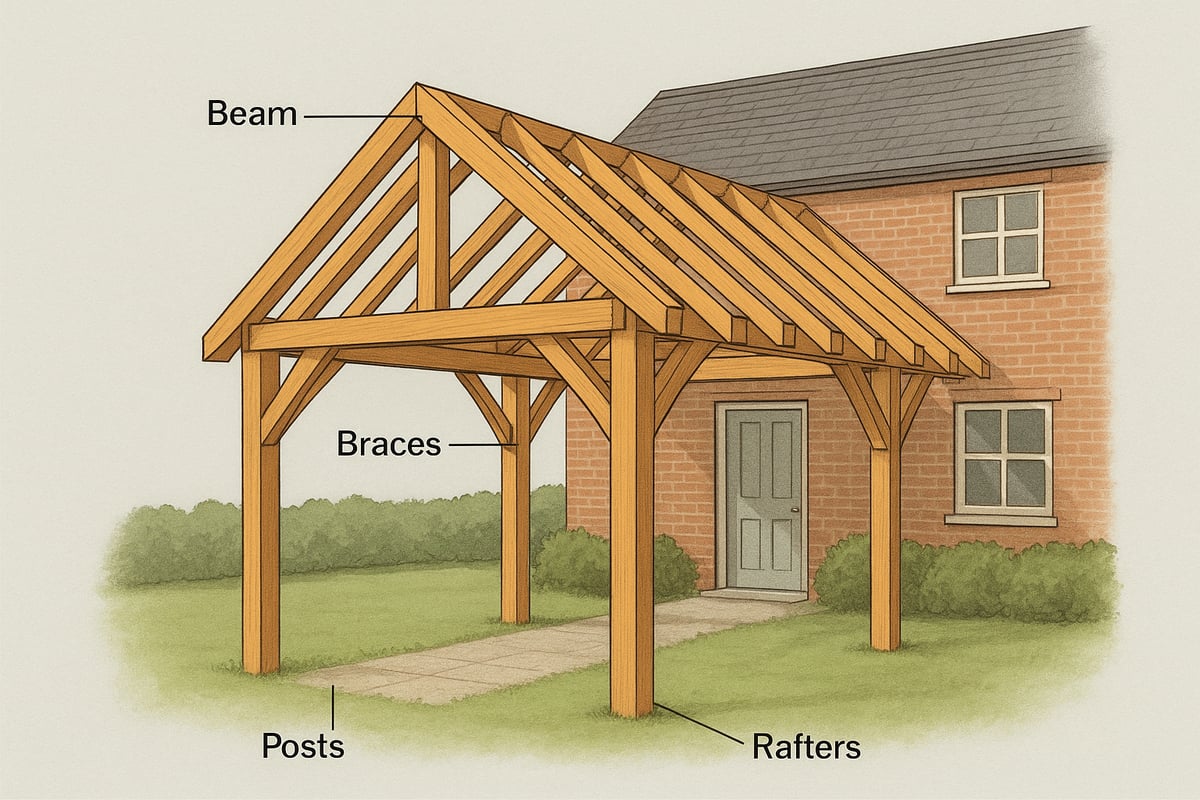
What is a Porch Frame?
A porch frame is a structural assembly that supports the roof and any cladding or decorative features at the entrance of a home. It typically consists of posts, beams, rafters, and braces, each playing a vital role in stability and load transfer. Unlike pergolas or garden arbours, a porch frame is built to attach directly to the property, providing shelter and defining the entryway.
In the UK, popular porch frame types include lean-to, wall-mounted, and full-height designs. The integrity of the porch frame not only safeguards against weather but also enhances the home's kerb appeal. When built to high standards, a quality porch frame can last for several decades. For a deeper dive into the essentials, see this guide on timber frame porch fundamentals.
Benefits of a Well-Constructed Porch Frame
Investing in a properly designed porch frame delivers lasting advantages. First, it elevates your property's value and creates a welcoming first impression. A solid porch frame also improves energy efficiency by shielding the doorway from wind and rain, reducing heat loss.
Homeowners benefit from extra sheltered space for storage, seating, or simply enjoying the outdoors. Maintenance costs remain lower over time, thanks to robust construction. Many UK homeowners report increased insurance cover and higher resale values following quality porch upgrades. A well-built porch frame is an asset for years to come.
Key Factors Affecting Porch Frame Longevity
Several elements determine how long a porch frame endures. Timber choice is crucial: green oak, larch, and Douglas fir are prized for strength and resilience. Superior craftsmanship and reliable jointing techniques, such as mortise and tenon, add to the frame's durability.
Exposure to rain, wind, and fluctuating temperatures can impact the lifespan, as can the stability of the foundations and surrounding groundworks. Adhering to UK building regulations and using certified materials, like those approved by BM Trada or Q-Mark, further extends the service life of the porch frame. Attention to these details ensures the frame stands the test of time.
Common Mistakes to Avoid
Avoiding common pitfalls is essential for a successful porch frame project. Using undersized or ungraded timbers can lead to structural failure. Skipping proper groundwork may cause the porch frame to settle unevenly or rot prematurely.
Neglecting moisture barriers and ventilation invites decay, while improper jointing or fastener selection undermines stability. Failing to secure planning permission risks costly delays. Real-world examples show that shortcuts in these areas often result in expensive repairs or complete rebuilds. Careful planning and execution are non-negotiable.
Trends and Innovations for 2026
Porch frame construction is evolving quickly. Modular and ready-to-assemble kits are gaining popularity for their ease and speed of installation. Sustainability is a growing focus, with more projects using FSC or PEFC-certified timber and seeking environmental certifications.
Smart home integration, such as built-in lighting and security, is becoming standard. Advances in timber treatments offer extended protection against the elements. Data from recent years highlights a steady rise in demand for sustainable oak porch frames across the UK, reflecting both environmental awareness and a desire for lasting quality.
Step-by-Step Guide: Planning and Designing Your Porch Frame
Planning your porch frame is the foundation of a successful, long-lasting addition to your home. Each step, from site survey to budgeting, ensures your project meets both your vision and technical requirements.
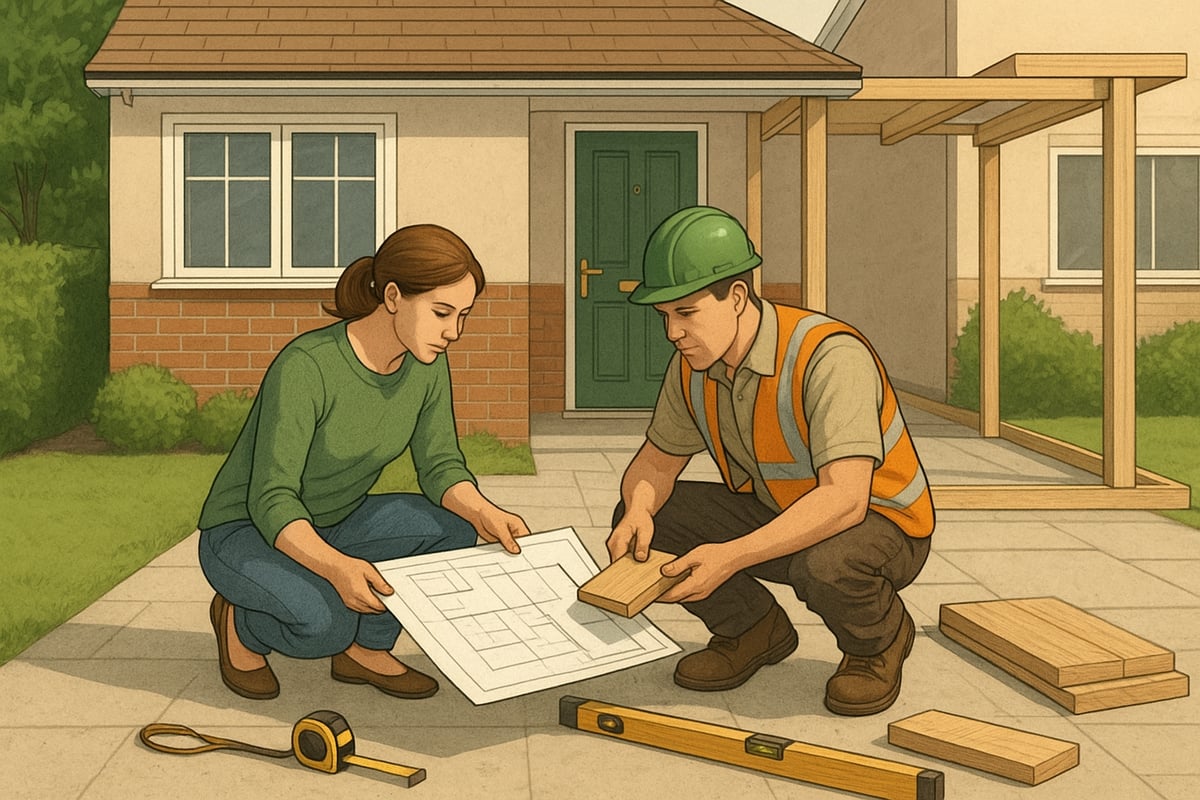
Assessing Site and Structural Requirements
Begin by thoroughly evaluating your porch frame site. Walk the area and check for adequate space, sunlight exposure, and effective drainage, as these factors directly influence comfort and durability.
Identify load-bearing points on your property, such as existing walls or footings, that can support the porch frame. Consider the local climate, especially if you live in a region prone to high winds or frequent rain, as this will affect your design choices.
Think about accessibility and how the porch will connect to your entryway. For example, in coastal UK homes, salt-laden air and higher moisture may require additional protective measures for your porch frame. Document your findings and measurements to guide your design planning.
Choosing the Right Porch Frame Style
Selecting the ideal porch frame style is about blending practicality with your home's character. In the UK, popular options include wall-mounted, floor-mounted, lean-to, brick plinth, and full-height designs. Each type offers distinct benefits and challenges.
| Style | Pros | Cons |
|---|---|---|
| Wall-mounted | Space-saving, suits small homes | Lower load capacity |
| Floor-mounted | Greater stability, flexible design | May need deeper foundations |
| Lean-to | Simple, cost-effective | Limited aesthetic appeal |
| Brick plinth | Adds height, protects timber base | Higher cost, more complex build |
| Full height | Imposing, creates grand entrance | Planning permission often required |
Match your porch frame style to your property's architecture. Data from 2025 suggests brick plinth and lean-to styles are among the most requested, reflecting a balance of tradition and modern needs.
Navigating Building Regulations and Planning Permission
Before construction, understand the legal requirements for your porch frame. UK building regulations outline essential standards for safety and structural integrity, while planning permission determines if your project can proceed without formal approval.
Assess whether your design meets permitted development criteria: size, height, and distance from boundaries all play a role. For most porches under 3 metres high and not within 2 metres of a boundary, planning permission is not required. However, always confirm specifics with your local authority.
For up-to-date, official guidance, consult the UK Building Regulations for Porches. Reviewing these resources early in your planning process helps prevent costly delays and ensures your porch frame is fully compliant.
Selecting Quality Materials for Lasting Performance
Choosing the right materials is crucial for a porch frame that stands the test of time. Timber options such as green oak, air-dried oak, larch, and Douglas fir each offer unique qualities in terms of strength, appearance, and longevity.
Opt for graded and certified timber, like Q-Mark or BM Trada, to guarantee structural standards. Check moisture content, as overly wet or dry timber can warp or crack. For fasteners, use galvanised or stainless steel to prevent rust, or oak dowels for a more traditional look.
Prioritise sustainability by sourcing FSC or PEFC-certified timber. This not only extends the lifespan of your porch frame but also supports responsible forestry practices.
Designing for Structural Strength and Aesthetics
A well-designed porch frame must balance structural demands with visual appeal. Calculate load paths and spans to ensure the frame can safely support the roof and withstand environmental stresses.
Incorporate elements like braces, corbels, and wind braces to reinforce joints and add architectural interest. Blend traditional joinery with modern touches for both durability and style.
Consider roof pitch and overhangs to effectively manage water runoff, and integrate guttering to protect the frame from moisture. Award-winning designs from recent years show how thoughtful detailing can elevate both the performance and kerb appeal of your porch frame.
Budgeting and Timeline Considerations
Understanding costs and timelines is essential for a smooth porch frame project. Typically, expenses break down into materials, labour, and permits. Factors such as the size, timber grade, and design complexity will influence your overall budget.
Bespoke porch frames may require longer lead times, especially if using premium materials or custom joinery, while kit options offer quicker turnaround. To avoid overspending, set aside a contingency fund for unexpected costs.
In 2025, the average UK porch frame costs range from £2,500 to £7,500, depending on specification. Plan carefully to balance quality with affordability, ensuring your investment delivers lasting value.
Materials and Techniques for a Durable Porch Frame
Selecting the right materials and applying proven techniques are the cornerstones of a durable porch frame. Every detail, from timber choice to the final fixings, plays a direct role in how well your structure withstands the test of time.
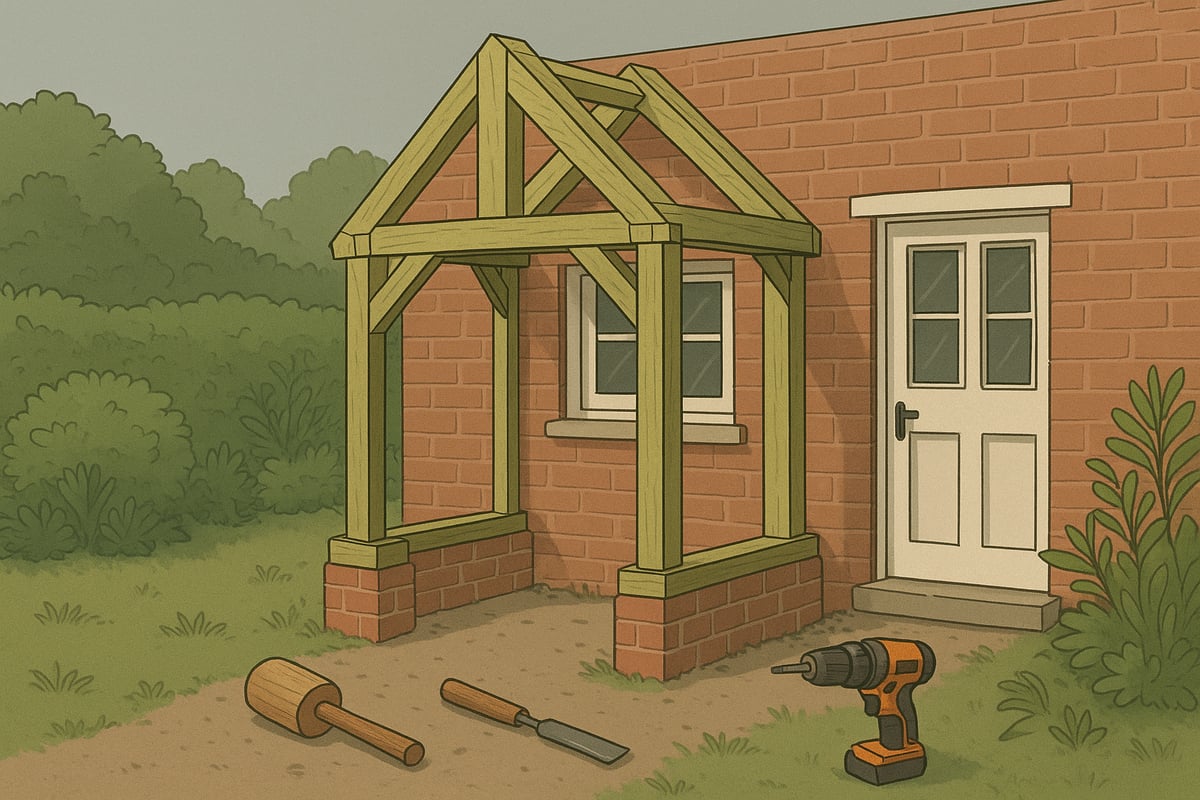
Timber Selection: What to Look For
The heart of any porch frame lies in its timber. Green oak is prized for its strength and traditional appearance, while air-dried oak offers greater stability with less shrinkage over time. Larch and Douglas fir are robust alternatives, valued for their resistance to decay and cost-effectiveness.
| Timber Type | Strength | Movement | Durability | Cost |
|---|---|---|---|---|
| Green Oak | High | Moderate | Excellent | Medium |
| Air-dried Oak | Very High | Low | Excellent | High |
| Larch | Good | Low | Very Good | Medium |
| Douglas Fir | Good | Low | Good | Low |
Always inspect for visual defects and ensure your timber is ethically sourced, preferably FSC or PEFC-certified. For those seeking in-depth guidance on the most suitable species, this Best Timber for UK Climate resource is invaluable. A reputable supplier’s process, such as Oak Frames Direct’s five-step approach, ensures consistent quality for your porch frame.
Jointing Methods and Structural Connections
Joinery is the backbone of a structurally sound porch frame. Traditional mortise and tenon joints provide exceptional strength, especially when reinforced with oak dowels or pegs. These methods reduce reliance on metal fixings and preserve the frame’s aesthetic.
Modern alternatives, like galvanised brackets, screws, and bolts, can speed up installation but may not match the longevity of classic joinery. Precision in cutting and assembling joints is critical, as even minor misalignments can weaken the frame. Many Q-Mark certified assemblies demonstrate how robust connections contribute to a lasting porch frame.
Foundations and Groundwork Essentials
The foundation is crucial to the stability of your porch frame. Common options include concrete pads, brick plinths, and pressure-treated timber posts, each offering varied levels of support and visual appeal. Proper drainage and a moisture barrier are essential to prevent rot and prolong timber life.
Begin with a levelled and compacted base, carefully marked out for accuracy. Integrate the new porch frame with existing paths or driveways to ensure seamless access. Comparing high and low brick plinths reveals differences in both appearance and moisture protection, so select what best suits your property and climate.
Weatherproofing and Timber Treatment
Weather protection is essential for any porch frame exposed to the UK’s unpredictable climate. Apply high-quality oils, stains, or paints to shield timber from moisture and UV rays. A breathable membrane under the roof covering helps manage condensation and allows the wood to expand and contract safely.
Modern treatments are highly effective at deterring insects and fungal attack. In a 2024 survey, treated porch frames showed a significantly reduced rate of decay over ten years. Regular maintenance, including re-application of finishes, is vital for extending the structure’s lifespan.
Tools and Fixings for Assembly
Equipping yourself with the right tools is essential for assembling a porch frame. Core hand tools include mallets, chisels, and saws, while power tools such as drills and impact drivers increase efficiency. Always use galvanised or stainless steel screws, nails, and brackets to prevent corrosion.
- Essential tools: mallet, chisel, saw, cordless drill
- Fasteners: galvanised screws, stainless steel nails, oak dowels
- Safety: gloves, goggles, lifting straps
Pre-drilling and countersinking fixings help prevent timber splitting and ensure a flush, professional finish. Kit-supplied fixings are tailored to the design, but custom-sourced options may be needed for bespoke porch frame projects.
Building Your Porch Frame: Assembly and Installation Tips
A successful porch frame build starts long before the first timber is cut. Careful preparation, precise assembly, and thorough checks are crucial for a structure that stands the test of time. This section breaks down each stage, helping you avoid common pitfalls and achieve a flawless finish.
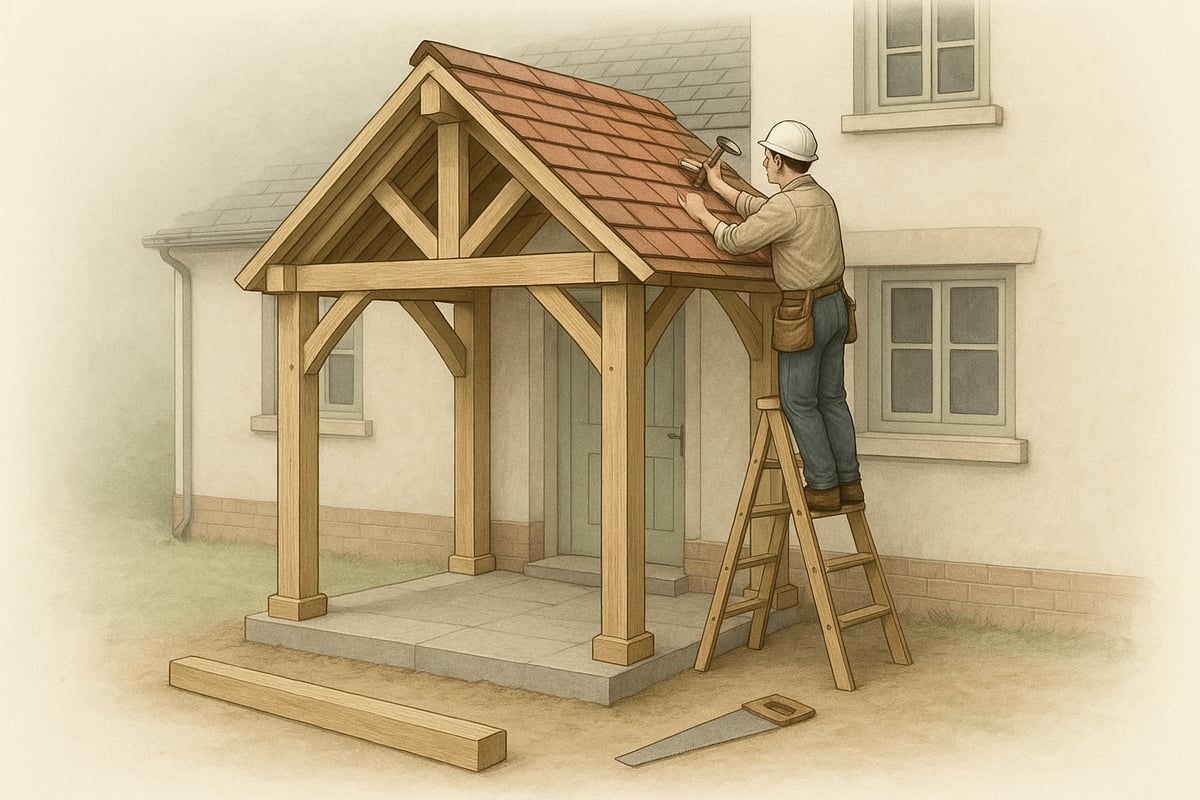
Preparing the Site and Laying Foundations
Begin by clearing the build area of debris, plants, and any obstacles. Mark out the porch frame footprint using string lines and stakes to ensure precise boundaries. Check the ground is level, as uneven bases can lead to structural issues later.
Prepare foundation pads, brick plinths, or timber posts, depending on your porch frame design. Use a spirit level to confirm all supports are square and at the correct height. Good drainage is essential, so install gravel or drainage channels to prevent water pooling around the base. Proper site preparation extends your porch frame's lifespan and prevents costly repair work in the future.
Frame Assembly: Step-by-Step Process
Start by dry-fitting all porch frame components to check for correct sizing and fit. This helps catch issues before final assembly. Position the main posts first, ensuring they are plumb and secured to the foundation. Next, fit horizontal beams and rafters, working systematically from bottom to top.
Install braces and wind braces to add rigidity, then align and square the porch frame before fixing. Use temporary supports if needed for safety and accuracy. For those using kits, porch kit assembly tips provide valuable guidance for efficient and secure assembly. Always follow manufacturer instructions and double-check each joint as you progress.
Fixing and Securing the Structure
Once the main porch frame is in position, secure joints with oak dowels, stainless steel screws, or galvanised brackets. Check all fixings for tightness and re-align any elements that have shifted. Reinforce high-stress points, such as beam intersections and where posts meet the base.
If connecting your porch frame to existing walls or roofs, use suitable anchors and flashing to ensure a weatherproof seal. Take time to inspect every joint, as even a small gap can compromise the frame's integrity. A well-secured porch frame resists wind and movement, protecting your investment for years.
Roofing and Cladding Options
Select roofing materials that match your home’s style and local climate. Tiles, slates, and wooden shingles are common choices for a porch frame, each offering unique aesthetics and durability. Ensure the roof pitch allows for effective water runoff to prevent leaks.
Consider adding cladding, such as oak boards or composite panels, for extra protection and visual appeal. Install guttering to direct rainwater away from the porch frame foundations. Always fit breathable membranes under roofing and cladding to manage moisture and prolong timber life.
Final Checks and Quality Assurance
After assembly, inspect the porch frame for level, plumb, and square using a spirit level and measuring tape. Double-check all joints, fixings, and connections for security and compliance with building regulations. Address any snags, such as protruding nails or uneven surfaces, before final finishing.
Common issues at this stage include minor misalignments or loose fixings, which should be corrected promptly. Proper quality assurance ensures your porch frame meets safety standards and delivers long-term performance. Take photos and notes for future maintenance reference.
Professional Help vs. DIY: Making the Right Choice
Deciding between a professional installation and a DIY build depends on your skills, tools, and project complexity. Professionals bring expertise, speed, and often warranties, making them ideal for complex or bespoke porch frame designs.
DIY assembly can save on labour costs and offers personal satisfaction, but requires careful planning and attention to detail. Assess your comfort with timber work, foundation preparation, and compliance requirements. For large or intricate porch frame projects, consulting a specialist ensures a safe, lasting result that enhances your home’s value.
Maintenance, Aftercare, and Upgrades for Longevity
Proper aftercare is the secret to ensuring your porch frame stands the test of time. Regular checks, timely treatments, and thoughtful upgrades can extend its lifespan considerably, protecting your investment and your home’s kerb appeal.
Routine Inspection and Maintenance Checklist
Establishing a regular inspection routine is vital for any timber porch frame. Begin with an annual check of all visible timbers, focusing on posts, beams, and joints. Look for splits, rot, or insect damage, especially in areas exposed to rain or ground moisture.
Inspect fasteners and joints for signs of loosening or corrosion. Remove any debris, leaves, or moss from the roof and gutters to maintain good airflow and prevent water pooling. Clearing away these materials allows your porch frame to breathe and reduces the risk of decay.
Many UK timber suppliers recommend creating a maintenance calendar to track these tasks. Keeping your porch frame in top condition starts with these simple, proactive steps.
Timber Treatment and Re-application
Treating your porch frame with the right products is essential for long-term durability. Use high-quality wood oils or stains designed for external use in the UK climate. Reapply finishes every two to three years, or sooner if you notice fading or water no longer beading on the surface.
Focus on exposed end grains and cut surfaces, as these are most vulnerable to moisture. Always follow manufacturer instructions for application and drying times. For more on the benefits of investing in a well-treated oak porch, see Oak frame porch benefits.
Regular timber treatment not only preserves appearance but also extends the porch frame’s lifespan, keeping it strong and weather-resistant for years to come.
Managing Moisture and Preventing Decay
Moisture is the greatest enemy of any porch frame. Ensure that drainage around the base is effective by checking downpipes, gullies, and surrounding ground levels. Promptly repair any leaks from guttering or roofing to stop water ingress before it causes damage.
Improving airflow underneath and around your porch frame reduces condensation and discourages mould growth. Consider adding vents or upgrading guttering if you notice persistent dampness. Simple fixes like extending downpipes or clearing blockages can make a significant difference.
By actively managing moisture, you safeguard the structural integrity and visual appeal of your porch frame for the long term.
Upgrading and Enhancing Your Porch Frame
Enhancing your porch frame with thoughtful upgrades can boost both function and style. Popular additions include integrated lighting, built-in seating, or discreet storage solutions for shoes and outdoor gear. Retrofitting weatherproofing membranes or adding insulation beneath the roof can improve comfort year-round.
Security upgrades, such as motion sensor lights or smart cameras, are increasingly common in UK homes. These features can be added during routine maintenance or as part of a renovation, keeping your porch frame modern and practical.
Regular upgrades not only enhance daily use but also add value to your property, ensuring your porch frame remains a desirable feature in the future.
Troubleshooting Common Issues
Even the best-built porch frame may experience minor issues over time. Timber movement, such as small cracks or splits, is normal as the wood adjusts to seasonal changes. Address loose joints promptly by tightening bolts or replacing fixings.
If you notice more serious damage, such as sagging beams or persistent rot, consult a professional for assessment. For guidance on repairing traditional joinery, explore Timber joinery and carpentry, which covers best practices for restoring structural integrity.
Having a plan for troubleshooting ensures your porch frame remains safe, attractive, and structurally sound year after year.
Frequently Asked Questions and Expert Answers
Top Porch Frame Queries in 2026
Choosing the right porch frame starts with answering the most common questions UK homeowners ask. What is the best timber for a porch frame in our climate? Most experts recommend green oak or air-dried oak for durability and aesthetics. How long should a properly built porch frame last? With good materials and care, 30–50 years is typical.
Do I need planning permission for my porch frame? In many cases, it falls under permitted development, but always check the latest rules. For clear guidance, see the Planning Permission for Porches resource. Can I assemble a porch frame kit myself? Many kits are designed for DIY, but complex builds may need a professional. Recent data shows queries about porch frame regulations and lifespan have doubled since 2025.
Expert Tips for Maximising Lifespan
To ensure your porch frame stands the test of time, prioritise quality at every step. Opt for graded and certified timber, such as Q-Mark or BM Trada approved oak. Regular maintenance, including inspections and timber treatments, keeps your porch frame resilient against weather.
Adapt the design to your local climate, accounting for wind and rainfall patterns. Always follow structural safety requirements, as outlined in the Approved Document A Overview, to avoid costly mistakes. Invest in skilled joinery, and do not cut corners on fasteners or foundations.
Checklist for longevity:
- Use certified structural timber
- Schedule annual maintenance checks
- Apply protective finishes as needed
- Ensure proper drainage and ventilation
- Adhere to UK building regulations
Cost, Value, and Return on Investment
Investing in a quality porch frame brings both immediate and lasting value. While upfront costs can range from £2,000 for a small kit to £8,000+ for bespoke designs, the long-term savings on repairs and improved home value are significant.
| Aspect | Initial Cost | Long-Term Saving | ROI Impact |
|---|---|---|---|
| Basic Kit | £2,000-£3,500 | Low maintenance | Moderate |
| Bespoke Oak Frame | £5,000-£8,000 | High durability | High |
| Professional Install | +£1,000-£2,000 | Peace of mind | Enhanced resale |
Homeowners report an average payback period of 5–8 years, especially when the porch frame enhances kerb appeal and insulation. A robust porch frame can add up to 5% to resale value, making it a smart, future-proof investment.
Where to Find Quality Porch Frame Kits and Services
Finding a reliable supplier or installer is crucial to your porch frame project’s success. Look for UK companies with strong reputations, clear certifications, and positive reviews. Leading providers offer both bespoke and modular porch frame kits, with support for planning and compliance.
Key criteria for choosing a supplier:
- Q-Mark, BM Trada, or similar certifications
- FSC/PEFC timber sourcing
- Clear warranty and aftercare support
- Responsive customer service
- Transparent pricing and lead times
Compare bespoke solutions for unique homes with ready-to-assemble kits for efficiency. For further learning, seek out supplier galleries and customer testimonials to inspire your own porch frame project.
Now that you’ve explored the essential steps for planning, designing, and maintaining a porch frame that truly lasts, you might be inspired to bring your vision to life. At Acorn to Oak Framing, we combine traditional craftsmanship with modern techniques, ensuring each structure is tailored to your needs and built to the highest standards. If you’re ready to invest in a durable, beautiful porch that will enhance your home’s value and appeal for years to come, let’s get started together. Explore bespoke options and see how your project could take shape:
BUILD NOW


