
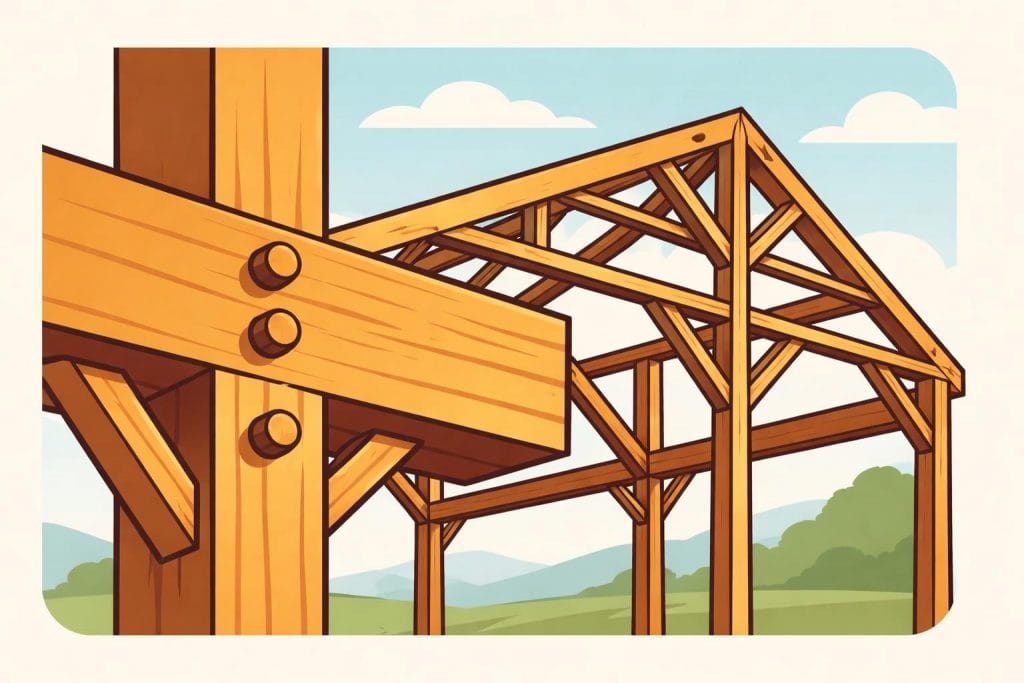
Post beam barn homes represent a remarkable fusion of agricultural heritage and contemporary living, combining the spacious openness of traditional barn structures with the comfort and functionality of modern residential design. These timber frame dwellings have surged in popularity across the UK, offering homeowners exceptional flexibility in layout, impressive energy efficiency, and a distinctive aesthetic that honours centuries-old building traditions whilst embracing 21st-century living standards. Understanding the principles behind post and beam construction can help prospective homeowners make informed decisions about whether this architectural style suits their needs.
What Are Post Beam Barn Homes
Post beam barn homes utilise a structural system where large vertical posts support horizontal beams, creating a robust framework that eliminates the need for load-bearing walls. This construction method dates back centuries and was originally employed in agricultural buildings where open interior spaces were essential for storing crops and housing livestock.
The fundamental principle involves strategically placed posts anchored to a foundation, with beams spanning between them to support the roof structure. Unlike conventional stud framing, which relies on numerous smaller timbers spaced closely together, post and beam construction uses fewer but substantially larger structural members, typically ranging from 150mm to 300mm in cross-section.
Structural Components and Engineering
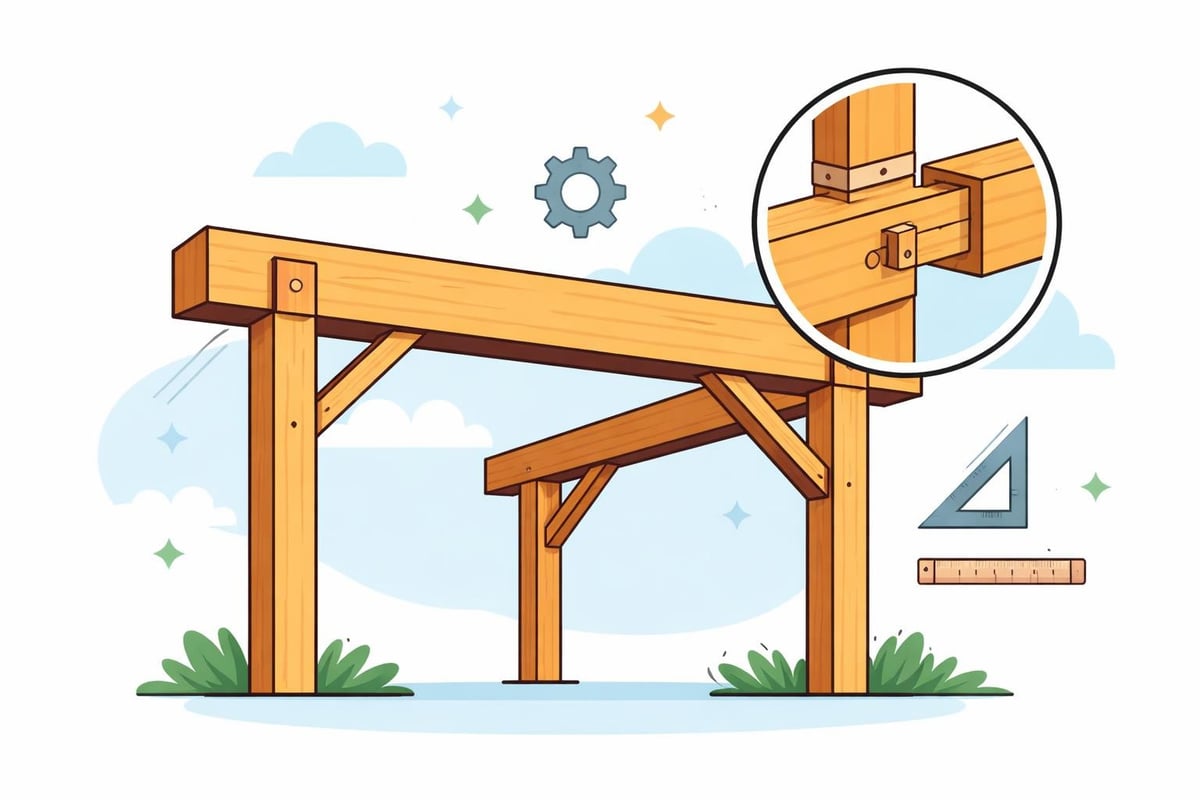
The skeleton of post beam barn homes consists of several key elements working in harmony:
- Posts: Vertical timbers that transfer loads directly to the foundation
- Beams: Horizontal members spanning between posts to support floor and roof structures
- Braces: Diagonal members that provide lateral stability and resistance to racking
- Joinery: Traditional mortise and tenon connections secured with wooden pegs or steel fasteners
- Purlins and rafters: Secondary members that complete the roof framing system
This engineering approach creates impressive clear spans, often exceeding 6 metres without intermediate support. The exposed timber framework becomes both structure and interior design feature, providing warmth and character that distinguishes these homes from conventional construction.
Design Flexibility and Spatial Benefits
One of the most compelling advantages of post beam barn homes lies in their extraordinary design flexibility. The structural independence of the frame from the exterior walls allows architects and homeowners to configure interior spaces with minimal constraints.
Open-Plan Living Possibilities
Modern families increasingly favour open-plan arrangements that facilitate social interaction and accommodate evolving lifestyle needs. Post beam construction naturally supports this preference by eliminating structural walls that would otherwise divide spaces. Ground floor layouts can feature continuous areas flowing from kitchen through dining to living zones, with the exposed timber frame providing visual interest overhead.
The barndominium concept exemplifies this approach, combining residential quarters with workshop or storage areas under one roof. Mezzanine levels can be incorporated without compromising the dramatic volume below, creating sleeping lofts or private retreats whilst maintaining connectivity with the main living space.
| Design Element | Conventional Construction | Post Beam Barn Homes |
|---|---|---|
| Maximum room span | 4-5 metres typical | 6-10 metres achievable |
| Load-bearing walls | Required throughout | Minimal or none |
| Ceiling heights | 2.4-2.7 metres standard | 3-6 metres common |
| Layout modifications | Constrained by structure | Highly flexible |
Customisation and Personalisation
Every post beam barn home can be tailored to individual requirements, from compact two-bay structures to expansive multi-bay residences. The modular nature of bay spacing allows incremental scaling, with typical bays ranging from 3 to 5 metres in width.
External cladding choices are equally diverse, including traditional weatherboarding, contemporary metal panels, brick, stone, or rendered finishes. This versatility enables post beam barn homes to complement existing architectural contexts, whether in rural settings requiring agricultural aesthetics or urban infill sites demanding modern design language.
Construction Methods and Materials
The quality and durability of post beam barn homes depend fundamentally on material selection and construction techniques. Oak remains the premium choice for structural timber framing in the UK, prized for its strength, longevity, and natural resistance to decay.
Timber Selection and Sourcing
Sustainably sourced oak from managed British woodlands offers several advantages:
- Superior structural performance with exceptional compression and bending strength
- Natural durability that improves with age as the timber seasons
- Aesthetic appeal with distinctive grain patterns and warm colouration
- Environmental credentials with carbon sequestration throughout the tree's life
Green oak, freshly sawn with moisture content above 25%, is traditionally preferred for post beam construction. As the timber seasons in situ, the joints tighten through controlled shrinkage, creating increasingly robust connections. This traditional approach requires skilled craftsmanship to anticipate and accommodate dimensional changes.
Traditional Versus Modern Joinery
Historical timber frames relied exclusively on wooden pegs and complex joinery geometry to resist structural loads. Modern practice often incorporates steel fixings, brackets, and bolts alongside traditional connections, combining heritage aesthetics with contemporary engineering certainty.
The mortise and tenon joint remains fundamental to post beam construction. A projecting tenon cut into the end of one timber slots into a corresponding mortise cavity in the receiving member. Properly proportioned and executed, these joints develop remarkable strength through mechanical interlocking rather than relying solely on adhesives or fasteners.
Specialists like those offering 4-bay timber frame buildings employ time-honoured techniques refined through generations of practice, ensuring structural integrity whilst showcasing the craftsmanship inherent in quality timber framing.

Planning and Building Regulations
Constructing post beam barn homes in the UK requires careful navigation of planning permissions and building regulations. Understanding these requirements early in the design process prevents costly revisions and delays.
Planning Permission Considerations
Most new residential buildings require full planning permission, though certain exemptions may apply for agricultural workers' dwellings or buildings replacing existing structures. Local planning authorities assess proposals against criteria including:
- Siting and impact on surrounding landscape or streetscape
- Scale and massing relative to neighbouring properties
- Design quality and use of appropriate materials
- Access arrangements and parking provision
- Impact on heritage assets or protected areas
Post beam barn homes often gain favour with planning officers when designed to reflect local vernacular architecture. In rural contexts, agricultural styling can facilitate approval, particularly when replacing redundant farm buildings. The historic significance of barn architecture demonstrates the cultural value planning systems seek to preserve.
Building Regulations Compliance
Approved Document compliance ensures post beam barn homes meet current standards for structural safety, fire protection, thermal performance, and accessibility. Key considerations include:
Structural stability: Timber frame designs require structural calculations certified by qualified engineers, demonstrating adequate load paths and lateral bracing to resist wind and imposed loads.
Thermal performance: Achieving required U-values necessitates effective insulation strategies. External walls typically incorporate insulated panels between or external to the timber frame, whilst roof insulation may be positioned between purlins or above rafters. Understanding timber frame wall insulation is essential for meeting Part L requirements.
Fire safety: Exposed structural timbers must achieve appropriate fire resistance ratings, often requiring minimum member sizes or sacrificial timber depth that chars during fire exposure whilst maintaining structural integrity.
Moisture control: Adequate ventilation and vapour control layers prevent condensation within the timber frame structure, protecting against decay and maintaining indoor air quality.
Cost Considerations and Value
Financial planning for post beam barn homes requires understanding both initial construction costs and long-term value propositions. The investment encompasses materials, labour, professional fees, and ancillary expenses that together determine overall project viability.
Construction Budget Components
Post beam barn home costs vary significantly based on specification, size, and finish quality. Primary budget categories include:
| Cost Category | Typical Range (£/m²) | Notes |
|---|---|---|
| Timber frame supply | £180-£350 | Green oak frame, traditional joinery |
| Frame erection | £50-£100 | Specialist labour, crane hire |
| Foundation and groundworks | £120-£200 | Depends on site conditions |
| External envelope | £150-£300 | Cladding, windows, roofing |
| Internal fit-out | £400-£800 | Varies dramatically with specification |
| Professional fees | 10-15% of build cost | Architect, engineer, surveys |
Total costs for self-build projects typically range from £1,200 to £2,500 per square metre, positioning post beam barn homes competitively against conventional construction whilst offering superior aesthetic and spatial qualities.
Long-Term Value and Marketability
Post beam barn homes often command premium valuations due to their distinctive character and quality construction. The exposed timber framing creates immediate visual impact that resonates with buyers seeking properties with architectural merit beyond standard developer offerings.
Energy efficiency delivered through modern insulation standards reduces operational costs whilst enhancing environmental credentials increasingly valued in property markets. The durability of properly constructed timber frames ensures minimal maintenance requirements, with oak structures routinely lasting centuries when adequately protected from moisture.
Furthermore, the flexibility inherent in post beam design allows straightforward adaptations as family needs evolve. Adding extensions or reconfiguring interior spaces proves simpler than with load-bearing wall construction, protecting against obsolescence and supporting long-term value retention.
Interior Design and Living Experience
The internal environment of post beam barn homes offers unique opportunities for creative interior design that celebrates structural elements whilst addressing practical living requirements.
Embracing Exposed Timber
Rather than concealing the framework behind plasterboard, most homeowners showcase the timber structure as a defining aesthetic feature. The interplay of posts, beams, and braces creates rhythm and visual interest throughout interior spaces.
Treatment options for exposed oak include:
- Natural finish with clear oils that enhance grain whilst allowing seasonal movement
- Limed or whitewashed effects that lighten spaces whilst retaining texture
- Sand-blasted surfaces that emphasise grain patterns and create tactile interest
- Traditional wax finishes that develop rich patination over time
Lighting design becomes particularly important, with carefully positioned uplighters and spotlights accentuating timber profiles and creating dramatic shadows that emphasise structural depth.
Balancing Character with Contemporary Comfort
Successfully integrating modern amenities within rustic frameworks requires thoughtful design. Contemporary kitchens, bathrooms, and living areas can coexist harmoniously with traditional timber structures when colour palettes, materials, and furnishing styles create deliberate contrast rather than awkward conflict.
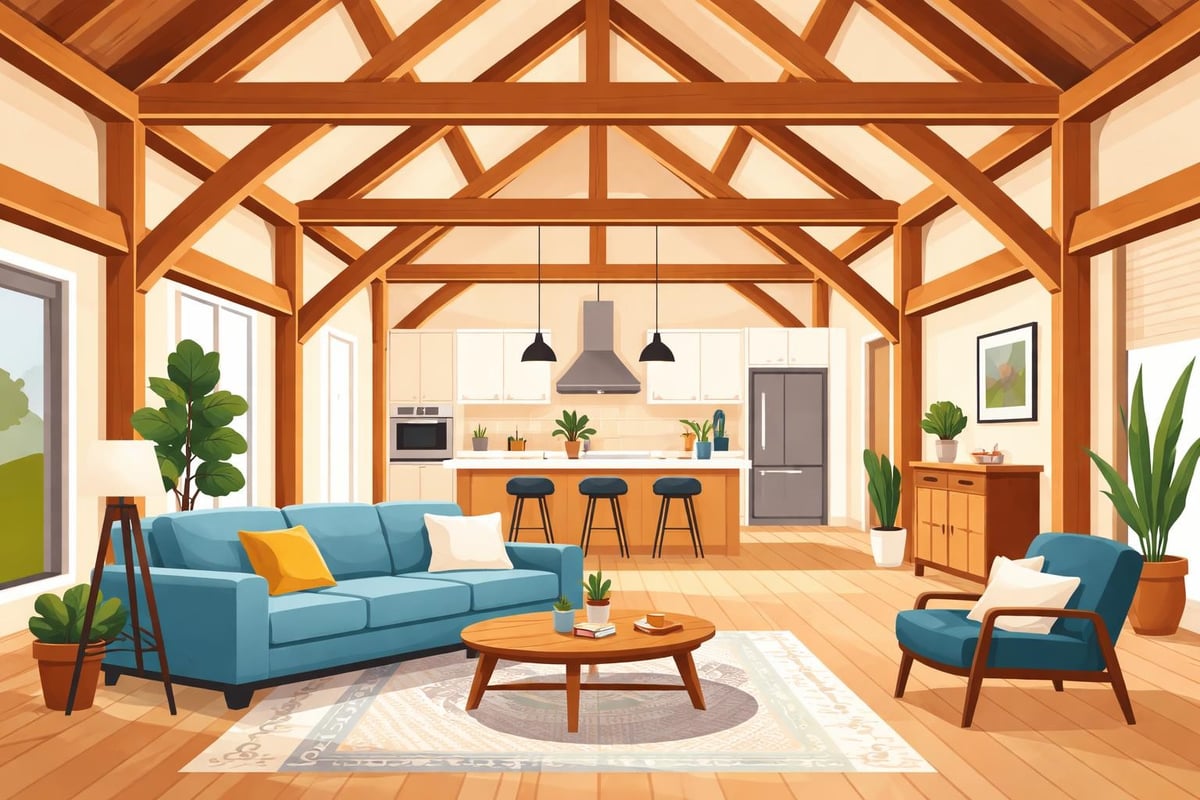
Minimalist aesthetics often complement post beam interiors effectively, with clean-lined furniture and uncluttered spaces allowing the architecture to dominate. Alternatively, rustic or industrial styling amplifies the barn heritage through complementary materials like reclaimed wood, metal accents, and natural textiles.
Acoustic considerations warrant attention in large open volumes where sound can reverberate. Strategic placement of soft furnishings, rugs, and fabric treatments alongside acoustic panels concealed within wall build-ups manages sound transmission whilst preserving desired spatial qualities.
Sustainability and Environmental Performance
Post beam barn homes align closely with contemporary sustainability objectives through material choices, construction methods, and operational performance. Understanding these environmental credentials helps homeowners appreciate the broader impact of their building decisions.
Carbon Sequestration and Timber Benefits
Oak timber used in post and beam construction functions as long-term carbon storage, locking away atmospheric CO₂ absorbed during the tree's growth. A typical timber frame containing 15-20 cubic metres of oak sequesters approximately 12-16 tonnes of carbon dioxide equivalent, offsetting emissions from other building materials and construction activities.
When sourced from sustainably managed British woodlands certified under schemes like FSC or PEFC, timber framing supports forest ecosystems that continue absorbing carbon whilst providing biodiversity habitats. This contrasts favourably with carbon-intensive materials like concrete and steel that dominate conventional construction.
Energy Efficiency and Operational Sustainability
Modern post beam barn homes achieve excellent thermal performance through strategic insulation placement. Continuous insulation layers external to the timber frame eliminate thermal bridging that compromises energy efficiency in other construction types.
Airtightness standards achievable with careful detailing reduce heat loss through infiltration, lowering heating demands and associated carbon emissions. Combined with renewable energy systems like heat pumps or solar panels, post beam barn homes can achieve net-zero operational carbon.
The longevity inherent in quality oak framing also contributes to sustainability by avoiding premature replacement cycles that generate waste and consume resources. Structures built by companies like Acorn to Oak Framing using traditional techniques represent genuinely durable construction capable of serving multiple generations.
Selecting the Right Design Configuration
Choosing an appropriate bay configuration and overall layout forms a critical early decision in post beam barn home development. The modular nature of bay framing offers standardised options that balance economy with spatial functionality.
Bay Sizing and Structural Spans
Typical bay widths range from 3 to 5 metres, with 4-metre bays representing a popular compromise between material efficiency and usable space. Narrower bays reduce beam spans and required timber dimensions, potentially lowering costs but creating more frequent post divisions that may impact furniture placement and circulation.
Wider bays maximise uninterrupted floor areas but necessitate larger beams and stronger connections to resist increased bending moments. Structural depth also increases with span, potentially reducing headroom in upper floors or creating awkward proportions.
Common configurations include:
- Two-bay buildings: Compact footprints suitable for smaller homes or ancillary accommodation
- Three-bay structures: Versatile layouts accommodating standard family housing requirements
- Five-bay designs: Spacious homes with distinct zoning opportunities for large families
Roof Forms and Height Variations
Roof configuration significantly influences both exterior appearance and interior spatial quality. Traditional barn roofs feature simple gable or hipped geometries with relatively steep pitches, creating generous volumes within the frame.
Raised eaves increase wall height before the roof slope begins, improving usability in upper floor rooms whilst maintaining traditional roof profiles. Raised eaves buildings provide additional headroom that transforms loft spaces into fully functional accommodation rather than limited storage areas.
Cathedral ceilings that follow the roof pitch internally maximise volume and create dramatic perspectives, though they complicate heating and may increase construction costs. Alternatively, flat ceilings beneath attic spaces provide conventional room proportions with storage overhead, sacrificing visual drama for practical efficiency.
Practical Living: Adaptability and Multi-Use Spaces
Post beam barn homes excel at accommodating diverse living patterns and multiple functions within single structures. This versatility proves particularly valuable as household needs evolve over time.
Work-From-Home Integration
The shift towards remote working has amplified demand for residential spaces that support professional activities alongside domestic life. Post beam barn homes naturally facilitate this integration through flexible zoning within open plans or dedicated office areas separated from living quarters.
Large structures might incorporate ground floor offices with independent access, allowing client meetings without disturbing household privacy. Mezzanine studies overlooking main living areas provide workspace connectivity whilst maintaining visual separation from domestic activities below.
Hobby and Storage Requirements
Agricultural barn origins translate naturally into modern storage needs, workshop spaces, and hobby areas. Ground floor areas can accommodate vehicles, tools, and equipment alongside residential zones, particularly appealing for enthusiasts pursuing restoration projects, woodworking, or other space-intensive interests.
The combination of residential and functional spaces mirrors historical patterns where agricultural families lived above or adjacent to working areas, creating efficient use of building volumes and reducing the need for separate ancillary structures.
Professional Construction Support
While self-builders with appropriate skills might undertake some aspects of post beam barn home construction, most projects benefit from professional expertise ensuring structural integrity, regulatory compliance, and quality outcomes.
Specialist Timber Frame Contractors
Companies focusing on traditional timber framing bring invaluable experience in material selection, joinery execution, frame erection, and integration with modern building systems. Their involvement typically encompasses design refinement, timber sourcing and preparation, fabrication of frame components, and site assembly.
The precision required for successful post and beam construction demands specialised knowledge that general builders may lack. Traditional post and beam frame construction techniques differ substantially from standard carpentry, requiring craftspeople trained in assessing timber grain orientation, cutting complex joints, and understanding how green oak behaves during seasoning.
Design and Engineering Services
Architects experienced with timber frame buildings help clients articulate vision into buildable designs that satisfy planning requirements whilst optimising spatial qualities and construction efficiency. Their understanding of contemporary timber frame houses ensures designs balance traditional character with modern performance expectations.
Structural engineers provide essential calculations demonstrating frame adequacy, designing connections to resist applied loads, and specifying foundation requirements. Their certification satisfies building control requirements and provides assurance that completed structures perform safely throughout their intended lifespan.
Maintenance and Long-Term Care
Preserving post beam barn homes in excellent condition requires understanding timber behaviour and implementing appropriate maintenance regimes. Properly cared for, oak frames improve with age rather than deteriorating.
Protecting Timber from Moisture
The primary threat to timber longevity comes from sustained moisture exposure enabling fungal decay. Preventing this requires:
- Adequate roof overhangs that shield walls from direct rainfall
- Proper ground clearance separating timber from soil moisture
- Effective guttering and drainage systems directing water away from foundations
- Breathable finishes allowing moisture vapour to escape whilst repelling liquid water
- Regular inspections identifying and addressing leaks promptly
Internal timbers in heated spaces typically maintain moisture content below thresholds supporting decay, requiring minimal intervention beyond periodic cleaning and refinishing if desired.
Seasonal Movement and Inspection
Green oak frames undergo significant dimensional changes during the first 3-5 years as moisture content stabilises. This natural process tightens joints and may create minor surface checking (small cracks running perpendicular to grain) that poses no structural concern.
Annual inspections should examine:
- Joint integrity and connection security
- Evidence of insect activity (though oak's natural durability resists most UK pests)
- Condition of cladding, roofing, and weatherproofing details
- Performance of gutters, downpipes, and drainage systems
Addressing minor issues promptly prevents escalation into significant problems requiring extensive remediation.
Post beam barn homes offer a compelling alternative to conventional housing, combining architectural distinction with practical versatility and environmental responsibility. Their open layouts, exposed timber aesthetics, and adaptable configurations suit contemporary lifestyles whilst honouring centuries of building tradition. Whether you're planning a compact countryside retreat or an expansive family residence, the principles of post and beam construction deliver exceptional spatial quality and enduring value. Acorn to Oak Framing specialises in creating bespoke timber frame buildings that transform client visions into beautifully crafted realities, combining traditional joinery expertise with modern design sensibilities to deliver homes that enhance both lifestyle and property value for generations to come.


