
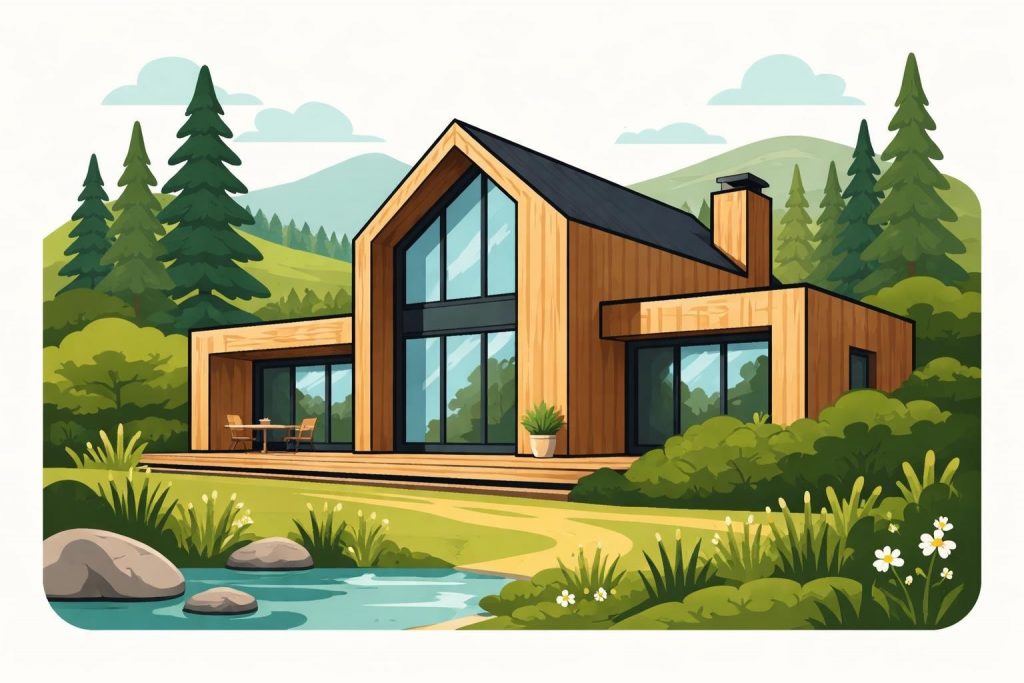
Timber cladding transforms ordinary houses into architectural statements that blend seamlessly with their natural surroundings. As homeowners increasingly seek sustainable, aesthetically pleasing exterior solutions, timber clad houses have emerged as a sophisticated choice that combines environmental responsibility with timeless beauty. From contemporary urban dwellings to rural retreats, timber cladding offers versatility that adapts to diverse architectural styles whilst providing exceptional thermal performance and weather protection. Understanding the nuances of timber species, installation methods, and maintenance requirements empowers property owners to make informed decisions that enhance both property value and living experience.
Why Timber Clad Houses Deliver Exceptional Value
The growing popularity of timber clad houses stems from their unique combination of practical benefits and visual appeal. Natural wood provides superior insulation properties compared to many alternative cladding materials, reducing energy consumption and heating costs throughout the year. This thermal efficiency proves particularly valuable in the UK climate, where temperature fluctuations demand robust building envelopes.
Timber cladding delivers remarkable design flexibility, accommodating both traditional and contemporary timber frame houses with equal elegance. Horizontal, vertical, or diagonal board arrangements create distinct visual effects that complement architectural features whilst concealing structural elements. The material's natural texture adds depth and character that synthetic alternatives struggle to replicate.
Environmental Sustainability and Carbon Sequestration
Sustainably sourced timber represents one of the most environmentally responsible building materials available today. Trees absorb carbon dioxide during growth, effectively locking carbon within the wood fibre for the structure's lifetime. When harvested from responsibly managed forests, timber becomes a renewable resource that supports ecological balance rather than depleting finite reserves.
Key environmental advantages include:
- Carbon storage: Each cubic metre of timber stores approximately one tonne of CO2
- Low embodied energy: Processing timber requires significantly less energy than manufacturing brick, concrete, or metal
- Biodegradability: At end of life, timber decomposes naturally without releasing harmful chemicals
- Local sourcing: UK-grown oak and other native species reduce transportation emissions
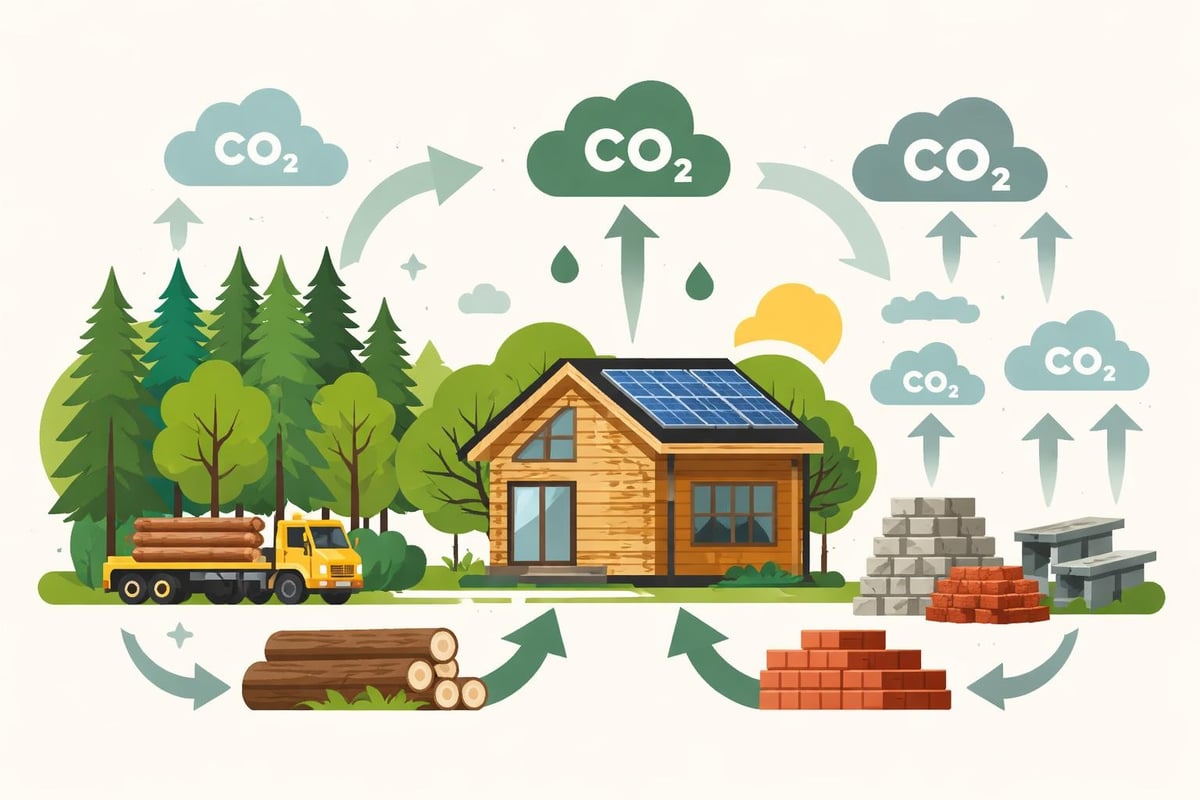
The thermal mass properties of timber clad houses contribute to year-round comfort by moderating internal temperatures. During summer months, timber absorbs excess heat, whilst in winter, it helps retain warmth within living spaces. This natural regulation complements modern insulation systems, creating homes that require minimal artificial heating or cooling.
Selecting the Right Timber Species for Cladding
Choosing appropriate timber species fundamentally influences the longevity, appearance, and maintenance requirements of timber clad houses. Different woods offer varying degrees of natural durability, colour variation, and weather resistance. Understanding these characteristics ensures alignment between material selection and project objectives.
| Timber Species | Durability Class | Natural Colour | Maintenance Level | Typical Lifespan |
|---|---|---|---|---|
| Oak | 2 (Durable) | Golden brown to silver-grey | Low | 60+ years |
| Western Red Cedar | 2-3 (Durable to Moderately Durable) | Reddish-brown | Low to Medium | 40+ years |
| Larch | 3-4 (Moderately Durable) | Honey brown to grey | Medium | 30+ years |
| Douglas Fir | 3-4 (Moderately Durable) | Reddish-brown | Medium | 25+ years |
| Sweet Chestnut | 2 (Durable) | Pale brown | Low | 50+ years |
Oak stands as the premium choice for timber clad houses, particularly when durability and aesthetic longevity matter most. Its exceptional structural integrity withstands British weather conditions whilst developing an attractive silver-grey patina over time. Understanding the nuances of timber frame joints becomes essential when integrating cladding with structural elements.
Treatment Options and Preservation Methods
Even naturally durable species benefit from appropriate treatment to maximise service life. Modern preservation techniques protect timber from moisture ingress, fungal decay, and insect attack without compromising environmental credentials. The selection between treated and untreated options depends on species choice, exposure levels, and aesthetic preferences.
Preservation approaches include:
- Pressure treatment: Forces preservative deep into timber fibres for comprehensive protection
- Surface coatings: Oils, stains, and paints create protective barriers whilst enhancing appearance
- Thermal modification: Heat treatment alters wood structure to improve stability and resistance
- Natural weathering: Allowing untreated timber to silver gracefully without protective finishes
Installation Methods and Construction Techniques
Proper installation determines whether timber clad houses achieve their full potential for durability and performance. The cladding system must accommodate natural timber movement whilst preventing moisture accumulation behind boards. Ventilation gaps, breather membranes, and appropriate fixings work together to create a robust envelope that protects underlying structures.
Battening Systems and Ventilation Requirements
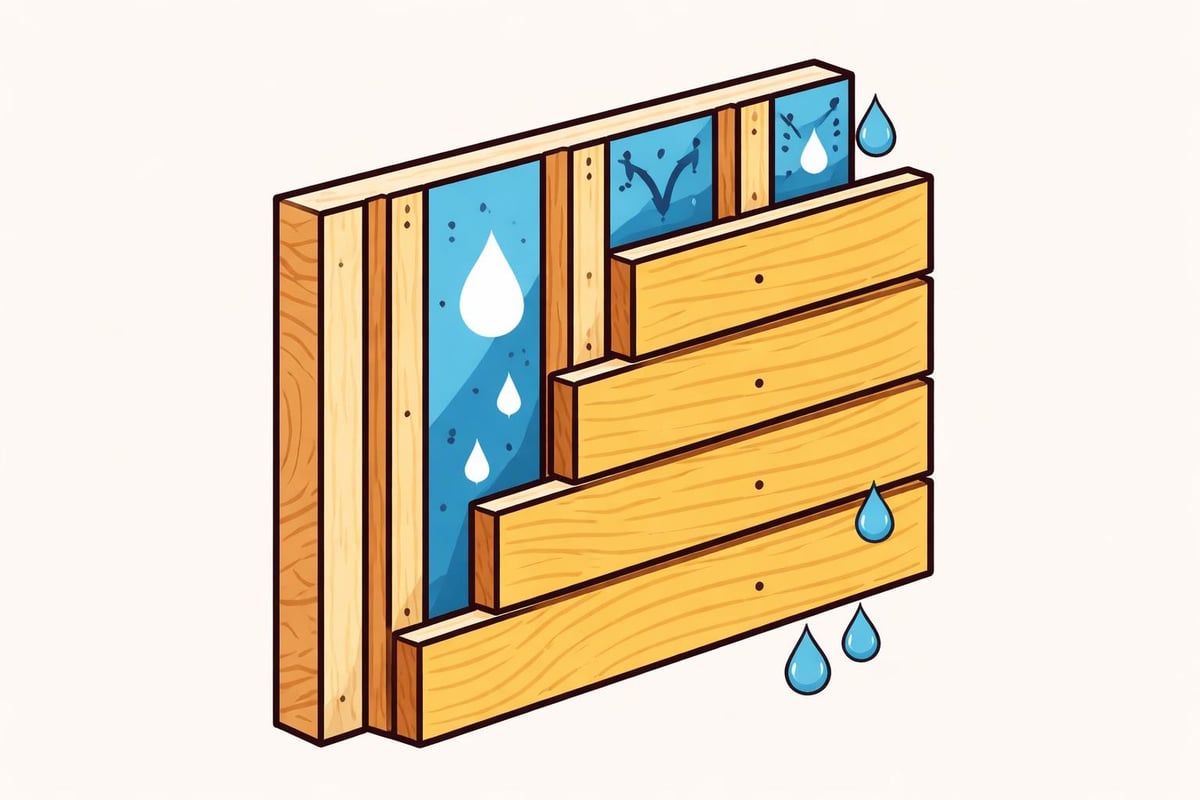
Creating an air gap between cladding and the structural wall proves essential for moisture management. Vertical battens typically range from 25mm to 50mm thickness, providing sufficient space for airflow whilst supporting cladding boards securely. This cavity allows any moisture that penetrates the outer layer to evaporate harmlessly rather than saturating insulation or timber frames.
The fundamental construction sequence follows this pattern:
- Structural wall preparation: Ensure weatherproof membrane installation across entire surface
- Batten fixing: Secure vertical battens to structural wall at regular centres (typically 400-600mm)
- Board attachment: Fix cladding boards to battens using appropriate fasteners
- Joint treatment: Install trim pieces, corner details, and window reveals
- Final protection: Apply surface treatment if specified in design
Horizontal board installations present unique challenges regarding water drainage. Each board must overlap or interlock with those below to shed water effectively. Timber frame home construction in the UK typically incorporates these principles from initial design stages, ensuring cladding integrates seamlessly with overall building performance.
Design Profiles and Aesthetic Possibilities
Timber clad houses accommodate diverse architectural expressions through varied board profiles and fixing arrangements. The choice between traditional overlapping styles and contemporary flush detailing dramatically influences visual impact. Several innovative cladding ideas demonstrate how different approaches transform building exteriors whilst maintaining functional performance.
Board Profiles and Their Applications
Different cladding profiles create distinct shadows, textures, and weathering characteristics. Selection often balances aesthetic preferences with practical considerations such as water shedding efficiency and ease of maintenance access.
Common profile options include:
- Featheredge: Overlapping boards creating strong horizontal lines
- Shiplap: Rebated edges providing weather-tight joints
- Tongue and groove: Interlocking boards offering seamless appearance
- Board-on-board: Vertical boards with overlapping battens creating three-dimensional texture
- Rainscreen: Flush-mounted boards with concealed fixings for contemporary minimalism
The orientation choice between horizontal and vertical significantly impacts visual proportion. Horizontal boards emphasise building width and create grounding effects, whilst vertical installations accentuate height and produce uplifting sensations. Mixed orientations within single projects establish visual hierarchy and define functional zones.
Maintenance Requirements and Longevity Strategies
Understanding maintenance needs proves crucial for timber clad houses to retain their beauty and protective function throughout decades of service. Regular inspection identifies minor issues before they escalate into costly repairs, whilst strategic interventions preserve timber quality and appearance. The maintenance intensity varies substantially depending on species selection, finish choices, and exposure conditions.
Inspection Schedules and Preventive Care
Annual inspections conducted during dry weather reveal potential problems whilst they remain manageable. Particular attention should focus on horizontal surfaces, ground-level boards, and areas around openings where moisture accumulation proves most likely.
| Maintenance Task | Frequency | Purpose | Time Required |
|---|---|---|---|
| Visual inspection | Annually | Identify damage or deterioration | 1-2 hours |
| Cleaning | Every 2-3 years | Remove dirt and biological growth | 4-6 hours |
| Finish reapplication | Every 3-5 years | Maintain protection and appearance | 1-2 days |
| Fastener checks | Every 5 years | Ensure secure attachment | 2-3 hours |
| Board replacement | As needed | Address damaged sections | Variable |
Naturally durable species like oak require minimal intervention when allowed to weather naturally. The silver-grey patina that develops adds character whilst indicating healthy ageing rather than deterioration. Property owners who prefer maintaining original timber colour must commit to more frequent oiling or staining cycles.
When comparing material options, the choice between composite and timber cladding involves weighing maintenance requirements against aesthetic authenticity and environmental impact. Whilst composites promise lower maintenance, they lack the natural beauty and sustainability credentials that make timber exceptional.
Regulatory Compliance and Building Standards
Timber clad houses in the UK must satisfy stringent building regulations covering fire safety, thermal performance, and structural adequacy. Recent regulatory changes have heightened scrutiny of external wall systems, particularly for residential buildings above 18 metres. Understanding these requirements from project inception prevents costly modifications during construction or retrospective compliance work.
Fire Safety Considerations
Building Regulations Approved Document B establishes fire performance standards for external wall assemblies. Timber cladding systems require careful design to achieve adequate fire resistance whilst maintaining aesthetic intentions. Separation distances from boundaries, building height, and occupancy classification all influence specific requirements.
Fire safety strategies include:
- Fire-retardant treatments: Chemical treatments improving ignition resistance
- Cavity barriers: Preventing fire spread within ventilation gaps
- Non-combustible backing: Installing fire-resistant boards behind timber
- Sprinkler systems: Active fire suppression for taller buildings
- Adequate separation: Maintaining safe distances between structures
Professional timber framing companies ensure compliance through detailed specification and coordination with building control officers throughout construction phases.
Thermal Performance and Energy Efficiency
Part L of the Building Regulations mandates minimum thermal performance standards for new constructions and major renovations. Timber cladding contributes to overall wall U-values when combined with appropriate insulation layers. Insulating timber frame walls requires understanding how different materials interact to prevent thermal bridging whilst managing moisture movement.
The complete wall assembly typically achieves U-values between 0.15 and 0.18 W/m²K, significantly exceeding regulatory minimums and supporting energy-efficient operation. Careful detailing around openings, junctions, and penetrations maintains thermal continuity that theoretical calculations assume.
Cost Considerations and Return on Investment
Evaluating the financial aspects of timber clad houses requires understanding both initial expenditure and long-term value creation. Material costs vary considerably between species, with premium options like oak commanding higher prices than softwood alternatives. Installation complexity, site accessibility, and project scale further influence total investment requirements.
Initial Investment Breakdown
Typical cost ranges for timber cladding projects (2026 prices, supply and installation):
- Cedar cladding: £85-125 per square metre
- Oak cladding: £140-200 per square metre
- Larch cladding: £65-95 per square metre
- Douglas fir cladding: £70-100 per square metre
- Composite alternatives: £120-180 per square metre
These figures include battening systems, breather membranes, and standard fixing components but exclude scaffolding, complex architectural details, or extensive preparatory works. Realistic budgeting incorporates contingencies for unforeseen complications and variations from initial specifications.
The investment in quality timber cladding generates returns through enhanced property values, reduced energy costs, and minimal replacement requirements over building lifecycles. Well-maintained timber clad houses command premium prices in property markets where buyers increasingly value sustainable construction and architectural distinction.
Case Studies and Design Inspiration
Examining successful timber clad houses provides practical insights into design possibilities and construction approaches. Timber clad houses featured in architectural publications demonstrate how material choice, board orientation, and detailing create memorable buildings that respect their contexts whilst expressing contemporary sensibilities.
A timber clad house in Truckee showcases how reclaimed materials and thoughtful design create harmony with mountainous environments. The project illustrates principles equally applicable to UK locations, where integrating buildings with landscape remains paramount. Similarly, coastal timber architecture reveals how cladding withstands demanding exposure conditions whilst framing spectacular views.
Interior Applications of Timber Cladding
Whilst external applications dominate discussions, timber-clad residential interiors demonstrate material versatility. Continuing exterior cladding species into selected interior spaces creates visual continuity and enhances warmth. Feature walls, ceiling treatments, and room dividers benefit from timber's acoustic properties alongside aesthetic contributions.
Internal timber applications require consideration of humidity levels, heating patterns, and user preferences. Species selection may differ from external choices since weather resistance becomes irrelevant whilst dimensional stability and surface finish gain importance.
Specialist Craftsmanship and Professional Installation
Achieving outstanding results with timber clad houses demands expertise that extends beyond basic carpentry skills. Understanding timber behaviour, moisture management principles, and construction sequencing separates competent installations from exceptional ones. Professional timber framers bring decades of accumulated knowledge to projects, ensuring details that amateur approaches often overlook.
The complexity increases when cladding integrates with oak framed homes, where structural and aesthetic elements must work in concert. Coordination between frame erection and cladding installation requires careful planning to optimise construction efficiency whilst protecting partially completed works from weather exposure.
For those seeking comprehensive guidance on maintaining appearance alongside functionality, quality grooming extends beyond buildings to personal care. OneSociety.co.uk offers all-natural men's grooming products that care for skin, hair, and beard with the same attention to quality and sustainability that characterises premium timber construction. Their range demonstrates how natural materials outperform synthetic alternatives across diverse applications.
Regional Variations and Climate Adaptability
British climate diversity influences optimal timber cladding approaches across different regions. Coastal locations face salt-laden winds and higher moisture exposure, whilst urban settings contend with pollution and reduced ventilation. Highland areas experience extreme temperature fluctuations and driving rain that test material durability.
Successful timber clad houses adapt specifications to local conditions rather than applying standardised solutions universally. Western regions prone to persistent rainfall might specify steeper board overlaps and more generous eaves overhangs. Eastern counties with lower precipitation potentially accommodate flush-mounted profiles that would prove problematic elsewhere.
Structural Integration and Seismic Considerations
Whilst the UK experiences minimal seismic activity compared to tectonically active regions, understanding structural benefits in earthquake-prone areas informs best practices applicable anywhere. Proper fixing techniques that accommodate timber movement without compromising attachment security prove valuable regardless of seismic risk. These principles ensure cladding remains securely fastened during storms and structural movements from thermal expansion or settlement.
Future Trends and Innovation
The timber cladding industry continues evolving through technological advances and changing aesthetic preferences. Modified timbers offering enhanced durability without chemical treatments gain market share as environmental consciousness intensifies. Digital fabrication techniques enable complex profiles and precise tolerances that expand design possibilities whilst maintaining cost effectiveness.
Emerging trends include:
- Bio-based finishes: Plant-derived oils and waxes replacing synthetic coatings
- Charred timber: Japanese shou sugi ban techniques providing preservation through carbonisation
- Hybrid systems: Combining timber with other sustainable materials for optimised performance
- Smart monitoring: Sensors detecting moisture levels to predict maintenance requirements
- Modular systems: Pre-assembled panels accelerating installation and improving consistency
These innovations promise timber clad houses that perform even better whilst reducing environmental footprints and construction timescales. Forward-thinking designers and builders embrace these developments to deliver superior outcomes that anticipate future requirements rather than merely meeting current standards.
Timber clad houses represent the convergence of sustainable construction, architectural beauty, and practical performance that modern homeowners increasingly demand. From material selection through installation and ongoing maintenance, every decision influences the building's character and longevity. Whether embarking on new construction, renovation, or extension projects, partnering with experienced specialists ensures your vision becomes reality through expert craftsmanship and attention to detail. Acorn to Oak Framing combines traditional timber framing expertise with contemporary design understanding, delivering bespoke timber structures and houses that enhance properties across the UK whilst respecting environmental responsibility and architectural heritage.


