Timber frame barns have seen a remarkable resurgence across the UK’s countryside, captivating both traditionalists and modern landowners in 2026. Their timeless charm, robust construction, and adaptability make them a standout feature in rural and agricultural landscapes.
This essential guide explores every aspect of timber frame barns, from classic and contemporary designs to cutting-edge construction and sustainability practices. You will discover the types available, their key benefits, and what sets them apart from other structures.
Ready to experience the versatility and enduring appeal of timber frame barns? Let’s uncover how you can bring one to life on your land.
Timber Frame Barns: Types, Features, and Uses in 2026
Timber frame barns remain central to the UK’s rural landscape, offering a blend of heritage and innovation. In 2026, these structures are more versatile and sought-after than ever, supporting agriculture, business, and community spaces.
Overview of Timber Frame Barn Types
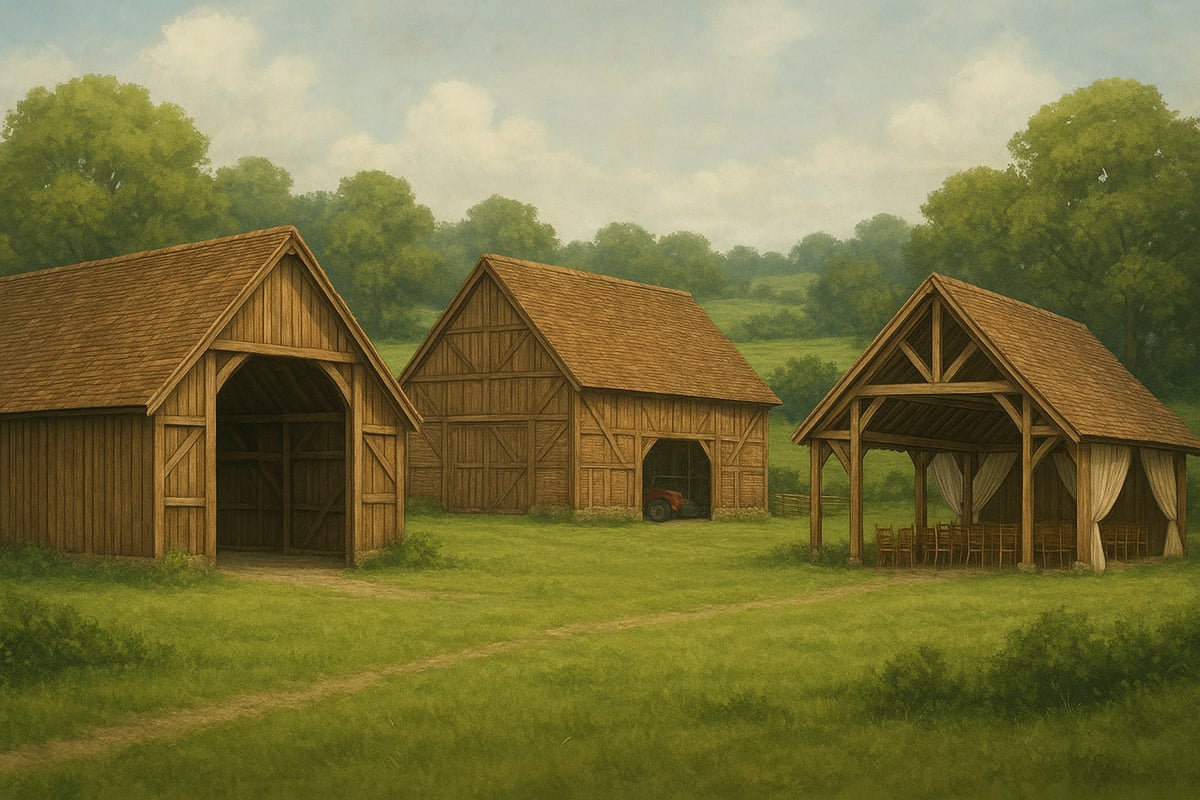
The main types of timber frame barns in 2026 offer flexibility for a range of needs. Portal frame barns are a classic choice, prized for their open interiors and cost-effectiveness. Post and beam barns, known for their traditional aesthetic and robust construction, are highly customisable. Mono-pitch barns, with their single sloped roof, provide efficient storage and quick assembly. Supported apex barns stand out for adaptability, increasingly popular for wedding venues and workshops. For more on the enduring appeal of post and beam barns, see Post and Beam Construction Insights. Each type of timber frame barns is engineered for both durability and modern use.
Key Features of Modern Timber Frame Barns
Today’s timber frame barns are constructed with high-grade, sustainably sourced timber, ensuring both strength and environmental responsibility. Precision-engineered joints provide remarkable longevity, while customisable layouts and finishes meet diverse requirements. Modern timber frame barns integrate advanced insulation and cladding, enhancing thermal performance. Flexible door and window placements allow for tailored access and natural light. These features make timber frame barns a leading choice for those seeking quality and versatility.
- Sustainably sourced timber
- Engineered joints for durability
- Custom layouts and finishes
- Modern insulation and cladding
- Versatile openings for access
Common Uses and Adaptability
Timber frame barns serve a wide array of purposes across rural and commercial sectors. They are invaluable for agricultural storage, machinery housing, and livestock shelters. Equestrian facilities and stables benefit from their robust construction. Many timber frame barns are converted into workshops, studios, and event spaces, while others are adapted for residential use or annexes. For instance, mono-pitch barns are increasingly repurposed for forestry operations, showcasing the adaptability of timber frame barns in meeting evolving needs.
Comparing Timber Frame to Steel and Other Materials
When comparing timber frame barns to steel or concrete options, several advantages stand out. Timber frame barns are typically more cost-effective and lighter, reducing foundation requirements. They offer environmental benefits, as timber stores carbon and has a lower embodied energy than steel or concrete. Many farmers appreciate the ease of self-erection, using local or farm labour. Both standard and bespoke sizes are available. Notably, timber frame barns can be erected up to 30% faster than steel alternatives, saving both time and resources.
| Feature | Timber Frame Barns | Steel Barns | Concrete Barns |
|---|---|---|---|
| Weight | Light | Heavy | Very Heavy |
| Build Speed | Fast | Moderate | Slow |
| Environmental | Very Good | Moderate | Low |
| Customisation | High | Medium | Low |
Trends in Timber Frame Barn Design for 2026
Several key trends are shaping timber frame barns in 2026. There is growing demand for modular and prefabricated kits, catering to both commercial and self-build markets. Designs are blending traditional craftsmanship with contemporary styles, creating barns that are both functional and visually appealing. Sustainability is a top priority, with low-carbon construction methods gaining traction. More timber frame barns now feature smart technology for climate control and security. DIY kits are increasingly popular with self-builders and smallholders, highlighting the ongoing evolution of timber frame barns.
The Benefits of Timber Frame Barns
Timber frame barns offer a unique combination of strength, sustainability, cost savings, and timeless beauty. Let’s explore what makes these structures a standout choice for rural, agricultural, and even residential projects in the UK.
Durability and Longevity
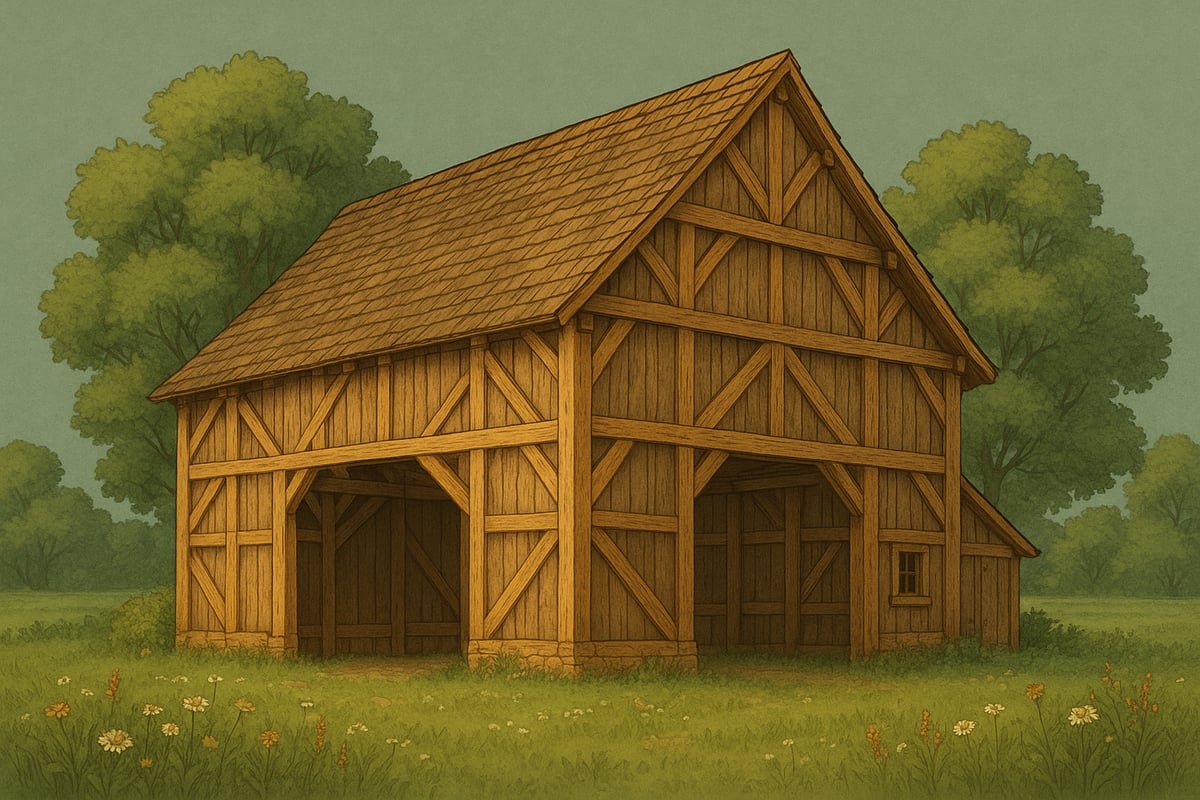
The durability of timber frame barns is renowned across the UK countryside. Oak and high-quality softwood frames are engineered to withstand decades of use, offering resilience against wind, rain, and temperature fluctuations. Traditional joinery methods, such as mortise and tenon joints, create robust connections that enhance structural integrity.
Many post and beam timber frame barns have stood for generations, some for over 100 years. For those seeking in-depth technical insight, the Durability of Timber Structures resource provides further examples of timber’s lasting power. This enduring strength makes timber frame barns a wise investment for both heritage and new builds.
Sustainability and Environmental Impact
Sustainability is a cornerstone benefit of timber frame barns. By using FSC-certified, responsibly harvested timber, these barns contribute to healthy forests and responsible land management. Compared to steel or concrete, timber frame barns have a significantly lower embodied carbon footprint.
Timber’s natural insulation properties also help reduce ongoing energy costs, keeping interiors warmer in winter and cooler in summer. Studies show that timber construction can cut a building’s carbon footprint by up to 60 percent. As a renewable, biodegradable material, timber aligns perfectly with modern environmental goals.
Cost-Effectiveness and Value
Timber frame barns deliver excellent value, thanks to lower material and labour costs compared to steel alternatives. The lightweight nature of timber allows for faster builds and less expensive foundations, reducing overall project time and expense.
- Lower material costs
- Quicker construction times
- Reduced maintenance requirements
Mono-pitch timber frame barns are particularly popular for affordable machinery storage, providing long-term savings through durability and efficiency. Owners also benefit from fewer repairs and less frequent upkeep.
Aesthetic and Customisation Advantages
The visual appeal of timber frame barns is unmatched, blending seamlessly with rural landscapes. Natural timber finishes create a warm, inviting look that enhances any property’s kerb appeal. Flexible design options allow for a wide range of layouts, finishes, and features to suit both traditional and contemporary tastes.
Customisation is a major draw, whether you are planning a wedding venue, studio, or agricultural space. Supported apex timber frame barns are often chosen for their striking appearance, making them a preferred option for event venues and residential conversions. This adaptability adds significant value and charm to any project.
Planning, Regulations, and Design Considerations
Securing the right permissions and making informed design choices are crucial steps in realising successful timber frame barns projects. Each stage, from early planning to final material selection, requires a clear understanding of UK regulations, site conditions, and the unique advantages of timber construction. Let’s explore the key considerations every project owner should know.
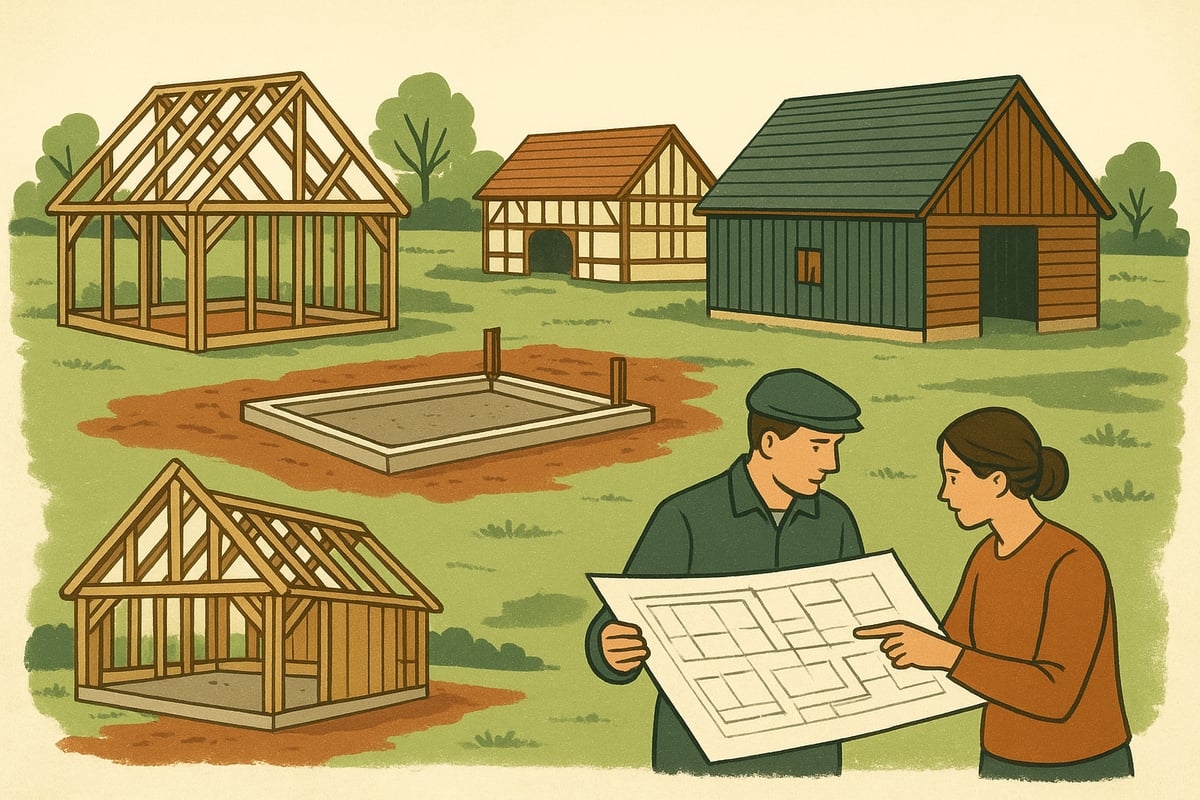
Navigating UK Planning Permission for Timber Barns
Understanding planning permission is essential before starting any timber frame barns project. In the UK, permitted development rights often allow agricultural buildings to be erected without full planning permission, provided they meet certain criteria. These include size restrictions, intended use, and proximity to existing buildings.
If your barn is for non-agricultural purposes, or exceeds set limits, full planning permission may be required. Prepare to submit detailed site plans, elevations, and supporting documents. Engage early with your local planning authority. For smaller agricultural timber frame barns, fast-tracked approvals are possible, helping you get started quickly.
Building Regulations and Compliance
Every new timber frame barns build must comply with UK Building Regulations. Key areas include structural integrity, fire safety, insulation, and ventilation standards. Part A covers structural requirements, while Part L addresses energy efficiency and insulation.
Specific standards apply depending on whether the barn will house livestock, store machinery, or be used for human occupation. It’s wise to consult resources like the Timber Frame Buildings Guide for practical advice on compliance. Working with experienced professionals ensures your timber frame barns meet all legal and safety obligations.
Site Selection and Preparation
Choosing the right site sets the foundation for long-term success with timber frame barns. Consider access for vehicles and equipment, natural drainage, exposure to prevailing winds, and proximity to utilities or existing buildings. Conduct soil testing to determine the most suitable foundation type.
Plan orientation to optimise light, ventilation, and access. For example, siting a mono-pitch barn with the open side facing away from prevailing winds can improve machinery access and durability. Proper site preparation helps prevent issues such as waterlogging and uneven settlement in timber frame barns.
Design Choices: Layout, Size, and Functionality
Designing timber frame barns starts with defining their main function. Will the barn be used for storage, livestock, events, or mixed purposes? The intended use influences size, internal layout, and features like doors and window placements.
Flexible floor plans allow for easy adaptation as needs change. Consider workflow efficiency, ventilation, and natural light. Custom layouts are increasingly popular, particularly for barns combining storage and workspace. Well-planned timber frame barns deliver both practicality and future adaptability.
Choosing Materials and Finishes
Selecting the right materials ensures your timber frame barns are durable and visually appealing. Oak offers strength and longevity, while softwood is often more cost-effective. Decide between timber, metal, or composite cladding based on desired aesthetics and maintenance needs.
Roofing choices range from traditional tiles to modern metal sheeting, each affecting insulation and lifespan. Data shows timber cladding remains the most popular for rural barns, blending seamlessly with the countryside. Prioritise finishes that protect timber from weather, pests, and UV exposure, safeguarding your investment in timber frame barns.
Sustainable Timber Sourcing and Construction Practices
Sustainability is at the heart of modern timber frame barns. Selecting responsibly sourced timber is the foundation of eco-friendly construction. In 2026, clients and planners increasingly demand proof of sustainable origins. Look for timber certified by the Forest Stewardship Council (FSC) or Programme for the Endorsement of Forest Certification (PEFC). These credentials ensure wood comes from well-managed forests, safeguarding biodiversity and future supplies. Choosing UK-grown timber also reduces haulage emissions, supporting the local economy and lowering the carbon footprint of timber frame barns. Prioritising these practices is essential for anyone seeking to build in harmony with the environment.
The Importance of Sustainable Timber
When planning timber frame barns, selecting wood from certified sources is crucial. FSC and PEFC labels guarantee responsible forestry, helping to combat deforestation and promote replanting. Using local timber minimises transport, cutting down emissions and supporting nearby growers. By prioritising regional species, timber frame barns blend naturally into the landscape while reducing environmental impact. The UK government’s Timber in Construction Roadmap highlights the growing commitment to sustainable building, making certified timber the industry standard for rural projects.
Eco-Friendly Construction Techniques
Eco-conscious construction is now central to timber frame barns. Modular and prefabricated elements are increasingly popular, as they reduce waste and shorten on-site build times. Builders often use recycled materials for insulation and non-toxic finishes for longevity. Careful site management ensures minimal disturbance to local wildlife and soil. Prefabrication allows much of the work to be done off-site, lowering disruption and emissions. These methods make timber frame barns more sustainable from start to finish, supporting greener construction across the UK.
Energy Efficiency and Future-Proofing
Timber frame barns are naturally energy efficient thanks to timber’s insulating properties. Modern builds enhance this with advanced insulation, airtightness, and double-glazed windows. Many barns now integrate solar panels or ground source heat pumps, cutting reliance on fossil fuels. Passive design — such as orienting windows for solar gain — further reduces heating and cooling needs. By incorporating renewable energy systems, owners make timber frame barns resilient to future energy price rises and regulatory changes, ensuring long-term sustainability.
Case Study: Sustainable Barn Projects in the UK
A recent example features a supported apex barn built entirely from UK oak, fitted with solar panels and high-performance insulation. This project achieved a 40 percent reduction in annual energy bills compared to standard buildings. Such timber frame barns are now recognised for their low-carbon credentials, often winning awards for sustainability. By combining traditional materials with modern technology, these barns offer a blueprint for responsible rural development and meet the needs of future generations.
Step-by-Step Guide to Building a Timber Frame Barn in 2026
Embarking on the construction of timber frame barns in 2026 is an exciting process that blends time-honoured craftsmanship with modern building techniques. Whether you are planning a new agricultural facility or a bespoke event space, following a structured approach ensures your project runs smoothly, meets regulations, and delivers lasting value.
Step 1: Initial Planning and Defining Requirements
The journey to successful timber frame barns begins with clear planning. Start by identifying the main purpose of your barn—will it serve as agricultural storage, a workshop, or perhaps a mixed-use venue? This clarity helps determine the required size, layout, and features.
Next, set a realistic budget. Consider not just construction costs but also planning fees, groundwork, and long-term maintenance. Conduct a feasibility study to assess site suitability and potential restrictions. Engaging an architect or designer with expertise in timber frame barns at this stage can help translate your vision into practical plans and maximise your investment.
Outline your must-have features, such as access points, insulation needs, and preferred finishes. Early decision-making streamlines the process and avoids costly changes later.
Step 2: Securing Permissions and Approvals
Before any ground is broken, securing the proper permissions is vital for timber frame barns. In the UK, some agricultural buildings may fall under permitted development rights, but most projects—especially those for non-agricultural use—require full planning permission.
Prepare detailed plans and supporting documents for submission. These typically include site layouts, elevations, and design statements. Consult with local planning authorities early to clarify requirements and expected timelines.
It is also wise to engage with neighbours and other stakeholders to address concerns proactively. Building regulation approval is mandatory for all new timber frame barns, covering structural safety, insulation, and fire protection. Allocating time for approvals in your project schedule avoids unnecessary delays.
Step 3: Selecting Materials and Contractors
Choosing the right materials and skilled contractors is crucial for the quality and longevity of timber frame barns. Compare timber grades, such as UK-grown oak versus imported softwoods, considering sustainability, strength, and appearance.
When selecting a builder, look for firms with a strong track record in timber frame barns. Vet their credentials, review past projects, and request references. Obtain detailed quotes that break down costs for materials, labour, and finishes.
Consider whether a prefabricated kit or fully bespoke design best suits your needs. Modular kits can save time and offer predictable quality, while custom builds provide complete flexibility. Transparent communication with your contractor ensures expectations are met from start to finish.
Step 4: Site Preparation and Foundations
Proper site preparation lays the groundwork for durable timber frame barns. Begin by clearing and levelling the site, ensuring safe access for vehicles and machinery. Assess soil conditions through professional testing to determine the most suitable foundation type, such as concrete pads or strip footings.
Install drainage systems to prevent water accumulation around the barn. Plan for future expansion or access by orienting the building for optimal workflow and sunlight. Mark out utilities and ensure all underground services are clearly identified before excavation.
A well-prepared site supports the structural integrity of timber frame barns and minimises future maintenance needs.
Step 5: Frame Construction and Assembly
With the site ready, construction of your timber frame barns moves into the assembly stage. Many modern builds use off-site prefabrication, where components are precision-cut and assembled in a controlled environment, then delivered for rapid on-site installation.
Traditional joinery techniques, such as mortise and tenon joints, are often combined with engineered metal connectors for added strength. Depending on barn size, frames may be erected using cranes or manual labour.
For a deeper understanding of the structural process, you can explore the Timber Frame Superstructure Explained guide, which details how each element contributes to durability and performance.
Regular inspections during assembly ensure all connections are secure and aligned. This phase is where the vision of timber frame barns truly takes shape.
Step 6: Cladding, Roofing, and Internal Fit-Out
The final step in creating timber frame barns involves enclosing and finishing the structure. External cladding options include timber, metal, or composite panels, each offering different aesthetics and protection levels. Roofing materials such as tiles, metal sheets, or insulated panels are selected based on climate and style preferences.
Install high-quality insulation to enhance energy efficiency and comfort. Fit windows and doors in accordance with your original plan, ensuring they provide natural light, ventilation, and security.
Internal fit-out is tailored to the barn’s function—whether installing livestock pens, workshop benches, or event facilities. Quality finishes and attention to detail at this stage ensure timber frame barns are both beautiful and practical for years to come.
Working with Specialist Timber Frame Experts
Choosing the right professionals for your timber frame barns project can make all the difference in achieving lasting results. Expertise ensures every detail, from the initial design to the final installation, meets the highest standards. Skilled specialists understand both the heritage of traditional timber framing and the latest construction techniques.
Their knowledge covers structural requirements, joinery methods, and compliance with UK regulations. This expertise is especially important for timber frame barns, where precision in assembly and attention to detail impact both durability and appearance. Working with experienced craftsmen helps safeguard your investment, ensuring your barn stands strong for generations.
Acorn to Oak Framing: Your Timber Frame Barn Partner
Acorn to Oak Framing is a leading name in the UK for timber frame barns, combining traditional craftsmanship with innovative design. Based in Hastings, they specialise in bespoke oak structures, using only sustainably sourced materials. Their team delivers modular kits and fully custom solutions to clients nationwide.
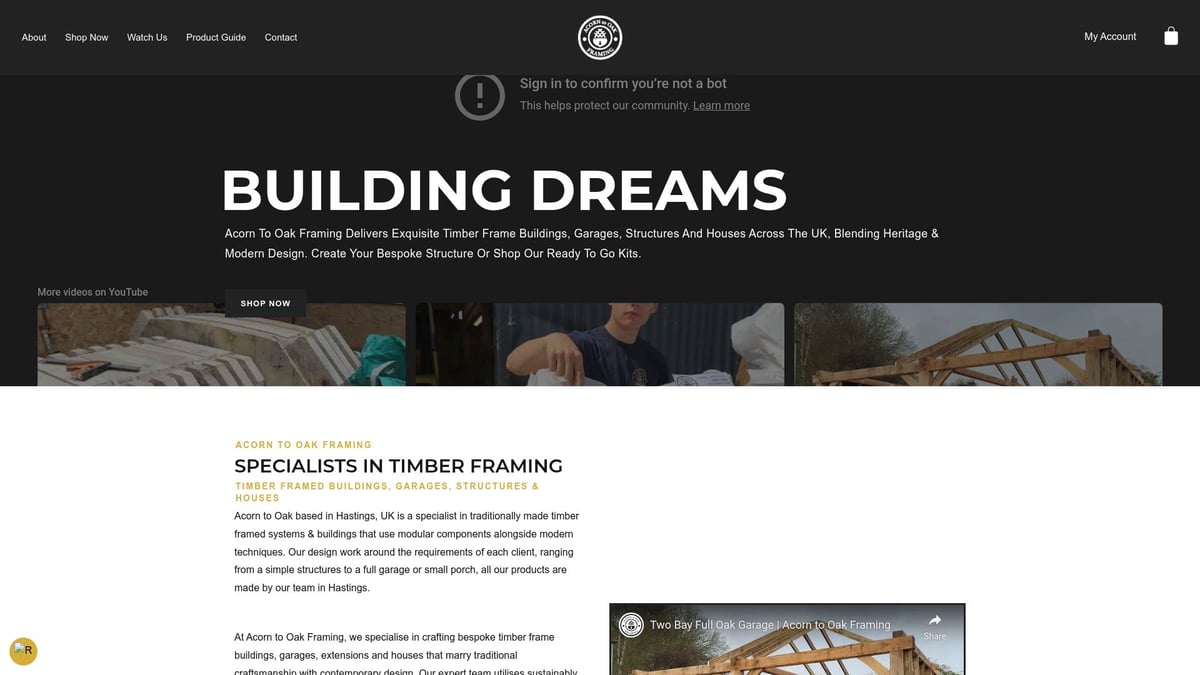
For those seeking inspiration, their Three Bay Timber Barn Designs showcase practical, attractive layouts that suit a variety of uses. Acorn to Oak Framing ensures every project meets strict building standards, offering flexible options for both rural and commercial needs. Their commitment to quality and sustainability makes them a trusted choice for any timber frame barns project.
Choosing the Right Partner for Your Project
Selecting the best team for your timber frame barns build involves careful research and clear communication. Start by reviewing portfolios and visiting completed projects to see the quality of work first-hand. Always check credentials, industry accreditations, and client feedback to gauge reliability.
Ask for transparent pricing, detailed timelines, and clear processes from design to completion. Good partners offer support at every stage, from initial concept to final handover. Investing time in this selection process ensures your timber frame barns project will be completed to the highest standards and tailored to your needs.
Maintenance, Upkeep, and Future-Proofing Timber Barns
Regular care is essential for maintaining the beauty and strength of timber frame barns. With the right approach, these structures can serve rural, agricultural, or commercial uses for generations. This section outlines practical steps for ongoing maintenance, repairs, upgrades, and strategies to ensure your investment remains resilient and valuable.
Routine Maintenance and Inspections
Routine inspections are vital for the long-term success of timber frame barns. Begin with an annual walkaround to check for signs of timber decay, pest activity, or structural movement. Pay close attention to joints, beams, and areas exposed to moisture.
Regularly clear gutters and downpipes to prevent water from collecting near the timber. Clean the roof and cladding to remove debris that could trap moisture. Reapply protective finishes as recommended, focusing on exposed wood. By making these checks part of your yearly schedule, you help prevent minor issues from becoming costly repairs.
Repairing and Upgrading Timber Structures
Over time, even well-built timber frame barns may require repairs or modern upgrades. Look out for signs of rot, splits, or loose joints, especially after harsh weather. Addressing these issues early helps preserve the barn’s integrity and extends its lifespan.
When upgrading, consider improving insulation, replacing windows, or fitting new doors for better energy efficiency. For those aiming to meet higher energy standards, review guidance on how timber frame construction aligns with the Future Homes Standard. These improvements can increase both comfort and value.
Protecting Against Weather and Pests
Timber frame barns face threats from both the elements and pests. Good moisture management is crucial, so ensure the site has effective drainage and adequate ventilation to keep timber dry. Apply modern preservatives and use breathable barriers to protect against woodworm, rot, and fungal decay.
Regularly inspect for signs of infestation, and treat any problems promptly. Proper ventilation reduces condensation, helping to prevent mould and decay. Combining these measures ensures the barn remains structurally sound and visually appealing.
Adapting Barns for Changing Needs
One of the greatest strengths of timber frame barns is their adaptability. Flexible layouts allow for easy conversion to new uses, whether for agricultural storage, workshops, or event spaces.
As needs change, consider retrofitting with renewable energy systems or smart climate controls. Upgrades such as solar panels or heat pumps can improve efficiency and future-proof the building. Timber frame barns can be adapted to meet new regulations or commercial opportunities without sacrificing their character.
Long-Term Value and Resale Potential
Investing in timber frame barns offers strong long-term value. Well-maintained barns not only enhance the visual appeal of rural properties but also increase their market value. Buyers are drawn to the blend of heritage and sustainability.
Research shows that properties with high-quality timber structures can see up to a 20% value increase. As demand for eco-friendly and efficient buildings grows, the popularity of timber frame barns continues to rise. For more on market trends, see the projected UK timber frame market growth.
Preserving Heritage and Character
Preserving the unique character of timber frame barns is important for both heritage and future use. Maintain traditional features, such as exposed beams and original joinery, while making sensitive upgrades where needed.
Restoring historic barns for modern applications, such as event venues or studios, keeps their story alive. Focus on using compatible materials and techniques to respect the original design. This approach ensures timber frame barns remain a cherished part of the UK landscape for years to come.
As you explore the potential of timber frame barns—from their enduring charm and sustainable benefits to the flexibility in design and compliance with UK regulations—it's clear that making the right start is crucial. If you're inspired to add value and character to your property with a bespoke oak structure, we're here to make your vision a reality. With our blend of traditional craftsmanship and modern expertise, you can trust us to guide you every step of the way. Ready to take the next step towards your own timber frame barn?
BUILD NOW


