
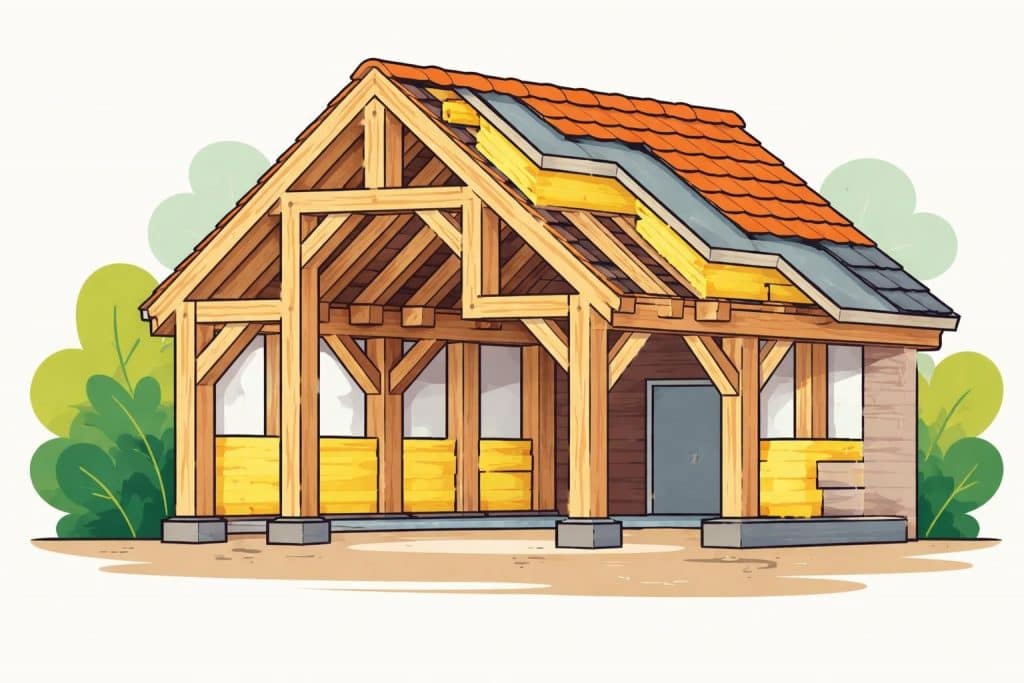
The allure of single-storey living combined with the warmth and character of timber construction has made the timber frame bungalow an increasingly popular choice for UK homeowners. These structures blend traditional craftsmanship with contemporary design principles, offering sustainable, energy-efficient homes that suit a diverse range of lifestyles. Whether you're downsizing, planning for accessibility, or simply appreciating the aesthetic qualities of exposed timber, understanding the nuances of timber frame construction is essential. From design considerations to building regulations, the journey to creating your ideal bungalow requires careful planning and expert guidance.
The Enduring Appeal of Single-Storey Timber Frame Living
A timber frame bungalow represents more than just a design choice. It's a lifestyle decision that prioritizes accessibility, sustainability, and architectural beauty. The single-storey configuration eliminates the need for staircases, making these homes ideal for individuals with mobility concerns, growing families seeking adaptable spaces, or those planning for long-term occupancy.
The timber framing construction method dates back centuries, yet modern engineering has refined these techniques to meet contemporary building standards. Traditional mortise-and-tenon joints, wooden pegs, and oak frames now work alongside insulated panels, double glazing, and advanced weatherproofing systems.
Key advantages of single-storey timber frame construction include:
- Reduced construction time compared to traditional masonry
- Lower foundation requirements due to lighter structural loads
- Enhanced energy efficiency through superior insulation
- Greater design flexibility with open-plan layouts
- Natural thermal regulation from timber properties
The growing demand for sustainable housing has positioned timber frame structures at the forefront of eco-conscious building. Oak and other responsibly sourced timbers sequester carbon throughout their lifespan, contributing to reduced environmental impact. For those exploring bespoke timber frame solutions, the customization possibilities are virtually limitless.
Design Considerations for Your Timber Frame Bungalow
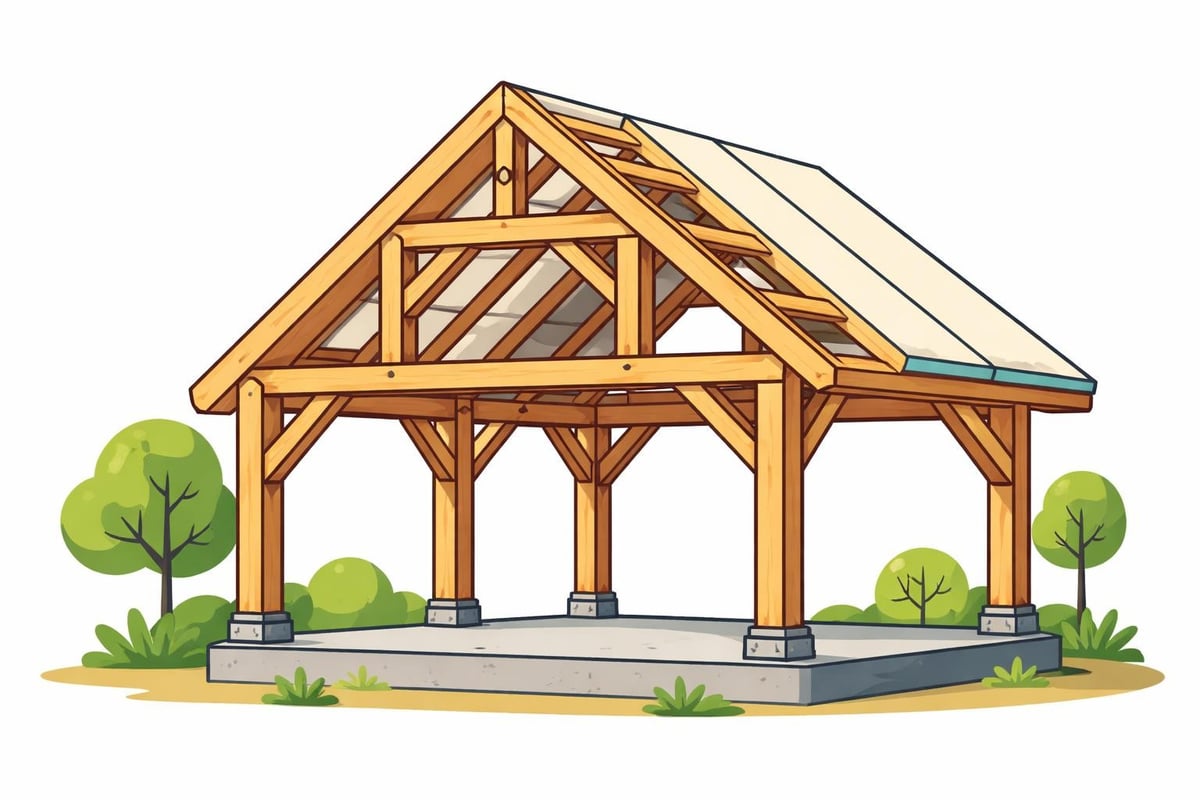
Designing a timber frame bungalow requires balancing aesthetic ambitions with practical considerations. The beauty of exposed timber beams can be showcased throughout the interior, creating visual interest whilst maintaining structural integrity. When designing a timber frame home, several factors demand attention.
Room Layout and Spatial Planning
Open-plan living has become synonymous with modern bungalow design. The structural capabilities of timber frames allow for larger spans between support posts, creating expansive living areas without compromising strength. However, achieving the right balance between open spaces and private zones is crucial.
Consider these planning elements:
- Position primary living areas to maximize natural light
- Create clear sightlines between connected spaces
- Designate quiet zones for bedrooms and studies
- Plan for adequate storage without cluttering the layout
- Incorporate flexible spaces that adapt to changing needs
The single-storey footprint demands thoughtful circulation planning. Hallways should feel like purposeful transitions rather than wasted space. Many homeowners incorporate glazed internal partitions to maintain light flow whilst defining separate areas.
Ceiling Heights and Roof Design
Ceiling height dramatically impacts the perceived spaciousness of any room. Timber frame bungalows typically offer two approaches: standard ceiling heights around 2.4 metres, or cathedral-style designs that expose the roof structure. The latter creates dramatic interior volumes, showcasing the craftsmanship of oak rafters and ridge beams.
| Ceiling Approach | Benefits | Considerations |
|---|---|---|
| Standard Height | Lower heating costs, conventional feel | May feel enclosed in larger rooms |
| Vaulted/Cathedral | Dramatic visual impact, showcase timber | Higher heating requirements, complex lighting |
| Hybrid (raised sections) | Defines zones, balanced costs | Requires careful roof design |
Roof design influences not just aesthetics but also thermal performance. Incorporating adequate insulation between rafters whilst maintaining breathability is essential for timber preservation.
Construction Methods and Building Process
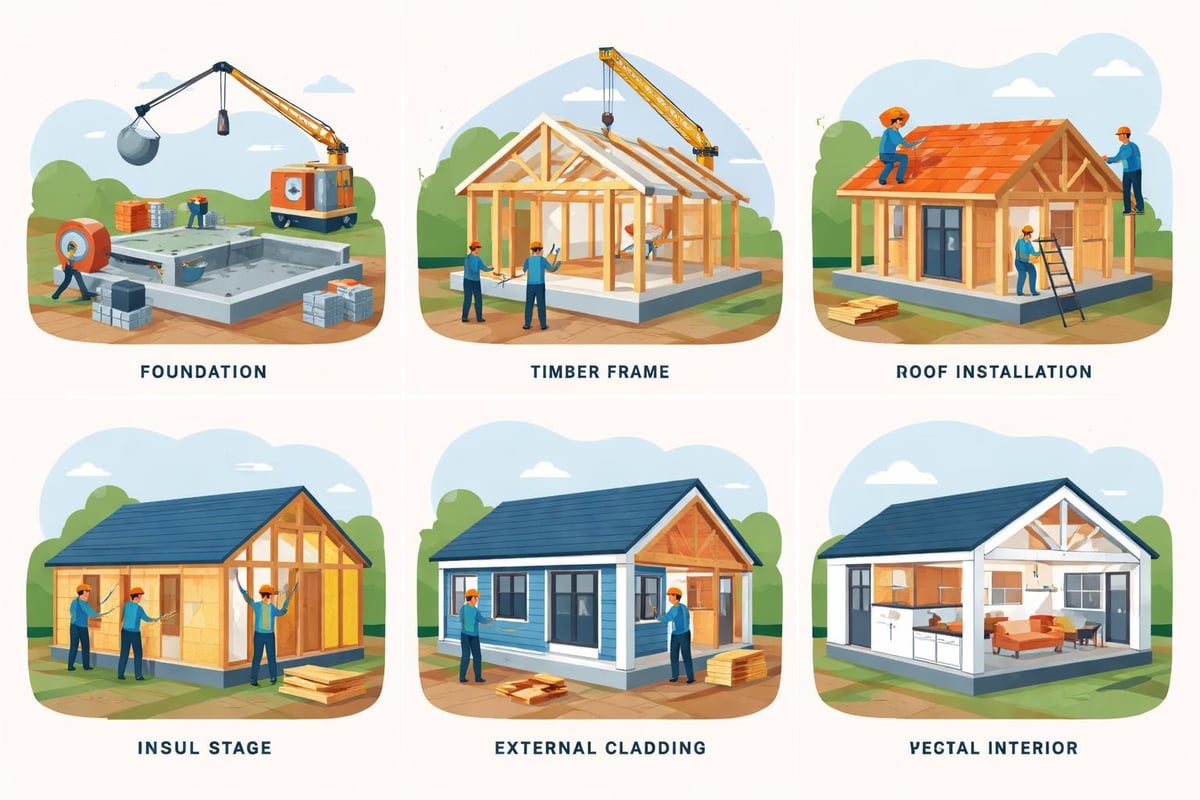
The construction process for a timber frame bungalow differs significantly from traditional brick-and-block methods. Understanding these differences helps set realistic timelines and expectations. The frame itself can be fabricated off-site, reducing on-site construction time dramatically.
Frame Fabrication and Assembly
Specialist companies craft timber frames in controlled workshop environments, ensuring precision joinery and quality control. Each timber is cut, shaped, and numbered before transportation to site. This prefabrication approach minimizes weather delays and maintains consistent craftsmanship standards.
Traditional joinery techniques remain central to quality timber framing:
- Mortise and tenon joints connect posts to beams
- Oak pegs secure connections without metal fasteners
- Scarf joints extend timber lengths where necessary
- Lap joints create strong corner connections
Modern frames typically combine traditional joints with contemporary engineering. Steel plates may reinforce critical connections, whilst maintaining the aesthetic of exposed timber. The gallery of completed projects demonstrates the range of possible styles and finishes.
Foundation Requirements
Timber frame bungalows require less substantial foundations than masonry equivalents, thanks to their lighter overall weight. However, proper foundation design remains critical for longevity and performance. Ground conditions, drainage, and damp-proof courses all warrant careful consideration.
Most timber frame bungalows use either:
- Traditional strip foundations for stable ground
- Reinforced concrete slab foundations for challenging sites
- Piled foundations where ground conditions demand them
The foundation must incorporate effective damp-proofing to protect timber elements. Even oak, renowned for its durability, benefits from separation from ground moisture.
Material Selection and Sustainability
Choosing appropriate materials elevates both the performance and longevity of your timber frame bungalow. Oak remains the preferred species for structural frames due to its exceptional strength-to-weight ratio and natural resistance to decay. However, other timber species serve different purposes within the overall construction.
Timber Species Comparison
| Species | Applications | Characteristics | Sustainability |
|---|---|---|---|
| Oak | Main frame, exposed beams | Extremely durable, beautiful grain | Excellent when sourced responsibly |
| Douglas Fir | Rafters, secondary framing | Strong, cost-effective | Good, fast-growing species |
| Larch | External cladding | Weather-resistant, attractive | Excellent, UK-grown available |
| Cedar | Cladding, decorative elements | Natural oils resist decay | Good, requires certification |
The benefits of timber frame homes extend beyond the structural elements. Insulation materials should complement the natural properties of timber, allowing breathability whilst maximizing thermal efficiency. Sheep's wool, wood fibre, and cellulose insulation products align well with sustainable building principles.
Environmental Impact and Carbon Footprint
Timber frame construction significantly reduces embodied carbon compared to conventional building methods. Each cubic metre of timber stores approximately one tonne of carbon dioxide, effectively removing it from the atmosphere for the building's lifespan.
Responsible sourcing ensures forests regenerate faster than they're harvested. Look for certifications such as FSC (Forest Stewardship Council) or PEFC (Programme for the Endorsement of Forest Certification) when selecting timber suppliers. Sustainable forestry practices maintain biodiversity whilst providing renewable building materials.
Cost Factors and Budget Planning
Understanding the financial implications of building a timber frame bungalow helps establish realistic budgets and avoid common pitfalls. Costs vary considerably based on specification, location, and complexity, but transparency in pricing enables informed decisions.
Initial Construction Costs
Timber frame bungalows typically cost between £1,200 and £2,500 per square metre for the complete build, depending on specification and finishes. This range encompasses everything from economical designs to luxury bespoke projects.
Primary cost components include:
- Frame fabrication and materials (20-30% of total)
- Groundworks and foundations (10-15% of total)
- Roofing materials and installation (15-20% of total)
- External cladding and finishes (10-15% of total)
- Internal fitout and services (30-40% of total)
Avoiding common mistakes when building a timber frame home prevents cost overruns. Underestimating energy efficiency requirements often leads to expensive retrofitting. Similarly, inadequate planning for services integration creates complications during construction.
Long-Term Value Considerations
Initial construction costs represent only part of the financial picture. Timber frame bungalows typically demonstrate excellent long-term value through:
- Reduced energy bills from superior insulation performance
- Lower maintenance requirements compared to masonry structures
- Increased property values reflecting sustainable features
- Adaptability for future modifications or extensions
- Durability ensuring decades of service life
The thermal efficiency of a well-designed timber frame bungalow can achieve Energy Performance Certificate (EPC) ratings of A or B, significantly reducing heating costs. Double or triple glazing, combined with high-performance insulation, creates comfortable living environments year-round.
Planning Permission and Building Regulations
Navigating the regulatory landscape forms an essential part of any building project. Timber frame bungalows must comply with UK building regulations, covering everything from structural integrity to fire safety and energy performance.
Planning Considerations
Most new bungalow builds require full planning permission from local authorities. The application process examines:
- Site suitability and access arrangements
- Visual impact on surrounding properties
- Compliance with local development plans
- Environmental considerations
- Drainage and utilities provision
Green belt locations face additional scrutiny, though sustainable building methods can strengthen applications. Working with experienced designers familiar with local planning requirements streamlines the approval process.
Building Regulations Compliance
Building regulations ensure safety, accessibility, and energy efficiency standards. For timber frame bungalows, particular attention focuses on:
- Part A (Structure): Ensuring frame adequately supports all loads
- Part B (Fire Safety): Incorporating appropriate fire resistance
- Part L (Conservation of Fuel and Power): Meeting energy efficiency targets
- Part M (Access): Providing suitable accessibility features
- Part F (Ventilation): Ensuring adequate air circulation
Building Control officers inspect construction at key stages, verifying compliance before work proceeds. Engaging accredited timber frame specialists ensures designs meet regulatory requirements from the outset. Companies offering ready-to-go solutions typically provide pre-approved designs that simplify the regulatory process.
Interior Design and Finishing Touches
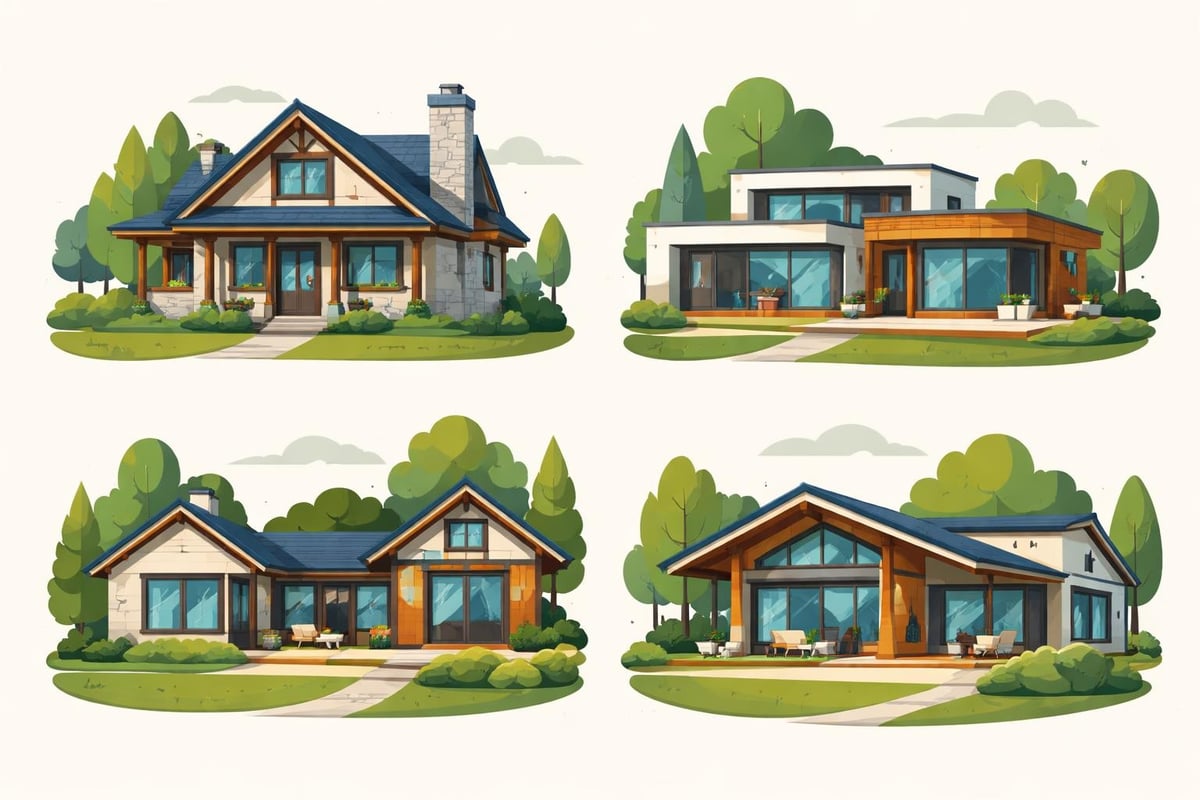
The interior of a timber frame bungalow offers unique opportunities to celebrate natural materials whilst creating comfortable, functional spaces. Exposed timber elements form focal points, requiring thoughtful integration with modern conveniences.
Showcasing Structural Elements
Deciding which timber elements to expose influences the overall aesthetic. Fully exposing the frame creates dramatic interiors with visible posts, beams, and braces. Alternatively, selective exposure balances traditional character with contemporary finishes.
Consider these design tips for timber homes:
- Use lighting to highlight timber grain and joinery details
- Select complementary colours that enhance rather than compete with wood tones
- Incorporate natural materials like stone or brick for textural contrast
- Plan electrical and plumbing routes to minimize visible modern intrusions
- Choose furniture proportions that suit ceiling heights and room volumes
The natural variation in timber grain and colour adds character that develops over time. Oak darkens and develops a rich patina, creating depth and warmth.
Modern Amenities Integration
Integrating contemporary systems within traditional structures requires careful planning. Underfloor heating works exceptionally well in timber frame bungalows, distributing warmth evenly without radiators interrupting wall space. Smart home technology, high-efficiency appliances, and advanced ventilation systems enhance comfort whilst respecting the architectural aesthetic.
For those interested in maintaining personal grooming standards within their new home, quality products make a difference. OneSociety.co.uk offers a range of natural men's grooming products that care for skin, hair, and beard, perfectly complementing the natural aesthetic of a timber frame home.
Extending and Adapting Timber Frame Bungalows
One often-overlooked advantage of timber frame construction is the ease of future modifications. Unlike masonry structures, timber frames accommodate extensions, conversions, and adaptations with relative simplicity.
Adding Additional Bays
The modular nature of timber framing allows straightforward extensions. Adding additional bay buildings follows the same structural principles as the original construction. Whether creating a home office, guest suite, or expanded living area, the frame extends logically from the existing structure.
Planning for potential expansion during initial design proves valuable:
- Position service connections to accommodate future additions
- Design roof structures that allow extension without complete reconstruction
- Consider foundation placement for potential expansion zones
- Maintain consistent architectural language for visual coherence
- Budget for staged construction if immediate completion isn't feasible
Vertical Expansion Possibilities
Some homeowners eventually desire additional floor space above their single-storey bungalow. Converting bungalows to two-storey homes using timber frame systems offers a lightweight solution that minimizes foundation reinforcement requirements. The existing structure often provides adequate support for timber-framed second storeys, though professional structural assessment remains essential.
Climate Adaptation and Weather Resistance
The UK's variable climate demands building designs that handle rain, wind, and temperature fluctuations effectively. Timber frame bungalows excel in these conditions when properly detailed and constructed.
Moisture Management
Protecting timber from prolonged moisture exposure ensures longevity. Multiple strategies work together:
- Breathable membranes allow moisture vapour to escape whilst blocking liquid water
- Generous roof overhangs protect walls from direct rain
- Proper ventilation prevents condensation buildup
- Quality cladding provides the first defence against weather
- Maintained guttering directs water safely away from the structure
Oak's natural resistance to decay provides additional protection, though no timber should remain perpetually wet. Regular maintenance inspections identify potential issues before they compromise structural integrity.
Thermal Performance Across Seasons
Well-designed timber frame bungalows maintain comfortable temperatures year-round. Timber's natural insulating properties, combined with modern insulation materials, create highly efficient thermal envelopes. Summer cooling benefits from thermal mass in floor slabs, whilst winter heating proves economical due to excellent insulation values.
Strategic window placement maximizes passive solar gain during winter months whilst preventing overheating in summer. South-facing glazing captures valuable warmth, whilst north-facing windows minimize heat loss. Properly specified timber frame designs often exceed minimum building regulation requirements, achieving superior energy performance.
Choosing Your Timber Frame Partner
Selecting an experienced timber framing specialist significantly influences project success. The quality of craftsmanship, attention to detail, and understanding of building regulations distinguish exceptional builders from adequate ones.
Essential Selection Criteria
When evaluating potential timber frame companies, consider:
- Portfolio quality demonstrating diverse completed projects
- Joinery expertise in traditional and modern techniques
- Regulatory knowledge ensuring compliance throughout
- Material sourcing with emphasis on sustainability
- Communication quality throughout the design and build process
- Warranty provisions protecting your investment
Visiting completed projects provides valuable insights into build quality and design execution. Speaking with previous clients reveals how companies handle challenges and changes during construction.
The Design Collaboration Process
The best timber frame bungalows emerge from collaborative design processes. Your vision, combined with specialist expertise, creates homes that exceed expectations. Experienced designers balance aesthetic preferences with structural requirements, building regulations, and budget constraints.
Initial consultations establish feasibility, rough costs, and timelines. Detailed design phases refine layouts, specify materials, and address technical details. Transparent communication throughout ensures the final structure matches your expectations. Companies offering bespoke design services tailor every aspect to individual requirements.
Maintenance and Long-Term Care
Proper maintenance preserves the beauty and structural integrity of timber frame bungalows for generations. Fortunately, these structures require less intensive upkeep than many assume.
Routine Maintenance Tasks
Annual maintenance checklist:
- Inspect external cladding for damage or movement
- Check guttering and downpipes for blockages
- Examine exposed timber for signs of moisture or insect activity
- Verify roof covering integrity
- Test window and door seals
- Clean and treat external timber surfaces as required
Most routine tasks require minimal time and expense. Catching minor issues early prevents expensive repairs later.
Timber Treatment and Preservation
Modern timber treatments protect against insects and decay whilst allowing the wood to breathe naturally. Oak requires minimal treatment compared to softer species, though protective finishes enhance weathering resistance. Oil-based treatments penetrate deeply, providing long-lasting protection without forming impermeable surface films.
Exposed internal timbers benefit from occasional cleaning and oiling, maintaining their rich appearance whilst protecting against everyday wear. Natural oils enhance grain patterns and deepen colour tones over time.
Building a timber frame bungalow represents a significant investment in sustainable, beautiful living that rewards homeowners for decades. The combination of traditional craftsmanship, modern efficiency, and adaptable design creates homes that truly stand the test of time. Whether you're drawn to the accessibility of single-storey living, the environmental benefits of timber construction, or the timeless aesthetic of exposed oak frames, professional guidance ensures your vision becomes reality. Acorn to Oak Framing brings decades of specialist expertise to every project, combining sustainably sourced materials with exceptional craftsmanship to create bespoke timber frame structures across the UK.


