The UK construction and self-build sectors are experiencing a surge in demand for skilled timber framers, with timber frame courses becoming the gateway to rewarding careers. As the industry shifts towards sustainable building methods, investing in the right training can set you apart.
This comprehensive guide will equip you with everything you need to know about timber frame courses, helping you choose the ideal pathway to mastery by 2026. Discover the range of course types, essential skills taught, career prospects, leading providers, and the practical steps to start your journey in timber framing.
Why Timber Framing? Industry Growth and Career Prospects
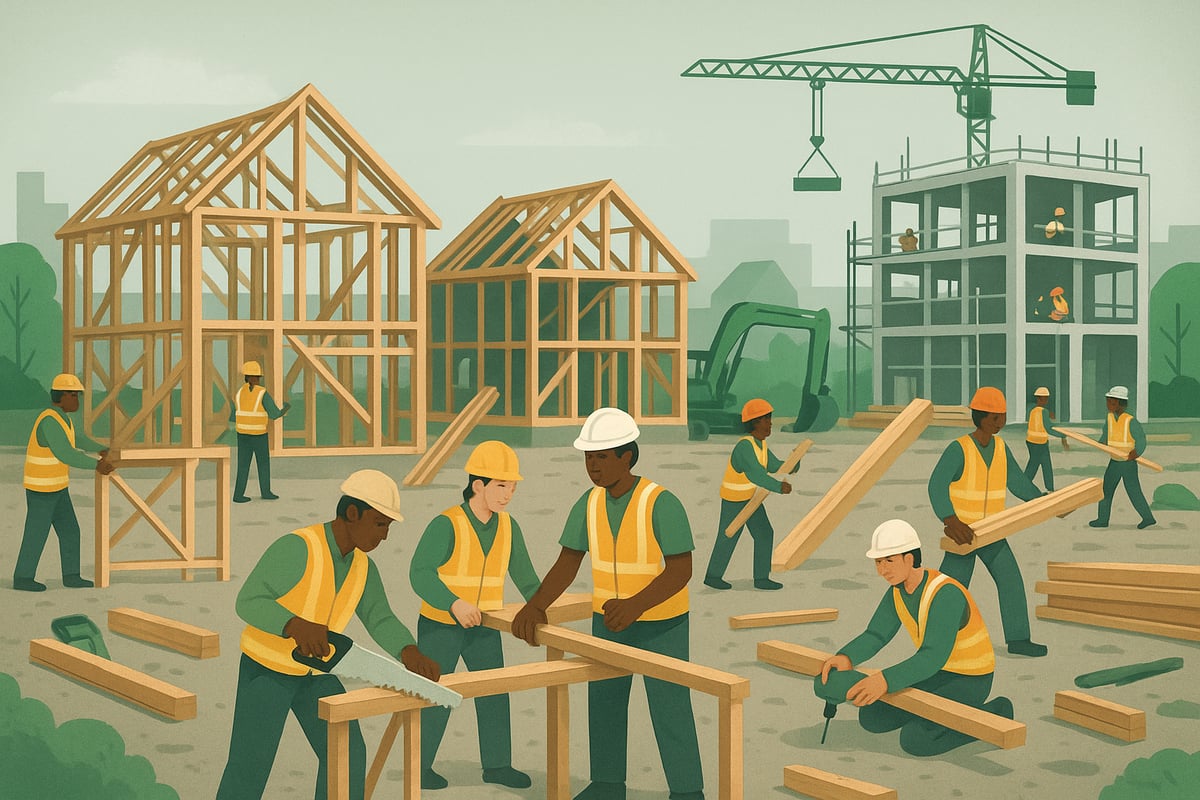
Timber frame construction is experiencing a surge in popularity across the UK. The demand for professionals with expertise gained through timber frame courses has never been higher. As the sector evolves, opportunities for both new entrants and experienced tradespeople continue to grow.
The Resurgence of Timber Framing in the UK
Timber frame construction has rapidly gained ground, with over 32% of new UK homes in 2023 built using this method. This market momentum is driven by sustainability, speed, and efficiency. According to recent Timber Frame Construction Market Growth, leading construction firms are increasingly investing in timber frame techniques.
Environmental advantages are a major force behind this shift. Timber is a renewable resource and helps reduce the carbon footprint of new buildings. Other benefits include:
- Faster build times and reduced site disruption
- Excellent thermal insulation, supporting lower energy bills
- Compliance with stricter green building regulations
- Government incentives for sustainable construction
Modern timber frame projects are not limited to housing. City offices, schools, and retail spaces now feature innovative timber structures, showcasing both aesthetics and performance.
When compared with traditional brick and block construction, timber framing stands out for its speed, cost-effectiveness, and superior insulation values:
| Feature | Timber Frame | Brick & Block |
|---|---|---|
| Build Speed | 6-12 weeks | 16-24 weeks |
| Insulation (U-value) | 0.15-0.18 W/m²K | 0.25-0.35 W/m²K |
| Sustainability | Renewable resource | High CO₂ impact |
| Cost Efficiency | More predictable | Can be higher |
For anyone considering timber frame courses, understanding these market drivers is essential for making informed career decisions.
Career Opportunities and Earning Potential
Completing timber frame courses opens doors to a wide range of roles. Whether you aspire to work on-site, design projects, or manage teams, there is a clear pathway for progression in this sector. Key positions include:
- Joiner or site carpenter
- Timber frame designer
- Project manager
- Self-employed builder or contractor
Salaries are competitive. Entry-level professionals can expect to earn around £21,000 per year. With experience and further qualifications from timber frame courses, professionals often move into roles paying £35,000 or more. Specialists or those running their own businesses may exceed £50,000 annually.
| Role | Average Salary |
|---|---|
| Entry-Level | £21,000 |
| Experienced Professional | £35,000+ |
| Specialist/Consultant | £50,000+ |
The demand for skilled workers is high in both domestic and commercial sectors. For example, an apprentice who completes timber frame courses may progress to master craftsman within a decade, overseeing complex projects and mentoring newcomers.
Beyond technical skills, employers value teamwork, problem-solving, and attention to detail. These soft skills, developed alongside practical abilities in timber frame courses, are essential for long-term success.
Types of Timber Frame Courses: From Beginner to Advanced
Choosing the right timber frame courses is the first step towards a rewarding career or meaningful personal project. With options ranging from hands-on introductions to advanced specialisms, understanding the full spectrum of training available will help you build a solid foundation and progress towards mastery.
Entry-Level Courses: Getting Started
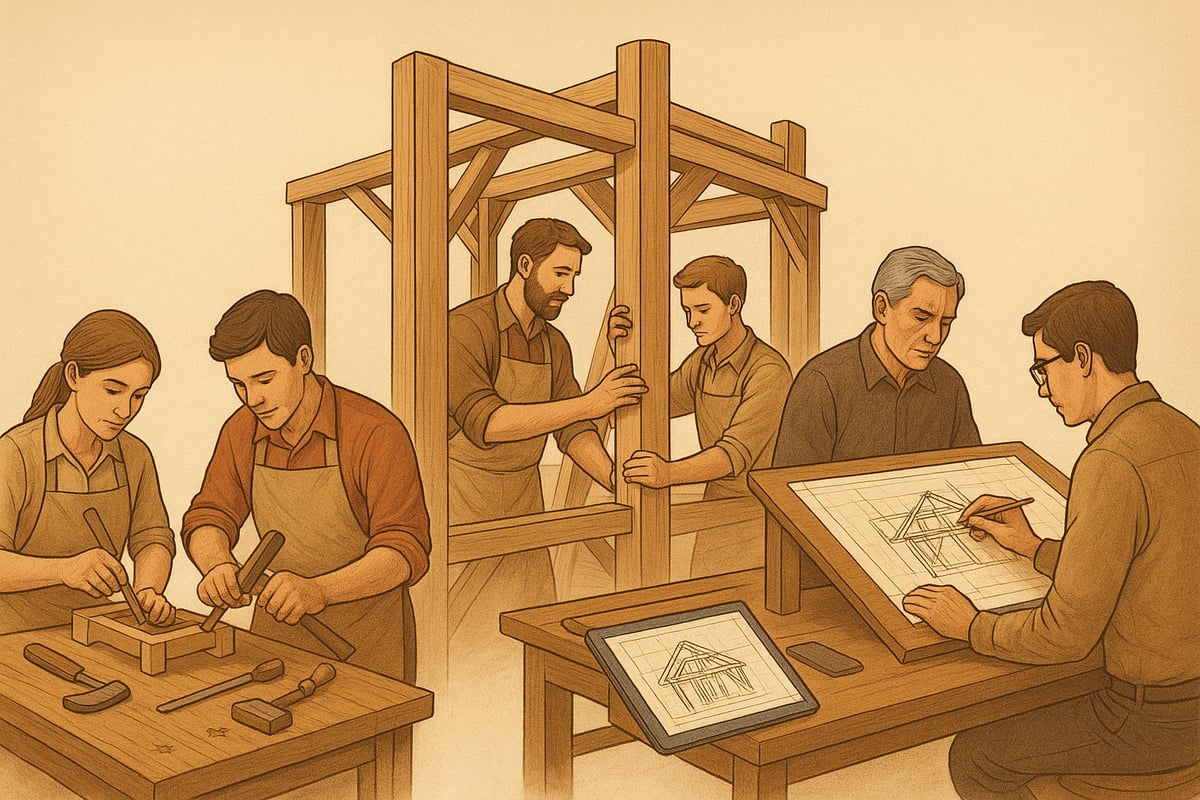
Entry-level timber frame courses are designed for those who are new to the craft. These short programmes typically run for one to five days, offering a practical and approachable introduction to timber framing techniques. Topics often include basic joinery, safe tool use, and essential site safety.
These courses are ideal for DIY enthusiasts, homeowners seeking to improve their property, or individuals considering a career change. For example, the City & Guilds Level 1 Carpentry and Joinery course provides a recognised starting point, blending classroom instruction with hands-on practice.
Costs for entry-level timber frame courses usually range from £150 to £500. Fees often cover tuition, basic materials, and safety equipment. Participants emerge with a clear understanding of core methods, including how to measure, mark, and cut timber accurately.
Many providers structure these introductory courses to build confidence. By the end, learners gain practical skills that can be applied to small home projects or serve as a stepping stone to more advanced timber frame courses.
Intermediate Programmes: Building Proficiency
As your skills develop, intermediate timber frame courses offer a pathway to deeper expertise. These programmes, such as NVQ or SVQ Level 2 and 3 in Timber Frame Erection or Carpentry, are tailored for those looking to work professionally or upskill within the construction industry.
Intermediate courses combine classroom instruction, workshop practice, and real-world site experience. Assessment methods include practical tasks, portfolio creation, and on-site observation by experienced trainers. The Construction Industry Training Board (CITB) is a leading provider, offering structured pathways to nationally recognised qualifications.
Funding is a key consideration at this stage. Options include government apprenticeships, employer sponsorship, and grants for eligible candidates. This support makes intermediate timber frame courses more accessible for a wide range of learners.
A typical intermediate course covers advanced joinery, structural assembly, and compliance with building regulations. For those interested in modern building methods, resources like Modern timber frame construction can complement formal learning by showcasing current techniques and industry standards.
Completing an intermediate programme improves employability and opens doors to supervisory roles. It also provides a strong technical foundation for those aspiring to progress to advanced timber frame courses.
Advanced and Specialist Training
Advanced timber frame courses are aimed at professionals seeking to specialise or lead within the sector. Options include Higher National Diplomas (HNDs), Foundation Degrees, and Continuing Professional Development (CPD) modules. Specialist subjects range from structural design and sustainable building to heritage restoration and modular timber systems.
Edinburgh Napier University’s Timber Engineering programmes exemplify academic routes for advanced learners. These courses integrate technical theory with practical application, preparing graduates for roles in design, project management, and consultancy.
Industry-recognised certifications from advanced timber frame courses significantly enhance career prospects. Many graduates go on to establish their own businesses or become master timber framers, setting standards for quality and innovation.
Advanced training often involves collaboration with architects, engineers, and regulatory bodies. Learners gain expertise in digital design tools, sustainability best practices, and complex project delivery. This level of training is essential for those wishing to shape the future of timber construction and mentor the next generation of professionals.
Key Skills and Knowledge Gained Through Timber Frame Courses
Timber frame courses provide a comprehensive pathway for anyone aiming to master the craft of timber construction in the UK. These programmes blend hands-on experience with technical theory, ensuring participants are ready for both workshop and site environments. Whether you are starting out or upskilling, the right training unlocks a wealth of practical and professional abilities.

Technical Skills Development
One of the core pillars of timber frame courses is the development of practical joinery and construction skills. Learners are introduced to essential techniques such as mortise and tenon, dovetail, and scarf joints, all of which are foundational in timber framing. Understanding how to read and interpret architectural drawings and structural plans is also a key component, allowing you to translate designs into durable structures.
Safe and efficient use of both hand and power tools is prioritised, with in-depth workshops on site preparation, frame assembly, and installation methods. Many courses include projects where you build small-scale frames, giving you a tangible sense of progress and confidence.
A valuable resource complementing these skills is the Timber frame home building guide, which provides practical insights into real-world timber frame construction. By integrating such guidance with your course learning, you gain a deeper understanding of on-site challenges and best practices.
Technical mastery is at the heart of timber frame courses, equipping you with the tools to tackle diverse projects, from residential homes to commercial spaces.
Modern Methods and Sustainability
Timber frame courses now place strong emphasis on modern construction methods and sustainability. You will be introduced to digital design tools such as CAD and BIM, which are increasingly central to contemporary timber projects. Learning how to model, adjust, and visualise frames digitally prepares you for evolving industry demands.
Sustainability is another key focus. Courses cover the importance of sourcing timber responsibly and understanding the full lifecycle of materials. You will explore how timber framing can reduce a building’s carbon footprint and support renewable resource use.
Compliance with UK building regulations is critical. Training includes guidance on fire safety, insulation standards, and achieving high energy efficiency. Real-world projects often highlight the integration of eco-friendly materials, demonstrating how modern timber frame courses prepare you for green building requirements.
By mastering these methods, you position yourself at the forefront of a sector increasingly shaped by innovation and environmental responsibility.
Soft Skills and Professional Development
Success in timber framing extends beyond technical knowledge. Timber frame courses also nurture crucial soft skills that enhance your employability and career progression. Project management and team leadership are integrated into advanced modules, helping you coordinate builds and collaborate with diverse teams.
Effective communication is emphasised, especially when working with clients, architects, and regulatory bodies. You will also sharpen your problem-solving abilities, learning to adapt swiftly to on-site challenges and unforeseen issues.
Health and safety best practices are woven throughout the curriculum, ensuring you can maintain a secure work environment for yourself and others. Building a professional portfolio and an up-to-date CV is encouraged, giving you a competitive edge in the job market.
Whether you aim to join a leading firm or set up your own workshop, timber frame courses equip you with the holistic skill set required for long-term success.
How to Choose the Right Timber Frame Course for You
Selecting the ideal timber frame courses is a crucial first step on your journey to becoming a skilled timber framer. With a wide range of options available across the UK, finding the right course involves understanding your personal goals, reviewing the quality of providers, and considering practical factors that fit your circumstances.
Assessing Your Goals and Experience
Start by identifying your current level of experience and what you want to achieve with timber frame courses. Are you a hobbyist keen to build your own garden structure, a career starter aiming for a role in construction, or a professional seeking to upskill?
Reflect on your ambitions. Do you want hands-on site experience, or are you more interested in design and planning? Use a self-assessment checklist to clarify your objectives:
- What is your current skill level?
- Do you prefer practical or theory-based learning?
- Are you looking for a qualification or purely skills development?
- What is your preferred learning pace?
Matching the course type and level to your ambition is vital. Beginners may benefit from short, practical courses, while those with some experience might look for intermediate or advanced timber frame courses. This early assessment will ensure you choose a pathway that motivates you and aligns with your long-term goals.
Evaluating Course Providers and Accreditation
Not all timber frame courses offer the same quality or recognition, so it is important to check provider credentials. Look for courses accredited by bodies like CITB, City & Guilds, NVQ, or validated by universities. Accredited courses tend to meet industry standards and boost employability.
Compare providers by reviewing course content, duration, teaching methods, and access to practical workshops. Seek out student reviews and ratings to gauge satisfaction and outcomes. For example, some leading academies offer state-of-the-art facilities and strong industry connections, which can make a significant difference in your learning experience.
A useful approach is to compare two providers side by side, considering factors such as:
| Provider | Accreditation | Practical Training | Online Options | Student Support |
|---|---|---|---|---|
| Academy A | CITB, NVQ | Yes | Yes | High |
| Academy B | City & Guilds | Yes | No | Medium |
If you are interested in flexible or remote learning, explore resources like Wood Campus Online Learning, which offer comprehensive timber frame courses and modules online, making it easier to fit study around your current commitments.
Practical Considerations
Finally, weigh up the practicalities to ensure your chosen timber frame courses are realistic for your lifestyle. Consider the course location and whether it is delivered on-site, online, or as a blend of both. Factor in travel time, accommodation, and accessibility.
Review the full cost breakdown, including tuition, materials, and any extra expenses. Investigate funding options such as government bursaries, employer sponsorships, or apprenticeship schemes. If you are working or have other commitments, look for part-time or flexible scheduling.
Taking these practical steps ensures that your investment in timber frame courses leads to both personal satisfaction and professional success. By carefully aligning your goals, assessing provider quality, and planning for real-life factors, you will be well positioned to achieve mastery in timber framing.
Step-by-Step: Your Pathway to Timber Frame Mastery by 2026
Embarking on your journey to become a timber frame expert is a rewarding process that combines practical training, industry experience, and continuous professional development. By following a clear, step-by-step approach, you can confidently navigate the world of timber frame courses and position yourself for long-term success in this thriving sector.
Step 1: Research and Shortlist Suitable Courses
Begin your pathway by exploring the vast range of timber frame courses available across the UK. Use online directories, industry forums, and professional networks to gather information. Focus on course content, duration, teaching style, and accreditation.
- Compare beginner, intermediate, and advanced options
- Check entry requirements and progression routes
- Read reviews from past learners
Shortlist providers that align with your goals and location. This initial research is essential for identifying the timber frame courses that best match your ambitions and learning preferences.
Step 2: Secure Funding and Enrolment
Once you've identified your preferred timber frame courses, investigate funding options. Many students benefit from apprenticeships, government grants, or employer sponsorships. Some providers offer bursaries or payment plans.
- Prepare required documents for applications
- Reach out to admissions teams for guidance
- Schedule interviews or assessments if needed
Securing funding early ensures a smooth enrolment process and allows you to focus on your studies without financial stress.
Step 3: Build Core Skills Through Hands-On Training
Timber frame courses place a strong emphasis on practical learning. Make the most of workshops and on-site training to develop essential carpentry and joinery skills. Document your progress in a skills portfolio, including photos and notes from projects.
- Participate in group builds and real-life installations
- Practice using both traditional and modern tools
- Seek feedback from instructors and peers
Completing a full-scale timber frame project during your training can provide invaluable experience and boost your confidence.
Step 4: Gain Industry Experience
Put your new skills into practice by securing placements, internships, or entry-level roles. Many timber frame courses include work experience modules or partner with local businesses. Networking is key—join trade associations, attend industry events, and connect with professionals.
- Apply for CITB or similar placement schemes
- Attend site visits and shadow experienced framers
- Build relationships with mentors
Real-world experience is critical for cementing your skills and expanding your industry contacts.
Step 5: Specialise and Advance
As you progress, consider pursuing specialist modules or advanced timber frame courses. Topics might include sustainable building, structural design, or heritage restoration. Attend workshops and CPD sessions to stay current.
For those interested in cutting-edge methods, exploring timber frame hybrid techniques can open new career opportunities. Staying up to date with regulations and technology will set you apart as a forward-thinking professional.
Step 6: Launch Your Career or Business
With a solid foundation from your timber frame courses and practical experience, you are ready to enter the workforce or start your own venture. Prepare a professional CV and portfolio showcasing your projects.
- Use job boards and industry contacts to find opportunities
- Seek advice on legal and financial requirements if starting a business
- Develop a marketing plan to reach potential clients
Success stories abound—many graduates have established thriving workshops or advanced to senior roles within reputable firms.
Acorn to Oak Framing: Real-World Inspiration
One standout example is About Acorn to Oak Framing, a leading UK specialist known for blending traditional craftsmanship with modern design. Their team prioritises ongoing learning and skill development, demonstrating how timber frame courses can pave the way to a fulfilling career.
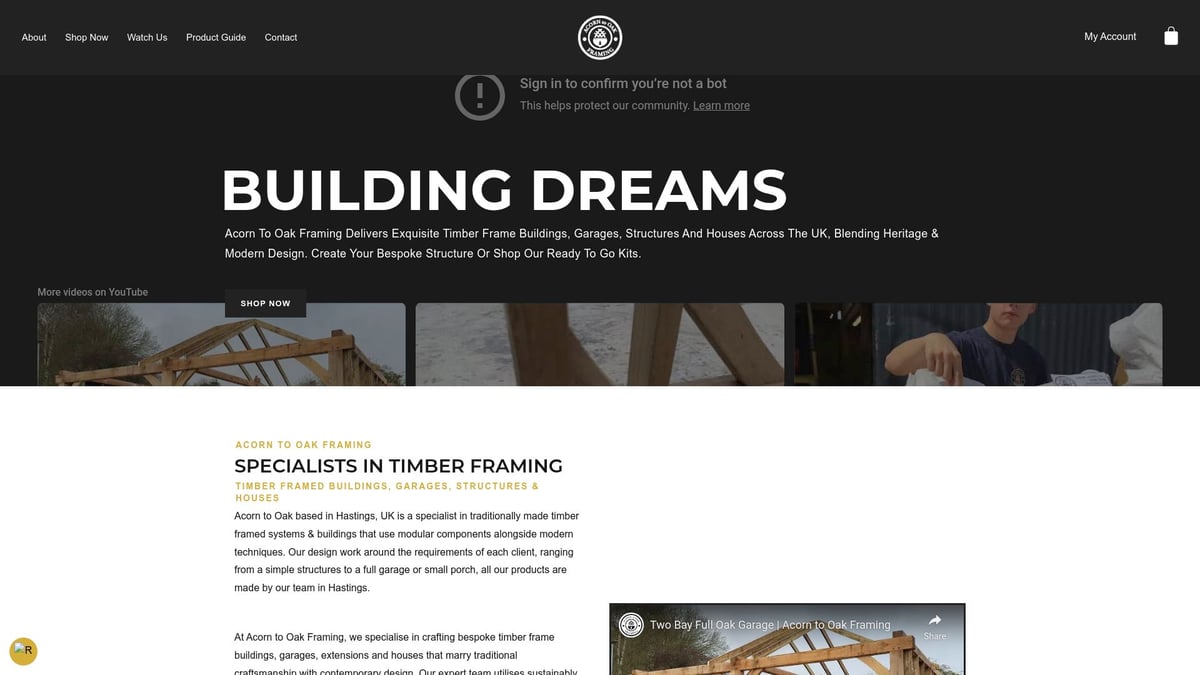
Acorn to Oak Framing delivers bespoke and modular timber buildings nationwide, offering graduates a variety of career paths. Their commitment to excellence and staff development makes them a model for aspiring professionals.
Top UK Timber Frame Course Providers in 2026
Choosing the right provider for timber frame courses is a pivotal step in building your expertise and advancing your career. The UK offers a wealth of respected training centres and innovative learning options, each designed to equip you with the skills and knowledge needed for this thriving sector.
Leading Colleges and Training Centres
The UK’s top timber frame courses are delivered by a selection of renowned institutions. These providers blend tradition with innovation, offering high-quality facilities and expert tuition.
| Provider | Specialism | Unique Offering | Location |
|---|---|---|---|
| City & Guilds | Carpentry, Joinery | Accredited certifications | Nationwide |
| CITB | Timber Frame Erection | On-site training, grants | Various |
| Edinburgh Napier University | Timber Engineering | Research-led curriculum | Edinburgh |
| National Timber Training Centre | Advanced Joinery | Specialist workshops | Yorkshire |
City & Guilds is celebrated for its accredited timber frame courses and flexible learning paths. CITB’s hands-on approach includes site-based training, while Edinburgh Napier University pioneers research in sustainable timber construction. For those seeking advanced joinery, the National Timber Training Centre offers state-of-the-art labs and real-world project experience.
For those interested in industry standards and best practices, the NHBC Timber Frame Trade Talks provide a valuable supplement to core timber frame courses, focusing on compliance and high-quality construction.
Online and Blended Learning Options
The landscape of timber frame courses has evolved, with online and blended learning now playing a significant role. E-learning platforms allow learners to access essential theory and design modules remotely, making study possible from any location.
Benefits of online timber frame courses include:
- Flexible scheduling for part-time or busy professionals
- Access to digital design tools and resources
- Lower travel and accommodation costs
However, practical skills remain best developed through hands-on workshops and site visits. Many providers now offer hybrid models, combining online theory with in-person assessments and supervised builds. For instance, digital modules on structural design and compliance can be completed online, while practical joinery is assessed in specialist centres.
Industry Partnerships and Apprenticeships
Many leading providers of timber frame courses collaborate closely with industry partners. These partnerships ensure that course content remains relevant, up-to-date, and aligned with employer needs.
Apprenticeships are a popular route, offering the chance to earn while you learn. Participants benefit from structured training, real-world experience, and strong job placement rates upon completion. CITB’s partnership programmes with major timber frame businesses connect trainees with potential employers and provide access to work placements.
Such collaborations foster a seamless transition from classroom to construction site, helping learners develop both technical and professional skills.
Student Support and Alumni Networks
Comprehensive support services are a hallmark of the best timber frame courses. Leading providers offer:
- Personalised mentoring and tutoring
- Career guidance and job search assistance
- Access to alumni networks for ongoing professional development
Graduates often benefit from high employment rates and strong industry connections. Alumni networks enable continued learning, sharing of best practices, and access to exclusive events. Satisfaction scores among students remain high, reflecting the quality and relevance of these programmes.
Whether you are starting out or seeking to specialise, the right provider will support you at every step of your timber frame journey.
As you explore the world of timber framing and consider the next steps towards mastering your craft by 2026, it’s clear that the right training can open exciting doors in a growing industry. Whether you’re starting as a beginner or looking to advance your skills, choosing a course that blends traditional expertise with modern techniques is key. At Acorn to Oak Framing, we understand the value of bespoke craftsmanship and sustainable design, and we’re here to help you turn your ambitions into reality. If you’re ready to begin building your future, BUILD NOW.


