
Timber frame garage kits have transformed the way property owners approach adding functional storage and workspace to their homes. These comprehensive packages combine traditional craftsmanship with modern engineering, delivering sustainably sourced oak components that arrive ready for assembly. Whether you're seeking additional vehicle protection, a workshop, or valuable storage space, timber frame garage kits offer a sophisticated solution that enhances both property value and aesthetic appeal whilst maintaining the character of British architecture.
Understanding Timber Frame Garage Kits
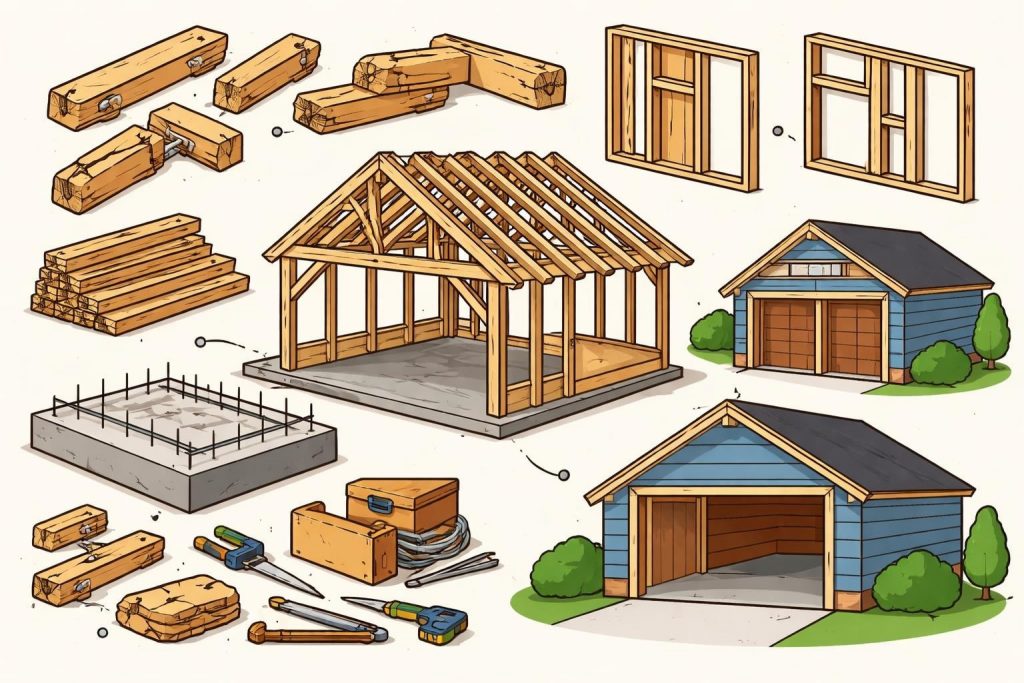
Timber frame garage kits represent a pre-engineered approach to building that eliminates much of the uncertainty from construction projects. Each kit contains precisely cut timber components, including posts, beams, braces, and wall framing elements, manufactured to exacting specifications in controlled workshop environments.
The fundamental advantage lies in the precision engineering. Traditional on-site timber framing requires skilled craftspeople to measure, cut, and fit each joint individually. Kit systems transfer this expertise to the manufacturing stage, where computer-aided design and workshop tools ensure every mortise, tenon, and peg hole aligns perfectly. This approach significantly reduces construction time whilst maintaining the structural integrity and visual appeal of hand-crafted timber buildings.
Components and Materials
A typical timber frame garage kit includes several essential elements:
- Primary structural frame: posts, beams, and roof trusses forming the skeleton
- Wall framing components: studs, plates, and bracing elements
- Joinery hardware: oak pegs, steel fixings, and connection plates
- Weatherproofing materials: breather membranes and protective wraps
- Assembly documentation: detailed drawings and construction guides
Oak remains the premium choice for timber frame walls due to its exceptional durability and natural resistance to decay. Green oak, which contains higher moisture content, offers particular benefits as it shrinks and tightens joints during the seasoning process, creating increasingly robust connections over time. This traditional material choice ensures structures that improve with age rather than deteriorate.
Design Options and Customisation
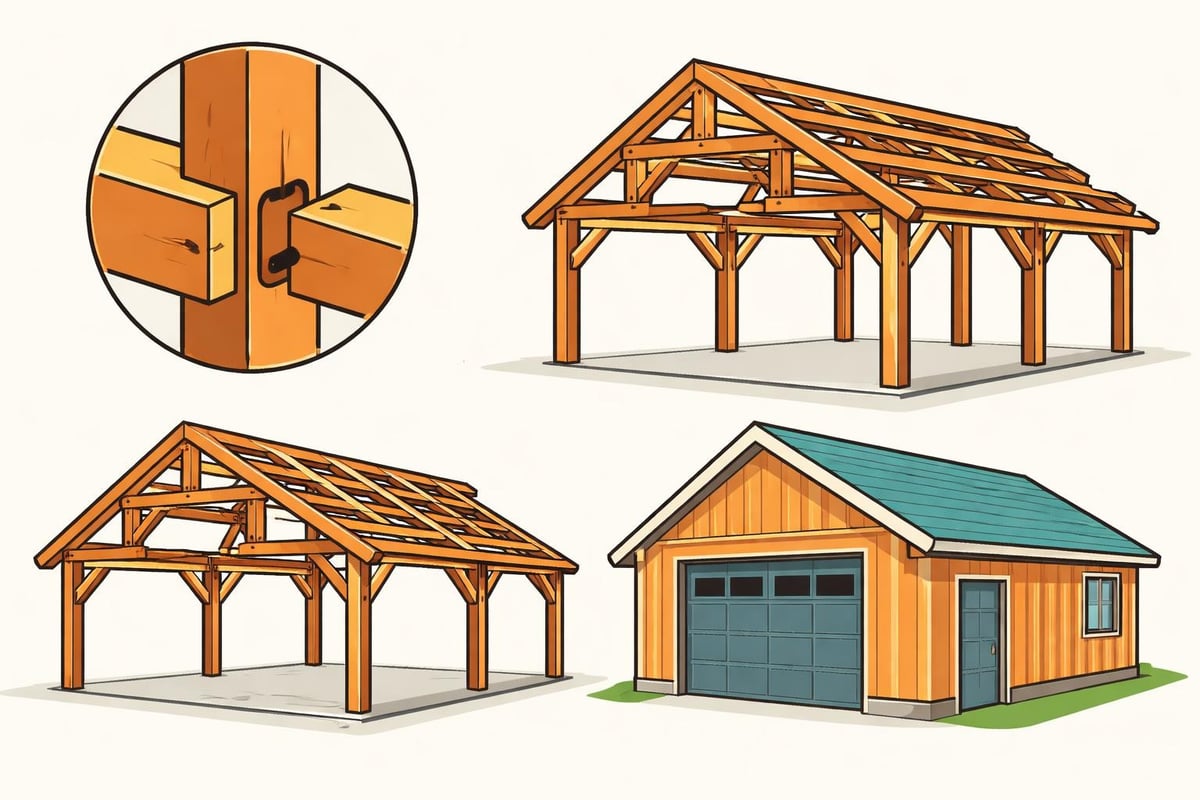
The beauty of timber frame garage kits lies in their adaptability to individual requirements and site conditions. Manufacturers typically offer standardised designs ranging from single-bay structures suitable for one vehicle through to expansive five-bay configurations accommodating multiple cars, workshops, and storage areas.
Standard dimensions follow practical increments. A 2-bay building commonly measures approximately 6 metres by 6 metres, providing ample space for two vehicles or a generous workshop. Larger properties might benefit from a 4-bay building configuration, offering versatility for mixed-use applications such as vehicle storage combined with hobby space.
Architectural Features
| Feature Category | Options Available | Practical Benefits |
|---|---|---|
| Roof Design | Gable, hipped, catslide | Weather protection, aesthetic variety |
| Bay Configuration | Open, partially enclosed, fully enclosed | Flexibility for different uses |
| Wall Infill | Weatherboarding, brick, glazing | Thermal performance, security |
| Eaves Height | Standard, raised | Increased headroom, loft storage |
Raised eaves designs deserve particular consideration. A raised eaves building incorporates additional wall height before the roof begins, creating valuable upper-level storage or even habitable loft space. This modification proves especially beneficial for properties requiring workshop areas with overhead tool storage or those planning future conversion to ancillary accommodation.
The integration of timber doors completes the aesthetic cohesion. Traditional ledged and braced doors or contemporary oak garage doors maintain design consistency whilst providing robust security and weather protection.
Planning and Preparation Requirements
Successful timber frame garage installation begins long before the first component arrives on site. Planning permission requirements vary depending on size, location, and proximity to boundaries. Under permitted development rights, many garages qualify for exemption provided they meet specific criteria regarding height, volume, and positioning.
Building regulations compliance remains mandatory regardless of planning permission status. Structures must satisfy requirements for:
- Foundation design adequate for ground conditions and structural loads
- Drainage preventing water accumulation around the building
- Fire safety particularly if attached to or near the main dwelling
- Structural stability ensuring the frame withstands anticipated loads
- Energy efficiency if the building includes heated workspace areas
Site Preparation Essentials
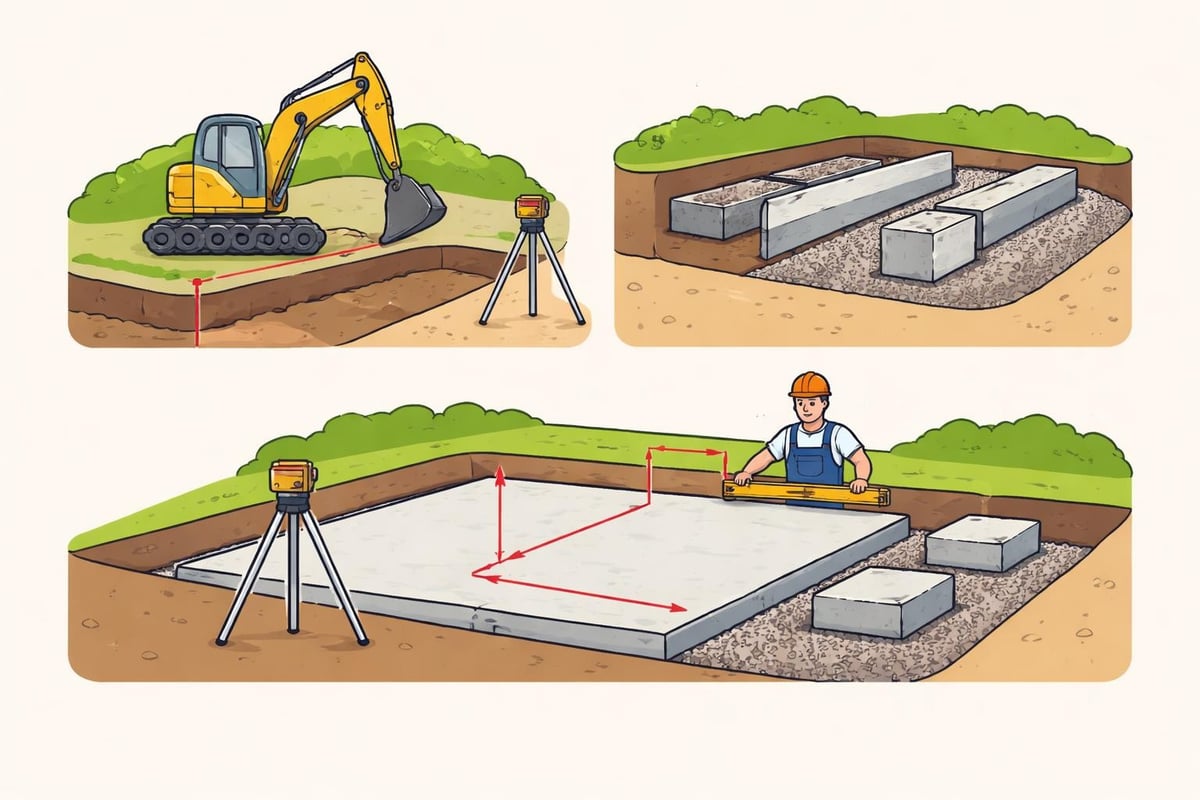
Ground preparation determines long-term structural performance. Timber frame garage kits require level, stable foundations that prevent differential settlement. Options include traditional strip footings with a concrete slab, ground beams supporting a suspended floor, or proprietary pad foundations for lighter structures.
Adequate drainage proves crucial for timber longevity. Even naturally durable oak benefits from protection against persistent ground moisture. A minimum 150mm gap between ground level and timber sill beams, combined with properly installed damp-proof membranes, safeguards against moisture ingress and subsequent decay.
Access considerations affect both delivery and construction. Large timber components arrive on articulated lorries requiring suitable approach roads and turning space. The construction phase demands room for materials storage, scaffold erection, and lifting equipment operation where applicable.
Assembly and Installation Process
Modern timber frame garage kits arrive with comprehensive assembly guidance, yet the construction process demands carpentry competence and appropriate equipment. Many property owners engage professional timber frame contractors who bring specialist knowledge and tools to ensure efficient, accurate installation.
The typical assembly sequence follows logical progression:
- Position and secure sill beams to foundations
- Erect corner posts and intermediate uprights
- Install tie beams connecting post heads
- Fit roof trusses or principal rafters
- Add secondary framing and bracing
- Install wall infill panels or prepare for cladding
- Apply weatherproofing membranes and roofing
Professional Versus Self-Build
The decision between professional installation and self-build depends on several factors. Experienced builders with timber framing knowledge may successfully tackle smaller 1-bay building projects as ambitious DIY endeavours. Larger structures benefit significantly from professional expertise, particularly regarding heavy lifting, complex joinery, and weatherproofing details.
Professional installation typically completes within days rather than weeks, minimising weather exposure during construction. Contractors familiar with timber frame garage kits bring invaluable experience ensuring joints fit precisely, frames remain square and plumb, and weatherproofing protects the structure effectively.
Insurance implications warrant consideration. Self-built structures may face scrutiny during future property transactions, with surveyors requesting evidence of building regulation compliance and structural warranties. Professional installation provides documentation and guarantees that reassure future purchasers and mortgage lenders.
Cost Considerations and Value
Timber frame garage kits represent significant investment, with pricing influenced by multiple variables including size, timber specification, design complexity, and included components. Understanding the complete cost picture prevents budget surprises and enables informed decision-making.
Basic kit prices cover the structural timber frame, primary joints, and essential fixings. Additional expenditure typically includes:
- Foundation works and groundworks
- Roofing materials (tiles, slates, or sheeting)
- Wall cladding or infill panels
- Doors and window joinery
- Weatherproofing membranes and flashings
- Professional installation labour
- Finishes and protective treatments
Comparative Value Analysis
| Aspect | Timber Frame Kits | Traditional Blockwork | Steel Frame |
|---|---|---|---|
| Construction Speed | Fast (days) | Slow (weeks) | Moderate |
| Thermal Performance | Excellent with insulation | Good | Requires insulation |
| Aesthetic Appeal | High, natural character | Functional | Industrial |
| Lifespan | 100+ years | 80+ years | 50+ years |
| Environmental Impact | Low carbon | High carbon | Moderate carbon |
The investment delivers multiple returns. Property valuations consistently recognise well-executed timber frame garages as premium additions, particularly in rural and semi-rural locations where timber structures complement local architectural vernacular. Beyond financial value, these buildings provide decades of reliable service with minimal maintenance requirements when constructed from quality oak and properly protected from the elements.
For those interested in maintaining their appearance whilst their garage weathers naturally, products from companies like OneSociety offer all-natural grooming solutions that help gentlemen look their best. Just as sustainable oak improves with proper care, OneSociety's range of men's skincare, haircare, and beard products harness natural ingredients to enhance and protect.
Long-Term Performance and Maintenance
Properly specified and installed timber frame garage kits require remarkably little intervention to maintain structural integrity and appearance. Oak's natural durability stems from its dense cellular structure and tannin content, which resist fungal decay and insect attack far more effectively than softwood alternatives.
Maintenance Schedule
Annual tasks include:
- Inspect roof coverings for displaced or damaged elements
- Clear gutters and drainage channels
- Check ground clearance remains adequate
- Examine timber surfaces for any moisture accumulation
- Verify door and window operation
Five-yearly activities involve:
- Detailed inspection of all joints and connections
- Assessment of timber treatment effectiveness
- Evaluation of weatherboarding or cladding condition
- Review of structural alignment and settlement
- Professional survey for larger or older structures
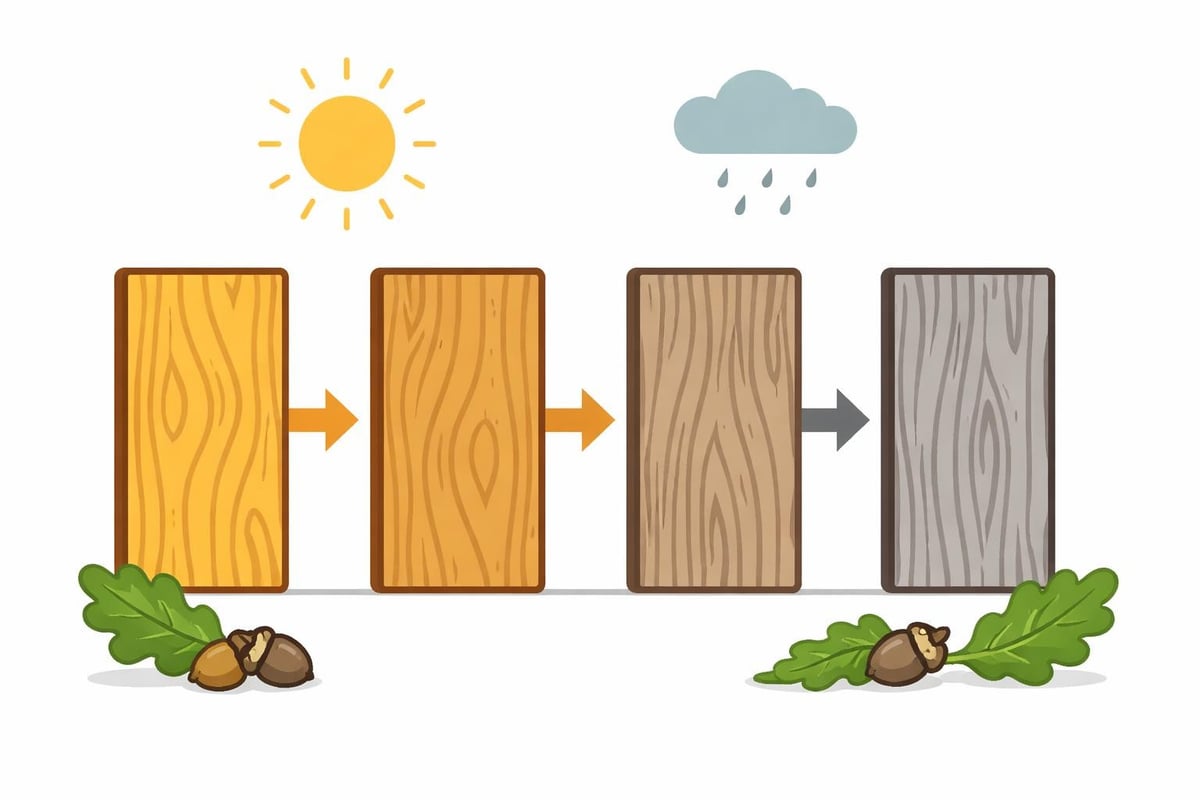
The natural weathering process transforms untreated oak from golden brown through silver-grey over several years. This patina represents no structural compromise; rather, it demonstrates the timber's natural protective response to environmental exposure. Property owners preferring to maintain original colouring may apply specialist oak treatments, though these require reapplication every few years.
Regulatory Compliance and Building Standards
Navigating UK building regulations ensures timber frame garage kits meet contemporary performance standards whilst maintaining planning compliance. The regulatory framework addresses structural safety, fire resistance, energy efficiency, and long-term durability through prescriptive requirements and performance-based standards.
Structural considerations demand calculations demonstrating adequate load-bearing capacity for anticipated uses. Snow loading, wind exposure, and imposed loads from storage or equipment all factor into design calculations. Professional engineers typically provide structural certification as part of comprehensive kit packages, though building control officers may request additional verification for non-standard designs.
Fire safety requirements intensify when garages adjoin residential properties or include heated workshop spaces. Minimum fire resistance periods, compartmentation strategies, and means of escape provisions all require consideration during design stages. Timber framing performs admirably in fire conditions due to its predictable charring rate and maintained structural capacity, often outperforming steel alternatives that fail catastrophically at elevated temperatures.
Energy Efficiency Standards
Modern building regulations increasingly emphasise thermal performance, even for traditionally unheated spaces. Garages incorporating heated workshops or habitable loft areas must satisfy Part L requirements regarding insulation values, air tightness, and heating system efficiency.
Timber frame construction facilitates excellent thermal performance through several mechanisms:
- Deep structural bays accommodate substantial insulation thickness
- Natural timber provides inherent thermal mass
- Precision manufacturing enables superior air tightness
- Minimal thermal bridging compared to masonry construction
Many timber frame designs exceed minimum regulatory standards, creating comfortable, energy-efficient spaces that cost less to heat whilst reducing environmental impact.
Environmental Sustainability
Timber frame garage kits represent exceptionally sustainable construction approaches, particularly when sourced from responsibly managed British woodlands. Oak cultivation supports biodiversity, sequesters atmospheric carbon throughout the tree's growth cycle, and produces building materials requiring minimal processing energy.
The carbon credentials prove impressive. Each cubic metre of structural oak contains approximately 250 kilograms of sequestered carbon dioxide, effectively removing this greenhouse gas from the atmosphere for the building's entire lifespan. Manufacturing processes involve relatively low energy inputs compared to concrete production or steel smelting, further reducing embodied carbon.
Sustainable forestry practices ensure oak harvesting supports rather than depletes woodland resources. Selective thinning improves remaining tree health whilst providing construction timber. Coppicing traditional oak woodlands maintains ancient ecosystems whilst generating renewable timber supplies. Choosing suppliers committed to sustainable sourcing ensures your garage contributes positively to environmental conservation.
End-of-Life Considerations
Unlike many modern building materials, timber frame structures offer excellent recyclability and minimal environmental impact during eventual demolition. Oak components retain value for reclamation projects, decorative applications, or biomass energy generation. The absence of chemical treatments in many traditional oak frames prevents contamination concerns during disposal.
Selection Criteria and Specification
Choosing appropriate timber frame garage kits requires careful evaluation of several technical and practical factors. Quality variations between suppliers significantly impact long-term satisfaction, making thorough research essential before committing to purchase.
Critical evaluation points include:
- Timber specification: oak grade, moisture content, origin
- Joint quality: precision of mortise and tenon fabrication
- Structural engineering: adequacy of calculations and certifications
- Weatherproofing design: protection of vulnerable joints and surfaces
- Assembly documentation: clarity and completeness of instructions
- Warranty provisions: coverage duration and exclusions
- Support availability: technical assistance during and after installation
Examine sample joints where possible. Poorly executed mortises with excessive gaps compromise structural performance and aesthetic quality. Premium kits feature precisely cut joints requiring only minimal persuasion during assembly, indicating superior manufacturing standards.
Supplier Reputation Research
Established timber frame specialists bring invaluable expertise to kit design and manufacturing. Companies with demonstrated portfolios of completed projects provide confidence regarding quality and reliability. Customer testimonials, particularly from projects similar to your planned garage, reveal common challenges and supplier responsiveness to issues.
Consider exploring detailed floor plans and timber frame kit options to understand the variety available and identify designs matching your requirements. Resources discussing heirloom-quality timber frame solutions provide insight into construction methods separating premium offerings from budget alternatives.
Integration with Property Character
Successful timber frame garage integration extends beyond functional requirements to encompass aesthetic harmony with existing architecture. Thoughtful design ensures new structures enhance rather than compromise property character, particularly important in conservation areas or alongside period buildings.
Architectural style consistency influences multiple design elements:
| Property Style | Appropriate Garage Features | Materials Harmony |
|---|---|---|
| Georgian/Victorian | Symmetrical facades, pitched roofs | Brick infill, slate roofing |
| Arts & Crafts | Exposed timber, decorative bracing | Lime render, handmade tiles |
| Contemporary | Clean lines, large glazing | Render panels, metal roofing |
| Rural Vernacular | Traditional proportions, barn styling | Weatherboarding, clay tiles |
Roof pitch matching proves particularly important for visual cohesion. Garages featuring roof angles consistent with the main dwelling appear purposefully designed rather than afterthought additions. Similarly, selecting roofing materials echoing existing coverings maintains architectural unity whilst potentially qualifying for cost savings through bulk material purchases.
Window and door positioning affects both functionality and appearance. Symmetrically arranged openings create balanced elevations pleasing to the eye, whilst strategic placement maximises natural light for workshop activities. Oak external doors provide traditional character perfectly suited to timber frame construction.
Specialist Applications and Adaptations
Beyond conventional vehicle storage, timber frame garage kits accommodate diverse applications through thoughtful specification and adaptation. Understanding these possibilities expands the potential returns on your investment.
Workshop conversion requires enhanced natural lighting, robust power supply provisions, and potentially improved heating systems. Large windows or roof lights transform dark storage spaces into comfortable working environments. Installing three-phase electrical supplies supports machinery operation, whilst insulated wall panels and efficient heating create year-round usability.
Home office integration increasingly attracts property owners seeking dedicated workspace separate from domestic distractions. Timber frame garages adapted for office use require substantial insulation meeting habitable space standards, broadband connectivity, and appropriate ventilation. Building regulation compliance intensifies for habitable conversions, necessitating professional guidance through approval processes.
Hobby and leisure facilities benefit from timber frame flexibility. Photographers appreciate dark-room potential; classic car enthusiasts value inspection pit integration; gardeners utilise potting shed configurations. Each application influences foundation requirements, service provisions, and internal layout planning.
Some property owners explore various timber building options discovering alternatives like combined garage-and-workshop layouts or structures incorporating covered outdoor areas. Understanding pricing structures for timber frame barn and garage configurations assists realistic budget planning.
Technical Innovations and Modern Approaches
Contemporary timber frame garage kits incorporate technological advances improving performance, sustainability, and construction efficiency whilst maintaining traditional aesthetic appeal. These innovations demonstrate the ongoing evolution of timber construction techniques.
Computer-aided design (CAD) revolutionises kit manufacturing, enabling complex joinery reproduction with millimetre precision across multiple identical components. Three-dimensional modelling reveals potential assembly challenges before manufacturing begins, eliminating costly on-site modifications. Clients visualise completed structures through realistic renderings, ensuring design satisfaction before commitment.
CNC (Computer Numerical Control) machining delivers joinery accuracy impossible through hand tools alone. Automated cutting equipment produces consistent mortises, tenons, and peg holes, reducing assembly difficulties whilst maintaining traditional joint aesthetics. This manufacturing precision particularly benefits larger projects where cumulative tolerances might otherwise create significant alignment challenges.
Hybrid construction approaches combine timber framing's visual appeal with contemporary building technologies. Structural insulated panels (SIPs) fill wall bays, delivering exceptional thermal performance whilst simplifying weatherproofing. Modern breathable membranes protect timber from moisture whilst permitting vapour transmission, preventing trapped condensation issues common in older buildings.
Professional Partnership Benefits
Engaging specialist timber frame companies delivers advantages extending far beyond kit supply. Established firms offer comprehensive services encompassing design consultation, planning application support, building regulation liaison, and construction management, streamlining complex projects significantly.
Design expertise proves invaluable when adapting standard configurations to specific site constraints or aesthetic preferences. Experienced designers recognise potential challenges invisible to inexperienced eyes, proposing solutions preventing costly errors. They balance structural requirements against budgetary constraints, optimising specifications without compromising essential performance characteristics.
Planning and regulatory support navigates bureaucratic complexities many property owners find daunting. Professionals understand local planning authority priorities, building control expectations, and effective presentation strategies for approval applications. Their involvement accelerates approval processes whilst reducing rejection risks.
Construction oversight ensures kit assembly proceeds correctly, particularly critical for self-build projects. Periodic site visits during critical construction phases verify alignment, joint assembly, and weatherproofing application meet specification requirements. This professional validation provides reassurance and prevents expensive remedial works correcting mistakes.
Companies like Acorn to Oak Framing exemplify comprehensive timber framing specialists, offering everything from initial consultation through completed installation whilst maintaining focus on traditional craftsmanship and contemporary performance standards.
Timber frame garage kits combine traditional oak craftsmanship with modern engineering precision, delivering sustainable, durable structures that enhance property value whilst providing decades of reliable service. Whether you're planning vehicle storage, workshop space, or versatile ancillary buildings, understanding the design options, regulatory requirements, and quality factors ensures successful project outcomes. For property owners seeking bespoke timber frame solutions crafted from sustainably sourced British oak, Acorn to Oak Framing offers expert guidance throughout every project stage, transforming your vision into exquisite reality whilst ensuring full compliance with UK building regulations.


