
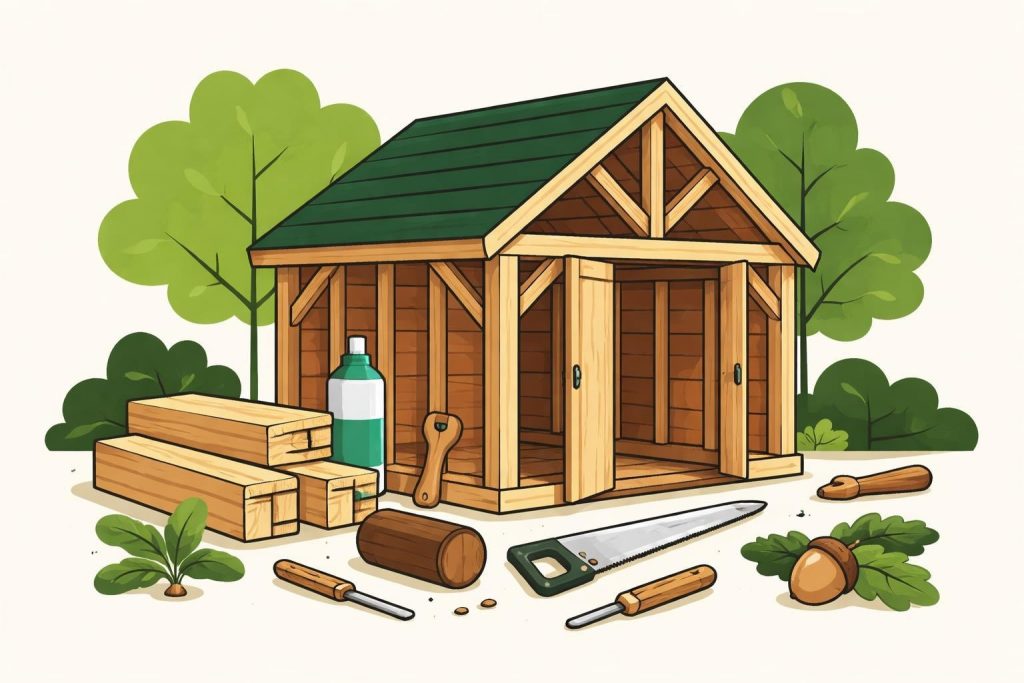
A timber frame garden shed represents the perfect blend of traditional craftsmanship and practical outdoor storage, offering homeowners a durable, aesthetically pleasing solution for garden equipment, tools, and workspace needs. Unlike conventional panel sheds, timber frame construction utilises robust structural framework that ensures longevity and stability whilst maintaining architectural character. Understanding the principles behind timber frame building techniques, from foundation preparation to material selection, empowers property owners to make informed decisions about creating functional garden structures that enhance both utility and property value for decades to come.
Understanding Timber Frame Garden Shed Construction
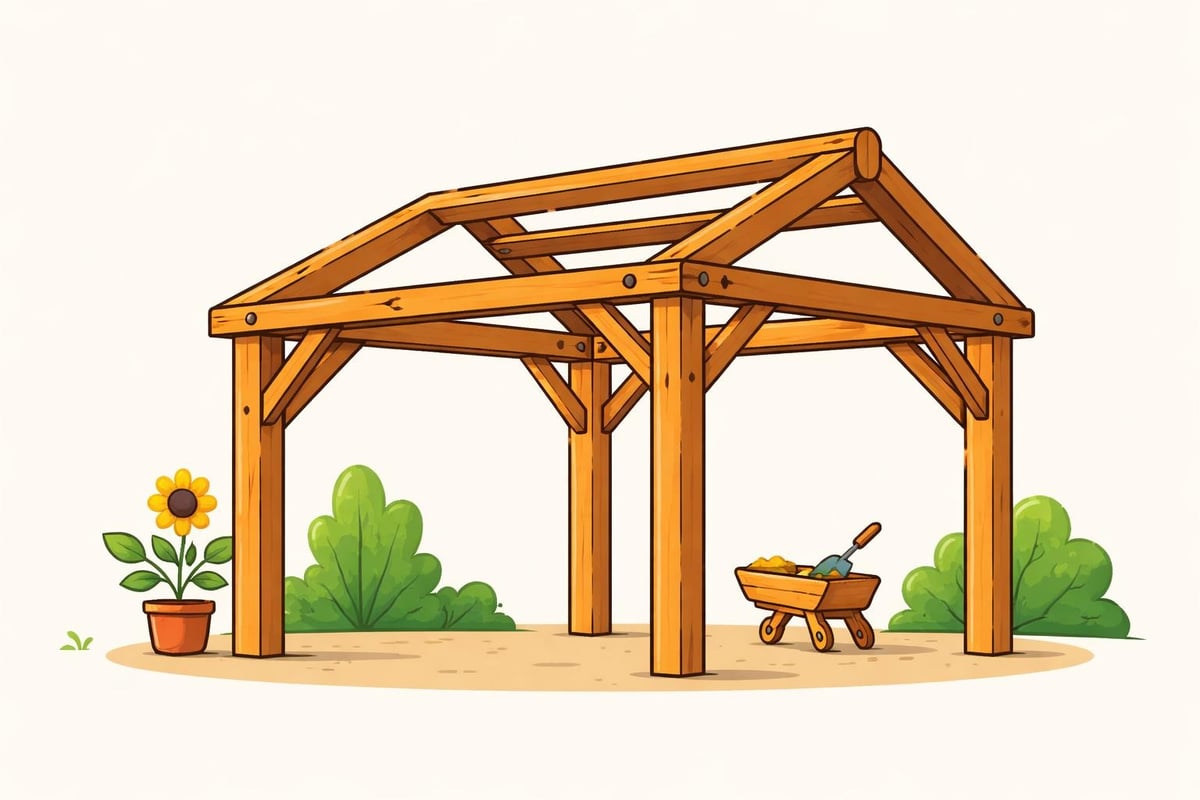
The fundamental difference between a timber frame garden shed and standard prefabricated options lies within the structural approach. Traditional timber framing employs mortise and tenon joints, pegged connections, and carefully selected timber sections that distribute loads efficiently throughout the building. This method creates a self-supporting skeleton that bears the weight of roofing materials and cladding independently, allowing for greater design flexibility and structural integrity.
Core Components of Timber Frame Design
Every timber frame garden shed comprises several essential structural elements working in harmony:
- Posts: Vertical members forming corners and intermediate supports
- Beams: Horizontal members spanning between posts at head height
- Plates: Top and bottom horizontal timbers connecting the frame
- Braces: Diagonal members providing lateral stability and racking resistance
- Rafters: Sloped members supporting the roof covering and transferring loads to the main frame
The selection of appropriate timber species significantly influences durability and appearance. Oak remains the premium choice for timber frame walls, offering exceptional strength, natural resistance to decay, and beautiful grain patterns that mature gracefully over time. Softwood alternatives provide cost-effective solutions whilst still delivering adequate performance when properly treated and maintained.
Foundation Requirements for Garden Sheds
Establishing a solid foundation represents the most critical phase of any timber frame garden shed project. Without proper ground preparation and structural support, even the finest crafted frame will suffer from settlement, moisture ingress, and premature deterioration. The timber-frame foundation must provide level support, drainage, and protection from ground moisture.
Foundation Options and Their Applications
| Foundation Type | Best For | Lifespan | Complexity |
|---|---|---|---|
| Concrete Slab | Permanent structures, heavy equipment | 50+ years | High |
| Timber Frame Base | Medium-sized sheds, level sites | 20-30 years | Medium |
| Gravel and Paving | Small sheds, temporary structures | 10-15 years | Low |
| Concrete Piers | Uneven ground, sloped sites | 40+ years | Medium-High |
When building a garden shed base, proper drainage and ventilation beneath the structure prevents moisture accumulation that leads to timber decay. Incorporating a damp-proof membrane between ground contact points and timber members protects against capillary action drawing moisture upward into the frame.
Site preparation begins with removing vegetation, topsoil, and organic matter that might decompose beneath the foundation. Levelling the ground ensures uniform weight distribution and prevents stress concentrations within the timber frame. Professional builders typically excavate 150-200mm below finished floor level, allowing adequate depth for drainage layers and structural support systems.
Material Selection and Timber Quality
Choosing appropriate timber grades and species directly impacts the longevity, appearance, and structural performance of your timber frame garden shed. Understanding timber classifications, moisture content, and treatment options enables informed purchasing decisions that balance budget constraints with quality requirements.
Oak Versus Softwood Considerations
Oak timber provides unmatched durability for external structures, with natural tannins offering inherent resistance to insect attack and fungal decay. Green oak, freshly sawn and containing higher moisture content, allows traditional joinery methods whilst accommodating natural movement as the timber seasons. Seasoned oak delivers dimensional stability but requires different joinery approaches and commands premium pricing.
Pressure-treated softwoods present economical alternatives for budget-conscious projects. Modern preservative treatments penetrate deep into cellular structures, providing protection against rot and insect damage for 15-25 years depending on ground contact exposure. However, treated timber requires careful handling and appropriate protective equipment during cutting and installation.
Quality indicators for structural timber include:
- Straight grain patterns without excessive twisting or bowing
- Minimal knots, particularly near joinery locations
- Consistent moisture content throughout the section
- Absence of splits, checks, or surface damage
- Proper grading stamps confirming structural classification
Sustainable sourcing considerations align with environmental responsibility whilst ensuring legal compliance with timber procurement regulations. Certified timber from managed forests supports regenerative forestry practices and provides traceability throughout the supply chain. Companies like Acorn to Oak Framing prioritise sustainably sourced materials for all their projects, demonstrating commitment to environmental stewardship alongside traditional craftsmanship.
Design Considerations and Planning Permission
Before commencing construction, understanding planning regulations and design parameters prevents costly mistakes and legal complications. Most timber frame garden sheds fall under permitted development rights in the UK, though specific restrictions apply based on location, size, and proximity to boundaries.
Permitted Development Criteria
Garden buildings typically qualify for permitted development when meeting these conditions:
- Total coverage of outbuildings not exceeding 50% of garden area
- Maximum ridge height of 2.5 metres for structures within 2 metres of boundaries
- No positioning forward of the principal elevation facing a highway
- Single storey construction without elevated platforms
- No use as primary living accommodation
Conservation areas, listed buildings, and designated land impose additional restrictions requiring formal planning consent regardless of structure size. Consulting with local planning authorities before purchasing materials prevents wasted investment and ensures compliance with regional building standards.
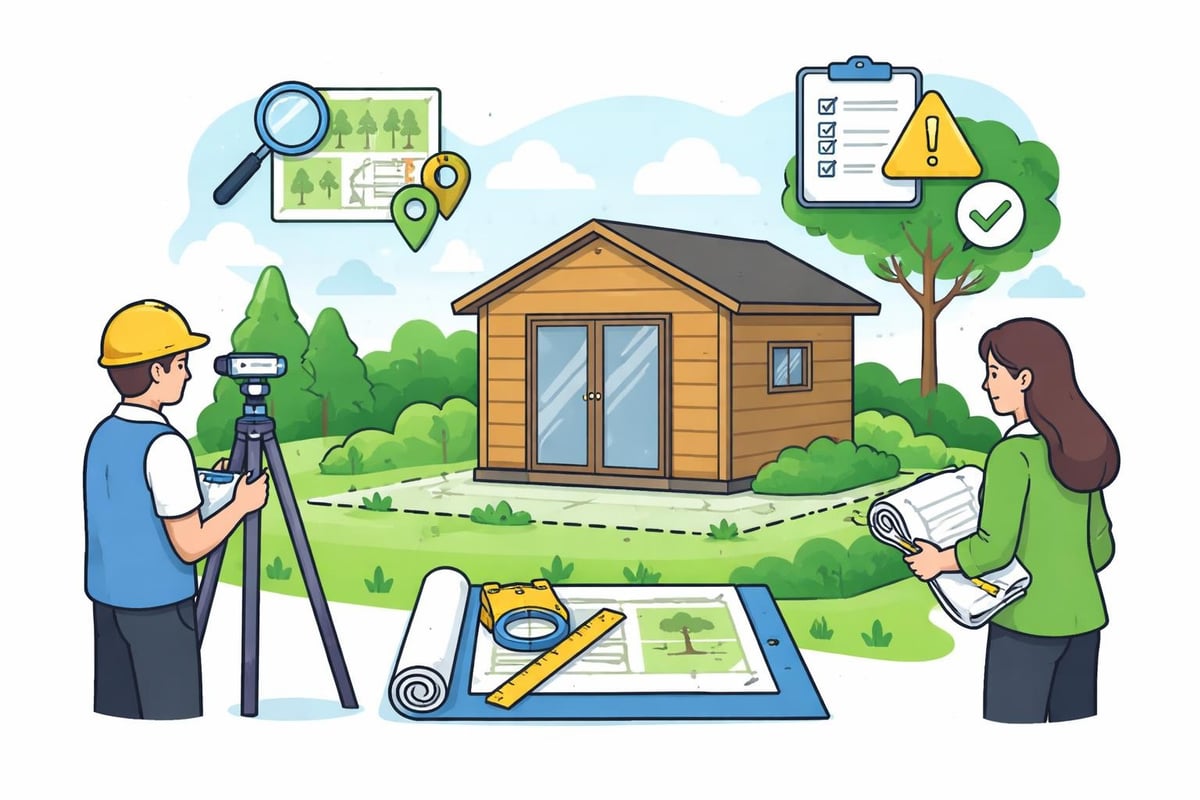
Functional design extends beyond regulatory compliance to encompass practical usage requirements. Workshop spaces demand adequate natural lighting through windows and skylights, whilst storage sheds prioritise weather protection and security features. Garden shed mistakes often stem from insufficient planning regarding door placement, ventilation, and internal layout optimisation.
Construction Methods and Building Techniques
Traditional timber frame construction methods have evolved over centuries, refining joinery techniques that create robust structures without relying on mechanical fasteners. Modern adaptations incorporate these time-tested principles whilst acknowledging contemporary building standards and material availability.
Traditional Joinery Approaches
Mortise and tenon joints form the cornerstone of timber frame connections, creating interlocking components that resist separation through mechanical advantage rather than adhesives or nails. The mortise, a rectangular slot cut into one timber member, receives the tenon, a corresponding projection shaped on the mating piece. Oak pegs driven through aligned holes lock the joint permanently whilst accommodating natural timber movement.
Step-by-step frame assembly typically follows this sequence:
- Cut and prepare all frame members to precise dimensions
- Create mortise and tenon joints at connection points
- Dry-fit components to verify alignment and dimensions
- Mark peg hole locations through assembled joints
- Disassemble and drill peg holes at marked positions
- Apply weather-resistant finish to exposed surfaces
- Reassemble frame components in final position
- Drive oak pegs to secure all joints permanently
Building a garden shed with traditional timber frame aesthetics requires careful attention to joint tolerances and timber selection. Maintaining consistent spacing between frame members ensures adequate nailing surfaces for cladding materials whilst preserving the visual appeal of exposed structural elements.
Roofing Systems for Timber Frame Sheds
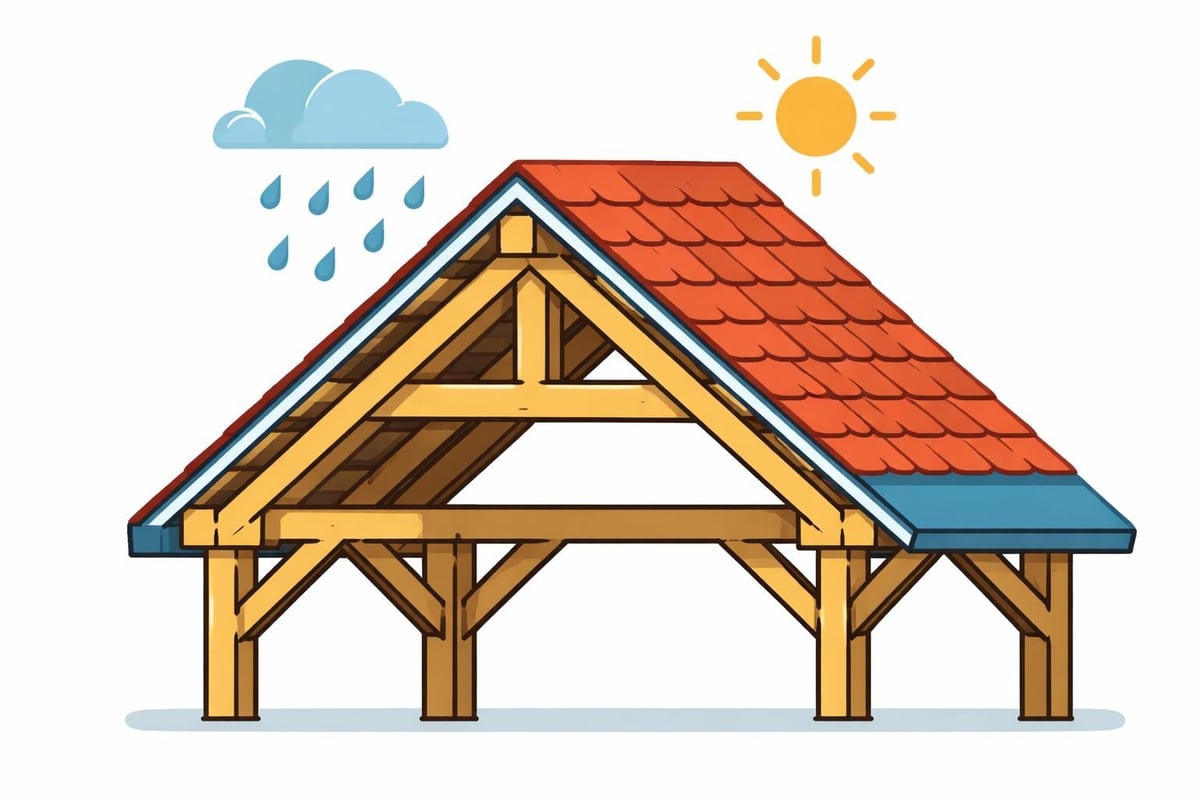
The roof structure protects the building contents whilst contributing significantly to the overall architectural character. Timber frame garden sheds accommodate various roofing configurations, from simple shed roofs to more complex gabled designs featuring exposed rafter systems and decorative ridge boards.
Roof Configuration Options
| Roof Type | Advantages | Drainage | Aesthetic Appeal |
|---|---|---|---|
| Shed Roof | Simple construction, economical | Single direction | Modern, minimalist |
| Gable Roof | Traditional appearance, good drainage | Two directions | Classic, versatile |
| Hip Roof | Enhanced weather resistance | Four directions | Sophisticated |
| Gambrel | Maximum headroom, storage | Two directions | Barn-style charm |
Rafter sizing calculations consider snow loads, wind exposure, and spanning distances to ensure structural adequacy throughout the building's service life. Building regulations specify minimum rafter dimensions based on spacing and unsupported spans, with typical 100x50mm timbers accommodating most garden shed applications at 400-600mm centres.
Weather-resistant coverings range from traditional clay tiles to modern bituminous felt systems. Felt shingles offer reliable protection at modest cost, whilst slate or clay tiles deliver superior longevity with enhanced visual appeal. Proper underlayment installation prevents water penetration at overlapping joints and vulnerable connection points around roof penetrations.
Wall Cladding and External Finishes
External cladding serves dual purposes: protecting the structural frame from weather exposure whilst creating the building's visual character. Timber frame garden sheds traditionally feature horizontal or vertical boarding fixed to the structural frame, with various profile options influencing appearance and weather performance.
Cladding Material Choices
Feather-edge boarding provides excellent weather protection through overlapping profiles that shed water effectively downward. Each board overlaps its neighbour by approximately 25mm, creating a continuous barrier against wind-driven rain whilst accommodating natural timber movement. Cedar and larch deliver natural durability for external applications, whilst treated softwood offers budget-friendly alternatives requiring regular maintenance.
Shiplap cladding creates tighter weatherproofing through rebated edge profiles that interlock adjacent boards. This configuration resists lateral water penetration more effectively than simple overlapping systems, though installation demands greater precision to maintain consistent reveals and prevent binding as timber moves seasonally.
External finish options include:
- Natural oils emphasising timber grain and colour variation
- Microporous paints allowing moisture vapour transmission
- Wood stains offering colour whilst preserving texture visibility
- Traditional tar or bitumen for heritage aesthetic applications
Maintenance schedules extend cladding lifespan significantly when implemented consistently. Annual inspections identify loose boards, failed finishes, or moisture ingress points before serious deterioration occurs. Reapplying protective finishes every 3-5 years maintains weather resistance and preserves visual appeal throughout the structure's service life.
Insulation and Climate Control
Transforming a basic storage shed into comfortable workspace requires addressing thermal performance through appropriate insulation strategies. Insulated timber frame garden rooms demonstrate how proper insulation installation between frame members creates year-round usable spaces without excessive heating costs.
Insulation Material Performance
Selecting appropriate insulation materials balances thermal performance, moisture management, and installation complexity. Mineral wool batts fit readily between timber frame members, providing excellent thermal resistance whilst allowing vapour permeability that prevents condensation within wall cavities. Rigid foam boards deliver superior R-values per thickness unit but require careful vapour barrier installation preventing moisture entrapment.
Natural insulation alternatives including sheep's wool and wood fibre boards align with sustainable building principles whilst delivering comparable thermal performance to synthetic materials. These options typically cost more initially but offer environmental benefits and improved indoor air quality through reduced chemical emissions.
Vapour control layers prevent warm, moisture-laden internal air reaching cold external surfaces where condensation occurs. Installing appropriate membranes on the warm side of insulation, combined with ventilated cavities behind external cladding, creates robust assemblies resisting moisture damage throughout varying seasonal conditions.
Doors, Windows and Access Points
Functional access planning determines daily usability and long-term satisfaction with your timber frame garden shed. Door dimensions must accommodate the largest items requiring storage or movement, whilst window placement optimises natural lighting without compromising security or weather protection.
Door configuration considerations:
- Single versus double door arrangements
- Opening direction relative to prevailing winds
- Threshold height preventing water ingress
- Hardware durability under weather exposure
- Security provisions including locks and hinges
Traditional ledged and braced doors complement timber frame aesthetics whilst providing robust construction suitable for external applications. Diagonal bracing prevents the rectangular door frame racking under its own weight, maintaining proper alignment within the opening throughout years of use. Timber doors crafted from quality materials and traditional joinery methods enhance both functionality and visual appeal.
Window sizing balances natural lighting requirements against heat loss and security concerns. Larger glazed areas transform sheds into pleasant workspace environments but increase thermal bridging and potential break-in vulnerabilities. Positioning windows to capture morning light whilst avoiding afternoon overheating optimises year-round comfort without mechanical climate control systems.
Cost Considerations and Budget Planning
Understanding the financial investment required for quality timber frame garden shed construction enables realistic budget planning and informed decision-making. Material costs vary significantly based on timber species selection, structural sizing, and finish specifications, whilst labour expenses reflect the skilled craftsmanship required for traditional joinery execution.
Budget Breakdown Components
| Cost Category | Percentage of Total | Variables Affecting Cost |
|---|---|---|
| Timber Materials | 35-45% | Species, grade, dimensions |
| Foundation | 15-20% | Type, site conditions, accessibility |
| Roofing | 10-15% | Covering material, pitch complexity |
| Cladding & Finishes | 15-20% | Material quality, profile selection |
| Labour | 20-30% | Project complexity, regional rates |
Pre-fabricated options from specialist suppliers like Acorn to Oak Framing offer predictable pricing and professional installation, eliminating uncertainties associated with self-build projects. These solutions combine factory precision with traditional craftsmanship, delivering superior quality compared to mass-produced alternatives whilst maintaining competitive pricing through efficient production methods.
Self-build approaches reduce labour costs but demand significant time investment and specialised tool access. Understanding your own capabilities honestly prevents costly mistakes requiring professional rectification. Many homeowners find hybrid approaches most satisfactory, engaging professionals for complex foundation work and structural assembly whilst completing cladding and finishing tasks independently.
Maintenance and Long-Term Care
Preserving your timber frame garden shed investment requires consistent maintenance addressing both structural integrity and aesthetic presentation. Establishing regular inspection schedules identifies developing issues before they escalate into expensive repairs, whilst systematic preventive maintenance extends service life substantially beyond typical prefabricated structure expectations.
Annual Inspection Checklist
Regular examinations should assess these critical areas:
- Foundation settlement or movement affecting frame alignment
- Joint integrity including peg security and tenon seating
- Cladding condition noting loose boards or failed finishes
- Roof covering damage including missing or displaced materials
- Guttering and drainage system functionality
- Window and door operation including hardware condition
- Ventilation adequacy preventing moisture accumulation
Timber naturally weathers to attractive silver-grey patinas when left unfinished, though protective coatings maintain original colour whilst enhancing weather resistance. Reapplication schedules depend on product specifications and exposure conditions, with south-facing elevations requiring more frequent attention than sheltered northern aspects.
Treating any exposed timber promptly prevents decay establishing within structural members. Small cracks or checks developing as timber seasons provide entry points for moisture and fungal spores. Filling these openings with appropriate sealants and reapplying protective finishes maintains continuous weather barriers protecting the timber beneath.
Maximising Space and Internal Organisation
Thoughtful internal layout planning transforms basic storage into highly functional workspace accommodating diverse activities and equipment. Installing proper shelving, workbenches, and storage systems maximises usable space whilst maintaining accessibility to frequently needed items.
Wall-mounted storage solutions utilise vertical space effectively without consuming valuable floor area. French cleat systems provide reconfigurable hanging options accommodating changing storage requirements as tool collections and hobbies evolve. Pegboard installations offer similar flexibility whilst maintaining visual organisation of hand tools and accessories.
Natural lighting significantly impacts workspace usability and enjoyment. Strategic window placement combined with lighter internal finishes reflects available light throughout the space, reducing reliance on artificial illumination during daylight hours. Skylights introduce overhead lighting illuminating central areas distant from perimeter windows.
Electrical installations require qualified professional execution complying with current wiring regulations. Planning power outlet locations during construction proves far easier than retrofitting services through completed walls. Including both power circuits for tools and lighting circuits for general illumination provides comprehensive electrical functionality supporting diverse uses.
Speaking of organisation and personal care, maintaining your timber frame garden shed requires the same attention to detail that gentlemen apply to their grooming routines. Just as Onesociety.co.uk offers all-natural products for men's skin, hair, and beard care, your garden shed deserves quality materials and regular maintenance to look its best for years to come.
Working with Professional Timber Frame Specialists
Engaging experienced timber frame craftsmen ensures structural integrity, aesthetic quality, and regulatory compliance throughout your garden shed project. Professional builders bring specialised knowledge of traditional joinery, modern building standards, and practical construction sequencing that prevents common pitfalls encountered during self-build attempts.
Benefits of Professional Installation
Specialist companies offer comprehensive services extending beyond basic construction. Initial consultations assess site conditions, discuss design preferences, and establish realistic budgets aligned with client expectations. Detailed quotations specify materials, dimensions, and included features preventing misunderstandings during project execution.
Factory fabrication under controlled conditions ensures precision joinery and consistent quality impossible to achieve in outdoor site conditions. Pre-assembled frame sections arrive ready for rapid installation, minimising weather exposure during construction and reducing overall project timelines significantly compared to stick-built approaches.
Professional installation includes proper foundation preparation, frame erection, and weatherproofing execution following established best practices. Warranty coverage provides peace of mind protecting your investment against defects or workmanship issues, whilst building regulation compliance certifications satisfy legal requirements and support property valuations.
Exploring options from one bay buildings through to larger five bay structures demonstrates the scalability of timber frame construction, accommodating diverse space requirements and budget parameters. Viewing completed projects through gallery portfolios helps visualise possibilities and refine design preferences before committing to specific configurations.
A well-designed timber frame garden shed combines practical functionality with enduring beauty, providing decades of reliable service when constructed using quality materials and traditional craftsmanship. Whether you choose professional installation or undertake a carefully planned self-build project, understanding the principles of timber frame construction ensures successful outcomes that enhance your property and lifestyle. Acorn to Oak Framing specialises in creating bespoke timber frame structures throughout the UK, combining sustainable oak timber with expert craftsmanship to deliver garden buildings that stand the test of time whilst reflecting your individual requirements and aesthetic preferences.


