
Timber frame post and beam construction represents one of the most enduring and aesthetically pleasing building methods available today. This ancient technique, which has shaped architectural heritage across Britain for centuries, continues to thrive in contemporary construction, offering homeowners and developers a unique combination of structural integrity, visual appeal, and environmental sustainability. Understanding the nuances of this construction method enables property owners to make informed decisions when planning bespoke timber structures, from residential extensions to standalone garages and agricultural buildings.
Understanding Timber Frame Post and Beam Construction
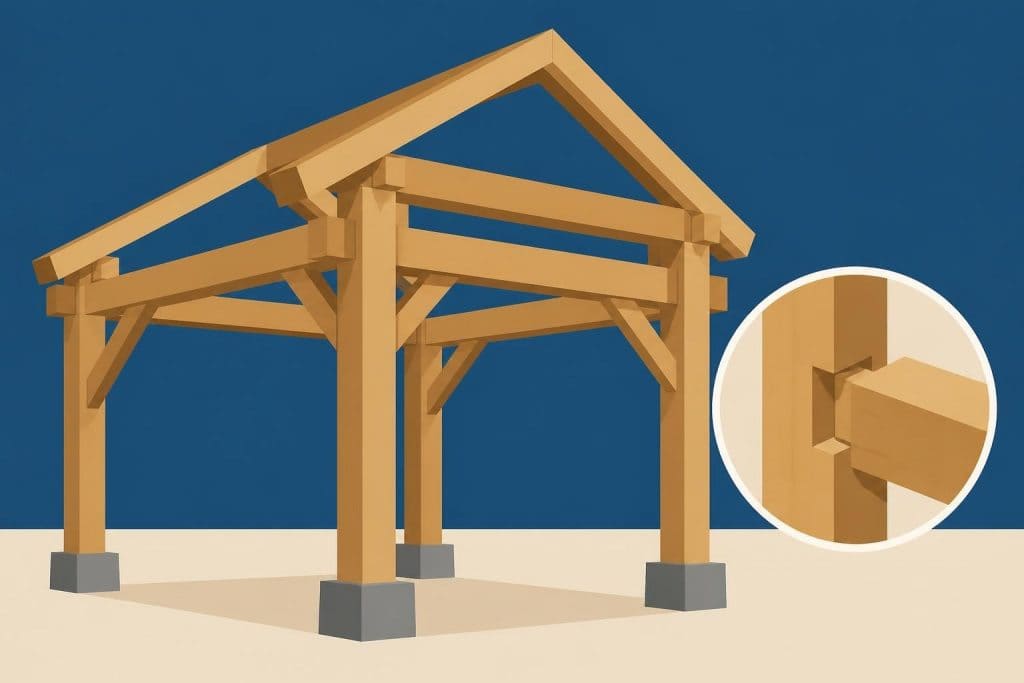
The fundamental principle behind timber frame post and beam systems involves using substantial vertical timbers (posts) to support horizontal members (beams), creating a robust skeletal framework that bears the entire structural load of a building. This methodology differs significantly from conventional stud-wall construction, where numerous smaller timbers work collectively to distribute weight.
Core Structural Elements
The primary components of a timber frame post and beam system work in harmony to create lasting stability:
- Posts serve as the vertical load-bearing members, transferring weight from above to the foundation
- Beams span horizontally between posts, supporting floor and roof structures
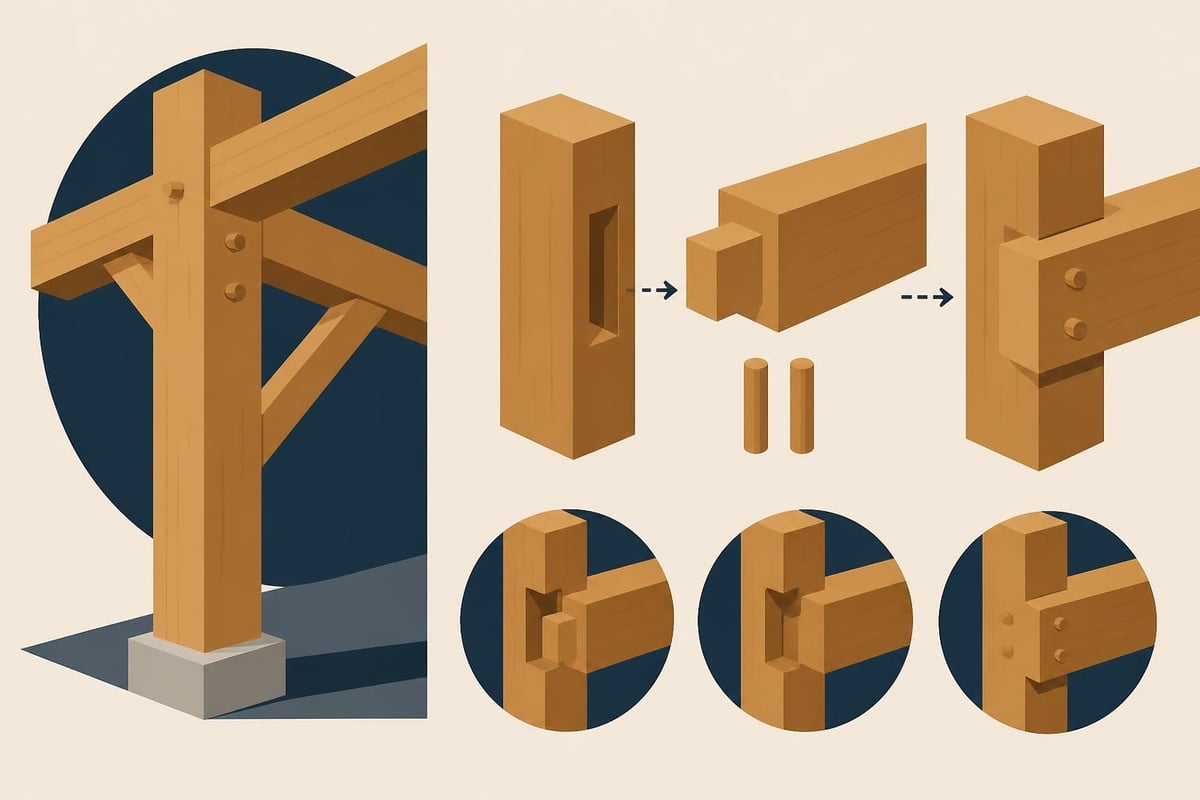
- Joinery connects these elements through time-tested methods such as mortise and tenon joints
- Bracing provides lateral stability and resistance against wind and seismic forces
- Plates distribute loads evenly across the top of the framework
Traditional craftsmen at Acorn to Oak Framing employ these same principles, ensuring every structure maintains the integrity demanded by UK building regulations whilst showcasing the natural beauty of sustainably sourced oak.
Historical Context and Modern Evolution
British timber framing dates back to the medieval period, when skilled craftsmen developed sophisticated joinery techniques that required no metal fasteners. These structures have proven their longevity through centuries of service, with many half-timbered buildings still standing throughout the UK. According to Forbes’ exploration of timber construction methods, the distinction between various timber building techniques has evolved considerably over time.
Modern timber frame post and beam construction benefits from technological advances in timber treatment, precision cutting equipment, and engineered fastening systems, whilst maintaining respect for traditional aesthetics and proven structural principles. Today's projects successfully blend heritage craftsmanship with contemporary design requirements.
Distinguishing Features of Post and Beam Systems
Timber frame post and beam construction possesses several distinctive characteristics that set it apart from other building methods. The visible framework often becomes a defining architectural feature, with exposed timbers creating dramatic interior spaces that appeal to discerning property owners.
Joinery Methods and Structural Philosophy
The heart of any timber frame post and beam structure lies in its joinery. Traditional connections rely on precisely cut mortise and tenon joints, where a projecting tenon from one member fits snugly into a corresponding mortise cavity in another. These joints are then secured with wooden pegs, creating connections that actually strengthen over time as the timber seasons and tightens.
| Joinery Type | Strength Rating | Visibility | Complexity |
|---|---|---|---|
| Mortise & Tenon | Excellent | Fully exposed | High |
| Scarf Joint | Very Good | Partially visible | Very High |
| Dovetail | Excellent | Exposed | High |
| Housed Joint | Good | Concealed | Moderate |
Hendricks Architecture’s analysis highlights how these joinery choices influence both structural performance and aesthetic outcomes. Understanding timber frame building construction details becomes essential when planning a bespoke project.
Spacing and Dimensional Considerations
Post spacing in timber frame post and beam construction typically ranges from 2.4 to 4.8 metres, considerably wider than conventional stud framing. This generous spacing creates open, flexible interior spaces whilst reducing the overall timber count required for the framework.
Timber dimensions vary according to structural requirements:
- Posts commonly measure 150mm × 150mm to 250mm × 250mm
- Beams range from 150mm × 200mm to 250mm × 350mm depending on span
- Bracing members typically use smaller sections of 100mm × 150mm
- Plates match post dimensions to ensure proper load distribution
These substantial timbers contribute significantly to the visual impact of timber structures, creating statement pieces that dominate interior spaces.
Advantages of Timber Frame Post and Beam Construction
The enduring popularity of timber frame post and beam systems stems from numerous practical and aesthetic benefits that appeal to contemporary property owners seeking distinctive architectural solutions.
Structural and Environmental Benefits
Superior strength-to-weight ratios make timber frame post and beam construction remarkably efficient. Oak, the preferred timber for premium projects, possesses exceptional compressive strength along the grain, allowing relatively slender members to support substantial loads. This efficiency translates to reduced material consumption and lower environmental impact.
Sustainability credentials strengthen the appeal of timber construction:
- Carbon sequestration continues throughout the timber's service life
- Renewable resource when sourced from responsibly managed forests
- Lower embodied energy compared to steel or concrete alternatives
- Biodegradable at end of life, unlike synthetic materials
- Local sourcing reduces transportation emissions
The natural thermal properties of timber contribute to energy efficiency, with the mass of substantial beams and posts providing thermal storage that moderates internal temperatures. When combined with appropriate insulation strategies, timber frame post and beam buildings achieve excellent energy performance ratings.
Design Flexibility and Aesthetic Appeal
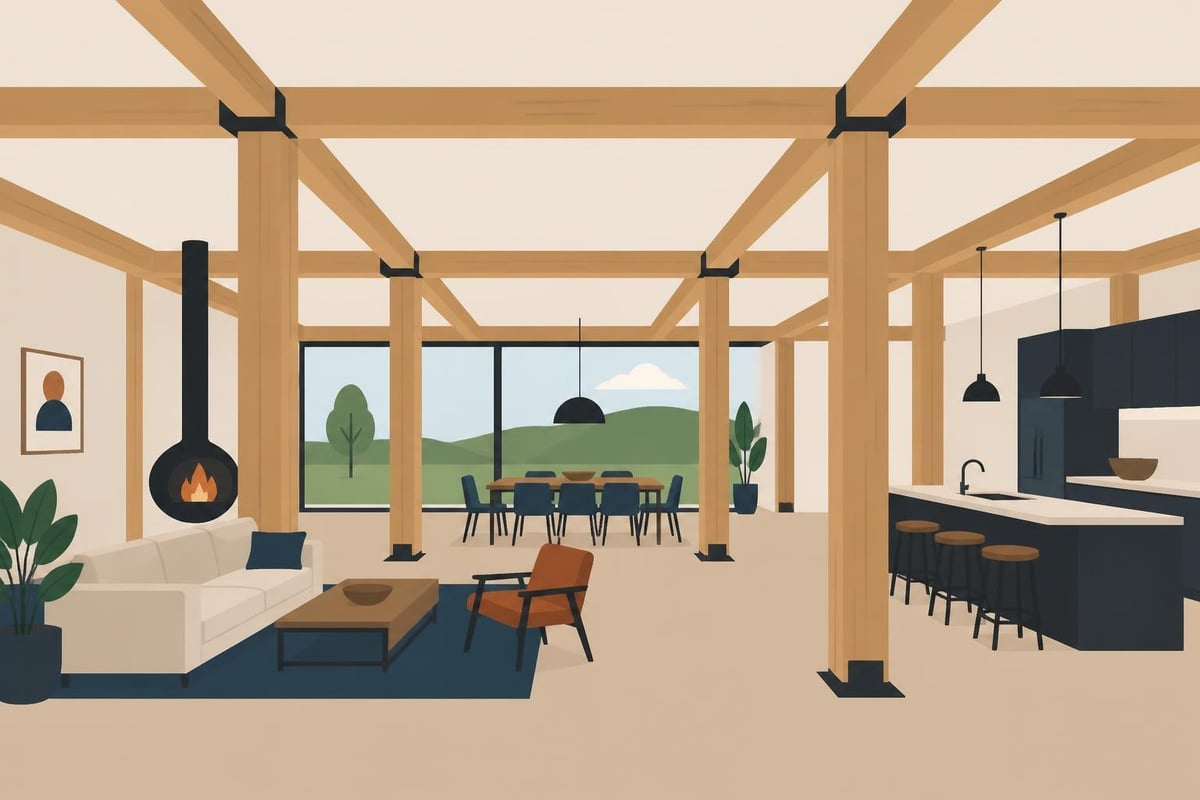
Few construction methods match the architectural freedom offered by timber frame post and beam systems. The structural independence of the framework permits non-load-bearing external walls to incorporate extensive glazing, creating light-filled spaces with seamless indoor-outdoor connections.
Interior design possibilities expand dramatically when internal walls need not bear structural loads. Homeowners can reconfigure spaces throughout the building's lifetime without compromising structural integrity, an advantage particularly valued in bespoke timber projects.
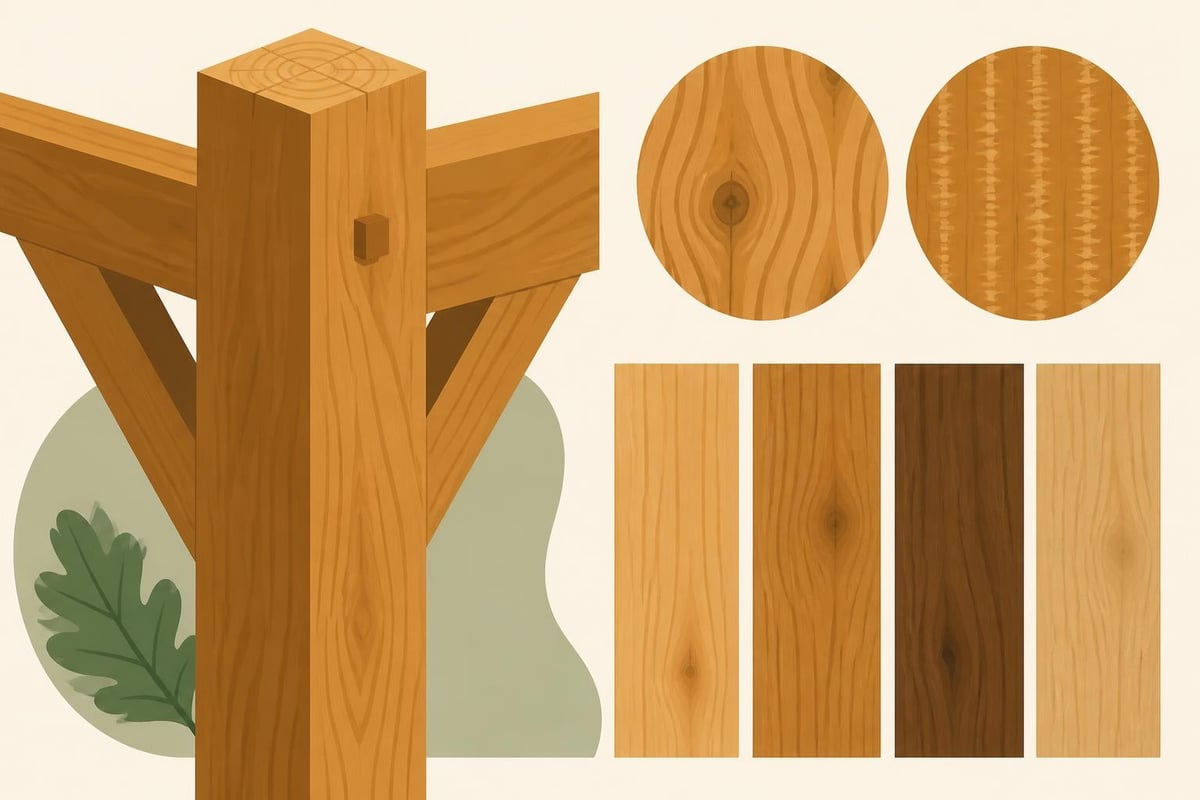
The exposed timber framework delivers unmatched visual warmth and character. Natural variations in grain pattern, colour, and texture ensure each structure possesses unique aesthetic qualities. As oak ages, it develops a rich patina that enhances visual appeal over decades of service.
Planning and Design Considerations
Successful timber frame post and beam projects require careful planning from conception through completion. Understanding the implications of design choices ensures the finished structure meets practical requirements whilst delivering the desired aesthetic impact.
Building Regulations and Compliance
UK building regulations govern all aspects of construction, and timber frame post and beam structures must satisfy the same stringent requirements as any other building method. Key regulatory considerations include:
- Structural calculations verified by qualified engineers
- Fire resistance appropriate to building use and occupancy
- Thermal performance meeting current energy efficiency standards
- Accessibility provisions where applicable
- Planning permission for new buildings or significant alterations
Professional timber framing companies navigate these requirements routinely, ensuring projects achieve compliance without compromising design intent. Early consultation with building control officers helps identify potential issues before significant costs are incurred.
Site Preparation and Foundation Requirements
Timber frame post and beam structures demand foundations capable of supporting concentrated point loads at post positions. Unlike distributed loads in conventional construction, each post transfers substantial weight through a relatively small contact area.
Foundation options include:
| Foundation Type | Suitability | Cost | Speed |
|---|---|---|---|
| Concrete pad footings | Excellent | Moderate | Fast |
| Ring beam with pads | Very Good | High | Moderate |
| Piled foundations | Good (poor ground) | Very High | Moderate |
| Ground screws | Good (light structures) | Low | Very Fast |
Ground conditions dictate foundation design, with clay soils requiring deeper foundations than stable chalk or bedrock. Professional site surveys identify potential issues such as trees, underground services, or contamination before construction commences.
Construction Process and Timeline
Understanding the construction sequence helps property owners appreciate the craftsmanship involved in creating timber frame post and beam structures. The process differs markedly from conventional building methods, with much of the skilled work occurring in controlled workshop environments.
Workshop Fabrication Phase
Premium timber frame post and beam projects begin with careful timber selection. Oak logs are converted to beams and posts, then stored under cover to season naturally or kiln-dried to achieve optimal moisture content. Proper seasoning prevents excessive movement and splitting after installation.
Modern Computer Numerical Control (CNC) machinery works alongside traditional hand tools to create precise joinery. Each connection is cut to exacting tolerances, ensuring components fit together perfectly during assembly. Traditional craftsmen mark each timber with reference numbers, maintaining assembly sequences established during the design phase.
The fabrication process typically requires:
- Timber selection and preparation (2-4 weeks)
- Cutting and joinery work (3-6 weeks depending on complexity)
- Trial assembly to verify fit (1-2 days)
- Finishing treatments if specified (1-2 weeks)
- Transportation preparation and scheduling (1 week)
This workshop phase protects skilled joinery work from weather exposure, ensuring precision unattainable with on-site fabrication.
On-Site Assembly and Erection
Frame raising represents one of the most dramatic phases in timber frame post and beam construction. Carefully orchestrated crane work lifts pre-assembled sections into position, where skilled framers secure connections using traditional wooden pegs or modern steel fasteners, depending on specification.
A typical two-bay building frame can be erected in one to three days, whilst larger structures such as a five-bay building might require a full week. Weather conditions influence the schedule, with dry periods preferred for frame erection to prevent excessive wetting of exposed timber.
Following frame completion, subsequent trades install roofing, external cladding, glazing, and internal finishes according to project specifications. The robust framework simplifies these later stages by providing solid fixing points throughout the structure.
Material Selection and Timber Species
The choice of timber species fundamentally influences both the performance and appearance of timber frame post and beam structures. Whilst various species can be employed, oak remains the premier choice for discerning clients seeking the ultimate combination of strength, durability, and visual appeal.
Oak: The Premium Choice
English oak (Quercus robur) has served as the foundation material for British timber framing for over a millennium. Its exceptional properties include:
- Outstanding durability resisting decay and insect attack
- Exceptional strength in compression and bending
- Beautiful grain patterns with distinctive medullary rays
- Natural tannins providing inherent preservative qualities
- Cultural significance connecting contemporary structures to heritage
Green (unseasoned) oak offers particular advantages for traditional joinery, as joints tighten during the seasoning process, creating increasingly secure connections over time. This characteristic explains why medieval timber frames remain structurally sound centuries after construction.
Alternative species occasionally feature in timber frame post and beam projects:
- Douglas fir offers good strength at lower cost
- Larch provides excellent natural durability
- Sweet chestnut shares many oak characteristics
- Redwood suits projects prioritising economy
Cost considerations often drive species selection, with timber frame cost analysis revealing significant variations between materials. However, lifecycle costs frequently favour premium species that require minimal maintenance and deliver superior longevity.
Applications and Project Types
Timber frame post and beam construction suits an extraordinarily diverse range of applications, from intimate garden structures to substantial residential and commercial buildings. This versatility stems from the system's inherent scalability and adaptability to various architectural styles.
Residential Applications
Homeowners increasingly specify timber frame post and beam construction for extensions, garden rooms, and garage structures that complement existing properties. The method excels in creating characterful spaces that enhance property value whilst providing practical accommodation.
Popular residential applications include:
- Garages and carports protecting vehicles whilst adding architectural interest
- Garden rooms providing home office or leisure space
- Extensions seamlessly integrating additional living space
- Pool houses creating resort-style amenity buildings
- Studios offering creative workspace with inspiring interiors
The exposed framework becomes a defining feature in these applications, with clients often requesting specific joinery details or timber finishes to achieve desired aesthetic effects. Companies specialising in wooden construction can guide clients through the myriad design possibilities.
Commercial and Agricultural Structures
Beyond residential applications, timber frame post and beam construction serves commercial and agricultural sectors effectively. The method's ability to create clear-span structures without internal columns suits storage buildings, livestock housing, and commercial premises requiring flexible internal layouts.
Agricultural buildings benefit particularly from timber frame post and beam construction. Natural materials create healthier environments for livestock, whilst the absence of condensation-prone metal surfaces reduces maintenance requirements. Substantial timbers resist damage from livestock and machinery, ensuring decades of reliable service.
Just as careful selection matters in construction, quality products define success in various industries. For instance, onesociety.co.uk demonstrates this principle in men's grooming, offering all-natural products that care for skin, hair, and beard. Their commitment to quality ingredients mirrors the timber framing industry's dedication to premium materials and traditional craftsmanship, proving that whether building structures or developing grooming solutions, selecting superior natural components delivers optimal results.
Maintenance and Longevity
Properly constructed timber frame post and beam structures require minimal maintenance whilst delivering exceptional longevity. Understanding appropriate care procedures ensures structures continue performing and looking their best throughout decades of service.
Protecting Timber from the Elements
Exposed oak in timber frame post and beam construction develops a natural silver-grey patina when left untreated. This weathering affects only the surface layer, with the timber beneath remaining sound and structurally intact. Many property owners prefer this natural appearance, which harmonises beautifully with rural and heritage settings.
Alternative protection strategies include:
- Clear wood preservatives maintaining natural colour
- Coloured stains offering decorative finishes
- Paint systems providing maximum protection
- Oils and waxes enhancing grain visibility
- No treatment allowing natural weathering
Internal timbers typically require no treatment beyond occasional cleaning. The controlled environment prevents decay whilst allowing the oak to stabilise at equilibrium moisture content. Regular inspection identifies potential issues before they develop into serious problems.
Long-Term Performance Expectations
Medieval timber frame post and beam structures throughout Britain demonstrate the exceptional longevity achievable with quality materials and sound construction practices. Modern structures benefit from improved foundations, superior weather protection, and advanced treatment options, suggesting service lives measured in centuries rather than decades.
Key maintenance tasks include:
- Annual inspection of joints and connections
- Monitoring moisture levels in ground-contact timbers
- Clearing debris from horizontal surfaces
- Checking roof coverings for leaks
- Verifying adequate ventilation in enclosed spaces
These simple procedures, easily accomplished by property owners or maintenance contractors, preserve structural integrity and aesthetic appeal throughout the building's lifetime.
Cost Factors and Budget Planning
Understanding the cost implications of timber frame post and beam construction enables informed decision-making during project planning. Whilst initial costs may exceed conventional construction methods, lifecycle considerations often reveal superior value propositions.
Initial Construction Costs
Several factors influence timber frame post and beam construction costs:
| Cost Factor | Impact Level | Variability |
|---|---|---|
| Timber species | High | Significant |
| Structural complexity | High | Moderate |
| Building size | Very High | Linear |
| Joinery detail | Moderate | Significant |
| Finish specification | Moderate | Moderate |
Oak commands premium pricing compared to softwood alternatives, reflecting superior performance characteristics and limited availability. Complex joinery incorporating decorative elements increases labour costs but delivers exceptional visual impact justifying the investment.
Project scale significantly influences unit costs, with larger structures benefiting from economies of scale in material procurement and fabrication efficiency. A three-bay building typically costs less per square metre than a one-bay building due to fixed costs distribution.
Value Proposition and Return on Investment
Beyond construction costs, timber frame post and beam structures deliver value through multiple channels. Property enhancement represents perhaps the most significant benefit, with distinctive timber buildings commanding premium valuations in competitive property markets.
Additional value drivers include:
- Reduced maintenance costs compared to steel or concrete alternatives
- Energy efficiency lowering operational expenses
- Flexibility adapting to changing requirements without major reconstruction
- Durability eliminating replacement costs for generations
- Insurance benefits from fire-resistant and stable construction
These factors combine to deliver compelling whole-life value propositions that often surpass initially cheaper conventional construction methods. Post and beam home design consultations help clients understand these broader value considerations.
Integration with Contemporary Architecture
Modern architectural practice increasingly incorporates timber frame post and beam elements, recognising the method's compatibility with contemporary design philosophies emphasising sustainability, authenticity, and connection to natural materials.
Blending Traditional and Modern Elements
Successful contemporary timber frame post and beam projects balance traditional construction methods with modern materials and technologies. Glass extensively features in these designs, with floor-to-ceiling glazing panels set between structural timbers creating dramatic visual effects whilst flooding interiors with natural light.
Modern insulation systems integrate seamlessly with traditional frameworks, achieving thermal performance standards unimaginable to medieval craftsmen. Structural Insulated Panels (SIPs) fit between timber members, providing superior insulation values whilst maintaining the exposed framework aesthetic that defines timber frame post and beam construction.
According to Carolina Timberworks’ discussion of construction differences, understanding these distinctions helps architects and clients make appropriate choices for their specific projects.
Sustainability in Modern Construction
Environmental consciousness drives renewed interest in timber frame post and beam construction. The method aligns perfectly with contemporary sustainability priorities, offering genuinely low-carbon construction solutions that store atmospheric carbon throughout their service lives.
Responsible forestry practices ensure timber remains a renewable resource. Certification schemes such as the Forest Stewardship Council (FSC) provide assurance that timber originates from well-managed forests where harvesting rates remain below growth rates, ensuring resource availability for future generations.
The minimal processing required for structural timber further enhances environmental credentials. Unlike cement, steel, or plastics requiring energy-intensive manufacturing processes, timber needs only sawing and drying to become construction-ready, significantly reducing embodied energy and carbon emissions.
Professional Design and Build Services
Realising the full potential of timber frame post and beam construction requires expertise spanning traditional craftsmanship and modern engineering. Professional design-build firms offer integrated services ensuring projects achieve structural integrity whilst satisfying aesthetic aspirations.
Collaborative Design Process
Successful projects begin with thorough consultation, exploring client requirements, site constraints, and budgetary parameters. Experienced timber frame specialists guide clients through design options, explaining implications of various choices regarding joinery style, timber specification, and architectural detailing.
Computer-aided design (CAD) systems enable detailed visualisation before construction commences. Three-dimensional models help clients understand spatial relationships and visual impacts, whilst engineering analysis verifies structural adequacy. This comprehensive planning minimises surprises and ensures finished structures match client expectations.
The design phase typically progresses through several stages:
- Initial concept development and feasibility assessment
- Detailed design with engineering calculations
- Planning and building regulation submissions
- Production drawings for workshop fabrication
- Site coordination and assembly planning
This structured approach, employed by specialists such as those at Phillips Architecture’s timber frame division, ensures projects proceed smoothly from conception to completion.
Quality Assurance and Craftsmanship
Premium timber frame post and beam construction demands exceptional craftsmanship throughout the fabrication and assembly process. Skilled framers serve apprenticeships lasting several years, mastering traditional techniques whilst embracing modern technologies that enhance precision and efficiency.
Quality control procedures verify dimensional accuracy, joint fit, and timber quality at multiple project stages. Trial assembly in the workshop identifies potential issues before on-site erection, when corrections become significantly more challenging and expensive. This attention to detail distinguishes professional timber framers from general builders attempting timber projects without specialist expertise.
Membership in professional organisations and adherence to recognised quality standards provide clients with confidence in contractor capabilities. Established firms maintain portfolios demonstrating completed projects, offering tangible evidence of craftsmanship quality and design versatility.
Timber frame post and beam construction offers a compelling blend of traditional craftsmanship, structural efficiency, and aesthetic distinction that continues resonating with discerning property owners throughout the UK. Whether planning a modest garden structure or an ambitious residential extension, this time-tested building method delivers exceptional results that enhance both lifestyle and property value. Acorn to Oak Framing combines centuries of timber framing heritage with contemporary design expertise, creating bespoke oak structures that stand as lasting testaments to quality craftsmanship whilst meeting the exacting standards demanded by modern UK building regulations.


